If you could step into a time machine and walk through a Jurassic forest, you’d be surrounded by some of the most finely tuned survival machines Earth has ever produced. Dinosaurs did not dominate the planet by accident; they were masters of adaptation, shaped by pressure, chance, and deep time. For well over 150 million years, they ruled diverse environments, from polar forests to steamy floodplains, outlasting rivals and disasters that would’ve wiped you and me out in a heartbeat.
When you zoom in on the details, their success stops feeling like a mystery and starts to look like a giant, slow-motion experiment in evolution. You see lightweight bones that carried huge bodies, lungs that squeezed every bit of oxygen from the air, and brains wired for sharp senses and complex behavior. As you read through these eleven adaptations, imagine what they’d feel like in your own body – because that’s one of the wildest parts. Some of these dinosaur superpowers still live on in the birds you see every day.
1. Hollow Bones That Made Giants Surprisingly Light
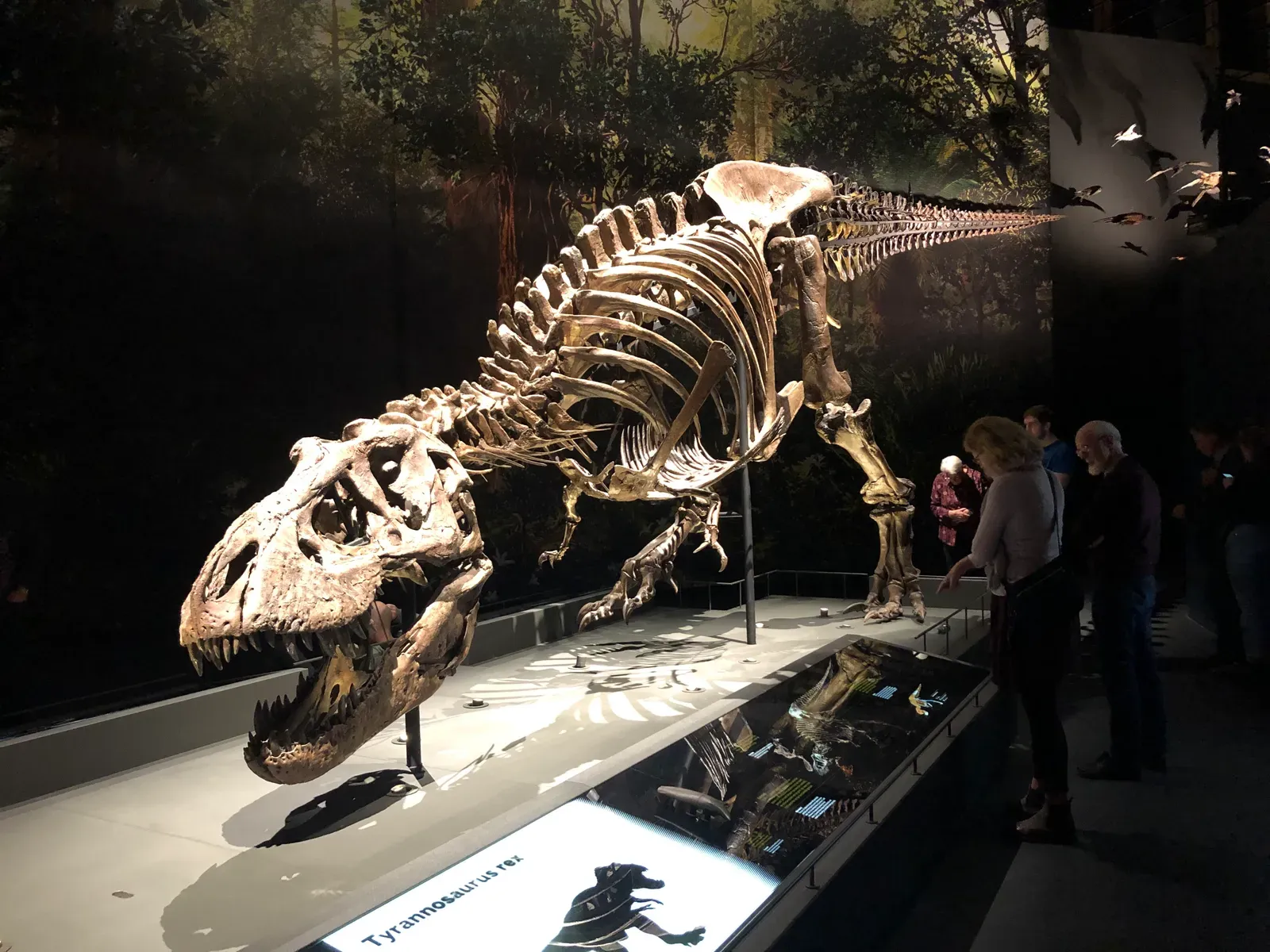
You might assume that an animal as big as a sauropod or a theropod like Tyrannosaurus was basically a walking boulder, but their skeletons tell a different story. Many dinosaurs had hollow or air-filled bones, a bit like the bones you find in modern birds, which made them significantly lighter than they looked. You can picture a massive animal whose bones are more like the internal structure of a steel bridge – lots of support with surprising amounts of empty space. That balance between strength and lightness let them grow to enormous sizes without collapsing under their own weight.
For you, that would be like having the body mass of a delivery truck but the agility of a runner. Hollow bones meant dinosaurs could move faster, conserve energy, and support huge muscles without needing a completely solid skeleton. This adaptation also opened the door for long necks, large skulls, and powerful limbs because the bones supporting them were efficient instead of dense and clumsy. Without this clever internal architecture, many of the classic dinosaur body plans you picture – towering, lumbering giants and fast, athletic predators – simply wouldn’t have been possible.
2. Advanced Lungs That Turned Them Into Oxygen Engines
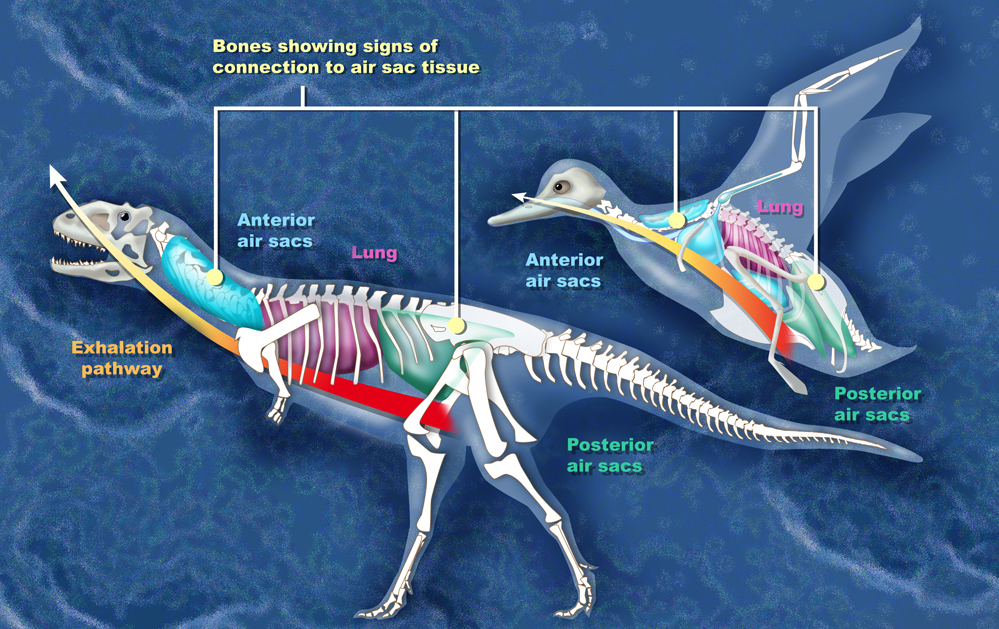
You breathe in and out like a pump: air in, air out, and then you start over. Many dinosaurs, based on fossils and comparisons with birds, likely had a far more efficient setup. Instead of simple lungs, they probably used a system of air sacs and one-way airflow that kept fresh air passing through their lungs almost constantly. If you had a system like that, you’d feel like you were wearing a built-in turbocharger, squeezing more oxygen from every breath with less wasted effort.
This kind of respiratory system is a huge advantage if you want to live an active life, run fast, or survive in warm climates with thinner or fluctuating oxygen levels. It gave dinosaurs the endurance to migrate long distances, chase prey, or escape predators without gassing out quickly. It also helps explain how they thrived through different climate shifts, including times when oxygen levels weren’t as comfortable as today. In a world full of intense competition, your ability to use air better than your neighbors can be the difference between ruling the landscape and fading into the background.
3. Powerful Legs and Tail Balancing for Efficient Movement
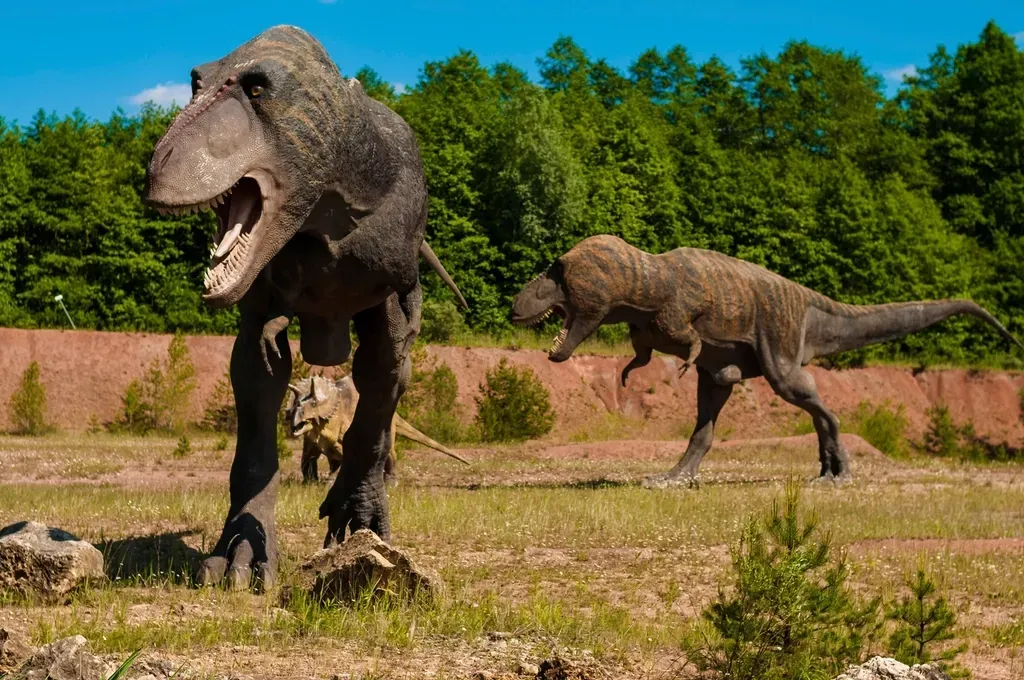
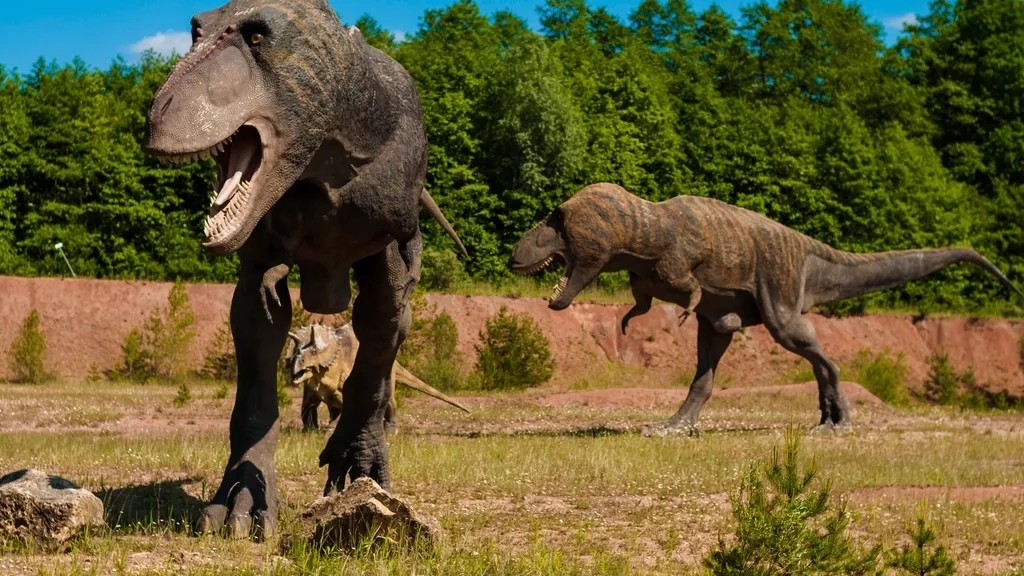
If you watch a bird sprint across the ground or a lizard dart away, you’re seeing a faint echo of how many dinosaurs moved. Lots of them used strong hind legs for locomotion and a stiff, muscular tail as a counterbalance, especially the classic bipedal predators. If you put yourself in that body, your tail would act like a built-in stabilizer, letting you pivot, brake, and accelerate without toppling forward. That kind of balance would turn you into a surprisingly nimble runner, even at large sizes.
Efficient movement meant dinosaurs could patrol big territories, follow migrating herds, or search for patchy plant growth in harsh seasons. You can think of their leg and tail design as a long-distance fuel-saving system: every step cost a little less energy, so they could cover more ground. In periods of drought or environmental stress, that ability to travel and move effectively is critical. Instead of being trapped when local resources ran out, many dinosaurs could simply keep going until they found what they needed to survive.
4. Teeth and Beaks Perfectly Shaped for Their Food
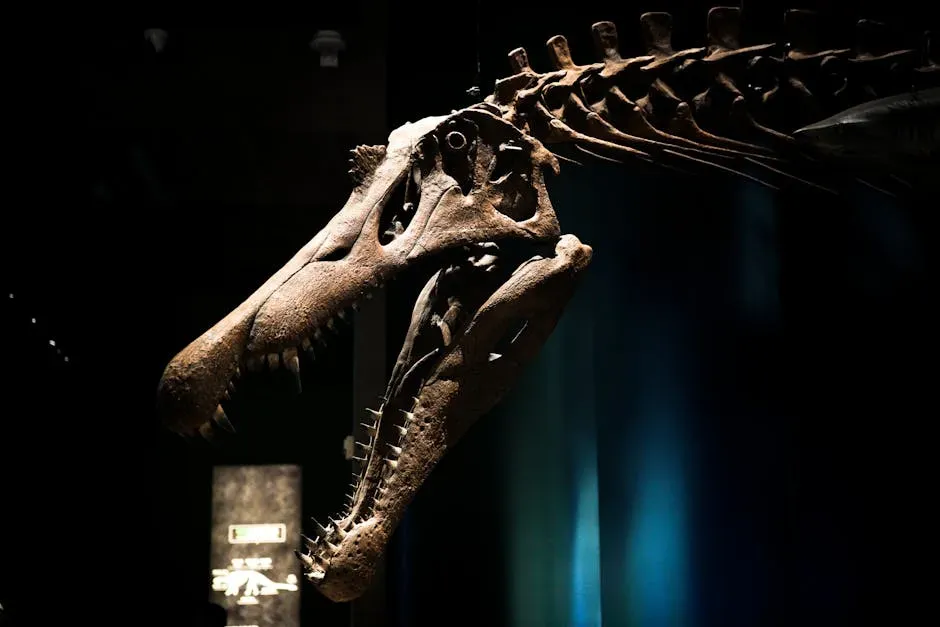
Imagine opening your mouth and finding not just one set of generic teeth, but a toolkit tailored for exactly what you eat. That’s what dinosaurs did over and over again. Plant-eaters evolved batteries of grinding teeth, slicing beaks, and complex jaws that could snip leaves, strip branches, and crush tough vegetation. Meat-eaters developed blade-like teeth, deep-set roots, and jaws built to hold onto thrashing prey, tear flesh, or even crush bone. When you look at a dinosaur skull, you’re basically seeing a fossilized menu.
This specialization let different species share the same habitat without constantly stepping on each other’s toes, or rather, plates. One herbivore might focus on low-growing ferns while another targeted taller trees, and a third specialized in tough, dry plants. Predators could also spread out by targeting different-sized prey or using different hunting styles. By carving out narrow feeding niches instead of competing for the exact same resources, dinosaurs reduced direct conflict, stabilized ecosystems, and made it easier for many species to coexist for millions of years.
5. Armor, Horns, and Spikes for Defense and Display
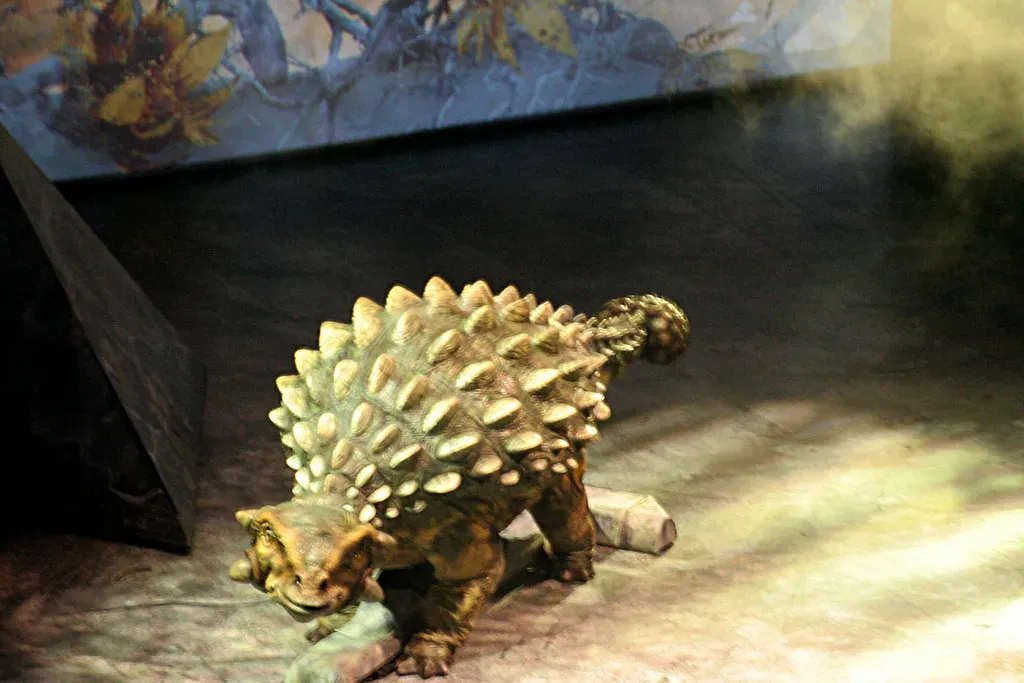
If you’ve ever wished you could walk into a dangerous situation with a shield already attached to your body, you can appreciate what armored dinosaurs pulled off. Some species grew bony plates embedded in their skin, tail clubs heavy enough to crack bone, or dense helmets of bone across their skulls. Others sported horns, frills, or spikes that could turn a predator’s attack into a very bad idea. You can imagine how a sharp set of horns or a clubbed tail changes the calculation for any hunter thinking about testing you.
But defense was only half the story. Those same horns, frills, and plates probably played big roles in social signaling – helping individuals recognize each other, attract mates, or intimidate rivals. In your world, that’s like your protective gear doubling as a fashion statement and status symbol. When an adaptation helps you avoid being eaten and also helps you find a partner, evolution tends to lock it in. Over time, this combination of protection and visual drama helped many dinosaur lineages persist and diversify, instead of ending in a predator’s jaws.
6. Feathers and Insulation That Managed Heat and Helped Behavior
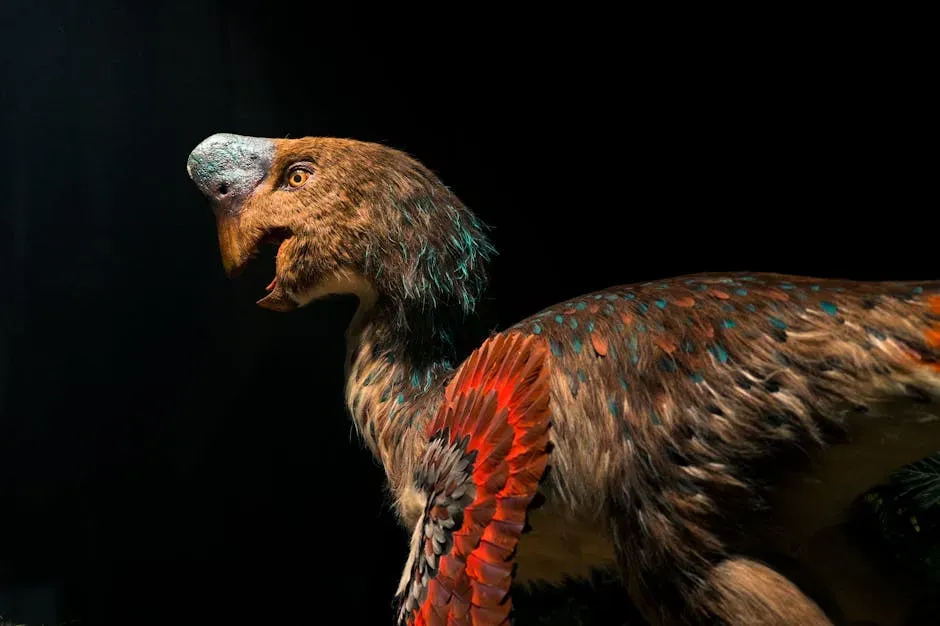
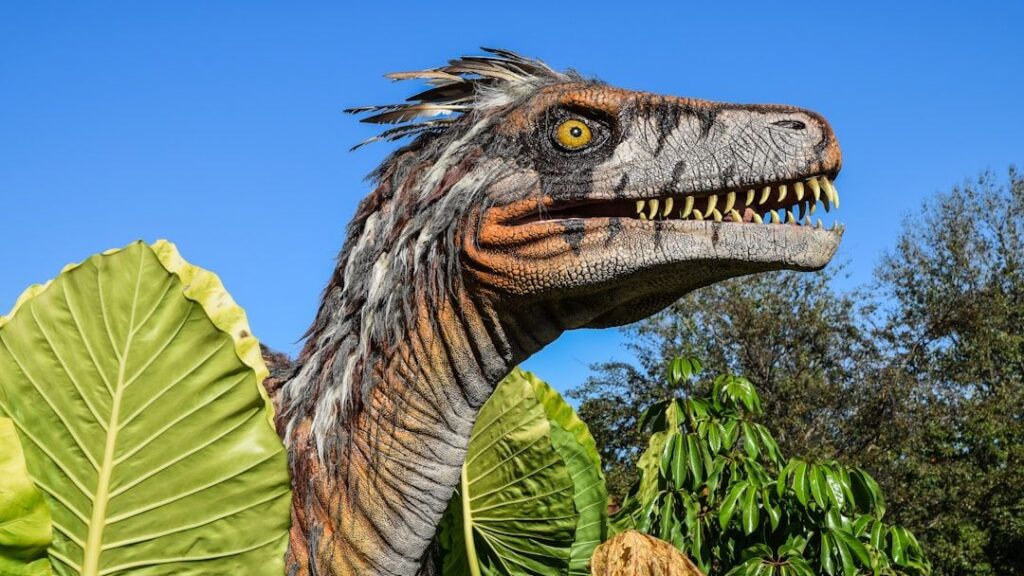
You might still picture all dinosaurs as scaly lizard-like creatures, but fossils have shown that many, especially smaller theropods, had feathers or filament-like coverings. For you, that would feel like wearing a built-in jacket you can fluff up, flatten, or shed as conditions change. These coverings helped regulate body temperature, keeping animals warm in cooler climates and possibly shading the skin when it was too sunny. That kind of temperature control is crucial if you want to stay active rather than sluggish.
Feathers likely did more than just keep dinosaurs comfortable. They may have been used in mating displays, threat postures, or even simple communication within groups, much like modern birds do. If you could suddenly raise a colorful crest or spread your feathered arms to look bigger, you’d gain social and defensive advantages. Over time, those small advantages add up. In some lineages, lightweight feathers and strong forelimbs eventually set the stage for powered flight, a radical new way to travel and escape danger that still dominates the skies today.
7. Rapid Growth and Flexible Life Strategies
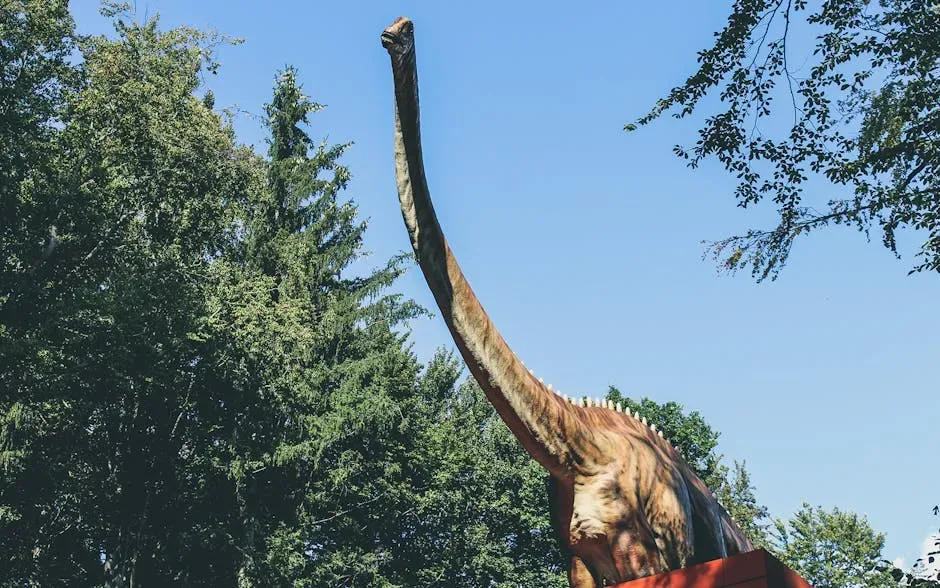
Surviving for millions of years is not just about what your adult body can do; it’s also about how quickly you can get there and how you handle life’s early stages. Evidence from bone growth rings suggests many dinosaurs grew fast, reaching large sizes in relatively short spans of time. If you had that kind of growth rate, you’d go from vulnerable youngster to too-big-to-mess-with much sooner. That alone dramatically cuts your time spent in the most dangerous phase of life.
Different species also seem to have experimented with varied life strategies, from laying many small eggs to investing more heavily in fewer offspring. You can think of this as nature’s version of balancing your risk portfolio. When environments were unstable, laying many eggs and growing quickly might help your lineage bounce back after disasters. In more stable settings, slower growth and more parental care might pay off. By not sticking to just one rigid strategy, dinosaurs gave themselves multiple ways to ride out changes in climate, food availability, and predators.
8. Keen Senses and Surprisingly Complex Brains
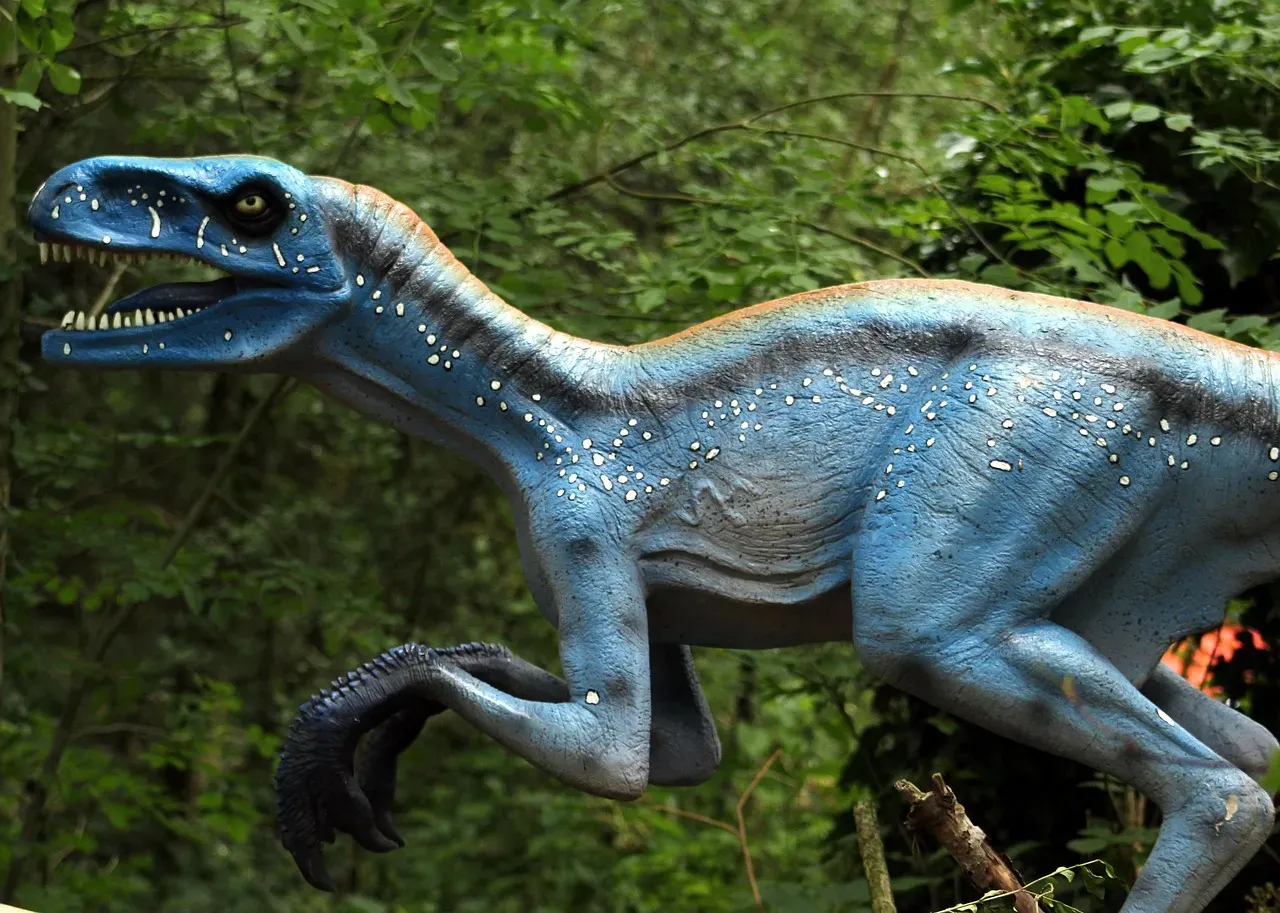
It’s easy to imagine dinosaurs as big but dull, yet when you look at braincase fossils and compare them with modern relatives, the story gets more interesting. Many theropods, for instance, seem to have had strong vision, good hearing, and brains capable of coordinating fast, precise movements. If you dropped your own mind into one of those bodies, you’d likely experience the world through sharper eyes and ears, tuned for detecting motion, tracking targets, and reacting quickly. That sensory edge could mean the difference between catching dinner and becoming it.
Some species also show signs of more complex behavior, from coordinated movement to potential social interactions and even problem-solving. For you, that might look like learning from others, remembering good feeding spots, or adjusting your tactics when conditions change. When your brain can update your behavior instead of waiting for your genes to catch up, you adapt faster. That mental flexibility – layered on top of physical advantages – helped many dinosaurs navigate new challenges and changing ecosystems with more resilience than you might expect from “giant reptiles.”
9. Social Behavior and Herding That Shared the Risk
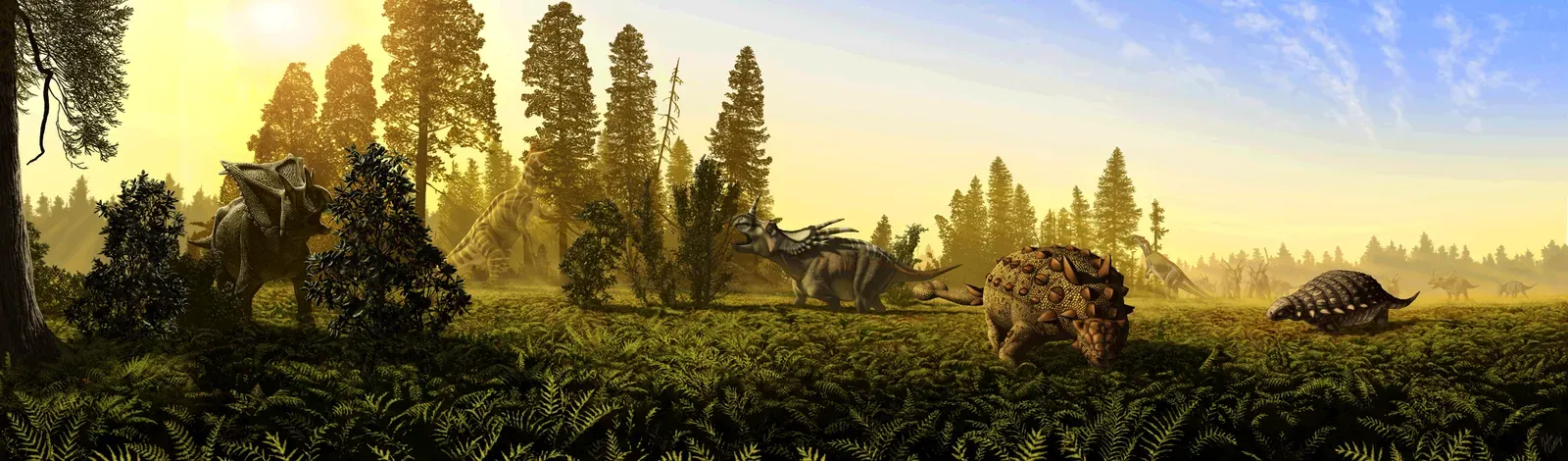
Imagine never walking alone, not out of fear, but because your chances of survival skyrocket when you live in a group. Fossil trackways and bonebeds suggest that many dinosaurs moved in herds or smaller social units. If you were one of them, you’d benefit from extra eyes watching for danger, shared information about food and water, and the emotional security of not facing the world alone. It is the prehistoric version of safety in numbers, and it matters enormously when predators are large and relentless.
Herding and social behavior also open the door to strategies you simply cannot manage as a solitary animal. Adults can position themselves around juveniles, reducing the odds that the next attack wipes out your future generation. Groups can migrate more effectively, follow seasonal patterns, and possibly even coordinate responses to threats. You can think of a herd as a living, breathing insurance policy: each individual faces risk, but the group as a whole becomes hard to wipe out. Over millions of years, that translates into long-term survival and evolutionary staying power.
10. Egg-Laying and Nesting That Spread Their Bets
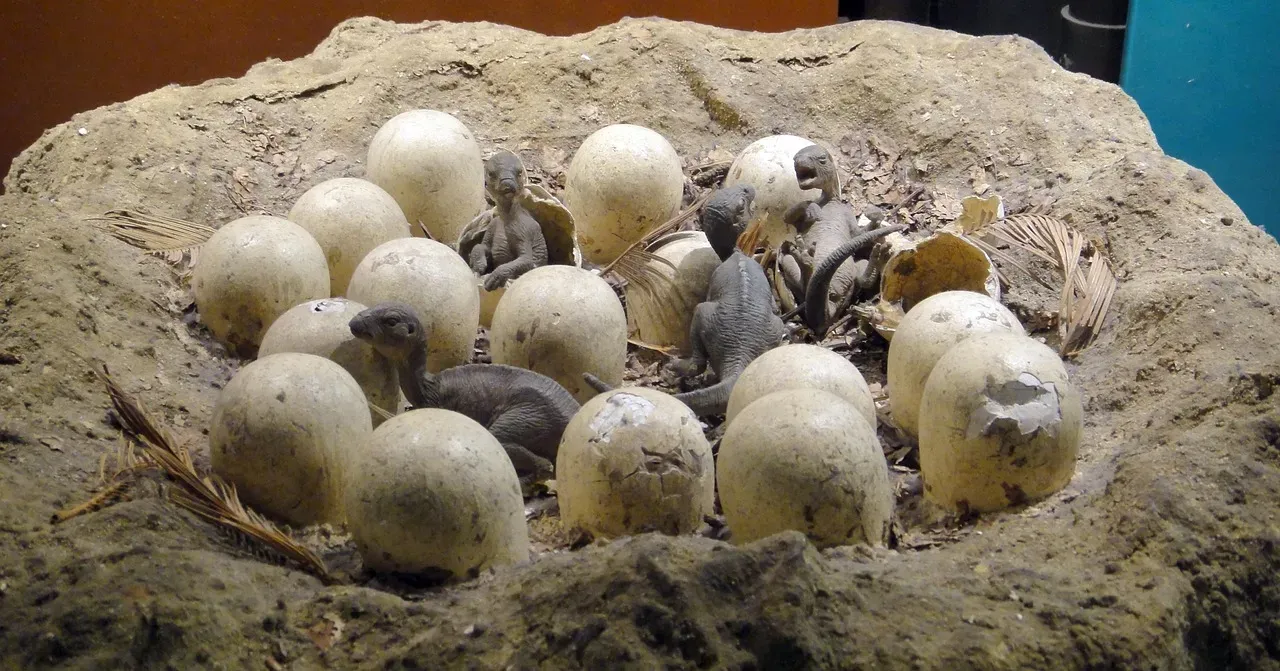
Laying eggs might sound like a vulnerable way to reproduce, but it gave dinosaurs a unique mix of flexibility and reach. As an egg-laying animal, you can produce many offspring over your lifetime, scattering your genetic chances across different nests, locations, and even seasons. That spread-out strategy helps protect you from local disasters. If one nesting area floods or gets hit by predators, others may still succeed. In evolutionary terms, you’re not putting all your future into one fragile basket.
Some dinosaurs likely went beyond simply dropping eggs and walking away. Evidence of nesting sites, brooding postures, and repeated use of the same areas suggests a range of parental investment. If you were a dinosaur parent guarding a nest, you’d be increasing the odds that at least some of your hatchlings made it into the dangerous juvenile phase. That combination of quantity and, in some cases, quality care gave dinosaurs a robust way to keep their populations going, even when the world around them shifted in unpredictable ways.
11. Evolutionary Flexibility and the Legacy of Birds
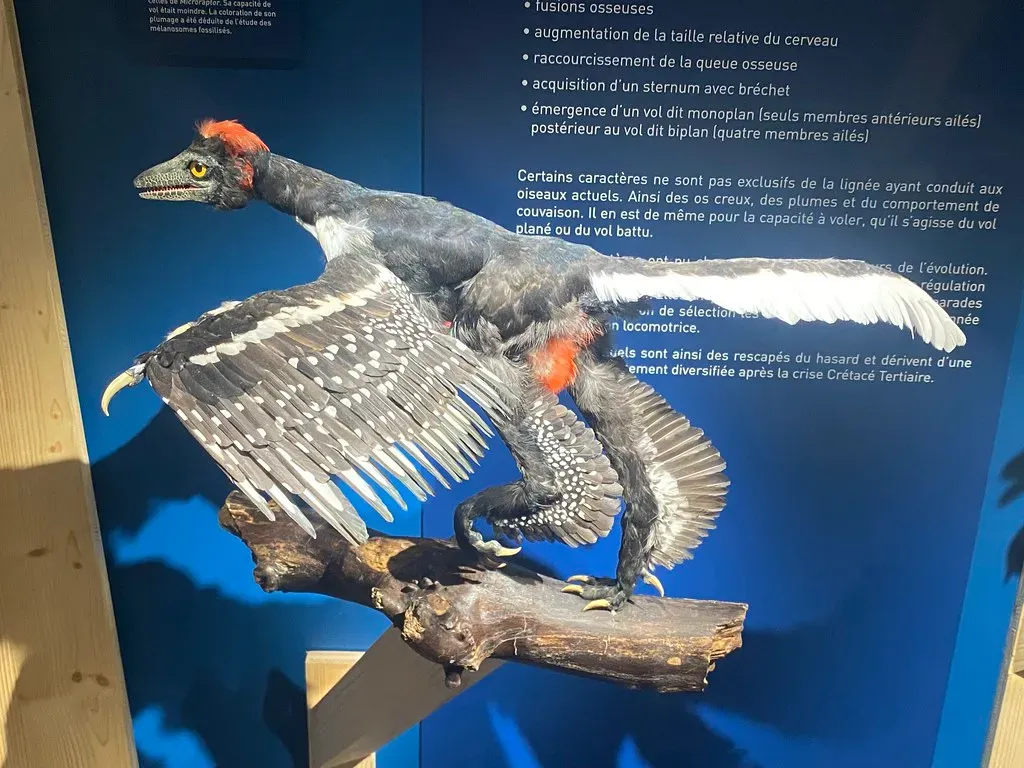
When you think about dinosaurs surviving for millions of years, you might treat their extinction at the end of the Cretaceous as a full stop. But if you look at modern birds, you’re seeing their story still unfolding. Many small, feathered, bird-like dinosaurs had the right mix of traits – lightweight bodies, efficient lungs, feathers, and diverse diets – to slip through the mass extinction bottleneck. If you were one of those survivors, your descendants would eventually explore almost every habitat on Earth, from oceans and deserts to cities and backyards.
That longer view shows you something important: the real superpower was not any single adaptation, but a deep flexibility baked into their lineage. Dinosaurs changed size, shape, diet, and behavior countless times, and a branch of them reinvented themselves as birds after the worst global catastrophe in their history. When you hear a birdsong or watch a hawk glide overhead, you are witnessing the most enduring adaptation of all – an evolutionary line that learned how to keep rewriting itself. In that sense, the dinosaurs never really stopped surviving; they just changed costume.
When you put all these adaptations together, you see dinosaurs not as clumsy relics, but as some of the most ingenious survivors Earth has ever produced. They lightened their bones, supercharged their breathing, armored their bodies, sharpened their senses, and built social lives that shared both risk and opportunity. Their story stretches across unimaginable spans of time, yet you still feel its echoes every time you watch a flock of birds wheel through the sky. So the next time you picture a dinosaur, will you see just a monster – or a masterclass in how life learns to endure?