Think you know yourself completely? You might be surprised to learn what your unconscious actions reveal. Research by Psychologist Wendy Wood has shown that 43% of our daily actions are performed out of habit while our minds are elsewhere. These aren’t the personality quizzes you take online or the traits you list on your resume. These are the unfiltered, honest moments where you’re not performing for anyone.
Here’s the thing: every single day, you’re leaving personality breadcrumbs without realizing it. The way you grip someone’s hand. How you react when your coffee spills. What you do in those first groggy moments after waking. Personality traits reflect people’s characteristic patterns of thoughts, feelings, and behaviors. Let’s be real, we spend so much time trying to present ourselves in the best light that we forget our unguarded behaviors tell the most accurate story. So let’s dive in and explore what your everyday moves might actually be revealing about who you truly are.
How You Walk Tells Your Life Story

Your walking style is basically a moving billboard for your personality. Someone who walks with a measured, even stride and with their head up conveys a confident personality and tends to be socially adept and open. That’s why you’ll notice politicians and public figures often adopt that “power walk” when cameras are rolling. It’s not accidental.
Then there’s the opposite end of the spectrum. People who shuffle, look down frequently, or walk with their shoulders hunched might be carrying anxiety or experiencing lower self-esteem. Some people show expansive movements, such as gesturing wildly, while others are more restricted and closed-off. This might suggest differences between extroverts (who are expansive and outgoing) and introverts, who tend to “keep to themselves.” Even your stride and posture can hint at your self-esteem. So yes, your daily stroll might be more telling than you think.
Your Morning Routine Is Your Blueprint
Morning routines are like fingerprints – no two are the same, and they say a lot about you. Harvard research found that morning people tend to be more proactive and conscientious. If you wake up early, stretch, and make your bed, you probably love structure and control. Early risers who jump into action tend to score higher on measures of proactivity. They’re planning their day before most people have hit snooze for the third time.
Night owls who sleep in until the last possible second reveal different priorities. They’re often more spontaneous, less rigid about schedules, and comfortable with a bit of chaos. Let’s be honest: if you’re the type who sets seventeen alarms and still rolls out of bed at the absolute last moment, you probably value flexibility over structure. Your mornings essentially forecast how you approach the rest of your life.
The Handshake That Speaks Volumes

The results indicate that participants with firmer handshakes described themselves as more emotionally expressive, extroverted and positive than others. Those with looser grips were more shy and neurotic. The judges’ first impressions correlated with this – they agreed that the participants with firmer handshakes were more confident and less socially anxious. It’s kind of fascinating how much information gets transmitted in those two seconds of physical contact.
Women with firm handshakes show particularly interesting patterns. Women who shook hands firmly tended to be more intellectual, educated, liberal and open to experiences. A weak or limp handshake, on the other hand, can suggest discomfort with social interaction or lower confidence levels. Next time you meet someone, pay attention to that initial grip. It’s practically a personality snapshot.
What Your Eating Habits Actually Mean

How you approach food reveals way more than just your taste preferences. Slow eaters generally like to be in control and know how to appreciate life. Fast eaters tend to be ambitious, goal-oriented, open to new experiences, and often impatient. Adventurous eaters probably like to step out of their comfort zones, while picky eaters are likely neurotic in different areas of their lives. Finally, those who separate different foods on their plate are inclined to be detail oriented and disciplined. It’s like your plate becomes a personality test you didn’t sign up for.
There’s also something to be said about what you eat. The research discovered that participants who ate more plant-based foods and fish showed higher openness, conscientiousness, and emotional stability. Those who ate more meat, on the other hand, showed less openness and emotional strength and higher extroversion. Finally, people who ate more carbs weren’t as conscientious, extroverted, or emotionally stable. So if you’re inhaling pasta while keeping your vegetables separate and eating everything super fast, well, that’s telling quite the story.
Your Response to Mistakes Defines You

Everyone makes mistakes, but how you respond sets your character apart. If you own up quickly and look for solutions, you probably have high emotional maturity. Individuals who deflect or blame others may struggle with self-awareness or a fear of criticism. Those who embrace accountability tend to build stronger, more resilient relationships. This one’s huge because it shows up everywhere in life.
People who immediately get defensive or shift blame are often protecting fragile egos. They might be dealing with deeper insecurity. Those who can say “my bad” without making excuses? They’re comfortable enough with themselves to acknowledge imperfection. Honestly, this trait alone can predict relationship success better than almost any other behavior. Admitting you’re wrong isn’t weakness. It’s personality strength in disguise.
How You Handle Your Phone Addiction
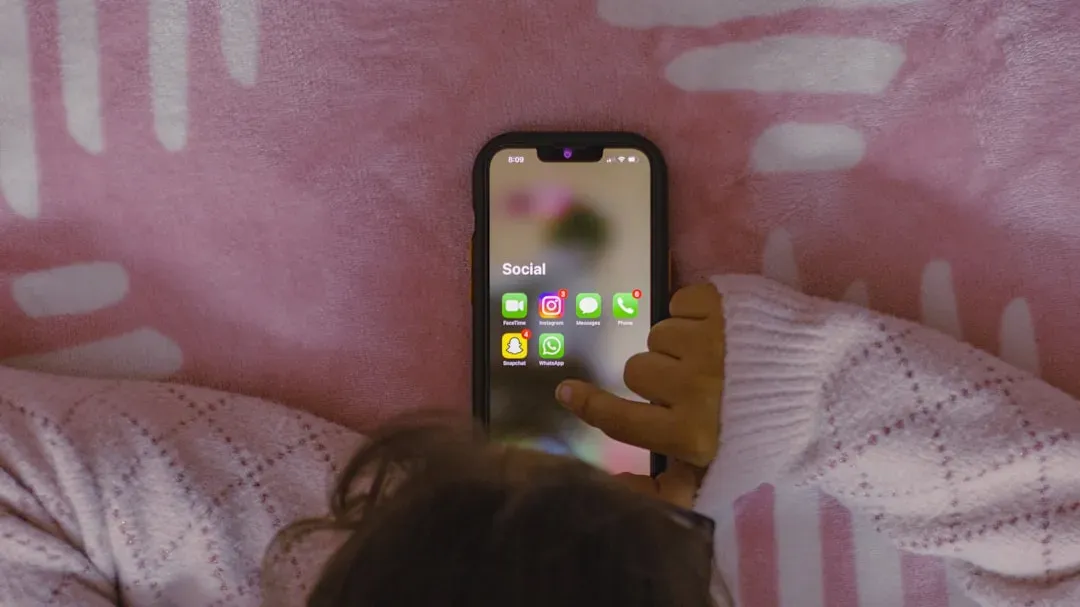
The 2015 study measured cell phone “addiction” by asking people how much they agreed with statements such as “I get agitated when my cell phone is not in sight” and “I spend more time than I should on my cell phone.” Results showed that emotional instability was a key predictor of cell-phone addiction. Interestingly, the study also found that introverts–people who expressed feelings of shyness and bashfulness–were less likely to be addicted to their phones. That’s counterintuitive, right? You’d think introverts would cling to their digital lifeline.
If you’re constantly checking notifications, you might be seeking external validation or struggling with anxiety. Those who can leave their phones in another room without panicking tend to have greater emotional stability and self-assurance. It’s hard to say for sure, but the relationship between phone attachment and personality is surprisingly revealing about your need for connection and reassurance.
Your Email Style Exposes Your Inner World
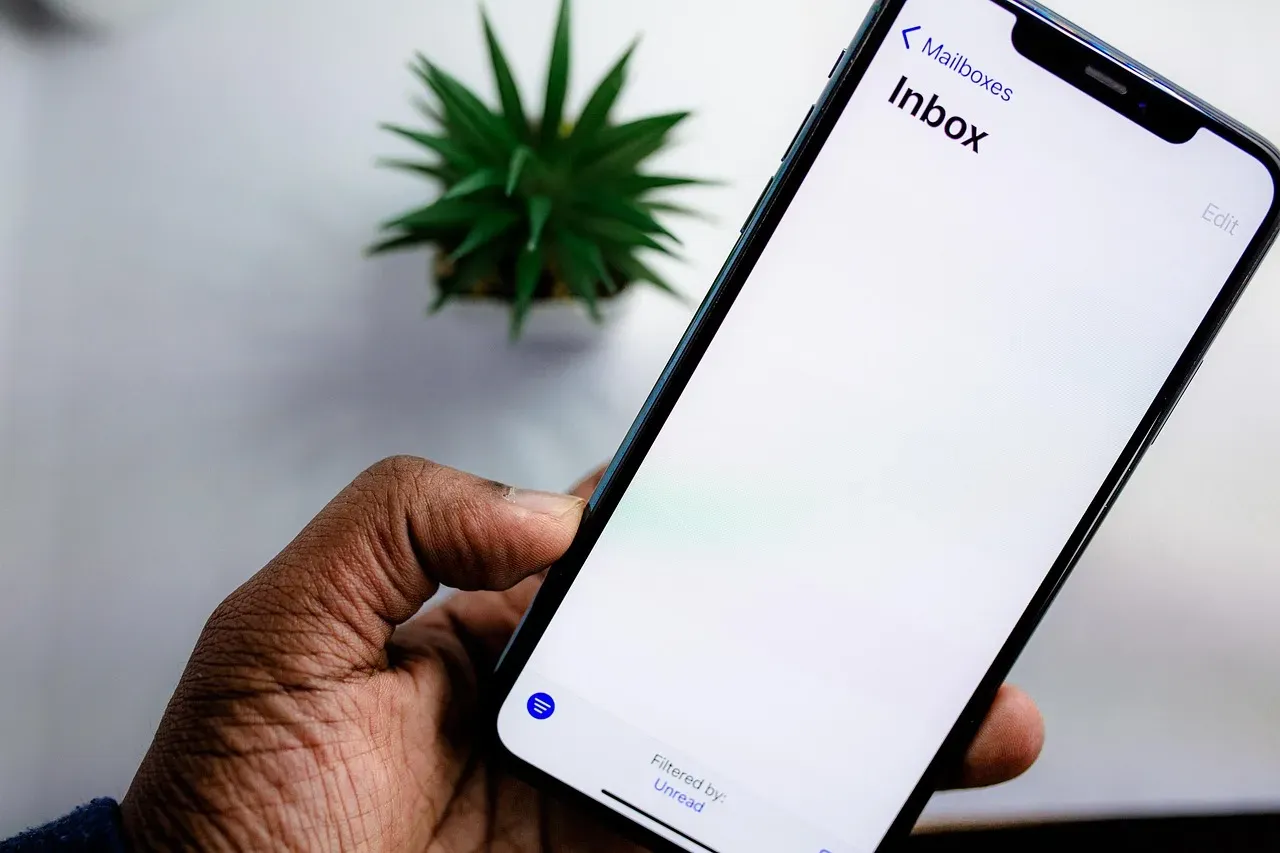
Whether you’re an inbox hero or you don’t mind watching your “unread” count tick up to 10,001, the way you maintain your email inbox may say a lot about your personality. Those who file and delete emails as soon as they receive them may have a greater need for control and order in their lives. These are the people who can’t stand clutter in any form, digital or physical.
Meanwhile, if your inbox has thousands of unread messages, you’re probably more comfortable with ambiguity and less obsessed with order. You might be more creative and flexible, less concerned with rigid systems. Neither approach is inherently better, but they definitely reveal how you process information and manage stress. Your email habits are basically your organizational personality on display.
Shopping Habits That Tell All

People who love to shop and tend to shop too much are more likely to have personalities classified as hedonistic, extroverted, impulsive, open to new experiences and maybe a little neurotic, to boot, according to a study published in the Journal of Retailing and Consumer Services in 2022. However, people who just shopped for what they needed were more likely to have agreeable and conscientious personalities. Shopping becomes emotional expression for some people.
Spending habits can also be an indication of someone’s personality type in a relationship. Folks who hide money, overspend or rack up debt are also more likely to be untrustworthy and unstable in their romantic relationships. Money choices reveal more about our values than we’d like to admit. Frequent impulse shoppers often seek excitement or emotional reward, while savers tend to value security and control.
The Way You Drink Your Beverages

Researchers found that the people who drank sugary beverages were less likely to think about future consequences and instead tended to make choices to live in the moment. These people were impulsive and open. On the other hand, the people who were more conscientious about their health spent more time predicting future consequences and were less likely to drink that sugar bomb. Which makes a lot of sense when you think about it.
Ordering that large milkshake or grabbing the soda without a second thought suggests you prioritize immediate pleasure over long-term planning. Health-conscious beverage choices indicate future-oriented thinking. The interesting part is that this behavior extends beyond drinks. People who consistently choose instant gratification in small decisions tend to make similar choices in bigger life areas too.
Your Relationship With Punctuality

According to research in the Journal of Applied Social Psychology, our punctuality (or lack of it) can reveal whether we’re a Type A or B personality. People who arrive early or exactly on time tend to be more conscientious, organized, and respectful of others’ schedules. They hate wasting time and view lateness as a sign of disrespect.
Chronically late people often have a more relaxed relationship with time. They might be more spontaneous, optimistic about how long tasks take, or simply less anxious about social conventions. Some studies suggest they’re more creative but less conscientious. If you’re always running fifteen minutes behind, you’re probably also more comfortable with ambiguity and less concerned with rigid rules. Time is relative, after all.
Body Language and Personal Space

The way a person stands or sits in a photo can reveal a lot about their confidence or state of mind at that moment. A confident person is likely to have good posture, standing tall with their shoulders back. At the same time, someone who is feeling insecure or stressed may hunch over or cross their arms protectively. The physical space you claim speaks volumes about your internal confidence.
Negative body language tends to push others away. It includes having arms crossed, balled fists, clasped hands, hidden or defensive postures, hiding the body, or turning/moving away. People who stand with open postures, make steady eye contact, and use expansive gestures typically have higher self-esteem. Those who make themselves smaller, avoid eye contact, or create physical barriers are often experiencing anxiety or discomfort.
How You Handle Silence

Those who embrace it tend to be more introspective and creative. Silence can be unsettling, but it’s also deeply revealing – it shows how at ease you are with your own thoughts. Some people absolutely cannot stand quiet moments and immediately reach for their phones or turn on music. That constant need for noise often suggests discomfort with solitude or difficulty processing emotions.
People who can sit comfortably in silence, whether alone or with others, tend to have stronger self-awareness and emotional stability. They’re not afraid of what might surface in those quiet moments. It’s one of those subtle behaviors that separates those who are genuinely comfortable in their own skin from those still running from themselves. Silence reveals whether you’re at peace or at war with your inner world.
Conclusion: Your Daily Life Is Your Real Resume
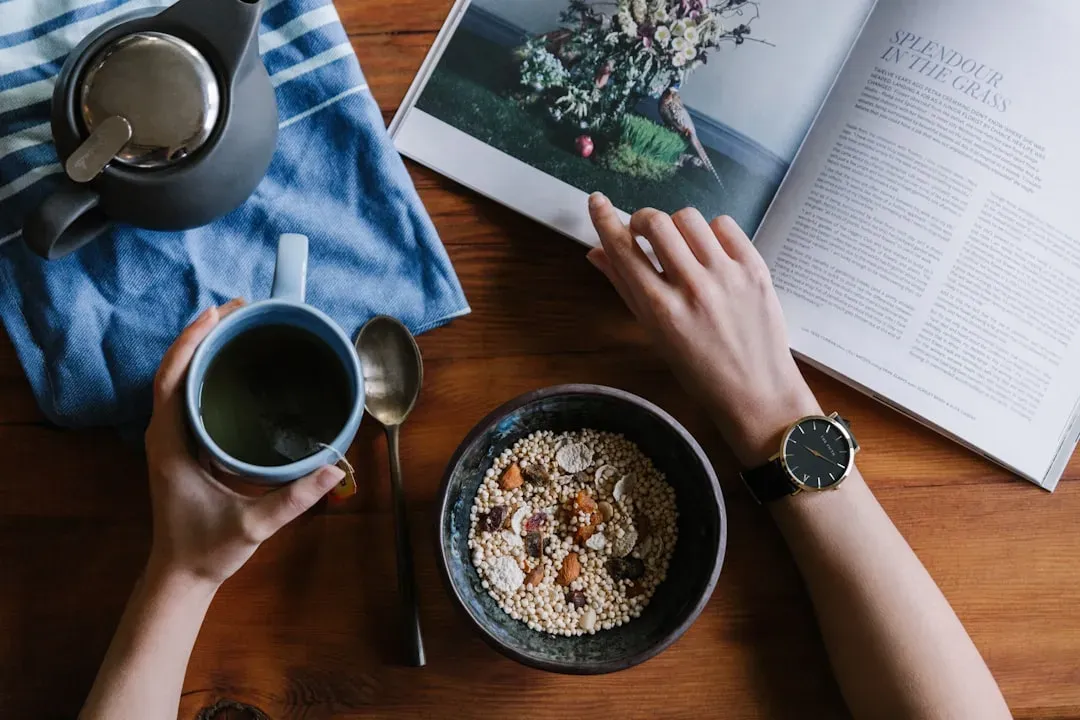
Your daily habits are quiet personality tests in disguise. The little things you do – how you eat, walk, text, or start your morning – reveal your values, priorities, and even emotional patterns. These routines reflect traits like discipline, creativity, confidence, or empathy more accurately than you might expect. The fascinating thing is that most of us have no idea we’re broadcasting this information constantly. We’re so focused on our big life choices that we forget the small ones create the actual fabric of who we are.
Personality traits are not just a useful way to describe people you know; they actually help psychologists predict how good a worker someone will be, how long he or she will live, and the types of jobs and activities the person will enjoy. Your unconscious behaviors are the most honest version of yourself. They slip out when you’re not trying to impress anyone or live up to any image. Next time you’re people-watching, pay attention to these small behaviors. What do you think your own everyday habits are revealing? Are you surprised by what you might be telegraphing to the world?