There is something quietly astonishing about walking through a sun-baked desert and watching a lizard dart across a rock without a care in the world. That creature, in its small and scaly way, is the living heir to one of the most dramatic biological revolutions in Earth’s history. Hundreds of millions of years ago, ancient reptiles managed something their ancestors simply could not: they completely, permanently left the water behind.
This was not a simple or easy transition. It demanded solutions to problems that would boggle any engineer. How do you keep moisture in your body without a surrounding ocean? How do you reproduce on dry ground? How do you stay warm enough to hunt without the thermal support of water? The answers came slowly, through millions of years of trial and error, coded quietly into flesh, bone, and scale. You are about to discover the twelve most surprising innovations that made it all possible. Let’s dive in.
1. The Amniotic Egg: Nature’s Original Portable Ocean
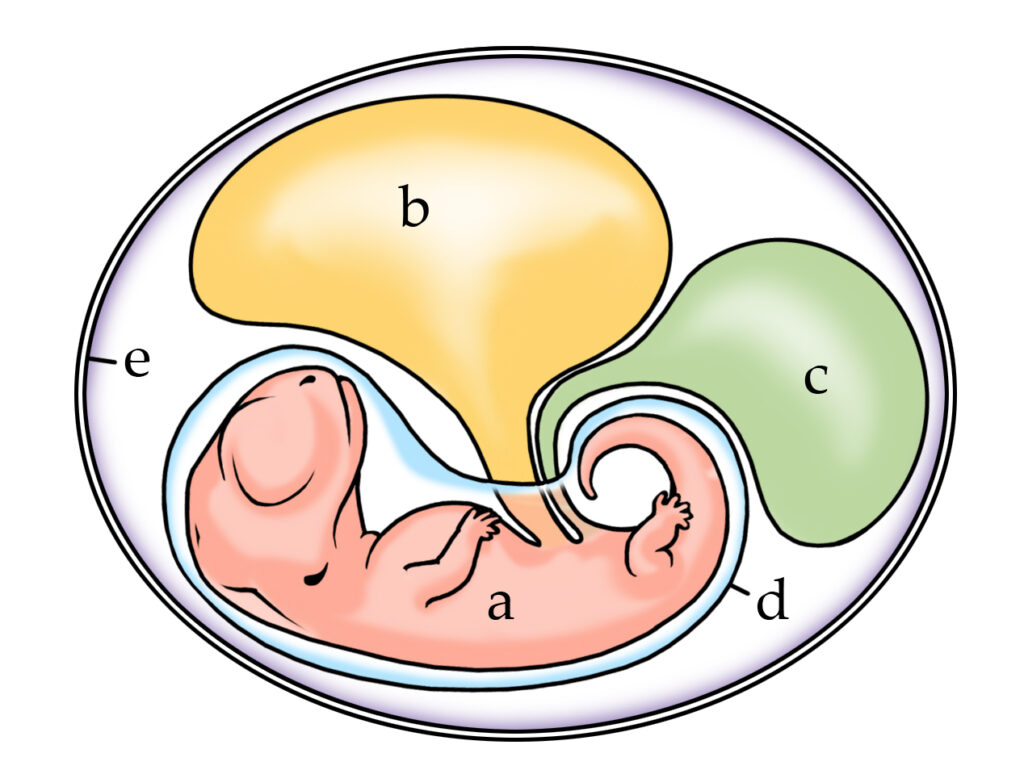
Here’s the thing about amphibian eggs: they are essentially helpless on dry land. They dry out almost immediately without water, which is exactly why frogs must always return to a pond or stream to breed. Ancient reptiles broke that chain entirely, and the key was the amniotic egg. This innovation freed early vertebrates from dependence on aquatic environments for reproduction, because unlike amphibian eggs, which require external water to prevent drying out, amniotic eggs provide a self-sustained aquatic environment for the embryo.
Think of it like this: the embryo was given its own tiny ocean to live in, sealed safely inside the egg itself. The amniotic egg features a shell and a series of specialized membranes that conserve moisture, including the amnion, which encloses the embryo in a protective fluid; the chorion, which facilitates gas exchange; the yolk sac, which provides nutrients; and the allantois, which manages waste. This internal life-support system meant that the amniote egg allowed the embryo to develop in an aquatic microcosm until it was ready for terrestrial life, paving the way for the huge adaptive radiation that eventually took place among the reptiles.
2. Waterproof, Keratin-Rich Scales: A Suit of Living Armor
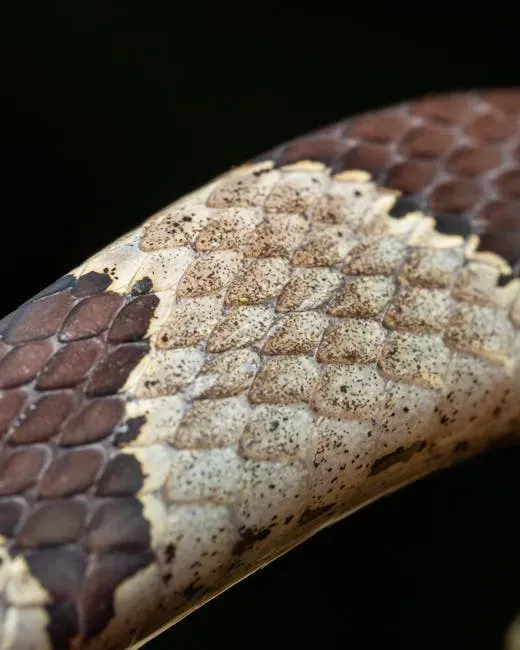
If you have ever touched a snake or held a gecko, you know that reptile skin feels dry, firm, and surprisingly tough. That is no accident. One of the key adaptations that permitted reptiles to live on land was the development of scaly skin containing the protein keratin, which prevented water loss from the skin. Without this, every ancient reptile that ventured onto dry ground would have shriveled up and died within hours, just as a fish out of water does today.
The microscopic architecture of those scales is genuinely remarkable. Reptiles were able to colonize the terrestrial environment due to the changes in these epidermal structures, which led to various cornified epidermal appendages such as scales and scutes, a beak, claws, or setae. Unlike the permeable skin of amphibians, reptile scales create a watertight barrier, and this adaptation allowed reptiles to leave the water behind and colonize hot, dry environments where amphibians could not survive. Honestly, it is the biological equivalent of wrapping yourself in cling film, except it also flexes, breathes just enough, and comes in an astonishing variety of shapes.
3. Fully Functional Lungs from Birth: No Gills Required
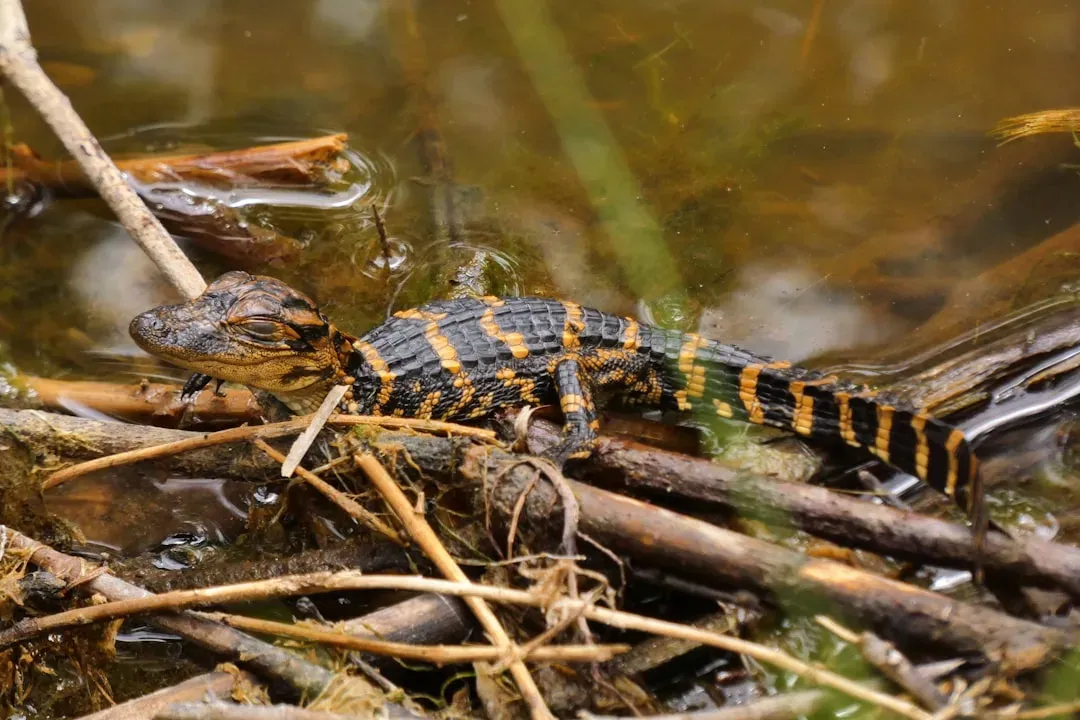
Most people do not think about lungs as an “adaptation,” but for ancient reptiles, having dedicated, functional lungs from the very moment of hatching was a serious evolutionary upgrade. Adapting lungs in place of gills was a significant step in reptiles’ migration to land. While amphibians all have gills at some stage in their development, either temporarily during the larval stage or permanently through adulthood, reptiles are born with fully developed lungs.
This mattered enormously because it meant no vulnerable larval stage, no time spent helplessly submerged in a pond waiting to finish developing. Reptile skin contains the protein keratin and waxy lipids which reduced water loss from the skin, and this occlusive skin means that reptiles cannot use their skin for respiration like amphibians, and thus all breathe with lungs. Every breath a reptile takes is pulled through those dedicated lungs, from hatching day one. That kind of respiratory independence was transformative.
4. Ectothermy: Surviving on a Fraction of the Food Budget
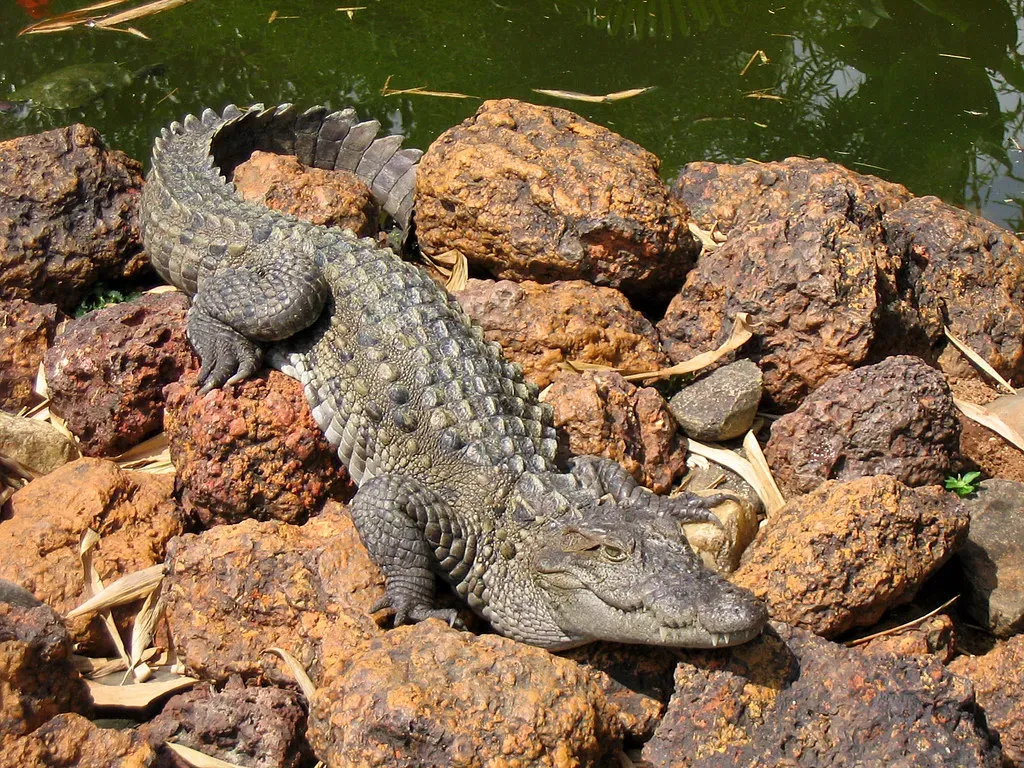
I know it sounds counterintuitive, but being cold-blooded was actually one of the smartest tricks ancient reptiles ever pulled off. Reptiles are ectotherms, animals whose main source of body heat comes from the environment, in contrast to endotherms, which use heat produced by metabolism to regulate body temperature. The beauty of this system is its brutal efficiency: you do not spend energy heating your own body, which means a much smaller caloric requirement to stay alive.
Reptiles have behavioral adaptations to help regulate body temperature, such as basking in sunny places to warm up and finding shady spots or going underground to cool down. The advantage of ectothermy is that metabolic energy from food is not required to heat the body; therefore, reptiles can survive on about 10 percent of the calories that a warm-blooded animal of equivalent size would need. In prehistoric ecosystems where food could be scarce and unpredictable, that kind of frugal metabolism was an extraordinary competitive advantage. A reptile that hasn’t eaten in weeks might still be perfectly capable of a deadly lunge.
5. Internal Fertilization: Cutting the Last Cord to Water
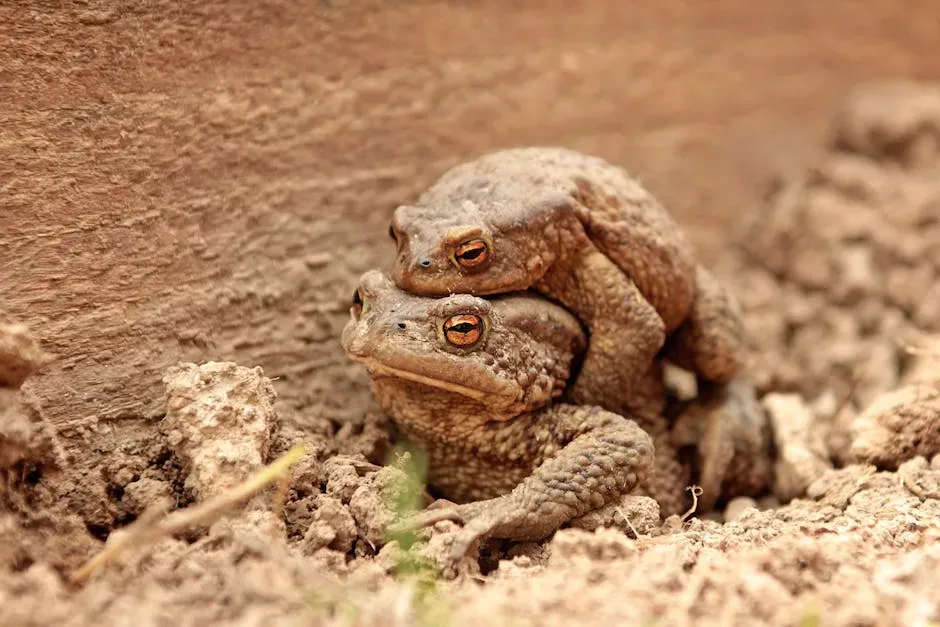
Reproducing on land requires more than just a good egg. It requires that the very act of fertilization happens internally, inside the female’s body, safe from the desiccating conditions of open air. Amniotes exhibit internal fertilization, meaning the egg is fertilized inside the body of the female, and this is another adaptation that allowed amniotes to become fully terrestrial. Fish and many amphibians release eggs and sperm simultaneously into open water, which is fine in a lake but catastrophic on a rocky hillside.
In evolutionary terms, the reptiles advanced beyond the amphibians by becoming capable of living completely terrestrial existences, without the need to return to the water for reproduction. Internal fertilization was a critical piece of that puzzle. Combined with the amniotic egg, it meant that a mating pair of ancient reptiles could meet in a dry forest, reproduce, and never need a body of water nearby at all. That kind of freedom opened up entire continents to colonization that had previously been off-limits to vertebrate life.
6. Weight-Bearing Limbs: From Fins to Functional Legs
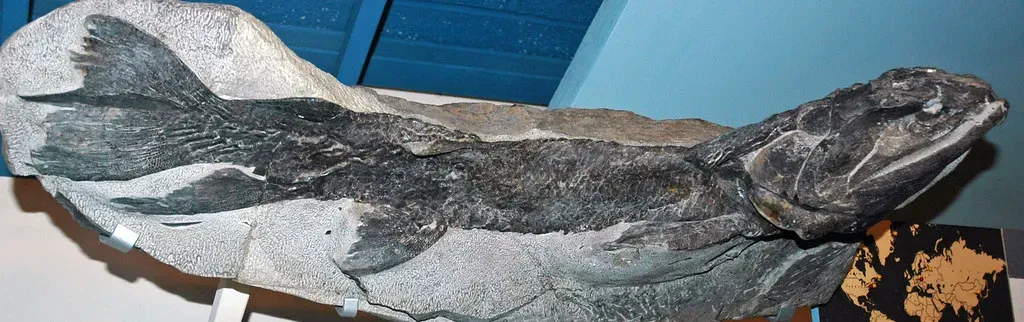
You might picture ancient reptiles dragging themselves along like crocodiles, belly on the ground, which is a fair image for the early stages. But the key revolution was the gradual development of limbs strong enough to actually lift and propel a body across land efficiently. The first land vertebrates, the Tetrapoda, appeared about 397 million years ago, near the middle of the Devonian Period. Despite having limbs rather than fins, early tetrapods were not completely terrestrial because their eggs and larvae depended upon a moist aquatic habitat.
It took the full package of adaptations to make limbs truly useful on land. Not all reptiles have legs now, but they all needed them to become land-dwelling creatures. Scientists at Penn State resolved the debate about snake limbs in 2004 by comparing DNA between snakes and their closest genetic relatives. They determined that snakes lost their legs after they left the water, possibly to enable their burrowing habits, but that snakes, like all reptiles, initially required legs to relocate to land habitats. Weight-bearing limbs were the locomotive ticket to terrestrial life, plain and simple.
7. The Temporal Fenestrae: Skull Windows That Powered Stronger Bites
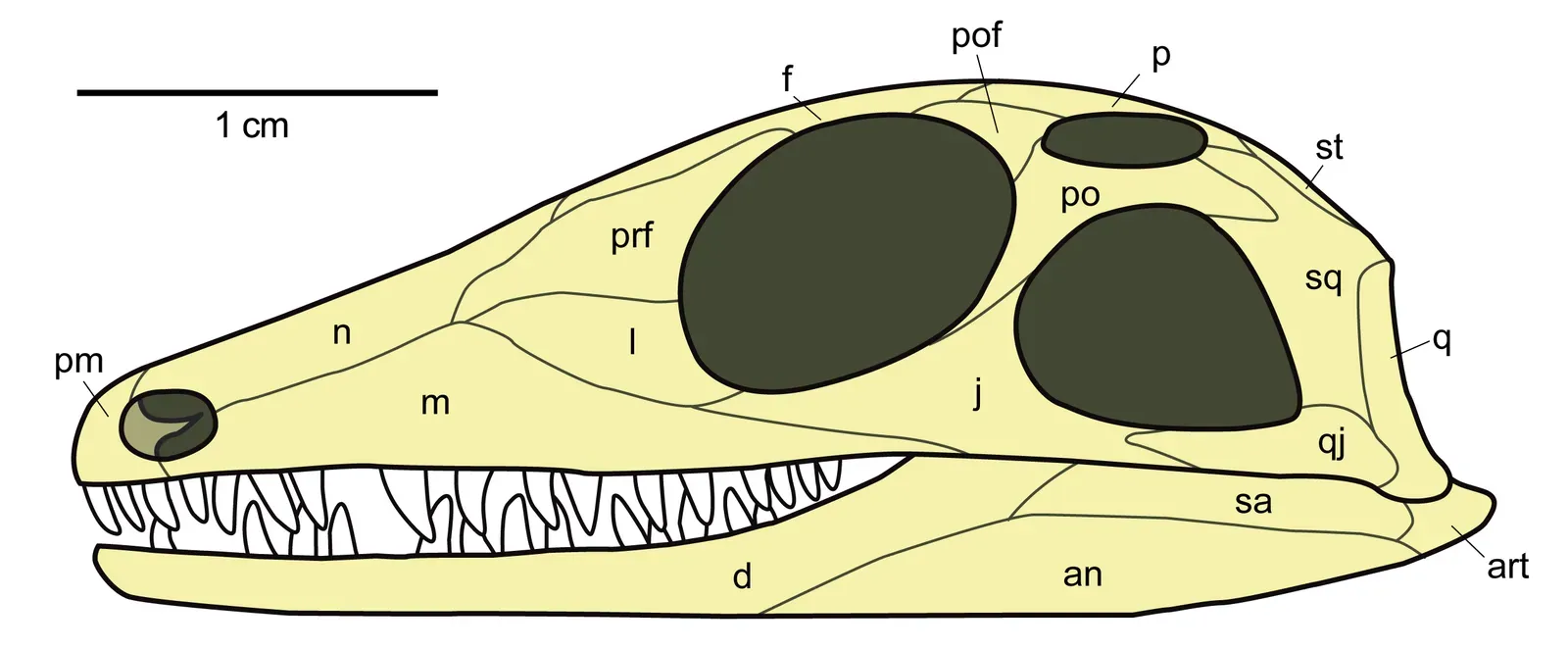
This is where things get genuinely fascinating, and admittedly a little strange. Behind the eye sockets of many ancient reptiles, there are holes in the skull called temporal fenestrae. These openings are not flaws or weaknesses, they are engineering solutions. Temporal fenestrae are post-orbital openings in the skull that allow muscles to expand and lengthen. Anapsids have no temporal fenestrae, synapsids have one, and diapsids have two.
The diapsid skull structure, with two temporal fenestrae, allows for even larger jaw muscles and more efficient biting and feeding compared to synapsids and anapsids. Diapsids include the majority of modern reptiles, such as lizards, snakes, crocodilians, and birds, as well as extinct groups like dinosaurs and pterosaurs. Think of it like cutting windows into a wall to allow the curtains inside to billow outward. More muscle mass can attach around a larger window, and more muscle means a more powerful, devastating bite. It’s a deceptively elegant solution that helped reptiles dominate land ecosystems for hundreds of millions of years.
8. Diversified Diets Through Specialized Teeth
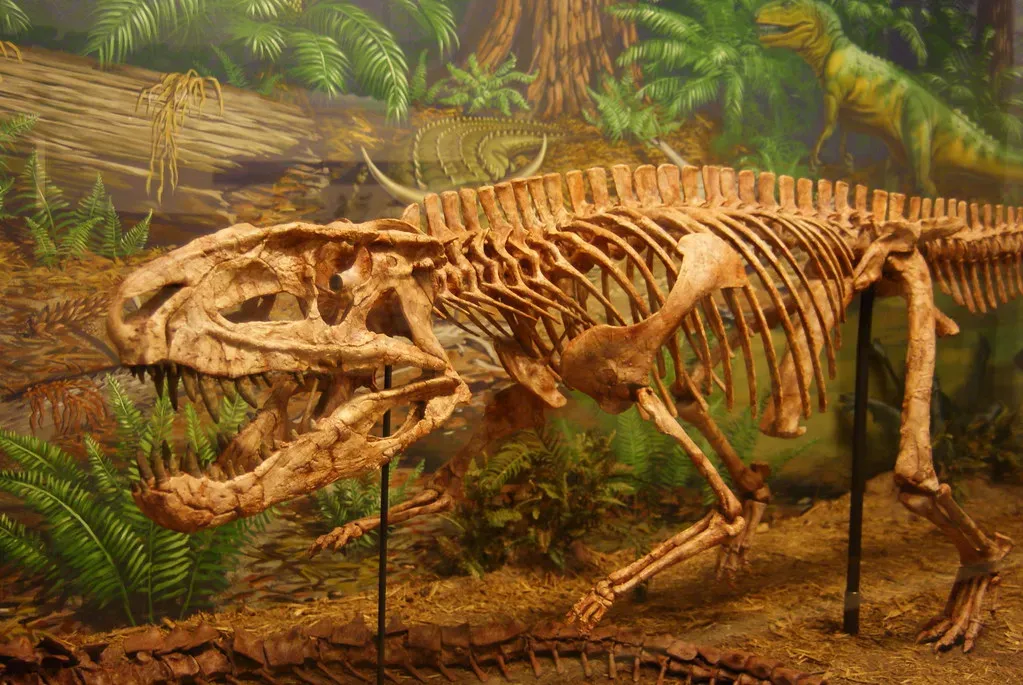
Early reptile ancestors were largely insectivores, quietly munching on small invertebrates in Carboniferous forests. Over time, ancient reptiles evolved increasingly specialized teeth that unlocked entirely new food sources, and with them, entirely new ecological roles. Amniotes acquired new niches at a faster rate than before the Carboniferous rainforest collapse and at a much faster rate than primitive tetrapods. They acquired new feeding strategies including herbivory and carnivory, previously only having been insectivores and piscivores.
The variety that eventually emerged is staggering. Some developed crushing teeth for hard-shelled prey. Others grew long, sharp fangs for bringing down large animals. Derived therocephalians share a number of mammalian traits, including a secondary palate, loss of the postorbital bar behind the eye, and developing multi-cusped cheek teeth for herbivory. Meanwhile, reptilian teeth are cone-shaped and continuously replaced, which gives them a significant edge over animals that lose their teeth permanently. Continuous tooth replacement is, honestly, something many of us with dental bills would envy.
9. The Carboniferous Rainforest Collapse: An Accidental Launchpad
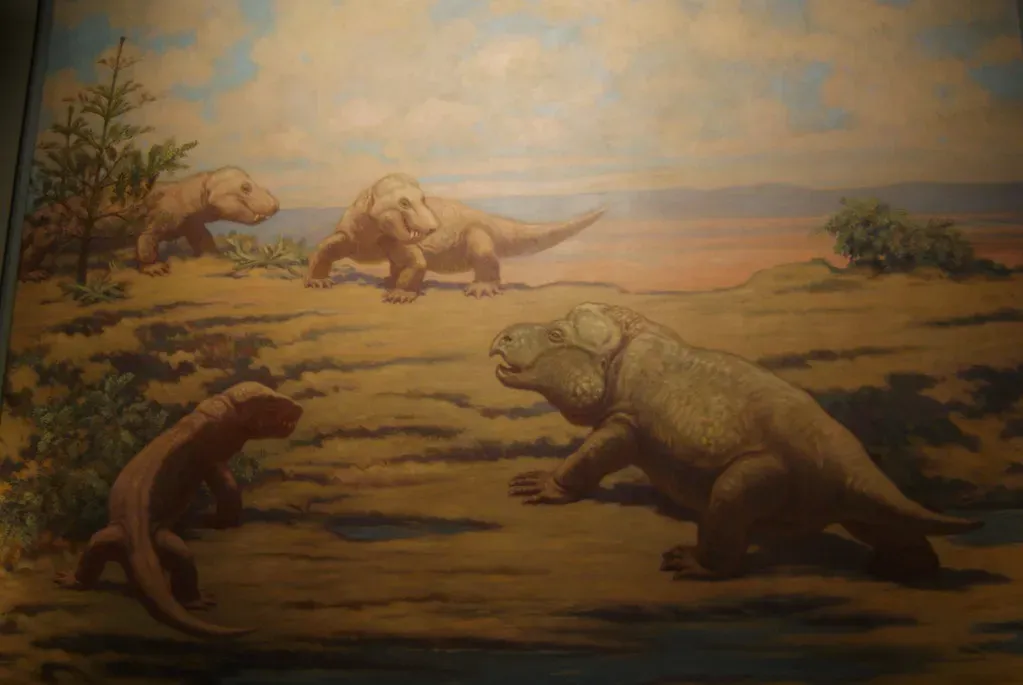
Here is one of evolutionary history’s most remarkable twists. Around 307 million years ago, the vast coal forests of the Carboniferous period collapsed dramatically due to climate change, fragmenting into isolated patches. This was catastrophic for amphibians, which depended heavily on stable, humid forest environments for their watery reproductive needs. For early reptiles, however, it was an opportunity. This sudden collapse affected several large groups. Primitive tetrapods were particularly devastated, while stem-reptiles fared better, being ecologically adapted to the drier conditions that followed.
Primitive tetrapods, like modern amphibians, need to return to water to lay eggs; in contrast, amniotes, like modern reptiles, whose eggs possess a shell that allows them to be laid on land, were better adapted to the new conditions. Amniotes acquired new niches at a faster rate than before the collapse. It is a sobering thought, actually: the very disaster that devastated so much of Earth’s existing life essentially handed the planet to the reptiles on a silver platter. Sometimes, survival is not about being the strongest. It is about being pre-adapted to conditions that no one saw coming.
10. Efficient Kidney Function and Water Retention
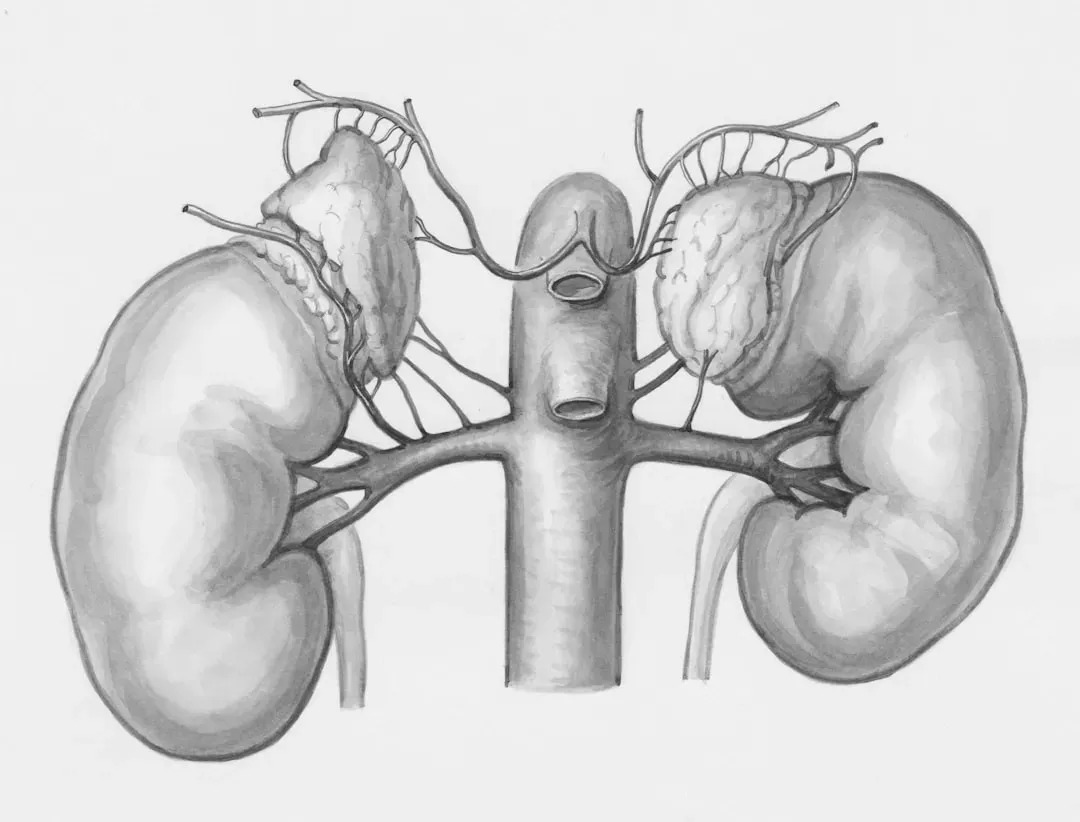
On land, every drop of water counts. One of the less glamorous but absolutely vital adaptations that ancient reptiles developed was a far more efficient system for retaining water internally. Features of amniotes evolved for survival on land include a sturdy but porous leathery or hard eggshell and an allantois that facilitates respiration while providing a reservoir for disposal of wastes. Their kidneys and large intestines are also well-suited to water retention.
Rather than excreting waste dissolved in large quantities of liquid, as fish do, many reptiles excrete uric acid, a relatively dry, pasty substance that requires far less water to expel. It’s hard to say for sure exactly when this metabolic shift first solidified in the reptile lineage, but its consequences were massive. The evolution of amniotic membranes meant that the embryos of amniotes were provided with their own aquatic environment, which led to less dependence on water for development and thus allowed the amniotes to branch out into drier environments. Internal water conservation, from the kidney to the egg, was a complete systemic overhaul.
11. The Erect Posture of Archosaurs: Standing Up to Dominate
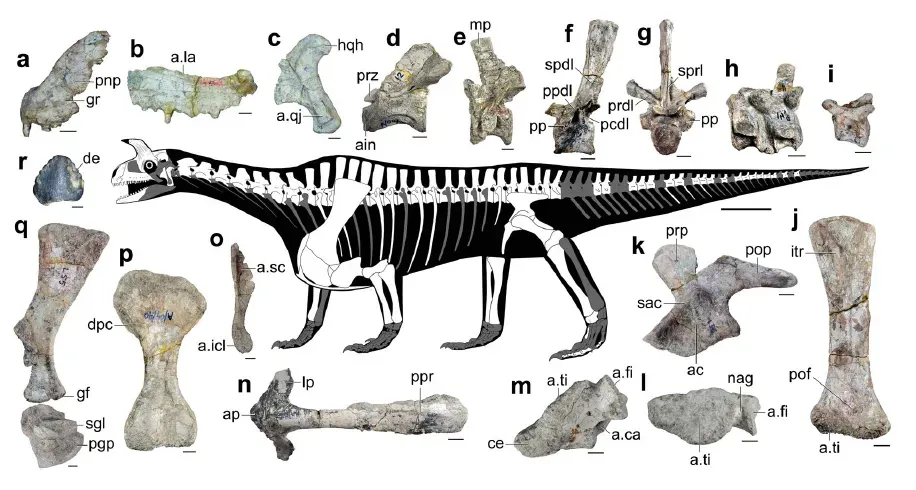
Not all ancient reptiles moved alike. Early forms sprawled low to the ground with limbs splayed outward at the sides, which worked but was energetically costly and limited speed. The archosaurs changed the game. The archosaurs were characterized by elongated hind legs and an erect pose, the early forms looking somewhat like long-legged crocodiles. The archosaurs became the dominant group during the Triassic period, developing into the well-known dinosaurs and pterosaurs, as well as the pseudosuchians.
An upright posture means weight is borne directly beneath the body, not out to the sides, which dramatically reduces the muscular effort needed for each step. Think of the difference between walking normally and walking with your knees bent outward: the latter is exhausting. Birds, dinosaurs, crocodilians, and pterosaurs all belong to the clade Archosauriformes, an extraordinarily diverse group that dominated terrestrial tetrapod faunas worldwide for nearly the entire Mesozoic Era, around 175 million years. That dominance did not happen by accident. It was built, quite literally, on better posture.
12. The Triassic Takeover: Capitalizing on Mass Extinction
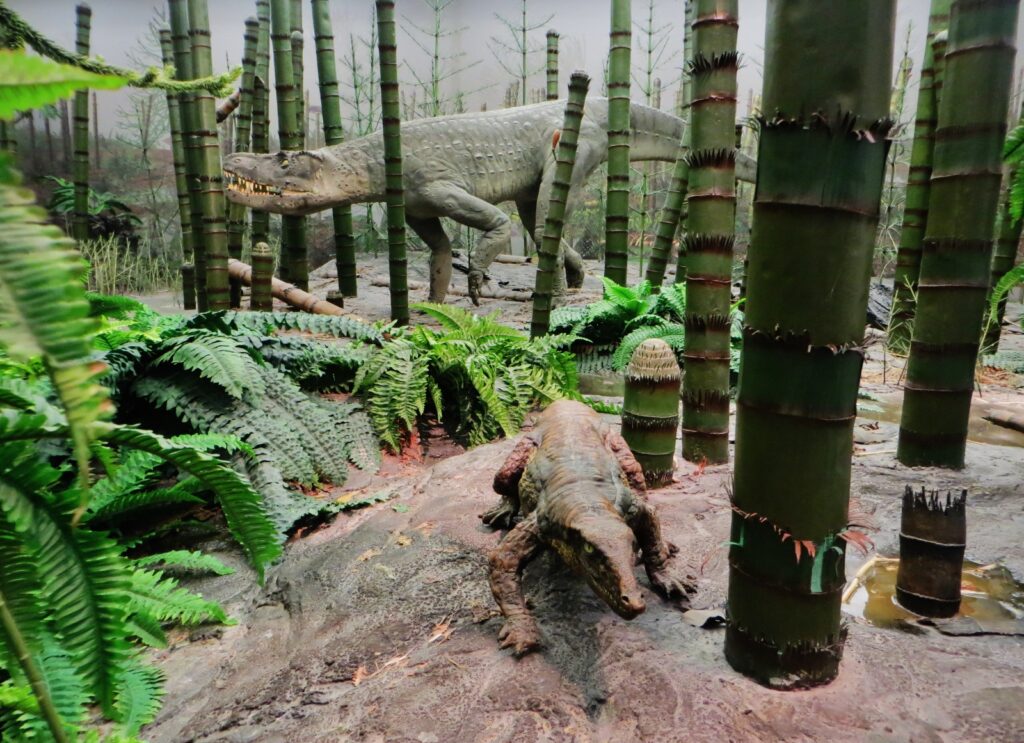
Let’s be real: even the most perfectly adapted creature needs an opportunity, and ancient reptiles got theirs in dramatic fashion. During the Permian mass extinction 245 million years ago, most synapsids went extinct. Their niches were taken over by sauropsids, which had been relatively unimportant until then. This is called the Triassic takeover. The world was essentially reset, and reptiles were the ones positioned to refill almost every ecological role left vacant by the catastrophe.
By the middle of the Triassic about 225 million years ago, sauropsids had evolved into dinosaurs. Dinosaurs became increasingly important throughout the rest of the Mesozoic Era, as they radiated to fill most terrestrial niches. The Mesozoic is often called the “Age of Reptiles,” a phrase coined by the early 19th-century paleontologist Gideon Mantell, who recognized the dinosaurs and the ancestors of the crocodilians as the dominant land vertebrates. Every adaptation we have explored in this article converged in that single explosive moment, and the result reshaped life on Earth for over 180 million years.
Conclusion: A Blueprint Written in Scales and Stone
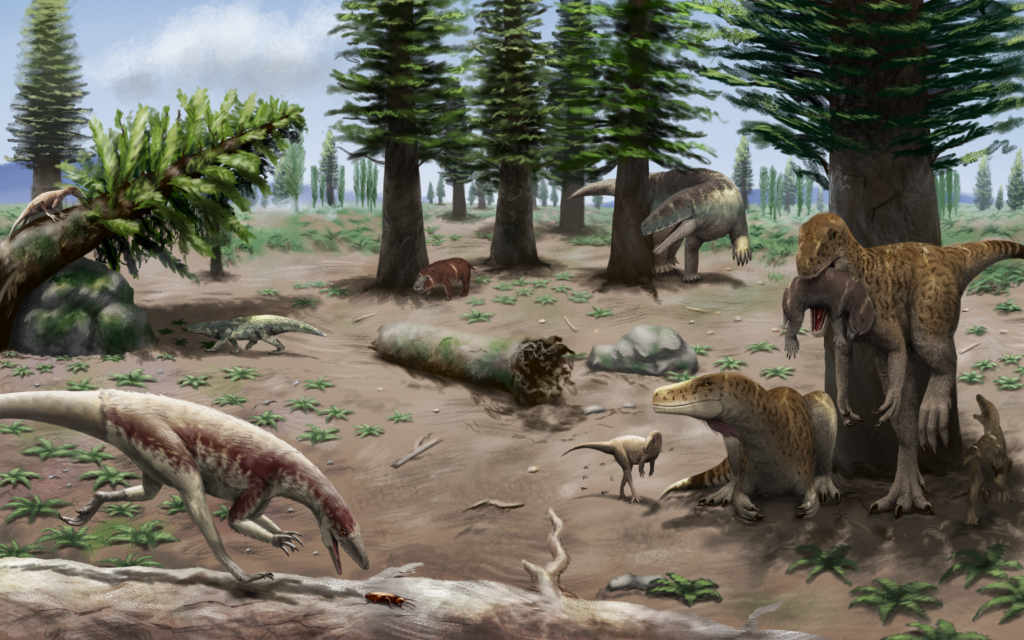
What makes the story of ancient reptiles so genuinely thrilling is that none of these adaptations happened in isolation. Each one built on the last, interlocking into a comprehensive biological toolkit that, together, made the seemingly impossible completely inevitable. The amniotic egg freed reproduction from water. The keratinized scales locked moisture in. Functional lungs, efficient kidneys, internal fertilization, and better limbs all contributed their part to a creature that could go anywhere on land and thrive.
We are, in a very real sense, living in the long shadow of those ancient pioneers. The crocodile sunning itself on a riverbank, the gecko navigating your garden wall, even the birds overhead are all heirs to those 12 revolutionary innovations. Next time you see a lizard basking on a warm rock, take a moment to appreciate the 300-million-year engineering project that made it possible.
Which of these adaptations surprised you the most? Drop your thoughts in the comments – we’d love to hear what you think!