If you grew up thinking we had a pretty good handle on what lives in the ocean, deep-sea discoveries over the last few decades feel almost like a cosmic prank. Again and again, expeditions drop cameras or submersibles into the dark and come back with footage of creatures and structures that, on paper, really should not work. Some survive pressures that would crush a submarine. Others glow, stretch, or live off energy sources that have nothing to do with sunlight.
What makes this even more unsettling is that we are not talking about one-off monsters or internet hoaxes. We are talking about verified species, ecosystems, and chemical systems that defy the tidy rules most of us learned in school. The deeper we go, the more obvious it becomes that our ideas about what life needs, or what physics allows, were way too shallow. Let’s dive into thirteen things we have actually found in Earth’s oceans that, if you just followed the textbooks, really should not be there at all.
1. Giant Deep-Sea Isopods That Look Like Armored Aliens
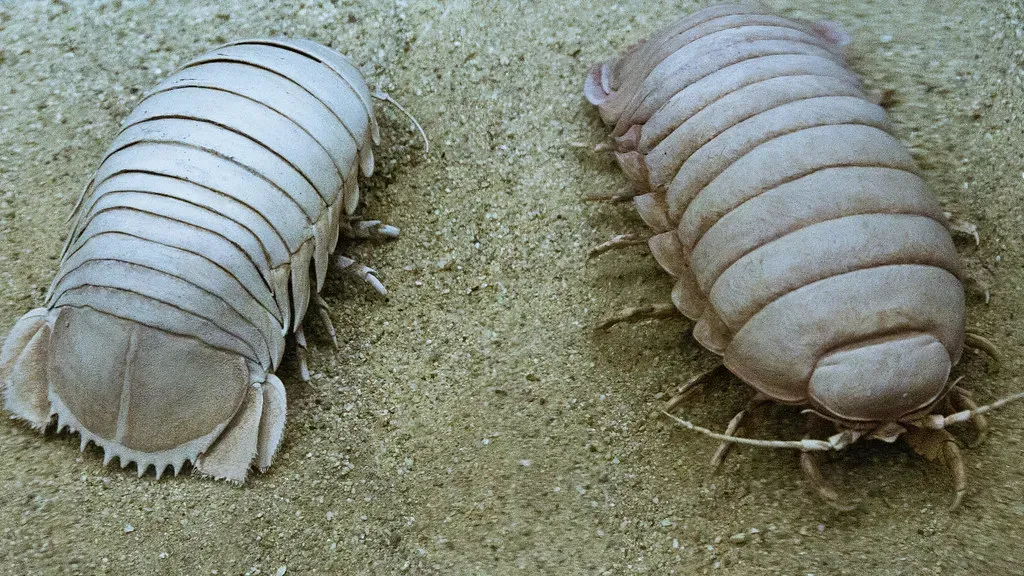
The first time you see a giant isopod, it looks like someone scaled up a pill bug as a joke. These crustaceans, related to tiny roly-polies, live in the deep sea and can grow roughly as long as a small dog. At depths where pressure is hundreds of times higher than at the surface and temperatures are near freezing, you don’t expect bulky, heavily armored creatures roaming the seafloor like slow tanks, yet there they are, shuffling along on jointed legs.
From a physics perspective, their size is puzzling. High pressure and low food availability should favor small, minimal-energy bodies, but giant isopods have gone the opposite route, embracing gigantism. They move slowly, have ultra-efficient metabolisms, and can apparently go for absurdly long stretches without eating, which feels like a cheat code against normal biological limits. Watching one wrap itself around a carcass on the muddy bottom is like seeing a fossil from another era accidentally wander into the modern ocean.
2. Tube Worm Cities Thriving in Scalding Hydrothermal Vents
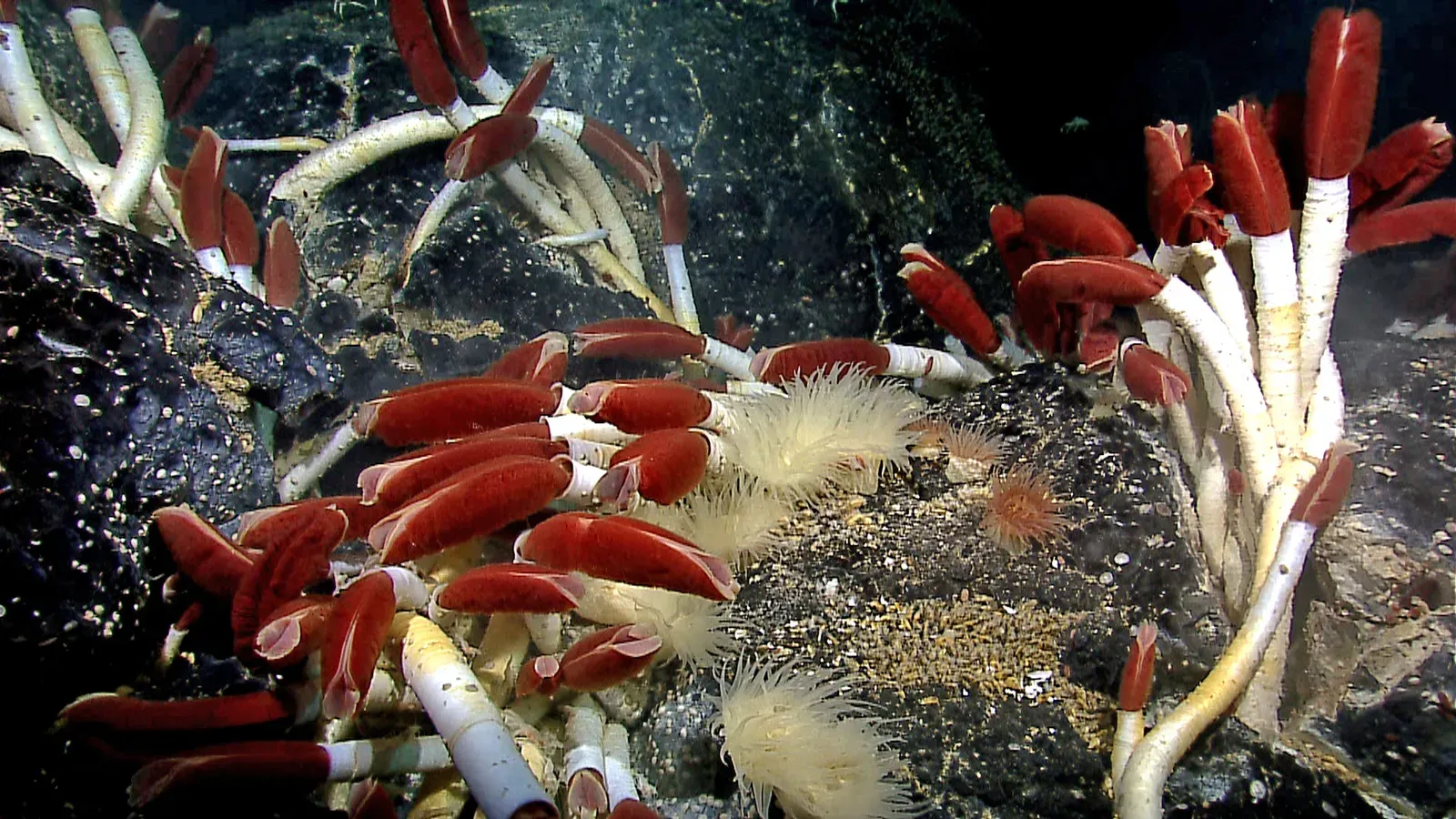
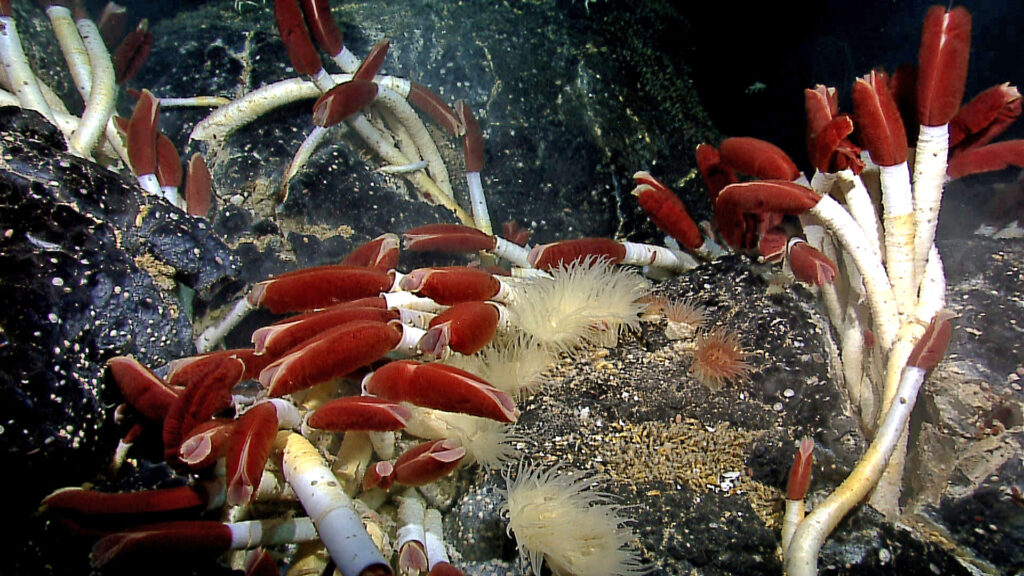
Hydrothermal vent fields look like scenes from a science-fiction film about another planet: black chimneys spewing superheated fluid, dark water shimmering with metallic particles, and, in the middle of it, forests of white and red tube worms. These worms can grow taller than a person and live in water that, in some places, comes very close to the boiling point, soaked with toxic chemicals like hydrogen sulfide and heavy metals. Under normal expectations for organic life, this should be a dead zone, not a crowded city.
The trick is that these organisms do not rely on sunlight at all. Instead of photosynthesis, their entire ecosystem runs on chemosynthesis, powered by microbes that convert vent chemicals into usable energy. The worms themselves lack a digestive system as we know it; they host symbiotic bacteria inside their bodies that handle the hard work. When you first learn about biology, you are told life depends on sunlight, oxygen, and moderate conditions. These tube worm colonies laugh in the face of all three ideas at once.
3. Microbes Living Deep Inside Oceanic Rocks
If you picture the ocean floor, you probably imagine water, sediment, and maybe some rock outcrops. What we did not expect to find were thriving microbial communities living not just on the seafloor, but deep inside the oceanic crust itself, inside tiny pores and cracks in the rock. These microbes live under crushing pressure, in complete darkness, sometimes with only trace amounts of nutrients trickling through the stone. It is like discovering that the walls of your house are quietly alive.
This hidden biosphere seems to operate on timescales that make human lifetimes look like flashes of light. Some of these microbes might divide only rarely, surviving on such little energy that their existence pushes the lower limit of what we thought life could tolerate. Traditional biology textbooks framed rock as inert backdrop, not habitat, and certainly not on a global scale. Yet the deep biosphere appears to extend for vast distances, forcing us to rethink both where life can be and how slowly it can live.
4. Fish With Transparent Heads and Built-In Periscopes
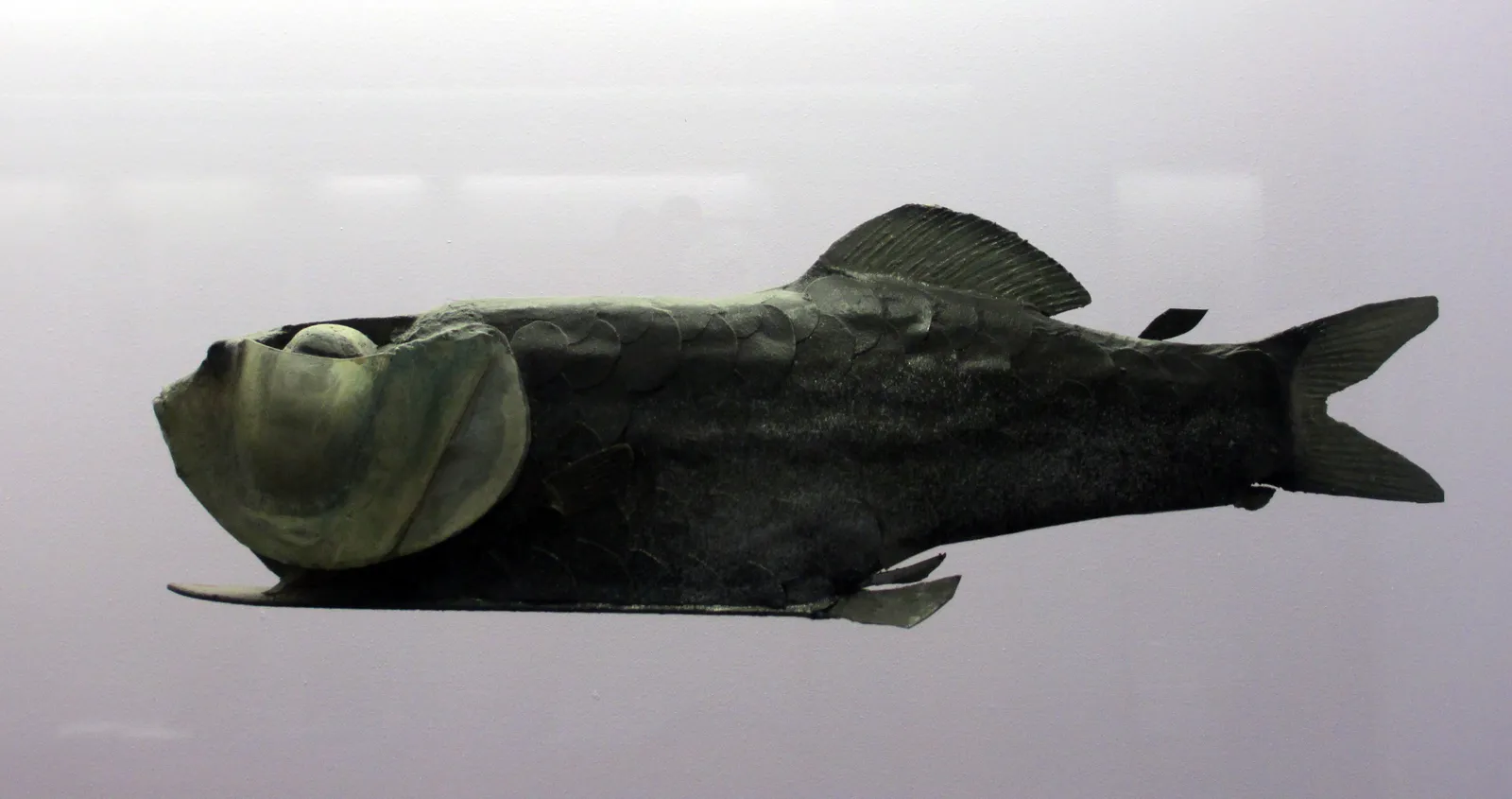
In the deep sea, many creatures look odd, but the barreleye fish feels almost like an engineer’s experiment gone wrong. Its head is largely transparent, and its eyes are not where you expect them; they are actually tubular organs pointing upward inside the see-through dome. This design lets the fish peer through its own skull to track silhouettes of prey and predators above, a solution that sounds more like a wild concept sketch than something physics and evolution would actually approve.
What makes this so strange from a biological standpoint is that organs are usually protected by opaque tissue to shield them from damage and stray light. Here, the fish uses fluid-filled transparency as a lens and protective casing at the same time, while somehow maintaining structural strength under deep-sea pressure. It is a reminder that when light is almost nonexistent, sight does not just get better or worse – it can be completely re-engineered in ways that overturn our basic expectations of anatomy.
5. Deep-Sea Brine Pools: Liquid Lakes at the Bottom of the Ocean
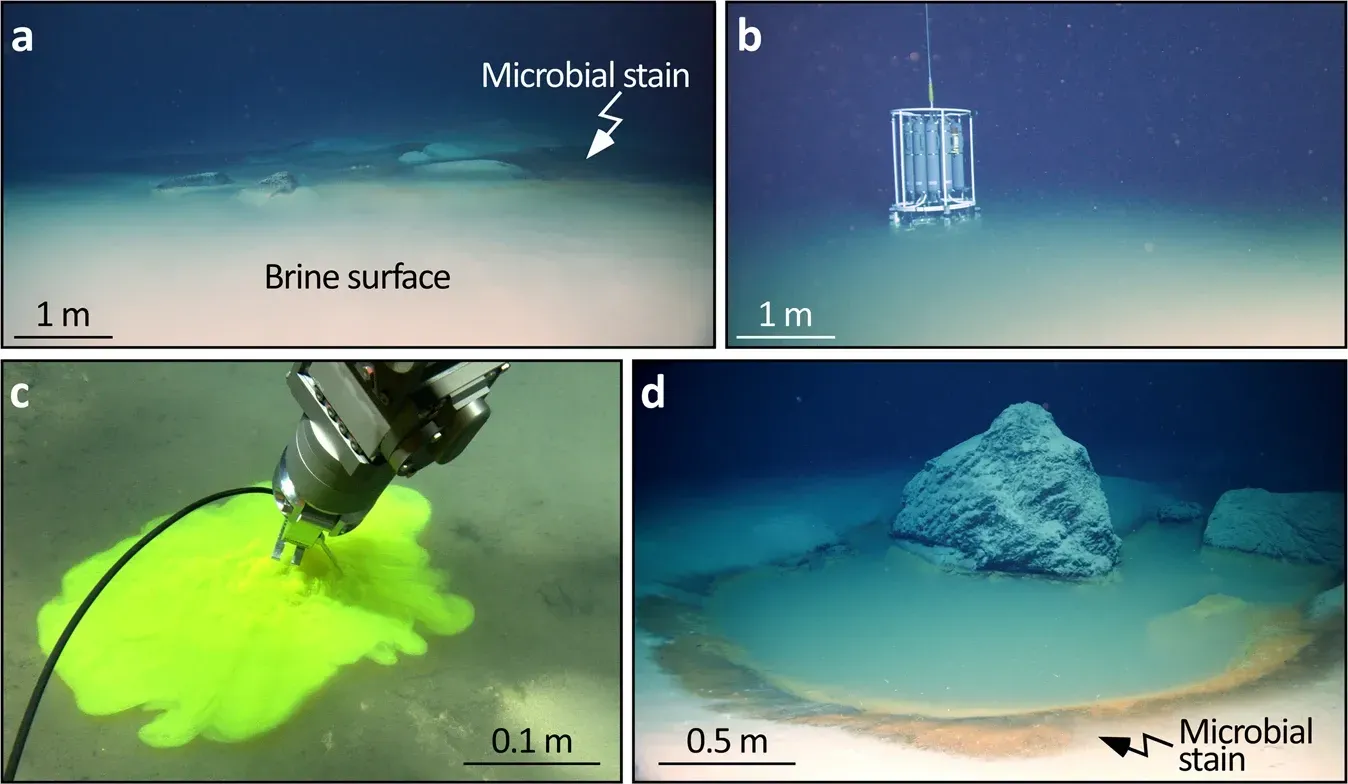
Imagine piloting a submersible across the seafloor and suddenly seeing what looks like a shoreline: waves, a visible surface, even small “beaches” of sediment. That is what brine pools are – underwater lakes made of super-salty water that is denser than the seawater around it. Physics says liquids of different densities can layer, but actually watching a submersible float above a lake, with its own surface and edges, at the bottom of the ocean feels flat-out impossible.
The chemistry is even weirder. These brine pools can be so salty and oxygen-poor that they are lethal to many organisms that touch them, literally preserving some unlucky animals that sink in as if they were dropped into pickling brine. Yet at the boundaries between normal seawater and this near-deadly liquid, specialized life forms cluster, feasting on chemical gradients. It is a scene that makes the ocean floor look like a planet with multiple overlapping seas, each following its own rules.
6. Creatures Living on Bare Hydrogen and Methane Seeps
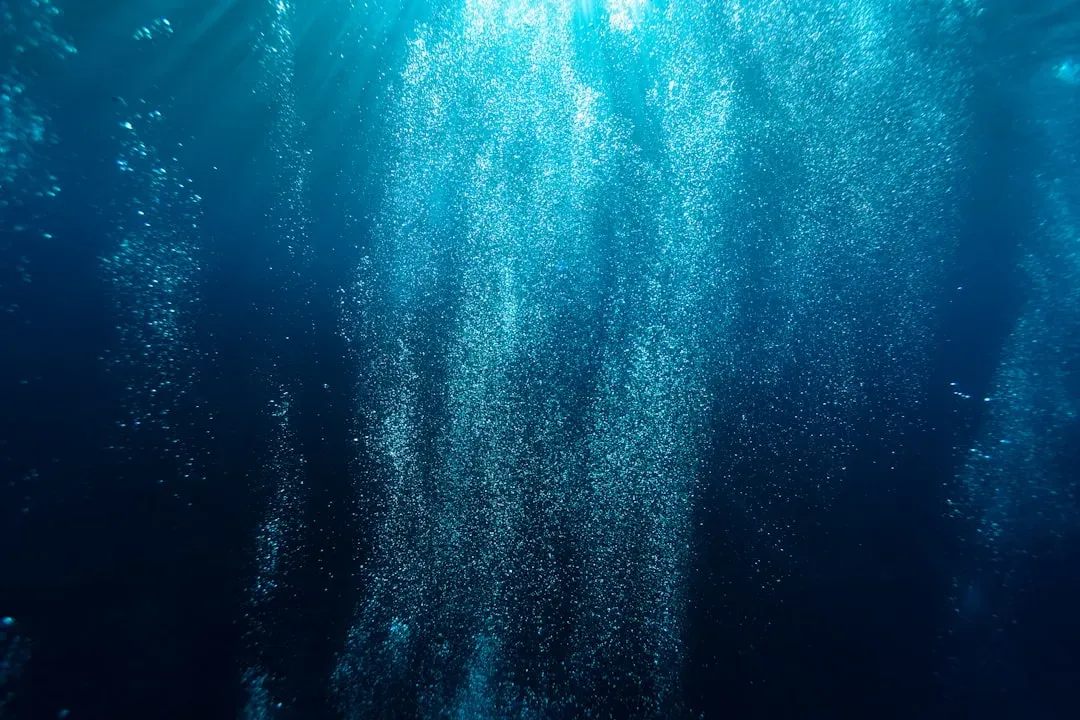
Another place we expected near-sterility was where cold seeps bubble hydrogen, methane, and other gases out of the seafloor. Instead, we find sprawling colonies of clams, mussels, tube worms, and bacterial mats clinging to these seep sites, turning what should be toxic zones into thriving neighborhoods. These creatures effectively plug directly into the planet’s chemical plumbing for a living, bypassing traditional food chains that start with plants or algae.
From the standpoint of what most people think of as “food,” these ecosystems make no sense. There is no sunlight, no green plants, almost no classic prey or predators – just chemistry and time. Microbes there can oxidize methane or hydrogen and feed their animal partners, or form the base of entirely alternative food webs. When you realize that life can treat what we call pollution or waste gas as breakfast, you start to wonder how many other “impossible” habitats we have dismissed simply because our own senses do not find them appealing.
7. Zombie Worms That Eat Bones Without Mouths or Stomachs
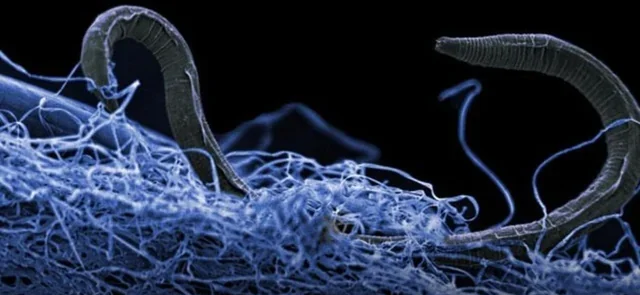
When a whale dies and falls to the seafloor, its skeleton becomes a temporary island in the deep, and one of the strangest residents is the so-called zombie worm. These worms can colonize bare bone and somehow extract nutrients from it despite having no mouths, no stomachs, and no digestive tract in the way we usually define it. They burrow into bone and rely on symbiotic microbes to do the breakdown on their behalf, turning solid remains into usable food.
This lifestyle seems to violate the basic template we are taught for animals: you eat through one end, digest in the middle, and excrete from the other end. Zombie worms outsource almost all of that to bacteria living inside their tissues. Their bodies are more like elaborate scaffolds for their microbial partners than standalone organisms in the traditional sense. It is a radical reminder that the line between “me” and “my microbes” can be completely blurred in ways that challenge what counts as an individual life form.
8. Super-Giant Viral Reservoirs in the Ocean’s Microbial Soup
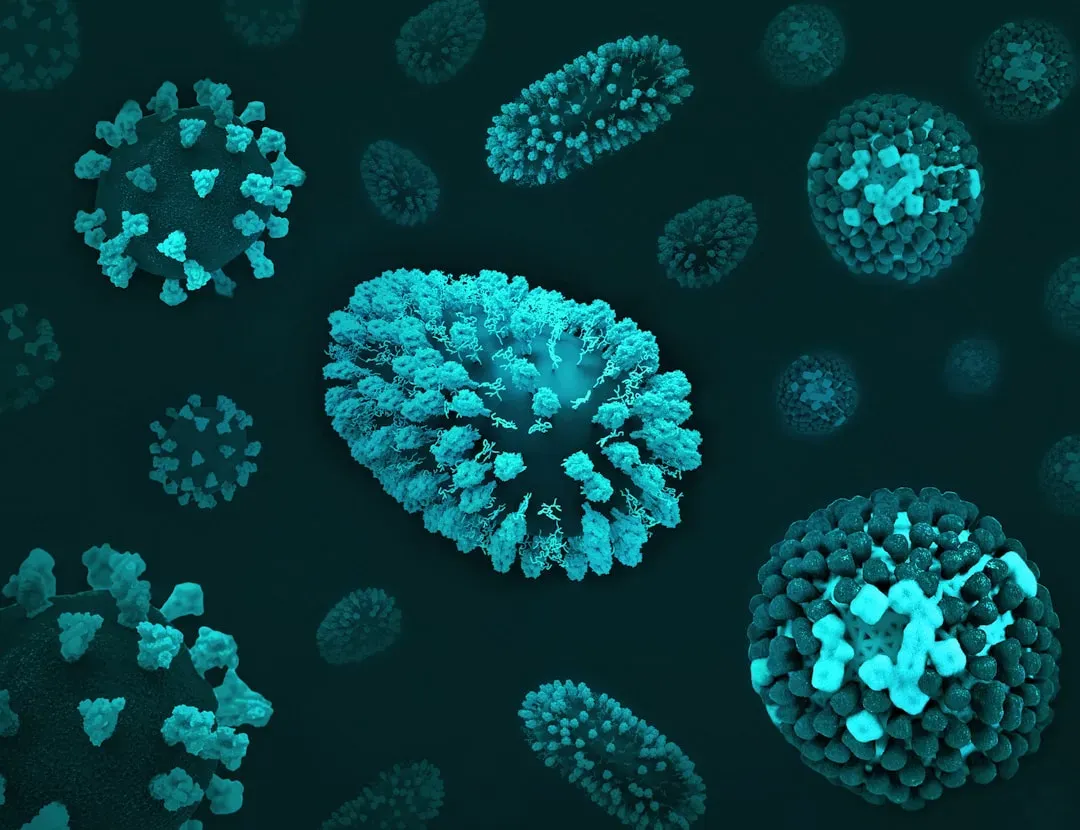
We tend to imagine viruses as small side characters in the story of life, mostly showing up when we get sick. But measurements in the ocean suggest that viral particles are staggeringly abundant, especially in the upper layers and down into the deep, forming an invisible swarm that constantly infects, kills, and reshapes microbial populations. Many of these viruses are huge by viral standards and carry strange genetic cargo that does not fit neatly into our categories of “host genes” and “virus genes.”
From a systems perspective, the ocean’s viral cloud behaves like an entire additional layer of ecology and evolution that no one really planned for. Roughly speaking, they help drive nutrient cycles, control algal blooms, and move bits of DNA around in ways that make our simple tree-of-life diagrams look outdated. When we talk about what “should” be in the ocean based on depth, pressure, and classic notions of organic life, most people are not picturing a vast, dynamic gene-trading network made of entities that are not even fully alive by standard definitions.
9. Deep-Sea Fishes With Antifreeze in Their Blood
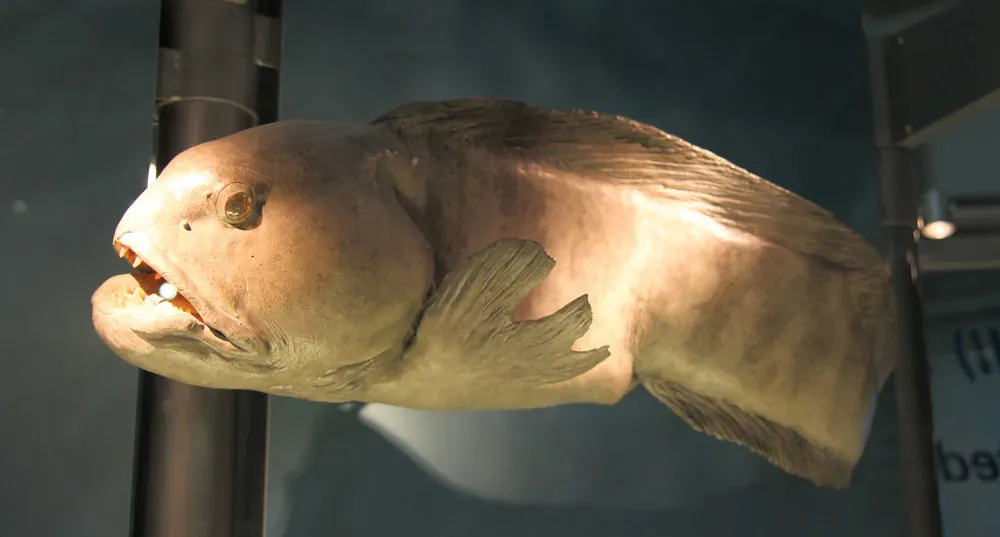
In the coldest parts of the ocean, especially near the poles and in deep waters, some fish maintain liquid blood at temperatures where ordinary body fluids would start to freeze. They do this by producing specialized antifreeze proteins that bind to tiny ice crystals and prevent them from growing. It is as if these animals carry a built-in frost shield system, rewriting the rules about how warm a body must be to stay functional.
What makes this so wild is that blood and cellular fluids are usually constrained by straightforward chemistry: below a certain temperature, ice forms, cells rupture, and life stops. These fish have hacked that boundary, staying active in conditions that would turn most animals into solid blocks. Their existence also hints at how many physical “limits” of life are actually soft barriers, ready to be pushed aside by a few molecular tweaks over evolutionary time. When we look at icy moons or dark oceans elsewhere in the universe, these antifreeze-powered survivors quietly expand our sense of what might be possible.
10. Pressure-Defying Amphipods in the Deepest Ocean Trenches
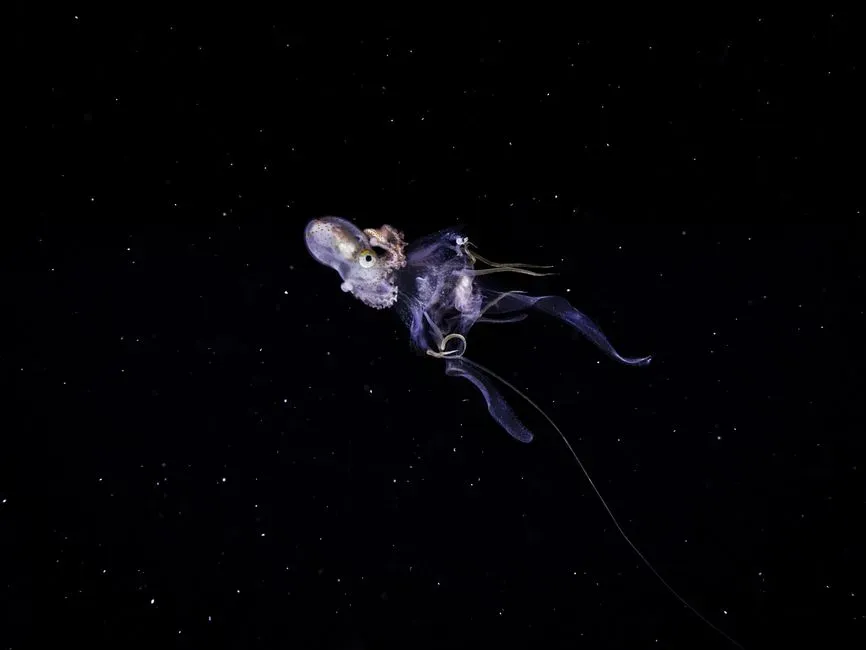
At the bottom of trenches like the Mariana, the pressure is so extreme that even thick metal hulls can deform. For a long time, many scientists suspected life down there would be minimal, restricted to hardy microbes or maybe a few sluggish invertebrates. Then cameras and baited landers started coming back with images of relatively active amphipods and other crustaceans swimming and feeding more than ten kilometers below the surface, behaving like it was just another day at the office.
The puzzle is not just that they are alive, but that their cell membranes, proteins, and skeletons remain stable and functional under forces that crush most laboratory equipment. These animals use special molecules to protect their proteins and adjust the fluidity of their membranes, essentially customizing their biochemistry to operate under conditions that break normal rules. Watching delicate-looking, almost translucent amphipods darting around where the pressure would pulverize a car is a humbling reminder that biology and physics can team up in ways we still barely understand.
11. Bioluminescent Light Shows in the Blackest Depths
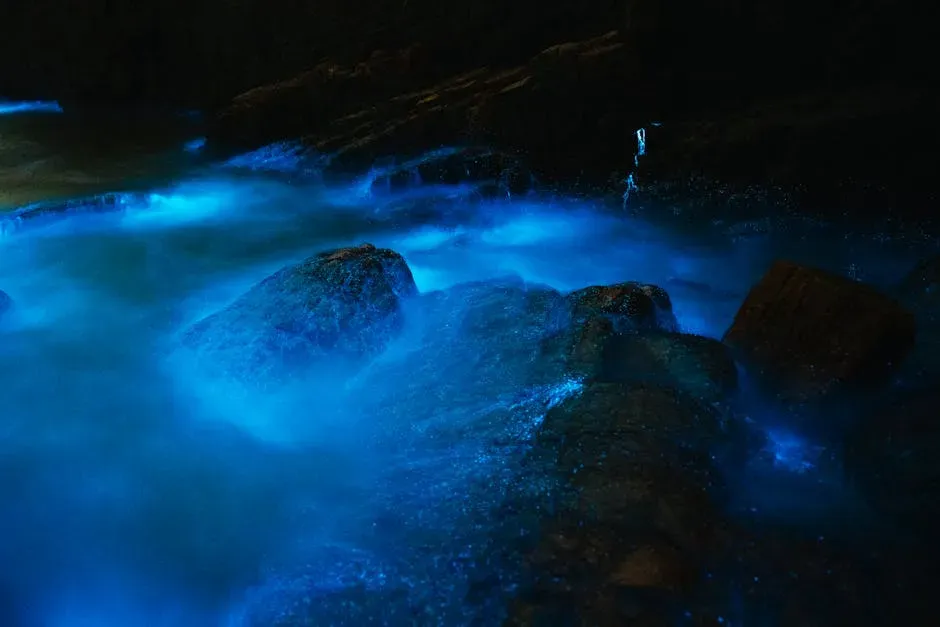
At depths where sunlight never penetrates, you might expect pure darkness and a sense of lifeless stillness. Instead, submersibles often record dazzling displays of bioluminescence: flashes, pulses, slow glows, and streaks of living light. Many deep-sea animals, from tiny plankton to large fishes and squids, produce their own light through chemical reactions or bacterial symbionts, turning the abyss into something closer to a star field than a void.
From an energy budget standpoint, spending precious resources on light in a world without sunshine sounds wasteful, even reckless. Yet bioluminescence has become a multi-purpose tool: it can attract prey, startle predators, hide an animal’s shadow, or help individuals find mates in the dark. The sheer variety of lighting systems – different colors, flashes, patterns – suggests evolution has been running uncontrolled experiments with photons under high pressure for millions of years. It makes the deep ocean feel less like the absence of light and more like a separate, hidden spectrum of reality.
12. Ancient Microbes Revived From Deep-Sea Sediments
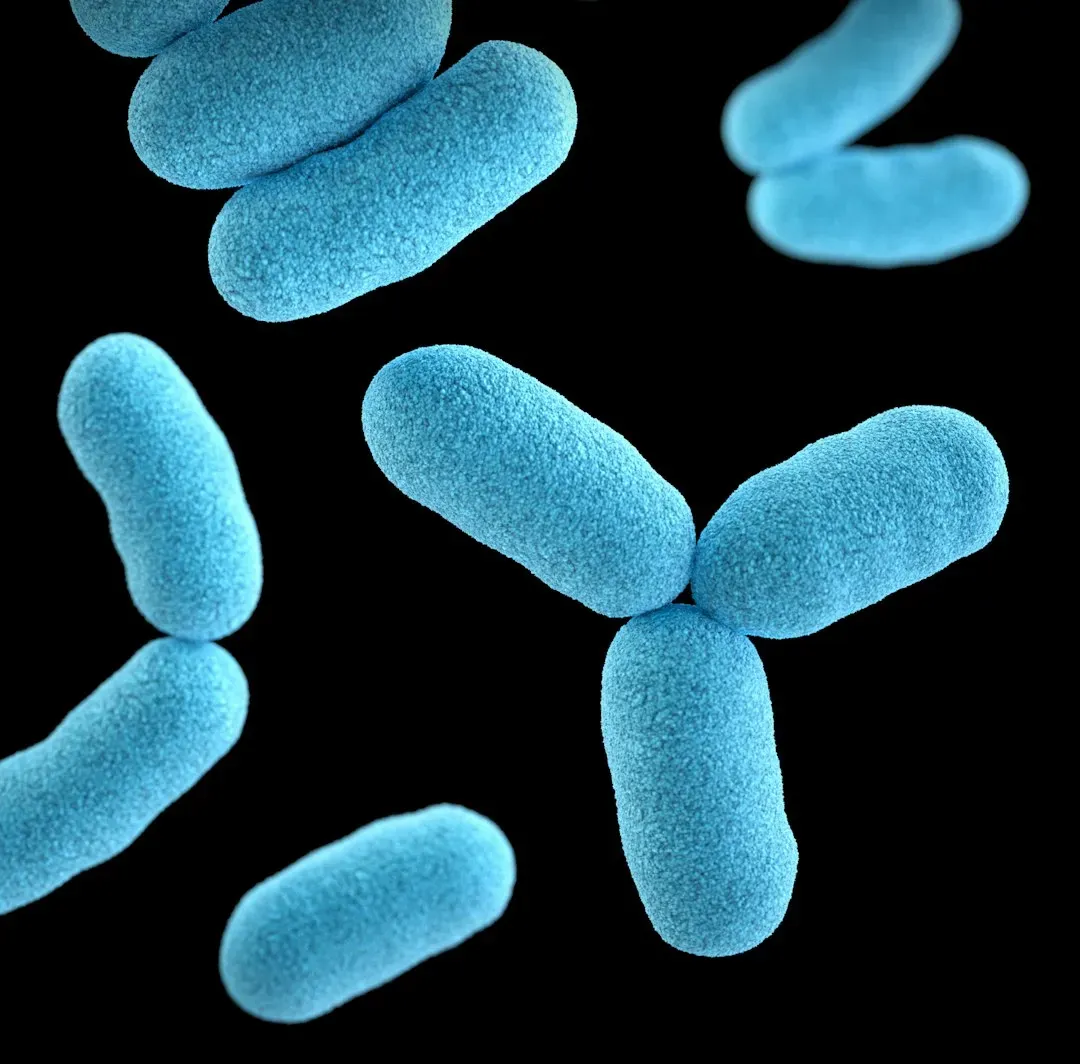
Drilling cores from deep-sea sediments has turned up microbial cells that appear to have been trapped for astonishingly long periods, sometimes buried under layers laid down over millions of years. Under laboratory conditions, some of these cells can be coaxed into activity again, hinting that they have been in a state of extreme metabolic slowdown rather than true death. In human terms, it is like finding someone who has been holding their breath since before our species evolved and discovering they can still wake up.
This challenges the basic intuition that life is always buzzing with activity or it is gone. These microbes seem to stretch the concept of time itself for living systems, operating at such low energy that their life cycles mesh more with geology than biology. It raises uncomfortable questions about dormancy, survival, and what it really means for an organism to be “alive.” If Earth’s oceans can harbor such slow-burning possibilities, it makes our ideas about sterile environments elsewhere look premature at best.
13. Plastics and Human Trash in the Most Remote Abysses
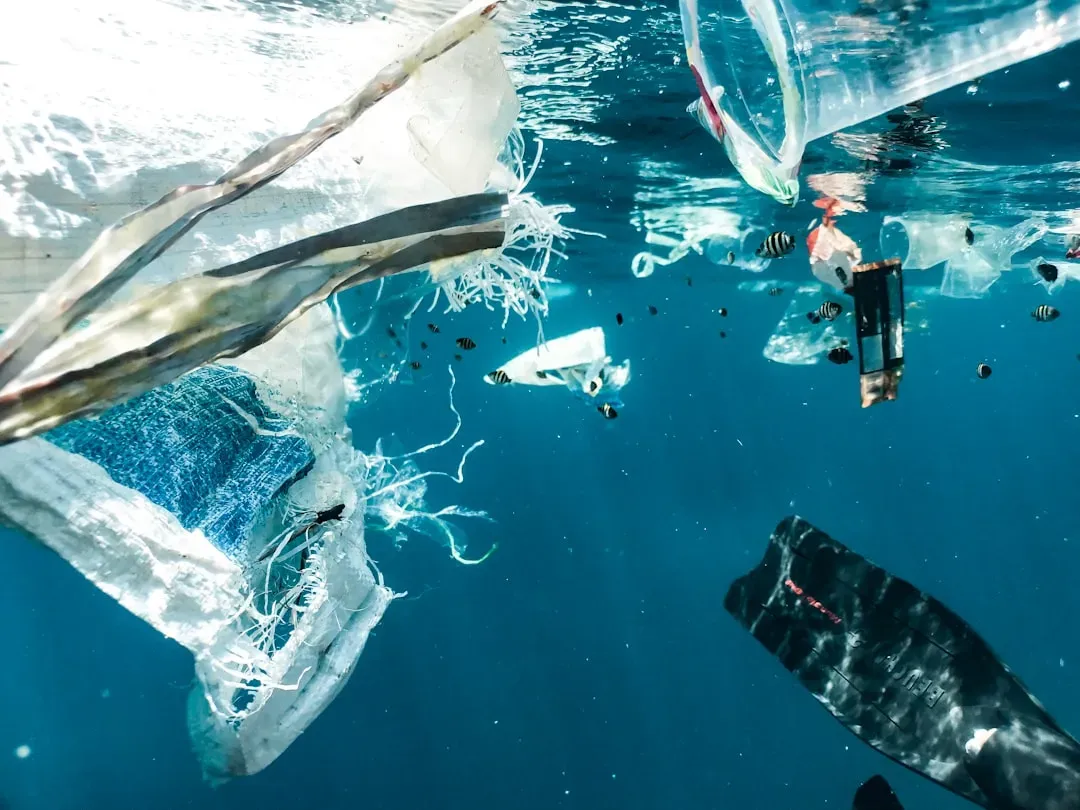
Of all the things that should not be in the deep ocean, the most depressing and, frankly, infuriating is our own garbage. Researchers have found plastic bags, drink bottles, microplastic fibers, and even lost fishing gear in deep trenches, far from any direct human presence. In places where we once assumed an untouched, alien world ruled only by physics and evolution, there are now fragments of packaging and debris that clearly tell a different story.
This intrusion is not just an aesthetic offense; it actively reshapes ecosystems and exposes deep-sea life to chemicals, entanglement, and ingestion risks we have barely begun to map. The fact that our trash has reached the same abyssal zones that host pressure-defying amphipods and strange chemosynthetic communities feels like the ultimate contradiction. We are good enough at exploring the ocean to leave a footprint, but not yet responsible enough to avoid turning that footprint into a scar. In my view, this is the single clearest example of something in Earth’s oceans that absolutely, unquestionably does not belong there.
Conclusion: The Deep Sea Is Less “Impossible” Than Our Imagination
When you put all these discoveries side by side – transparent-headed fish, rock-dwelling microbes, antifreeze blood, bone-eating worms, and our own plastic trash – the picture that emerges is not just “weird ocean facts.” It is a blunt reminder that our mental model of what life is and where it can survive has been far too narrow. Pressure, cold, darkness, and toxic chemistry turn out to be challenges, not walls, and biology responds with an almost disrespectful flexibility that science is still racing to catch up with. Personally, I think we have underestimated both the creativity of evolution and the scale of our own impact.
From a purely scientific standpoint, the deep ocean is one of the best arguments for intellectual humility on Earth: almost every serious expedition returns with something that forces experts to adjust their theories. At the same time, the presence of human trash in the planet’s most improbable habitats is a harsh verdict on how casually we treat a world we barely understand. If creatures can evolve to bend the rules of pressure and chemistry, the least we can do is bend our habits to leave them a cleaner, less disrupted stage. Looking at all this, I cannot help asking: what will shock us more in the long run – the strange things nature put down there, or the things we chose to throw in ourselves?