
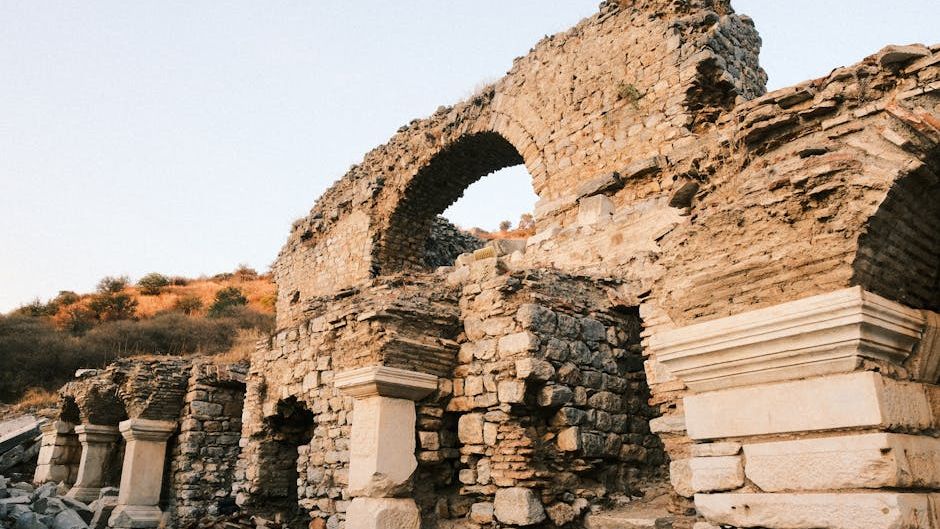
Every schoolbook makes it sound like the story of civilization is neatly mapped out: Egypt, Mesopotamia, Greece, Rome, a few others, and then us. But once you start looking at what archaeologists are actually digging up, that clean timeline falls apart fast. Across deserts, buried under jungles, and sunk beneath lakes and seas, ruins keep surfacing that hint at cultures we barely understand and sometimes did not even know existed a few decades ago.
Some of these ancient sites belong to societies that left no known writing at all, just colossal stoneworks, strange symbols, and broken clues scattered in the soil. Others belong to cultures that existed on the edges of the “big” civilizations and quietly rewrote what we thought we knew about trade, technology, and human imagination. Let’s walk through fifteen of the most intriguing ruins that suggest our past was far busier, stranger, and more interconnected than anyone guessed.
1. Göbekli Tepe: The Temple That Should Not Exist
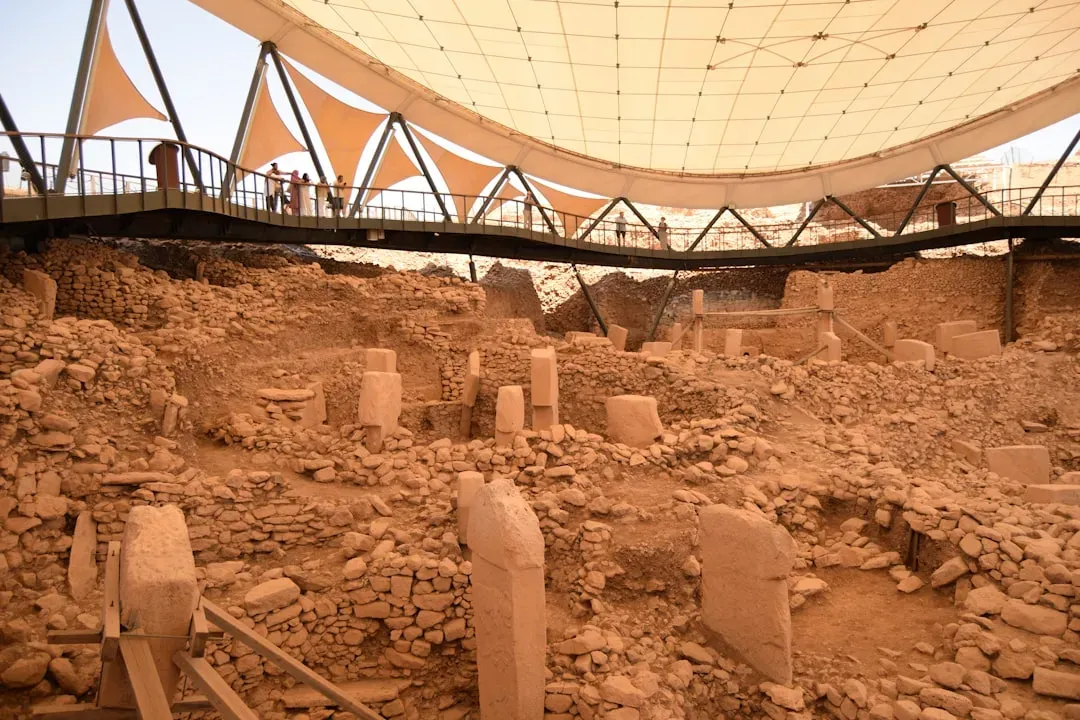
If there’s one place that makes historians uncomfortable, it’s Göbekli Tepe in southeastern Turkey. Built roughly ten thousand years ago, long before metal tools or cities as we usually define them, this site is packed with huge T-shaped stone pillars carved with foxes, vultures, snakes, and abstract symbols. The dates put it thousands of years earlier than Stonehenge and the Egyptian pyramids, which throws a serious wrench into the old idea that big monuments only came after farming and complex states.
What makes Göbekli Tepe feel like a window into an unknown civilization is how organized it is. The stone circles are aligned, the art is intentional, and the labor required would have demanded leadership and planning that “simple” hunter-gatherer bands supposedly did not have. There are no houses in the immediate core of the site, suggesting it may have been a ceremonial center for groups spread over a much wider region. In other words, this looks like the spiritual heart of a culture that existed long before our usual starting points, then vanished so completely that all we have left are its carved stones and questions.
2. Çatalhöyük: A City Without Streets
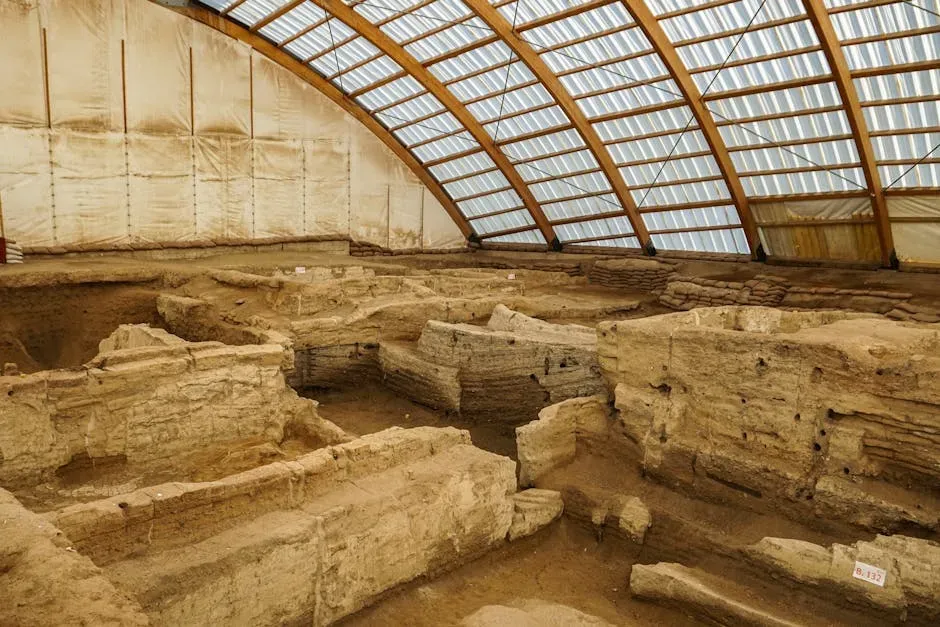
On the Anatolian plain in modern Turkey, the prehistoric settlement of Çatalhöyük looks, at first glance, like a pile of mud-brick ruins. But when archaeologists peeled back the layers, they found a nine-thousand-year-old town that breaks nearly every rule we thought we knew about early urban life. There are no streets here; people moved across white-plastered rooftops and climbed into their homes through openings in the ceiling, like some kind of Neolithic rooftop village.
The walls are filled with murals of hunting scenes, animals, and geometric patterns, alongside carefully arranged burials beneath house floors. There is no clear palace, no giant temple, nothing that screams a ruling elite in the way later cities often do. Instead, many houses look broadly similar, hinting at a social structure we still do not fully grasp. Çatalhöyük feels like the capital of a forgotten experiment in how to live together: dense, artistic, religious, but organized in a way that does not match the usual model of kings, soldiers, and monumental architecture.
3. The Indus Valley “Ghost Cities” of Rakhigarhi and Dholavira
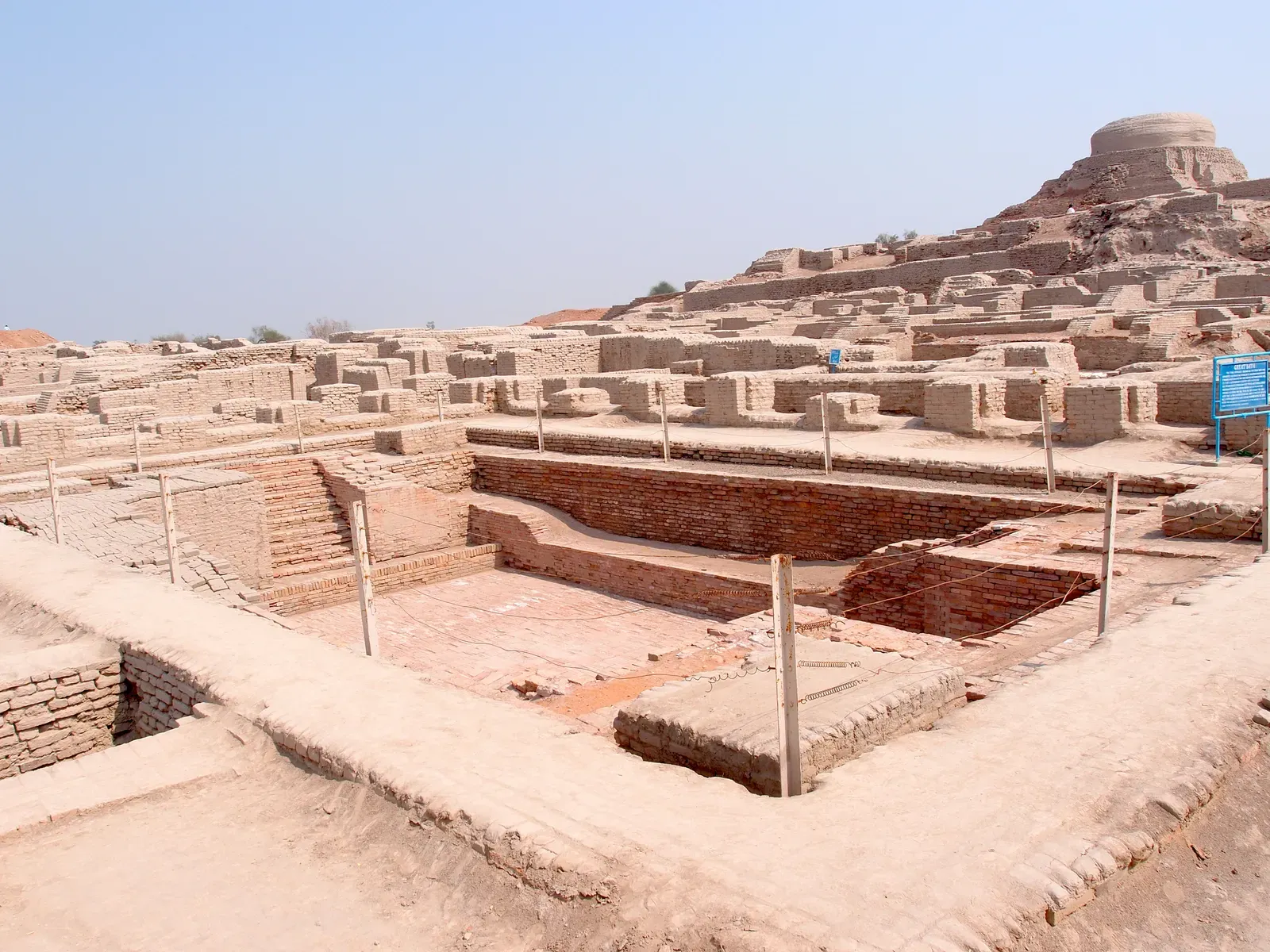
Most people who have heard of the Indus Valley Civilization think of Harappa and Mohenjo-daro. But in the last few decades, enormous sites like Rakhigarhi and Dholavira in today’s India have emerged as major urban centers of this mysterious Bronze Age culture. Rakhigarhi, spread over a surprisingly large area, appears to have been one of the biggest Indus cities, with well-planned streets, standardized bricks, and hints of specialized craft quarters.
Dholavira, located in the salty desert of Kutch, takes the surprise even further with its sophisticated water management. Reservoirs, channels, and an almost obsessive control of scarce water resources point to a level of engineering that rivals the more famous river civilizations. The Indus script remains undeciphered, which means we still do not know what these people called themselves, what they believed, or why their cities declined. Every new ruin in this network adds pieces to a jigsaw puzzle of a major civilization that somehow slipped out of the world’s historical memory.
4. Caral-Supe: The Oldest City in the Americas
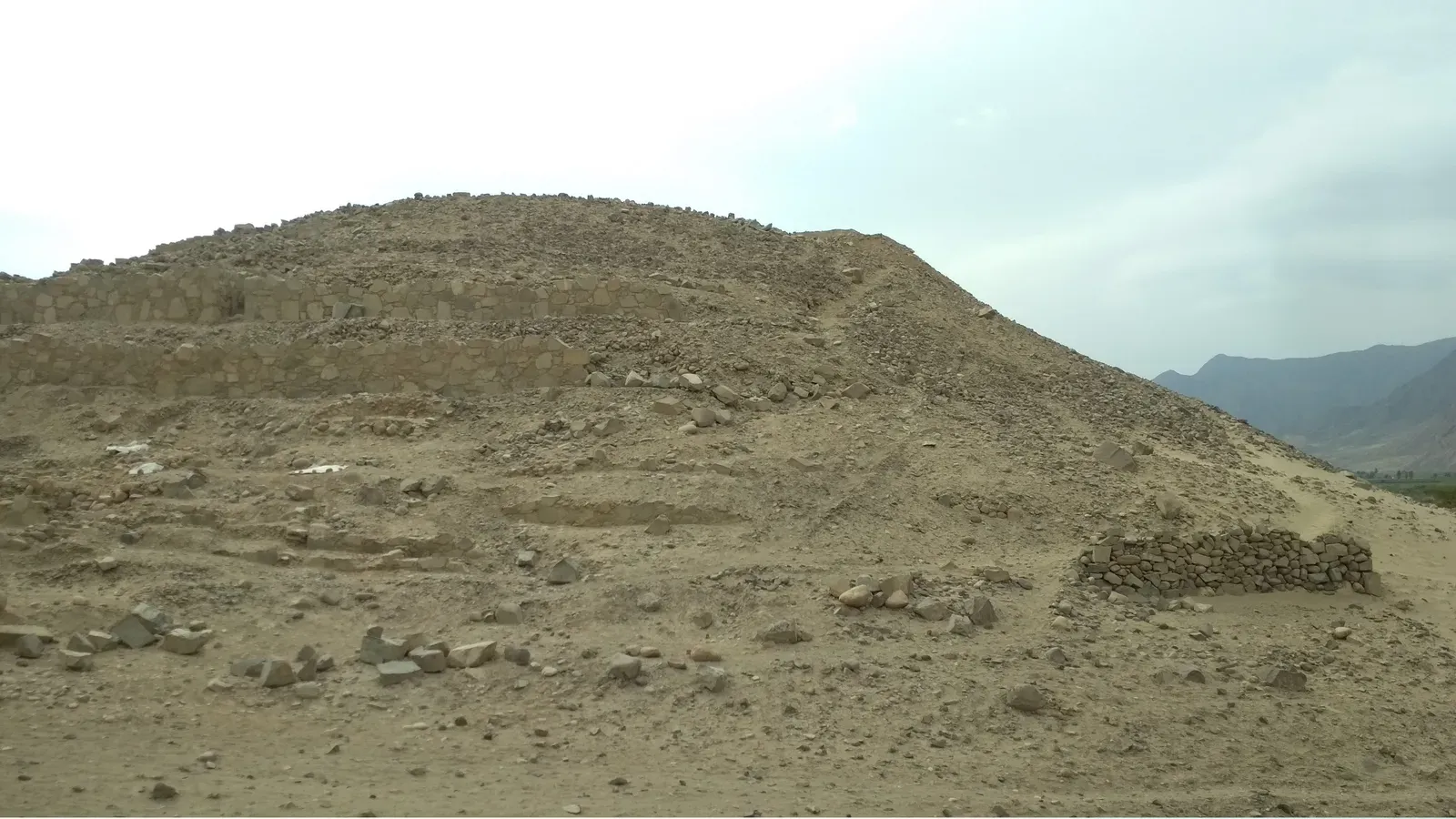
On Peru’s desert coast, surrounded by barren hills and dry riverbeds, the ruins of Caral-Supe look surprisingly modern in layout. Terraced pyramids, sunken circular plazas, and residential areas form what many researchers now think is the oldest known city in the Americas, dating back almost five thousand years. What is striking is that Caral seems to have achieved this level of complexity without obvious signs of warfare or fortification at its peak.
This suggests a society that built its identity around ritual, trade, and shared structures rather than constant conflict, at least for a significant period. The people of Caral cultivated cotton, traded along the coast, and built monumental architecture roughly at the same time as the early Egyptian pyramids were rising. Yet until relatively recently, this entire civilization was virtually unknown outside specialist circles. It challenges the old habit of assuming that “real” civilization only emerged in the Old World and reminds us that complex societies were sprouting independently in other corners of the planet.
5. The Nok Terracotta Culture of West Africa
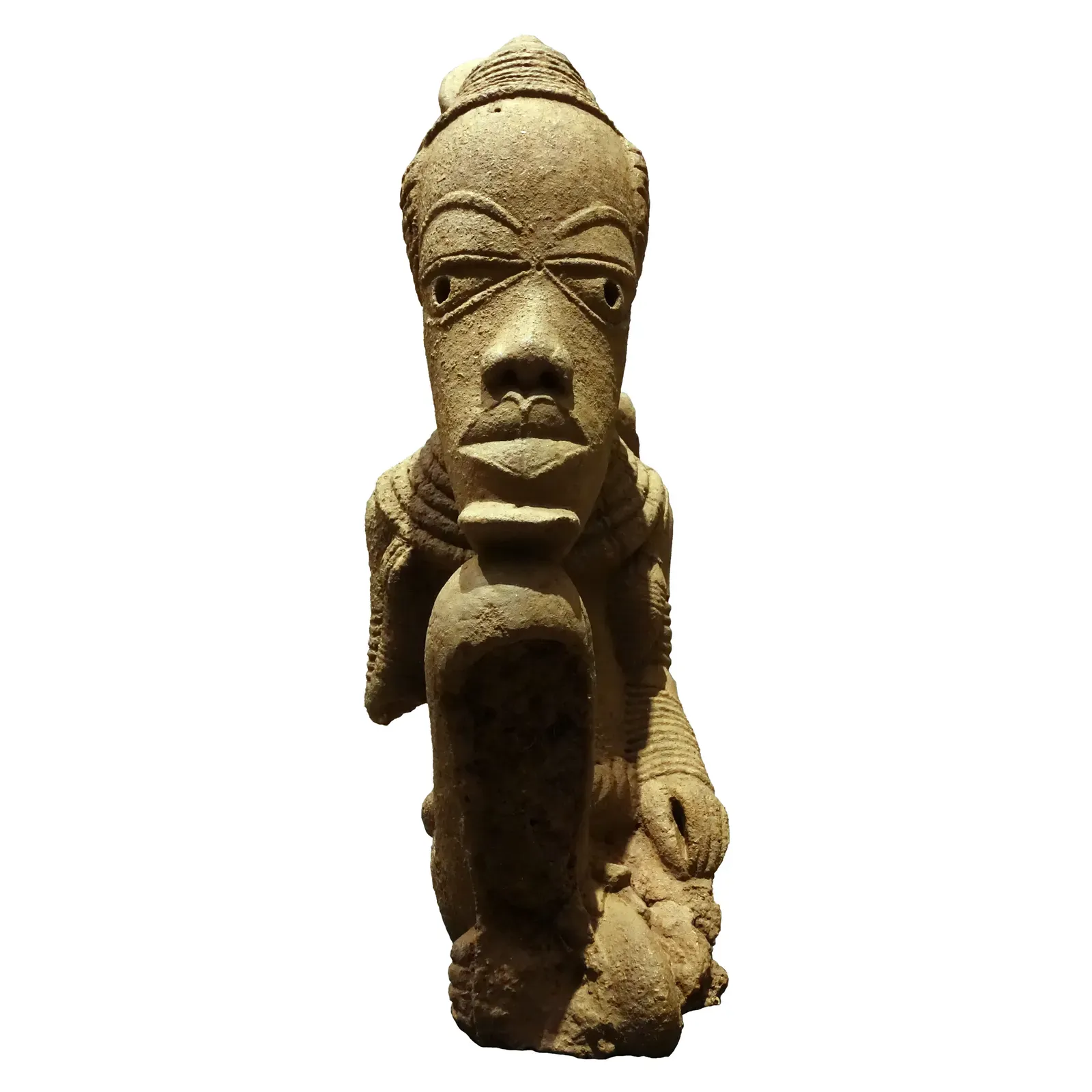
In central Nigeria, farmers and tin miners began turning up haunting terracotta heads and figures in the twentieth century, pieces so finely made that many assumed they were relatively recent. Radiocarbon dating told a different story: these sculptures belonged to a culture that flourished roughly two and a half to three thousand years ago, now known as the Nok. Almost everything we know about them comes from these fragments and the traces of settlements scattered under the soil.
The Nok terracottas show humans with elaborate hairstyles, jewelry, and expressive faces that feel strangely modern in their emotional depth. There is evidence of early iron-working in the region at around the same time, suggesting a technologically sophisticated society that played a key role in West Africa’s deep past. Yet we do not know what language they spoke or what they called themselves. It feels as if we are walking into a museum gallery where all the labels have been stripped away, left only with the art and a sense that an entire civilization once flourished here, only to fade and be swallowed by time.
6. Sanxingdui: The Alien-Faced Civilization of Ancient China
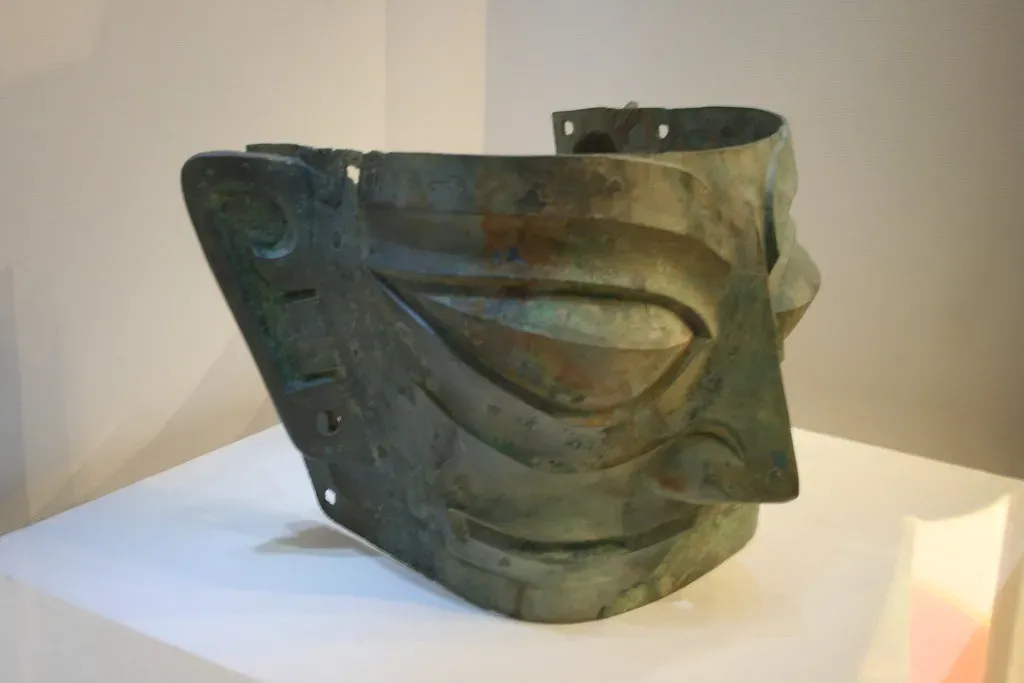
When workers in Sichuan province uncovered huge pits filled with broken bronze masks, statues, and jade in the late twentieth century, the finds did not look like anything from the familiar Chinese dynasties. The site, known as Sanxingdui, turned out to belong to a Bronze Age culture that existed during the time of the Shang dynasty but followed its own dramatically different artistic language. The most famous pieces are enormous bronze heads with bulging eyes, sharp features, and almost surreal expressions.
These artifacts hint at a powerful, ritual-focused society that may have controlled extensive resources and trade routes in southwestern China. Yet Sanxingdui barely appears in traditional historical texts, if at all, and its sudden abandonment remains unexplained. That combination of high craftsmanship, large-scale ritual deposits, and near-total silence in the written record makes it feel like an almost parallel civilization running beside the “official” story of ancient China. It forces us to admit that even in regions we think we know well, entire cultural worlds can remain hidden until a bulldozer or a lucky dig exposes them.
7. Poverty Point: Earthworks of an Unknown North American Society
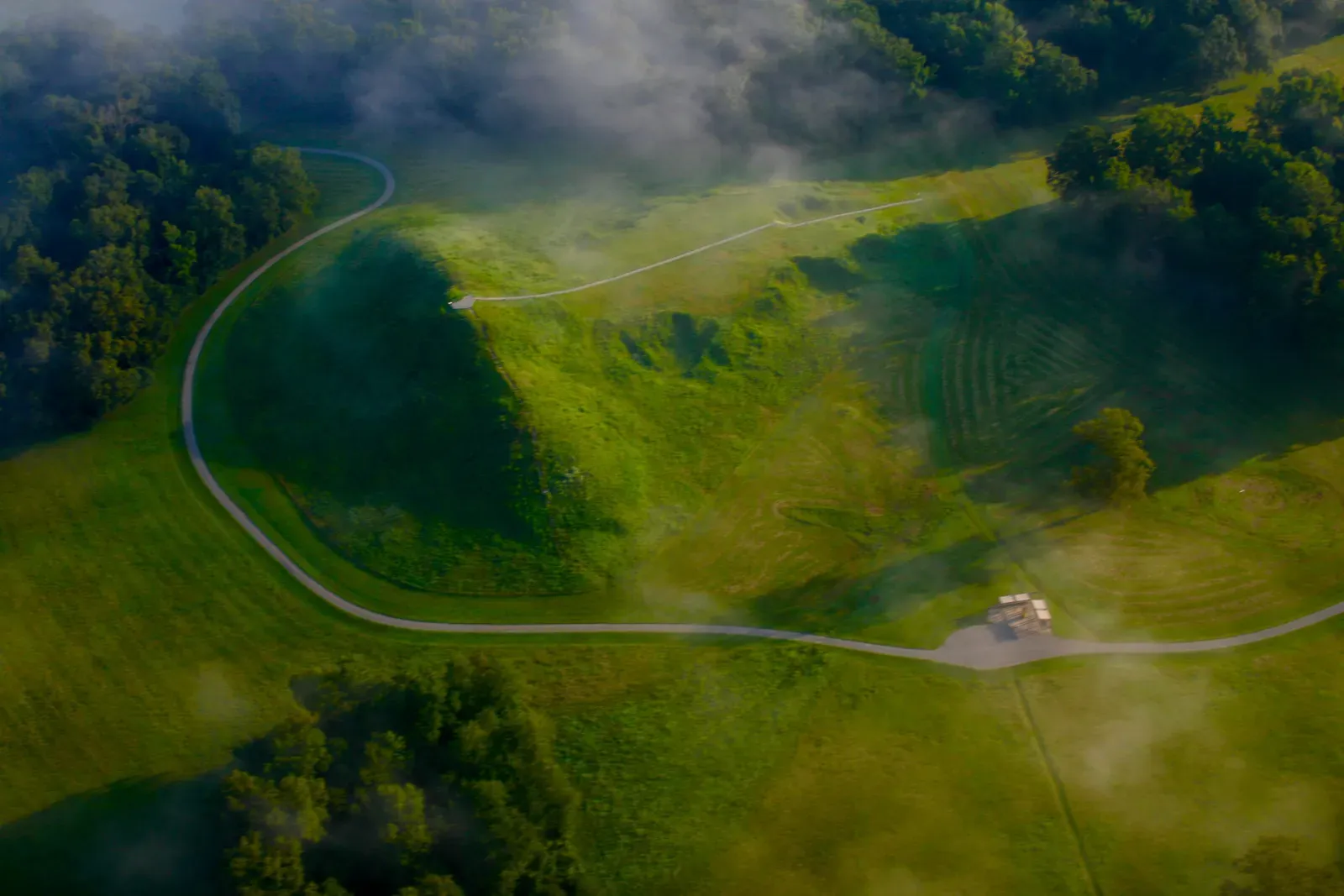
In northeastern Louisiana, massive earthen ridges and mounds form what looks, from the air, like a giant abstract design: concentric arcs facing a central plaza, with radiating aisles and separate mounds aligned in a deliberate pattern. This is Poverty Point, built by Indigenous people more than three thousand years ago, long before the mound-building cultures most Americans learn about in passing. The sheer volume of earth moved without metal tools or beasts of burden is staggering.
Archaeologists have found stone tools and ornaments at the site made from materials sourced hundreds of miles away, pointing to vast trade networks across North America. Yet there are no pyramids of stone, no writing, and no easily visible “palace” structure to plug into a familiar model of early states. Poverty Point looks like the center of a complex, far-reaching society that mastered geography, logistics, and ceremonial design, but whose name, stories, and internal politics have all been lost. Standing on those earthworks, you really feel how much of precolonial North America remains essentially invisible to the wider world.
8. Derinkuyu and the Underground Cities of Cappadocia
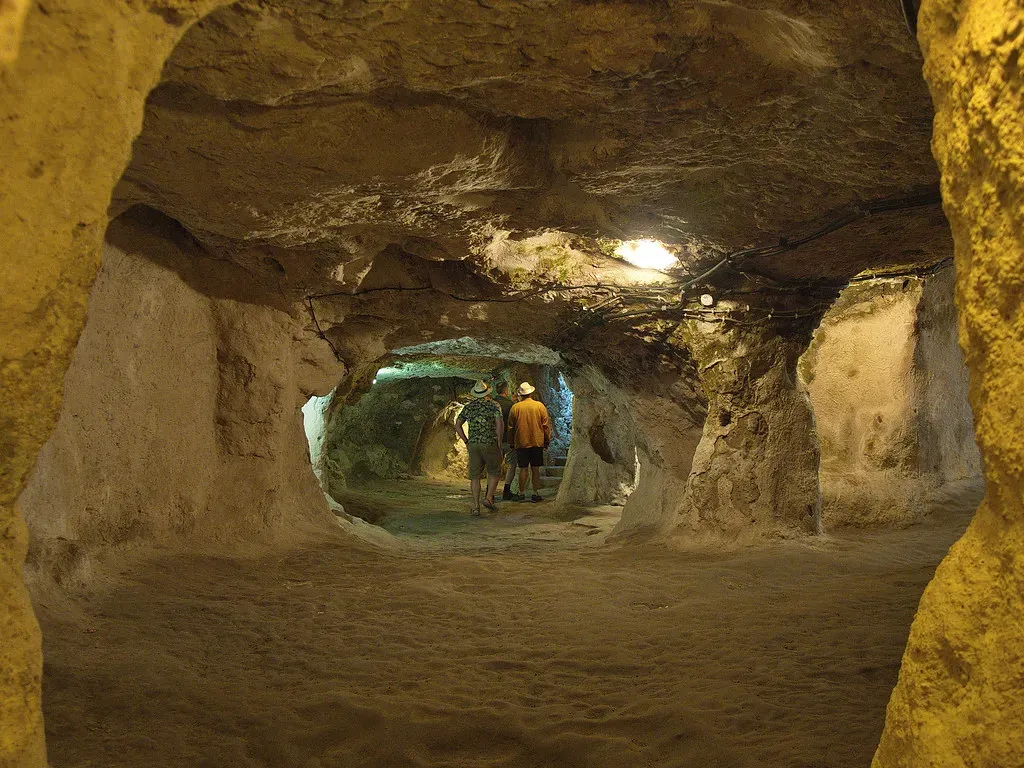
Beneath the volcanic landscapes of Cappadocia in central Turkey lies a honeycomb of underground cities, some reaching eight or more levels deep. Derinkuyu is the best-known of these, with ventilation shafts, stables, churches, communal rooms, and narrow passages that could be sealed with rolling stone doors. People could shelter thousands of residents underground for extended periods, using wells and cleverly designed air systems to survive.
While parts of these underground networks are associated with later Christian communities hiding from invasions, the earliest phases are older and less clearly understood. The fact that whole populations could vanish from the surface into an engineered underworld suggests a social structure that prioritized collective survival and secrecy when needed. These are not just caves; they are deliberate, large-scale architectural projects created by people with detailed knowledge of rock, air flow, and community organization. It feels like a glimpse into a civilization that learned to turn the earth itself into a defensive city long before modern bunkers existed.
9. The Submerged Ruins of Atlit-Yam
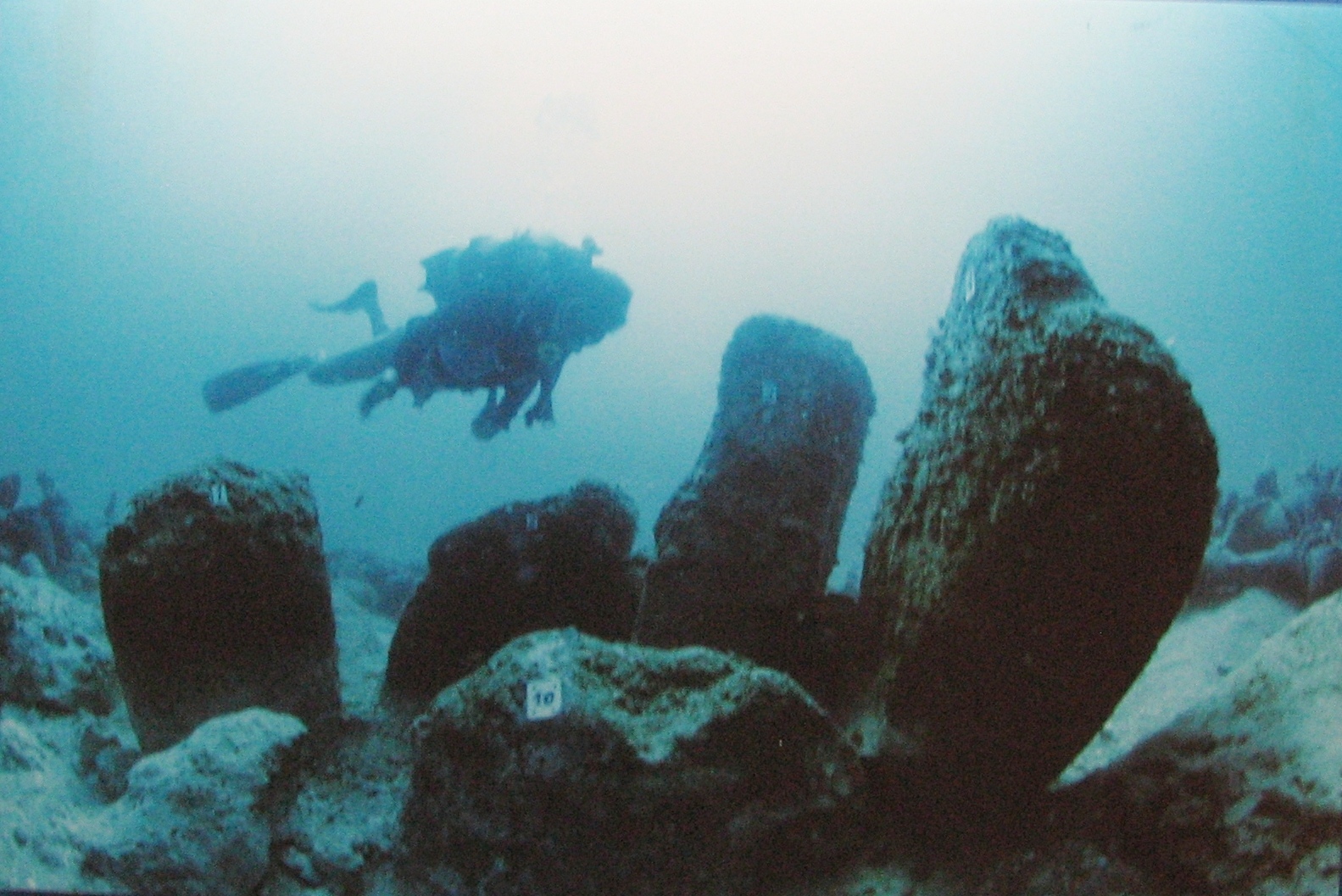
Off the coast of Israel, under the waters of the Mediterranean, lie the remains of an ancient village now called Atlit-Yam. Stone houses, wells, and a ring of upright stones around what appears to be a burial or ritual area sit on the seabed, preserved by silt and salt. This settlement dates back to the Neolithic period, when rising sea levels slowly swallowed sections of the coast as the last Ice Age ended.
Atlit-Yam gives us a direct, almost eerie snapshot of a coastal community that lived with fishing, early farming, and complex rituals long before written records. It is likely only one of many such sites now underwater along ancient shorelines. When we talk about “lost civilizations,” we often jump to wild myths, but Atlit-Yam is a sober, literal example of how real communities can simply be erased by environmental change. The villagers did not vanish into legend; the sea just rose over their homes, leaving their story to be pieced together by divers millennia later.
10. The Mysterious Megaliths of Nabta Playa
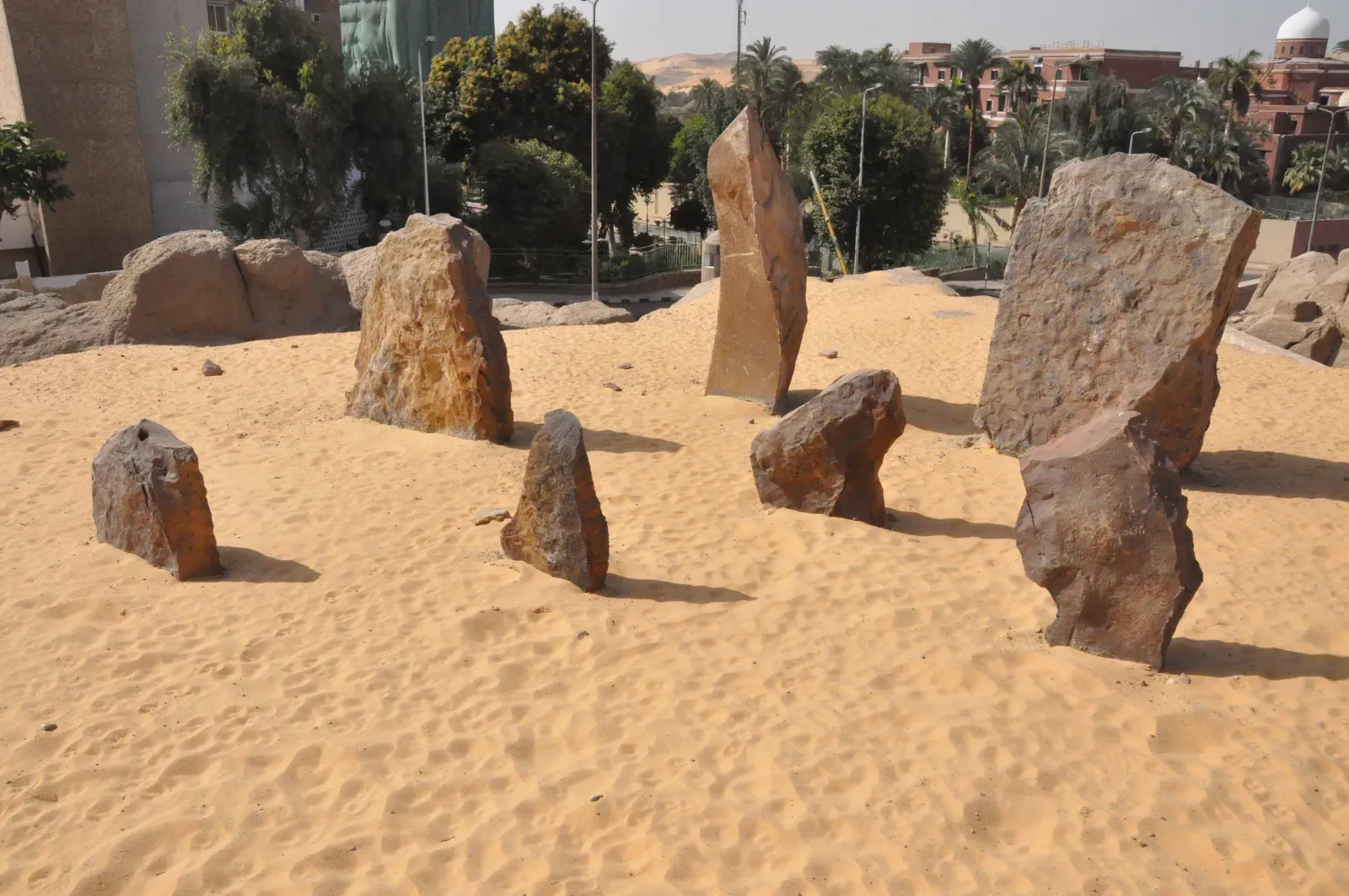
Deep in Egypt’s Western Desert, far from the Nile’s green strip, lies a dried-up lakebed called Nabta Playa. Scattered around it are stone circles, aligned megaliths, and tumuli that date back several thousand years before the pyramids. Some of the stones appear to have astronomical alignments marking solstices or important seasonal events, implying a sophisticated understanding of the sky by cattle-herding communities who moved through this once-wetter landscape.
These people are often overshadowed by the later, more famous pharaonic culture along the Nile, but sites like Nabta Playa hint at an earlier desert civilization with its own rituals and ways of marking time. Their monuments are more modest than massive pyramids, but no less impressive when you consider the mobility and resources of pastoral societies. It is entirely possible that their cosmology and practices fed into later Egyptian traditions, even if their names and specific stories never made it into stone inscriptions. In that sense, Nabta Playa feels like a prequel that most of us were never told existed.
11. Jomon Stone Circles: Japan’s Forgotten Monument Builders
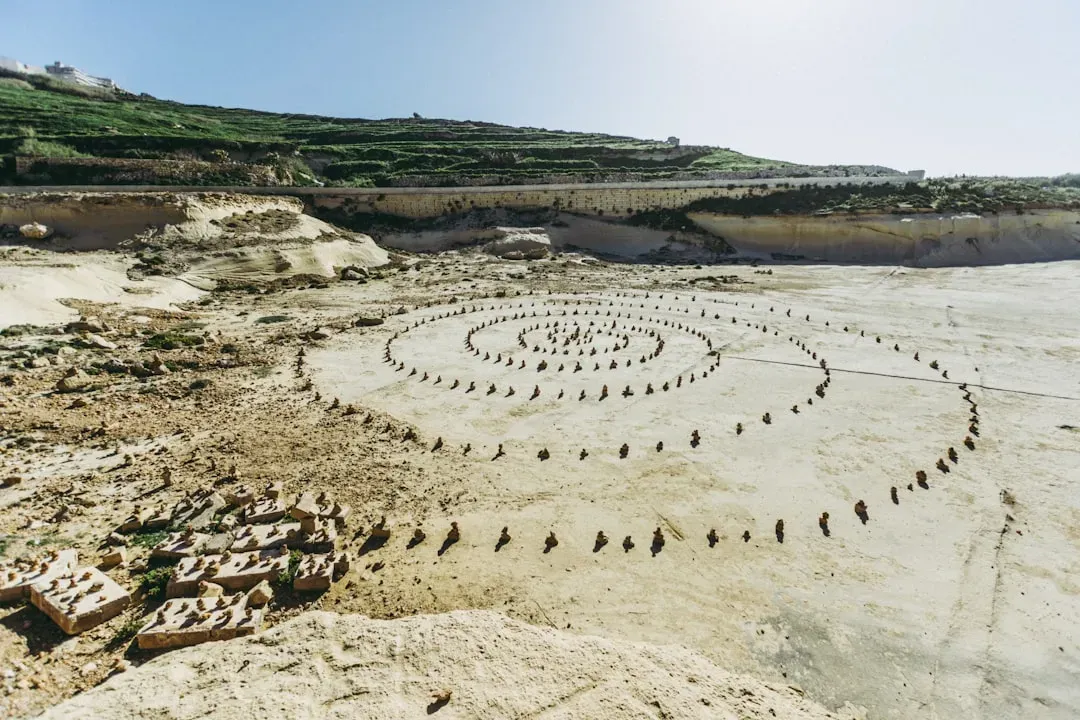
When people think of ancient Japan, they often jump straight to samurai castles or rice-farming villages. But long before that, the Jomon culture, made up largely of hunter-gatherers and early horticulturalists, was building stone circles and ritual complexes across northern Japan. Sites like Oyu and other ring formations feature standing stones, alignments, and associated pits that suggest complex ceremonies and a deep connection to seasonal cycles.
The Jomon people also created some of the world’s earliest pottery, with intricate cord-marked designs and figurines that look almost otherworldly. The stone circles, though less famous than European ones, show that even societies not based on intensive agriculture could invest enormous energy in monumental ritual spaces. It pushes back against the lazy idea that complex religion and architecture require formal states or empires. Instead, the Jomon world hints at a long-lasting culture with rich spiritual life and artistic experimentation that simply did not evolve into the kind of literate bureaucracy that tends to dominate history books.
12. The City of Tiwanaku on the Bolivian Altiplano
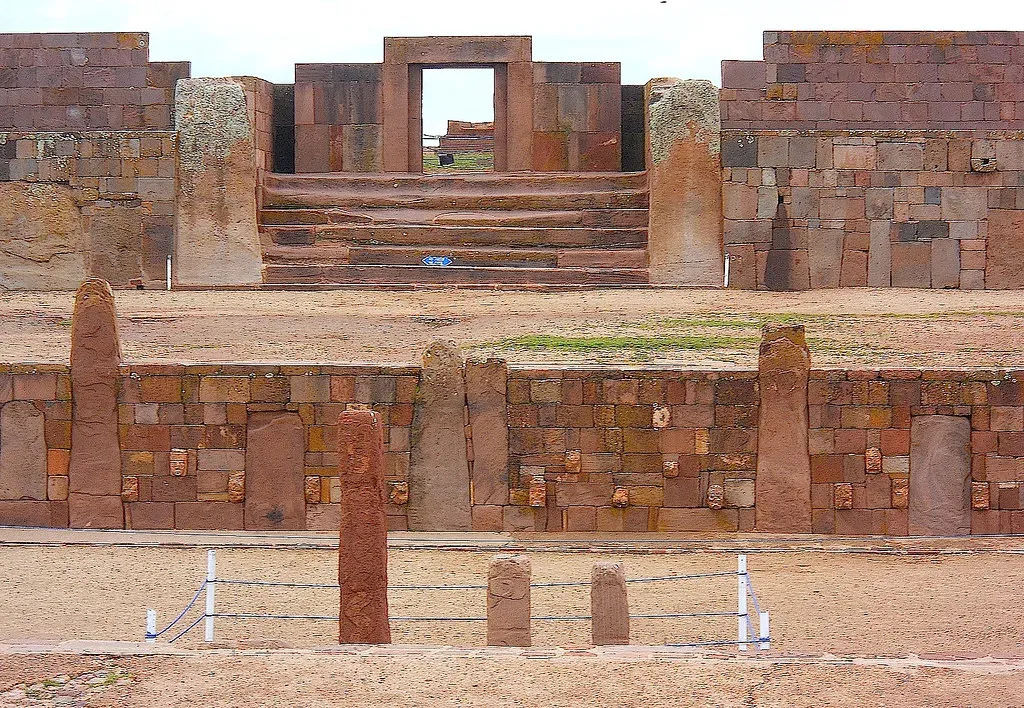
High on the Andean plateau near Lake Titicaca, the ruins of Tiwanaku sit in the cold light of a wide, windswept sky. Massive stone gateways, precisely carved blocks, and raised-field agriculture systems point to a powerful civilization that flourished centuries before the Inca rose to prominence. The city seems to have been a religious and political center for a culture that spread its influence widely across the region without leaving written records as we understand them.
The stonework at Tiwanaku is so finely executed that it often gets dragged into exaggerated claims and fringe theories, which, in my view, distract from the real achievement of the people who built it. Efficient canals, engineered fields that managed frost, and planned plazas reveal a society deeply adapted to its harsh environment. The fact that Tiwanaku collapsed long before Europeans appeared, and that its people’s voices survive only in later echoes and oral traditions, turns the site into a kind of ghost capital of a civilization we only partly recognize. It is a reminder that imperial stories rarely begin and end where our textbooks say they do.
13. The Megalithic Enclosures of Karahan Tepe and Its Neighbors
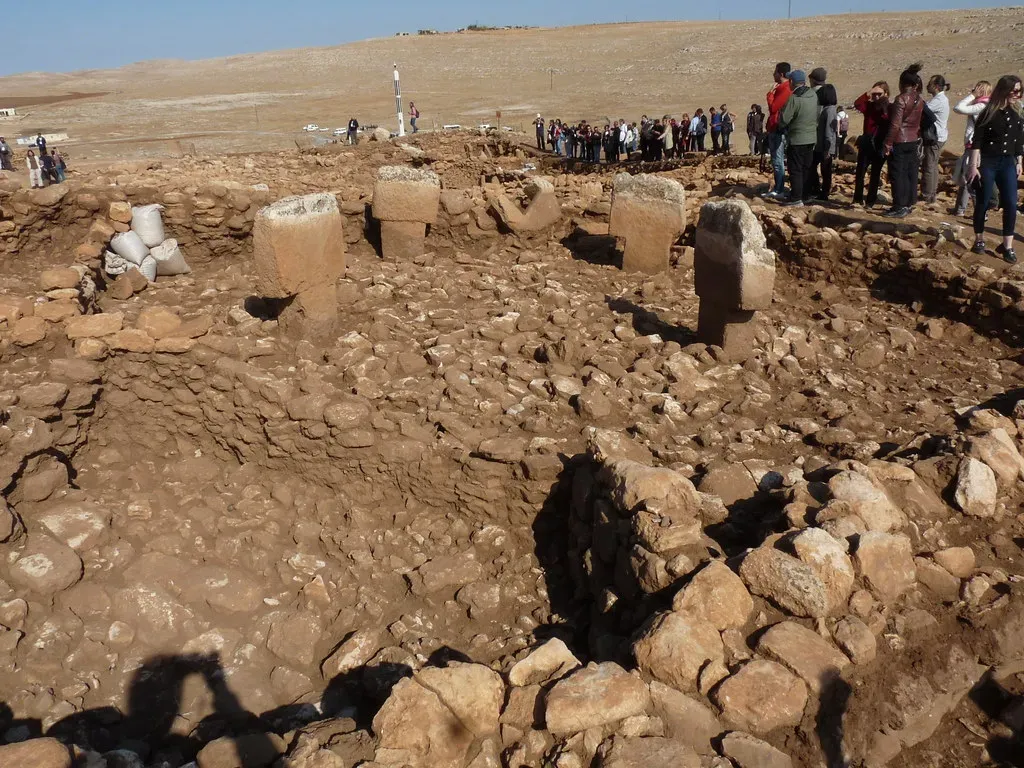
Not far from Göbekli Tepe, other sites like Karahan Tepe have begun to emerge from the soil, packed with T-shaped pillars, carved snakes, and enigmatic sculptures. Karahan Tepe seems to belong to the same broad cultural horizon as Göbekli Tepe, but with its own layout and artistic quirks. Together with several other hilltop sites, it suggests a whole network of ceremonial centers built by a culture that roamed Upper Mesopotamia at the very dawn of organized ritual architecture.
What fascinates me about these ruins is that they call into question the idea of a single “cradle” of civilization. Instead, they hint at multiple cradles, with hunter-gatherer groups experimenting with settled ritual sites, monumental art, and maybe even early social hierarchies. We can see the stones and the carvings, but we do not know the myths that animated them or the languages spoken around the hearths of nearby camps. It feels like stumbling onto a lost spiritual map of the world, drawn by people whose descendants may have been absorbed into later cultures so completely that their specific identity disappeared.
14. The Lost Urban Realm of Great Zimbabwe
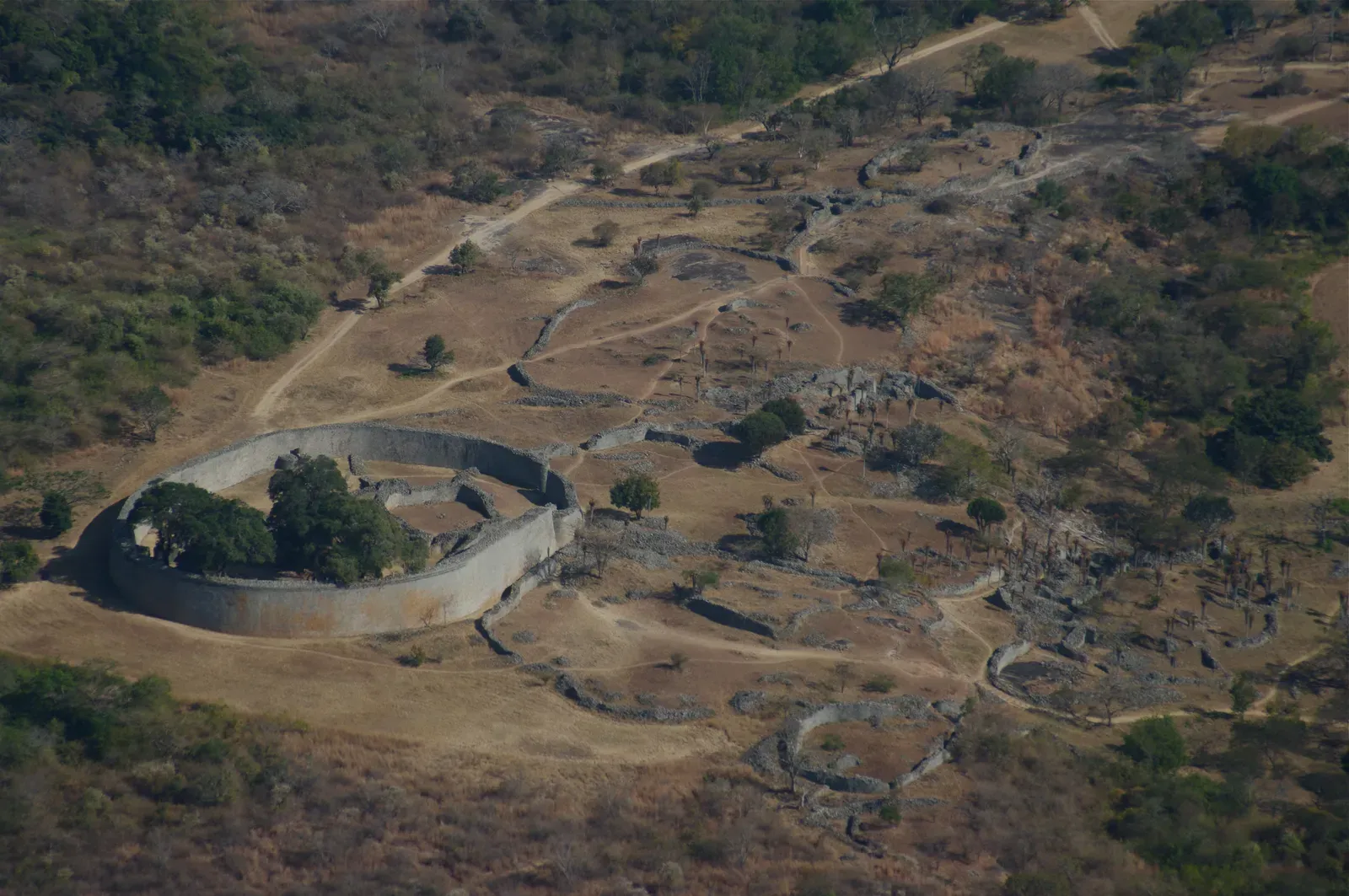
Rising out of the hills of southeastern Zimbabwe, the stone walls and enclosures of Great Zimbabwe form one of Africa’s most impressive ruined cities. Built between roughly the eleventh and fifteenth centuries, the site served as the center of a powerful kingdom that controlled trade routes linked to the Indian Ocean. The Great Enclosure, with its curving walls of carefully fitted stone, speaks of a ruling class with both authority and aesthetic ambition.
For far too long, outsiders falsely claimed that such a complex stone city could not have been built by local Africans, an attitude that says more about colonial prejudice than about the site itself. Modern research makes it clear that Great Zimbabwe was the product of a distinct Shona-speaking civilization that developed its own urban tradition, art, and political systems. The fact that this kingdom rose, flourished, and declined without leaving a long written record means its story is still being reconstructed from shards, walls, and oral histories. It stands as a powerful example of how entire civilizations can be pushed to the margins of global awareness, not because they were small or unimportant, but simply because they did not fit earlier narratives.
15. Nan Madol: A Stone City on the Sea
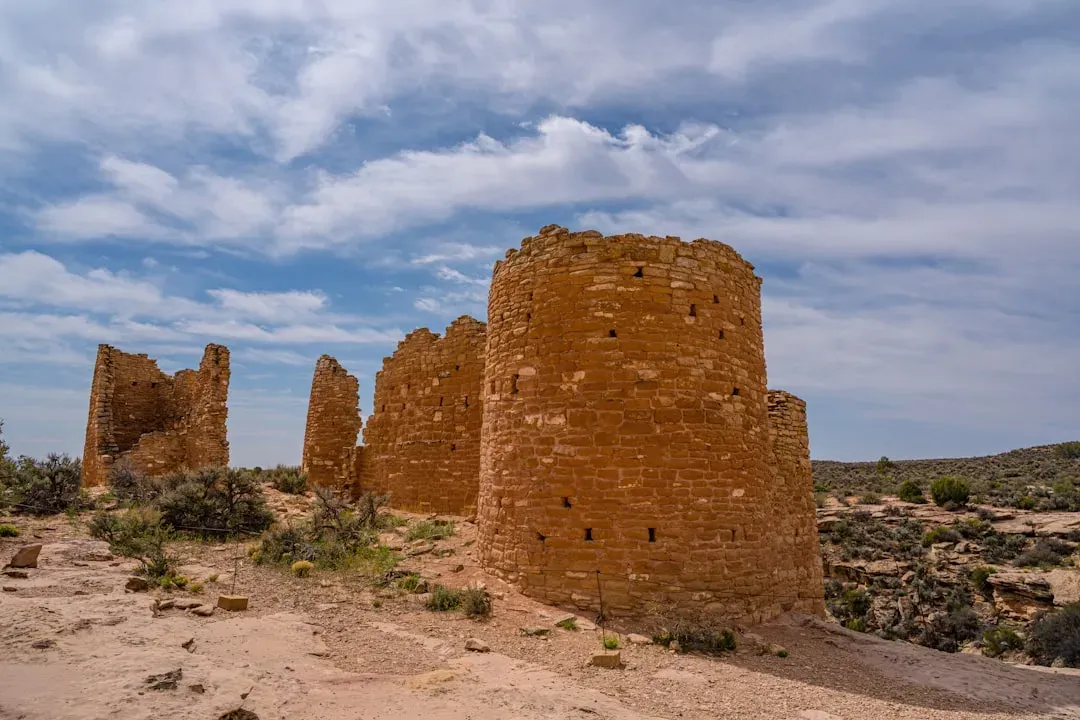
On the island of Pohnpei in Micronesia, the ruins of Nan Madol spread across a series of small islets linked by canals, often called a kind of “Venice of the Pacific.” Built with massive basalt columns stacked into artificial platforms, the complex includes tombs, ritual spaces, and what appear to be elite residences belonging to a ruling dynasty that governed the region centuries before European contact. Moving those black stone columns over water and marshy ground would have required remarkable engineering and social coordination.
Nan Madol feels like the visible tip of a much larger, barely known civilization that once dominated the surrounding seas. There are no surviving written records from the builders themselves, only later legends and the testimony of the stones. Walking among the toppled walls, you get the sense of a society that mastered its environment, organized labor at a grand scale, and then somehow unraveled or relocated, leaving behind an architectural statement that still baffles visitors. It is a fitting final stop on this tour of forgotten worlds: a city on the water, built by people whose names we no longer know, but whose ambition still rises out of the waves.
Conclusion: Our Past Is Bigger Than Our Stories
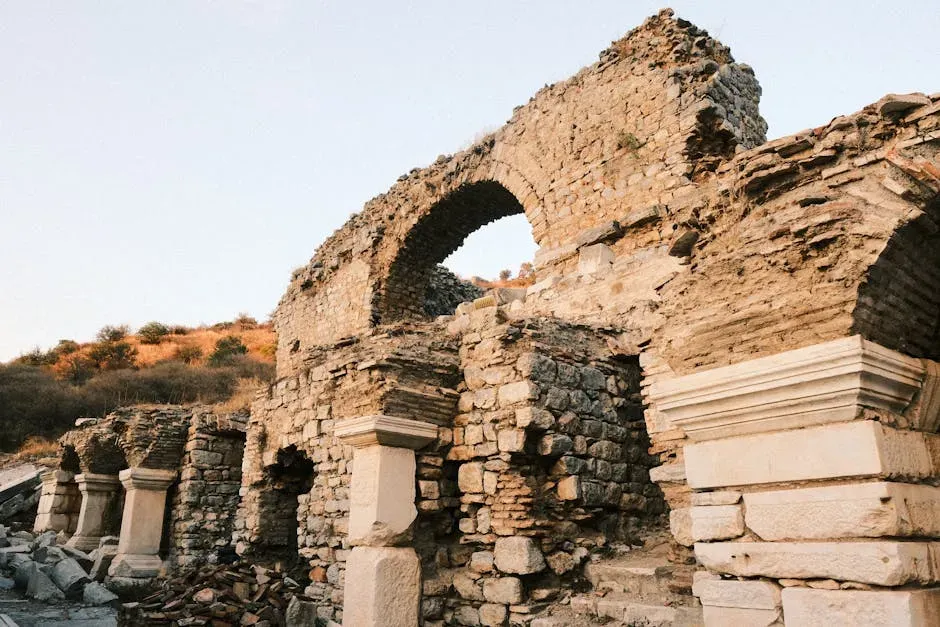
Looking at these fifteen ruins side by side, one thing becomes obvious: the official story of civilization is far too narrow. We have treated a handful of literate empires as the main characters and everyone else as extras, even when the “extras” were building cities, carving monumental art, mastering water and stone, and weaving trade networks across continents and oceans. To me, that is not just an academic oversight; it is a distortion of what humanity actually is and has been capable of across tens of thousands of years.
The more we dig, dive, and scan with satellites, the more it seems that forgotten civilizations were the rule, not the exception. Some left stone circles in windy deserts, others carved faces in bronze that look almost alien, and still others hid entire cities under the ground or under the sea. Our job now is to approach these ruins with humility instead of rushing to fit them into old boxes or sensational myths. If anything, these sites argue that the human past is wilder, more creative, and more diverse than we were taught. And honestly, that raises the most thrilling question of all: how many more civilizations are still out there, waiting to be rediscovered beneath our feet?