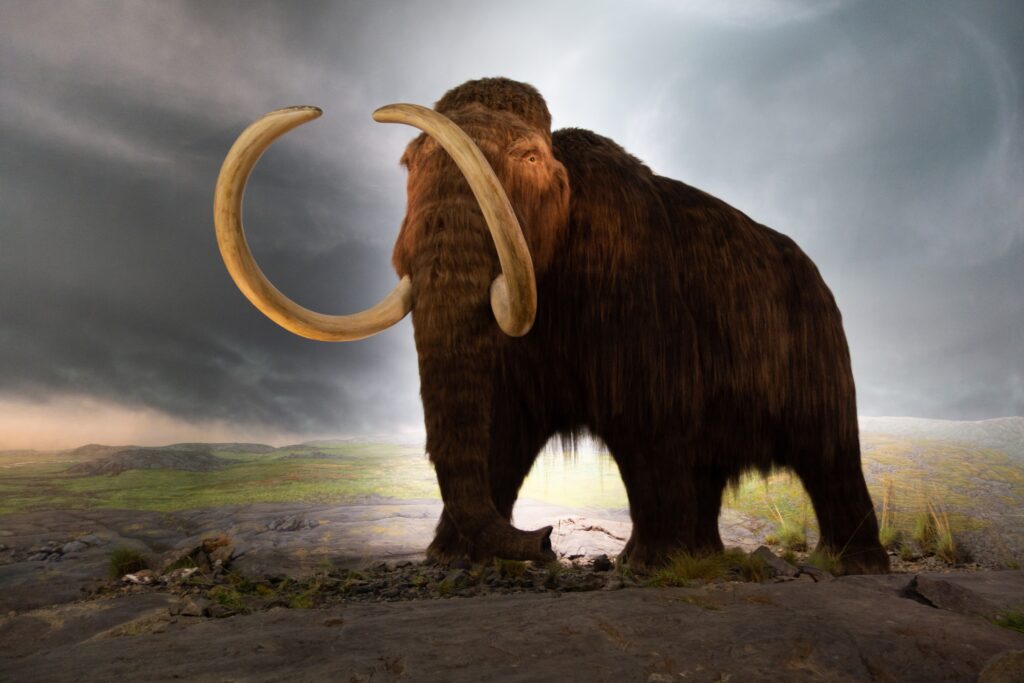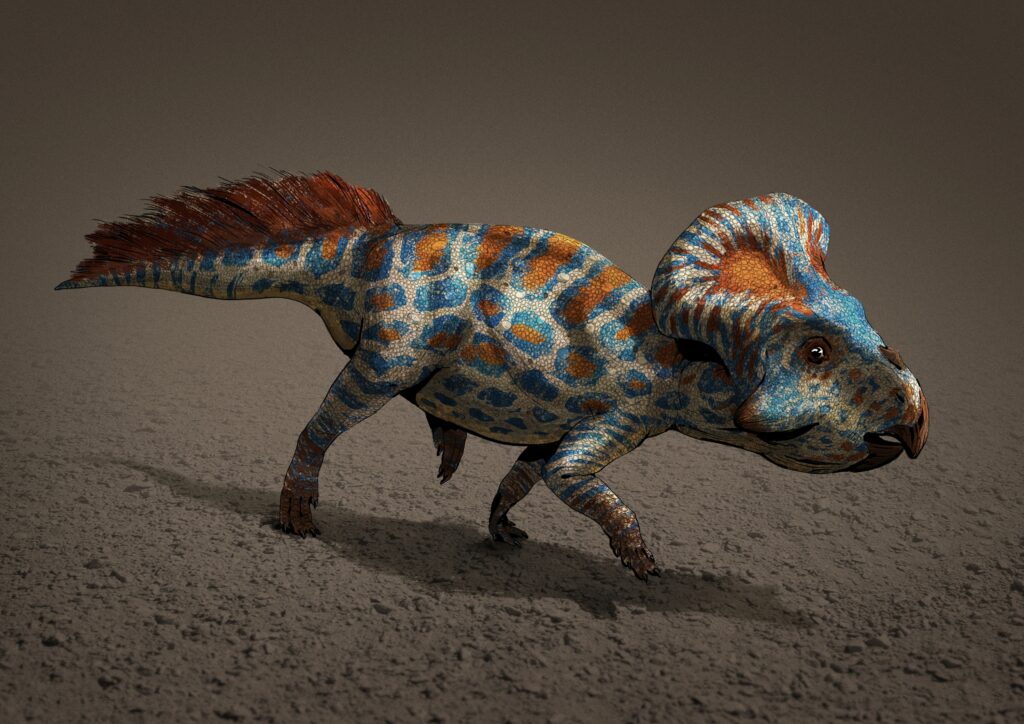
If you could step outside your door and suddenly find yourself standing on Earth two hundred million years ago, the first thing that would probably shock you is not what you see, but what you hear. The world would sound bigger, harsher, and strangely unfamiliar: alien insects buzzing, enormous reptiles calling across swamps, waves crashing on shores that no longer exist. You’ll never walk those ancient landscapes, but surprisingly, you can start to imagine their soundscapes with more accuracy than you might think.
In the last few decades, researchers from very different fields – paleontology, acoustics, geology, computer science – have quietly been building tools to bring long-gone noises back to life. They are not just guessing; they are using physics, anatomy, and data to narrow down what ancient winds, oceans, and even dinosaur calls may have sounded like. As you explore these seven methods, you’ll see how scientists are turning stone and math into something almost emotional: the roar, rustle, and whisper of a world that vanished millions of years before you were born.
1. Reverse-Engineering Ancient Animal Voices from Fossils
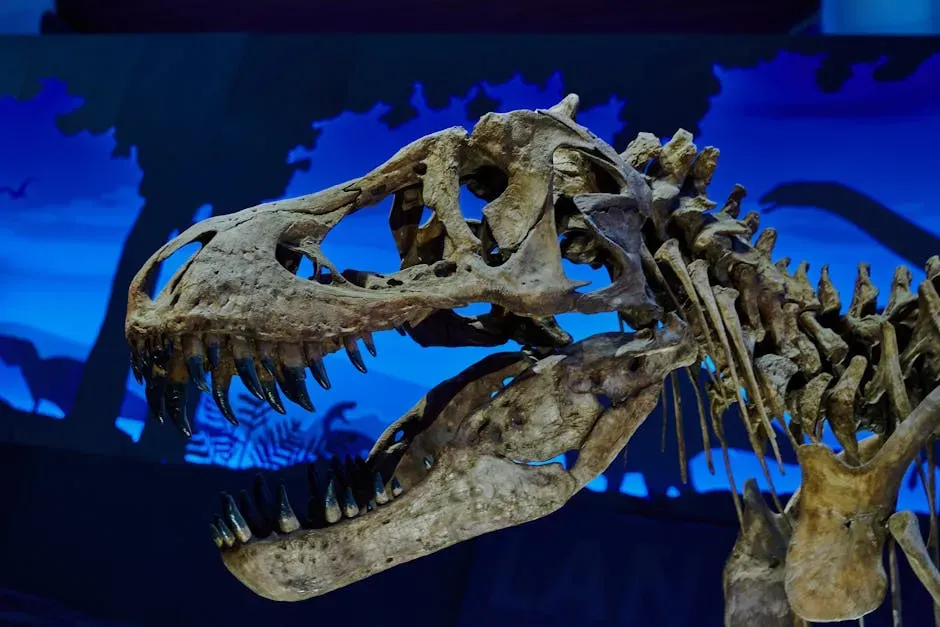
You might assume that soft sounds vanish with soft tissues, and that once an animal dies, its voice is gone forever. That used to be the default belief, but you now have tools to work backward from bones to something surprisingly close to an ancient call. When you look at fossil skulls and neck bones with high-resolution scans, you can map out cavities, air sacs, and resonance chambers that shaped airflow and sound. By measuring these structures and plugging them into acoustic models, you can estimate pitch ranges, loudness, and even the general timbre of a creature’s voice.
Birds are your best clue for dinosaurs, since modern birds are their closest living relatives and still have some of the same basic vocal hardware. When you compare fossil skull shapes and internal spaces to those of living birds, crocodiles, or mammals, you can infer whether an extinct animal produced deep booms, higher trumpeting notes, or more complex calls. You are not recreating a perfect recording, but you’re closing in on a realistic envelope: not a specific “song,” but a range of likely sounds, grounded in the physics of airflow through bone-defined tubes and chambers.
2. Recreating Dinosaur Calls with Digital Syrinx and Larynx Models
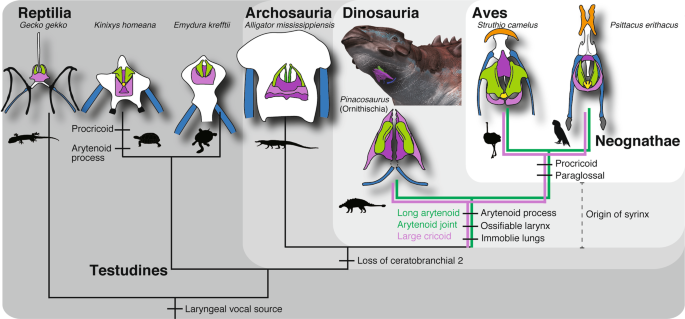
If you want to hear something that feels like a dinosaur call, you need more than bones – you need a way to simulate the soft tissues that once vibrated. That is where digital reconstructions of the syrinx (in birds) and larynx (in many other vertebrates) come in. You can use computed tomography (CT) scans of fossils, combined with detailed data from living animals, to build 3D models of ancient vocal structures and the spaces around them. Once you have those, you can run fluid dynamics and vibration simulations to see how air might have moved and what kind of sound waves it would have generated.
In some cases, you are even able to approximate how flexible tissues might have behaved by looking at attachment points on bone and comparing them with close living relatives. Then, with specialized software, you drive these virtual organs with different airflow rates and pressures to generate synthetic sounds. The result is not a guaranteed “true” dinosaur roar, but it is a scientifically constrained one: something that has to obey the rules of anatomy and physics. For you, that means the noise you hear in a lab demo or museum exhibit is not just fantasy; it is a testable, adjustable model informed by real data.
3. Using Wind Tunnels and Fluid Dynamics to Rebuild Ancient Wind and Weather
It is easy to forget that the loudest thing you might have heard on prehistoric Earth was not always an animal – it was the wind. To reconstruct ancient soundscapes, you need to know how air moved across mountains, forests, and coastlines that no longer exist in their old shapes. Researchers use wind tunnels, climate models, and computational fluid dynamics to estimate how strong winds would have been in different regions and eras. When you plug in continental positions, ocean temperatures, and atmospheric composition, you start to see how storm tracks and prevailing winds might have sounded on a daily basis.
From there, you can translate wind speed and turbulence into sound pressure levels and characteristic noises: low howls through canyon-like valleys, high rushing tones across open plains, or the rumble of distant storms rolling over ancient seas. Changes in the atmosphere itself – like higher levels of carbon dioxide or different densities – also affect how sound travels, altering how far a distant roar or crash of waves would carry. When you incorporate all that, you are not just imagining a generic windy day; you are listening to a specific climate system, tuned to a past version of your planet.
4. Simulating Prehistoric Oceans, Waves, and Underwater Soundscapes
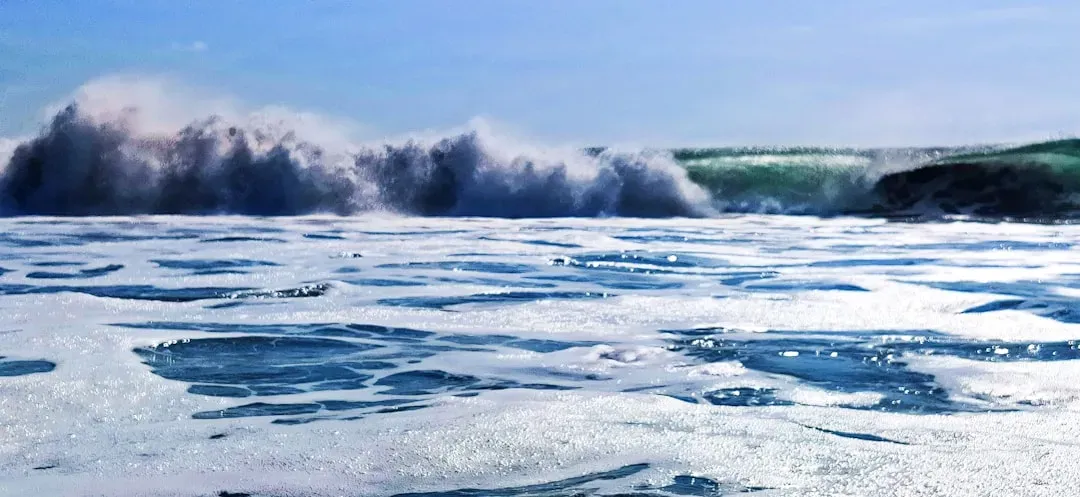
If you could dive into a Jurassic sea, the sound you’d notice first might not be a giant reptile, but the constant hiss, crackle, and boom of the water itself. To reconstruct those noises, you start with geology: the shape of ancient coastlines, seafloor topography, and the depth of basins. With that information, you feed numerical models that simulate wave generation and breaking, as well as how sound vibrates through water. Since ancient oceans often had different salinity, temperatures, and chemistry than today’s seas, you also adjust how well sound travels and how quickly it fades with distance.
Layering on biological life adds even more detail. By looking at fossils of shellfish, corals, and early marine vertebrates, you can infer the density and type of creatures producing clicks, snaps, and low rumbles. Modern analogs help: snapping shrimp colonies, for example, create a continuous underwater crackle that you can measure in today’s oceans. When you map ancient ecosystems onto these known sound producers, you can approximate how noisy a reef or shallow coastline might have been. You end up with a sonic picture where every wave, bubble, and swimming body contributes to a rich prehistoric ocean chorus that you can roughly reconstruct.
5. Reading Sound from Rocks: Volcanoes, Meteor Impacts, and Seismic Roars
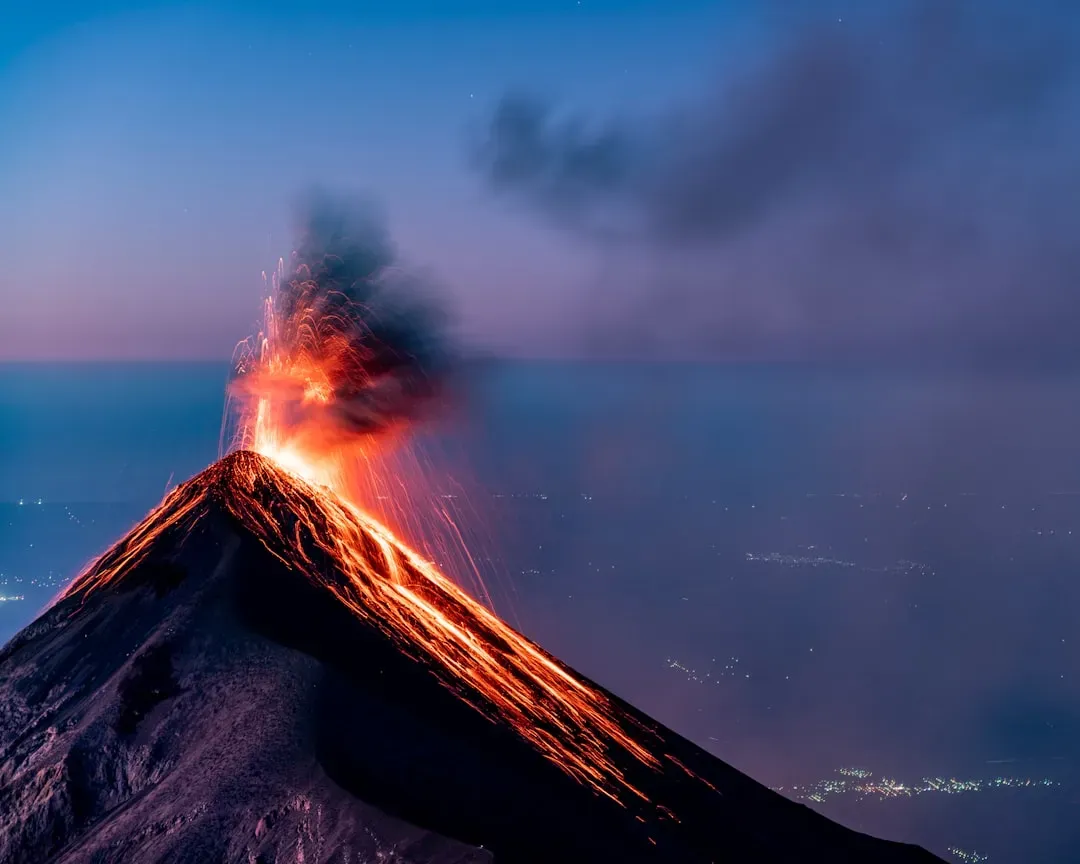
Some of the loudest events in Earth’s history left scars you can still see and measure. When you look at layers of ash, impact craters, and shock features in minerals, you are not just seeing violence frozen in rock; you are reading clues to acoustic chaos. Large volcanic eruptions project ash and gas in ways that can be modeled to estimate eruption column height, ejected volume, and blast strength. Combine that with modern observations of volcanic infrasound – low-frequency sound waves that can travel thousands of kilometers – and you can estimate how the roar of a huge eruption would have been experienced across a region.
Meteor impacts tell a similar story, but with even more dramatic numbers. When you know the size, speed, and angle of an impactor from crater studies, you can calculate the energy released and translate that into expected sound intensity and frequency content. You might not be able to replay the exact “bang” of an asteroid hitting shallow seas, but you can simulate the pressure waves in the air and ground to get a realistic sense of just how overwhelming the noise would have been. For you, this means that when you imagine ancient skies lit by fireballs, you can also imagine a soundscape defined by shock waves, echoing thunder, and long, rolling rumbles that followed.
6. Reconstructing Prehistoric Environments to Model Everyday Natural Noise
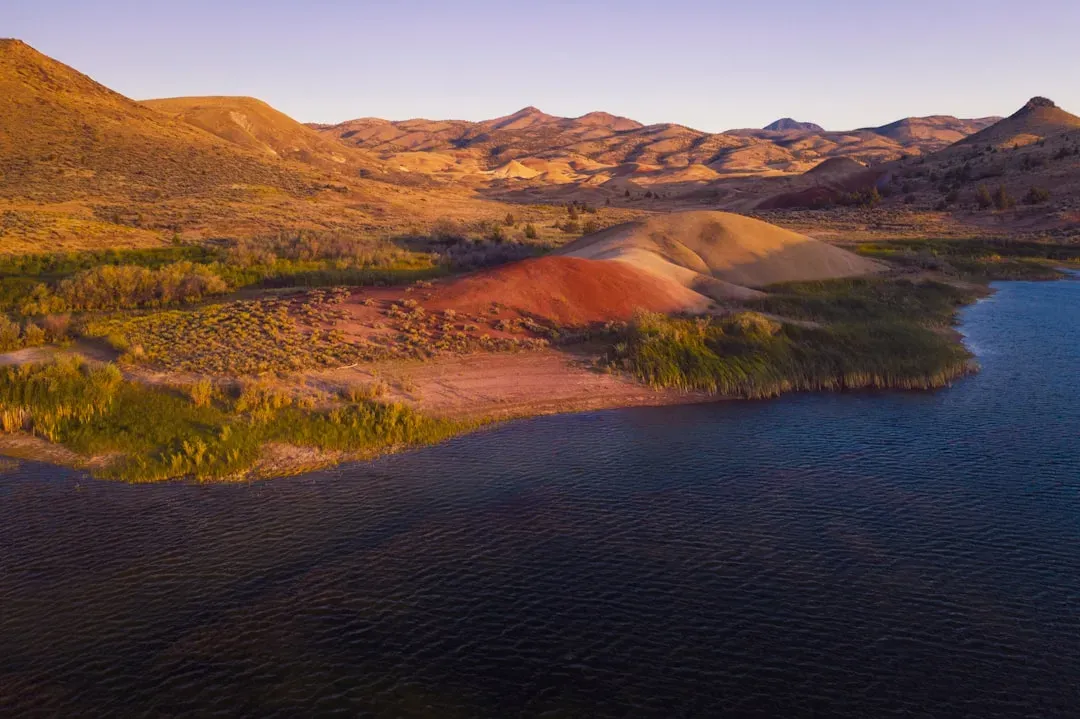
An ancient forest did not sound the same as an open fern plain, and a swamp full of early amphibians did not sound like a rocky desert. To rebuild realistic prehistoric soundscapes, you start by reconstructing the ecosystems themselves: which plants grew where, what kinds of insects lived there, which animals were common, and how water flowed through the landscape. Paleobotany helps you figure out plant types and densities, and paleoecology connects the dots between predators, prey, and scavengers. Once you have a map of life, you can assign likely sound sources: rustling foliage, buzzing wings, croaks from ponds, and footfalls on different surfaces.
Modern ecosystems serve as your training set. When you record sound in dense tropical forests, open savannas, wetlands, or alpine zones, you can analyze how vegetation and terrain filter and blend noise. Then you take that knowledge and apply it to ancient conditions with slightly different plant types and atmospheres. You adjust the volume, spacing, and frequency of calls and ambient sounds to match what fossil evidence suggests about population densities and body sizes. The result is not a single dramatic roar but a continuous, living audio backdrop that shifts with time of day and season – something you can actually listen to in computer-generated reconstructions built from these inputs.
You also need to think about the acoustics of the spaces themselves. Rock formations, canyon walls, and dense tree trunks act like natural sound studios, reflecting and absorbing in specific ways. By building 3D models of ancient terrains, sometimes from detailed fossil site maps, you can run acoustic simulations that show how echoes and reverberations would shape what you hear. A dinosaur call in a tight valley would produce different echoes than the same call on an open coastal plain.
When you factor in changes in air composition over geological time, the picture becomes even more interesting. Slightly different atmospheric density and temperature gradients can tweak how fast sound travels and how quickly high or low frequencies fade. You are not just asking whether you would hear something, but how far away you could notice it and how clear it would sound. This gives you a more precise idea of how animals might have used sound to communicate, defend territory, or detect predators in their particular prehistoric homes.
7. Building Immersive Virtual Soundscapes with AI and Acoustic Modeling
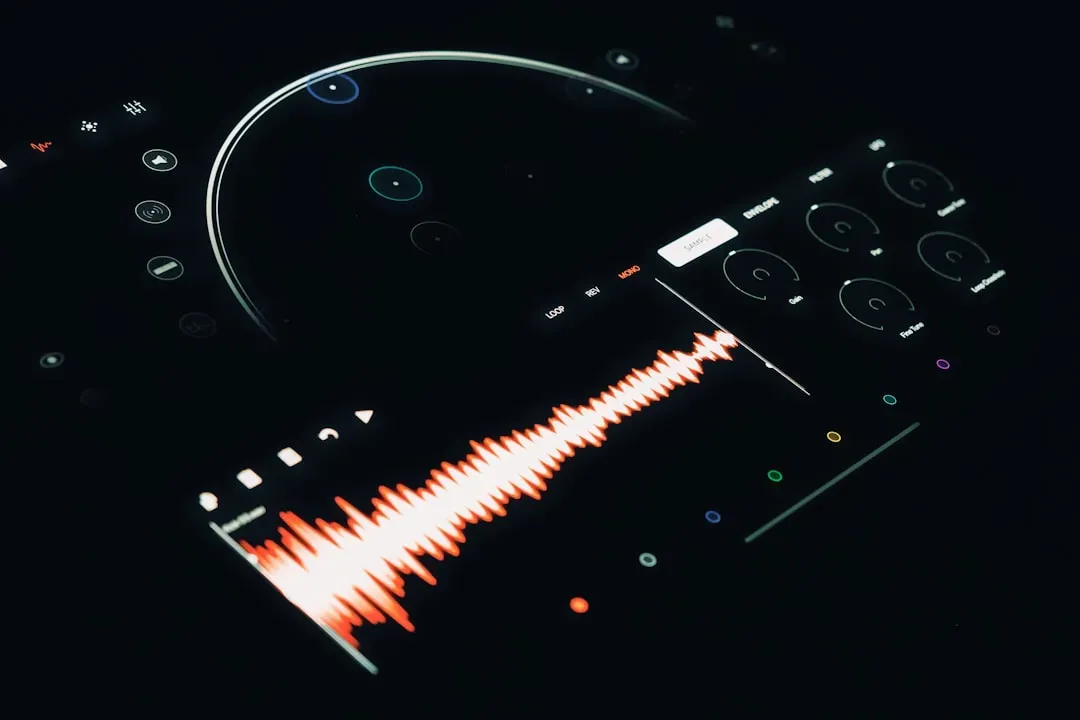
After you gather all these clues – fossil anatomy, climate models, geological records, modern analogs – you still need a way to turn them into something your ears can experience. That is where digital tools and AI-driven audio synthesis step in. You can feed physical parameters into acoustic engines that simulate how air vibrates, how sound waves bounce, and how different sound sources overlap in time. Then you use machine learning models trained on vast libraries of natural sounds to fill in gaps where direct analogs are missing, always constrained by the ranges the physics allows.
Researchers and sound designers then stitch these elements together into immersive scenes you can experience in a VR headset, a museum installation, or a high-quality audio setup. You might walk through a digitally reconstructed Jurassic valley, hearing layered wind, distant volcanoes, insect-like choruses, and tentative, data-informed dinosaur calls. As you move, the audio engine recalculates how the sound should change, based on your virtual position and the simulated terrain. You are not just hearing a single guess; you are exploring a tunable experiment where scientists can tweak parameters, compare versions, and test how different assumptions about climate or anatomy change the sound of the past.
Conclusion: Listening to a World You Can Never Visit
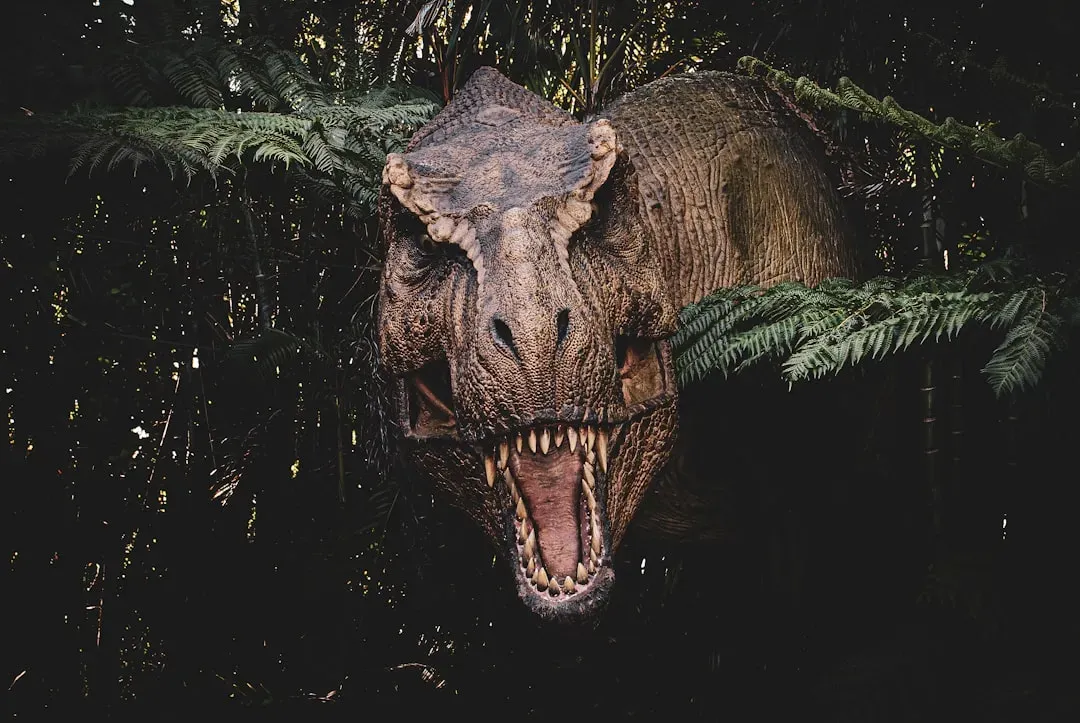
When you step back and look at all these methods together, you realize you are doing something quietly profound: you are using stone, math, and modern animals to listen in on a world that vanished long before humans existed. You are not playing a perfect recording from the Mesozoic or the Devonian, but you are narrowing that gap between silence and sound, turning wild imagination into informed reconstruction. Every model of a dinosaur call, every simulated storm over an ancient ocean, is a small act of empathy for a planet that once sounded very different from the one you know.
The more you refine these reconstructions, the more questions you can ask: How far did a giant herbivore’s call really carry? How loud was life in a Carboniferous swamp compared with your modern city? As you listen to these reconstructed soundscapes, you are reminded that Earth has always been noisy, alive, and dynamic, even when there were no human ears to hear it. Maybe the next time you walk through a forest or stand by the sea, you will wonder what echoes of those lost worlds still whisper through the sounds you hear today. If you could press play on any moment in Earth’s deep past, which ancient soundscape would you want to experience first?