If you walked into a Paleolithic cave today, your first reaction probably wouldn’t be logical or scientific. You’d feel it in your gut. The darkness, the echo of your own footsteps, and suddenly a herd of bison or running horses flaring out of the rock as if they’re moving. It hits you: someone stood here tens of thousands of years ago and decided to leave a message in color and line, hoping it would outlast them. In a weird way, you’re looking straight into another human mind across an impossible stretch of time.
Ancient cave art is not just “old drawings on walls.” When you look closely, you’re seeing psychology, belief, technology, and social life, all layered in pigment and carved into stone. You find deliberate choices in where the images sit, how they’re lit, and what’s shown or left out. As you explore the following facts, you’ll see that these artists were not primitive in the lazy sense of the word. They were strategic, inventive, and surprisingly like you: trying to make sense of their world, their fears, their food, and their place in the universe.
You’re Looking at Some of the Oldest Human Stories on Earth
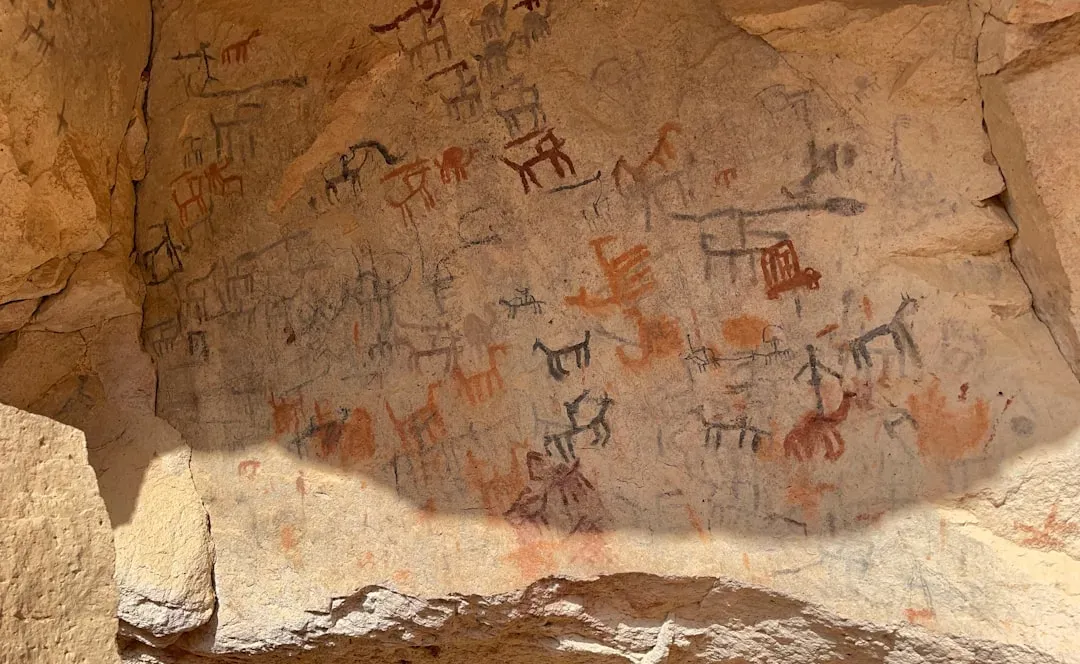
When you stare at cave paintings, you’re not just looking at art; you’re staring at some of the earliest known attempts to tell a story. In several caves, you see repeated scenes: groups of animals in motion, hunters, strange symbols that show up again and again. You’re essentially watching early humans test-drive narrative, using images instead of words to show movement, danger, abundance, or maybe even myth. Even when the exact meaning is lost, you can feel that the scenes were not random doodles but part of a bigger mental world.
Some cave art stretches back tens of thousands of years, into a time when your own species was still figuring out how to live in harsh climates and unstable environments. Yet there’s continuity you’d recognize immediately: a fascination with powerful animals, a need to track seasonal changes, a desire to represent what mattered most. You might think of your own photo albums, social media posts, or sketchbooks; on a deep level, you’re doing the same thing. You’re marking what feels important so it doesn’t disappear into the dark.
The Artists Used the Cave Like a Stage, Not a Blank Wall
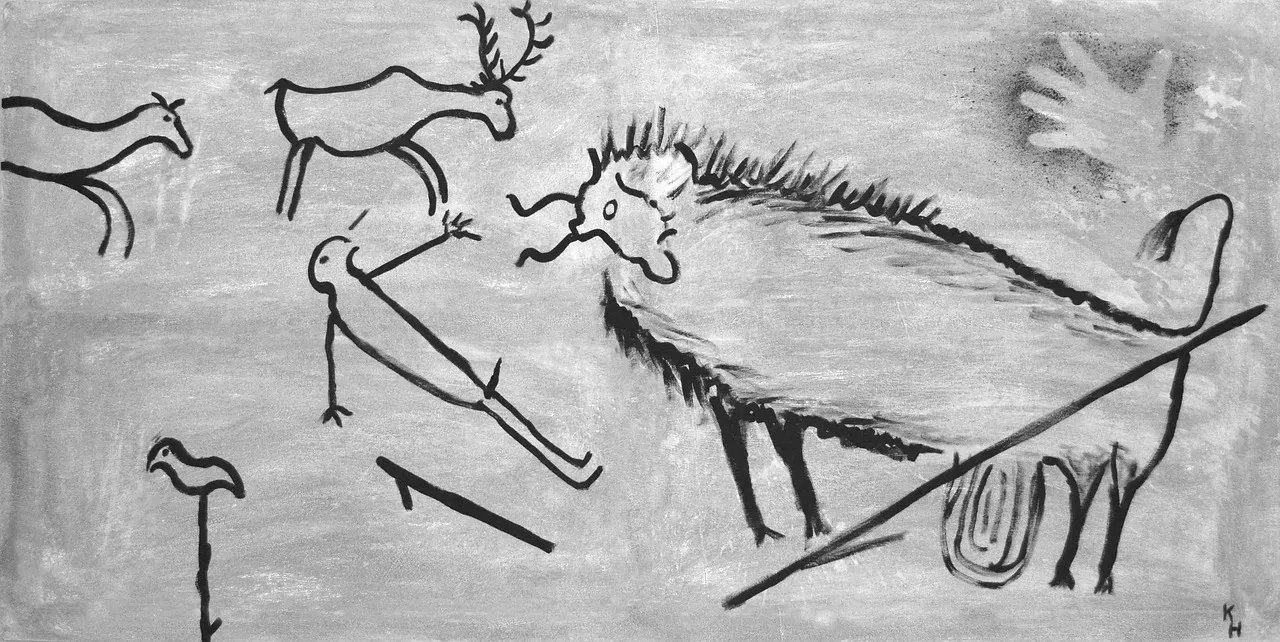
If you imagine cave artists as people casually painting on any open surface, you’re underestimating them. When you step into decorated caves (or look at detailed recordings of them), you see careful use of space. Images are placed on curves, bumps, and cracks so that an animal’s back follows the rock’s arc, or a protrusion becomes a shoulder or snout. The cave itself becomes part of the composition, like a three-dimensional stage set that the artist is directing rather than just using as a flat canvas.
You also notice that many images are deep inside the cave, far from natural daylight. To see them, you would have needed firelight that flickers and shifts. That moving light makes animals look like they’re running, fighting, or turning, as shadows dance across them. When you realize this, you stop thinking of these works as static. The artists were playing with light and perspective in a way that feels strangely cinematic. You can imagine yourself standing there, torch in hand, watching the herd come alive on the walls.
You’d Recognize Their Tools and Techniques More Than You Expect
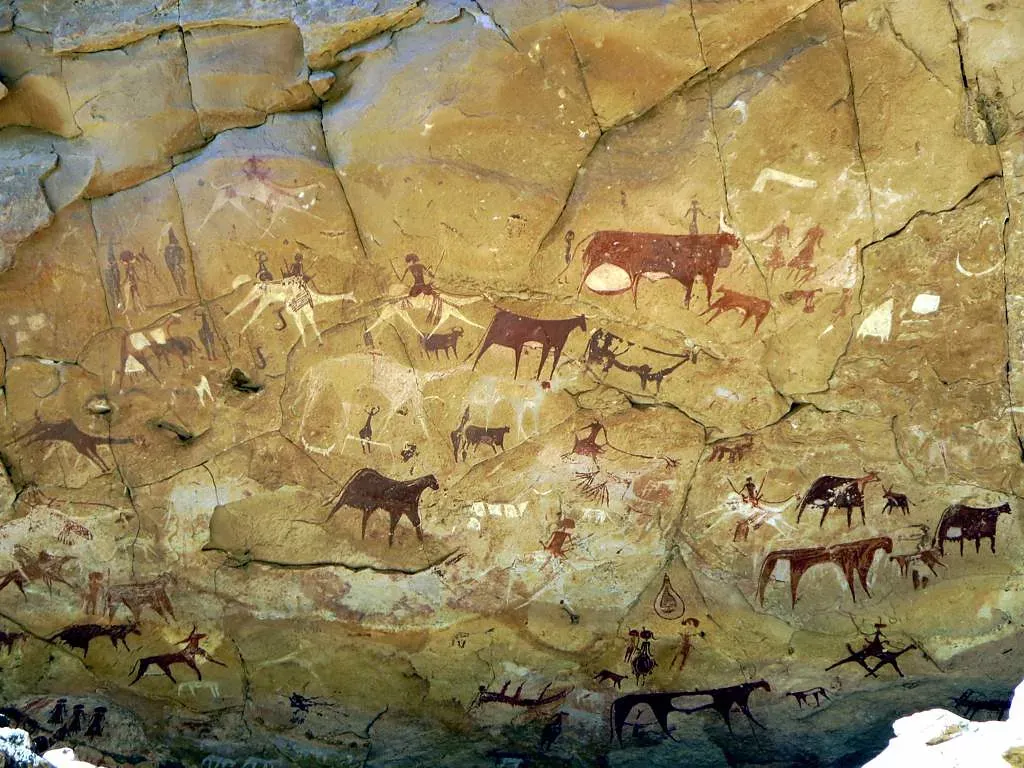
If you could time-travel and watch an ancient cave artist at work, you’d probably be surprised by how familiar some of the methods look. They used mineral pigments like ochre and manganese, ground into powder and mixed with fat, water, or saliva to make paint. They applied color with fingers, brushes made from hair or plant fibers, and even primitive airbrushes by blowing pigment through hollow bones. When you see soft edges and smooth gradients, you’re not imagining it; they were deliberately creating those effects.
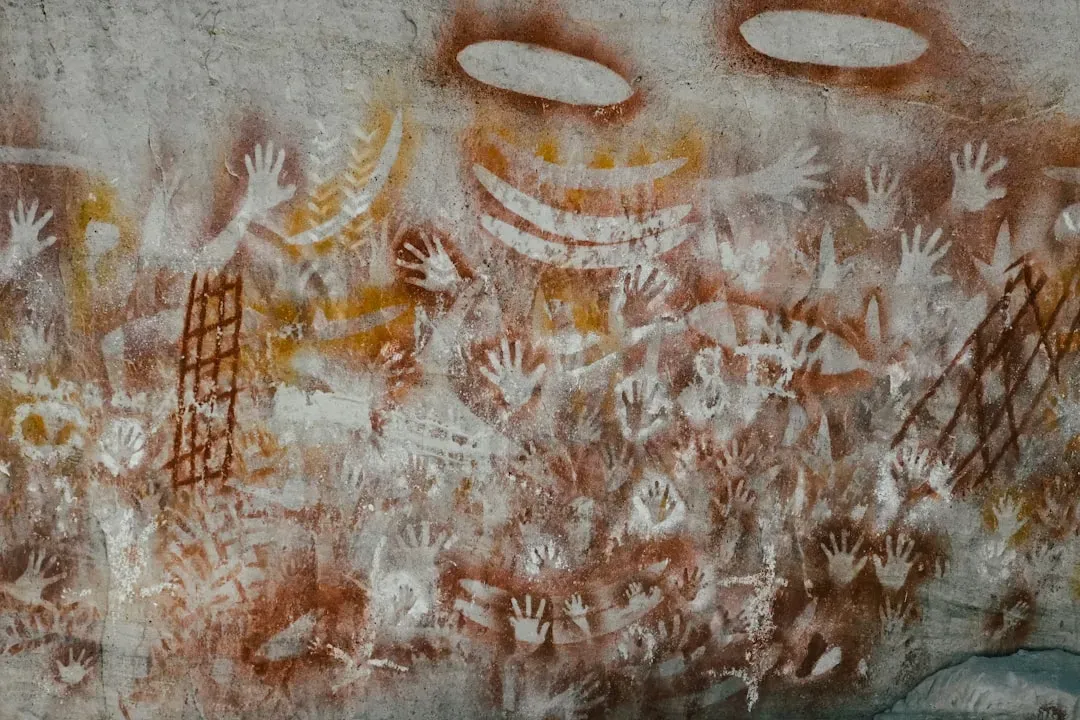
They also used techniques you’d associate with modern art training: sketching outlines, layering colors, scraping away pigment to correct shapes, and using shading for volume. Hand stencils – where a person pressed their hand to the rock and blew pigment around it – feel instantly recognizable, like a Paleolithic version of leaving a handprint in wet cement. You’re looking at problem-solving that transcends time: how do you make a flat surface look like a living creature? The tools are crude by today’s standards, but the artistic thinking behind them is absolutely not.
The Artists Weren’t Just Men: Women and Children Left Their Mark Too
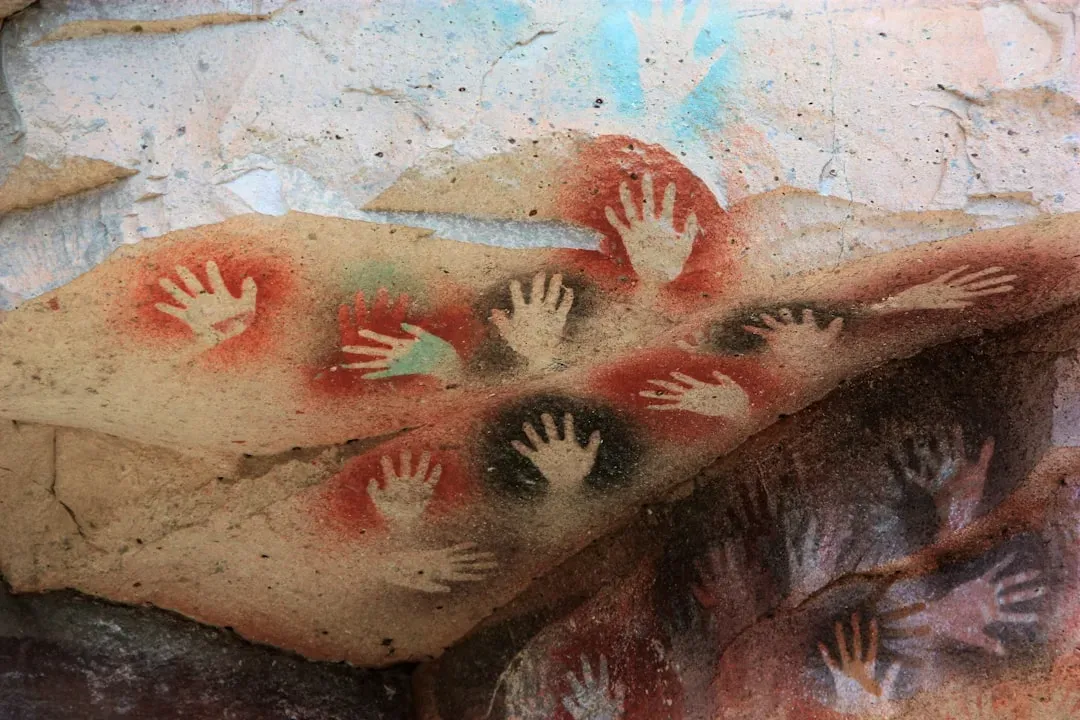
It’s easy to picture only male hunters painting heroic scenes on cave walls, but when you look closer at the evidence, that picture starts to crumble. Researchers who have studied hand stencils, for example, compare finger lengths and palm sizes to modern data. What emerges is a mix: many of the hands match female proportions, and some are small enough to belong to adolescents or children. That means you’re not just witnessing the work of a single type of person; entire communities likely took part in marking these spaces.
Once you let that sink in, the caves feel less like private studios and more like shared, charged places where different members of a group participated. You might imagine a child holding still while an adult sprays pigment, or a woman choosing where to place her handprint in a cluster of others. It challenges any neat idea you had about strict gender roles in deep prehistory. Instead, it nudges you to think of creative labor as something more widely shared, much like how today you might hand a brush or camera to anyone in your family.
Cave Art Was Probably About More Than “Hunting Magic”
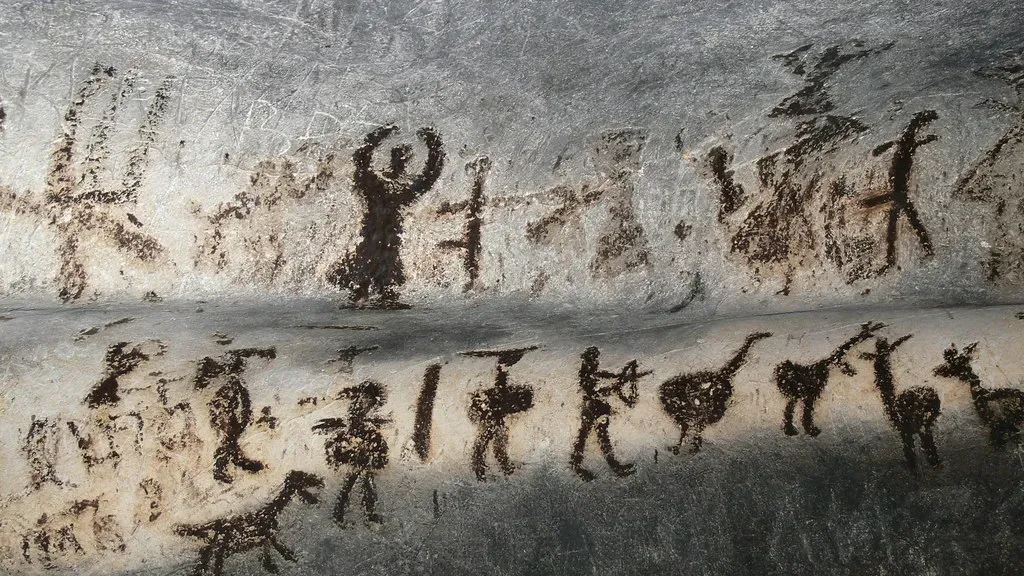
You might have heard the old idea that cave paintings are just about ensuring a successful hunt – draw the bison, then you find the bison. While that may have been part of the story, it doesn’t fully explain what you’re seeing. Some caves have an abundance of animals that weren’t the main source of food, or they feature combinations of creatures and symbols that seem more symbolic than practical. When you see abstract signs repeated over and over, or hybrid beings that look part-human, part-animal, you’re stepping into a mental universe that goes far beyond a simple wish list of prey.
It’s very possible you’re looking at early expressions of belief, ritual, or social identity. Maybe certain chambers were used to mark seasonal cycles, tell origin stories, or initiate young members of the group into adulthood. You can think of it like a mix of cathedral, classroom, and theater – spaces where the group’s shared understanding of the world was reinforced and passed on. You’ll probably never get a final translation of these visual “scripts,” but recognizing that they were layered and meaningful respects the artists as complex thinkers, not just survival-driven hunters.
You Can Hear the Caves, Not Just See Them
One of the most surprising things you learn when people map decorated caves is how sound matters. In several caves, painted panels line up with areas that have unusual acoustics – echoes, resonances, or spots where a voice or drumbeat suddenly seems louder. If you stand in those positions (or watch modern reconstructions), you realize you’re not just in a gallery; you’re in a kind of sound stage. The art might have been experienced with chanting, clapping, or drumming, turning the animal images into the visual part of a multisensory event.
Once you picture this, the whole scene comes alive in your mind. You can imagine the flicker of firelight on the walls, the pounding echoes of rhythmic sound, and images of animals that seem to move with the changing shadows. It starts to feel much closer to a ritual, a performance, or a communal experience than a quiet solo painting session. When you walk through a modern museum in near silence, you’re missing that crucial element. Ancient visitors to these caves may have been enveloped in sound and light, with the art as the central focus of something deeply emotional and maybe even spiritual.
The Artists Understood Animal Behavior in Impressive Detail
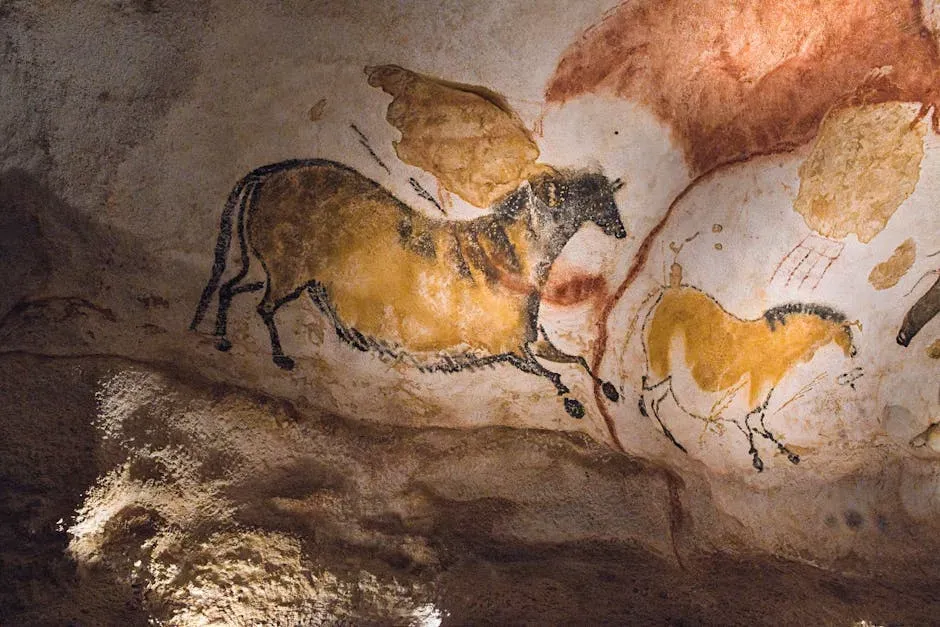
When you look at many cave images, you notice right away that they’re not clumsy or vague. The animals are often rendered with anatomically accurate proportions, recognizable species traits, and a strong sense of motion. You’re seeing horses with different coat patterns, bison caught mid-charge, or deer with seasonally accurate antlers. This level of detail tells you that the artists were extremely observant, probably watching animals for long periods and storing mental snapshots to replay later on the rock walls.
What’s striking is how much this overlaps with what you’d call scientific observation today. These artists weren’t just copying what they saw; they were selecting key features that make a species instantly identifiable, and then exaggerating or simplifying in smart ways. You might do something similar when you sketch a friend or pet: focus on the one curve or marking that makes them unmistakably themselves. In these caves, you’re witnessing early humans combine survival knowledge – understanding herds, movements, and seasons – with a desire to represent that knowledge visually and memorably.
You Can See Early Symbol Systems Taking Shape
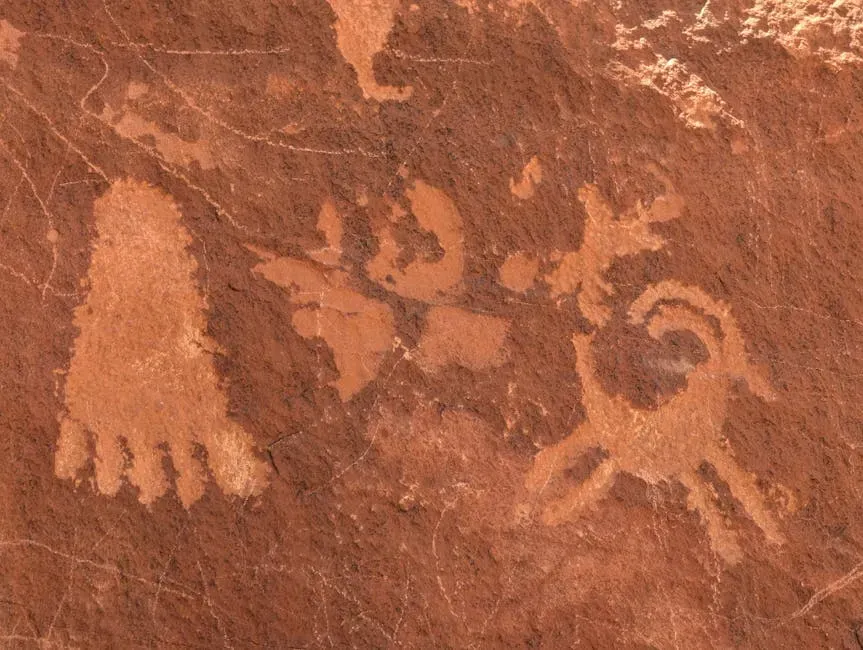
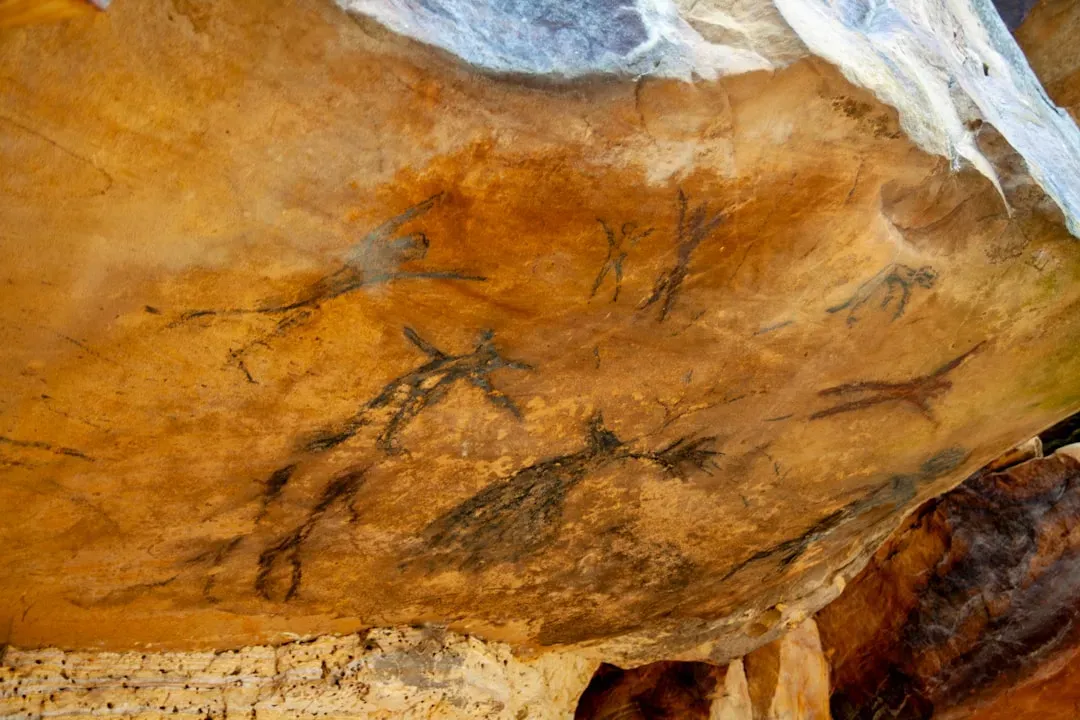
Beyond animals and handprints, you encounter repeated abstract marks: dots, lines, zigzags, ladder-like shapes, and other geometric signs. When you notice the same symbols appearing in different caves over large regions, you’re likely watching the beginnings of shared visual codes. These are not full writing systems like alphabets, but they hint at a step in that direction – consistent marks that probably carried agreed meaning within a group or culture. You’re looking at early attempts to compress information into symbols that everyone in the community understood.
Some researchers have suggested that combinations of signs near animal images might be tracking things like seasons, migrations, or rituals. Even if the exact key is lost, the persistence of these marks tells you people were experimenting with ways to record ideas in durable form. Think about how you use emojis, icons, or road signs; they work because you and others share an understanding of what they mean. In a similar way, these prehistoric signs show you that long before written languages emerged, humans like you were already thinking symbolically and designing visual shortcuts for complex thoughts.
These Masterpieces Survived Thanks to Clever Choices and Pure Luck
When you admire the vivid colors and fine lines in some caves, it’s tempting to assume all ancient art looked this good. The reality is harsher: you’re seeing a tiny, lucky fraction of what once existed. Many images were probably made in open-air locations or on rock faces exposed to rain, sun, and wind, and those would have vanished over time. Caves, by contrast, offer stable temperatures, low light, and some protection from the elements, which slows down decay. So what survives and what doesn’t is partly the result of smart choices by the artists and partly blind chance.
They also used materials that age surprisingly well. Mineral pigments do not fade the way plant-based dyes do, so what you’re seeing is often remarkably close to the original color. On top of that, some images were placed high up or in narrow passages, which helped protect them from physical damage. Still, you’ll never know how many extraordinary works were lost to erosion, rockfalls, or human activity over thousands of years. Every surviving panel is a kind of miracle – a rare window that lets you peek into a world that is mostly gone, and that makes each visit, even in photos, feel almost sacred.
Looking at Cave Art Changes How You See Yourself
Once you really sit with these images and think about the people who made them, something shifts in how you see your own place in time. You realize that the urge to create, to decorate, to explain the world with images is not a recent invention; it runs deep in your species. Those anonymous artists worried about food, safety, and weather, but they also carved out time and effort to make something that wasn’t strictly necessary to stay alive. When you do anything creative – make a playlist, doodle in a notebook, take a dramatic sunset photo – you’re tapping into the same ancient drive.
There’s also a humbling aspect. The people who painted these walls had no idea you’d be looking at their work tens of thousands of years later. They didn’t know your languages, your technologies, or your politics, yet you can still read their fear, awe, and fascination with the natural world. It reminds you that cultures change, but certain human questions stay put: Where did we come from? What forces shape our lives? How do we face death and uncertainty? The caves will never answer those questions for you directly, but they whisper something important: you’re part of a very old story, and your need to make meaning through images is one of the most ancient things about you.
When you walk away from ancient cave art – whether from a real site, a replica, or even a book – you’re not just ticking off a historical curiosity. You’re reconnecting with a deep, creative thread that stretches from those dark chambers right into your living room, your phone, your sketchpad. Maybe the next time you casually snap a photo or scribble a sketch, you’ll pause and remember that someone, long before history began, stood in front of a rock wall in flickering firelight and felt the same itch to make a mark. How differently do you see those shadowy, painted animals now that you know how much of yourself is hidden in them?