
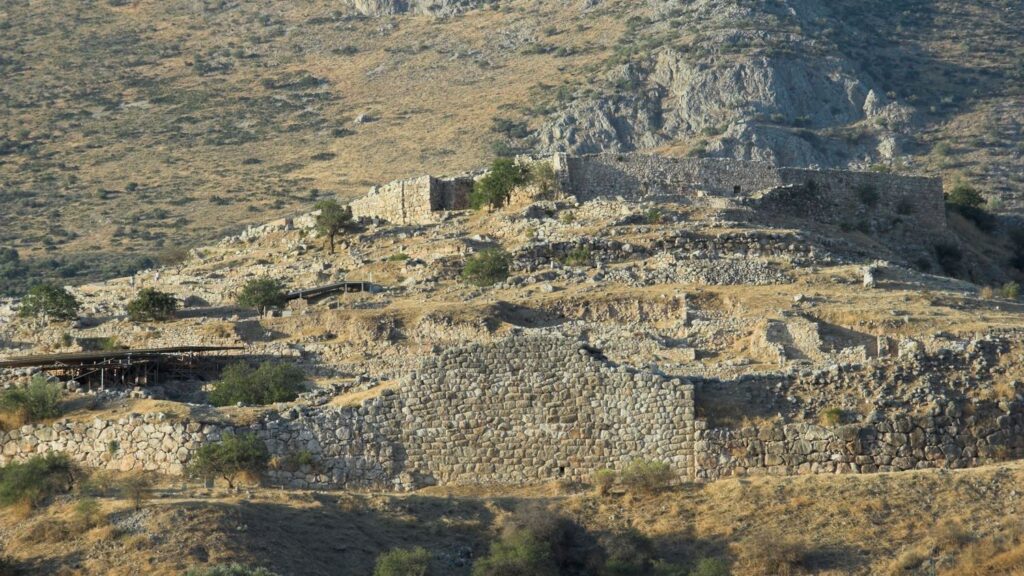
Every time archaeologists pull something strange out of the ground – a precisely cut stone, a map that should not exist, a skeleton in the wrong layer of rock – the same quiet question returns: what if parts of our past were more advanced than we think? Not advanced in the sci‑fi sense of flying cars and smartphones, but in the deeper sense of social complexity, engineering skill, and scientific understanding that does not quite fit the old textbook timelines. The idea is controversial, often overhyped, and sometimes hijacked by conspiracy theories, yet behind the noise there are real mysteries that stubbornly refuse to disappear.
In this article, we are going to walk through eight civilizations or cultural complexes that sit right on that edge between what is accepted and what might still be misunderstood. Some are well known, others are obscure, all of them are real. The evidence rarely screams “lost super‑tech,” but it does hint at smarter engineering, wider trade, and richer knowledge networks than people assumed even a generation ago. Think of it less as proof that history books are wrong, and more as an invitation to see that the story of human ingenuity is messier, older, and far more surprising than the neat timelines we grew up with.
Ancient Mesopotamia: The First Cities and the Mathematics of Empire
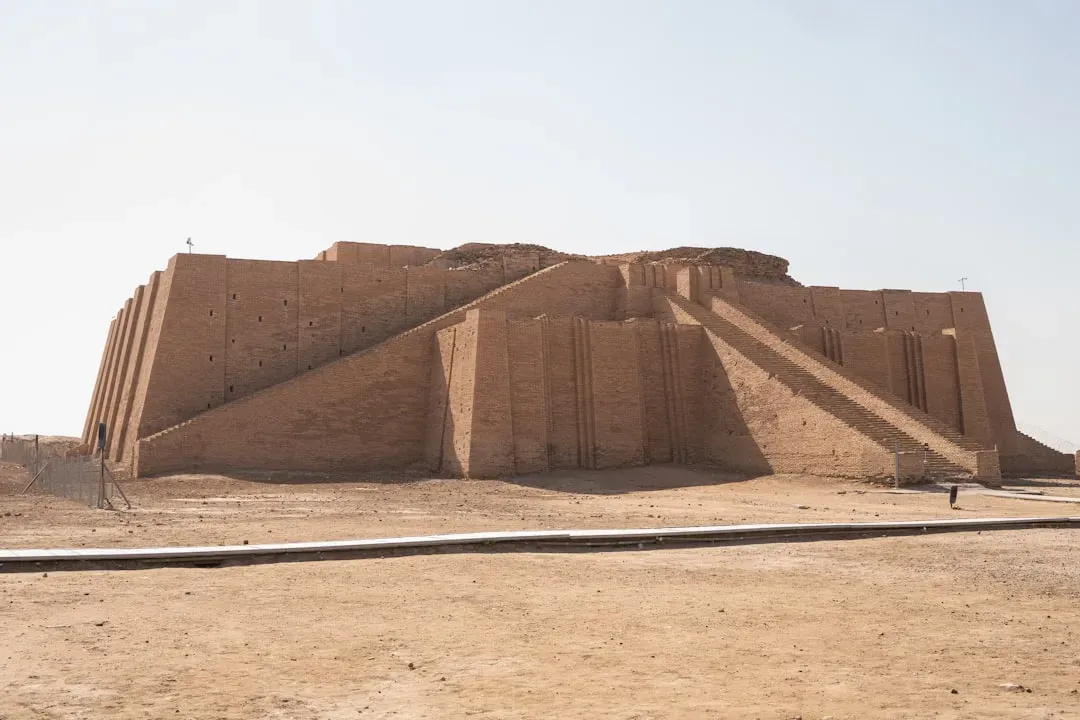
When we talk about “advanced” civilizations, we often think of shiny things – metal, machines, monumental architecture. But ancient Mesopotamia, in the lands of modern Iraq and parts of Syria and Turkey, shows a different kind of sophistication: a civilization built on numbers, records, and abstract thinking. By the early third millennium BCE, cities like Uruk and Ur were already humming with bureaucrats using clay tablets to track grain, labor, and trade over vast regions. Their writing system, cuneiform, started as accounting marks and evolved into complex literature, law codes, and scientific texts, which is already an impressive intellectual leap.
What really stretches people’s expectations is their command of mathematics and astronomy. Mesopotamian scholars used a base‑sixty numerical system that still shapes how we measure time and angles today, and they could compute surprisingly precise astronomical cycles without telescopes. They tracked planetary movements and eclipses with a level of consistency that feels almost modern in its obsession with data. To me, the most “advanced” part is not any single gadget but the way their entire society leaned on information management, like an ancient version of a data‑driven state. It makes you wonder how many of their insights have been lost in fragments of clay we have not yet dug up or cannot fully read.
Indus Valley Civilization: Urban Planning Without Kings or Wars?
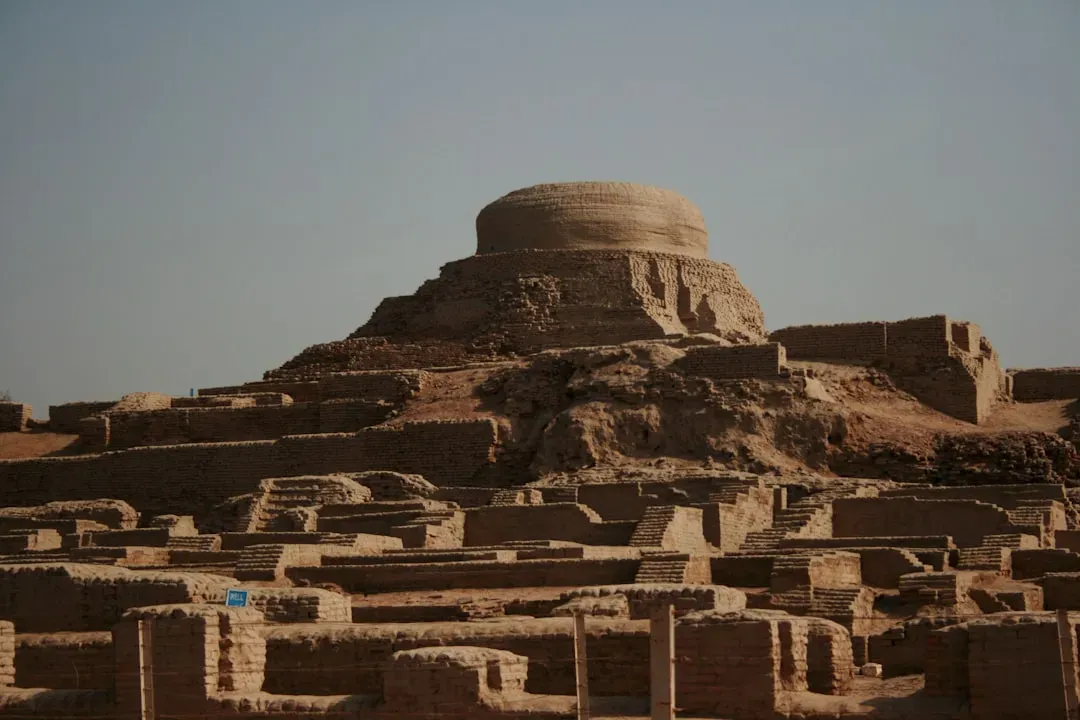
The Indus Valley Civilization, centered in today’s Pakistan and northwest India, is one of those cultures that quietly threatens our stereotypes. Cities like Mohenjo‑Daro and Harappa, flourishing around 2600–1900 BCE, were laid out on grid plans with standardized brick sizes, advanced drainage systems, and what look like early forms of public sanitation. Walking through reconstructions of these streets, you get the eerie feeling of a city that would not be totally alien to a modern urban planner. It is as if someone jumped ahead a few chapters in the manual on how to build a functioning city.
What makes them feel even more mysterious is what we do not see: clear evidence of palaces, giant temples, or monuments bragging about powerful kings. Their script is still undeciphered, so we have no royal propaganda, no triumphal histories, no obvious story of constant warfare that we find almost everywhere else. Some researchers think power might have been more distributed, maybe based on merchants, guilds, or councils rather than a single ruler at the top. That idea alone, of a large, highly organized urban civilization that left behind sophisticated infrastructure but almost no ego monuments, feels surprisingly modern – and arguably more advanced socially than the empires that followed.
Ancient Egypt Before the Pharaohs: The Forgotten Foundations
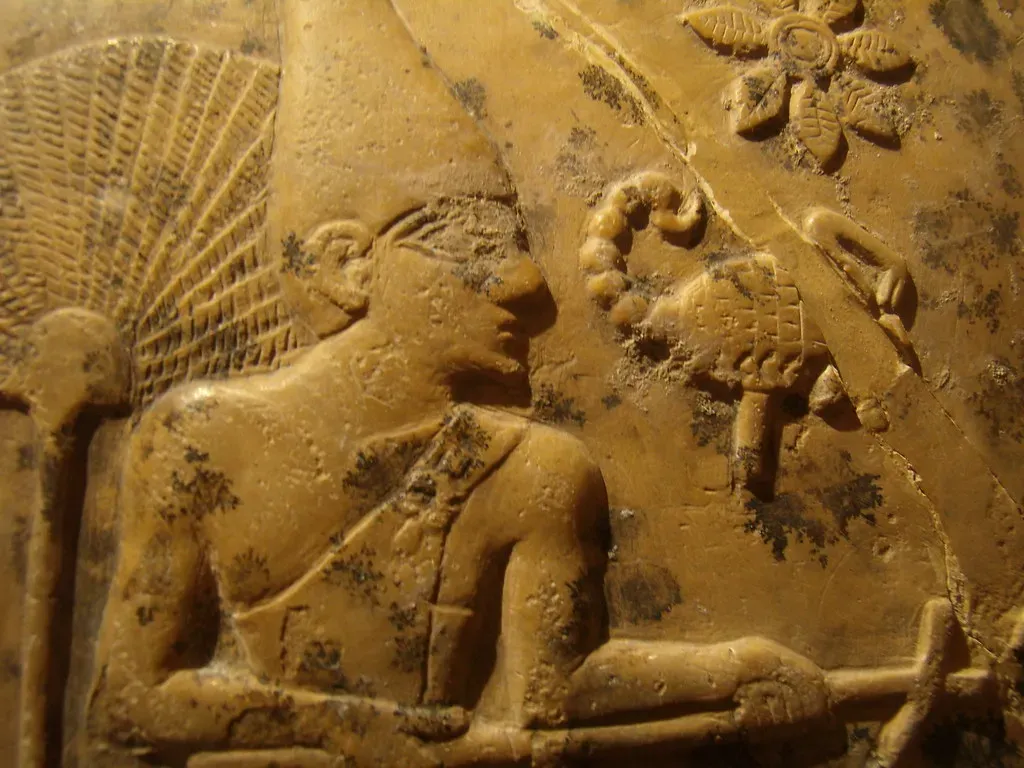
When people think of ancient Egypt, they jump straight to the pyramids at Giza and the golden mask of Tutankhamun, but Egypt’s “lost” sophistication may lie in the period before those famous symbols even existed. Predynastic and early dynastic Egypt, more than five thousand years ago, already showed complex burial practices, specialized crafts, and long‑distance trade networks linking the Nile Valley with the Levant, Nubia, and beyond. The shift from scattered communities along the river to a united kingdom was not a simple step; it required logistics, shared symbols, and a degree of social engineering that is easy to underestimate.
Then there is the engineering question. Even the earliest large stone monuments, such as those at Saqqara, reflect an understanding of stone quarrying, transport, and alignment that seems to appear almost fully formed. That has fueled endless speculation that Egypt must have inherited older, now‑lost knowledge. Personally, I do not think we need aliens or vanished hyper‑civilizations to explain this; what we need is more respect for how quickly human communities can innovate when driven by religion, prestige, and survival. Still, the way early Egyptians mastered large‑scale building so rapidly leaves you with a nagging suspicion that we are missing chapters in their technological apprenticeship.
Göbekli Tepe and the Builders Before Agriculture
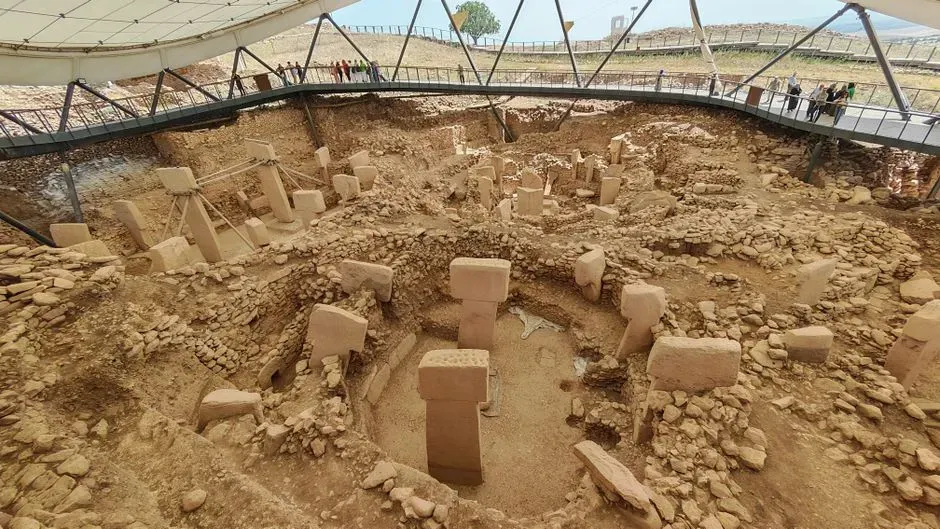
Göbekli Tepe, in southeastern Turkey, is one of those sites that forces historians to rewrite slides in their lectures. Dated to around 9600–8000 BCE, these circular enclosures of massive T‑shaped stone pillars, some carved with intricate animal reliefs, were built thousands of years before agriculture was fully established in the region, at least according to older models. For a long time, the story went like this: first farming, then villages, then temples. Göbekli Tepe seems to flip that script, hinting that the desire to gather for ritual and symbol could have come first and actually helped drive people to settle down.
The level of organization required is hard to downplay. You need quarrying, planning, coordination of large work crews, food logistics, and some shared conceptual world that made these enormous stones worth the trouble. This is not “cavemen stacking rocks”; it is more like a cathedral project in the Stone Age. I remember the first time I saw photos of those pillars – I caught myself thinking that our standard timeline of human complexity might be as tidy and wrong as a badly drawn family tree. We are probably looking at a world of semi‑sedentary hunter‑gatherers whose understanding of stone, space, and symbolism was far more advanced than the word “primitive” could ever cover.
Caral-Supe in Peru: Pyramids Without Pottery
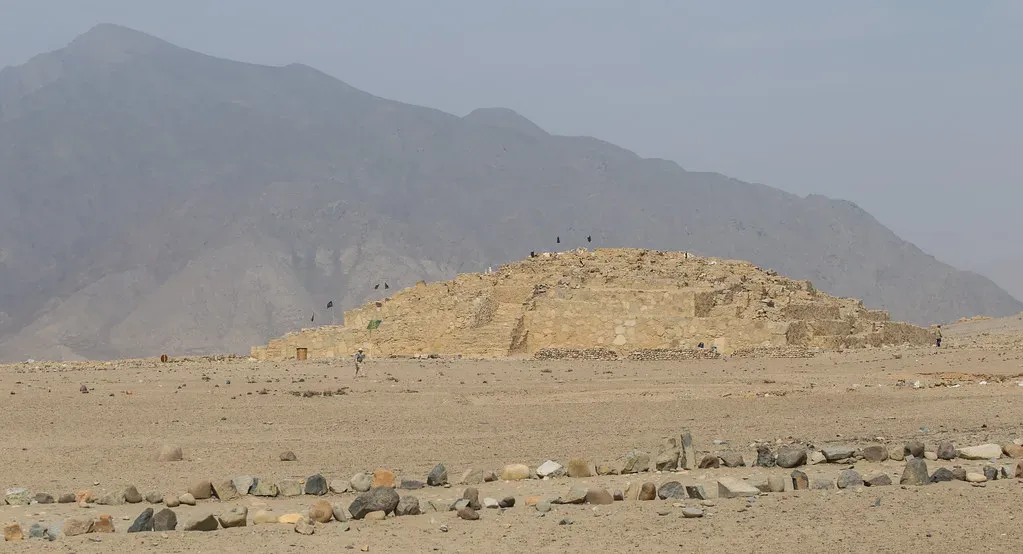
On the desert coast of Peru, the ancient city of Caral in the Supe Valley quietly undercuts the old idea that pyramids were a strictly Old World innovation. Dating back to around 2600 BCE, roughly contemporary with early Egyptian pyramids, Caral features platform mounds, sunken circular plazas, and a planned urban layout hinting at complex ceremonial life. Yet this entire civilization developed with almost no ceramic technology at first – no long tradition of decorated pottery that archaeologists usually use to track cultural change. It is like walking into a play that has skipped the whole first act and gone straight to monumental architecture.
Caral-Supe also seems to have grown around a web of coastal and inland trade, with textiles, agricultural products, and possibly musical instruments connecting different ecological zones. There is limited evidence of defensive walls or organized warfare during its peak, which some researchers interpret as a sign of a relatively cooperative regional system rather than constant violent competition. To me, the “advanced” aspect here is not just the stonework, but the notion that a large, architecturally ambitious society can emerge early and peacefully in a place we were barely taught about in school. It challenges the old, Euro‑centric habit of acting like complex civilization “started” in only one or two river valleys and radiated out from there.
Olmec Civilization: The Mother Culture of Mesoamerica
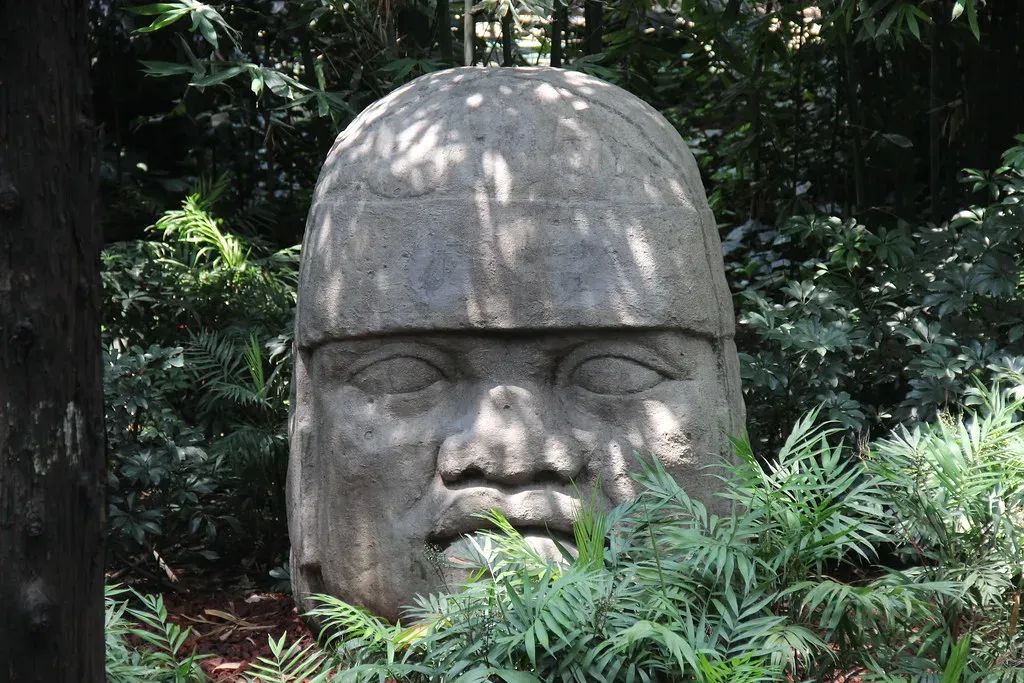
The Olmec, who flourished along the Gulf Coast of Mexico roughly three thousand years ago, often get reduced to a single image: massive stone heads with enigmatic faces. But behind those sculptures was a cultural system that seems to have seeded much of what later blossomed in the Maya and other Mesoamerican civilizations. They built ceremonial centers with pyramidal mounds, developed early forms of writing and calendrical notation, and practiced long‑distance trade in jade, obsidian, and other prestigious goods. None of this looks like a scattered tribal society; it looks like an experiment in statecraft and symbolism that later cultures would remix and amplify.
There is a sense that we are seeing only the tip of their intellectual iceberg. Organic materials, codices, and many finer‑grained traces of daily life have vanished in the tropical environment, leaving us with stone and clay to guess from. Some scholars notice alignments in Olmec sites that might reflect astronomical observation and urban planning principles repeated centuries later by the Maya. Whether you fully buy that or not, it feels reasonable to say the Olmec were thinking in terms of cosmic order, ritual calendars, and political theater in a way that goes well beyond “early” civilization. In a strange way, they are both lost and hiding in plain sight, because their DNA seems woven into the later cultural fabric of the region.
Atlantis sits in a very different category from the other entries here because it begins not as archaeology but as philosophy. The only original description comes from Plato’s dialogues, where he uses Atlantis as a cautionary tale about hubris and the corruption of power. Over the centuries, people have tried to map that story onto real places: the Mediterranean, the Atlantic, the Caribbean, even Antarctica. Some point to advanced engineering, alleged old maps, or megalithic ruins as “proof” that a technologically superior civilization sank beneath the waves and took its secrets with it. It is a powerful story, partly because it plays on the fear that we, too, might be one disaster away from becoming a myth.
From a scientific standpoint, no direct evidence yet supports the existence of Plato’s Atlantis as described, and that matters. But I also think there is a more down‑to‑earth way to read the legend. Around the end of the last Ice Age and into the early Holocene, rising seas did swallow coastal settlements and reshape entire landscapes, while volcanic eruptions and earthquakes shattered thriving communities. It does not take anti‑gravity machines or crystal energy to imagine that some advanced coastal cultures, with navigation, trade networks, and refined knowledge of their environment, were literally erased from the visible map. Atlantis, to me, is less likely to be one lost super‑city and more likely a dreamy echo of real, drowned worlds we just have not found yet.
Sundaland and the Drowned Southeast Asian World
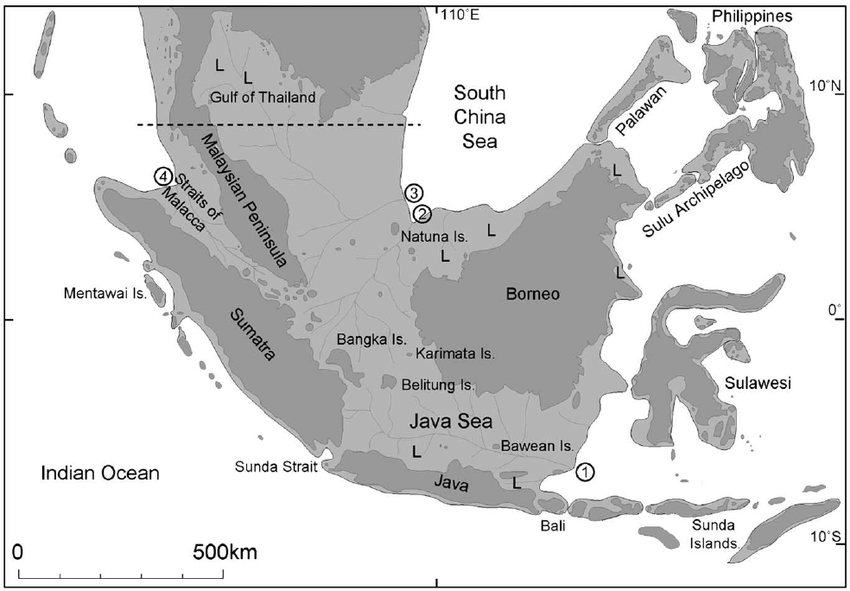
If you lower sea levels on a map of Southeast Asia to what they were during the last Ice Age, something startling appears: a vast, connected landmass known as Sundaland, linking the Malay Peninsula, Borneo, Java, and Sumatra into what looks like a single sprawling subcontinent. As the ice melted between roughly twenty thousand and seven thousand years ago, huge stretches of this land were gradually submerged, turning hilltops into islands and coastlines into continental shelves. This is not fringe speculation; it is basic geology. The more speculative leap is whether fairly complex human cultures flourished on those now‑drowned plains before the waters rose.
Some researchers suggest that myths of great floods and lost homelands in the region might preserve cultural memories of that slow drowning of the world. Underwater surveys in various parts of the globe, not just Southeast Asia, have already revealed submerged structures, ancient river channels, and possible habitation sites, though interpretations are cautious and ongoing. The romantic version of this story imagines a sophisticated maritime civilization crisscrossing a prehistoric Southeast Asian archipelago; the sober version imagines skilled coastal societies whose villages and sacred places now lie out of reach. Either way, Sundaland hints that our map of “where civilization could happen” has been artificially narrowed by focusing only on the land that stayed dry.
The Minoans: Masters of the Sea and Subtle Power
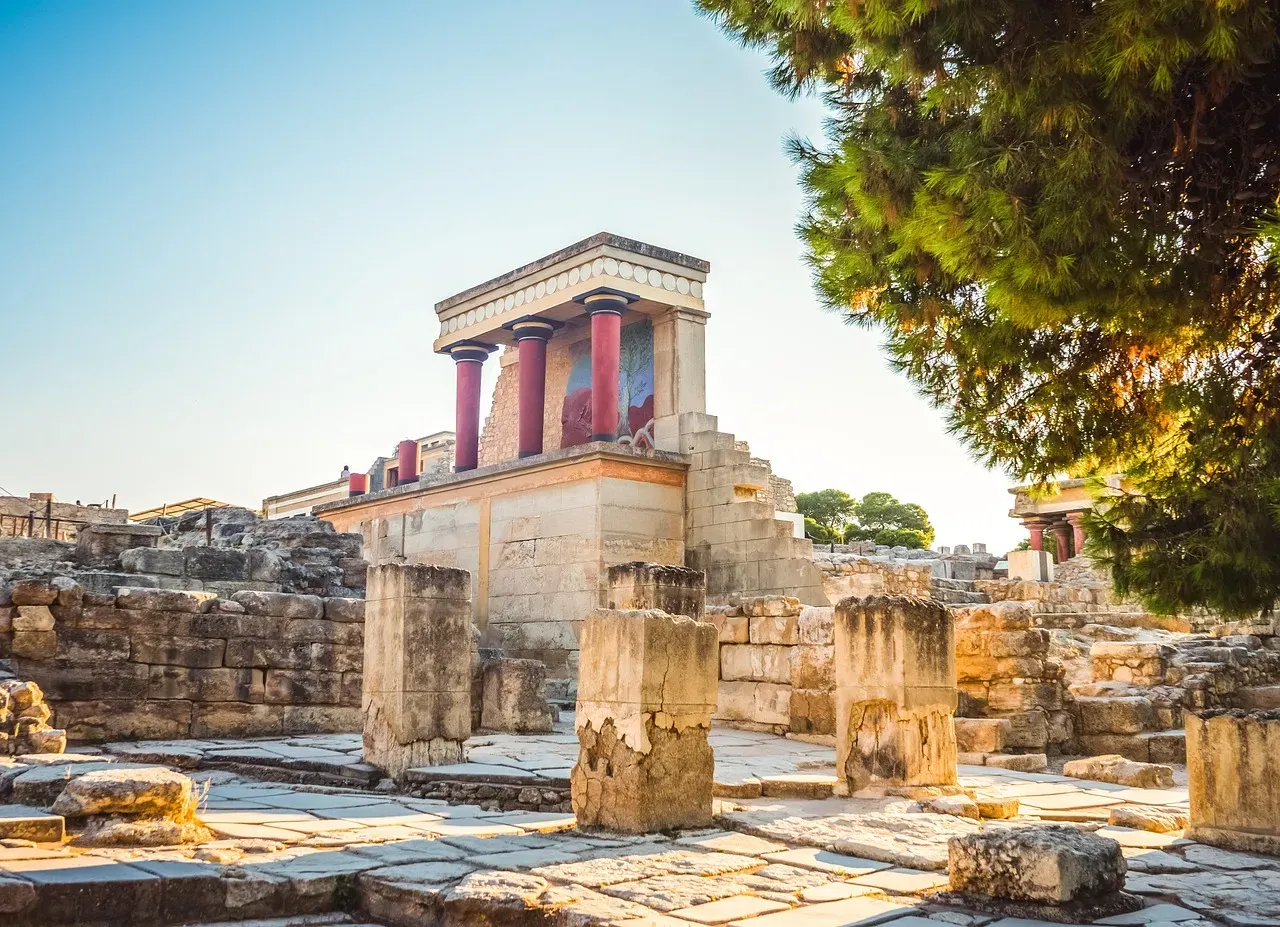
The Minoan civilization on Crete, which flourished about four thousand years ago, often gets labeled as a kind of gentle, artistic counterpart to the more militaristic societies of the ancient Near East. Their palatial complexes at Knossos and other sites were filled with elaborate frescoes, storage magazines, and sophisticated plumbing, suggesting a refined, wealthy, and highly organized culture. They seem to have been masters of seafaring and trade, moving goods and probably ideas across the eastern Mediterranean like a kind of ancient shipping and cultural exchange hub. For a long time, textbooks framed them as a side note to the “main” story of Greek civilization, which now feels like a serious understatement.
One of the things that fascinates me about the Minoans is how much their power appears to have rested on control of the sea rather than fortress walls. Their influence may have been enforced more by economic dependence, religious prestige, and naval capacity than by big armies marching inland. The eruption of the Thera volcano and subsequent upheavals likely dealt them a catastrophic blow, and their script, Linear A, remains undeciphered, leaving a huge gap in our understanding of how they saw themselves. When I think of “advanced” here, I think of a civilization that mastered soft power and maritime connectivity in a way that feels eerily familiar today, yet left behind so much mystery that we still argue over basic questions of their politics and religion.
Conclusion: Advanced, Yes – But In Ways We Are Only Just Learning to See
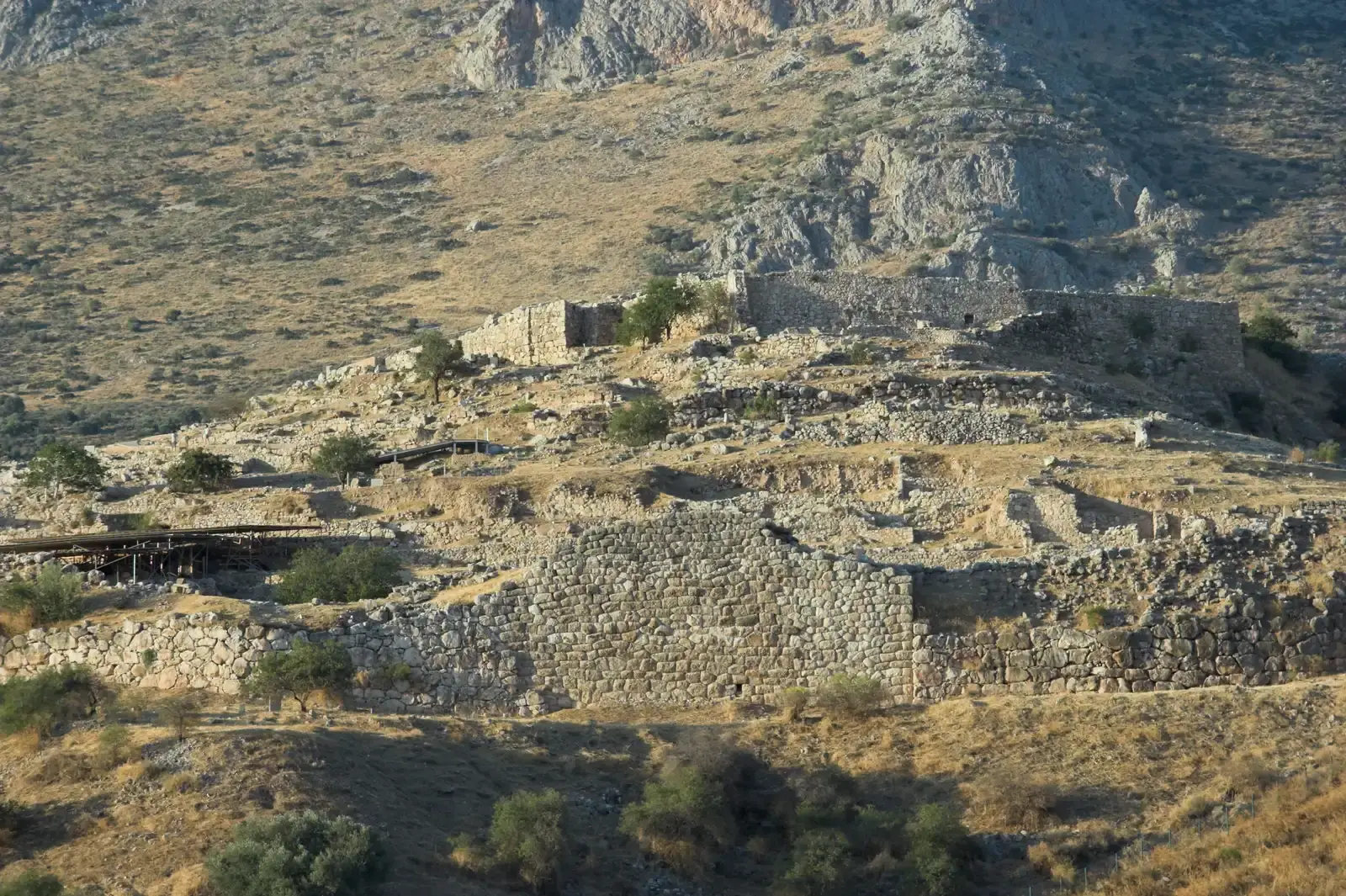
Looking across these eight cases, a pattern emerges that is more interesting than any single theory of a lost super‑civilization. Over and over, we see human societies achieving striking feats of planning, engineering, mathematics, and social organization far earlier, and in more diverse places, than many of us were taught. Sometimes the “advanced” element is physical – precision stonework, urban grids, complex hydraulic systems. Other times it is more abstract: decentralized governance, long‑distance information networks, or social norms that allowed large populations to cooperate without constant warfare. The real shock is not that people in the deep past were smart; it is that we ever assumed they were not.
At the same time, being honest about the evidence matters. Most claims about anti‑gravity stones, secret energy beams, or lost global empires collapse as soon as you push on them, and they often distract from the genuinely astonishing things we can see and measure. My own opinion is that our ancestors were not magicians from another world, but human beings like us, operating with the tools and materials they had, sometimes achieving results that still embarrass our arrogance. The more we dig, dive, and decode, the more we find that “advanced” has many faces – and that our current civilization is just one more chapter in a very long, very experimental story. Which lost chapter do you think we are still the most blind to?