
Ever felt like you’re working twice as hard but getting half the credit? Or noticed that sudden chill in the conference room when you share your latest project update? Here’s the thing: not everyone at your desk is rooting for you to climb that ladder. Sometimes the competition isn’t about who performs better, it’s about who can quietly dismantle your progress while maintaining that friendly smile during coffee breaks.
The modern workplace can be a tricky terrain to navigate. You might think delivering exceptional results is enough to secure your path forward, yet invisible forces can work against you. Let’s be real, office politics isn’t going away anytime soon. Recognizing the warning signs that someone’s actively working to hold you back is your first line of defense. So let’s dive into the eight sneaky ways your coworkers might be sabotaging your success right under your nose.
Taking Credit for Your Hard Work

One of the most frustrating tactics involves someone claiming credit for your ideas, contributions, or hard work, leaving you unacknowledged for your efforts. Picture this scenario: you spend weeks developing a brilliant strategy, present it during a team meeting, and before you can even finish explaining the details, a colleague jumps in to elaborate as if they conceived the entire concept. Your name mysteriously disappears from the narrative.
This behavior is calculated and deliberate. These colleagues understand that visibility equals advancement, so they position themselves at the center of your accomplishments. They might subtly reframe your contributions in emails to leadership, using language that implies shared or even sole ownership. The most dangerous part is how normalized this becomes in certain workplace cultures, where aggressive self promotion gets mistaken for actual competence.
Spreading Rumors and Engaging in Gossip
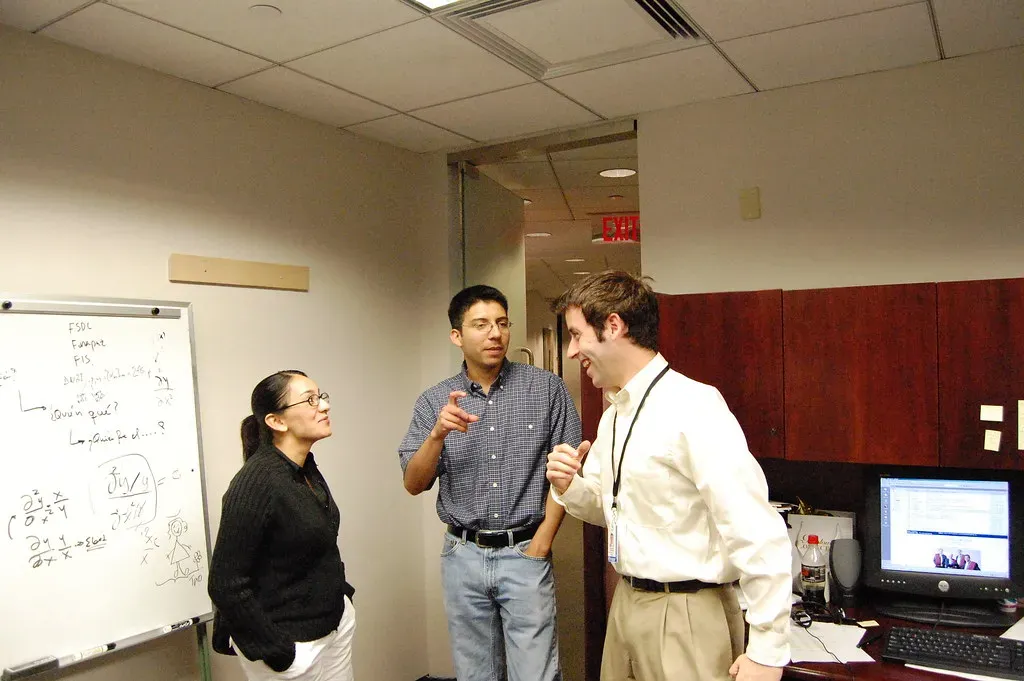
Spreading rumors and engaging in gossip rank among the most popular forms of office politicking. That coworker who always seems to know everyone’s business and loves sharing juicy details during lunch breaks isn’t just being friendly. They’re strategically planting seeds of doubt about your credibility, work ethic, or personal life. The whispers might start small, questioning your commitment or hinting at imagined shortcomings.
These manipulative tactics and backstabbing behaviors erode trust among coworkers, making it difficult to collaborate effectively. What makes gossip particularly insidious is its indirect nature. You can’t confront rumors you don’t know exist, yet they shape how others perceive you. By the time you discover the narrative being spun behind your back, the damage to your reputation may already be significant. The gossiper maintains plausible deniability while your professional image takes hit after hit.
Withholding Critical Information

Manipulative colleagues may use tactics like undermining or withholding information to gain an advantage. Information is power in any organization, and some coworkers understand this all too well. They’ll conveniently forget to loop you into important email chains, neglect to mention that meeting time changed, or fail to share crucial updates about project requirements. You show up unprepared, looking incompetent through no fault of your own.
This tactic works because it’s nearly impossible to prove intentional malice. Was it an honest oversight or deliberate sabotage? The person withholding information can always claim it slipped their mind or they assumed someone else would tell you. Meanwhile, you’re left scrambling to catch up, missing deadlines, or appearing uninformed in front of leadership. Over time, this pattern makes you seem unreliable or out of the loop, regardless of your actual capabilities.
Micromanaging and Undermining Your Authority

Micromanagement involves a colleague or supervisor excessively controlling or overseeing another’s work, often with the intention of discrediting or undermining them. Imagine having a peer who constantly requests updates on your tasks, offers unsolicited advice at every turn, and questions your decisions in front of others. They’re not your manager, yet they behave as though you can’t handle your responsibilities without their intervention.
This behavior serves a dual purpose. First, it chips away at your confidence and makes you second guess your judgment. Second, it creates the impression among others that you need constant supervision or lack competence. The micromanager positions themselves as the capable one while subtly implying you’re struggling. It’s exhausting to defend your every move and can seriously impact your performance when you’re constantly looking over your shoulder.
Publicly Questioning Your Competence

Have you ever presented an idea only to have someone immediately poke holes in it with barely concealed skepticism? Political players try to discredit and undermine the people around them who they see as a threat or as competition. These challenges aren’t constructive feedback meant to strengthen your proposal. They’re calculated attempts to make you appear unprepared or incompetent in front of decision makers.
The questioning often comes loaded with condescension. They might frame their critiques as genuine concerns while their tone and body language communicate doubt about your capabilities. Others in the room pick up on this dynamic, and suddenly your credibility is on shaky ground. The irony is that your idea might be solid, even brilliant, yet the focus shifts from the merit of your proposal to defending yourself against manufactured doubts.
Forming Exclusive Alliances Against You

A lot of the time a political player will use tactics like disparaging peers in order to build themselves up, and these people get an allocation of perceived power simply by having others listen to them. In the end for the political player, it’s all about their own power and position. You might notice certain colleagues forming tight circles, having hushed conversations that stop when you approach, or consistently aligning against your suggestions during meetings.
These alliances aren’t about genuine collaboration. They’re strategic power plays designed to isolate you and amplify their collective influence. When several people consistently oppose your initiatives or support each other’s ideas over yours, it creates an uncomfortable dynamic where you’re perpetually on the outside. Breaking through these established cliques becomes nearly impossible, and your voice gets systematically diminished no matter how valuable your contributions might be.
Sabotaging Your Projects or Deliverables

Taking credit for others’ work, blaming others for your mistakes, and sabotaging coworkers’ projects are common office politicking behaviors. This represents perhaps the most overtly hostile form of workplace undermining. Someone might accidentally delete your files, provide incorrect information that derails your work, or fail to complete their portion of a shared project, causing you to miss deadlines.
Examples of toxic office politics include employees deliberately sabotaging projects, behaviors that can create a toxic work environment and undermine trust and morale across the team. The saboteur maintains deniability through technical glitches, miscommunications, or honest mistakes. However, when these incidents happen repeatedly and always seem to affect your work specifically, the pattern becomes clear. Your performance suffers, your stress levels skyrocket, and leadership begins questioning your ability to deliver results.
Manipulating Perceptions Through Strategic Framing

In the world of office politics, the facts about any achievement can be framed in different ways, and people who play politics to get ahead are experts in the use of framing bias. This sophisticated tactic involves spinning your accomplishments to diminish their impact while amplifying any setbacks. Your successful project launch becomes described as meeting minimum expectations, while any minor hiccup gets highlighted as a significant failure.
The person doing this understands that perception often matters more than reality in workplace dynamics. Even if your team’s performance is a cut above the rest, politics can still tarnish the shine more easily than you might think, as whispers behind closed doors designed to undermine and discredit you can undo a lot of your good work. They’re not lying exactly, just carefully selecting which truths to emphasize and which to downplay. Before you know it, your narrative has been rewritten, and the version circulating among leadership doesn’t reflect your actual contributions or capabilities.
Conclusion

Recognizing these eight undermining tactics puts you several steps ahead in protecting your career trajectory. The reality is that workplace politics exists in virtually every organization, regardless of industry or company size. You can’t completely eliminate it, but you can certainly develop strategies to navigate around those who choose to play dirty.
Your best defense remains consistent, high quality work that speaks for itself, combined with strong relationships built on genuine trust and mutual respect. Document your achievements, keep communication transparent, and maintain your integrity even when others abandon theirs. Remember that people who resort to undermining tactics typically lack the fundamental skills needed to advance on merit alone.
What’s your experience with workplace sabotage? Have you noticed any of these behaviors in your own office? The more we talk about these dynamics openly, the harder they become to execute in the shadows.