
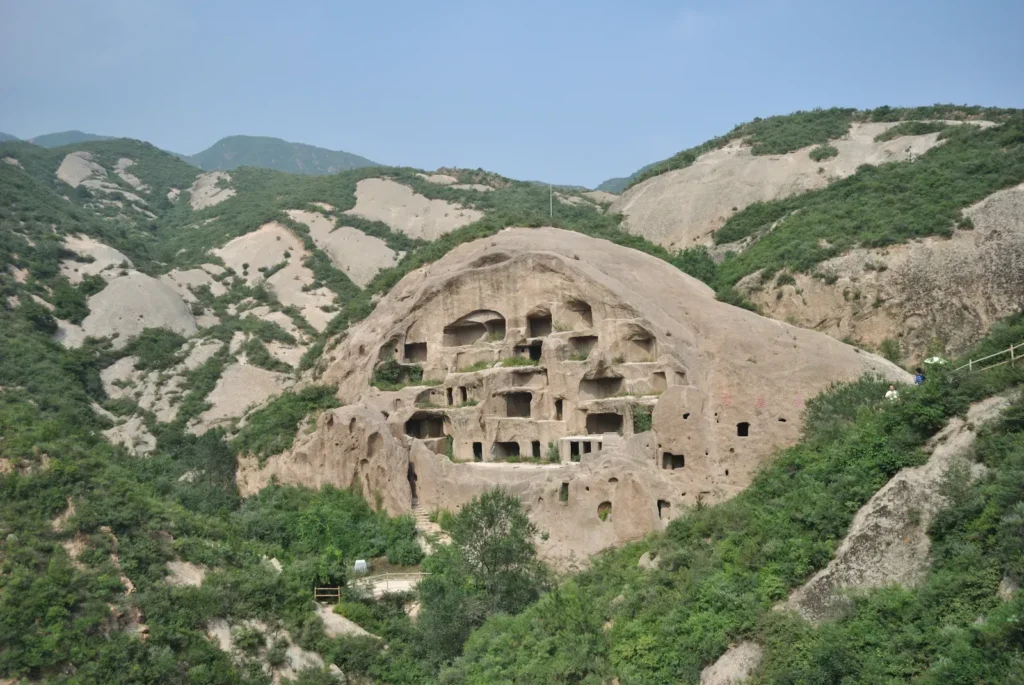
You probably think of nature as something you visit: a weekend hike, a national park road trip, a sunset watched from a lookout. For most of human history, though, nature was not a backdrop to life – it was the main character, the architect, and the boss. When you look closely at the world’s oldest settlements, you see something quietly radical: people shaped their homes around the land, not the other way around.
In these ancient places, cliffs became walls, rivers became highways, caves turned into cathedrals, and fertile floodplains were treated almost like living partners. You’re not just staring at ruins; you’re looking at instructions for how to live with an environment instead of constantly fighting it. As you move through these nine settlements, notice how each one reminds you of a simple truth we like to forget today: your survival, your culture, and even your sense of the sacred are rooted in the ground you stand on.
Mesa Verde: Life Tucked Into the Cliffs
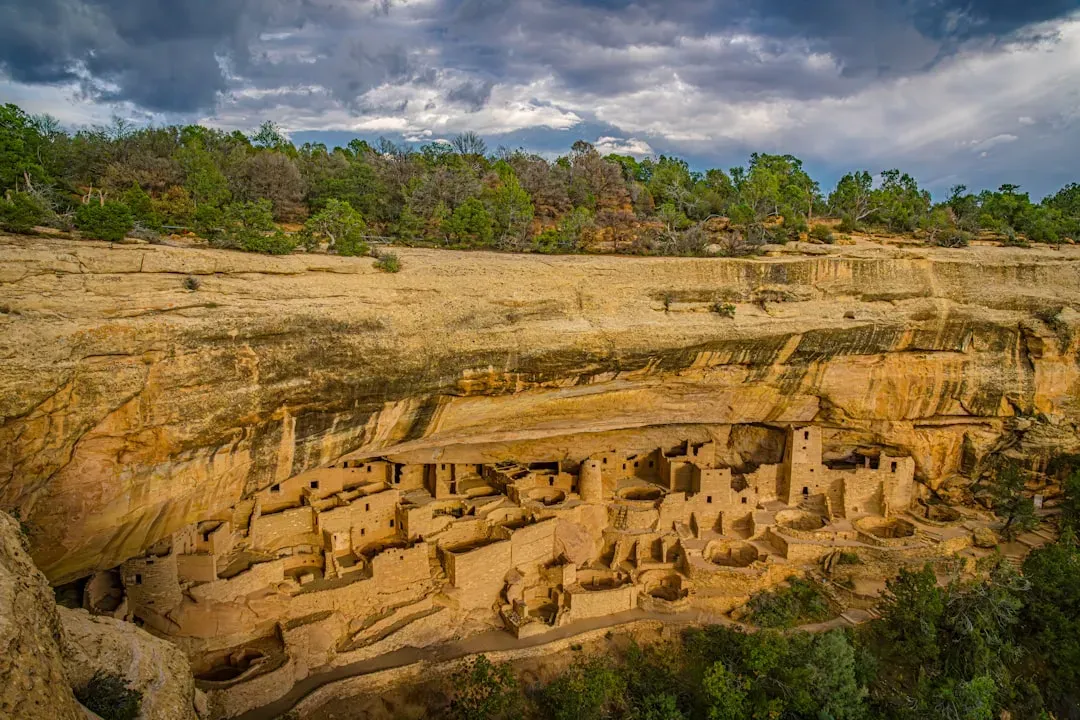
If you’ve ever pressed yourself against a rock face on a hike, imagine turning that cliff into your entire neighborhood. At Mesa Verde in what’s now southwestern Colorado, Ancestral Pueblo people built villages in natural sandstone alcoves between roughly the late 1100s and late 1200s. Instead of flattening the land and starting from scratch, they used the ready-made protection of the overhanging cliffs, tucking multi-story stone dwellings and ceremonial rooms into the curve of the rock. You’re looking at an early masterclass in using geology as both a building material and a shield.
When you stand on an overlook there today, you can see how utterly entangled daily life was with the surrounding ecosystem. Forests above and below the cliff provided wood, the mesa tops were planted with corn, beans, and squash, and the dry shelter of the alcoves helped preserve food, tools, and even murals. Water sources, soil, and seasonal sun angles dictated where people lived and how they organized space. You might think of modern “green architecture” as cutting edge, but here you’re seeing a thousand-year-old version of passive solar design, climate-responsive housing, and walkable communities, all carved right into stone.
Çatalhöyük: A Rooftop City Growing From the Earth
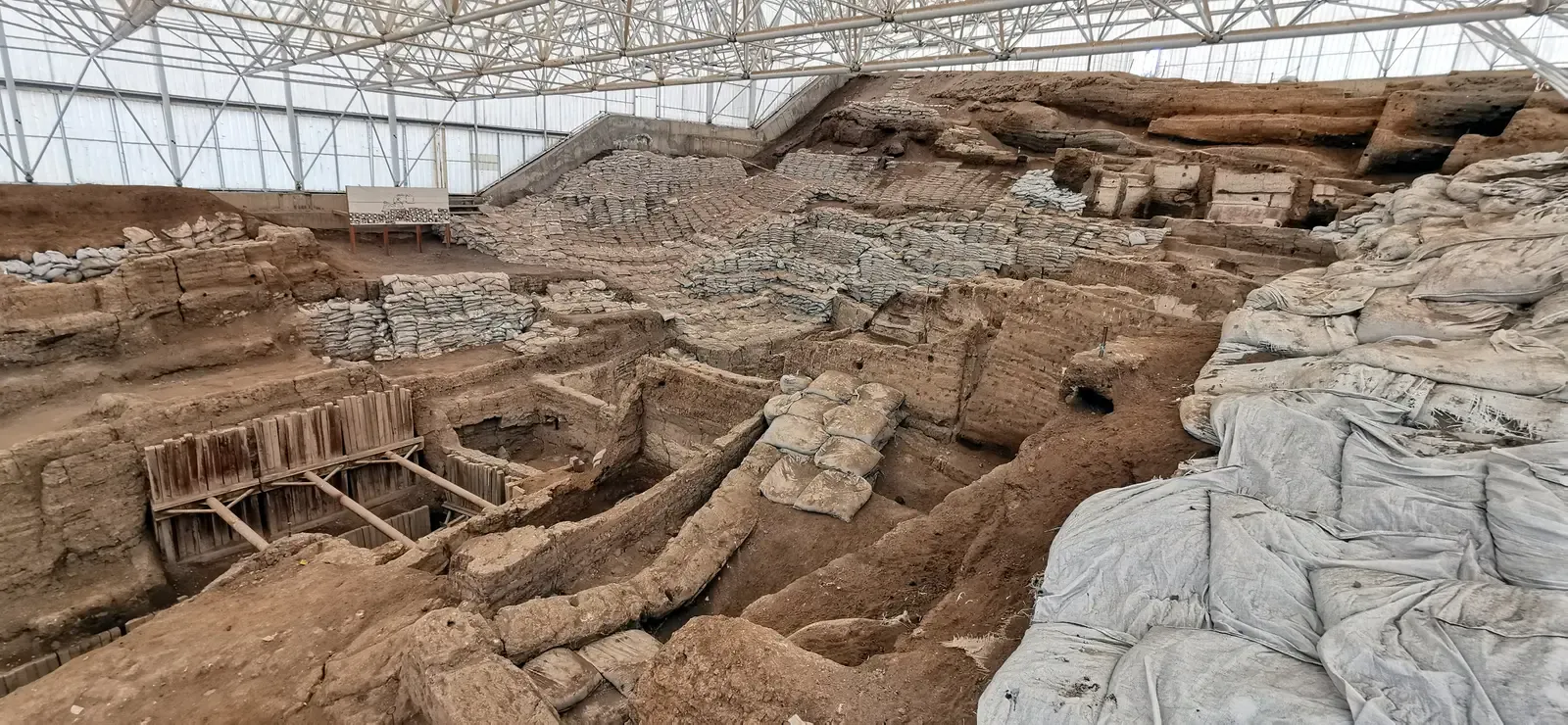
Now picture a place where you never walk on streets because the “streets” are actually people’s roofs. In central Turkey, the Neolithic settlement of Çatalhöyük, occupied roughly between the seventh and sixth millennia BCE, was a dense agglomeration of mudbrick homes pressed tightly together, entered from the top. You climbed down ladders through roof openings, like dropping into earthy beehives. There were no grand facades because the outward-facing walls were basically one continuous clay shell blending back into the landscape.
For you, this place is a startling reminder that city living doesn’t have to mean concrete and distance from nature. The people who lived here farmed cereals and legumes, kept animals, and used river valleys and wetlands around them as a kind of extended pantry and hardware store. The same mud that built their walls came from the land that fed them, and as houses decayed they were rebuilt in layers, turning the settlement itself into a man-made hill. You’re looking at a precedent for ultra-compact, low-energy urban life where your home, your food, and your landscape are literally made of the same earth.
Ban Chiang: Rice Fields and Long Memory in Northeast Thailand
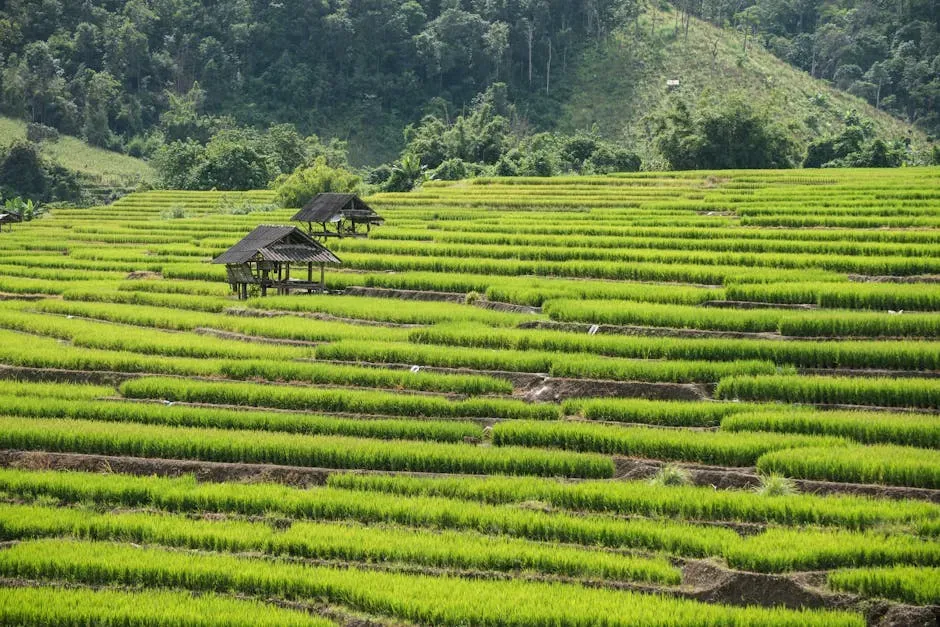
If your idea of prehistory is all stone tools and caves, Ban Chiang in northeast Thailand gently proves you wrong. This prehistoric village, first settled in the second millennium BCE, sits in a low, seasonally wet landscape that would later become classic rice country. You can imagine people here looking at fertile floodplains and slow-moving streams and deciding this was the place to sink roots, bury ancestors, and experiment with farming and metalworking. The settlement grew in step with its watery environment rather than trying to drain or dominate it.
Walk through the present-day village and you see something powerful: the archaeological site is still surrounded by an agricultural landscape shaped by monsoon patterns and rice cultivation. You’re watching a several-thousand-year relationship between humans, soils, and seasonal water that never fully snapped. Instead of conquering the floodplain once and for all, people learned to time their planting, adapt their crops, and work with what the climate offered. If you farm, garden, or just obsess over weather apps, Ban Chiang quietly reminds you that paying close attention to water and soil has always been the difference between thriving and barely scraping by.
Madjedbebe: Rock Shelter at the Edge of Deep Time
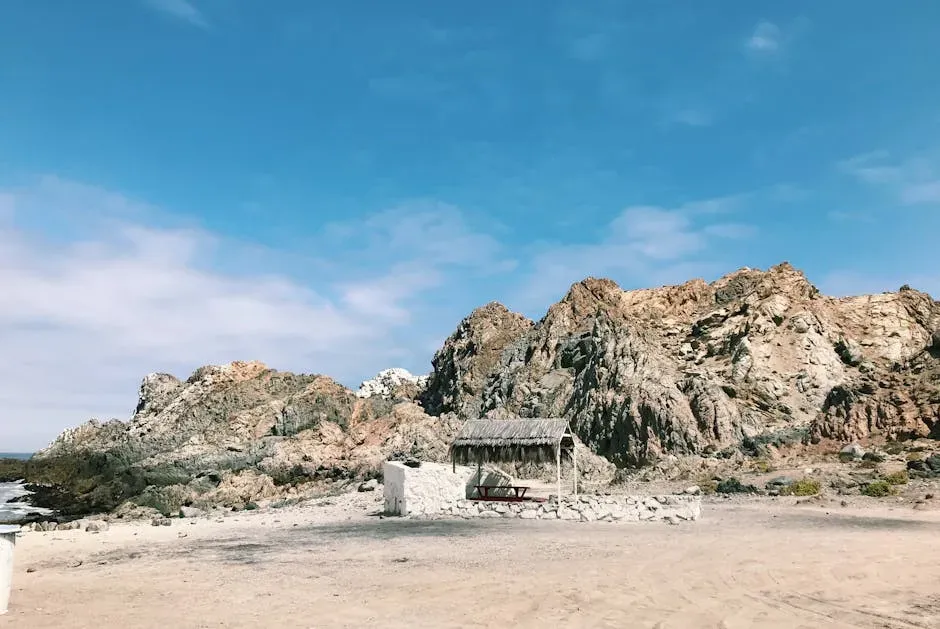
Now travel in your mind to northern Australia, where a sandstone rock shelter called Madjedbebe pushes human history on the continent back beyond fifty thousand years. You stand under an overhang that has seen countless generations take shelter from monsoon rains and tropical sun, looking out over savanna and wetlands that have shifted with rising seas and changing climates. This is not a city of stone walls; it’s a place where people used a natural hollow in the rock as a recurring refuge and base, returning again and again as the environment changed around them.
When you picture life here, you see how deeply survival hinged on reading landscapes and seasonal signals. People foraged and hunted across a mosaic of habitats, taking advantage of plant foods, animals, and freshwater sources that appeared and disappeared through the year. The shelter itself is like a time capsule of that relationship: stone tools, pigments, and other traces layered by thousands of years of visits. If you’ve ever felt small looking at a night sky, Madjedbebe hits you in a similar way – you realize your connection to nature is not a recent lifestyle trend, it’s an unbroken chain stretching into deep time.
Jericho: An Oasis City Guarded by Stone and Spring Water
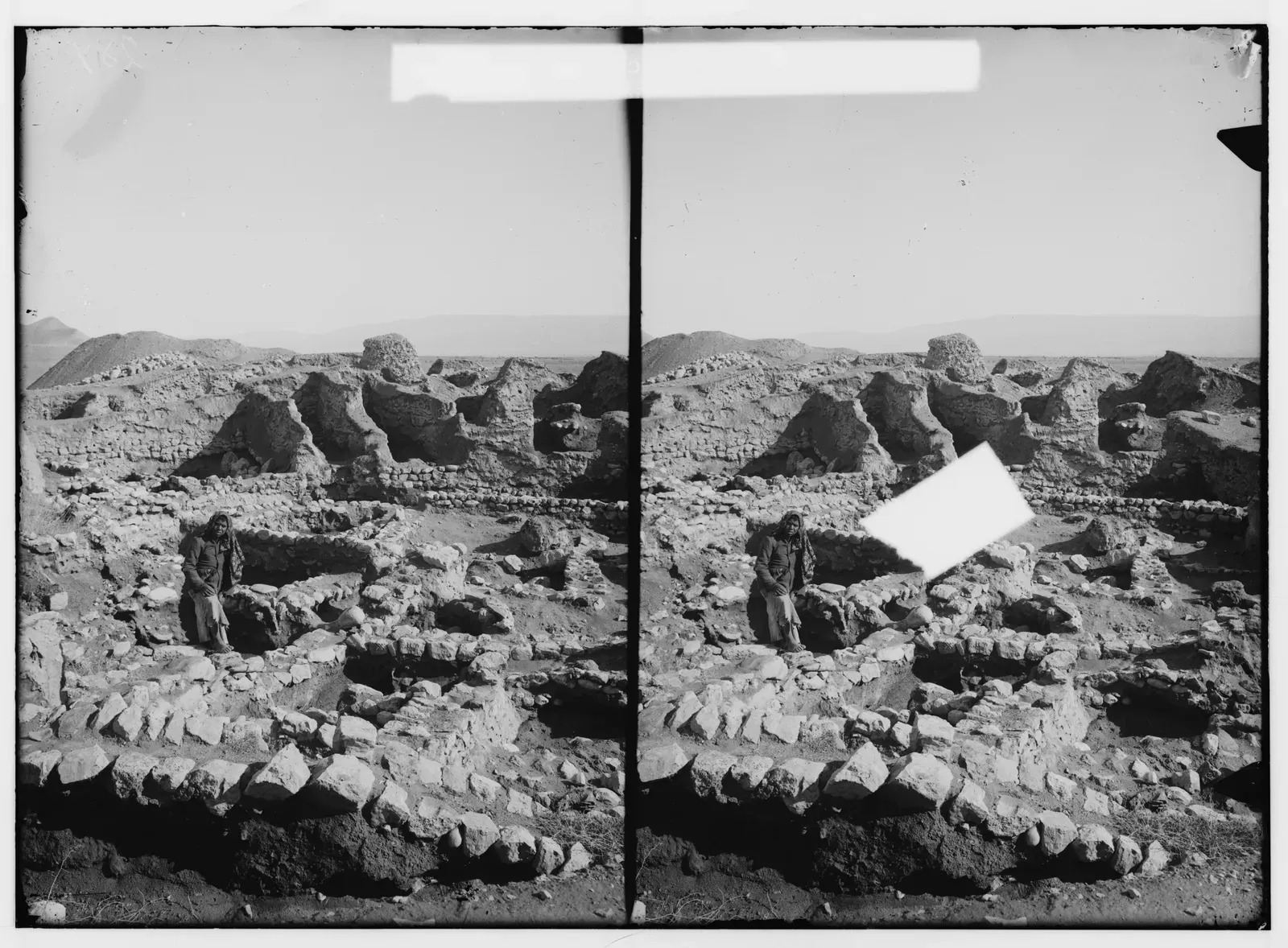
Imagine building a community in the middle of a harsh landscape because you find one precious thing: a reliable spring. That is the story of ancient Jericho in the Jordan Valley, often cited as one of the oldest continuously occupied towns on Earth. People settled around its freshwater source thousands of years before the common era, using it to irrigate fields and sustain a dense population surrounded by desert and steppe. The city’s famous early stone tower and walls were not just about defense; they were part of managing life on the edge of scarcity.
When you understand Jericho through its spring, you start to see it less as an isolated walled town and more as a partnership between humans and a single, life-giving point in the landscape. Every crop, every animal, every person depended on that water, and the settlement’s success or failure rose and fell with the stability of the oasis ecosystem. If you live in a modern city supplied by dams, pipes, and pumps, Jericho quietly asks you a blunt question: how different are you, really, from people who built walls around a spring and treated it like the heart of their world?
Skara Brae: Stone Homes Facing the Storms of Orkney
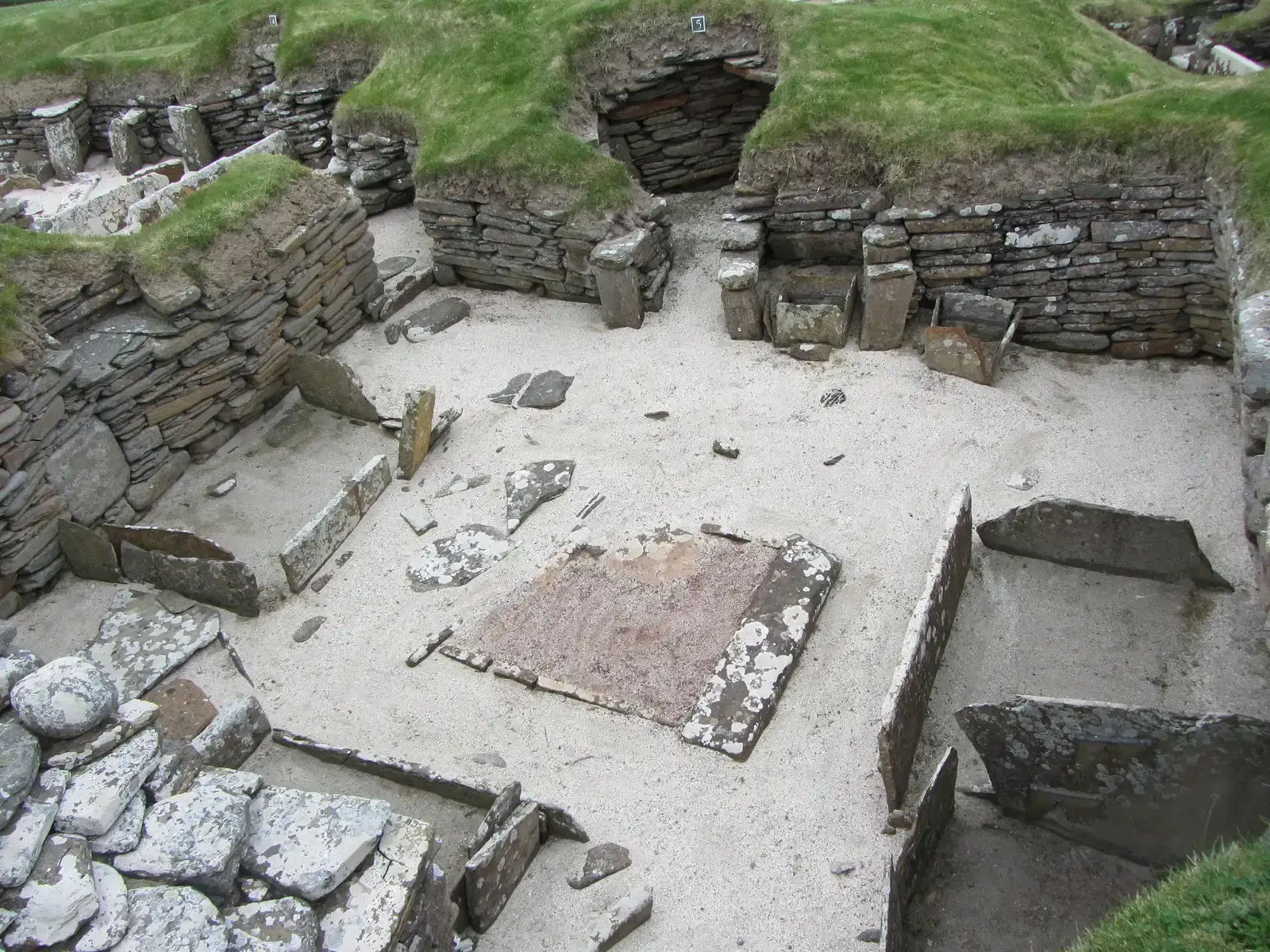
Head north in your imagination to the windswept Orkney Islands off Scotland, where a small Neolithic village called Skara Brae has survived beneath sand for millennia. Here, people built snug stone houses partially sunk into the ground, with passageways linking them like burrows. You can almost feel the Atlantic winds whipping across the coast and understand why they chose to dig down and build low, thick-walled shelters instead of grand, towering structures. The settlement feels less like it was placed on the land and more like it was tucked into it.
Inside those stone rooms, stone-built beds, hearths, and storage spaces tell you how intimately people organized their lives around fire, food, and protection from the elements. Outside, the sea was both threat and provider, offering fish and other resources while constantly eroding the shoreline. If you’ve ever wrapped yourself in a blanket during a storm and felt both vulnerable and cozy, you can connect with Skara Brae’s logic: use the earth itself as insulation, keep your footprint small, and accept that the weather will always have the final say.
Jomon Pit Dwellings: Forest Life in Ancient Japan
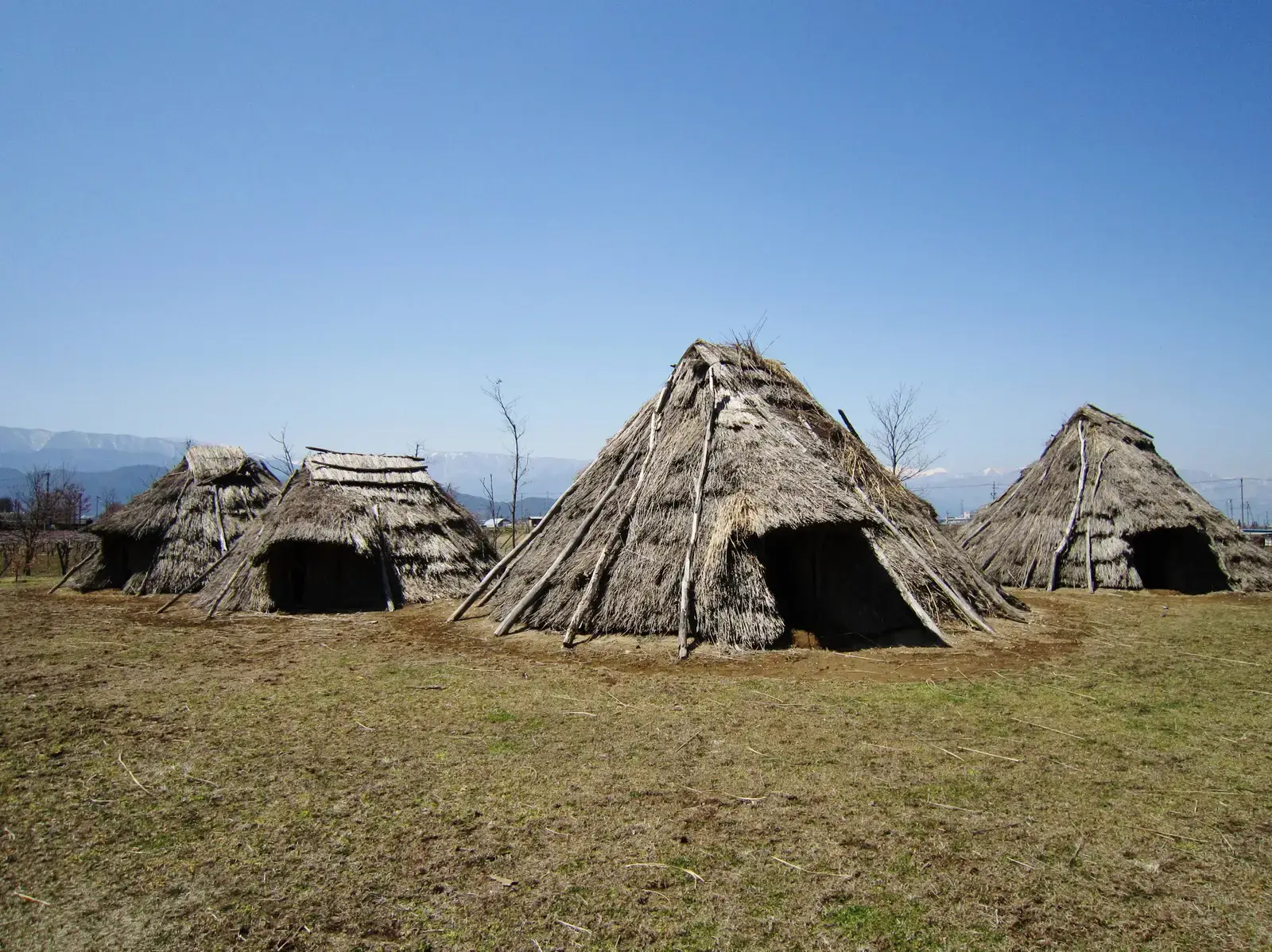
Now think about what it means to live in one place for thousands of years without switching fully to farming. In prehistoric Japan, Jomon communities built semi-subterranean pit houses, often clustered near coasts, rivers, and rich forests. You can picture people digging circular depressions, lining them with posts and thatch, and letting the ground help stabilize temperature through hot summers and cold winters. These dwellings are a quiet but meaningful nod to the idea that the earth beneath you is a natural thermostat, not just something to build on top of.
The Jomon way of life leaned heavily on nuts, fish, game, and wild plants, with early forms of cultivation woven into a broader web of foraging. Shell middens and other remains show you how deeply they understood local ecosystems and seasonal cycles. When you imagine living like this, you’re not separate from the forest; you’re woven into its calendar, knowing when certain trees drop their seeds, when fish run, when storms tend to roll in. If you’ve ever felt more alive on a trail than at a desk, Jomon settlements whisper that a slower, more reciprocal relationship with the wild is not only possible – it once supported communities for incredibly long stretches of time.
Indus Valley Cities: Grids, Drains, and River Logic
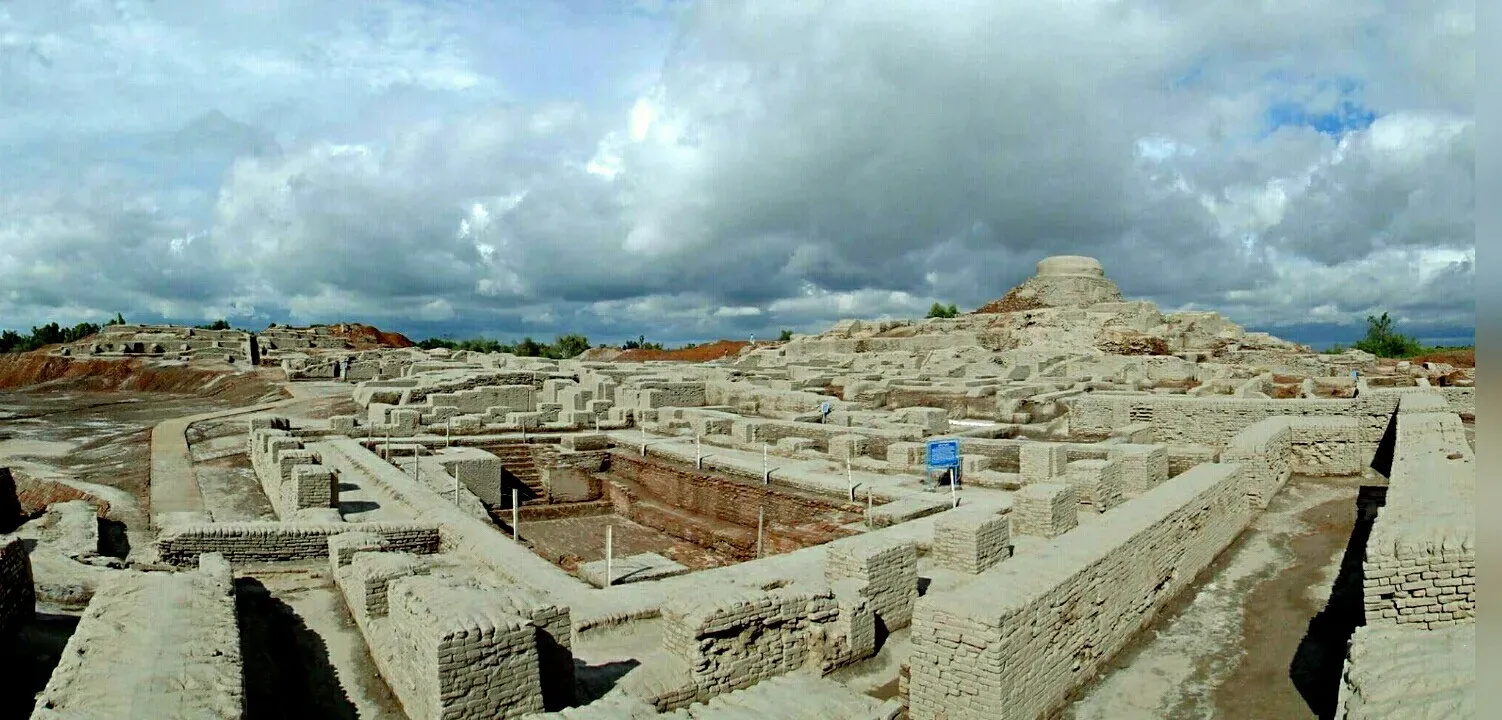
Switch gears and picture something that looks startlingly modern: straight streets, standardized bricks, and complex drainage systems. In the Indus Valley civilization, at sites like Mohenjo-daro and Harappa in what is now Pakistan and northwest India, people laid out cities with a kind of calm, river-aware logic around the third millennium BCE. You walked through orderly grids, lived in brick houses, and relied on carefully planned wells and drains that managed both drinking water and waste. It was urban living tuned to the rhythms of major river systems and seasonal floods.
Instead of fighting rivers with massive permanent walls the way many modern cities do, these settlements seem to have accepted that rivers shift over time, and that water management must be flexible and widespread, not just dramatic and centralized. For you, that might feel strangely familiar: when you see storm drains, levees, or zoning maps, you’re looking at the descendants of this kind of thinking. What makes the Indus example so striking is that it ties cleanliness, comfort, and order not to domination of nature, but to detailed, everyday respect for where water flows, how sewage behaves, and what river soils can handle.
Kakadu’s Rock Shelters: Millennia of Story in Northern Australia
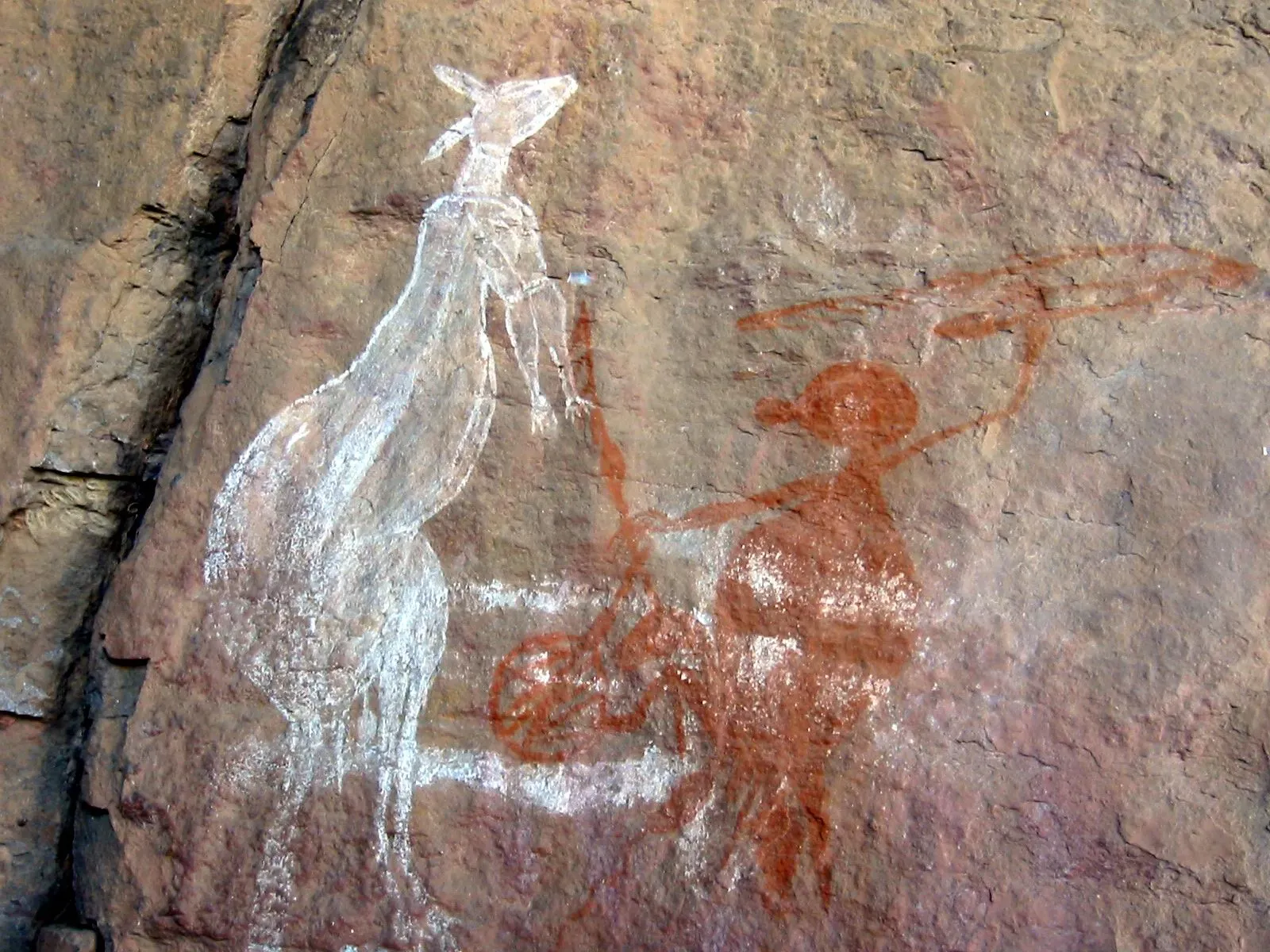
Finally, step back into northern Australia, this time more broadly across Kakadu National Park, where rock shelters like Nauwalabila and others have preserved some of the continent’s oldest evidence of human life. You stand at the base of an escarpment, looking at shallow caves that offered shade, dry ground, and vantage points over vast floodplains and wetlands. These places were not permanent stone towns, but recurring camps woven into seasonal movements, ceremonies, and hunting circuits. The rock itself holds layer upon layer of stories, from stone tools to rich rock art.
When you consider these shelters, you see a way of living where mobility and attachment to place are not opposites. People moved with monsoon cycles, animal migrations, and plant fruiting seasons, yet kept returning to the same shelters over tens of thousands of years. If you feel rootless in a world of short leases and quick relocations, this pattern offers a different model: you can travel within a home range, adjust to environmental pulses, and still build an incredibly deep, multi-millennial relationship with specific hills, cliffs, and waterholes. Nature is not a backdrop here; it is the storyteller, and the shelters are its long-running memory aids.
Conclusion: What These Ancient Places Ask of You
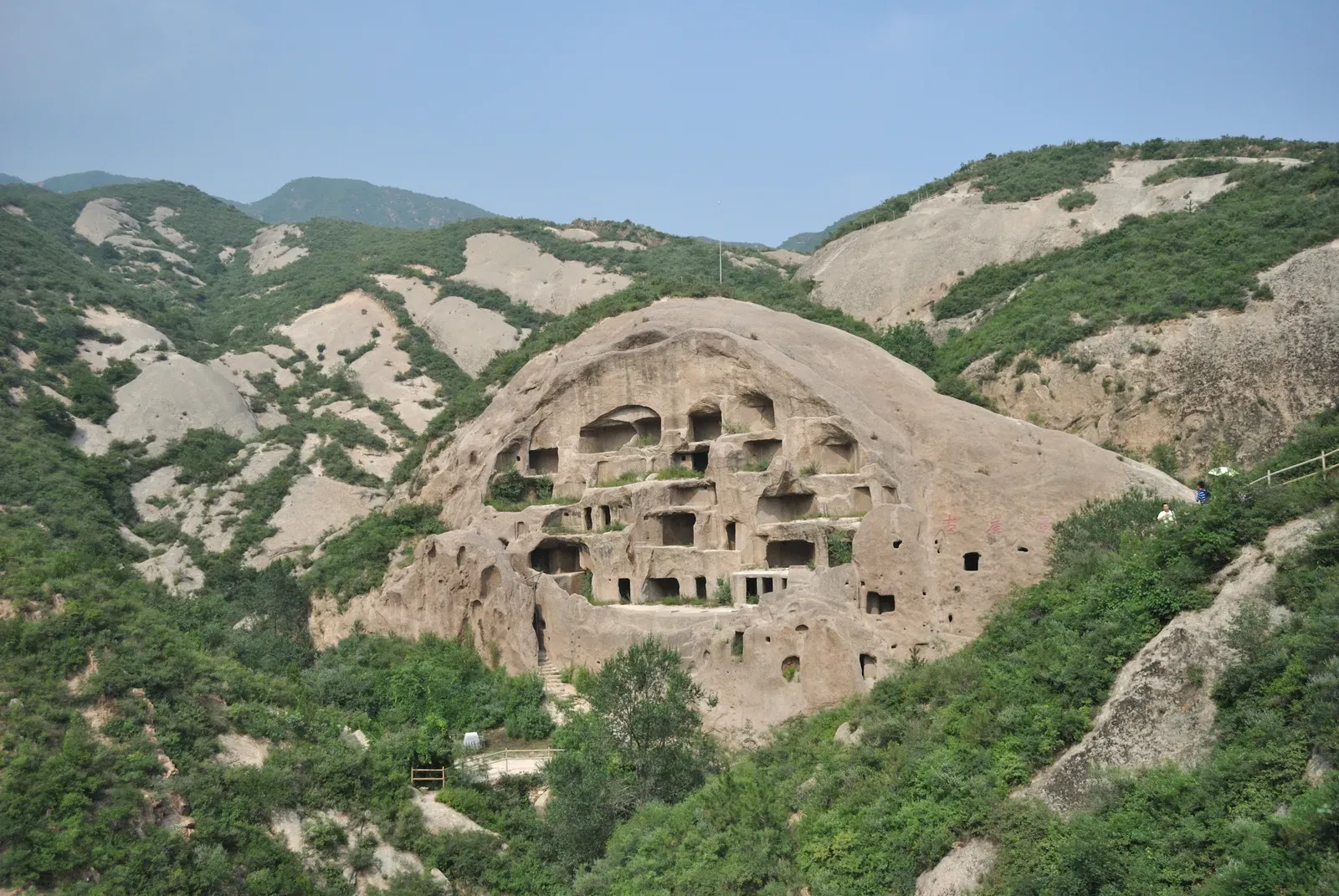
When you pull all these sites together in your mind – from cliff villages and pit houses to rock shelters and grid-planned river cities – a pattern jumps out. Again and again, people survived and flourished by paying obsessive attention to landscape: to cliffs that shelter, springs that endure, floods that recur, winds that bite, and forests that feed. You see that your species is at its best not when it pretends to float above nature, but when it listens closely and builds with, under, and around what the land already offers.
These nine settlements are not just archaeology; they are mirror and warning. They show you how profoundly your ancestors depended on soils, waters, rocks, and seasons – and how quickly things changed when climates shifted or resources were pushed too hard. As you think about your own home, your city, or even your balcony garden, you might ask yourself a simple question that guided all these ancient choices: if you treated your surroundings as a long-term partner instead of a short-term resource, how differently would you live?