Approximately 66 million years ago, a catastrophic asteroid impact dramatically altered Earth’s history, causing the extinction of non-avian dinosaurs and paving the way for mammalian dominance. This pivotal moment, known as the Cretaceous-Paleogene (K-Pg) extinction event, represents one of the most significant turning points in our planet’s evolutionary timeline. But what if this cosmic intervention had never occurred? What if dinosaurs had continued to evolve and thrive alongside mammals, potentially altering the course of life on Earth and perhaps even preventing humans from rising to dominance? This fascinating counterfactual scenario has captivated scientists, paleontologists, and science fiction enthusiasts alike, offering a glimpse into an alternate Earth where dinosaurs never relinquished their role as the planet’s dominant terrestrial vertebrates.
The Alternate Evolution of Dinosaurs

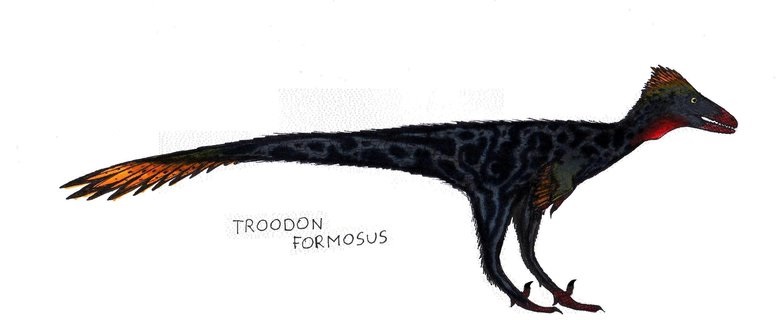
Had dinosaurs survived the K-Pg extinction event, they would have continued evolving over the subsequent 66 million years, potentially developing in ways we can only speculate about based on evolutionary patterns. Many paleontologists believe that certain dinosaur groups were already displaying trends toward increased intelligence, particularly among the dromaeosaurids (raptor family) and troodontids, which possessed relatively large brains for their body size. Some species might have evolved even greater cognitive abilities, potentially approaching the intelligence levels seen in modern corvids (crows and ravens) or even primates. Physical adaptations would likely have continued as well, with dinosaurs potentially developing new features to handle changing climates and environments throughout the Cenozoic era. The resulting modern dinosaurs would be dramatically different from their Mesozoic ancestors, just as modern birds differ significantly from their dinosaurian forebears.
Mammals in the Shadow of Giants
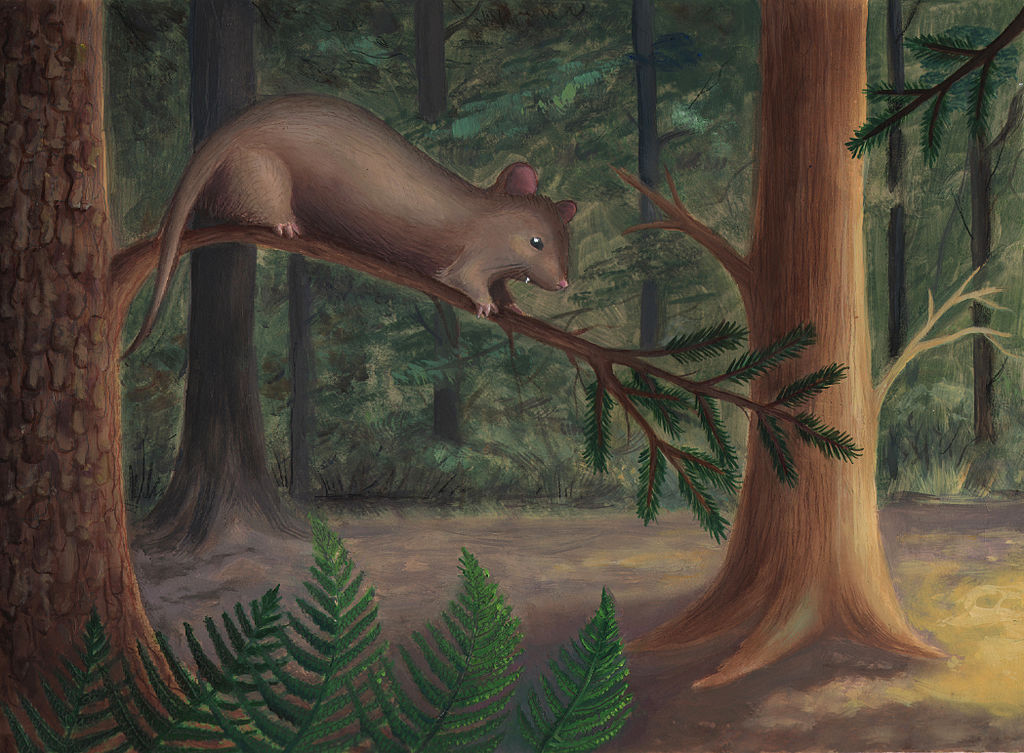
In our alternate timeline, mammals would likely have remained relegated to ecological niches that didn’t directly compete with dinosaurs, similar to their status during the Mesozoic era. Rather than experiencing the explosive adaptive radiation that occurred after dinosaur extinction, mammals might have remained predominantly small-bodied, nocturnal creatures specialized for exploiting ecological opportunities unavailable to dinosaurs. Some mammal groups might still have evolved increased diversity, particularly in regions or habitats less suitable for dinosaurian physiology. Certain evolutionary innovations like enhanced thermoregulation, live birth, and complex social structures might have still given mammals competitive advantages in specific circumstances. However, the sheer diversity of mammalian body plans and ecological roles we see today would likely never have materialized, with no equivalent to elephants, whales, or large carnivores developing in a dinosaur-dominated world.
The Primate Predicament: Would Humans Exist?
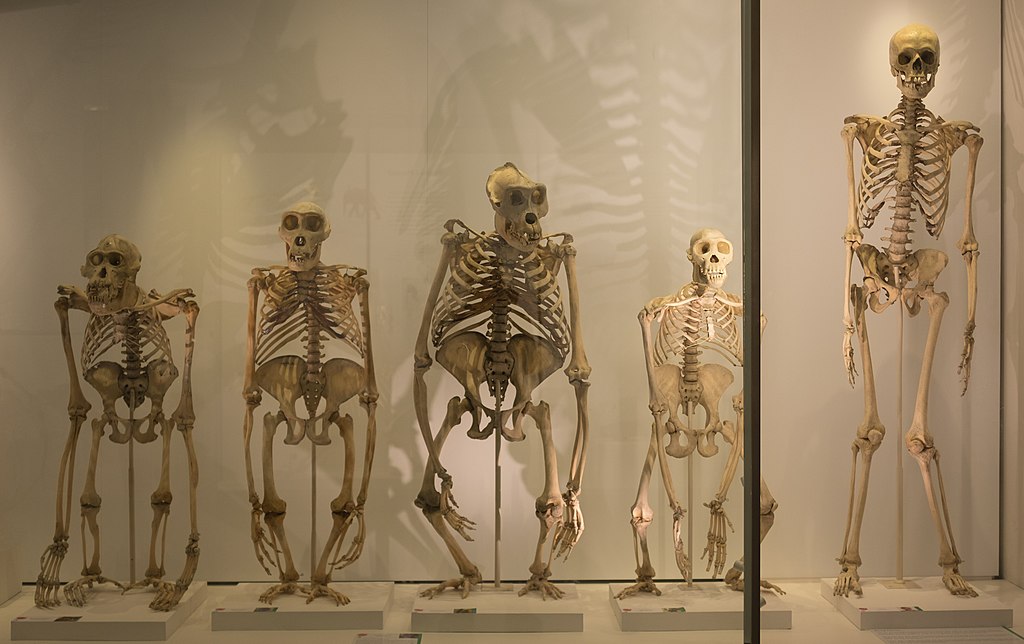
Perhaps the most provocative question in this scenario concerns our own existence. The evolution of primates, particularly the emergence of hominids and eventually Homo sapiens, occurred in an ecological landscape devoid of non-avian dinosaurs. In a world where dinosaurs continued to dominate terrestrial ecosystems, the evolutionary path leading to humans would have faced substantially different selective pressures. The arboreal niches that early primates exploited might have been more heavily contested by dinosaurian competitors, potentially preventing the primate lineage from establishing the foothold it needed. Even if primates had evolved, the specific circumstances that led to bipedalism, increased brain size, and tool use might never have aligned in the same way. Many paleontologists and evolutionary biologists speculate that intelligence might have instead evolved in certain dinosaur lineages, particularly those already showing trends toward increased brain-to-body ratios.
Dinosaurian Dominance in Modern Ecosystems

Modern ecosystems in our dinosaur-persistent timeline would display fundamentally different trophic structures and ecological relationships compared to our reality. The large herbivore niches currently occupied by mammals like elephants, rhinoceroses, and various ungulates would likely be filled by descendants of sauropods, ceratopsians, and ornithopods. Predatory roles would be dominated by evolved theropods rather than big cats or wolves. The very structure of forests might differ dramatically, with plant evolution responding to different browsing pressures and seed dispersal mechanisms. Grasslands, which co-evolved with mammalian grazers in our timeline, might have developed different characteristics in response to dinosaurian herbivores. Aquatic and marine ecosystems might also show significant differences, particularly if marine reptiles like mosasaurs and plesiosaurs (though not dinosaurs themselves) had also survived and continued evolving alongside true dinosaurs.
The Possibility of Dinosaurian Intelligence

One of the most intriguing aspects of this counterfactual history involves the potential for dinosaurs to evolve human-like intelligence. Several theropod lineages, particularly troodontids and certain dromaeosaurids, possessed relatively large brains for their body size and showed evidence of complex behaviors. Given tens of millions of years of additional evolution, these lineages might have developed significantly enhanced cognitive abilities. Some paleontologists speculate that a “dinosauroid” – a hypothetical intelligent descendant of dinosaurs – might have evolved with enlarged brains, manipulative appendages, and complex social structures. However, this remains highly speculative, as intelligence evolved in humans through a very specific set of circumstances and selective pressures. Intelligence represents just one potential evolutionary pathway, not an inevitable outcome, and the unique conditions that led to human cognition might never have aligned in the same way for dinosaurs, regardless of how long they continued evolving.
Climate Change and Dinosaur Adaptation

The Cenozoic era witnessed dramatic climate shifts that would have posed significant challenges to dinosaur populations. The cooling trend that began in the late Cretaceous continued through much of the Cenozoic, culminating in the ice ages of the Pleistocene. Dinosaurs, generally considered to have been mesothermic or possibly endothermic (warm-blooded), would have needed to adapt to these changing conditions. Some lineages might have evolved enhanced thermoregulatory capabilities, such as insulating feathers, blubber layers, or specialized circulatory systems. Others might have migrated seasonally to avoid extreme temperatures, similar to modern birds. Certain groups might have specialized for cold environments, developing adaptations analogous to those seen in Arctic and Antarctic birds today. Conversely, some dinosaur lineages might have retreated to tropical and subtropical regions, becoming more geographically restricted as global temperatures declined.
Continental Drift and Dinosaur Diversification
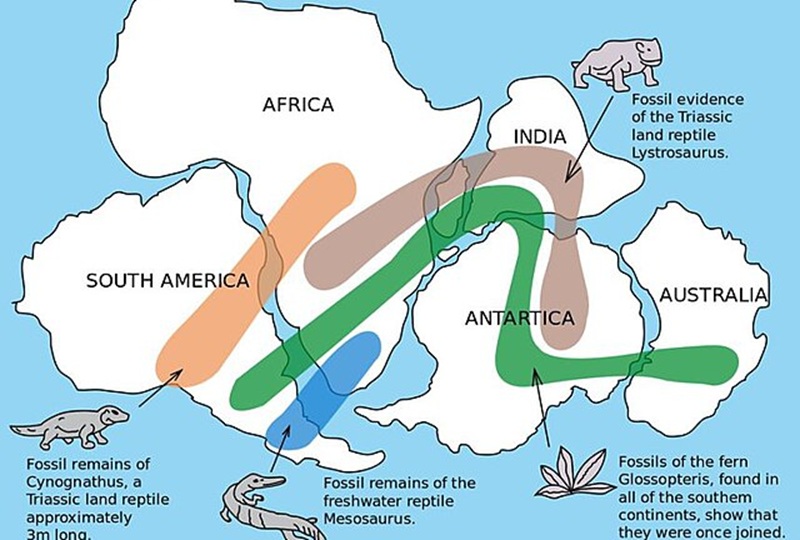
The movement of Earth’s continents throughout the Cenozoic era would have significantly influenced dinosaur evolution and diversification in our alternate timeline. As landmasses separated and collided, dinosaur populations would have experienced periods of isolation and reconnection, driving speciation and adaptive radiation. The formation of the Isthmus of Panama, connecting North and South America approximately 2.7 million years ago, would have facilitated a “Great American Interchange” of dinosaur species rather than the mammalian interchange that occurred in our timeline. Similarly, the gradual separation of Australia from Antarctica and its northward drift would have created a unique evolutionary laboratory for isolated dinosaur lineages, potentially resulting in distinctive Australian dinosaur fauna analogous to the continent’s unusual marsupial diversity in our reality. The collision of India with Asia and the subsequent uplift of the Himalayas would have created new montane habitats, potentially driving the evolution of specialized high-altitude dinosaur species.
Flying Dinosaurs: The Evolution of Birds
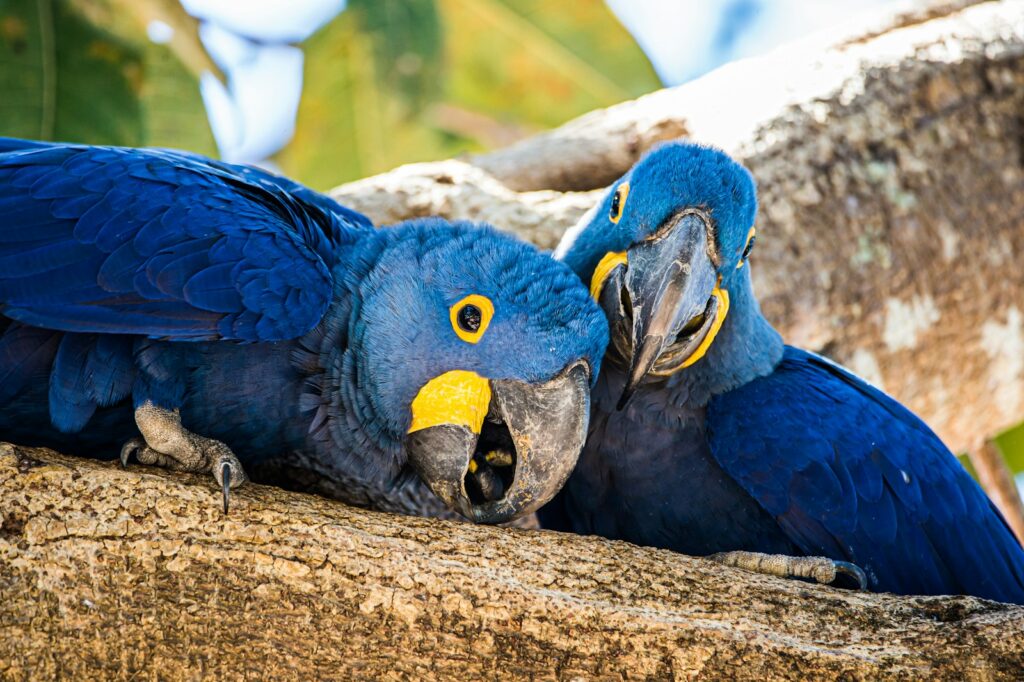
Birds, being dinosaurs themselves, would still have evolved in this alternate timeline, but their evolutionary trajectory might have differed significantly without the ecological opportunities presented by the extinction of their non-avian relatives. The early Cenozoic radiation of birds that occurred in our timeline was largely enabled by ecological niches vacated by extinct dinosaurs. In a world where non-avian dinosaurs persisted, avian dinosaurs (birds) might have faced greater competition and potentially developed along different evolutionary pathways. Some bird lineages might have remained more anatomically similar to their non-avian relatives, perhaps retaining teeth or long bony tails for longer in their evolutionary history. The incredible diversity of modern bird forms, from hummingbirds to ostriches, might have been constrained by competition from non-avian dinosaur lineages occupying similar ecological roles. Alternatively, birds might have specialized even more intensively for flight and arboreal lifestyles, developing unique adaptations to exploit niches unavailable to their terrestrial relatives.
Dinosaurs and Flowering Plants: A Continuing Co-Evolution

The relationship between dinosaurs and angiosperms (flowering plants) represents one of the most important co-evolutionary partnerships in Earth’s history. This relationship began in the Cretaceous period and would have continued evolving throughout the Cenozoic in our alternate timeline. Many dinosaur groups, particularly ceratopsians and ornithopods, had evolved specialized dental batteries and jaw mechanisms for processing plant material. These adaptations would likely have continued developing in response to changes in plant defenses and nutritional content. Flowering plants, in turn, would have evolved in response to dinosaurian herbivory, potentially developing different defensive compounds, growth patterns, or reproductive strategies compared to those that evolved in response to mammalian herbivores in our timeline. Seed dispersal mechanisms might have become increasingly specialized for dinosaurian vectors rather than mammals, potentially resulting in fundamentally different forest structures and plant community compositions compared to our mammal-dominated world.
Marine Ecosystems Without Mammalian Dominance

While true dinosaurs were terrestrial animals (with birds being the exception), a dinosaur-dominated alternate Earth would have significant implications for marine ecosystems as well. In our timeline, the extinction event that eliminated non-avian dinosaurs also caused the disappearance of large marine reptiles such as mosasaurs, plesiosaurs, and ichthyosaurs. Had this extinction never occurred, these marine reptiles might have continued evolving alongside terrestrial dinosaurs, potentially preventing the rise of marine mammals. The ecological niches currently occupied by whales, seals, and sea lions might instead be filled by evolved mosasaurs and plesiosaurs. The filter-feeding role of baleen whales might be occupied by specialized plesiosaur descendants with similar adaptations. Coral reefs, kelp forests, and other marine ecosystems would have evolved under predation pressure from these reptilian predators rather than mammalian ones, potentially developing different community structures and defensive adaptations. The deep ocean, however, might still have remained a domain where fish continued to dominate, as in our timeline.
The Question of Dinosaurian Civilization

Perhaps the most speculative aspect of this counterfactual scenario involves the possibility of dinosaurs developing civilization. While natural selection doesn’t inevitably drive toward intelligence or technological capability, the long evolutionary timeline might have allowed for the emergence of dinosaur species with advanced cognitive abilities. If such intelligence had evolved, accompanied by manipulative appendages (perhaps modified from the already dexterous hands of certain theropods), a dinosaurian civilization might have developed. Such a civilization would likely differ dramatically from human society, reflecting the different sensory world, social structures, and evolutionary history of its dinosaurian creators. Their technology might emphasize different priorities based on dinosaurian needs and capabilities, potentially focusing on different energy sources, materials, or communication methods than human civilization. Their architecture might accommodate different body plans and environmental preferences, while their art and culture would reflect dinosaurian sensory systems and cognitive patterns.
Dinosaur Domestication and Agriculture

If intelligent dinosaurs had emerged with technological capabilities, they might have developed their own forms of animal domestication and agriculture. Unlike humans, who domesticated mammals with compatible social structures, intelligent dinosaurs might have focused on domesticating their own relatives – perhaps smaller theropods or ornithopods with suitable behavioral traits. These domesticated dinosaurs might serve roles analogous to those of dogs, cats, or livestock in human society. Dinosaurian agriculture might have evolved to cultivate plant species particularly suited to dinosaurian digestive systems and nutritional needs, potentially focusing on different crops than those prioritized by human agriculture. Their farming practices would reflect dinosaurian physical capabilities, perhaps utilizing their natural attributes like strength, size, or specialized appendages in ways fundamentally different from human agricultural methods. The entire relationship between a hypothetical dinosaurian civilization and its environment might operate according to different principles than those that guided human agricultural development.
Cultural and Scientific Perspectives on an Alternate Earth
This counterfactual scenario offers valuable insights for understanding evolution, contingency, and our own place in Earth’s history. By exploring how differently life might have developed without the K-Pg extinction event, we gain perspective on how contingent and precarious the emergence of human civilization truly was. The dinosaur-dominated alternate Earth serves as a reminder that our existence was not inevitable but rather the product of a specific sequence of evolutionary and geological events. From a scientific perspective, this thought experiment helps paleontologists and evolutionary biologists identify the key factors that shaped Earth’s actual evolutionary history. It encourages us to recognize patterns in evolution while acknowledging the role of chance events in determining which lineages thrive and which disappear. For the general public, this scenario captures the imagination and promotes engagement with scientific concepts regarding evolution, extinction, and the interconnectedness of Earth’s biological systems.
Conclusion: The Fragility and Contingency of Evolutionary History

The scenario of dinosaurs never going extinct serves as a powerful reminder of the contingent nature of evolutionary history. Had a single cosmic event played out differently, the entire trajectory of life on Earth would have been fundamentally altered, potentially preventing the rise of humans altogether. This realization instills a sense of cosmic humility—our existence was neither predetermined nor inevitable but rather the result of a particular sequence of events that could easily have unfolded differently. As we contemplate this alternate Earth where dinosaurs continued to reign, we gain a deeper appreciation for the complex interplay of chance and natural selection that shapes life’s diversity. The very fact that we can engage in such speculation is itself a product of the actual path history took—a path that allowed mammals to emerge from the shadows of the dinosaurs and eventually give rise to a species capable of contemplating its own origins and place in the universe.