Picture this: the world has just ended. A massive asteroid has slammed into Earth, wiping out the mighty dinosaurs that ruled for over 160 million years. Darkness blankets the planet, temperatures plummet, and three out of every four species vanish forever. Yet in this apocalyptic wasteland, some small, furry creatures not only survived but seized their moment to fight back and claim dominance over a devastated world.
These weren’t just any survivors. These were the mammalian warriors that would reshape life on Earth, evolving from mouse-sized refugees into the diverse array of creatures that populate our planet today. Their story isn’t one of passive survival but of active conquest, rapid adaptation, and evolutionary brilliance in the face of catastrophe. Let’s dive into the extraordinary tale of how mammals fought back from the brink and won the ultimate evolutionary prize.
The Great Dying That Wasn’t
Three out of every four species succumbed to extinction when the asteroid hit 66 million years ago, creating both mammals’ moment of greatest peril and their big break. Contrary to popular perceptions, mammals did not escape the extinction event unscathed, as several groups of mammals perished right at or not long after the extinction event. The difference was that while dinosaurs faced complete annihilation, mammals had built-in advantages that would prove crucial.
Mammals that used burrows or lived in aquatic environments would have been shielded from the intense heat that briefly followed the impact, and once the heat was off, mammals could come back out and make the most of the remaining food resources. The small body size and burrowing habit probably favored mammalian survival relative to dinosaurs and pterosaurs, and mammal species diversity and body size both increase very quickly after the dust settled.
The Underground Resistance Network
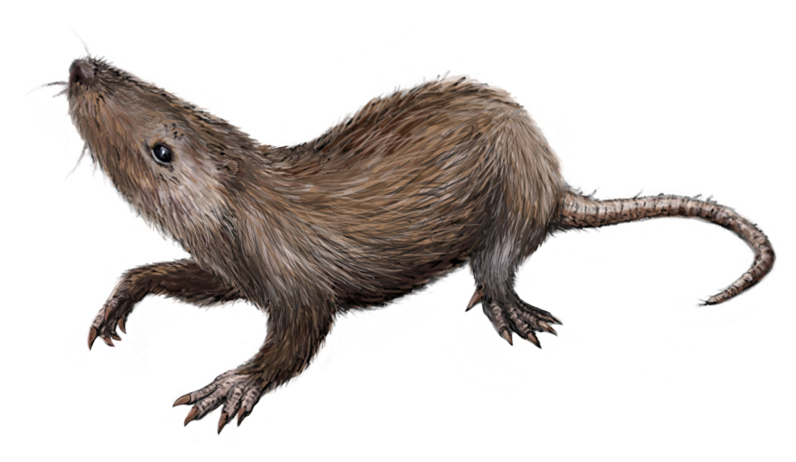
During the dinosaur era, mammals were petite, about the size of rats or smaller, and they weren’t able to grow bigger, almost certainly because there were all these dinosaurs around that were filling those bigger niches. These tiny creatures had developed something their reptilian overlords lacked: sophisticated underground lifestyles. They adapted to a burrowing lifestyle, losing their large tail-based leg muscles which allowed dinosaurs to become bipedal.
Their small size wasn’t a weakness but a superpower waiting to be unleashed. Early mammals, typically small and nocturnal, lived in the shadows of these dominant reptiles and were likely insectivorous and relied on keen senses, such as hearing and smell, to navigate their environments. They had already mastered the art of survival in a world designed to kill them.
The First Wave of Mammalian Warriors
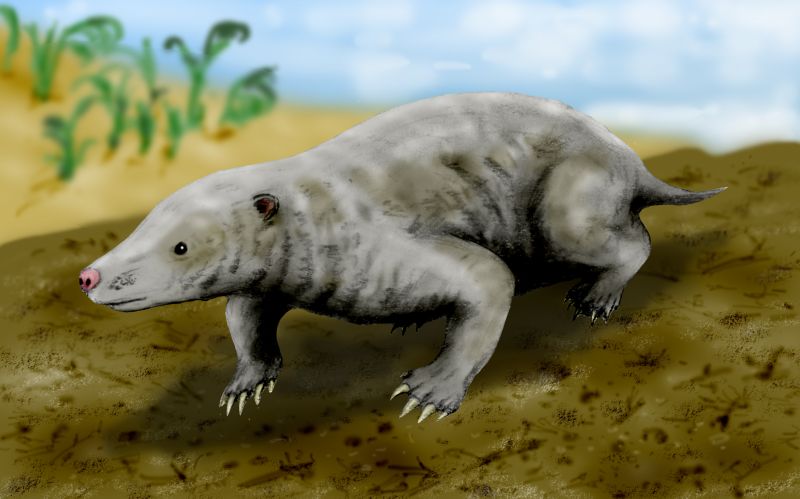
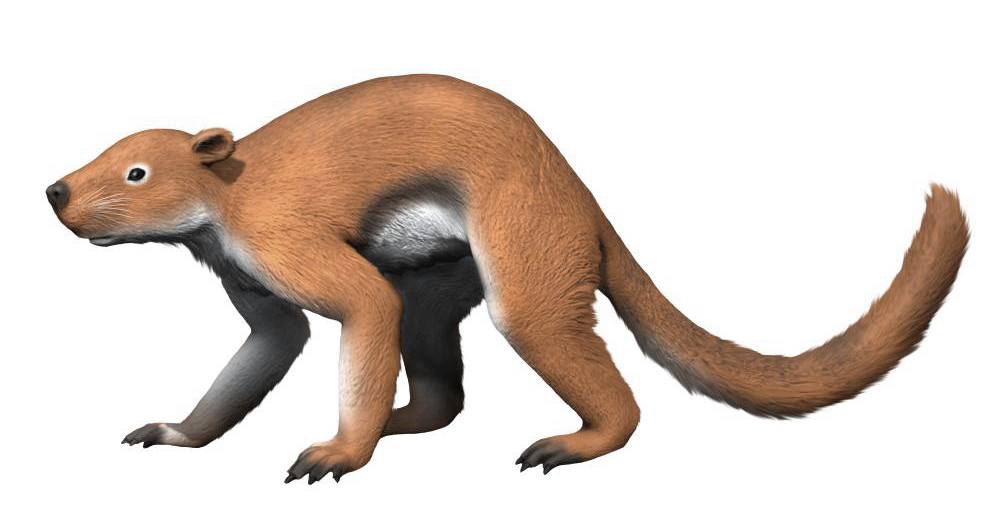
Early mammals rapidly evolved after the extinction event, with some revolutionary forms appearing within hundreds of thousands of years after the worst day in Earth history, when a six-mile-wide asteroid ended the Age of Dinosaurs in fire and fury. The new fossil is dated to between 65.5 million and 66 million years ago, just after the dinosaur-killing asteroid hit Earth, and it lived only a couple hundred thousand years after the extinction as a fairly large mammal – beaver size.
The earliest placental mammal fossils appear only a few hundred thousand years after the mass extinction, suggesting the event played a key role in diversification of the mammal group to which we belong. These weren’t timid survivors cowering in caves. They were evolutionary pioneers rapidly claiming territory in a world suddenly free of its former masters.
Masters of Rapid Evolution

Their discovery suggests mammals diversified more rapidly after the mass extinction than previously thought, with relatively low mammal species diversity in the first few hundred thousand years after the dinosaur extinction but rapid diversification following the extinction. Mammalian taxonomic richness doubled over the first 100,000 years, and mammals also recovered to the size of the pre-extinction period, that is up to 7 kg in weight compared with the 0.5 kg of the immediate survivors.
Placental mammals became more varied in anatomy during the Paleocene epoch and they clearly took advantage of that opportunity, as we can see by their rapid increases in body size and ecological diversity, evolving a greater variety of forms in the first few million years after the dinosaurs went extinct than in the previous 160 million years. This wasn’t gradual change but evolutionary lightning speed.
The Multituberculate Champions
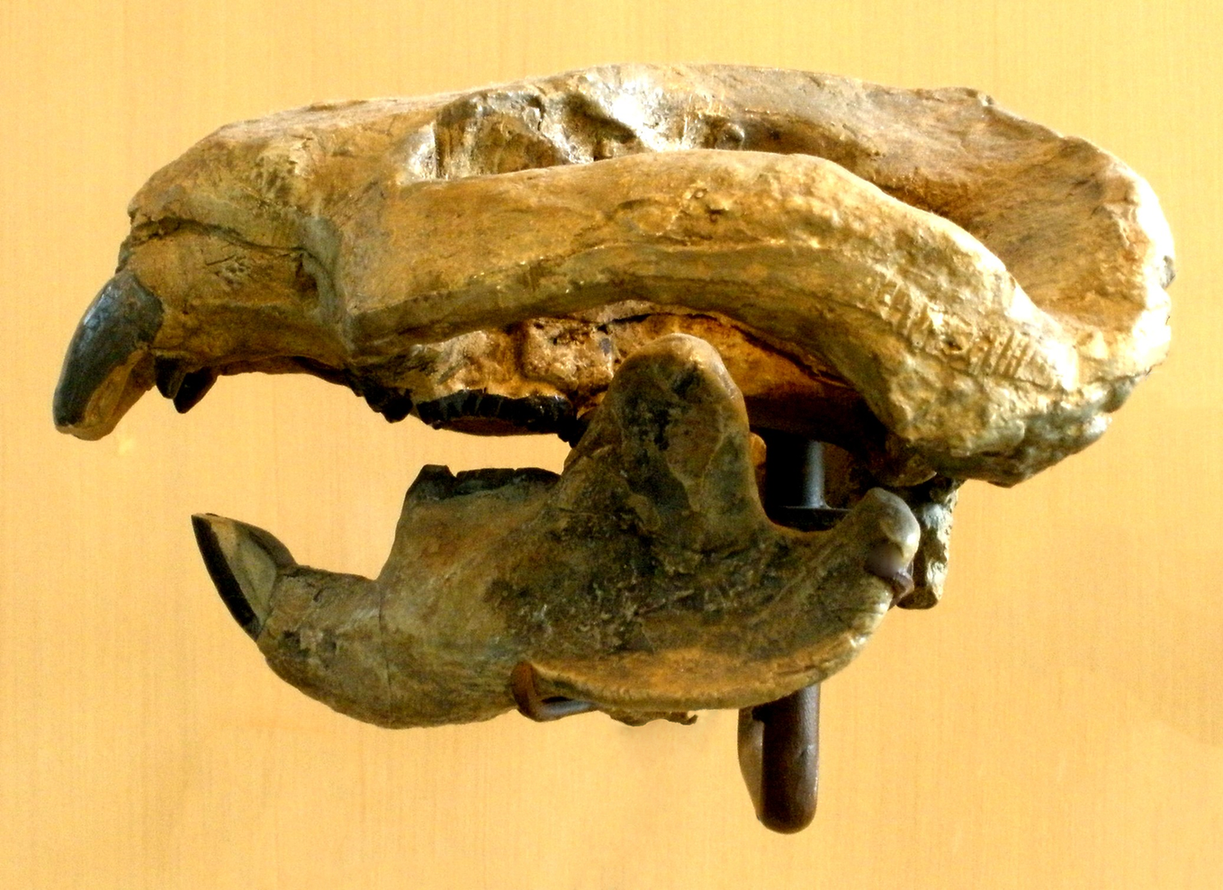
Multituberculates lived alongside dinosaurs, but managed to survive the mass extinction at the end of the Cretaceous period and lived for another 30 million years before they, too, went extinct. These remarkable creatures became the first mammalian success story of the post-dinosaur world. Multituberculates reached peak diversity in the early Paleocene and were the most successful group of mammals in the Mesozoic.
Some multituberculates got decently large, weighing up to 220 lbs, and this subgroup got its start right before the dinosaur extinction event and flourished afterward in Asia and North America. Taeniolabis from the early Paleocene of North America was a beaver-sized animal that is the largest known multituberculate, and its well-developed gnawing teeth and complex molars are strong evidence that it had specialized on vegetable diet.
Size Matters: Growing Into Power

The richness of megafloral species increased rapidly, which drove an equally dramatic increase in the body mass of the largest mammals, and over several hundred thousand years these had increased dramatically, with mammals reaching substantial sizes relatively quickly after the extinction. This wasn’t random growth but strategic evolutionary expansion.
No Paleocene mammal exceeded the size of a small modern bear, and most were a lot smaller, but it took several million years to evolve into even moderately large body sizes. After the extinction of the dinosaurs, mammals began to increase in body size as new niches became available, but their brain lagged behind their bodies for the first ten million years, with Paleocene mammals having relatively smaller brains than Mesozoic mammals relative to body size.
Adapting to New Worlds
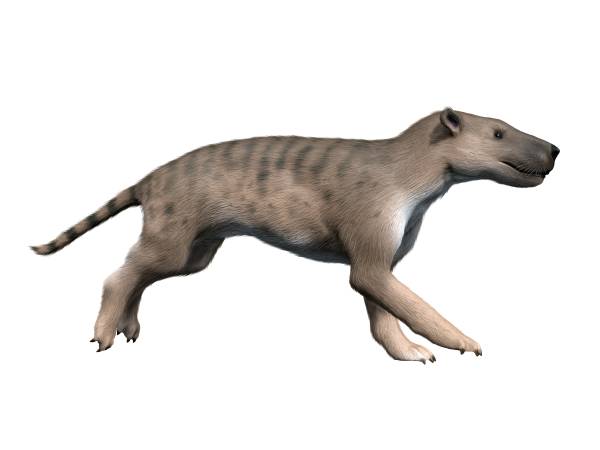
In the wake of the dinosaurs’ extinction, mammals began to radiate into a wide array of forms and sizes during the Paleocene, involving significant evolutionary innovations as they adapted to new environments and began to evolve into larger forms with varied diets and lifestyles, including early primates, ungulates, and carnivorous mammals.
One notable aspect of mammalian evolution during this epoch was the development of more complex teeth structures, which allowed for varied diets, and the evolution of molars suited for grinding plant material indicated a shift towards herbivory among some species. Many mammals from the time of the dinosaurs had teeth that were good for cutting into prey, but a few had tooth structures that acted like a mortar and pestle and were able to grind in addition to just cutting, and this “fancier” tooth may have been an advantage in hard times with less food availability.
The Ecological Conquest
When nonavian dinosaurs went extinct, mammals continued to diversify and take over niche environments that dinosaurs once filled. The extinction of many groups allowed mammals and birds to greatly diversify so that large mammals and birds dominated life on Earth, and mammals came to occupy almost every available niche, both marine and terrestrial.
The placental mammal diversification of the Paleocene Epoch is the original case study of “adaptive radiation,” and the global environment of the early Cenozoic was warmer and wetter than the modern world, with rain forests common in many regions. The environmental conditions during this epoch were conducive to plant growth, which in turn supported a burgeoning array of herbivorous mammals, and the presence of lush vegetation provided ample food sources for early mammals, facilitating their rapid diversification, with fossil evidence indicating that forests dominated by angiosperms became widespread.
Climate Warriors and Environmental Survivors
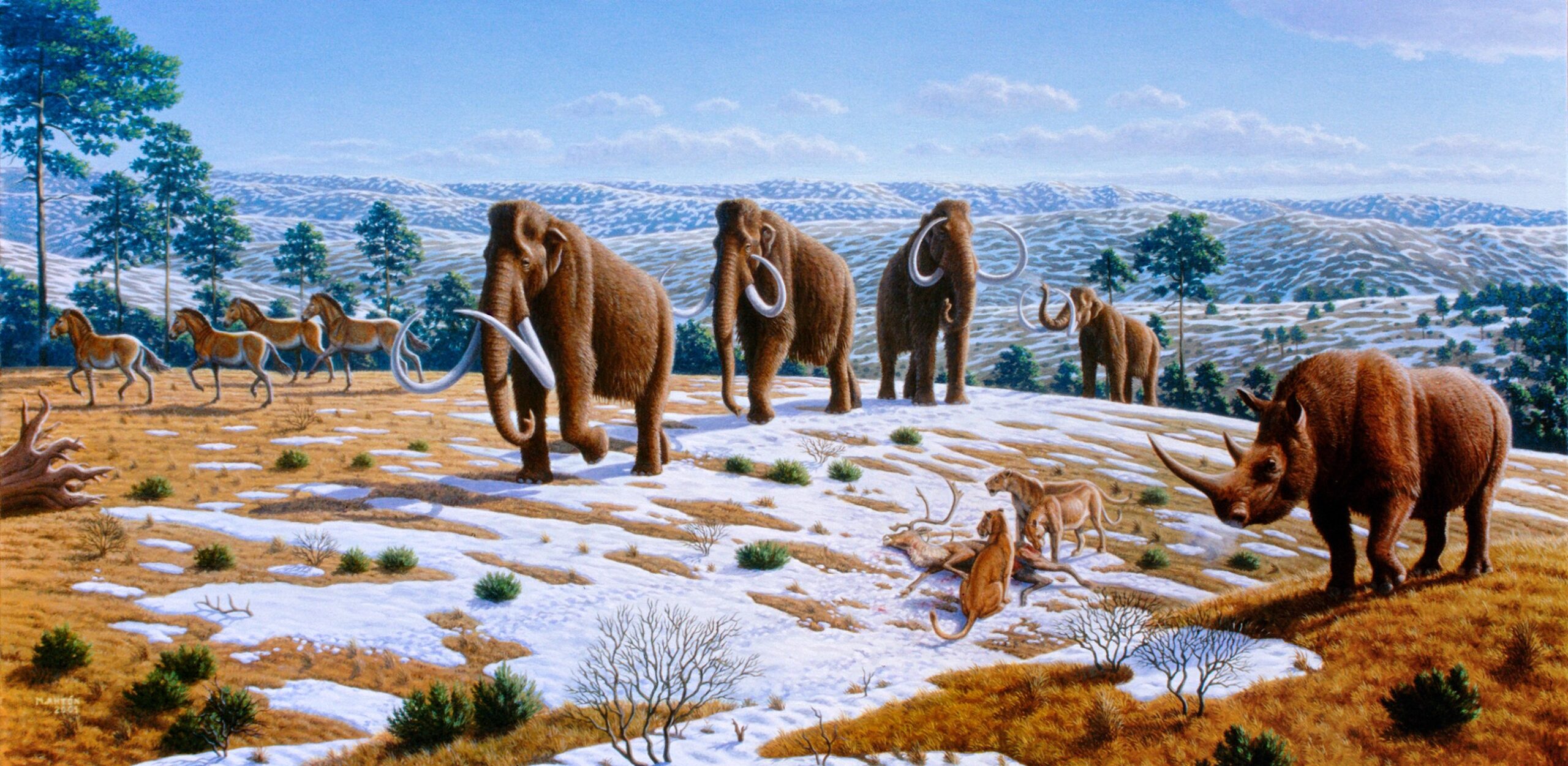
How mammals dealt with changes in climate remains a mystery, as after the asteroid hit, there were a few years of immediate cooling followed by a few thousand years of global warming where temperatures spiked by 5°C, then over the next 10 million years, temperatures dropped, although the baseline temperature was still much hotter than today.
Each of the concurrent plant and mammal bursts in diversity seemed to coincide with global warming. These mammals weren’t just surviving environmental chaos but thriving in it. Some mammals, like the woolly mammoths adapted to the cold by evolving very large size and thick fur. They proved that adaptability was their ultimate weapon against an unpredictable world.
The Dawn of Modern Groups
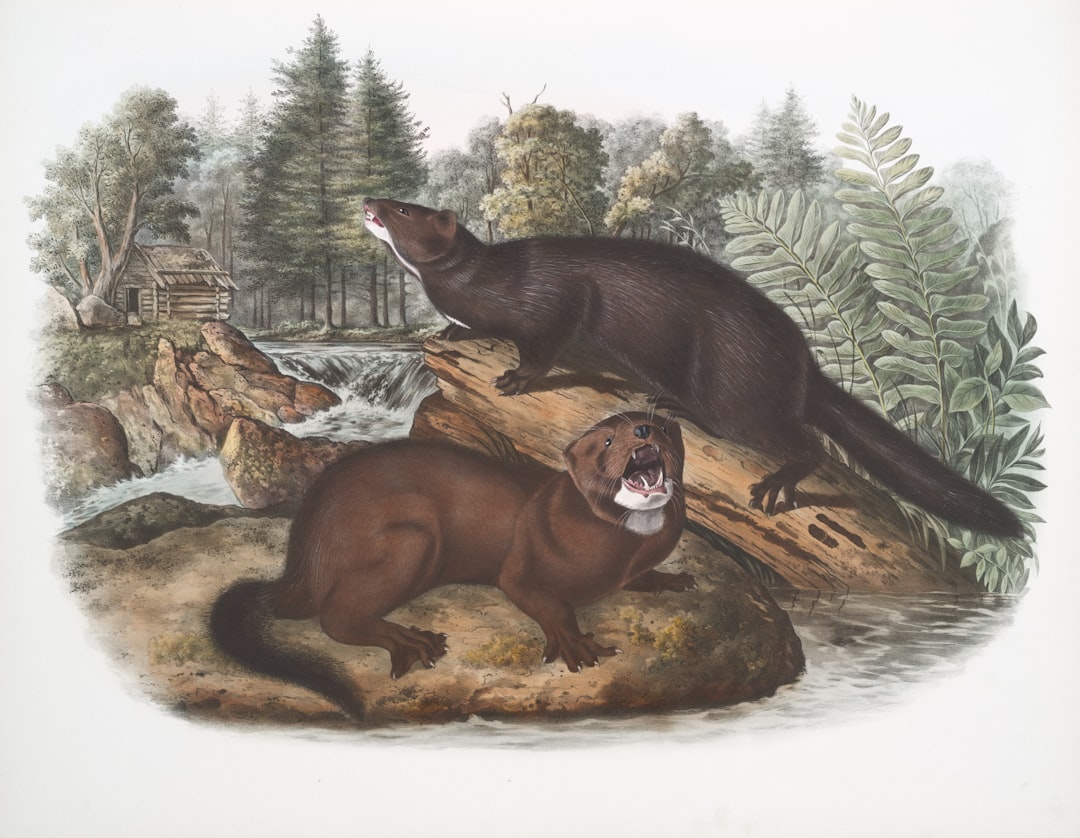
The epoch featured the rise of many crown placental groups that have living members in modern day, such as the earliest afrotherian, xenarthran, rodent, the forerunners of primates, earliest carnivorans, possible pangolins, possible forerunners of odd-toed ungulates, and eulipotyphlans. From only a few groups of small mammals in the late Cretaceous that lived in the undergrowth and hid from the dinosaurs, more than 20 orders of mammals evolved rapidly and were established by the early Eocene, with rates of speciation accelerating during the Paleocene and Eocene epochs.
After the massive extinction at the end of the Cretaceous, evolution once again proceeded rapidly, and with their dinosaur competitors gone, many new mammals evolved, including the first rodents, armadillos, primitive primates, and ancestors to modern mammalian carnivores. This was the biological equivalent of a gold rush, with mammals staking claims across every possible ecological niche.
The story of mammalian survival and triumph after the great extinction isn’t just about lucky breaks or passive endurance. These creatures actively fought back against catastrophe through rapid evolution, adaptive innovation, and ecological conquest. These evolutionary developments underscored mammals’ ability to exploit new opportunities and adapt to changing environments. From tiny underground survivors to the rulers of land, sea, and eventually sky, mammals proved that sometimes the meek really do inherit the Earth. What started as a fight for survival became the greatest comeback story in natural history. Did you expect that such small, seemingly insignificant creatures could mount such an extraordinary evolutionary revolution?