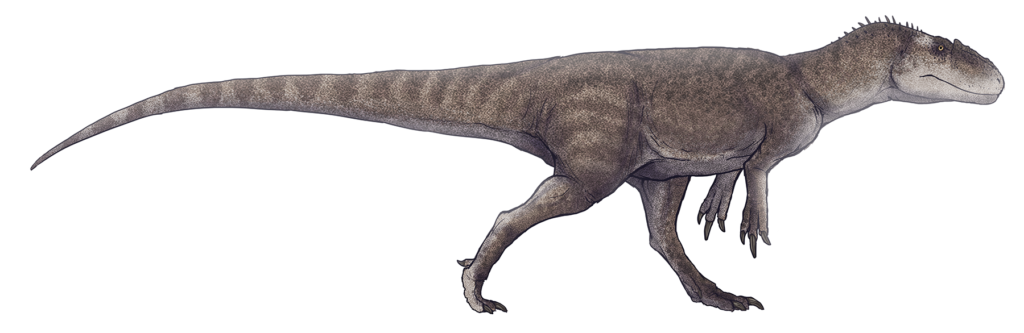
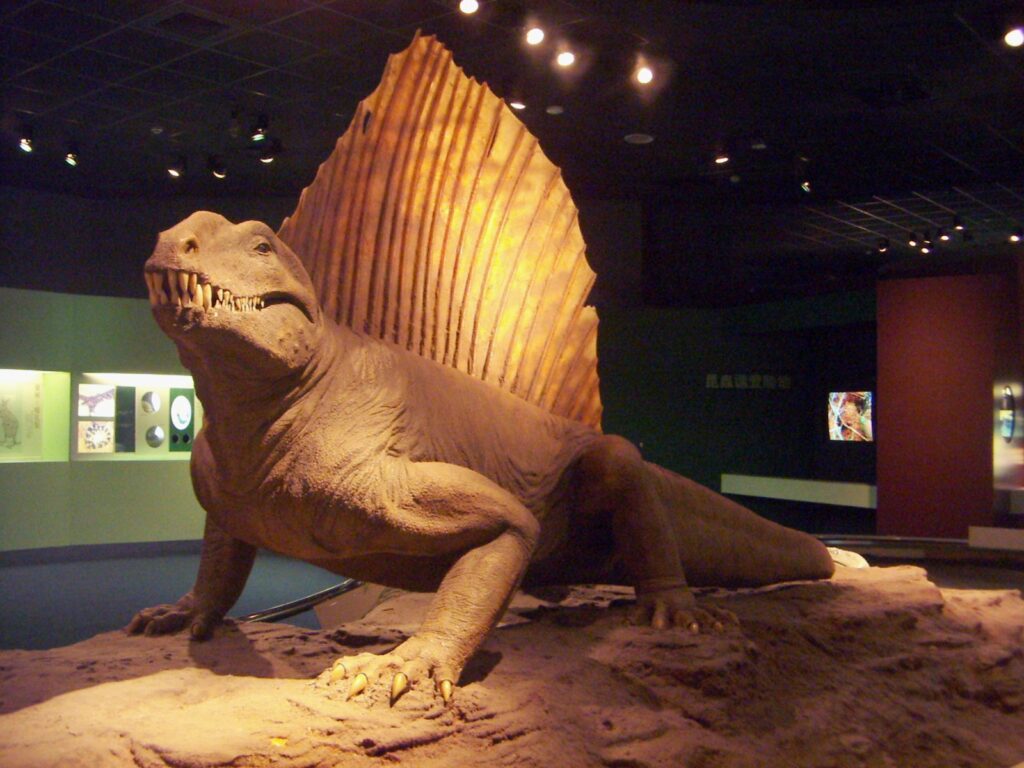
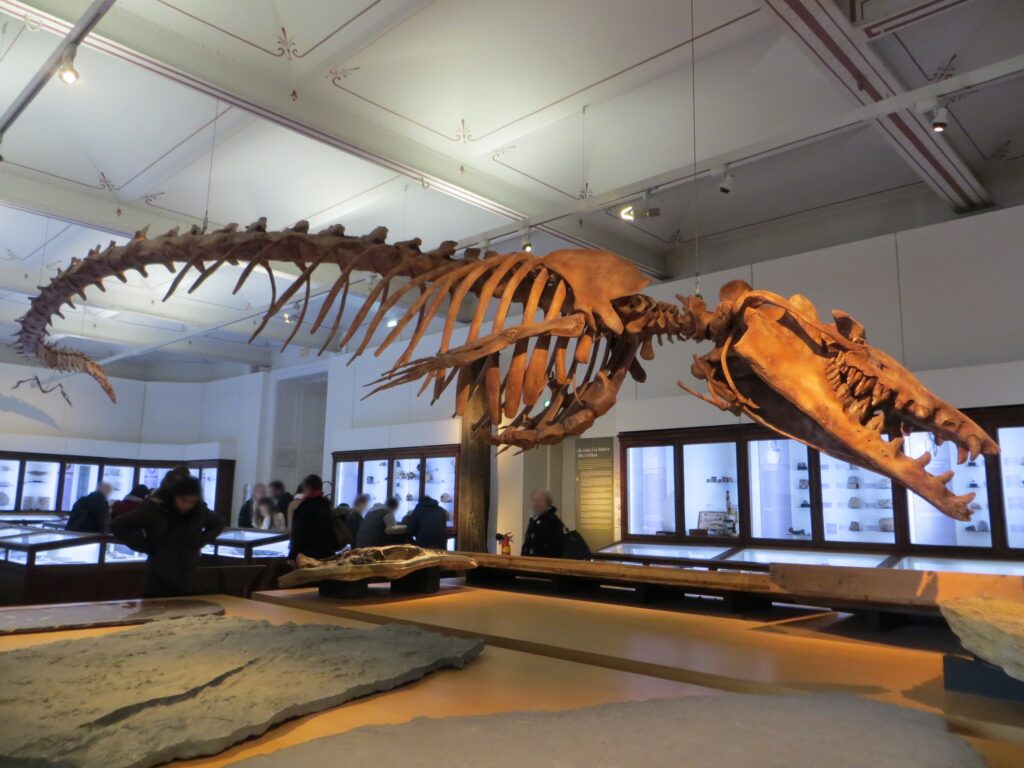
The boundary between dinosaurs and birds has become increasingly blurred over the past few decades. What was once considered a clear evolutionary divide has transformed into a fascinating continuum of feathered creatures that gradually conquered the air. The story of how dinosaurs evolved into the birds we know today represents one of evolution’s most remarkable transitions. Spanning millions of years, this journey from earth-bound reptiles to masters of flight changed our planet’s ecosystems forever and left us with over 10,000 bird species today. As we delve into the origins of avian life, we’ll explore the remarkable fossil evidence, evolutionary adaptations, and scientific discoveries that have revolutionized our understanding of birds’ dinosaurian ancestry.
The Mesozoic Revolution: When Dinosaurs Took Flight
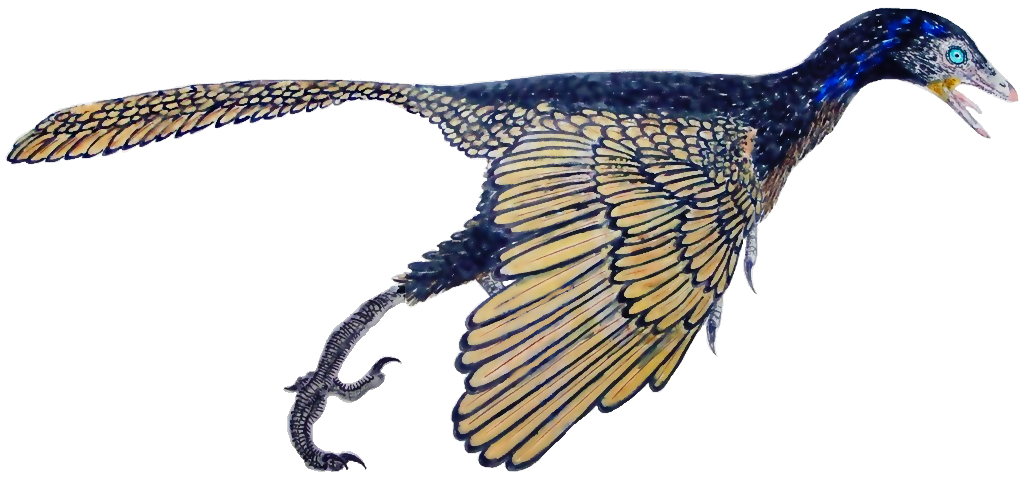
The evolution of flight in dinosaurs represents one of nature’s most profound innovations, occurring during the Mesozoic Era approximately 150-160 million years ago. During this transformative period, certain small theropod dinosaurs – primarily from the maniraptoran lineage – began developing features that would eventually enable their descendants to take to the skies. This wasn’t a sudden event but rather a gradual process spanning millions of years, with multiple lineages experimenting with various aerial adaptations. The Mesozoic revolution in flight capability wasn’t limited to a single evolutionary path, as we now know that different groups of dinosaurs independently evolved gliding and flying abilities. This critical transition occurred primarily during the Jurassic period, laying the foundation for the diverse avian species that would eventually populate every continent on Earth.
Archaeopteryx: The Iconic Missing Link
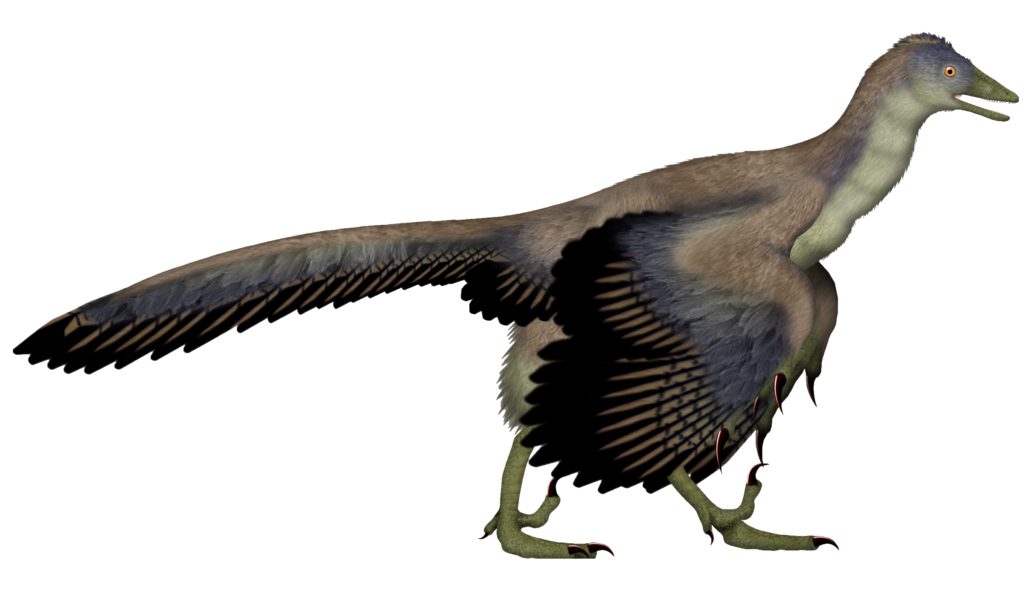
Discovered in 1861 in the Solnhofen limestone of southern Germany, Archaeopteryx remains one of paleontology’s most significant findings, often called the most important fossil ever discovered. Dating back approximately 150 million years to the Late Jurassic period, this crow-sized creature possessed an extraordinary combination of features: teeth, a long bony tail, and three-fingered hands like its dinosaurian ancestors, yet also displayed unmistakable bird characteristics including wings and feathers. Archaeopteryx specimens have been meticulously studied for over 150 years, with each new analysis revealing more about this creature’s unique position in evolutionary history. While once considered the first true bird, modern research has placed Archaeopteryx as just one of many feathered dinosaurs experimenting with flight capabilities, rather than sitting precisely at the dinosaur-bird transition point. Nevertheless, its discovery provided crucial early evidence supporting Darwin’s then-controversial theory of evolution, demonstrating that major new groups of organisms could evolve through gradual modifications of existing structures.
Feathers: Not Just for Flight

The evolution of feathers predates the emergence of flight by millions of years, contradicting earlier assumptions that feathers evolved specifically for aerial locomotion. Fossil evidence from China has revealed numerous non-flying dinosaurs with preserved feathers or feather-like structures, including species like Sinosauropteryx and Yutyrannus huali, the latter being a 30-foot tyrannosaur sporting primitive feathery coverings. These early feathers likely served multiple functions completely unrelated to flying, with thermoregulation being perhaps the most crucial, helping dinosaurs retain body heat or dissipate excess heat depending on the environment. Additionally, feathers would have provided valuable benefits for display during courtship rituals, creating striking visual patterns to attract mates, much as modern birds do today. Parental care represents another probable function, with feathers helping to shield eggs and hatchlings from environmental extremes and predators. The realization that feathers evolved first for these terrestrial advantages and were only later co-opted for flight has fundamentally reshaped our understanding of both dinosaur biology and the pathway toward avian evolution.
The Chinese Fossil Revolution: Jehol Biota
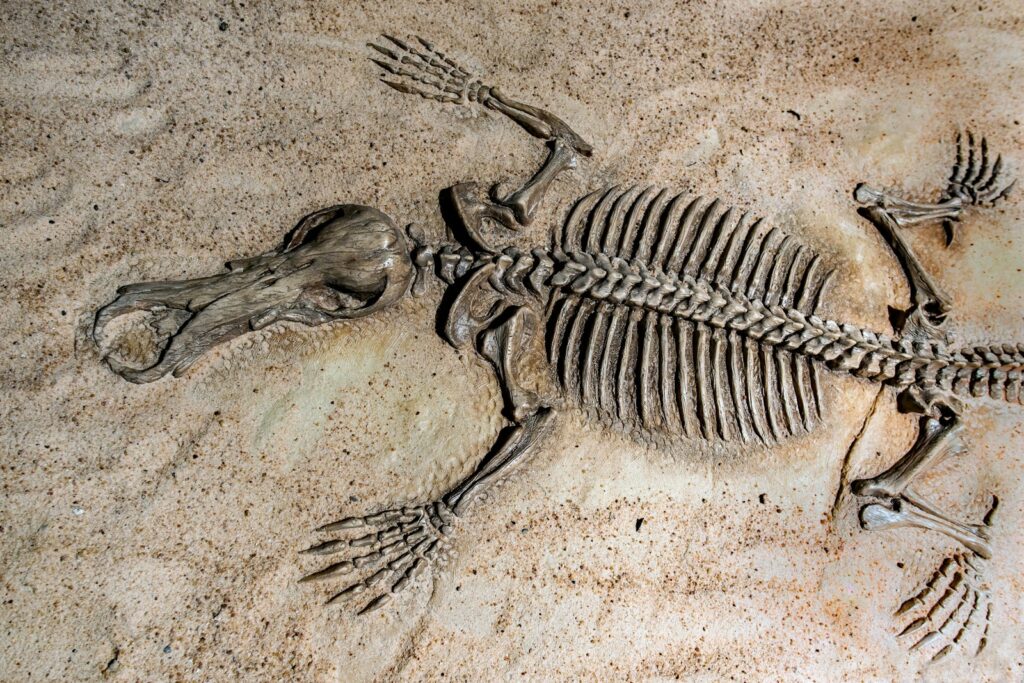
The discovery of the remarkably preserved Jehol Biota fossils in northeastern China’s Liaoning Province revolutionized our understanding of early bird evolution beginning in the 1990s. These exceptional deposits, dating primarily to the Early Cretaceous period, approximately 120-131 million years ago, preserve not just bones but also soft tissues, including feathers, skin impressions, and internal organs, due to unique volcanic conditions that rapidly buried organisms in fine-grained sediments. The Jehol Biota has yielded hundreds of feathered dinosaur specimens, including groundbreaking discoveries like Microraptor, Sinosauropteryx, and numerous early birds that fill crucial gaps in the dinosaur-to-bird transition. These fossils are so exquisitely preserved that scientists can determine the original coloration of some feathers by identifying the shapes of melanosomes (pigment-containing structures) under powerful microscopes. The sheer diversity of feathered creatures found in these deposits demonstrates that the Cretaceous skies and forests were filled with a much wider variety of flying and gliding creatures than previously imagined, completely transforming our picture of Mesozoic ecosystems.
The Four-Winged Wonder: Microraptor
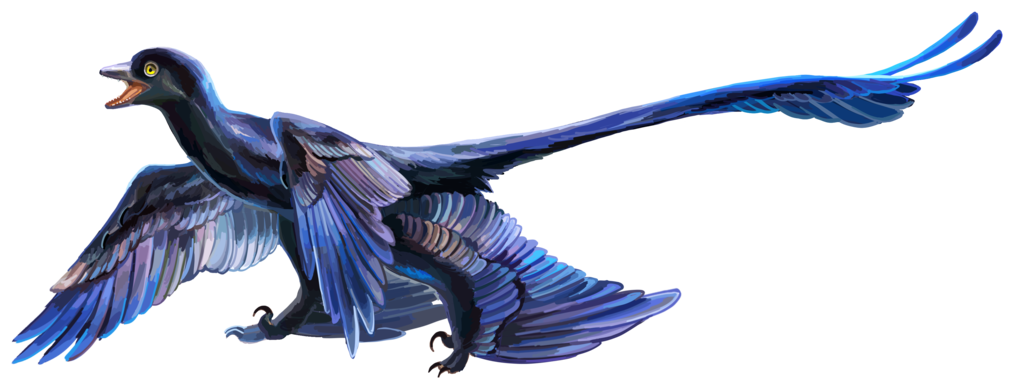
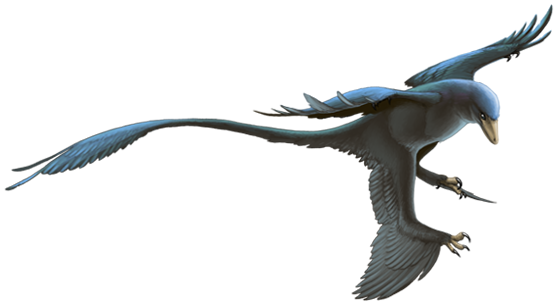
Discovered in the early 2000s in China’s Liaoning Province, Microraptor represents one of paleontology’s most astonishing finds – a small dinosaur possessing not just two but four wings. This crow-sized dromaeosaurid dinosaur lived approximately 120 million years ago and sported long pennaceous feathers not only on its arms but also on its legs, creating a unique four-winged configuration unlike anything alive today. Sophisticated analysis of Microraptor fossils indicates it was likely capable of gliding or even powered flight, with computer modeling suggesting it may have moved through the air somewhat like a biplane. The creature’s feathers contained melanosomes, indicating they were iridescent black, similar to the shimmering plumage seen in modern crows and ravens. Microraptor’s discovery challenged the traditional model of flight evolution, suggesting that a “four-winged” gliding phase may have preceded the development of the two-winged flight system seen in modern birds, though whether Microraptor represents a direct avian ancestor or an evolutionary side branch remains debated.
Skeleton Secrets: The Gradual Bird Transformation
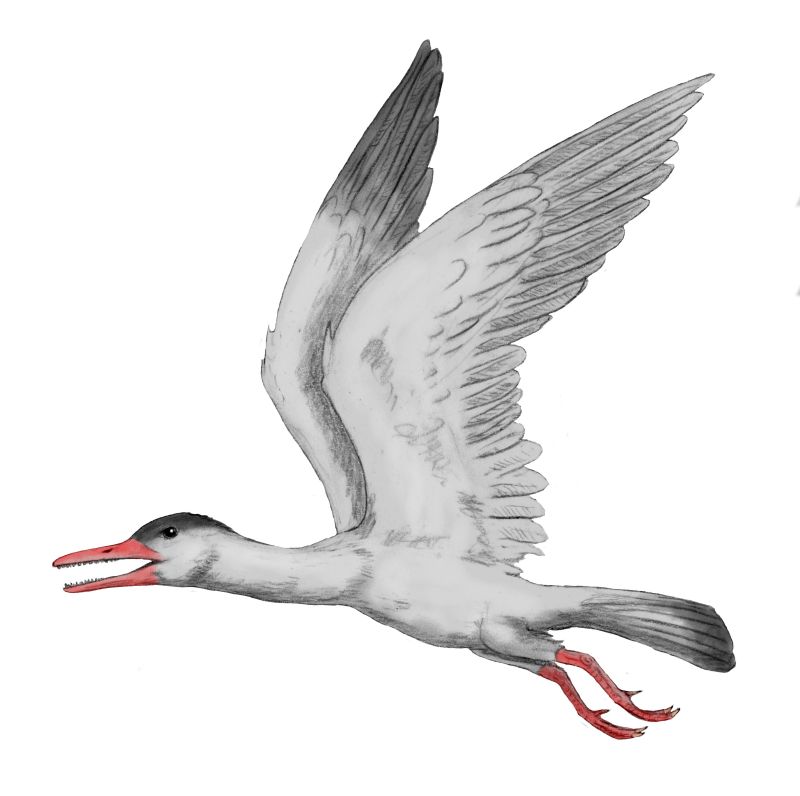
The transition from dinosaur to bird skeletons represents one of evolution’s most dramatic and well-documented transformations, occurring through incremental changes over millions of years. Modern birds possess highly specialized skeletal features, including hollow, pneumatic bones that reduce weight while maintaining strength; a keeled sternum (breastbone) that anchors powerful flight muscles; and a unique wrist joint that allows the wing-folding necessary for efficient flight. Fossil evidence reveals how these features evolved gradually, with early avialans like Archaeopteryx possessing only some of these adaptations, while later forms like Confuciusornis and Ichthyornis show progressively more bird-like characteristics. The fusion of vertebrae into a pygostyle (the stub-like tail structure in modern birds) represents another crucial adaptation, replacing the long bony tails of non-avian dinosaurs and early birds with a compact anchor point for tail feathers. Perhaps most remarkably, even distinctly “bird-like” skeletal features such as the wishbone (fused clavicles) have been found in clearly non-flying dinosaurs, demonstrating that many supposedly flight-related adaptations evolved first for entirely different functions before being repurposed for aerial locomotion.
Miniaturization: The Small Path to the Skies
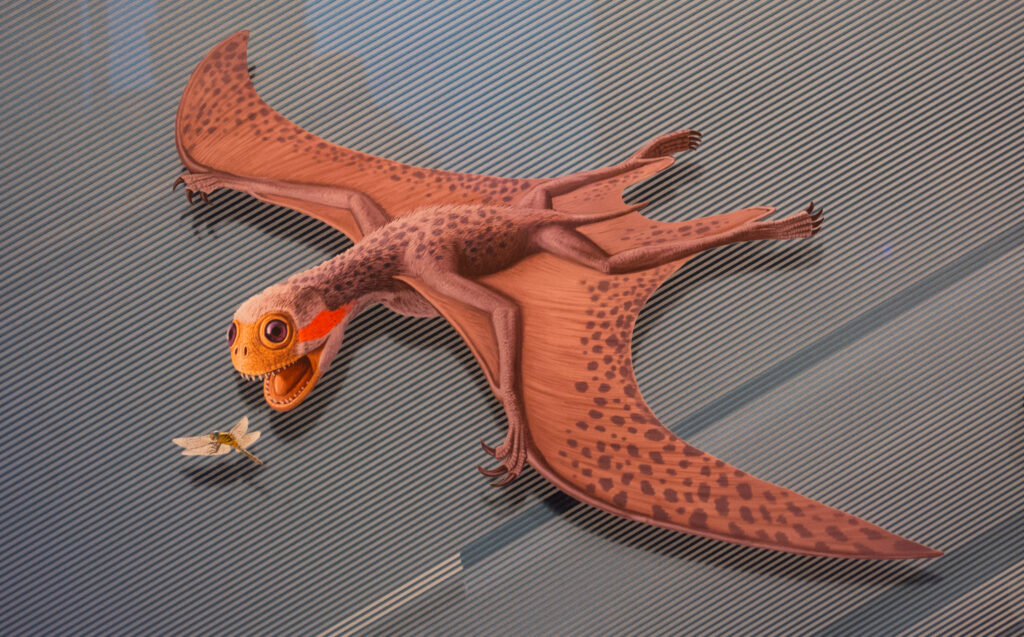
The evolutionary pathway from dinosaurs to birds involved a dramatic reduction in body size, with research showing that the theropod lineage leading to birds underwent consistent miniaturization over approximately 50 million years. This sustained size reduction proved crucial for flight evolution, as smaller animals require less power to become airborne and can more effectively utilize primitive wings for lift generation. Analysis of fossils along the dinosaur-bird transition reveals that the maniraptoran dinosaurs most closely related to birds experienced among the fastest rates of miniaturization in dinosaur evolutionary history. This reduction wasn’t just in overall size but also involved proportional changes, with these dinosaurs evolving proportionally larger brains, eyes, and sensory capabilities relative to their body size. Interestingly, this miniaturization trend began long before flight capabilities evolved, suggesting that the selective pressures driving smaller body sizes initially related to other advantages such as exploiting new ecological niches or enhanced predator avoidance. The evolutionary experiment with smaller theropod body sizes ultimately created creatures perfectly poised to exploit aerial environments once proto-wings and feathers became sufficiently advanced.
Flight Experiments: Different Ways to Take Wing
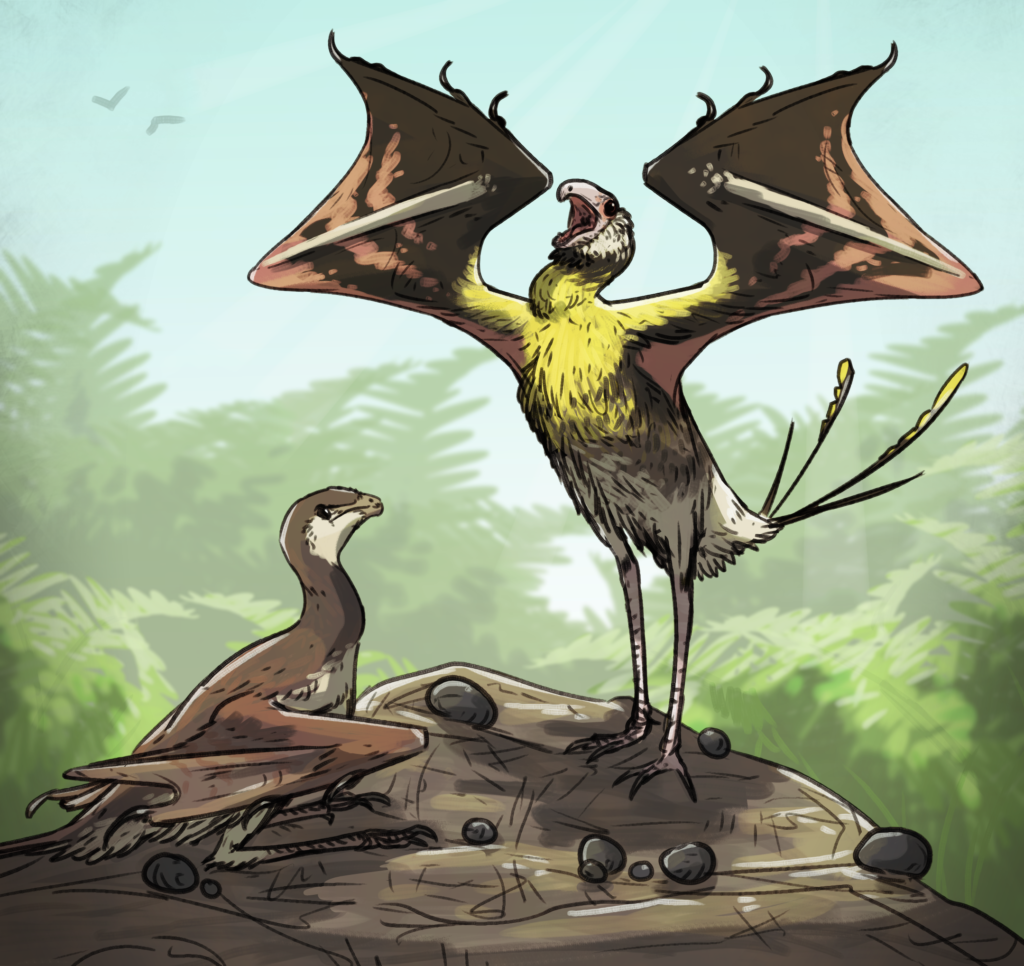
The evolution of avian flight wasn’t a single, linear progression but rather involved multiple experimental approaches by different dinosaur lineages. Paleontologists have identified several distinct flight strategies among early avialans and their close relatives, including the tree-down gliding seen in creatures like Microraptor and Yi qi, which likely launched from elevated positions using gravity to initiate their aerial journeys. In contrast, other species may have employed a ground-up approach, using powerful running starts and wing-assisted incline running to become airborne, similar to how modern ground birds like pheasants take flight. Some Cretaceous birds like Confuciusornis developed asymmetrical flight feathers similar to modern birds, indicating more sophisticated aerodynamic capabilities, while others retained more primitive symmetrical feathers suitable only for basic gliding. The bizarre scansoriopterygid Yi qi even evolved an entirely different flight apparatus using a bat-like membrane stretched between elongated fingers and the body, demonstrating that dinosaurs experimented with multiple flight solutions beyond the feathered wings that eventually became dominant. This diversity of approaches reveals that the conquest of the air represented an evolutionary frontier that multiple dinosaur lineages independently attempted to exploit, though only one lineage ultimately gave rise to modern birds.
Breathing Revolution: The Air Sac System
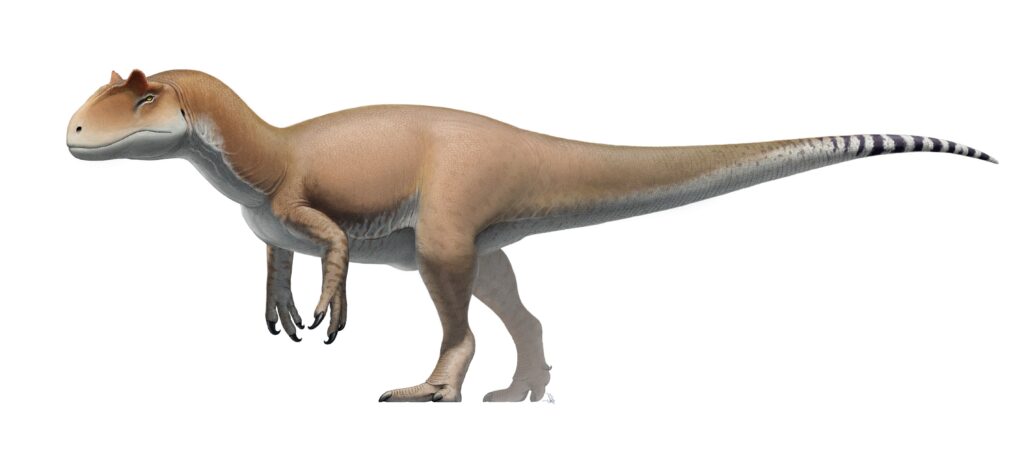
The highly efficient respiratory system of modern birds represents one of their most crucial adaptations for flight, and fossil evidence indicates this system evolved gradually from their dinosaurian ancestors. Unlike mammals, which use a tidal breathing system where air flows in and out through the same pathway, birds possess a unidirectional air flow system with multiple air sacs that ensure oxygen-rich air continuously passes through their lungs even during exhalation. Examination of vertebral and rib structures in theropod dinosaurs has revealed pneumatic features – hollowed bones with connections to the respiratory system – indicating that the precursors to bird-like air sacs existed in non-avian dinosaurs long before flight evolved. This advanced respiratory system provides birds with exceptional oxygen extraction efficiency, supplying the high metabolic demands of powered flight while also functioning as an effective cooling mechanism during intense exertion. The presence of similar pneumatic features in dinosaurs like Allosaurus and Aerosteon suggests these creatures also possessed highly efficient respiratory systems, though likely less complex than those of modern birds, representing intermediate evolutionary stages in this remarkable adaptation.
The Cretaceous Radiation: Explosion of Early Bird Diversity
The Cretaceous period witnessed an extraordinary proliferation of avian diversity, with numerous lineages of early birds exploring different ecological niches and flight adaptations. Remarkable fossils from this time include Confuciusornis, a crow-sized bird with a toothless beak and long display feathers that lived approximately 125 million years ago, representing one of the earliest birds to develop a beak instead of toothed jaws. The diving bird Hesperornis evolved into a flightless aquatic specialist with paddle-like hindlimbs, demonstrating how early birds were already adapting to specialized ecological roles. Perhaps most significant were the enantiornithines or “opposite birds,” a diverse group that dominated Cretaceous skies worldwide and possessed a shoulder structure different from modern birds, yet achieved remarkable flying capabilities and ecological diversity. These Cretaceous birds experimented with numerous adaptations, including different beak shapes, varying wing configurations, and specialized foot structures for different perching and hunting techniques. This radiation created a bird-dominated aerial ecosystem far more diverse than previously imagined, though tragically, most of these lineages perished during the end-Cretaceous mass extinction event, leaving only the neornithine lineage – the ancestors of all living birds – to survive and diversify in the aftermath.
Surviving the Apocalypse: How Birds Made It Through

The catastrophic asteroid impact that triggered the mass extinction at the end of the Cretaceous period, approximately 66 million years ago, eradicated approximately 75% of all species on Earth, including all non-avian dinosaurs. However, certain avian dinosaurs – the ancestors of modern birds – somehow survived this planetary catastrophe when their larger relatives perished. Research suggests that several factors may have contributed to birds’ remarkable survival, including their generally smaller body sizes, which required less food to sustain; their seed-eating capabilities, which provided access to dormant plant resources that could survive in the post-impact darkness; and their capacity for powered flight, which allowed mobility to escape the worst-affected regions. Genetic studies of modern birds suggest that the surviving lineages may have been ground-dwelling birds rather than tree-dwelling species, as the global fires following the impact would have destroyed forest habitats worldwide. The extinction event essentially reset avian evolution, eliminating numerous specialized Cretaceous bird groups but creating ecological opportunities that allowed the surviving lineages to diversify rapidly into the thousands of bird species that fill our skies today.
Modern Birds: Living Dinosaurs Among Us
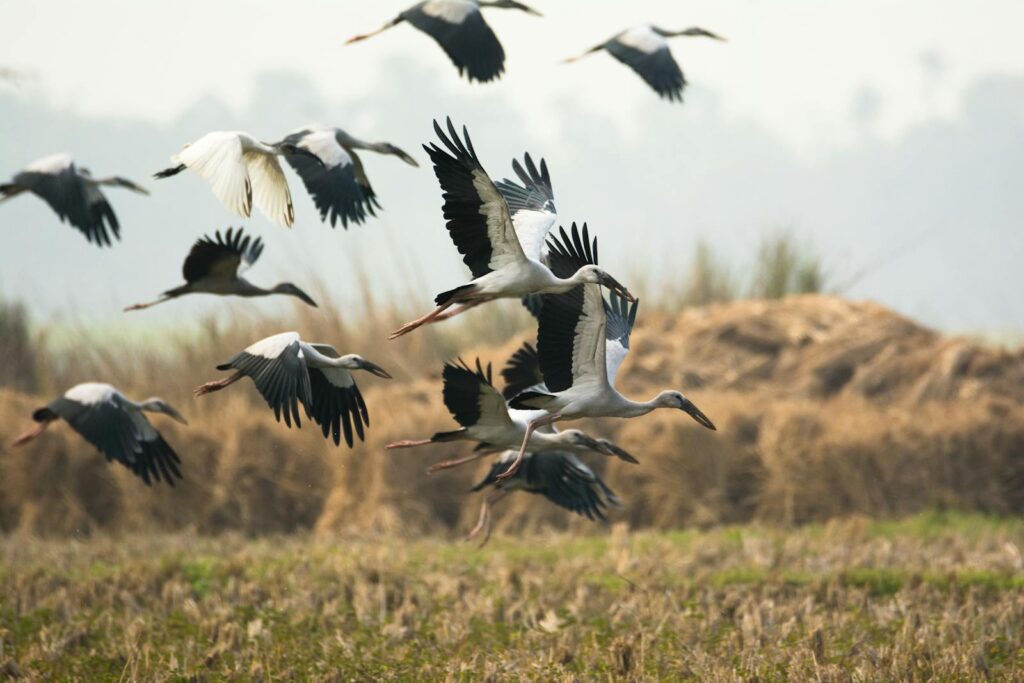
The scientific consensus is now overwhelming – birds are not merely descended from dinosaurs; they are dinosaurs, specifically highly specialized avian theropods that survived the Cretaceous-Paleogene extinction event. Modern birds retain numerous dinosaurian characteristics despite 66 million years of subsequent evolution, including scaled feet, laying amniotic eggs, and building nests. On a deeper physiological level, birds share with their dinosaur ancestors specialized features like air-filled pneumatic bones, unique growth patterns visible in bone microstructure, and distinctive reproductive biology. The behaviors we admire in birds today, from the elaborate courtship displays of birds of paradise to the parental care demonstrated by penguins, likely evolved from similar behaviors in their dinosaurian ancestors. Even seemingly bird-specific features like feather-preening and dust-bathing behaviors have their roots in dinosaur ancestry, as evidenced by specialized dinosaur fossils preserved in brooding positions atop nests. This realization transforms our perception of both extinct dinosaurs and living birds – when we watch chickens scratching for food or hawks soaring overhead, we’re observing the modern manifestations of a lineage that has continuously evolved for over 230 million years, making birds the most successful dinosaur group that ever lived.
The Evolutionary Leap from Dinosaurs to Modern Birds
The story of how dinosaurs evolved into birds represents one of the most fascinating and well-documented evolutionary transitions in Earth’s history. From the development of feathers for insulation and display to the gradual refinement of flight capabilities, the fossil record provides remarkable evidence of incremental adaptations that transformed ground-dwelling reptiles into the masters of the sky. Through exceptional fossil discoveries, advanced research techniques, and interdisciplinary approaches, scientists have pieced together this extraordinary evolutionary narrative. Birds today – from hummingbirds to ostriches – carry the legacy of their dinosaurian ancestry in every aspect of their biology. They stand as a living testament to evolution’s power to transform organisms radically over time while preserving fundamental connections to their ancestors. As we continue to discover new fossils and develop more sophisticated analytical techniques, our understanding of this remarkable transition will only deepen, further illuminating one of nature’s most incredible evolutionary journeys.