Ever notice how some people seem to feel everything around them, like they’re tuned into an emotional frequency the rest of us barely register? You might be witnessing a Pisces navigating the world with a heart wide open, absorbing the joy and pain of everyone they encounter. It’s a beautiful gift, honestly. Yet this same sensitivity can become their greatest challenge, creating a delicate dance between genuinely caring for others and losing themselves completely in the process.
Their capacity to feel others’ emotions as their own is remarkable, but can lead to emotional overwhelm. When you’re constantly swimming in the feelings of friends, family, and even strangers, where does your own emotional identity begin? Let’s explore this fascinating paradox that defines so many born under this water sign.
The Empathic Nature That Defines Pisces

You possess a remarkable capacity to sense the emotions and experiences of others, often to the point of absorbing them as your own. This isn’t just about understanding someone’s perspective. When your friend cries, you genuinely feel their sadness washing over you like a wave.
If you see tears, you’ll likely cry too, and sensing hurt in someone’s voice will sadden you as well. This level of connection makes you the friend everyone turns to during a crisis. Your empathy becomes a lifeline for those struggling, yet it simultaneously drains your emotional reserves in ways that are hard to explain to people who don’t experience the world this intensely.
When Empathy Blurs Into Codependency

Your sense of self can become so enmeshed with others’ feelings and needs that you lose track of your own. Think of it like this: imagine you’re carrying your own backpack through life, but every person you meet adds their emotional baggage to your load. Eventually, you’re weighed down by burdens that were never meant to be yours.
You easily slip into the role of emotional caretaker, becoming so preoccupied with other people’s emotional storms that you forget you have your own to navigate. I’ve seen this pattern destroy relationships from the inside out. You give and give until there’s nothing left, then wonder why you feel empty and resentful.
The Disappearing Act: Why Pisces Escape

Your reputation for escapism stems from using it to cope with intense sensitivity and overwhelming emotions. Here’s the thing people don’t always understand: sometimes retreating isn’t weakness. You’re so attuned to everyone’s emotional broadcast that after absorbing all that sadness, joy, anger, or stress, the only way to survive is to retreat.
This tendency can manifest in various ways, from indulging in substance abuse to immersing yourself in elaborate fantasies, music, or altered states. The lure of escape becomes a temporary shield against stimuli your sensitive system finds unbearable. Whether it’s binge-watching an entire series, losing yourself in creative projects, or simply daydreaming for hours, you’re desperately trying to unplug from the emotional noise surrounding you.
The Dangerous Side of Escaping Reality

The allure of escapism can be a double-edged sword, and if left unchecked, can lead to disconnection from reality. Let’s be real: what starts as self-preservation can quickly spiral into avoidance. You might find yourself creating elaborate fantasy worlds where problems don’t exist, relationships are perfect, and you never have to confront uncomfortable truths.
When faced with harsh realities of the material world, you may retreat into fantasy realms or engage in addictive behaviors, drawn to substances, daydreaming, or immersive entertainment to temporarily alleviate everyday burdens. This pattern doesn’t just affect you. It impacts everyone who relies on you, loves you, or needs you to show up as your authentic self rather than a ghostly version disappearing whenever life gets tough.
Where You End and Others Begin

When the borders between yourself and others become too porous, it’s easy to lose your sense of where you end and the world begins, swept away by the tides of the collective. Imagine trying to hold water in your hands. That’s what maintaining your identity feels like when you lack boundaries.
Neptune erases the line between self and other, making it genuinely difficult for you to know where you end and someone else begins. This isn’t poetic language. It’s your daily reality. You walk into a room feeling fine, then leave feeling anxious, sad, or angry without understanding these emotions aren’t even yours. Your instinct to prioritize others often comes at the expense of your own well-being, leading you to neglect your own needs, desires, and emotional health.
Building Boundaries Without Losing Your Gift
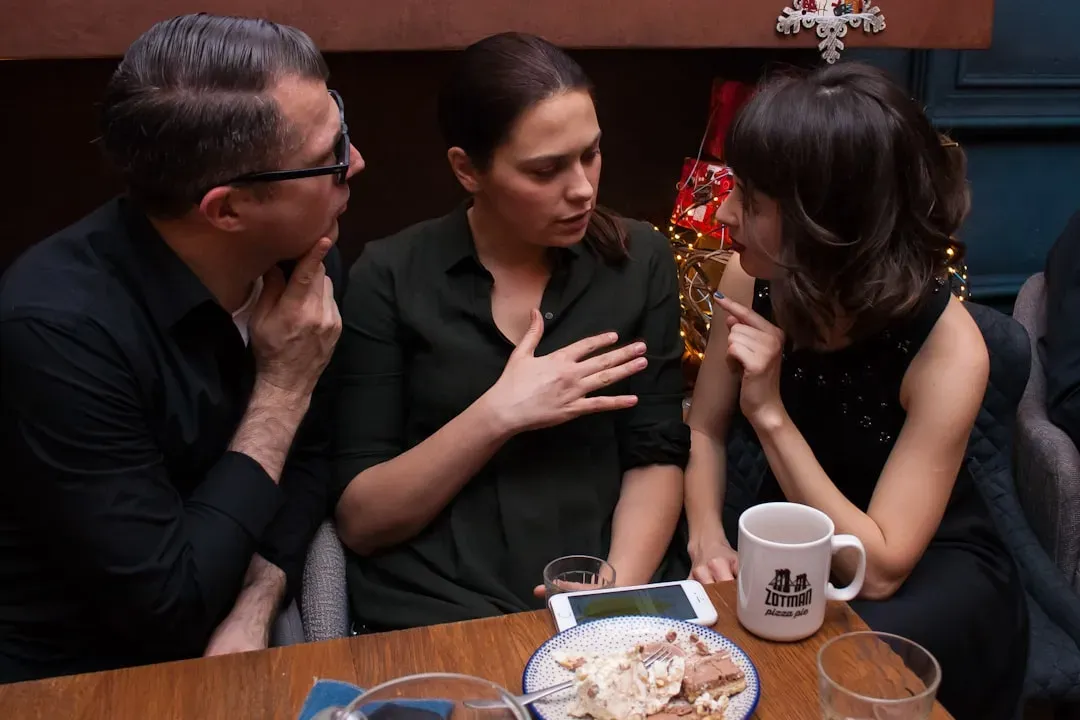
For you, the journey to emotional health begins with boundaries, though for a sign that exists to dissolve borders, setting firm limits feels counterintuitive, even unnatural. I know what you’re thinking: won’t boundaries make you cold or disconnected? Absolutely not. Think of boundaries as the banks of a river, not walls that stop the water, but guides that give it direction and purpose.
Establish clear boundaries around emotional responsibility by telling others you care about their feelings but can’t be responsible for managing them. This creates relationships where both people have feelings without one person’s emotions holding the other hostage. You’re not abandoning your empathic nature. You’re channeling it in healthier, more sustainable ways that honor both yourself and others.
Self-Preservation Versus Self-Abandonment

Escapism isn’t a sign of avoidance but rather a means of self-preservation, and you’re more than capable of facing reality and taking on responsibilities when necessary. The key distinction lies in awareness. Are you temporarily stepping back to recharge, or are you chronically avoiding situations that require your presence and engagement?
When you’re not emotionally balanced, you may ignore your own needs, escape into fantasy, or stay in relationships that aren’t good for you. Self-abandonment happens when escape becomes your default response to discomfort rather than an occasional necessity. You deserve to take breaks without guilt, but you also deserve to show up for your own life fully present and engaged.
Transforming Sensitivity Into Your Superpower

Your intuitive, feeling-oriented nature is precisely what accelerates healing, not what holds you back. What if I told you the very trait that sometimes feels like a curse could become your greatest strength? Your sensitivity isn’t a weakness but the very quality that will ultimately allow you to love more deeply and authentically in the future.
The same openness that makes you vulnerable to taking on other people’s energies can be managed by finding ways to handle your sensitivity and maintaining balance between empathy and self-care. Creative expression, grounding practices, spending time in nature, and conscious emotional processing transform your empathy from a liability into an incredible asset. You can be deeply feeling without being overwhelmed, compassionate without being consumed.
Conclusion
Walking isn’t easy, especially when your heart naturally opens to everyone’s pain and joy. The truth is, you don’t have to choose between caring for others and caring for yourself. Your empathic gifts are valuable precisely because they’re rare, but they require conscious cultivation and protective boundaries to flourish without depleting you.
Remember that saying no, taking time alone, and prioritizing your emotional needs doesn’t diminish your compassionate nature. It strengthens it. When you fill your own cup first, you have so much more to offer from a place of genuine abundance rather than exhausted obligation. Your sensitivity is a superpower that deserves to be honored, protected, and channeled intentionally. What boundaries might you need to set today to honor both your empathic nature and your own wellbeing?