
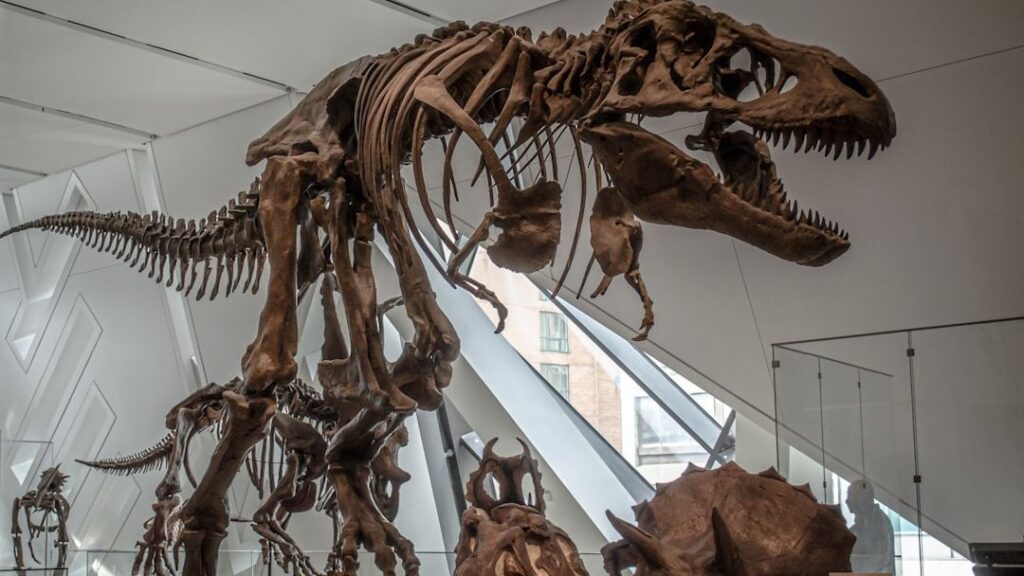
Have you ever wondered where most of America’s dinosaur treasures actually come from? While we all grew up watching Jurassic Park and visiting museums filled with massive skeletons, few of us stop to think about which corners of this country have been hiding these ancient secrets beneath the surface. It turns out, not all states are created equal when it comes to prehistoric riches. Some regions hold more fossilized remnants of the Mesozoic era than entire countries, while others have virtually nothing at all.
The western United States, particularly a handful of states, has become synonymous with dinosaur discovery. If you’re planning a fossil-hunting adventure or simply curious about where science has unearthed the most remarkable specimens, you’re in for a surprise. Let’s dig in and uncover which states reign supreme.
California Takes the Crown
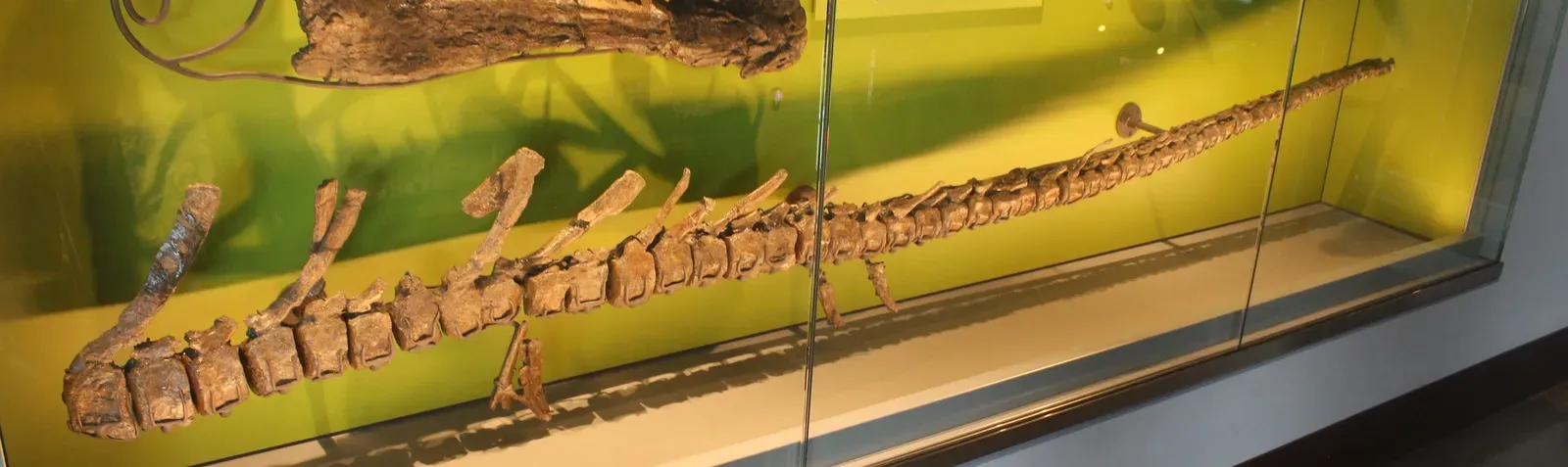
California leads the nation with nearly two thousand total fossils recorded in the Paleobiology Database, a fact that might surprise those who associate dinosaurs primarily with inland deserts. The Golden State’s diverse geological history, spanning coastal areas to inland valleys, has created ideal conditions for fossil preservation over millions of years. Only two known fossils from Augustynolophus, a duck-billed plant-eater, were discovered near Fresno around 1940, becoming California’s state dinosaur in 2017.
What makes California particularly fascinating is the sheer variety of ancient life found there. More than 100 digs have been performed in the La Brea Tar Pits, including one to install a parking garage in 2006 that uncovered a nearly full Columbian mammoth. The Natural History Museum of Los Angeles County houses hundreds of fossils, providing visitors with a window into the state’s prehistoric past that extends far beyond the age of dinosaurs alone.
Wyoming’s Fossil-Rich Landscape
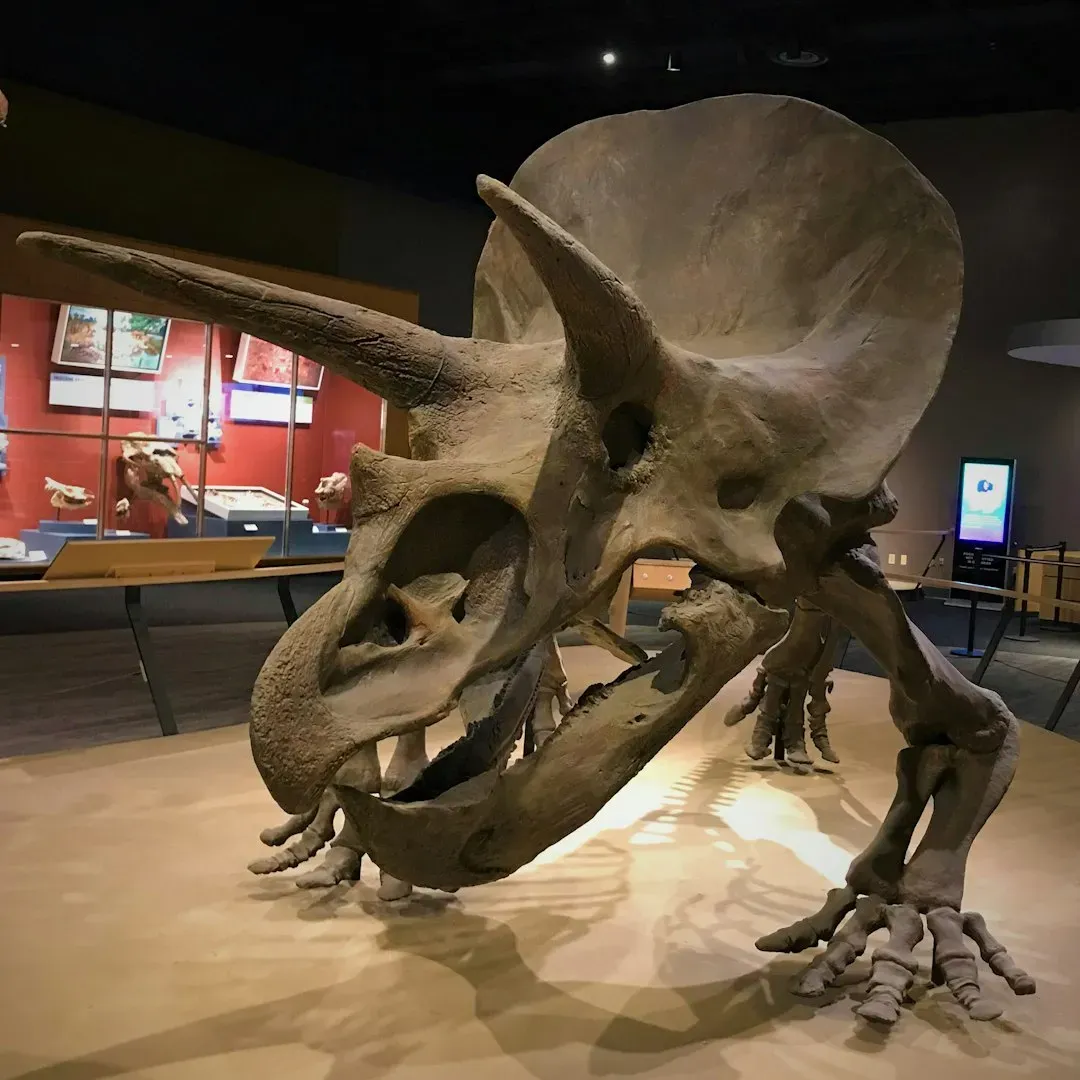
In Wyoming, scientists have unearthed over 1,000 fossilized remains, making this state the second most popular spot in the United States for finding dinosaurs. The landscape here reads like a paleontologist’s dream come true. Author Marian Murray noted in 1974 that any great museum will send its representatives to Wyoming as often as possible, and nearly every major vertebrate paleontologist in United States history has collected fossils in Wyoming.
The Bighorn Basin alone deserves special mention. For almost the last 500 million years, almost without interruption, rivers or oceans covered this area, creating perfect conditions for fossilization. Big Al and Big Al Two, both discovered at Bighorn Basin’s Howe Quarry in the 1990s, are two of the most complete Allosaurus dinosaur skeletons ever found in North America. One paleontologist even joked about being tired of finding Triceratops fossils because they’re so abundant in the region.
Montana’s Treasure Trove
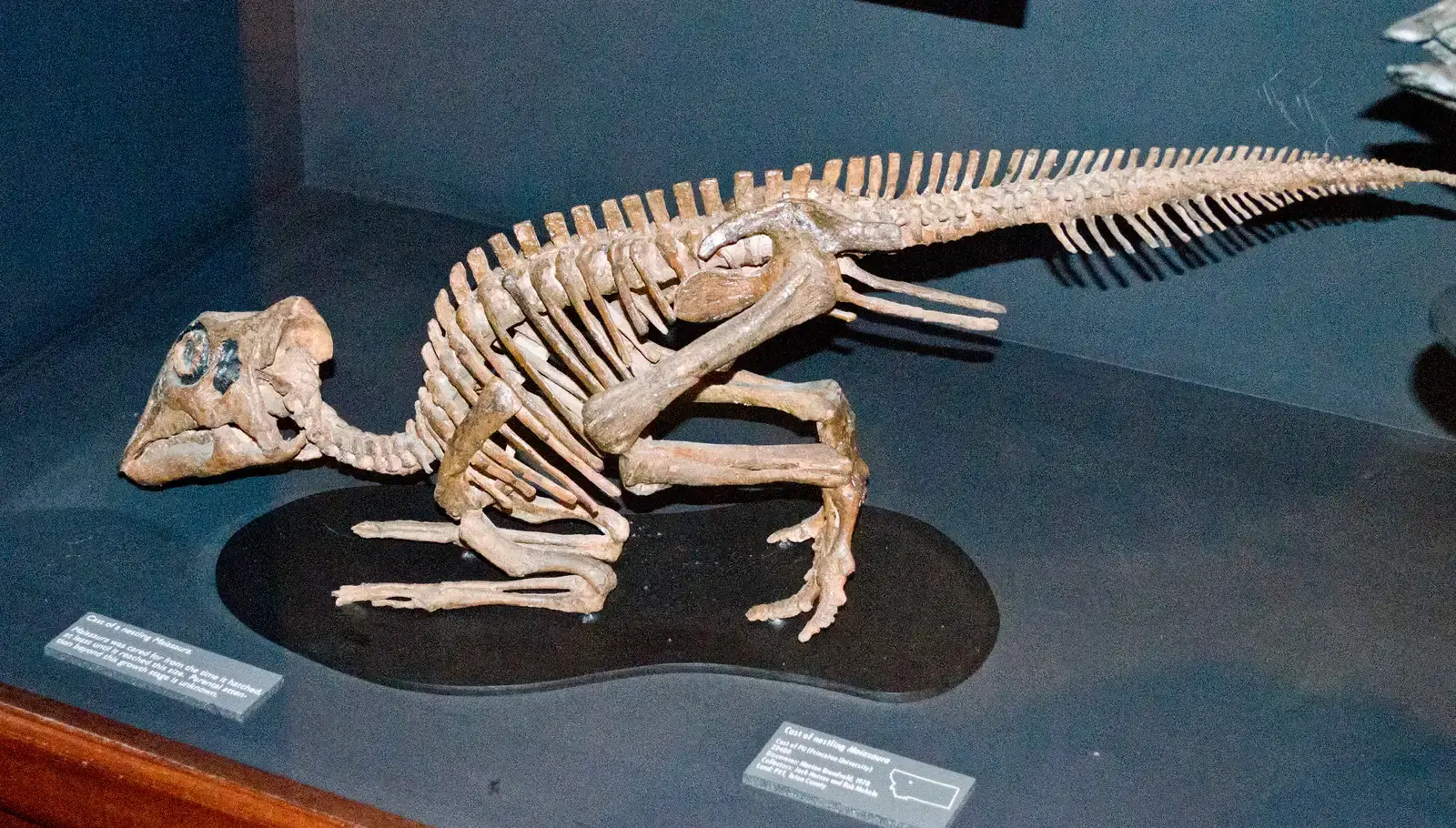
In Montana, paleontologists have dug up bones belonging to at least 75 dinosaur species that once lived in the region, and scientists have found over 909 fossils. Let’s be real, Montana has earned its reputation as one of the premier dinosaur destinations in the world. The Maiasaura peeblesorum is Montana’s state dinosaur, a species that formed massive nesting colonies during the Late Cretaceous period.
Montana is privileged to host some of the richest dinosaur fossils, and the state boasts some of the most important discoveries and renowned paleontologists. The Montana Dinosaur Trail connects fourteen locations across the state, from the Montana Dinosaur Center in Bynum to the Carter County Museum in Ekalaka. What’s remarkable is that new discoveries continue to emerge from Montana’s badlands, revealing creatures that walked the earth tens of millions of years ago alongside some of the most famous dinosaurs ever named.
New Mexico’s Ancient Giants
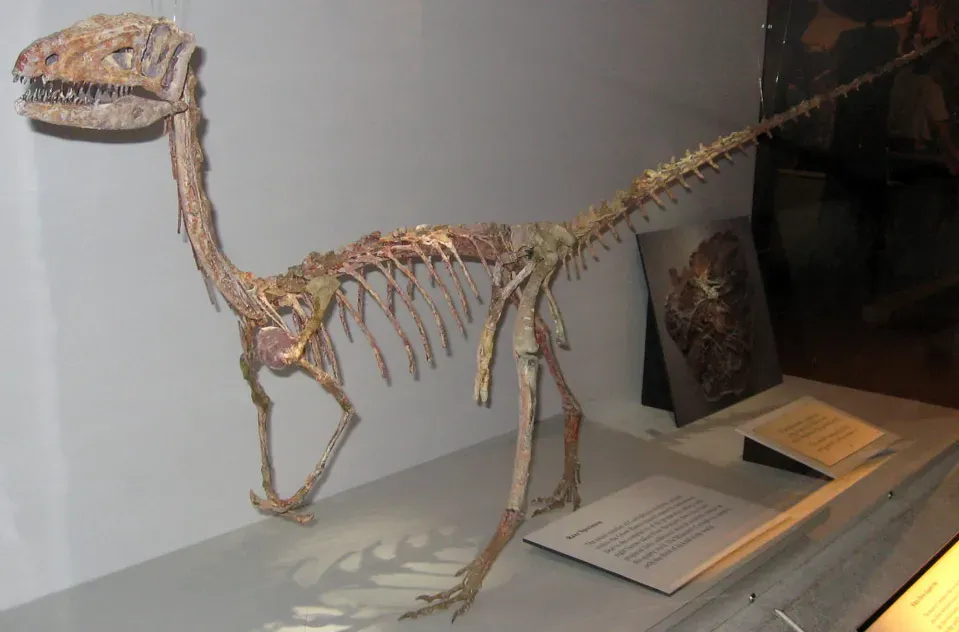
New Mexico ranks fourth nationally with 935 total fossils recorded in the Paleobiology Database, but what it lacks in quantity compared to its neighbors, it makes up for in quality and historical significance. The early meat-eating dinosaur Coelophysis is New Mexico’s Official State Fossil, known from hundreds of exquisitely preserved skeletons found in 1947 at Ghost Ranch in Rio Arriba County.
Recent years have brought exciting new discoveries. Researchers named Ahshiselsaurus wimani, a newly discovered dinosaur that lived around 75 million years ago and may have weighed more than nine tons. Scientists identified a newly discovered subspecies of Tyrannosaur known as Tyrannosaurus mcraeensis, and researchers now believe that the apex predators lived in what’s now the southern United States at least 72 million years ago. These findings continue to reshape our understanding of when and where these massive predators roamed North America.
Colorado’s Historic Discoveries
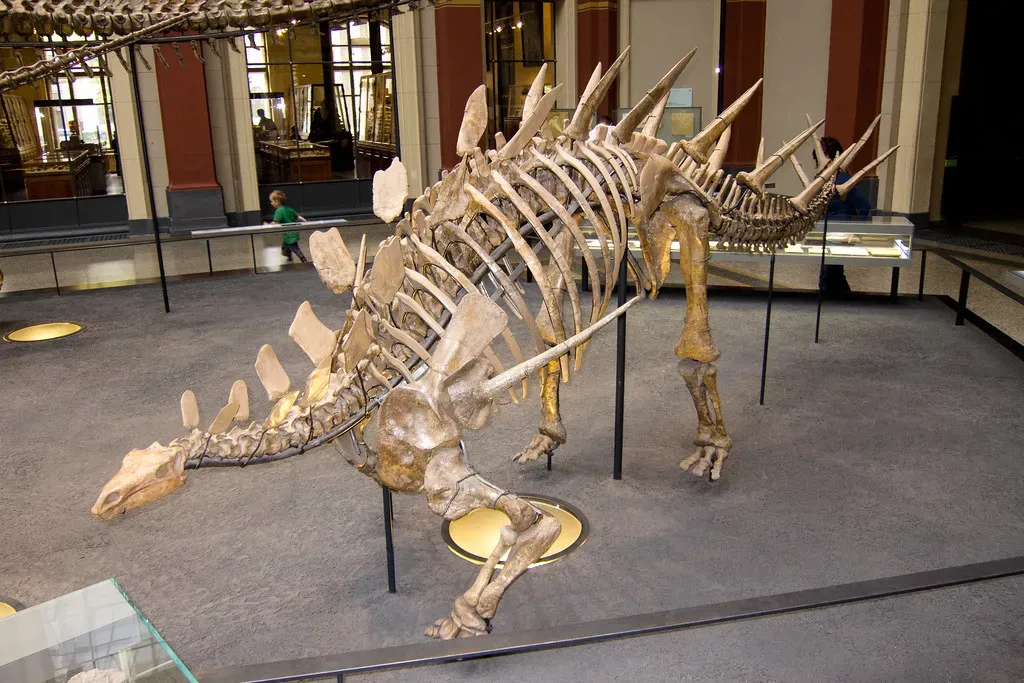
The world’s first Stegosaurus fossil was discovered in Colorado in 1877 at Dinosaur Ridge, which is also one of the world’s best spots for dinosaur footprints, with 300 tracks across a two-mile hike. Colorado holds a special place in dinosaur history that goes beyond mere numbers. The Carnegie Dinosaur Quarry in the northwest corner of the state has roughly 1,500 dinosaur bones that can be seen stuck in a cliff wall.
The new dinosaur genera discovered at Dinosaur Ridge during these years included Allosaurus, Apatosaurus, Diplodocus, and Stegosaurus, the latter of which is now the state fossil of Colorado. Honestly, it’s hard to overstate Colorado’s contribution to our understanding of these ancient creatures. The Morrison Formation, which runs through Colorado, is considered one of the most fertile sources of dinosaur fossils in the entire world, producing specimens that now sit in museums across the globe.
Utah’s Dinosaur National Monument
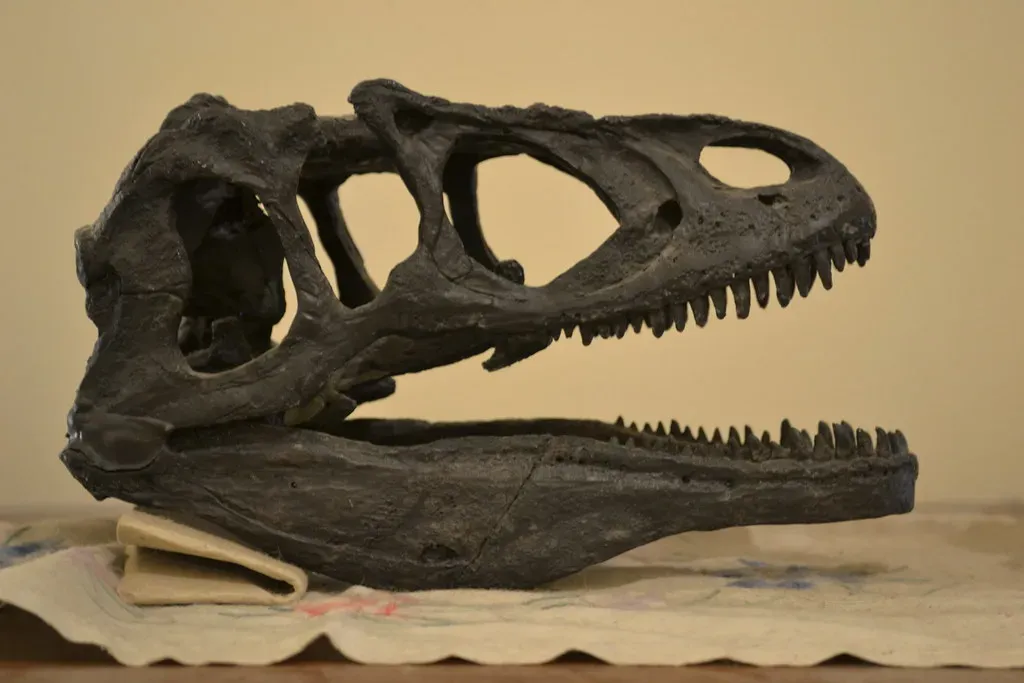
Utah has 774 total fossils recorded in the Paleobiology Database, with Theropoda being the most common genus found. The 1996 unearthing of an Allosaurus skull in Dinosaur National Monument Park using radiation detection resulted in the discovery of a new species. Dinosaur National Monument, which straddles the Utah-Colorado border, represents one of the most accessible and visually stunning fossil sites anywhere in North America.
Red Fleet State Park is home to several dinosaur footprints, although officials are worried that visitors are destroying many of them. The state’s unique geology has preserved not just bones but also trackways, giving scientists insights into how dinosaurs moved and behaved. Walking through these sites, you can almost imagine the massive creatures that once dominated these landscapes, leaving their mark quite literally in stone.
Arizona’s Carnivore Territory
Paleontologists have discovered over 15 species of dinosaur in Arizona, and scientists have found over 147 fossils in this state. Here’s the thing about Arizona that makes it particularly interesting: most fossils found belong to theropods, meaning most dinosaurs that lived in this state were carnivores. This suggests a very different ecosystem compared to other fossil-rich states where herbivores tend to dominate the record.
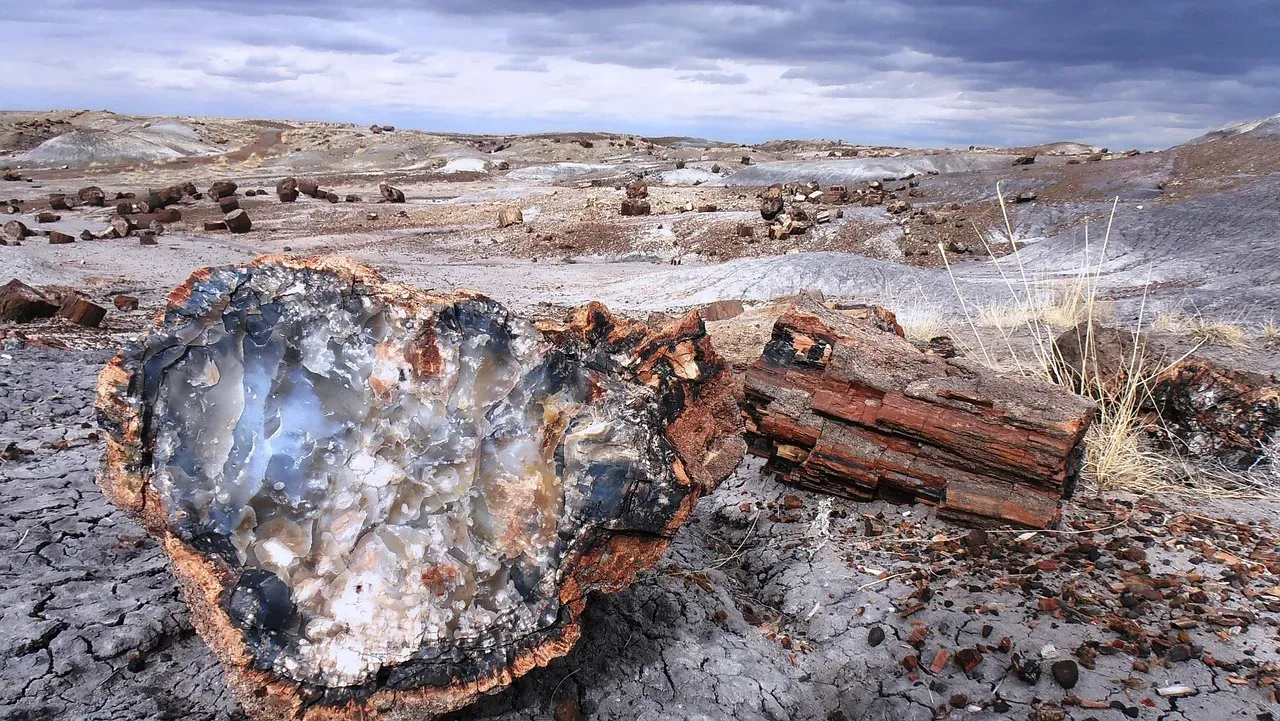
The Petrified Forest National Park showcases not only fossilized trees but also dinosaur remains from the Triassic period. The desert landscape, with its exposed rock layers and minimal vegetation, makes Arizona an ideal place for spotting fossils that might remain hidden for centuries in more vegetated regions. It’s almost as if the land itself is slowly revealing its secrets, one windstorm at a time.
Texas Tracks and Discoveries
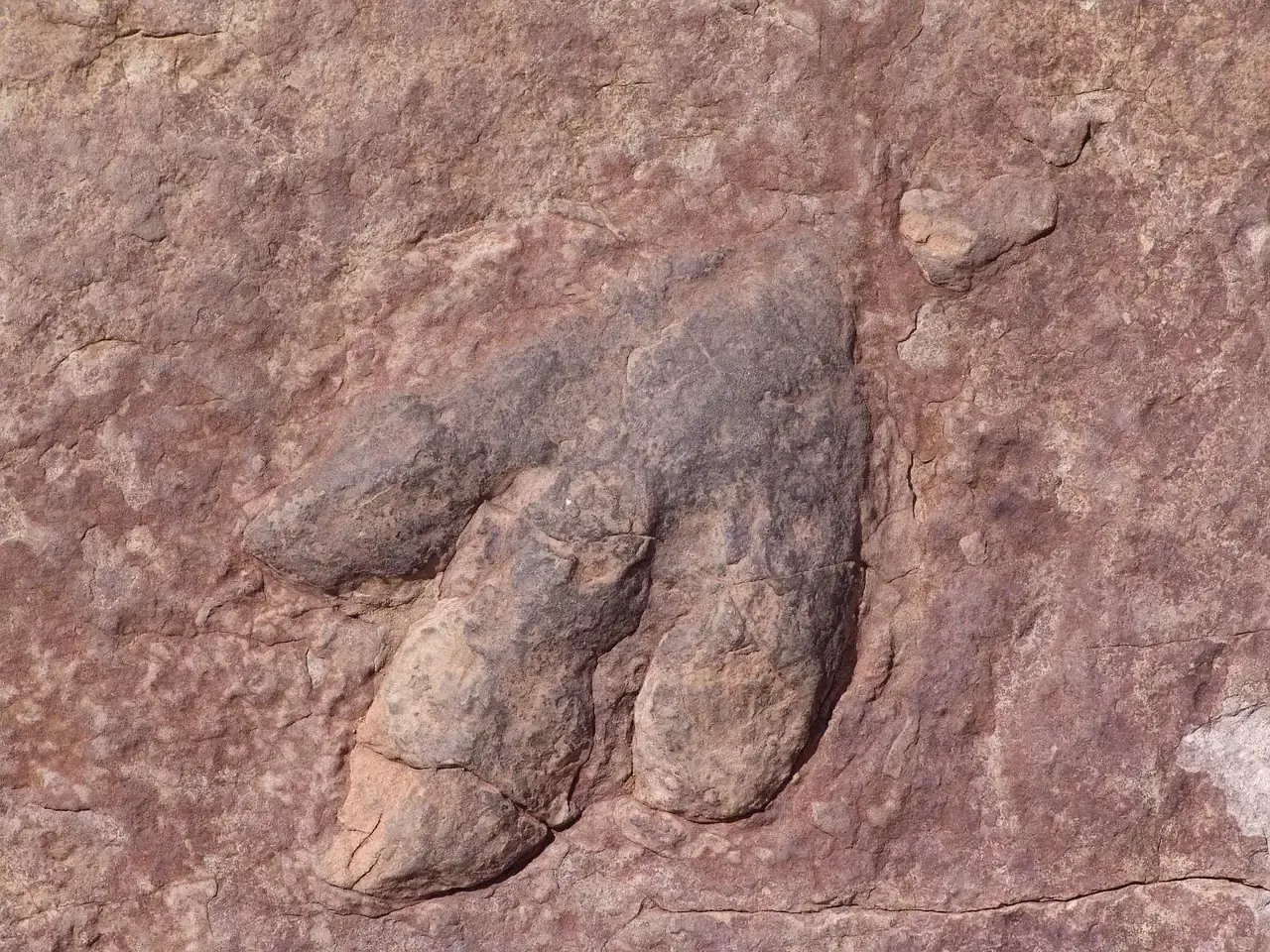
Texas is one of the states with the most dinosaur discoveries in the US, and it is also one of the best states to find dinosaur tracks specifically. Dinosaur Valley State Park, in particular, is a popular place for locals and tourists alike to walk, camp, and picnic alongside dinosaur tracks left along the Paluxy River. You can actually walk where dinosaurs walked millions of years ago, which is pretty mind-blowing when you stop to think about it.
Texas offers a unique blend of accessibility and scientific significance. The state’s fossil record spans multiple geological periods, providing snapshots of how life changed over vast stretches of time. Some of the tracks visible at Dinosaur Valley State Park belong to massive sauropods and carnivorous theropods, preserved so clearly that you can see individual toe impressions. It’s hard not to feel a sense of wonder standing in those ancient footprints.
The States Without Dinosaur Fossils
Five states – Kentucky, New Hampshire, Rhode Island, Vermont, and Wisconsin – have no dinosaur fossils recorded by the PBDB, as these states were mostly below sea level during the time dinosaurs roamed the Earth, leaving little sediment to preserve fossils, and glacial erosion also contributed to the lack of bones. It’s a geographical lottery that determined which regions would become fossil treasure troves and which would remain barren.
A University of Rhode Island professor said that dinosaurs almost certainly dwelled in Rhode Island, but their footprints were destroyed by glaciers. The absence of fossils doesn’t mean dinosaurs never lived there; it simply means that geological processes erased the evidence. The significant 1849 discovery of the Charlotte whale in Vermont, found in a farm field approximately two mountain ranges from the nearest ocean, proved the state was once covered in glaciers, explaining why dinosaur remains never survived to the present day.
The American West’s Fossil Dominance
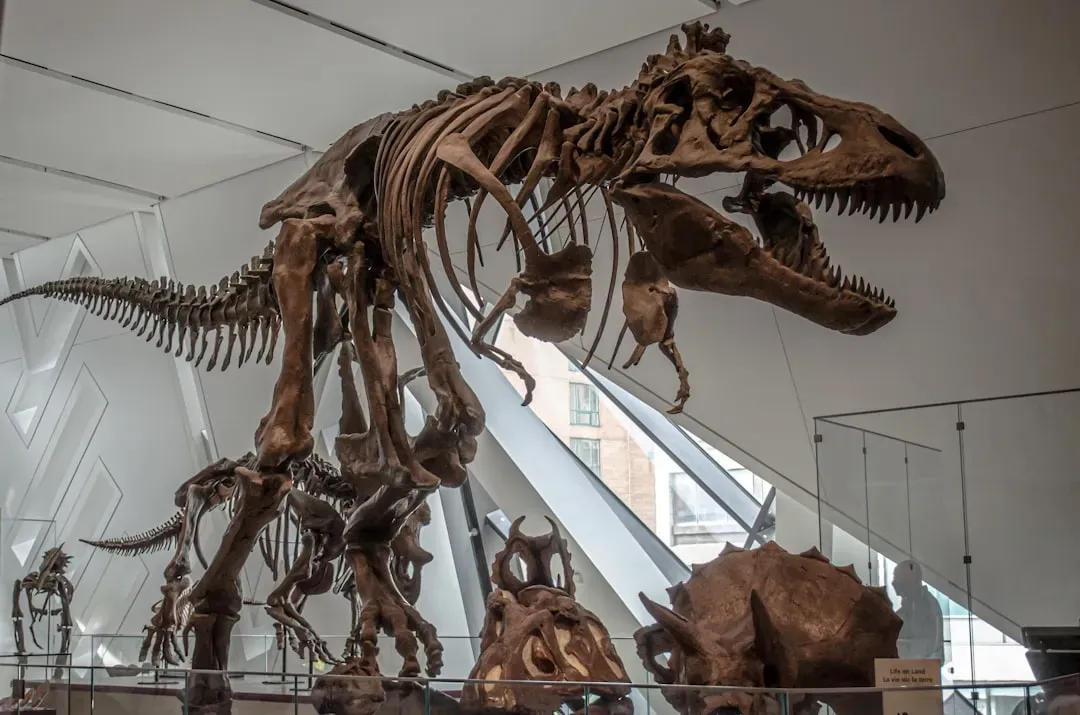
If you’ve been paying attention, you’ve noticed a pattern. The western states absolutely dominate when it comes to dinosaur discoveries. The Late Jurassic Morrison Formation is found in several U.S. states, including Colorado, Utah, Wyoming, Montana, New Mexico, Oklahoma, South Dakota, and Texas, and it is notable as being the most fertile single source of dinosaur fossils in the world. This single geological formation has yielded more iconic dinosaur species than perhaps any other rock unit on Earth.
Out west, where there is a lot of sedimentary rock, fossils are much more prevalent compared to eastern states where igneous and metamorphic rocks dominate. The western landscape during the Mesozoic era featured rivers, floodplains, and inland seas – perfect environments for burying and preserving the remains of creatures that died there. Millions of years later, tectonic uplift and erosion have exposed these ancient layers, turning states like Montana, Wyoming, and Colorado into open-air museums of prehistoric life.
The dominance of the American West in dinosaur paleontology isn’t just luck. It’s the result of perfect geological timing, favorable preservation conditions, and ongoing exposure of fossil-bearing rocks. Every year brings new discoveries, reminding us that we’ve barely scratched the surface of what lies beneath our feet. The next major find could be waiting in a remote canyon or eroding hillside right now, ready to rewrite our understanding of these magnificent creatures that once ruled our planet.
What do you think about these fossil-rich states? Would you consider planning a trip to walk among dinosaur tracks or visit one of these incredible dig sites? The ancient world is closer than you might imagine.