
Imagine stumbling upon an ancient object that completely defies everything you thought you knew about history. Something so mysterious that even the brightest minds can’t figure it out. Throughout the years, archaeologists have uncovered countless treasures from the past, yet some discoveries continue to resist explanation, leaving experts scratching their heads and rewriting the textbooks.
These enigmatic finds challenge our understanding of ancient civilizations, their capabilities, and their knowledge. From devices that seem impossibly advanced for their time to structures that shouldn’t exist according to conventional timelines, these mysteries remind us that history still has plenty of secrets to reveal. Let’s dive into ten archaeological discoveries that continue to puzzle scientists and spark our imagination.
The Antikythera Mechanism: An Ancient Computer Lost in Time
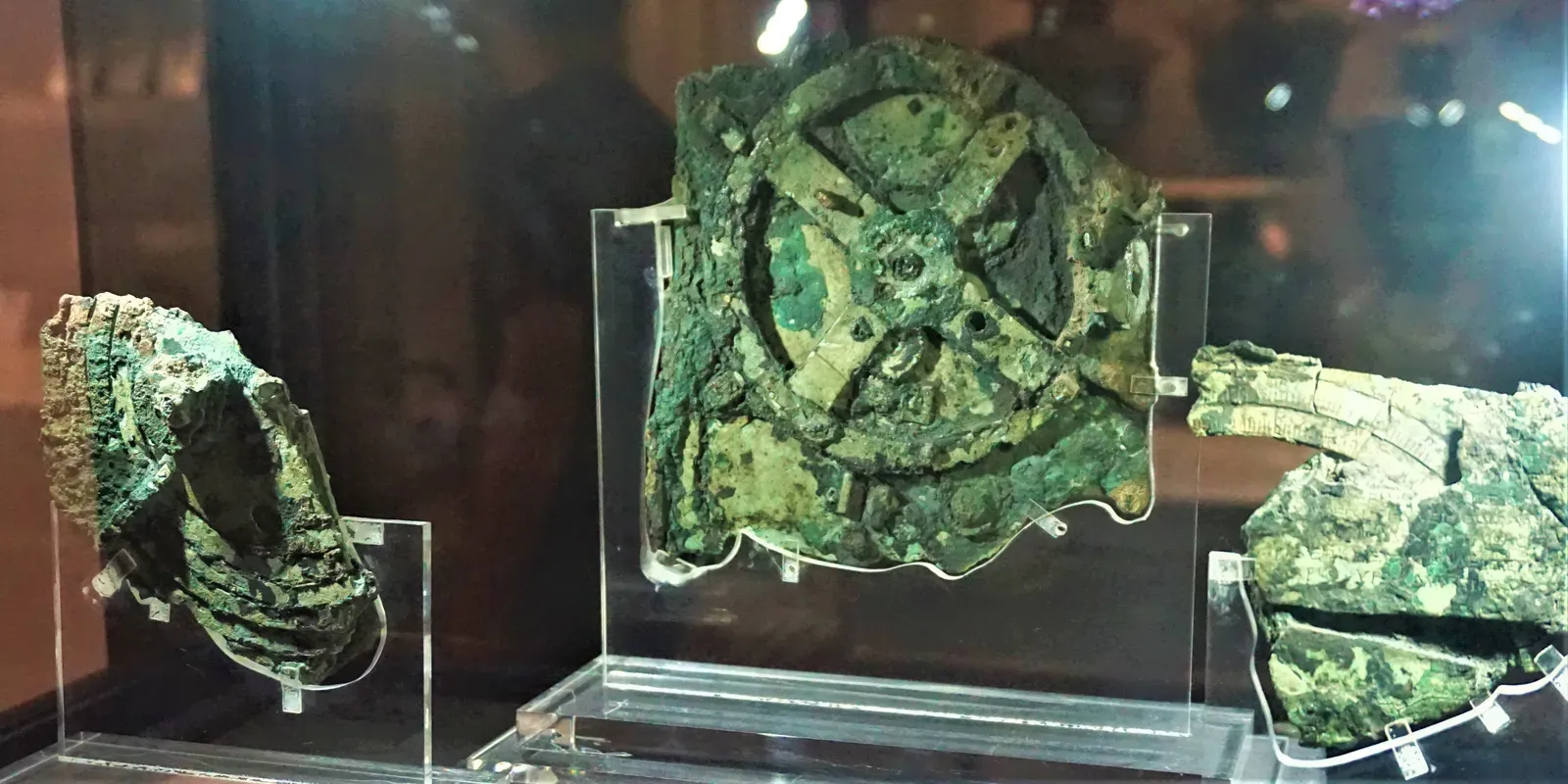
The Antikythera Mechanism is a 2000-year-old mechanical device used to calculate the positions of the sun, moon, planets, built by Greeks around 150 B.C. As archaeologists sorted out the artifacts retrieved from the wreck, they came across an object they didn’t know what to make of, with multiple layers of brass gears that precisely fit together and were built into a wooden box. This astonishing piece of ancient engineering was discovered in a shipwreck, yet its complexity rivals devices that wouldn’t appear for another thousand years.
Mathematician Tony Freeth noted in a NOVA documentary that if it hadn’t been discovered, no one would possibly believe it could exist because it’s so sophisticated. The device could predict astronomical positions and eclipses with remarkable precision. It is the oldest known example of an analog computer and was used to predict astronomical positions and eclipses decades in advance, far more advanced than we would have assumed the culture was. Honestly, the thought that ancient Greeks possessed this level of engineering prowess is mind blowing.
Gobekli Tepe: The Temple That Rewrites Prehistory
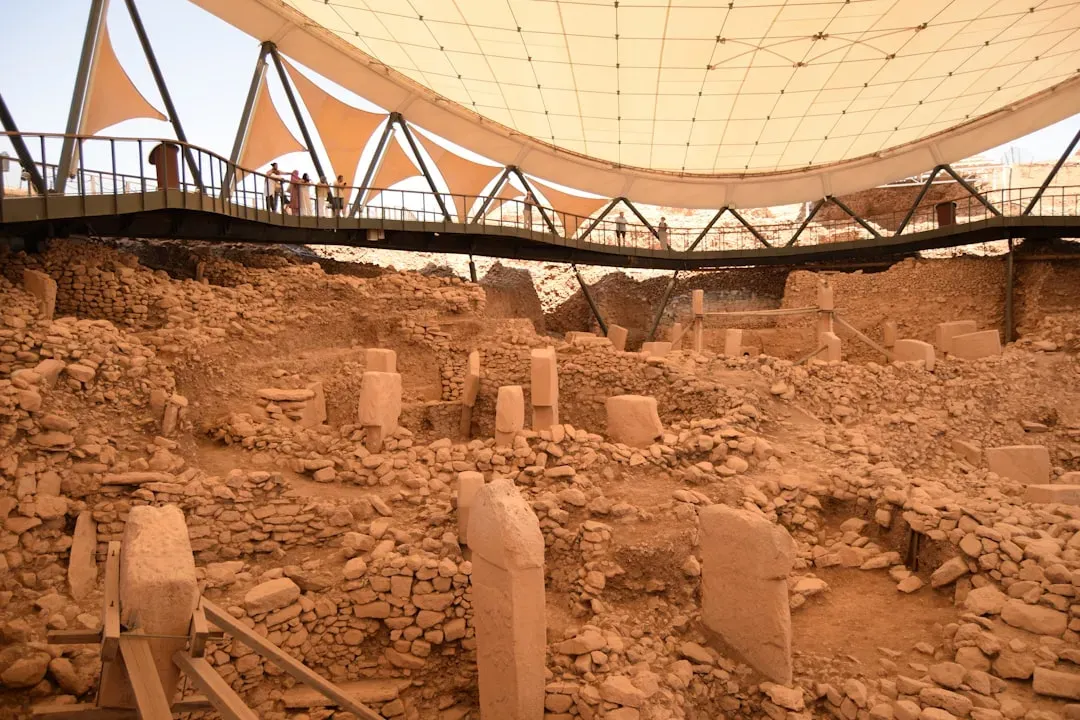
Gobekli Tepe is a prehistoric archaeological site that dates back to around 9600 BCE, consisting of massive stone pillars arranged in circles, adorned with intricate carvings of animals and abstract symbols, predating Stonehenge by several thousand years. The site emerged from southeastern Turkey, challenging everything scholars believed about prehistoric societies. Here’s the thing: conventional wisdom suggested that such monumental architecture only appeared after farming communities developed.
Gobekli Tepe’s builders were hunter-gatherers, predating the advent of agriculture, which adds to its significance in studying human history. The structure features tiered stone seating and carved human and animal figures, demonstrating that monumental communal architecture existed long before agriculture became widespread. Let’s be real, this discovery turned prehistoric studies on its head. How did nomadic people organize such massive construction projects? The purpose remains hotly debated among experts.
The Voynich Manuscript: The Book Nobody Can Read
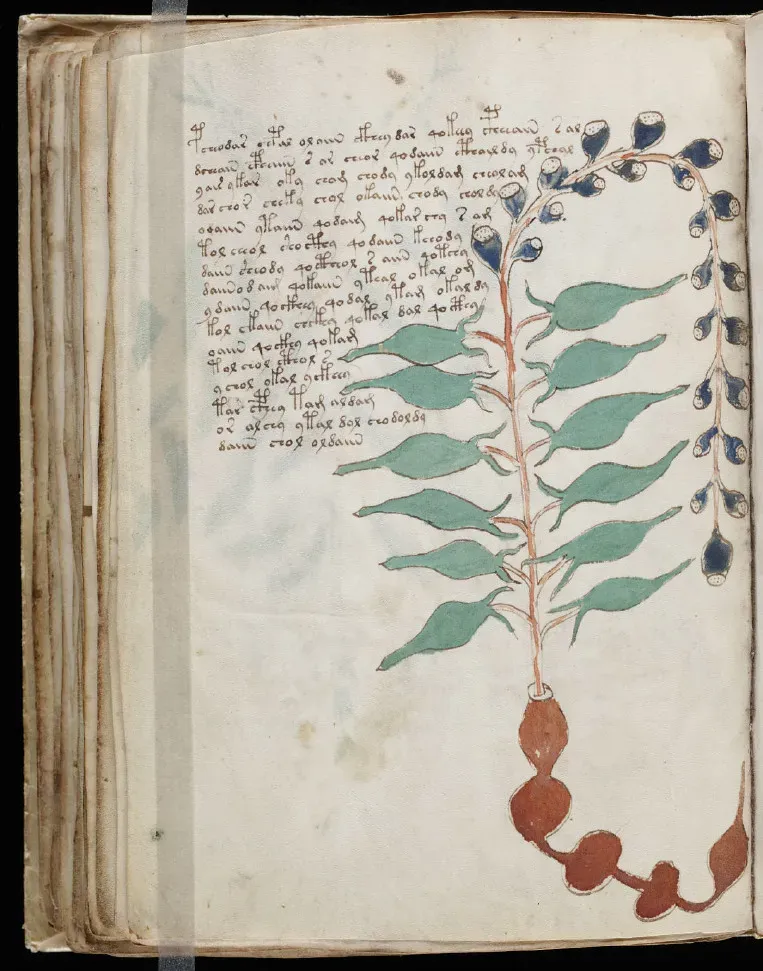
The Voynich manuscript is an illustrated codex, hand-written in an unknown script referred to as Voynichese, with vellum carbon-dated to the early 15th century. This mysterious tome has stumped some of the world’s best cryptographers for over a century. The Voynich manuscript has been studied by both professional and amateur cryptographers, including American and British codebreakers from both World War I and World War II, with codebreakers Prescott Currier, William Friedman, Elizebeth Friedman, and John Tiltman unsuccessful.
Its pages are filled with bizarre illustrations of unknown plants, astronomical charts, and strange diagrams that defy categorization. A recent peer-reviewed study published in Cryptologia shows that the manuscript could plausibly have been produced using a cipher that was within medieval technological capabilities. Despite numerous claims over the years, the manuscript’s true meaning remains elusive. I find it fascinating that something created by human hands can remain so completely incomprehensible to modern minds. For now, the Voynich Manuscript remains undeciphered, but the new approach offers a clearer framework for understanding how such a baffling text might have been created.
The Phaistos Disc: A Spiral Message From Ancient Crete
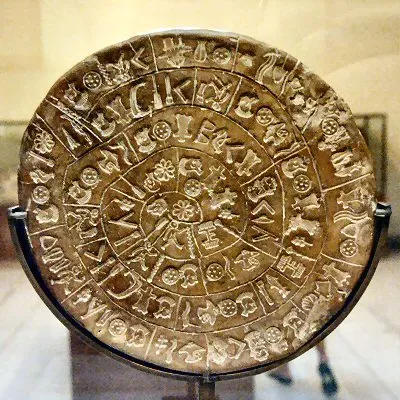
Unearthed in 1908 at the Minoan palace of Phaistos on the island of Crete, the Phaistos Disc is a circular clay tablet inscribed with mysterious symbols, with its purpose and meaning remaining unknown despite extensive study. The disc features a unique script arranged in a spiral pattern that appears nowhere else in the archaeological record. This isolation makes decipherment nearly impossible since there’s no context or comparison available.
Some scholars suggest it could be an ancient form of writing, while others believe it might be a game board or calendar, with the lack of similar discoveries making it difficult to contextualize the disc within Minoan culture. The symbols are stamped into the clay, suggesting some form of early printing technology. What messages did the Minoans encode in this enigmatic artifact? Without a Rosetta Stone equivalent, we may never know. It’s one of those mysteries that keeps archaeologists awake at night.
Sacsayhuaman Walls: Precision Engineering Without Modern Tools
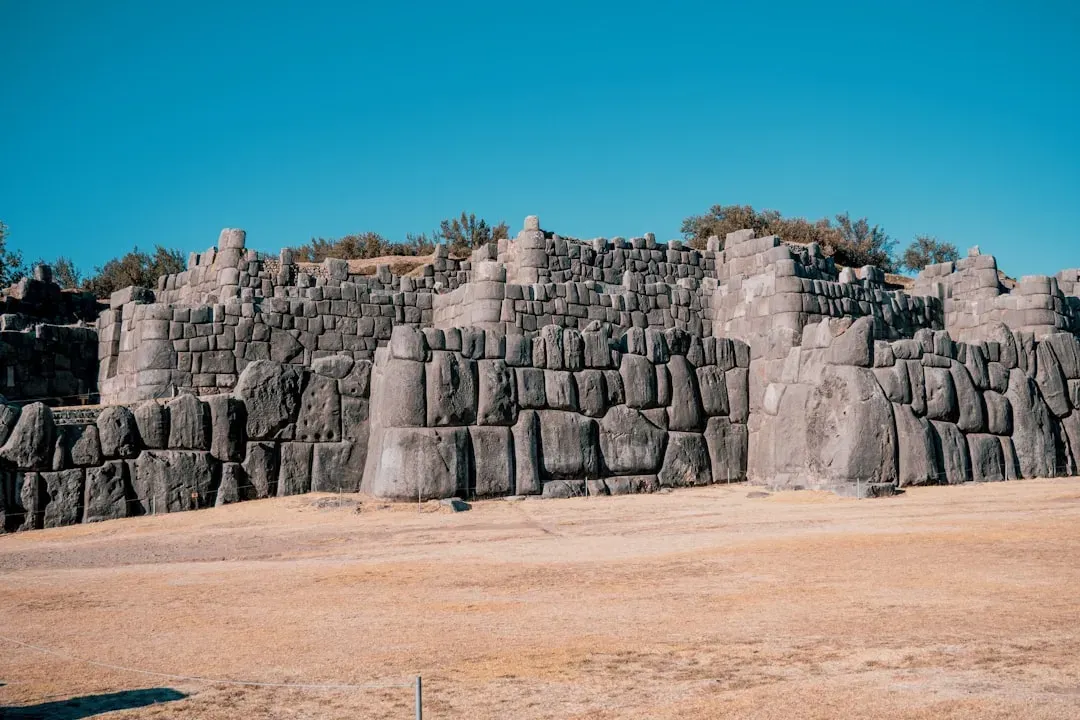
The Sacsayhuamán Walls are perched above the city of Cusco in Peru, consisting of massive stone blocks, some weighing over 100 tons, expertly fitted together without mortar. The precision is so exact that you can’t slide a blade of grass between the stones. This level of craftsmanship seems impossible for a civilization without metal tools, wheels, or modern machinery.
The imposing Sacsayhuamán walls above Cusco, Peru, are a masterpiece of Inca engineering, with enormous stones fitting together so perfectly that not even a blade of grass can slip between them, all without the use of mortar. How did the Inca transport these massive blocks and shape them with such accuracy? Various theories exist, from elaborate ramp systems to techniques involving water and thermal expansion. Still, no explanation fully satisfies experts. The walls stand as a testament to forgotten engineering knowledge.
The Nazca Lines: Gigantic Desert Drawings Visible Only From Above
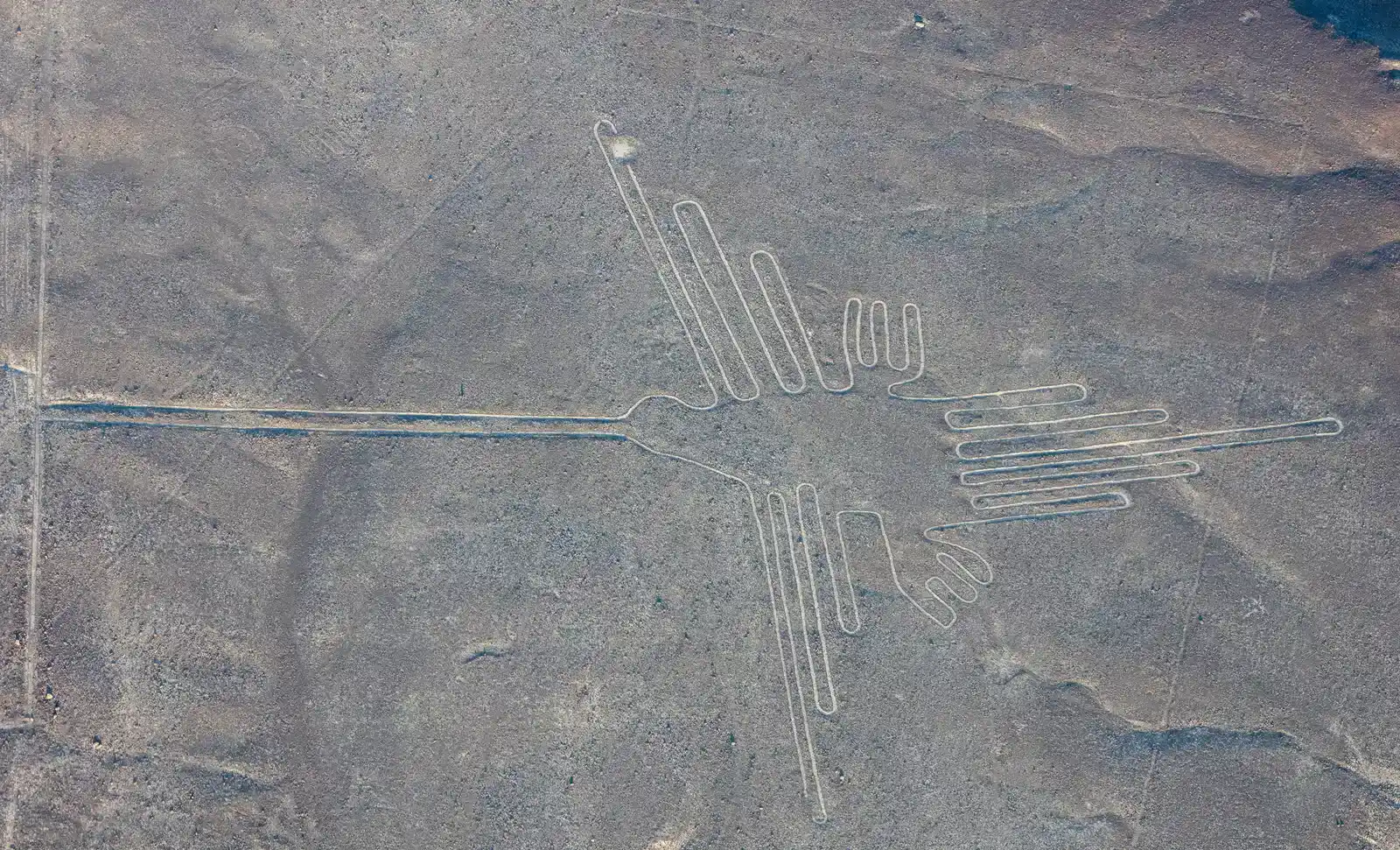
The Nazca Lines are enormous geoglyphs etched into the desert floor in southern Peru, depicting various animals, plants, and geometric shapes that can only be seen in their entirety from the air, with their purpose remaining a subject of debate. Created between 500 BCE and 500 CE, these massive designs sprawl across nearly 200 square miles of arid landscape. The mystery deepens when you consider the Nazca people had no way to view their creations from above.
Researchers can’t agree on theories, with initial scholars suggesting the Nazca Lines were connected to astronomy, while recent theories argue they were used for begging rain from the gods. Some lines stretch for miles in perfectly straight paths across hills and valleys. Were they ritual pathways? Astronomical calendars? Messages to deities? The sheer scale and precision of these ancient artworks continue to baffle researchers. Whatever their purpose, the Nazca clearly invested enormous effort into creating something meant to endure.
Roman Dodecahedrons: Geometric Puzzles With No Clear Purpose
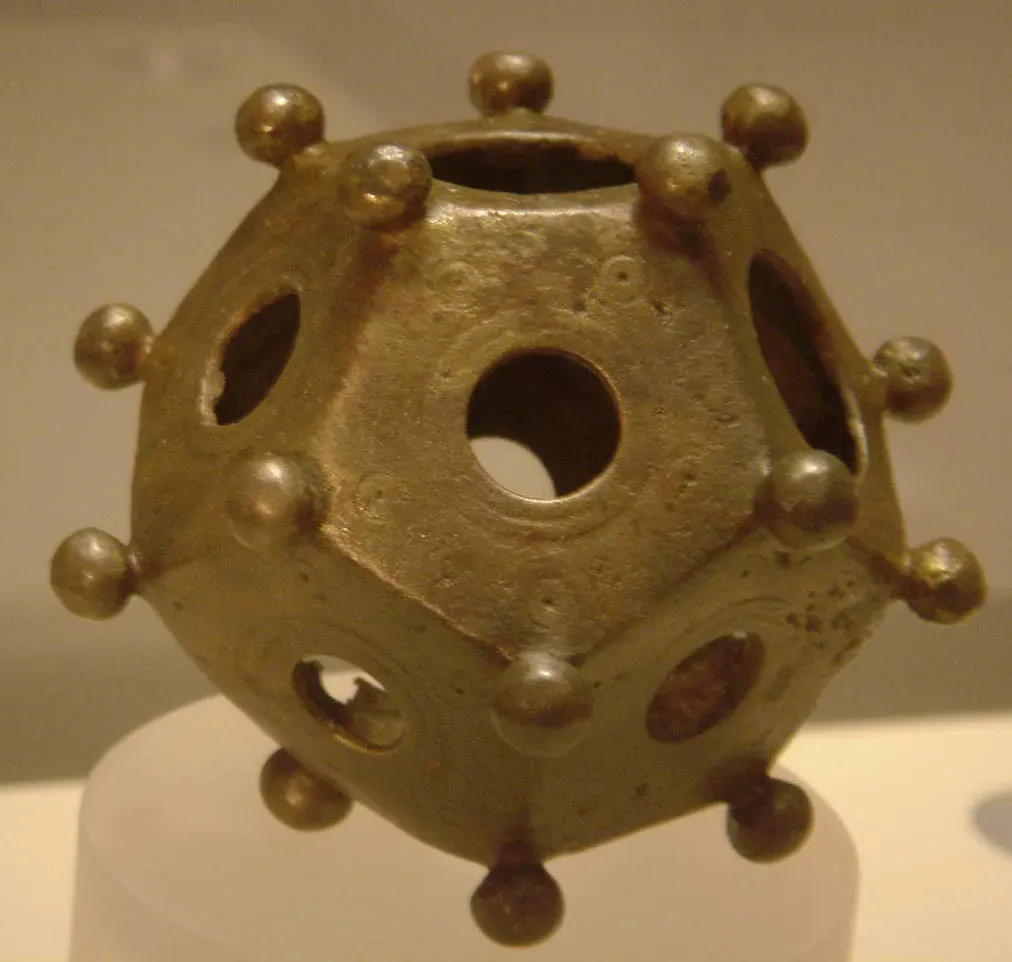
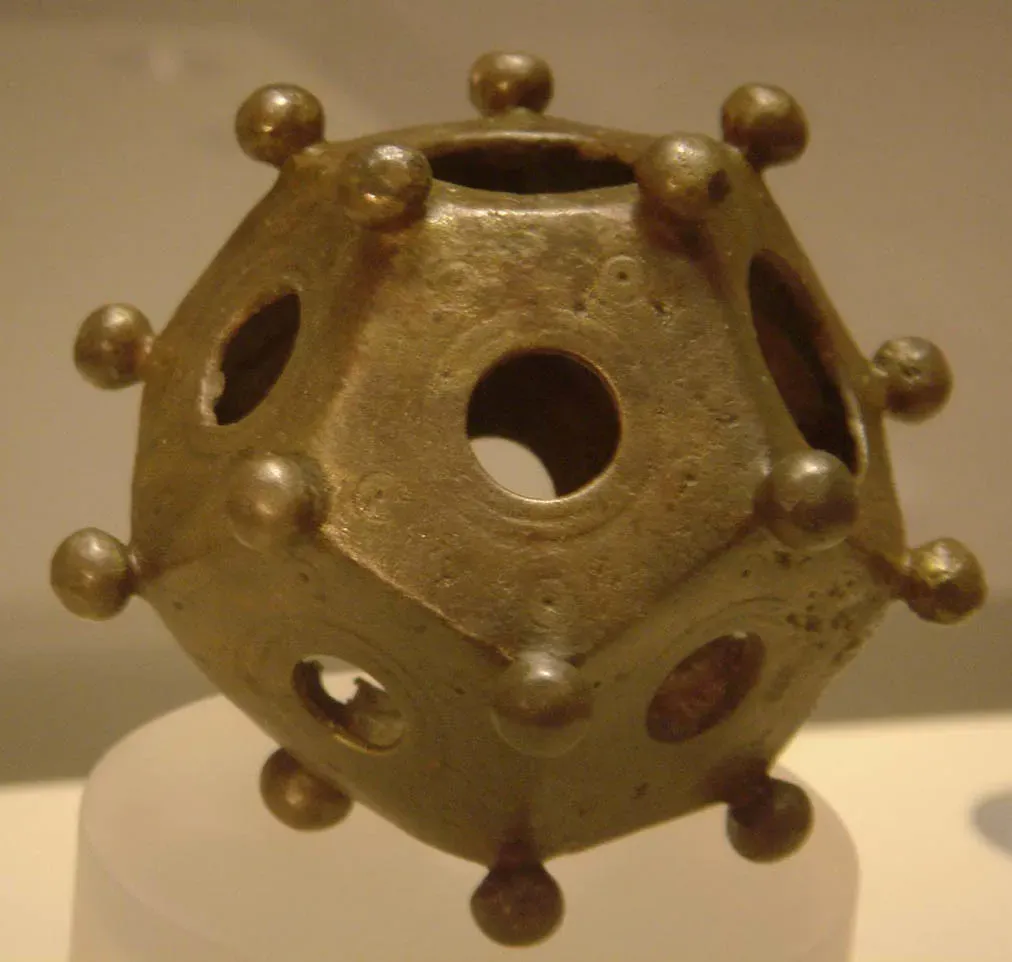
No representations of these objects are known in ancient art or literature, and they do not conform to a standard size and rarely show use-wear which could hint at their purpose. These hollow bronze objects feature twelve pentagonal faces, each with a circular hole of varying size, and knobs at each corner. Hundreds have been found across the former Roman Empire, yet their function remains completely unknown.
Although armchair experts will tell you their granny used one to knit gloves, archaeologists are undecided on their intended use. Theories range from surveying instruments to candle holders to fortune telling devices. The lack of any written record mentioning them is particularly strange given Roman attention to documentation. I think what’s most puzzling is that something so common left absolutely no trace in historical texts. Were they so mundane that nobody bothered to mention them, or was their purpose deliberately kept secret?
The Baghdad Battery: Ancient Electricity or Historical Coincidence?
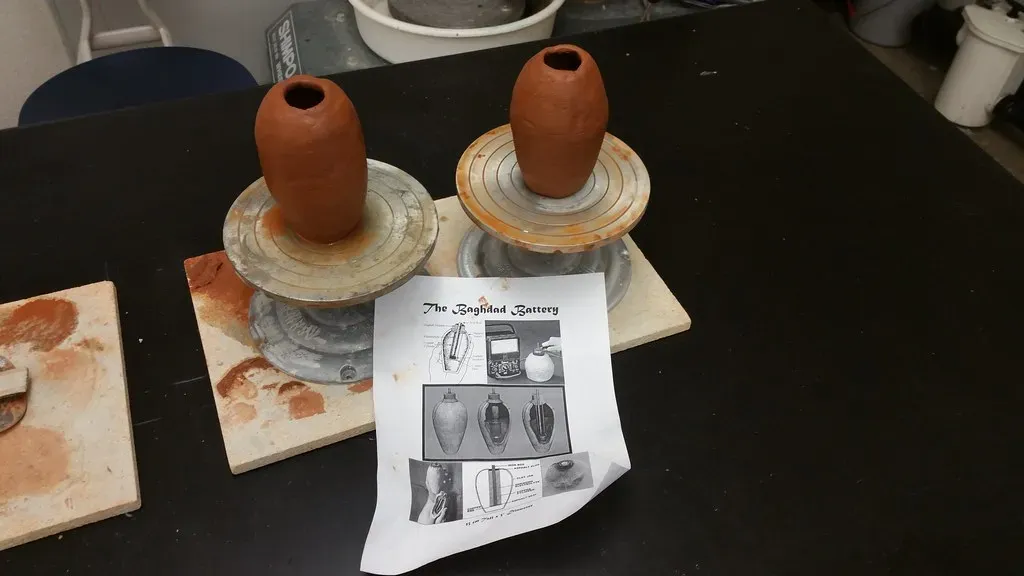
Unearthed near Baghdad, this ancient artifact features a clay jar, copper cylinder, and iron rod, with some researchers suggesting it could have produced a weak electric current, hinting at lost knowledge of electricity in antiquity, though its actual use remains uncertain. Dating to around 200 BCE, this collection of artifacts has sparked intense debate. Could ancient Mesopotamians have discovered electricity two millennia before Alessandro Volta?
The Baghdad Battery is the name given to a set of three artifacts found together: a ceramic pot, a tube of copper, and a rod of iron, with some fringe theorists hypothesizing it may have been used as a galvanic cell for helping create electricity, though likely it was in reality a system for storing scrolls. Experiments have shown the components could generate a small voltage if filled with acidic liquid. Yet there’s zero evidence the ancients actually used it this way. Most scholars lean toward more mundane explanations, but the possibility of ancient electrical knowledge is tantalizing. It’s hard to say for sure, but the debate itself reveals how much we still don’t know about ancient technological capabilities.
The Submerged Structure in the Sea of Galilee
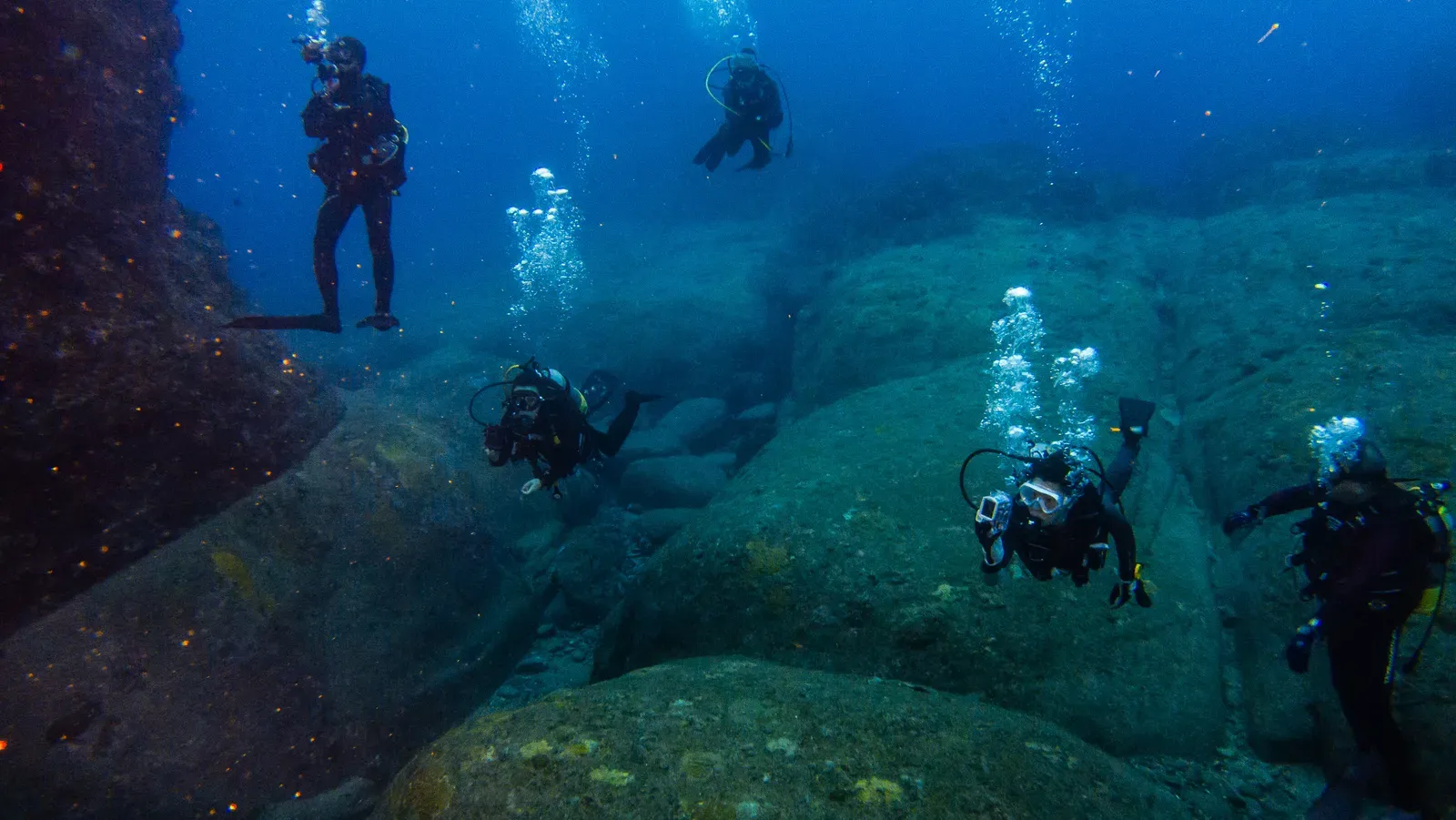
Scientists who found this underwater rock pile, or cairn, have no idea what it may have been used for, though cairns in other parts of the world traditionally mark burials, with it possible that rising sea levels submerged what was once a land-based cairn, and Yitzhak Paz believing this aquatic monument could date back more than 4,000 years, possibly the remains of some kind of fortified settlement. This massive cone-shaped structure weighs approximately 60,000 tons and measures roughly 230 feet in diameter.
The structure’s purpose remains entirely speculative. Was it a tomb for an important figure? Part of a fortress? A ceremonial site? Paz believes this aquatic monument could date back more than 4,000 years and may be the remains of some kind of fortified settlement. The fact that it’s now underwater complicates investigation considerably. Whatever its original purpose, somebody invested tremendous effort into building it, suggesting it held significant importance to Bronze Age inhabitants of the region.
The Stone Spheres of Costa Rica: Perfect Orbs of Unknown Origin
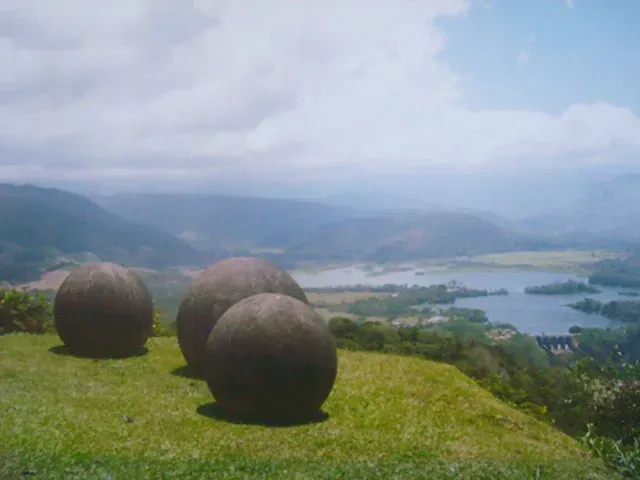
The purpose of the spheres vanished with the Chibchan people who once populated Costa Rica and other parts of Central America, disappearing in the wake of the Spanish conquest, with John W. Hoopes noting this historical mystery will never be solved. These nearly perfect granite spheres range from a few centimeters to over two meters in diameter. Some weigh up to sixteen tons, yet many maintain remarkable spherical precision.
The stones were created by the Diquis culture between 600 and 1500 CE, but their purpose died with them. Were they status symbols? Astronomical markers? Territorial boundaries? Inaccurately described as being perfectly spherical, they demonstrate greater stone-working skill in pre-Columbian times than has previously been known. The craftsmanship required to create such precise spheres without metal tools is staggering. Local legends speak of magical potions that softened stone, though the reality was likely patient grinding and pecking. These enigmatic spheres remind us that entire cultures vanished, taking their knowledge with them.
These ten archaeological mysteries represent just the tip of the iceberg when it comes to unexplained discoveries from our past. Each one challenges our assumptions about what ancient peoples knew and what they were capable of achieving. From impossibly advanced mechanical computers to massive structures that shouldn’t exist according to our timelines, these artifacts remind us that history is far from fully understood. The past still holds countless secrets, waiting beneath desert sands, jungle canopies, and ocean waves.
Perhaps that’s what makes archaeology so captivating. Every discovery has the potential to rewrite what we thought we knew. These unsolved mysteries keep researchers digging, analyzing, and debating. They spark our imagination and connect us to ancestors whose capabilities we clearly underestimated. What other forgotten knowledge lies buried, waiting for someone to unearth it? What do you think these ancient peoples were trying to tell us? The conversation continues.