While dinosaurs frequently steal the spotlight when we talk about prehistoric creatures, the ancient oceans were home to some of the most nightmarish predators to ever exist on Earth. These marine reptiles ruled the waves for millions of years, developing hunting strategies and physical adaptations that would make even the fiercest land-based dinosaur think twice before taking a swim. You might be familiar with Tyrannosaurus rex and its bone-crushing bite, but wait until you discover what lurked beneath the surface of primordial seas.
Let’s be real, the terror that swam through ancient waters makes modern sharks look tame by comparison. These weren’t your average sea creatures. We’re talking about reptiles that grew longer than school buses, possessed jaws powerful enough to crush bone, and dominated their ecosystems as undisputed apex predators. So let’s dive in and explore five marine reptiles that were genuinely that ever walked the land.
Mosasaurus: The Apex Predator of Late Cretaceous Seas
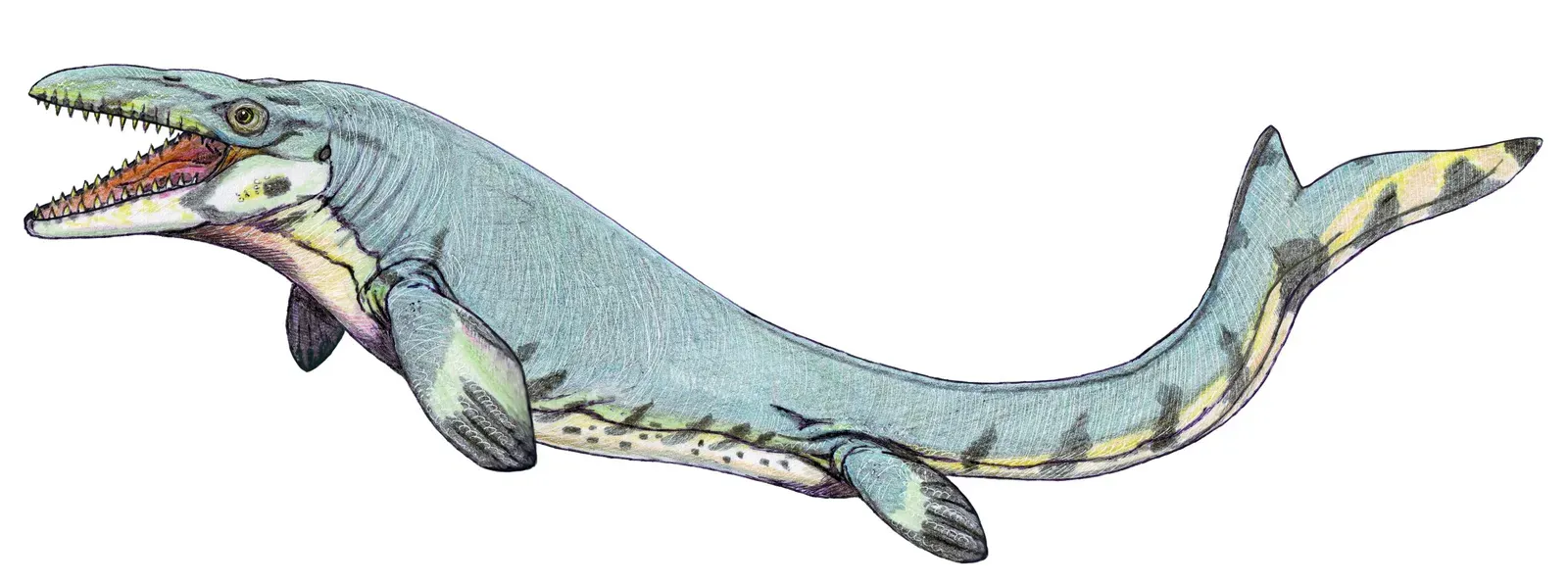
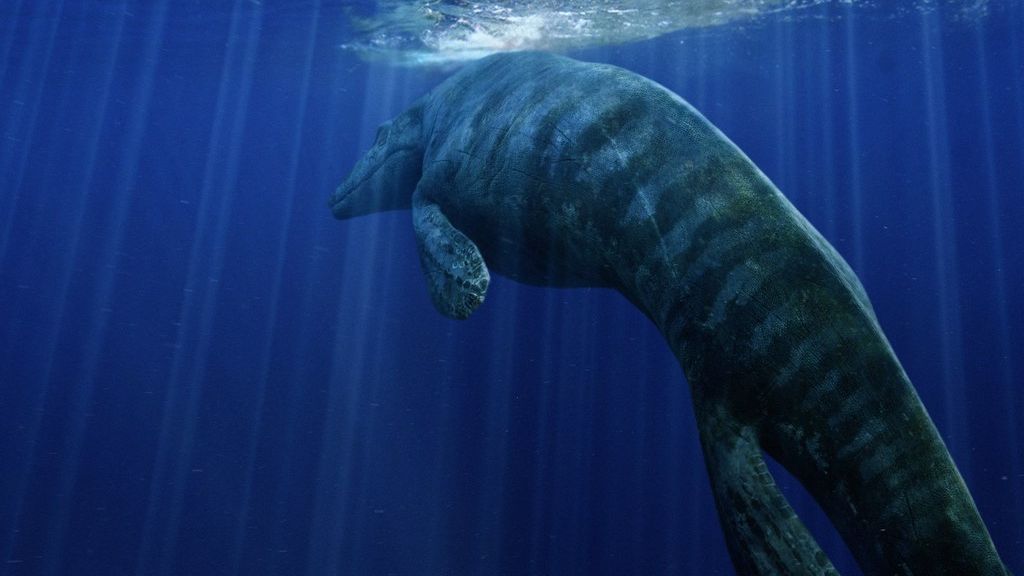
Reaching lengths of up to 11 meters and weighing nearly 4 tons, Mosasaurus hoffmannii was essentially an aquatic nightmare made flesh. This wasn’t some lumbering giant either. Picture a creature with a streamlined body, powerful flippers, and a tail designed for explosive bursts of speed.
Its diet included virtually any animal it encountered: bony fish, sharks, cephalopods, birds, and other marine reptiles including sea turtles and even other mosasaurs. That’s right, these beasts were cannibals when the opportunity arose. Fossilized melanosomes reveal they were likely dark-colored, similar to sperm whales, which helped with thermoregulation and provided camouflage when deep diving. The thought of a creature this massive appearing from the murky depths is genuinely chilling.
What made Mosasaurus particularly terrifying was its ecological impact. When it arrived in locations like the Western Interior Seaway, entire marine ecosystems experienced complete turnovers in faunal assemblages and diversity. This creature didn’t just dominate – it fundamentally restructured the food chain wherever it swam.
Kronosaurus: The Titan With Jaws of Death
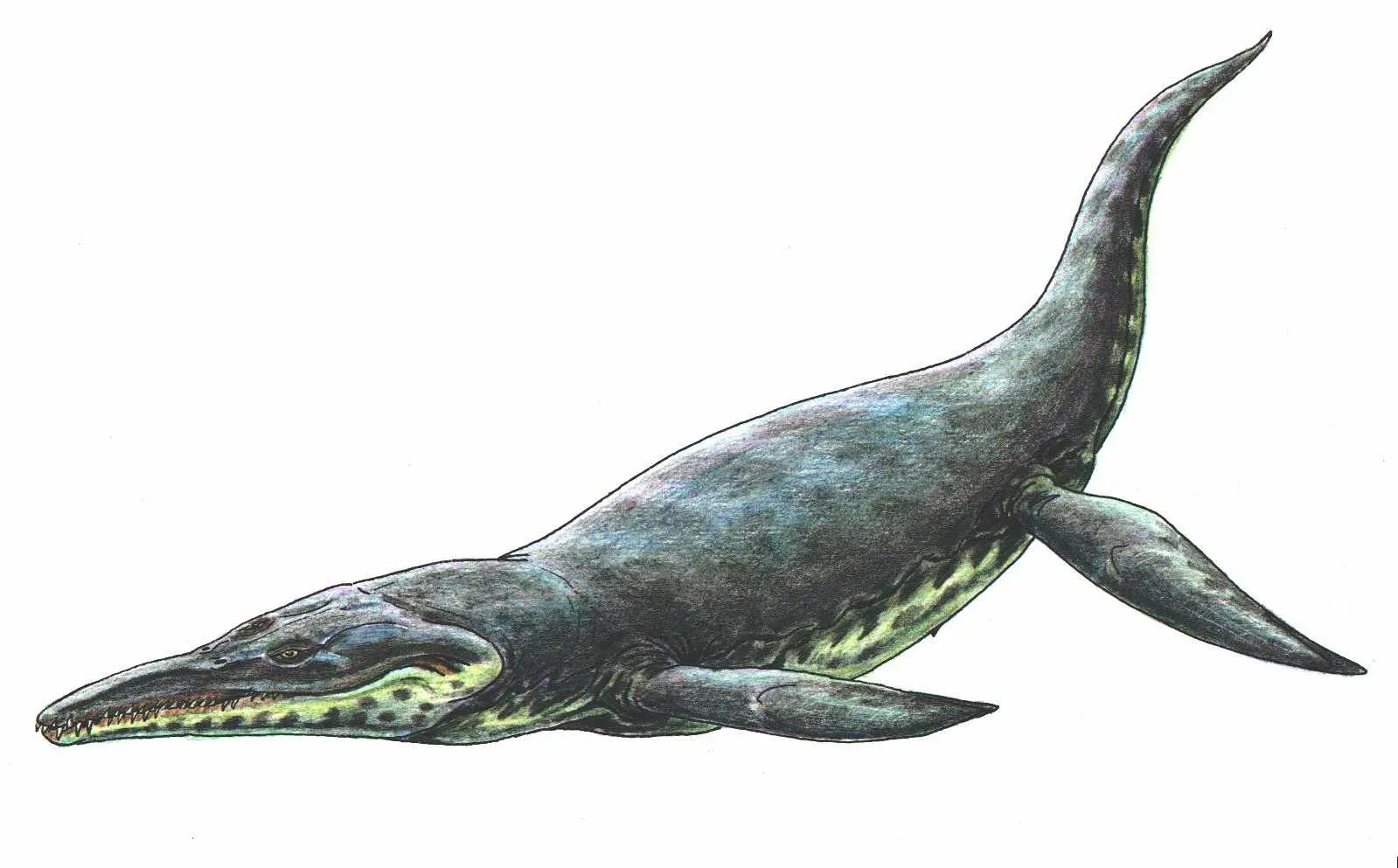
Named after Kronos, the ruler of Greek Titans, Kronosaurus was a pliosaur that lived up to its mythological namesake. This massive short-necked predator reached lengths of up to 10 meters, with an enormous skull measuring 2.7 meters long and teeth stretching 30 centimeters. Imagine coming face to face with a mouth nearly as long as a compact car.
As the apex predator of Australia’s ancient Eromanga Sea, fossil evidence shows it preyed on sea turtles and other plesiosaurs, with bite force estimates reaching between 15,000 to 27,000 newtons. That’s enough crushing power to pulverize bone with ease. One particularly haunting fossil shows a juvenile Kronosaurus skull bearing bite marks from an adult, suggesting these creatures engaged in cannibalism or brutal intraspecific aggression.
The Eromanga Sea where Kronosaurus hunted reached near-freezing temperatures, meaning this predator was adapted to cold waters that would have deterred most other large marine reptiles. Nothing was safe in its domain.
Tylosaurus: The Knob-Headed Terror
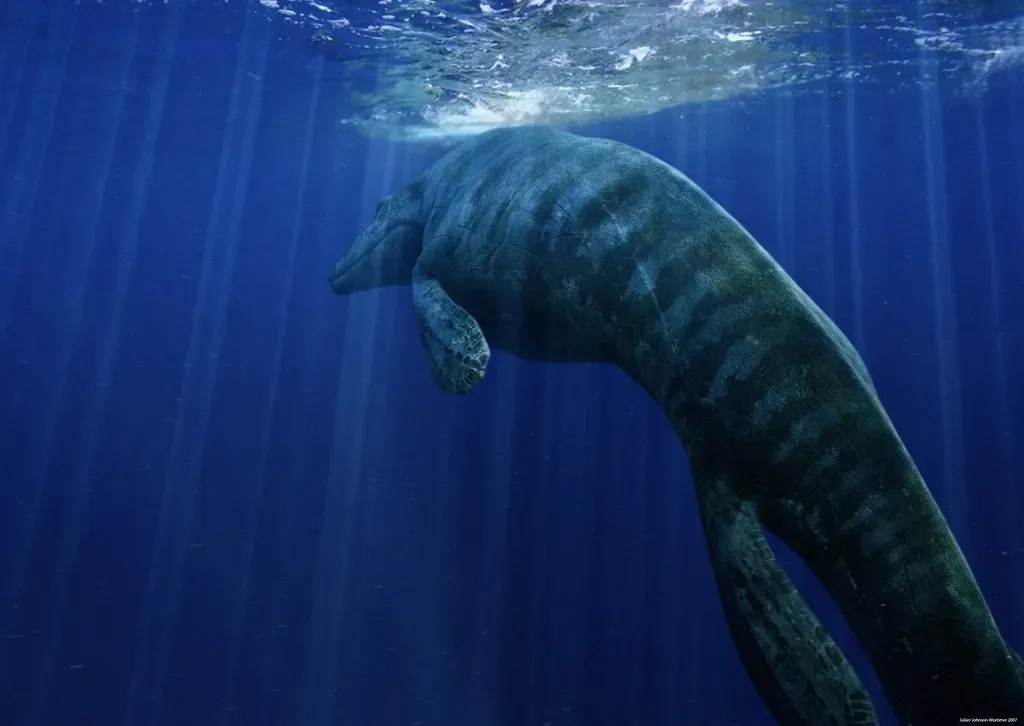
Tylosaurus was the deadliest hunter of ancient seas, equipped with jaws lined on each side with two rows of pointy, cone-shaped teeth. Growing over 14 meters long, this mosasaur made modern great white sharks look positively dainty.
What sets Tylosaurus apart is its documented versatility as a predator. One fossil specimen contained the remains of another mosasaur, the diving bird Hesperornis, a large fish, and possibly a shark – all in a single stomach. Talk about an appetite. These creatures didn’t discriminate when it came to prey selection.
Despite earlier misconceptions, scientific reconstructions show Tylosaurus as a highly mobile marine predator with four flippers and measuring around 11 meters long. Juvenile specimens had stiffer spinal columns for faster speed to escape predators, while adults developed more flexibility as they grew less vulnerable. This suggests an intelligent evolutionary adaptation – young individuals prioritized escape velocity while adults could afford to optimize for maneuverability when hunting.
Shonisaurus: The Gentle Giant That Wasn’t So Gentle
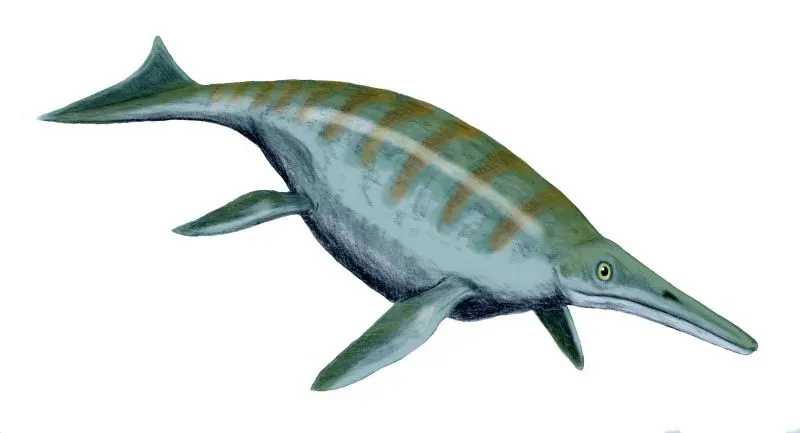
Here’s where things get truly massive. Shonisaurus popularis measured around 13.5 to 15 meters in length and weighed between 21.6 to 29.7 metric tons – roughly the size of a modern humpback whale. This ichthyosaur patrolled Triassic seas over 230 million years ago, making it one of the earliest ocean giants.
The truly unsettling part? Recent studies indicate Shonisaurus was a macrophagous raptorial predator that fed on vertebrates and shelled mollusks, possibly even large-bodied prey. For years scientists believed it was a gentle suction feeder, but robust teeth and gut contents paint a different picture entirely.
The discovery site in Nevada, now Berlin-Ichthyosaur State Park, revealed 37 specimens, and recent research showing baby Shonisaurus among adults suggests it may have been a breeding and nursery ground where these creatures returned year after year. The image of dozens of these massive predators congregating in ancient shallows is both fascinating and terrifying.
Pliosaurus: The Short-Necked Monster With a T. Rex Bite
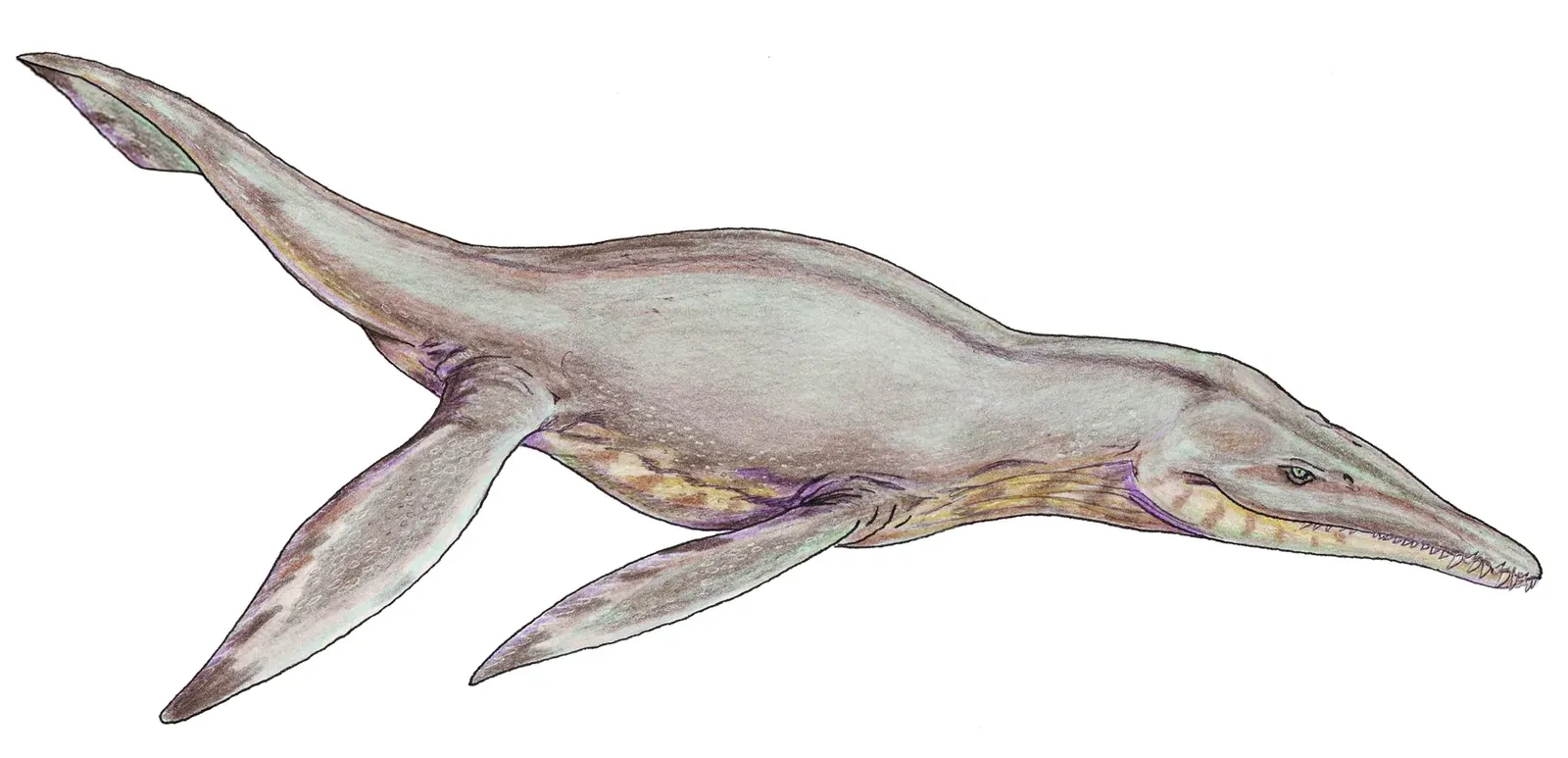
Known initially as “Predator X,” Pliosaurus funkei was excavated in Norway in 2009 and revealed to have a bite force estimated at four times stronger than Tyrannosaurus rex. Let that sink in for a moment – four times stronger than one of the most powerful terrestrial predators ever known.
These pliosaurs reached lengths of more than 11 meters and were the largest marine reptiles for the majority of their 80-million-year reign as apex predators. The largest species likely hunted by ambushing prey from below, using powerful jaws and sharp teeth to dismember victims in a single bite, similar to how modern great white sharks hunt.
Lorrainosaurus, one of the earliest mega-predatory pliosaurs discovered in France, gave rise to a dynasty of marine reptile mega-predators that ruled oceans for around 80 million years. These weren’t fleeting evolutionary experiments – they were sustained, successful killing machines that dominated marine food chains longer than many dinosaur lineages existed on land.
Why These Marine Reptiles Were More Terrifying
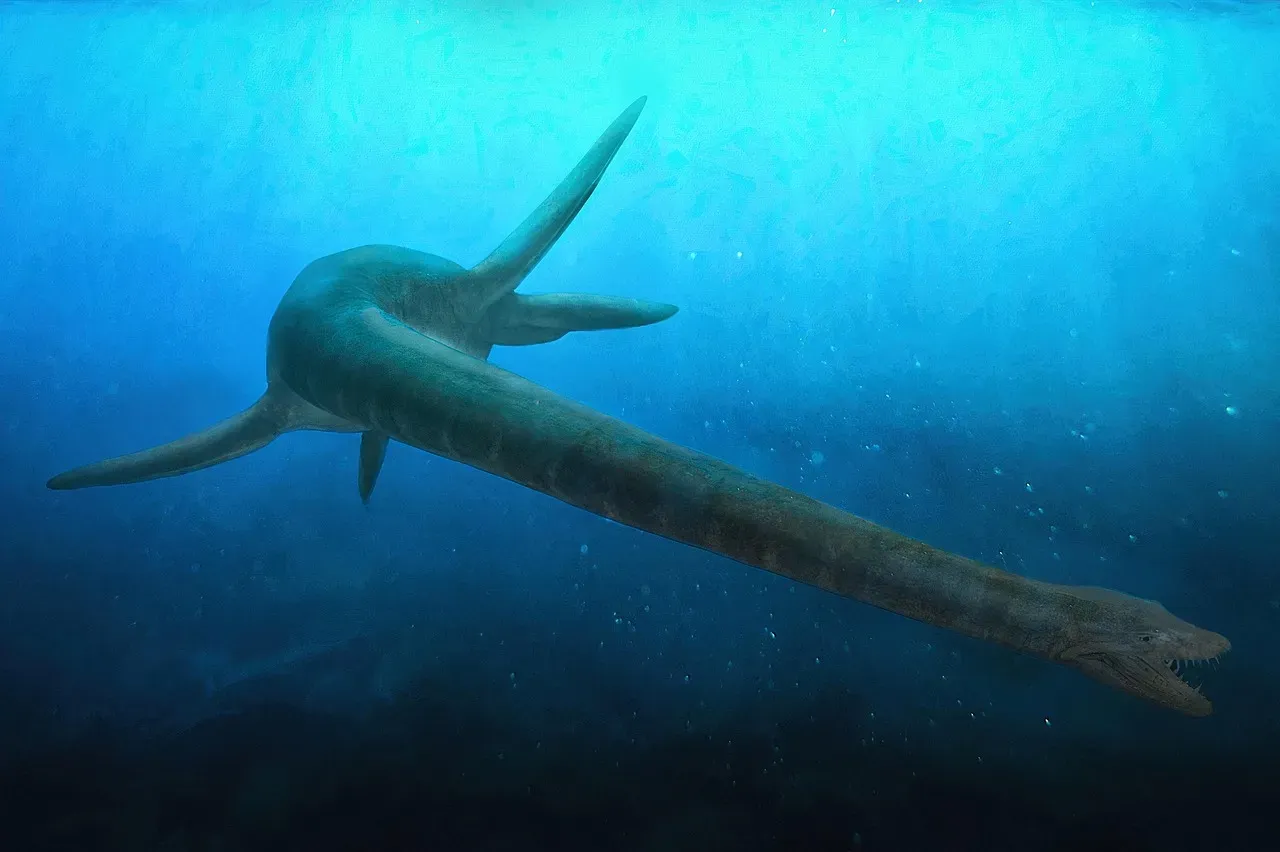
So what made these aquatic predators more frightening than their land-based dinosaur cousins? Honestly, it comes down to several factors that amplify the terror factor exponentially.
First, the three-dimensional hunting environment. Terrestrial predators could only attack from certain angles, but marine reptiles could strike from above, below, or any side with equal efficiency. These creatures occupied ecological niches as top predators with overlapping diets including various fishes, but differed significantly in hunting strategies shaped by environmental pressures. The ocean provided nowhere to hide.
Second, their sheer diversity and longevity. Pliosaurs alone ruled as apex predators for more than 80 million years, far longer than many iconic dinosaur groups existed. Third, their bite forces and hunting specializations often exceeded those of terrestrial predators. While mosasaurs were slimmer with elongated skulls for snatching and swallowing prey whole, pliosaurs had massive stocky heads capable of chomping through giant prey like ichthyosaurs with their huge teeth.
The ancient oceans were essentially arenas where evolution pushed predatory adaptations to their absolute limits. These weren’t just big lizards that learned to swim – they were highly specialized killing machines refined over millions of years of evolutionary pressure.
What do you think? Would you rather face a land-based dinosaur where you might find shelter in caves or forests, or take your chances in open water with these marine reptilian terrors? The answer seems pretty obvious when you really consider what lurked beneath those ancient waves.