
Imagine standing on a shoreline that is not really a shoreline at all, but a hot, unstable crust wrapped in a poisonous atmosphere, with no plants, no animals, no oxygen to breathe. Somehow, in that alien world more than three and a half billion years ago, simple chemistry crossed an invisible line and became biology. When you try to picture that moment, you’re really asking one of the deepest questions you can ask: how did lifeless matter start behaving like something alive?
You do not have a time machine, and the rock record from those first hundreds of millions of years is patchy and badly scarred. Yet, by piecing together clues from geology, chemistry, microbiology, and even astronomy, you can sketch out a story that is surprisingly coherent. It is not a finished story, and there are places where you have to admit that scientists just do not know yet. But the broad outlines are clear enough that you can walk through them step by step and feel the early Earth turning from a hellish rock into a living planet under your feet.
A Restless Young Planet: Setting the Stage for Life
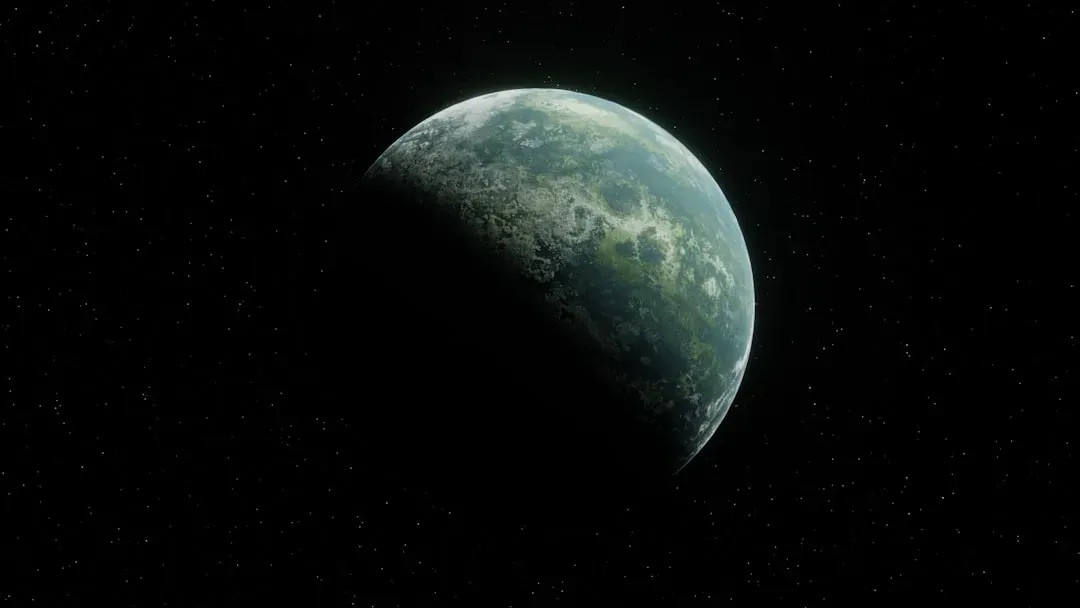
When you roll the clock back more than four billion years, you find an Earth that would feel hostile to every instinct you have. The surface is hammered by constant impacts from leftover debris in the solar system, volcanoes roar almost everywhere, and the oceans you take for granted might only just be forming from condensed steam. Instead of a blue sky, you would look up into a hazy, thick atmosphere loaded with carbon dioxide, methane, water vapor, and probably a lot of volcanic gases like hydrogen sulfide. You would not find a single blade of grass or a hint of oxygen to breathe.
Yet that same chaos is exactly what gave life a chance. The young Earth was warm, geologically hyperactive, and chemically rich, with fresh rock being exposed and altered by heat and water all the time. As liquid water pooled into early oceans and seas, minerals leached from rock, ultraviolet light bathed the surface, and lightning storms raked the sky. You can think of it as a gigantic, planet-sized chemistry set: countless reactions happening in parallel, every second, for millions of years. If life was ever going to spark naturally from nonliving matter, this was the kind of environment that could keep rolling the dice long enough for something remarkable to happen.
From Simple Molecules to Life’s Building Blocks
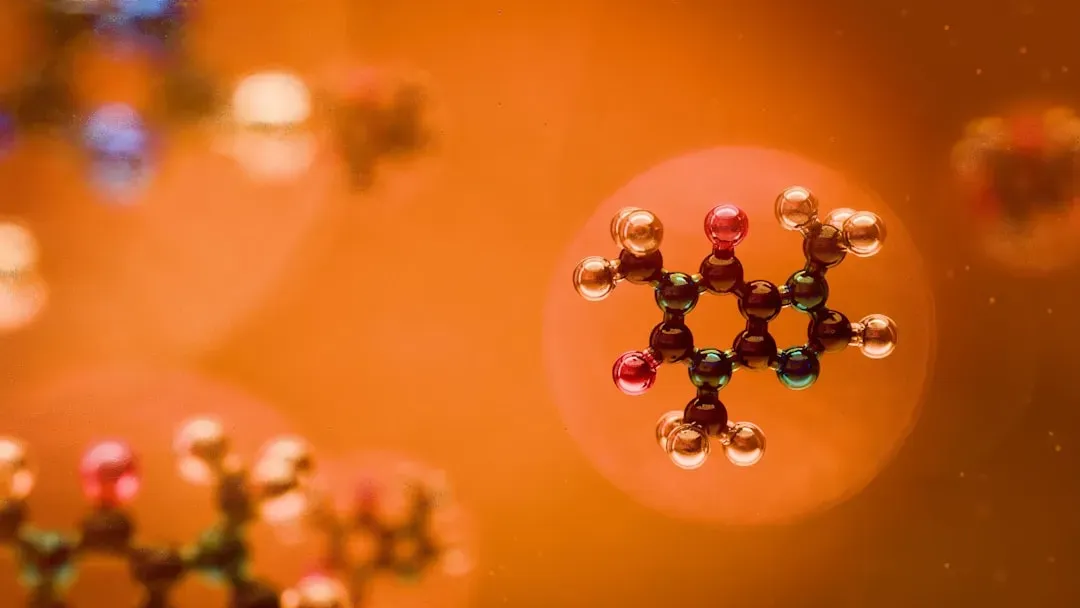
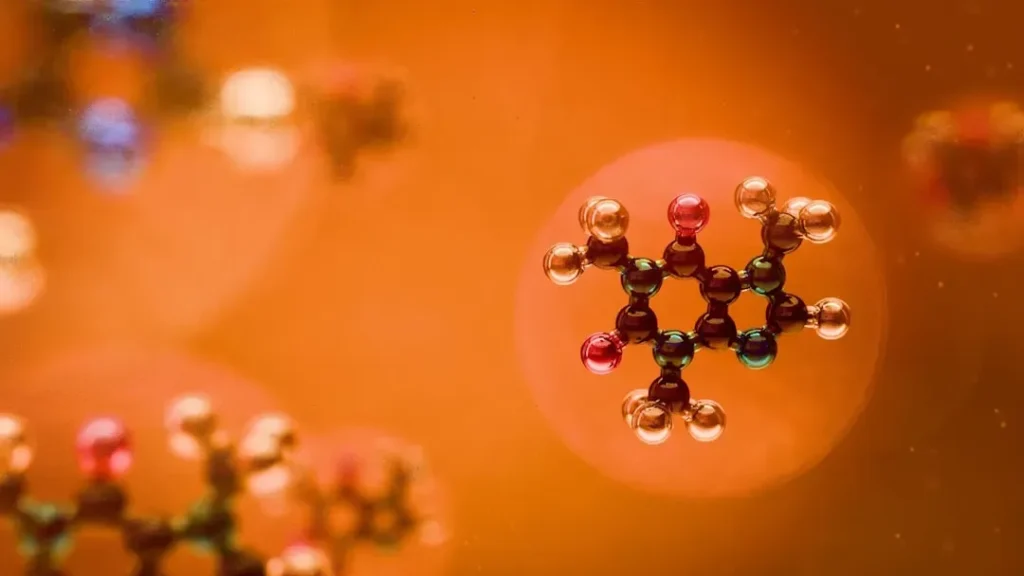
To understand how life could start, you begin by stripping it down to its basic ingredients. Modern cells are full of complex molecules like DNA, proteins, and lipids, but at their core they are built from simpler pieces: amino acids, nucleotides, fatty acids, and simple sugars. One of the most important insights from twentieth‑century experiments is that you can form many of these building blocks without any living cells at all. When you expose mixtures of water, methane, ammonia, and other simple gases to sparks or ultraviolet radiation, you do not just get random goo; you get recognizable organic molecules that cells still use today.
On the early Earth, you would not be dealing with a single neat experiment, but with oceans, ponds, and hydrothermal systems acting as sprawling reaction vessels. Volcanic gases, impact-delivered compounds from comets and asteroids, and minerals in hot rocks could all contribute to this organic soup. Over long stretches of time, you can picture certain environments becoming chemically richer – perhaps a shallow pond concentrating organics as water evaporated, or a porous rock face cycling fluids and heat. In those pockets, amino acids, simple lipids, and nucleotide-like molecules might accumulate to levels where new, more intricate chemistry could take off.
RNA, DNA, and the First Self-Copying Systems
![RNA, DNA, and the First Self-Copying Systems (Created with the rendering program Protein Explorer [1] using coordinates 1H38 deposited at the RCSB PDB repository. [2], Public domain)](https://nvmwebsites-budwg5g9avh3epea.z03.azurefd.net/dws/98ca9329b27a86a7345f503d20a5afa1.webp)
If you want life, you ultimately need something that can store information and copy itself with some level of reliability, but not so perfectly that change becomes impossible. You see DNA doing that job in every cell around you today, but many researchers think that an earlier molecule, RNA, may have come first. RNA has a quirky dual personality: it can store genetic information like DNA, yet also fold up into shapes that let it perform simple chemical tasks, acting a bit like a primitive enzyme. That makes it a plausible candidate for an early stage when chemistry was edging into biology.
In your mind’s eye, you can picture a setting where short strands of RNA-like molecules form on mineral surfaces, perhaps aided by cycles of wetting and drying or the steady flow of hot, mineral-rich water. Some strands might accidentally help make more of themselves by stabilizing certain reactions or binding helpful ions. Those slightly better at surviving and copying would become more common, while clumsier variants would fade away. At this stage, you are not looking at full-fledged cells but at a world of experimental molecules, nudging toward the first true genetic systems. Eventually, these fragile RNA networks could have paved the way for the more stable and efficient DNA–protein world you see in modern life.
Minerals, Vents, and the Power of Geochemistry
When you shift your focus from molecules drifting in open water to the solid surfaces beneath them, you find another powerful part of the story. Many minerals are not just passive backdrops; they can actually catalyze reactions, help concentrate organic compounds, and provide scaffolds where complex chemistry can unfold. For example, clays can trap and align small molecules, while iron- and sulfur-rich minerals in hot rocks can transfer electrons and fuel energy-hungry reactions. In a sense, the early Earth’s crust was acting like an enormous, patchwork laboratory bench.
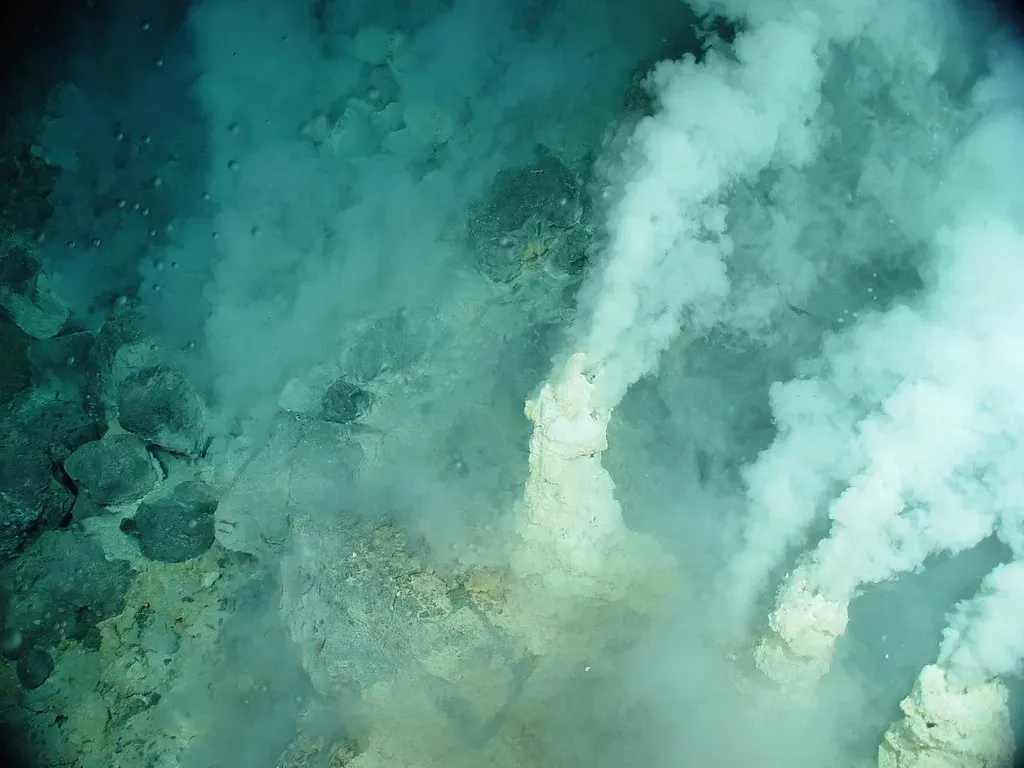
Hydrothermal vents on the ocean floor, especially alkaline vents with chimney-like structures full of microscopic pores, offer you a particularly intriguing setting. In these vents, you have constant chemical gradients – differences in pH, temperature, and composition – across thin mineral barriers. Those gradients resemble the energy differences modern cells exploit across their membranes. Inside tiny mineral pores, simple molecules may have been trapped, energized, and coaxed into forming more complicated networks. When you look at how many enzymes in your own body still rely on metal atoms and sulfur groups, it becomes easier to imagine that life’s earliest energy systems were closely tied to these geochemical engines.
Protocells: When Chemistry Learns to Draw a Boundary
Life is not just chemistry; it is organized chemistry. At some point, you need a way to separate the inside from the outside, so that useful reactions are kept close together and harmful substances are kept out. That is where protocells come into your picture. Fatty acids and related molecules can spontaneously organize into droplets or bubbles in water, forming primitive membranes without any help from living enzymes. In lab conditions, you can watch these vesicles grow, merge, and sometimes divide, just from simple physical forces and concentration changes.
Now imagine pairing those simple compartments with the self-copying molecules you pictured earlier. If RNA-like strands or other catalytic networks end up trapped inside a fatty bubble, they suddenly have a protected microenvironment. The bubble can hold onto helpful molecules and keep reaction products close together. When the protocell grows and splits, it can accidentally pass some of its internal chemistry to its “offspring.” You are now looking at entities that have both a boundary and some form of heredity, even if it is still extremely crude compared to real cells. From there, natural selection can begin to act in a much more familiar way, favoring protocells whose internal chemistry and membranes help them persist and proliferate.
The First Microbes and the Long Reign of the Invisible
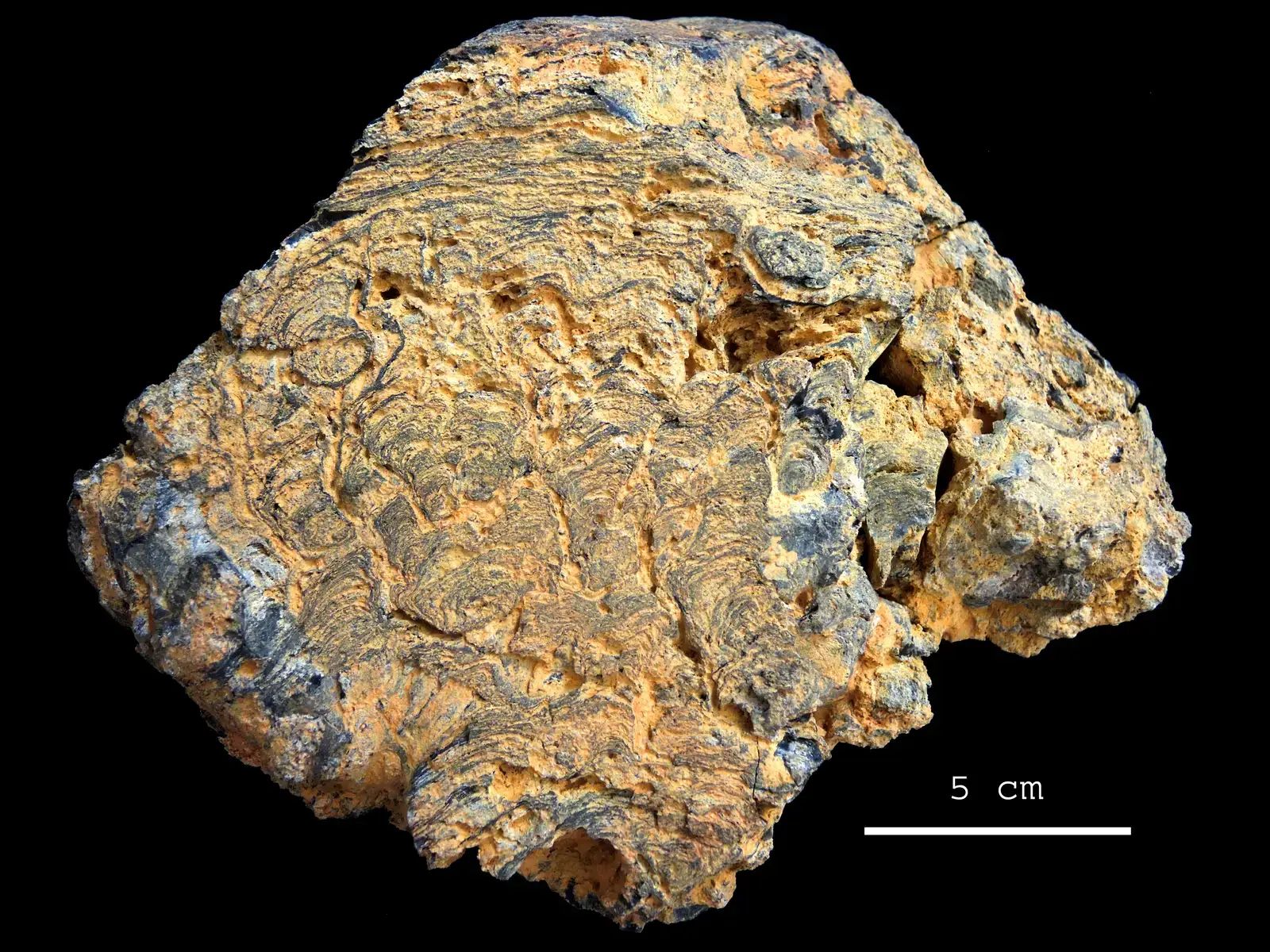
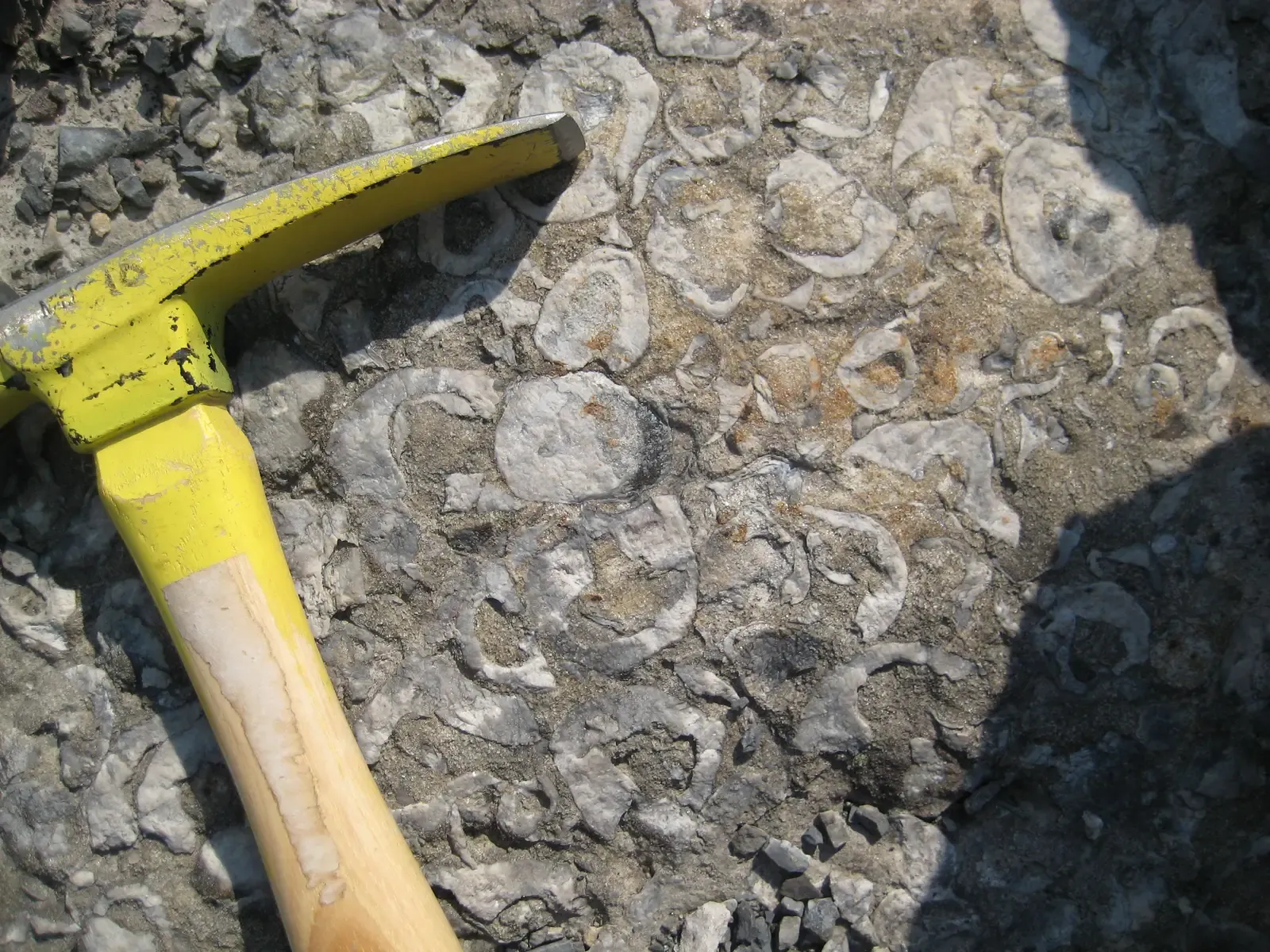
Once you have stable protocells that can store information, harvest energy, and pass traits to their descendants, you have crossed into the arena of true living cells. The earliest fossils you can confidently interpret as microbial life appear in rocks a bit more than three and a half billion years old. You see them as microscopic filaments, layered mats, or chemical signatures in ancient sediments. To your eyes now, they would look unimpressive – no bigger than modern bacteria or archaea, and lacking any complex shapes. But in their own time, these were revolutionary inventions, able to copy themselves, adapt, and reshape their environment.
For most of Earth’s history after that point, your planet belonged almost entirely to microbes. Single-celled organisms mastered diverse ways of living: some used chemical energy from rocks and vents, others began to tap sunlight, and still others fed on organic molecules made by their neighbors. Layered microbial communities called stromatolites built up along shorelines, recording seasonal and tidal rhythms long before plants or animals walked there. If you could step back into that deep time, you would see a world that felt empty of large life, but seethed with microscopic activity beneath every ripple of water and grain of sediment.
Oxygen, Catastrophe, and a Changing Atmosphere
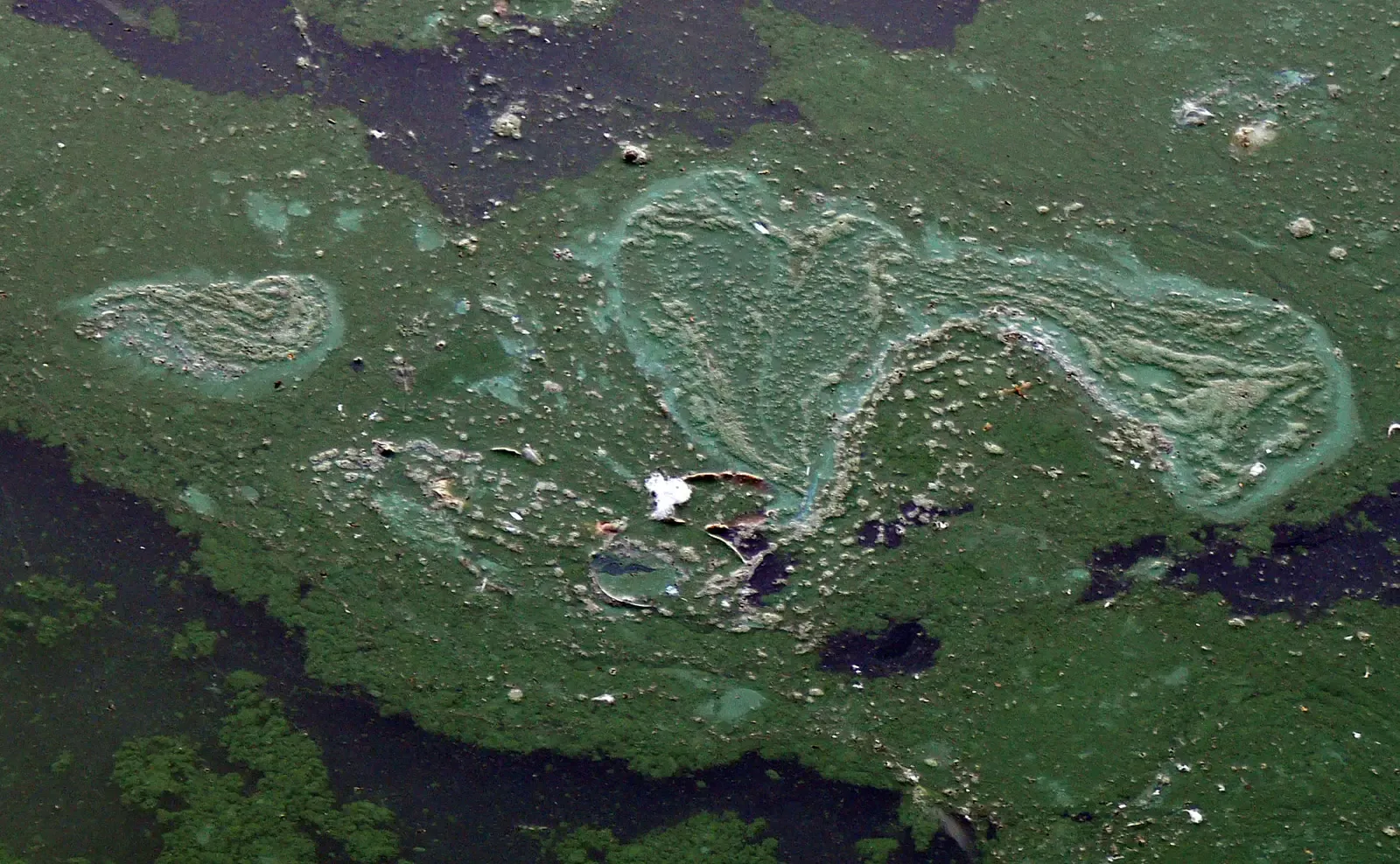
One of the most dramatic shifts you would witness in these early chapters of evolution is the rise of oxygen in the atmosphere. Certain microbes – ancestors of modern cyanobacteria – learned to use sunlight to split water and fix carbon dioxide, releasing oxygen as a byproduct. At first, that oxygen was quickly soaked up by dissolved iron and other reduced substances in the oceans and crust. Over time, though, these sinks filled up, and oxygen began to linger in the water and eventually leak into the air. For organisms adapted to an oxygen-free world, this new gas was not a blessing; it was a toxic threat.
From your modern vantage point, you tend to see oxygen as life-giving, but in that early era it triggered something like a slow-motion catastrophe for many anaerobic microbes. As oxygen levels crept up, habitats where oxygen stayed low shrank, and microbes that could detoxify or even exploit oxygen gained an edge. The chemistry of the oceans changed, iron formations stopped depositing in the same way, and the sky itself would have gradually taken on a clearer, bluer hue. At the same time, oxygen allowed new, more energy-rich metabolisms to evolve, eventually paving the way for complex cells and, much later, animals like you. What looked like a disaster from one viewpoint turned out to be an opportunity from another.
Why Origins Research Matters to You Today
It might be tempting to treat all of this as remote, abstract prehistory, but it shapes how you see yourself and your place in the universe right now. When you learn that life likely emerged from ordinary chemistry given enough time, energy, and the right conditions, you are forced to rethink the boundary between the living and the nonliving. Instead of a sharp, magical line, you start to see a gradual climb from simple reactions to complex networks, and finally to cells capable of open-ended evolution. That view can be unsettling, but it can also feel strangely empowering, because it ties you to the basic fabric of the planet rather than placing you above it.
Research on life’s origins also guides how you search for life beyond Earth. When you ask whether Mars once had long-lived lakes, or whether icy moons like Europa and Enceladus harbor subsurface oceans with hydrothermal activity, you are really asking whether some other world has retraced the same steps your planet did. By understanding which conditions on early Earth were truly essential, you refine your targets and your expectations. You may discover that life is rare and fragile, or that it springs up wherever the right ingredients and energy sources align. Either way, the more you unravel those earliest chapters here, the better prepared you are to recognize a new story of dawn somewhere else.
In the end, when you trace your history back to the first protocells clinging to mineral surfaces or drifting in ancient seas, you realize you are not separate from those early experiments – you are their outcome. Every cell in your body carries echoes of those first solutions to the problems of energy, heredity, and survival. The dawn of life may lie billions of years behind you, but it is also written into you right now, quietly, in the chemistry that keeps you alive. When you look up at the night sky and wonder where else such a dawn might have happened, you are really extending that same story outward. What new beginnings do you think might be waiting out there in the dark?