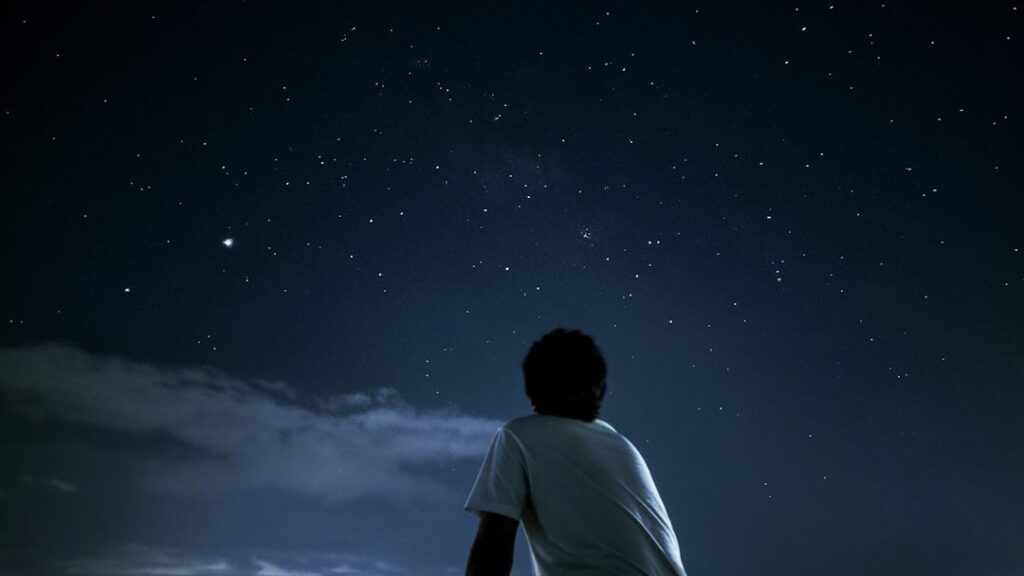
There’s a strange, almost electric feeling that can hit you when you look up at a clear night sky. One second you’re just standing there in your driveway or on a balcony, and the next you’re hit with this quiet shock: you are tiny, the universe is huge, and none of your open tabs or unread emails seem to matter for a moment. That mix of awe, dizziness, and low-key existential panic is not just you being dramatic. Psychology has a lot to say about why the stars make us feel so unbelievably small.
What’s fascinating is that this “smallness” is not always negative. Sometimes it’s scary, sure, but it can also feel freeing, like someone just lifted a hundred invisible expectations off your shoulders. Researchers studying awe, perspective, and the self are discovering that this reaction is deeply wired into the way our brains handle scale, meaning, and uncertainty. Once you see what is actually happening under the hood, it becomes easier to understand why one simple glance at the night sky can shake you more than a year of scrolling social media.
The Shock of Cosmic Scale: Your Brain Wasn’t Built for This
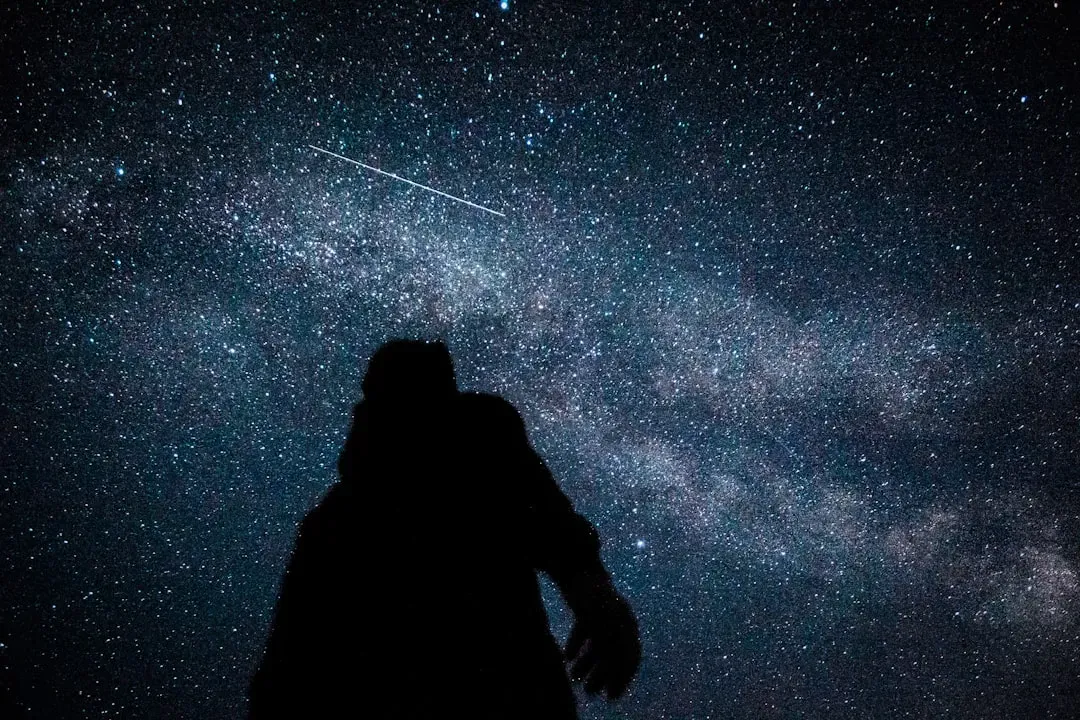
When you tilt your head back and see thousands of stars, your brain is trying to process physical scales that it was never really designed to grasp. Our nervous systems evolved to navigate villages, forests, and maybe distant mountains, not galaxies that stretch for mind-bending distances. So when you confront the idea that some of those pinpricks of light are entire suns, many of them bigger than our own, your brain hits a kind of cognitive overload. This mismatch between what we see and what we can truly comprehend creates that dizzy, shrinking feeling.
Psychologists sometimes talk about this as a “cognitive scale break,” where familiar mental rules stop working. The same way you might feel weirdly off-balance looking down from the top of a skyscraper, looking up at the stars is like that feeling multiplied across time and space. Your sense of personal importance is suddenly competing with distances measured in light years and timescales where millions of years are just footnotes. No wonder your everyday worries feel small; the mental ruler you normally use to measure your life just stops being useful.
Awe: The Emotion That Makes the Self Feel Smaller (On Purpose)
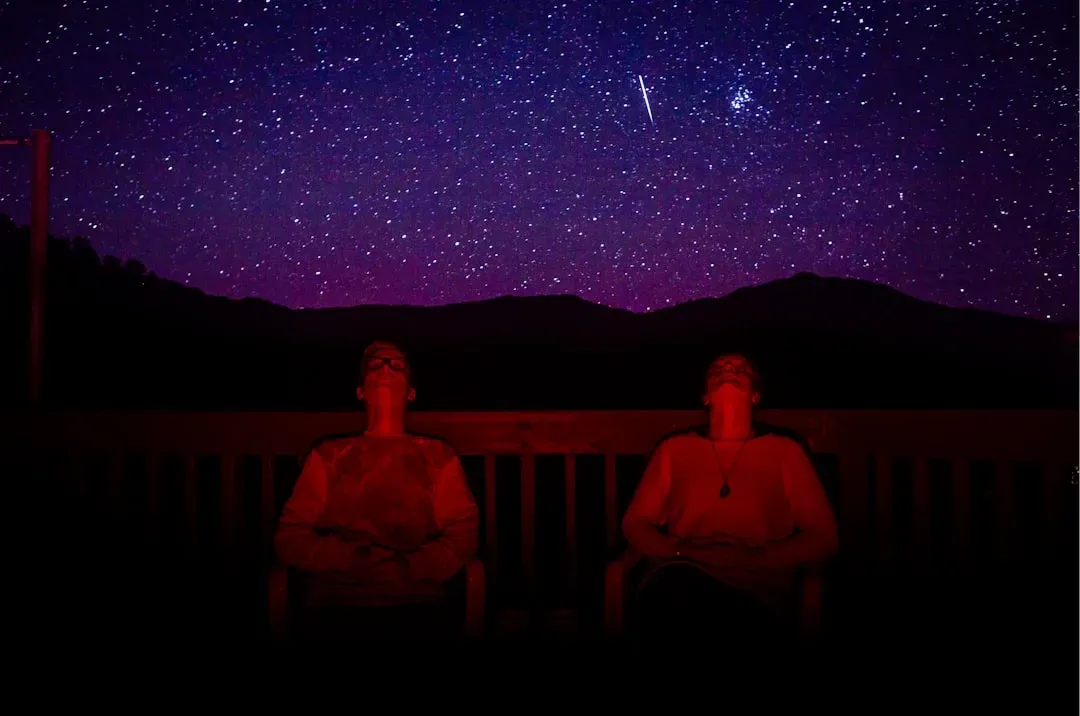
Psychologists studying awe have found that it reliably makes people feel “small” in a very specific way. Awe often shows up in response to vast things we struggle to fully grasp, like towering mountains, massive oceans, or a sky full of stars. In those moments, people report feeling like their sense of self shrinks while the world outside them expands. This is not just poetic language; experiments show that after feeling awe, people describe themselves as less self-focused and more connected to something bigger than themselves.
Interestingly, this shrinking of the self is often linked to benefits rather than harm. After experiencing awe, people can become more generous, less obsessed with their own problems, and more willing to help others. The stars act almost like a psychological reset button, pressing down on our ego and stretching our view outward. Instead of being the main character of the universe, you suddenly feel more like a single note in a very big song. That can be humbling, but also strangely comforting, like stepping back far enough from a painting to finally understand the picture.
Existential Thoughts: The Stars Trigger Big Questions About Life and Death
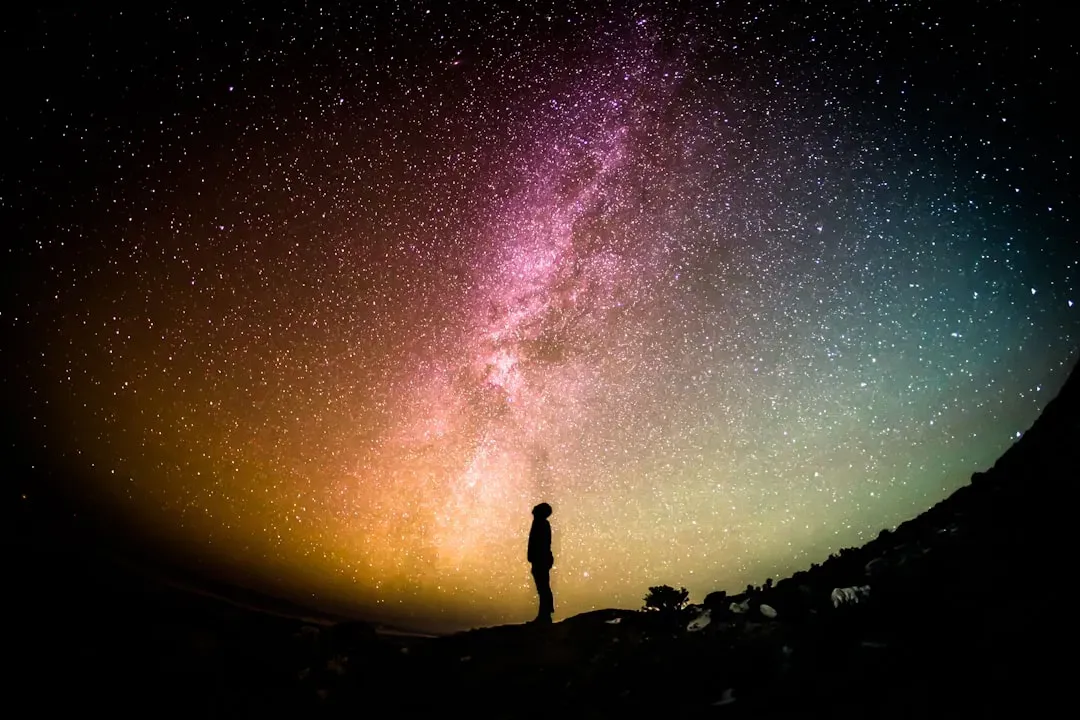
Of course, not all of this smallness feels pleasant. For many people, staring at the night sky flips on the existential switch. Thoughts like “What’s the point of my life in all this?” or “Does anything I do really matter?” can rush in. In psychology, this ties into what’s called existential anxiety: the discomfort that shows up when we confront our own mortality, our limited control, and the possibility that the universe might not have a built-in meaning. The stars, by sheer contrast, amplify how brief and fragile a human life really is.
At the same time, those same questions can move people toward deeper reflection and values. When you recognize that your lifetime is just a short blip against cosmic time, it can either feel terrifying or clarifying. Some people come away thinking they should make their days count more, invest in relationships, or pursue work that feels meaningful. Others lean into spiritual or philosophical beliefs to anchor themselves. In either case, the night sky acts like a mirror that forces you to reckon with the fact that you exist at all, in a universe that owes you no explanation.
The “Overview Effect” Without Leaving Earth
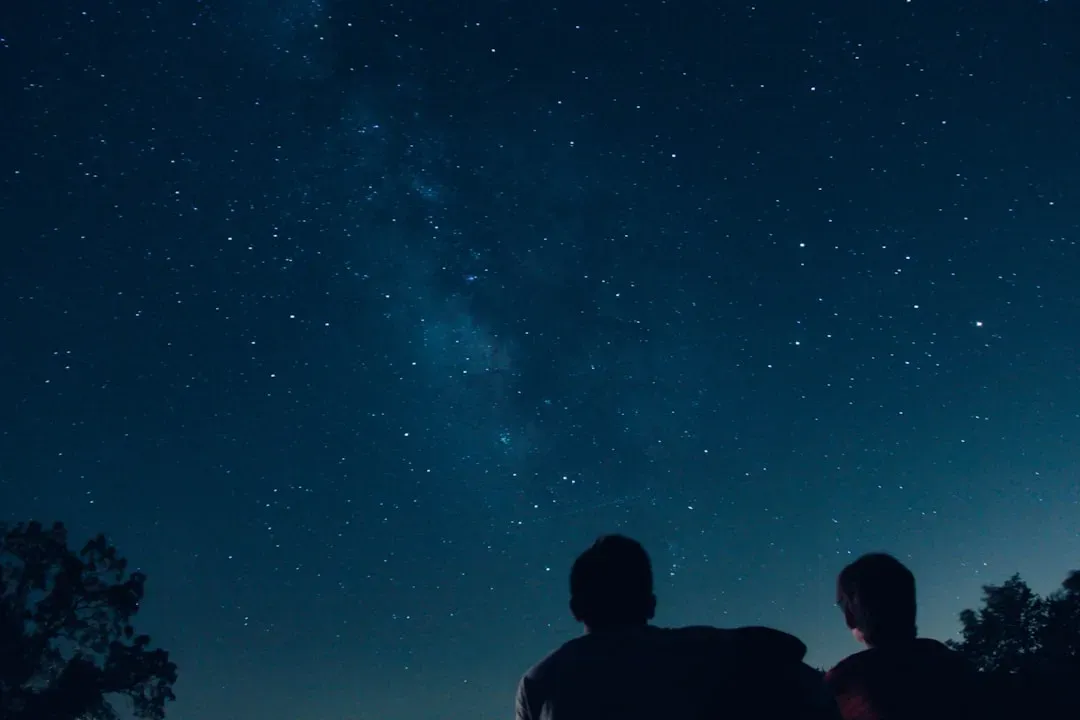
Astronauts often describe an intense psychological shift when they see Earth from space, sometimes called the “overview effect.” They talk about feeling both very small and deeply connected to all of humanity at once. What’s interesting is that people can experience a milder version of that feeling just by looking at the stars from the ground. You might not see the whole planet at once, but you do get this sense of being a tiny part of a much larger cosmic story. That change in perspective can rearrange your priorities in subtle but powerful ways.
From a psychological perspective, this shift happens because your mental frame zooms way out. Normally, your world is your job, your family, your neighborhood. Under a starry sky, the frame balloons outward until your personal concerns are just one tiny piece among countless others. This wider frame can reduce the emotional intensity of your problems, not because they are fake, but because you suddenly see them in context. When you realize you’re basically standing on a spinning rock in space, orbiting an average star in a huge galaxy, that rude email or awkward meeting starts to shrink in emotional size.
Self-Transcendence: When Feeling Small Actually Feels Good
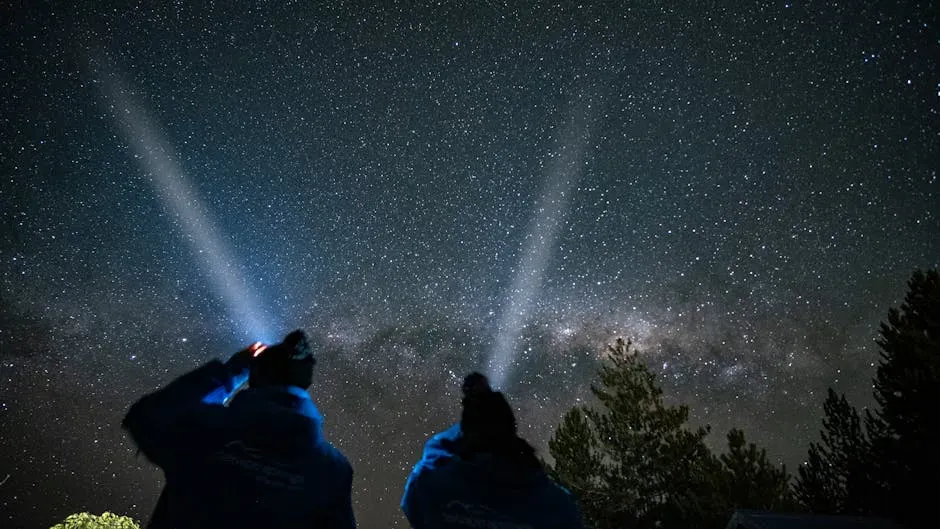
One of the stranger findings in psychology is that feeling small can sometimes feel incredible. This is where the idea of self-transcendence comes in: moments when your sense of “me” expands or softens into a feeling of connection with something beyond you. Looking at the stars is one of the most common natural triggers for this. You may find yourself feeling less like an isolated individual and more like a participant in something vast, ancient, and ongoing. In those moments, being tiny is not an insult; it is a relief.
Self-transcendent experiences are often linked with higher life satisfaction and a deeper sense of meaning. People report that after such moments, their own problems feel smaller but not irrelevant, more like manageable details instead of crushing weights. The night sky can act like a gateway into that mindset. It dissolves some of the invisible walls around your sense of self, replacing them with a sense of belonging to the universe itself. It is almost ironic: the more you feel like just a speck among the stars, the more your life can start to feel textured and meaningful rather than flat and self-absorbed.
Culture, Stories, and the Human Need to Belong Somewhere
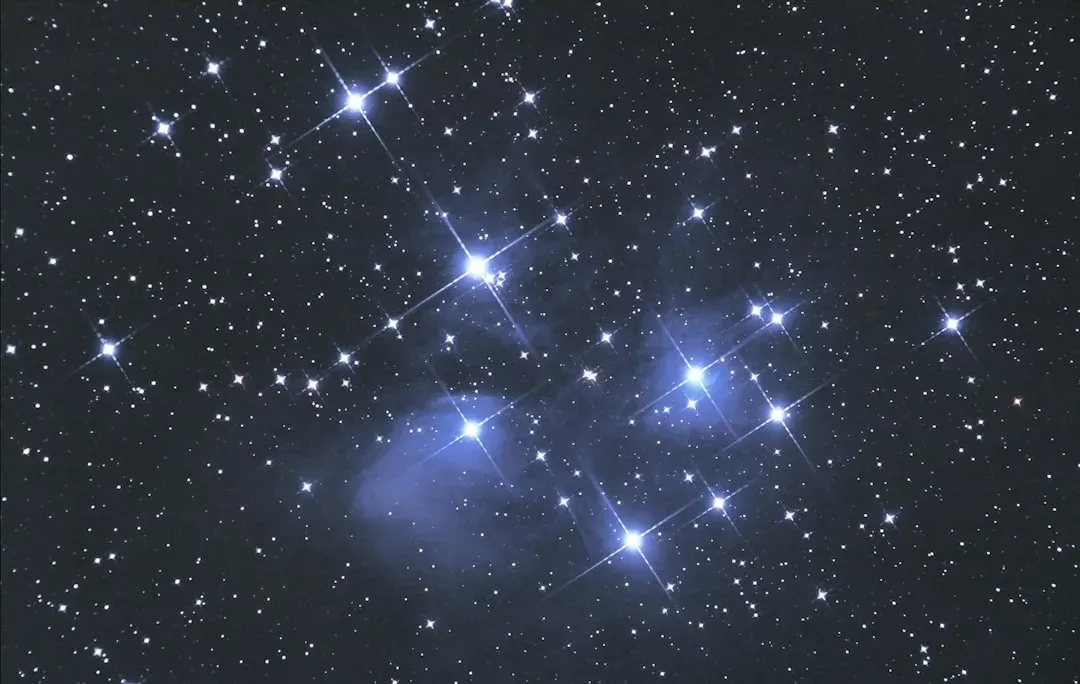
Psychology does not exist in a vacuum; it is shaped by culture, and culture has always been obsessed with the stars. For thousands of years, humans have used constellations to tell stories about gods, heroes, animals, and monsters. Those stories did something crucial: they pulled the cold, distant sky into a web of meaning we could actually live with. When you know that many cultures before you looked at these same lights and turned them into myths, navigation systems, and calendars, that can add another layer to the feeling of smallness. You are small, but you are also part of a long human chain staring up at the same sky.
From a psychological angle, this connection helps cushion the blow of cosmic insignificance. Instead of you versus the empty universe, it becomes you and your species trying to make sense of it together. Even today, modern people might not recognize old constellations, but they still project narratives onto space through science fiction, movies, and space exploration dreams. That storytelling instinct is a way of claiming a tiny bit of belonging in a universe that does not explicitly offer it. Feeling small then becomes less about being irrelevant and more about recognizing your place in a very large, very old story that started long before you and will continue after you are gone.
The Brain’s Need for Control Collides With Cosmic Uncertainty
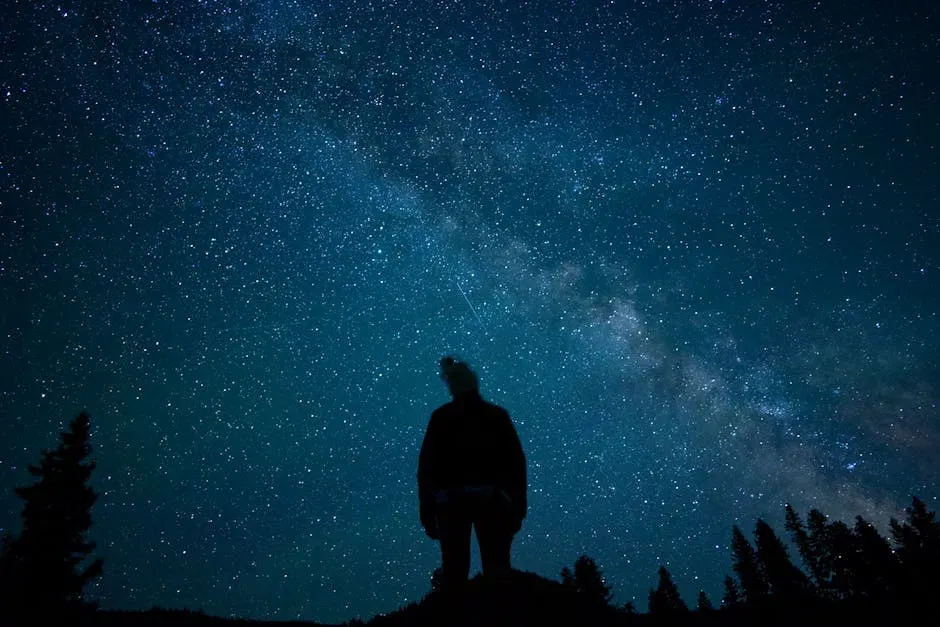
Another big reason we feel small under the stars is that we are suddenly face-to-face with things we cannot control. Day to day, humans are constantly trying to manage, predict, and organize their lives. Even tiny routines, like making the same breakfast or sitting in the same spot on the couch, are ways of creating a small bubble of predictability. When you look at the night sky and remember that giant space rocks are flying around, stars are exploding, and entire galaxies are colliding, that bubble gets punctured. Your brain senses how powerless you truly are against the larger forces of the cosmos.
Psychologically, that loss of control can be unsettling but also clarifying. On one hand, it can stir up anxiety because humans generally like to feel that their choices and actions shape outcomes. On the other hand, acknowledging how little control you have over the universe can lighten the pressure you place on yourself. If you’re not personally responsible for the fate of galaxies, maybe you can let go of the idea that you must optimize every moment of your life. The stars remind you that some things are simply beyond you, and weirdly, that realization can make it easier to focus on the small but real domains where your choices do matter.
Why the Night Sky Can Make Everyday Problems Shrink
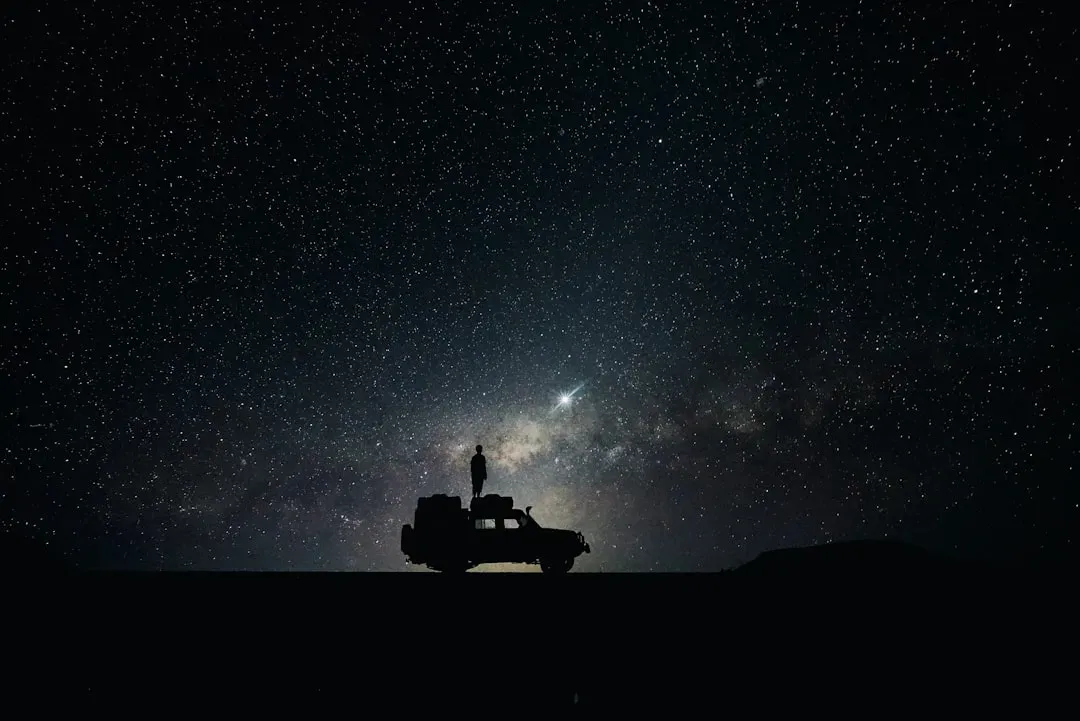
From a practical psychological standpoint, one of the most striking effects of looking at the stars is how it can instantly reframe your daily stress. Bills, deadlines, awkward conversations, and future plans often feel enormous when they fill your mental screen. But when you step outside and really take in the night sky, that screen stretches. Your problems do not disappear, but they get resized. It is like switching from a close-up shot to a wide-angle lens in a movie; suddenly, you see the whole scene instead of one intense corner of it.
Over time, deliberately seeking out this kind of perspective shift can act almost like a mental health tool. Some people use stargazing as a way to calm themselves, reset after a draining day, or remember that their life is more than today’s crisis. To me, it feels a bit like the universe quietly saying, “You are tiny, but you are here, and that counts.” That blend of humility and grounding is powerful. Instead of making life feel pointless, it often makes it feel precious, precisely because it is temporary and small against the backdrop of the stars.
Conclusion: Small, Yes – But Not Meaningless
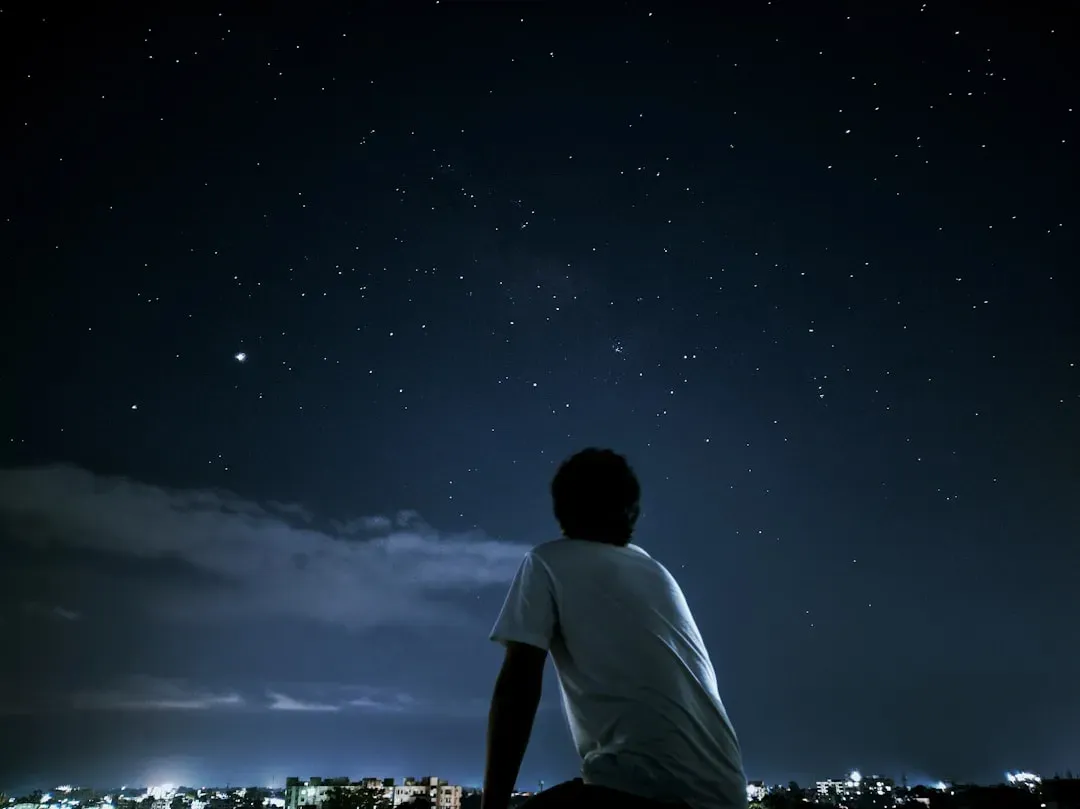
If you ask me, the fact that humans feel so small when we look at the stars is not a bug; it is a feature. Psychology suggests that this sense of smallness pulls our ego down to size, opens us up to awe, and nudges us toward deeper questions about what we value. Sure, the night sky can stir up uncomfortable thoughts about death, insignificance, and lack of control. But it also hands us a rare, honest view of our situation: tiny creatures with short lives, capable of love, creativity, and reflection, standing on a rock drifting through an ancient universe.
In a world that constantly tells you to be the main character, the stars quietly argue for a different perspective. They say you are part of something vast, not at the center of it, and that your meaning will never come from size alone. I think that is a healthy, even necessary correction to the noise of modern life. Feeling small does not have to mean feeling worthless; it can mean finally seeing yourself in scale and choosing what matters anyway. The next time you look up and feel that familiar shiver, maybe ask yourself: in a universe this big, what kind of small life do you actually want to live?