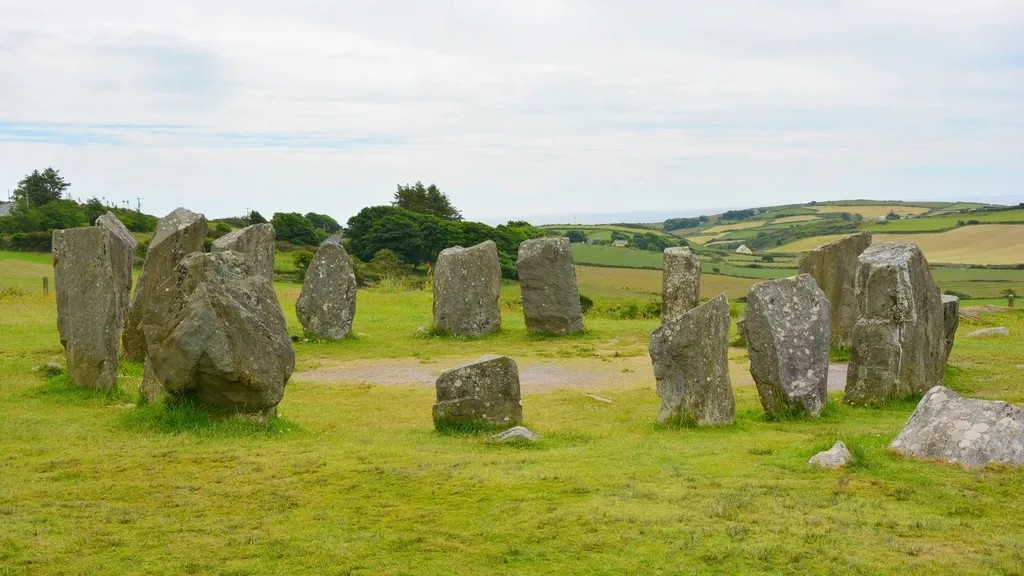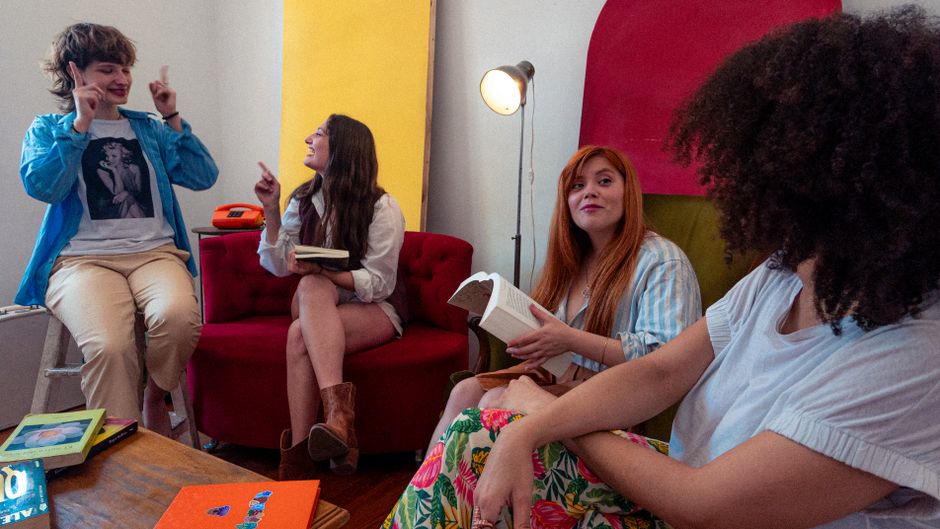
Look around your life for a second: playlists, streaming queues, endless scrolling. Now imagine all of that vanishing in a blink, leaving you with nothing but your voice, your body, the people around you, and the landscape. For most of human history, that wasn’t a nightmare scenario; that was normal life. And yet, people were not bored out of their minds. They laughed, they played, they flirted, they competed, they told stories so vivid they survived for thousands of years without a single screen.
When you really sit with that, it’s a little unsettling and strangely inspiring. It forces the question: if they stayed entertained without any of our modern distractions, what exactly were they doing with all that time and attention? As someone who has definitely lost entire evenings to a glowing rectangle, I find that question humbling. Let’s walk through the ways humans kept themselves engaged, thrilled, and emotionally alive long before notifications ruled their day.
Storytelling Around the Fire: The Original Netflix
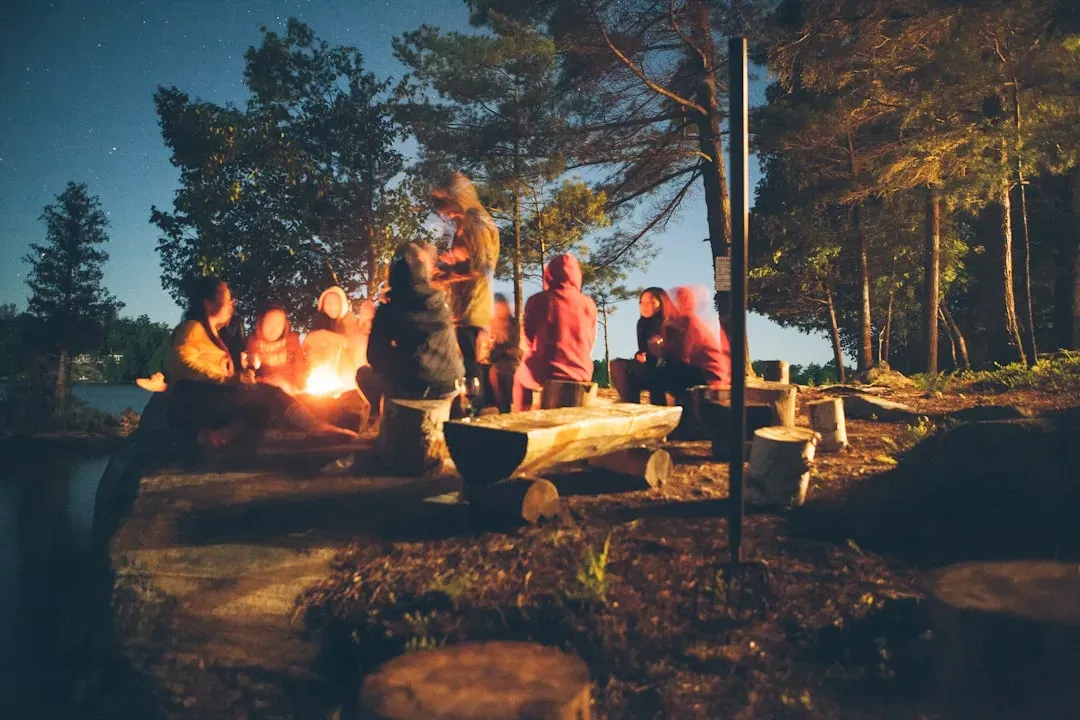
Long before anyone argued about which show to binge next, people gathered around a fire and let one person’s voice do all the heavy lifting. Storytelling was entertainment, news, education, therapy, and social glue rolled into one. In many ancient societies, long oral epics were recited from memory, sometimes over several nights, mixing myth, history, and moral lessons into a kind of live, communal cinema inside people’s heads. Without visual effects or soundtracks, the storyteller’s timing, tone, and imagination did the work that cameras and CGI teams do now.
There’s something secretly high-tech about a good story, though. The human brain responds to vivid narrative by lighting up as if we’re actually experiencing the events ourselves, which is why a tense story can make your heart race even though you’re just sitting there. In small communities, shared stories created a common identity, a sense of who “we” are and what “we” value. When you think about it, modern fandoms are just an echo of that – except now we argue online instead of around a campfire. I honestly think we underestimate how emotionally rich those nights must have felt, with darkness all around and everyone leaning in to catch the next twist.
Music, Rhythm, and Dance: Entertainment You Could Feel in Your Bones
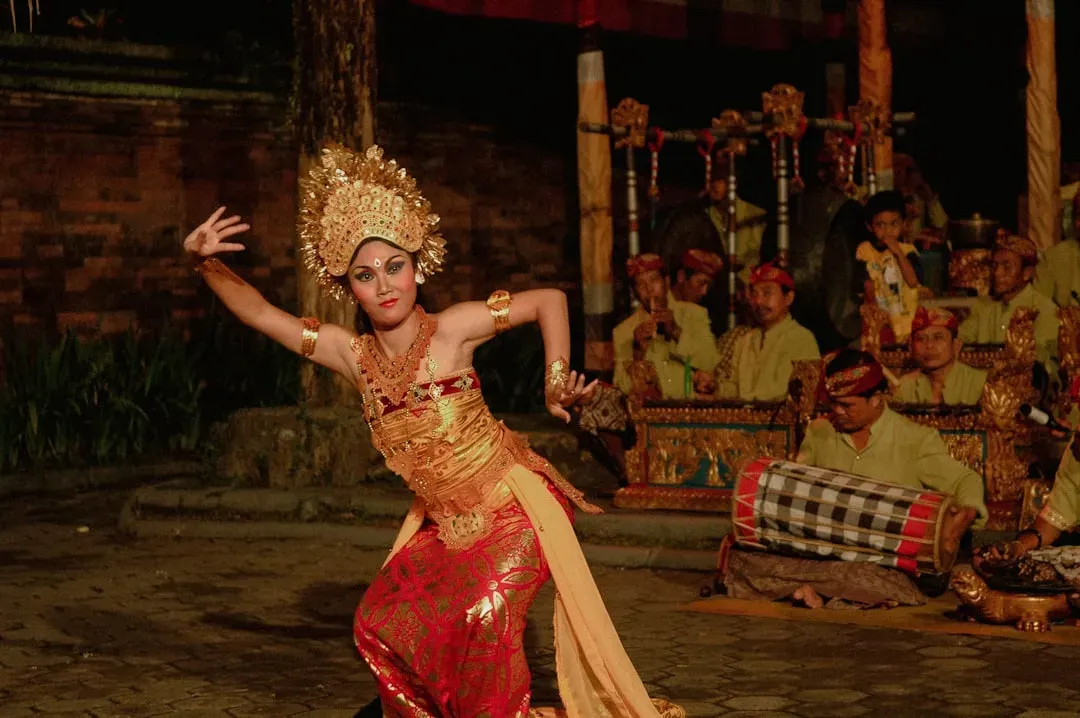
If storytelling was the original streaming service, then rhythm was the original “like” button. Humans have been making music for tens of thousands of years, using whatever they had: voices, bones, shells, drums stretched with animal skin, flutes carved from wood or bone. Archaeologists have found ancient instruments that show people were not just making noise; they were making organized, repeated patterns – music that could be shared and remembered. Singing together did more than pass the time; it synchronized breathing, heart rates, and emotions, literally pulling a group into the same rhythm.
Dance layered movement onto that shared beat, turning entertainment into a full-body experience. In many cultures, dance wasn’t just about fun; it marked seasons, honored deities, celebrated victories, or helped people process grief. Imagine a village at harvest time, everyone exhausted but relieved, gathering to sing and dance under the open sky – that’s entertainment, but it is also a ritual reset for the whole community. When you compare that to dancing alone in your kitchen to a playlist, it’s hard not to feel like something got lost as well as gained. My own happiest memories are still the nights where the right song pulled everyone onto the floor at once.
Games, Sports, and Friendly (or Not-So-Friendly) Competition
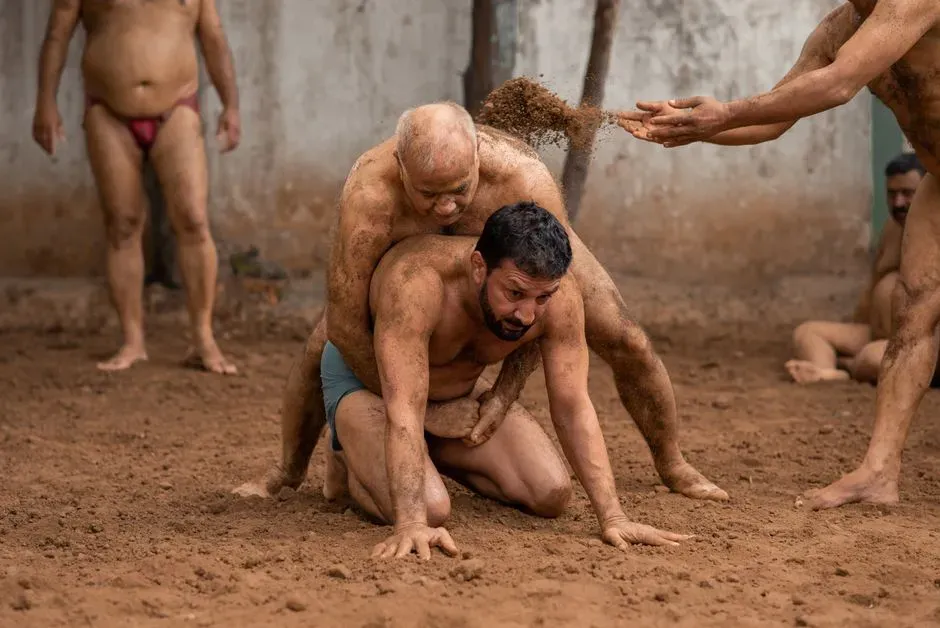
Humans have been turning boredom into competition for as long as we’ve been human. Ancient civilizations left behind game boards, dice, and carved tokens that make it clear people loved structured play. Some games were about strategy and luck, like early versions of board games, while others were pure physical challenge: running, wrestling, spear throwing, ball games. These activities scratched a deep itch for testing skill, proving courage, and showing off in front of others, all under rules that everyone agreed to follow.
Sports were rarely “just a game,” though. They often carried political, spiritual, or social weight. Victories could bring honor to a tribe or city; festivals built around contests attracted traders, pilgrims, and spectators, turning a match into a full-blown event. Even at the level of a small village, a simple race or wrestling match gave people a chance to cheer, place informal bets, brag, or nurse playful grudges. That social electricity – boasting, teasing, celebrating together – might be the ancestor of modern fan culture. When you watch people lose their minds over a championship today, you’re looking at a very old part of human nature in a modern jersey.
Theater, Ritual, and Ceremony: When Life Became a Live Performance
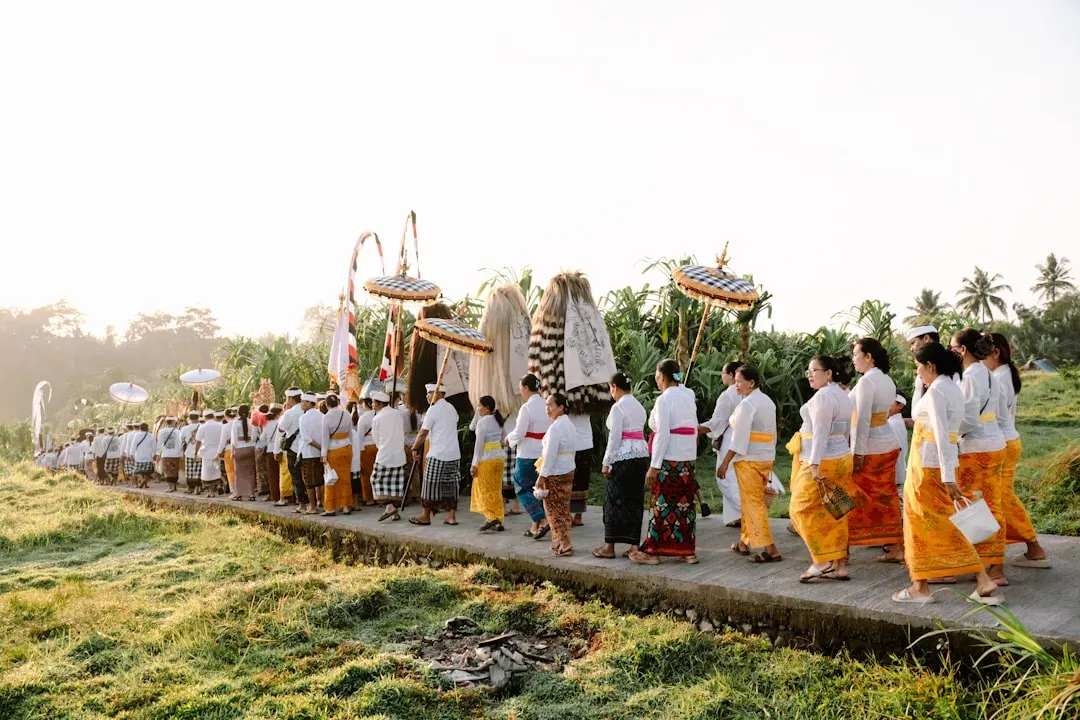
In many ancient societies, there was no hard line between entertainment and ritual; ceremonies were performances, and performances were often sacred. Religious festivals could involve dramatic reenactments of myths, processions with costumes and masks, and carefully choreographed movements that turned a whole town into a stage. People did not just watch; they participated, whether by singing, marching, offering, or responding at key moments. This created a strange but powerful blend of seriousness and spectacle – deep meaning wrapped in dramatic flair.
Over time, specialized theater emerged in various cultures: staged dramas with actors, scripts, and designated performance spaces. Audiences gathered not only to be entertained, but also to grapple with big moral questions, laugh at social satire, or see authority figures lightly mocked in ways that everyday life would never allow. There is something very human about dressing up, pretending to be someone else, and inviting everyone to pay attention. Even now, when we watch a play, a stand-up show, or a live concert, we are participating in that same hunger for a shared emotional experience that is richer precisely because it happens in real time, with real people, in the same room.
Art, Craft, and the Joy of Making Something With Your Hands
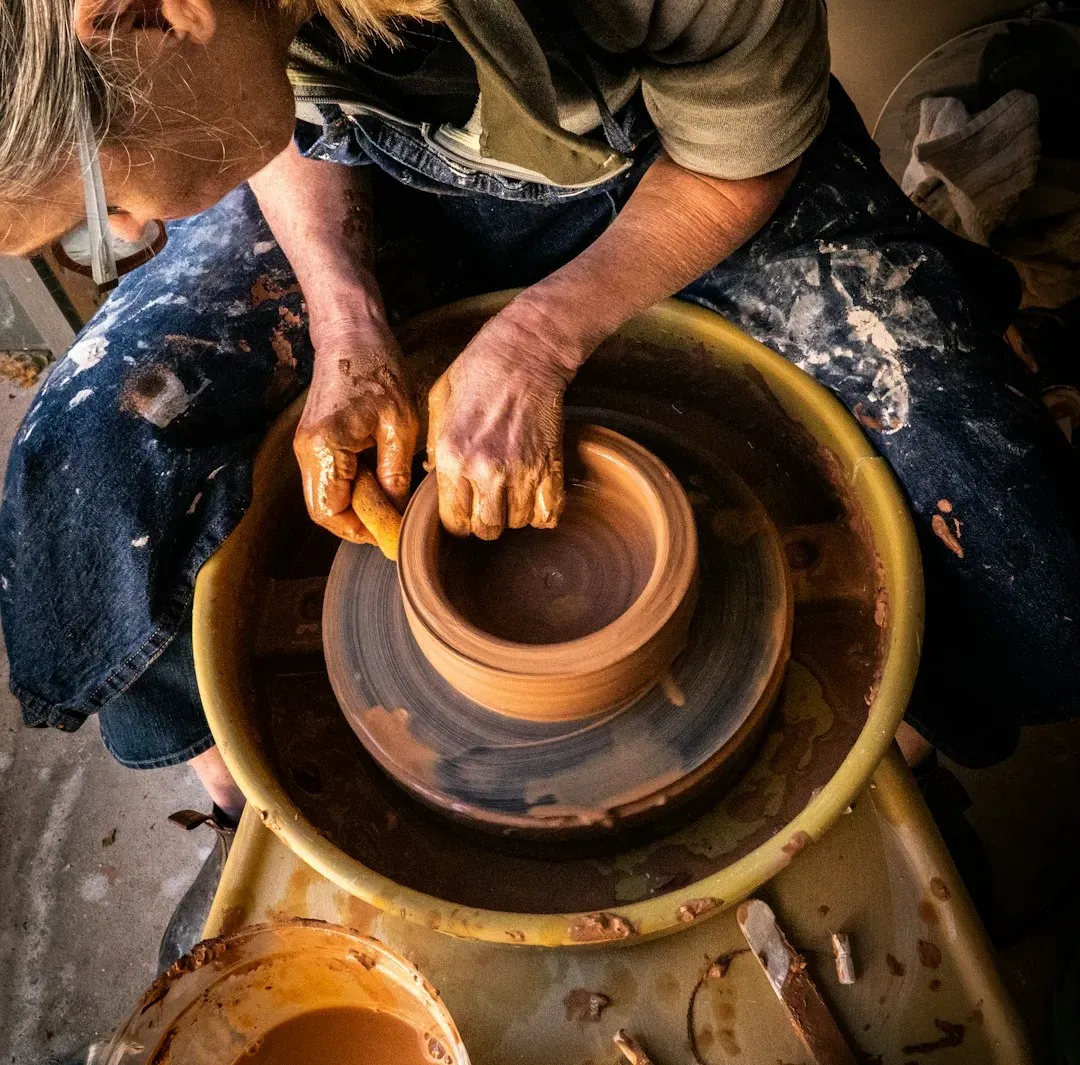
We often imagine entertainment as something we consume, but for most of history, it was just as much about what people created. Carving, weaving, painting, pottery, beadwork – these were practical skills, yes, but they were also deeply satisfying ways to pass time, express identity, and build beauty into everyday life. When someone spent hours carving a pattern onto a tool or decorating a piece of clothing, they were not just working; they were playing with form, color, and symbolism. The line between “art” and “craft” simply did not exist the way it does now.
What strikes me is how social that making often was. People worked side by side, talking, singing, sharing gossip and stories as their hands moved almost on autopilot. The finished object often carried those memories: a pot made for a wedding, a textile woven with patterns that told a family’s story, a piece of jewelry that whispered status or affiliation. Compared to scrolling through images of other people’s creations, using your own hands to bring something into existence is another level entirely. I think a lot of the modern boom in hobbies like knitting, woodworking, or pottery is a half-conscious attempt to reclaim that older kind of entertainment, where satisfaction comes not from likes but from the weight of something you made yourself.
Nature, Exploration, and the Art of Paying Attention
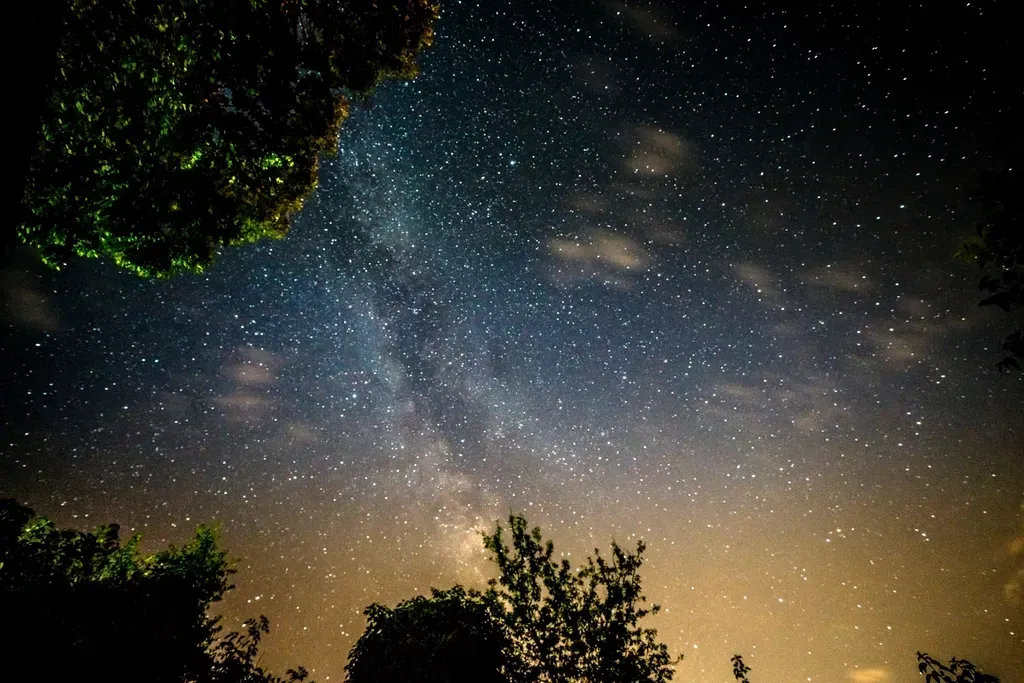
Before artificial lighting and constant noise, nature itself was a full-time show. People watched the sky change colors at dusk, tracked the phases of the moon, noted the return of birds and blossoms with every season. The night sky alone was a kind of cosmic entertainment system, full of patterns, shooting stars, and shifting constellations that sparked myths and theories. Children growing up in that world would have spent countless hours exploring fields, forests, rivers, and shorelines, their imaginations turning ordinary rocks and trees into stages for play.
There was also a quieter form of entertainment that came from simply paying close attention. Tracking animals, reading weather signs, recognizing edible plants – these skills demanded observation, memory, and curiosity. In a world without search engines, the reward for curiosity was competence and sometimes survival, but it was also a kind of mental play. I think about times I’ve been fully absorbed in a hike or staring at the ocean, feeling time stretch in a way that no app can reproduce. For our ancestors, that state was not a rare weekend treat; it was a regular part of daily life.
Community, Gossip, and the Everyday Drama of Human Relationships
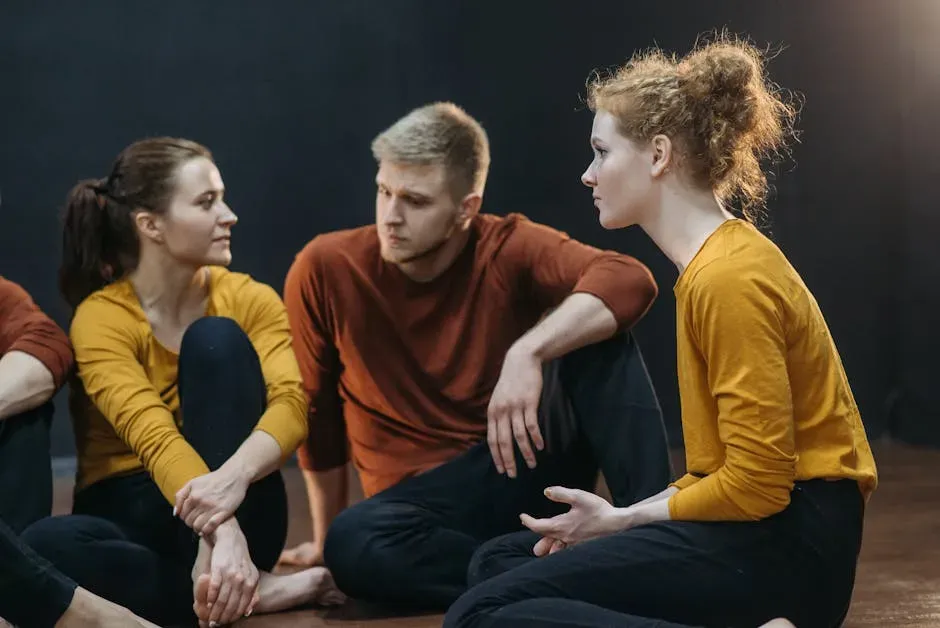
Strip away all the devices, and what you have left is people – and people are endlessly entertaining. Conversation has always been a core human pastime: sharing news, telling jokes, arguing about politics or beliefs, complaining about the weather, and dissecting everyone else’s choices. Gossip, in particular, gets a bad reputation, but it has long been a way for communities to enforce norms, spread warnings, and build alliances. The daily soap opera of who said what to whom, who is secretly seeing whom, and who embarrassed themselves at the last gathering was a powerful source of amusement.
Unlike binge-watching a scripted series, this kind of entertainment was interactive and risky; your own behavior could become tomorrow’s topic. That social pressure shaped how people dressed, how they spoke, and who they spent time with. At the same time, tight-knit communities offered deep companionship: shared meals, joint work projects, spontaneous songs, inside jokes that lasted for years. When I think of my own most satisfying evenings, they still usually involve talking with people I care about until we lose track of time. Our ancestors had less privacy and more constraints, but they also had a kind of built-in social richness that many of us now try to recreate through group chats and endless messaging threads.
What We Lost, What We Kept, and Why It Still Matters
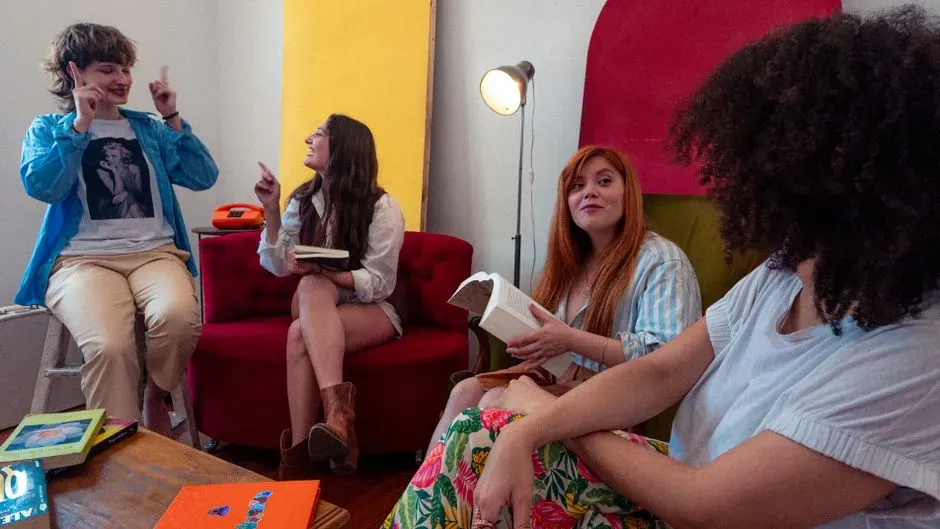
Looking back at how humans stayed entertained before modern technology, I can’t help feeling a tug-of-war inside. On one hand, we have access today to an almost absurd variety of content from all over the world; that’s an incredible privilege compared to what any human had even a few centuries ago. On the other hand, the old forms of entertainment – storytelling, music, games, making things, being outside, talking for hours – were intensely embodied and communal in a way algorithms just can’t touch. We traded slowness and depth for convenience and volume, and the deal is not as obviously good as it first seems.
My opinion is that we did not so much replace the old entertainments as bury them under layers of noise, and a lot of us feel a vague ache because of that. Whenever people start book clubs, join local sports leagues, revive folk dances, or take digital detox weekends, they are not inventing something new; they are remembering. The most powerful lesson from our pre-tech ancestors is not that we should abandon our devices and go live in caves, but that our brains and hearts are still wired for stories, rhythm, touch, nature, and deep social ties. Technology can amplify or numb those things depending on how we use it. The real question is not whether humans can stay entertained without tech – they proved that for thousands of years – but whether we are brave enough now to turn our screens off long enough to find out what still entertains us when the noise stops. What would your evenings look like if the power went out and you had to start from scratch?