If you think you’ve already seen every dinosaur movie worth making, scientists would very politely disagree. The truth is, most big-screen dinosaurs barely resemble what researchers now know about these animals, and the gap between science and cinema is getting wider every year. Imagine walking into a theater expecting the usual gray, scaly monsters and instead getting a story so strange, so beautiful, and so brutally real that it makes every previous dinosaur blockbuster feel like a rough draft.
That movie is absolutely possible right now. Paleontologists have uncovered enough fossils, ecosystems, and even microscopic traces of color and behavior to build a film that’s stranger and more thrilling than anything Hollywood has put on screen so far. It would not be a dry lecture in disguise; it would be a wild, emotional, scientifically grounded epic that treats dinosaurs less like theme-park mascots and more like living, breathing animals in a real, alien world. Let’s walk through what that movie would actually look like if the science, not the toy aisle, called the shots.
A World Stranger Than Sci‑Fi: The Real Mesozoic Setting
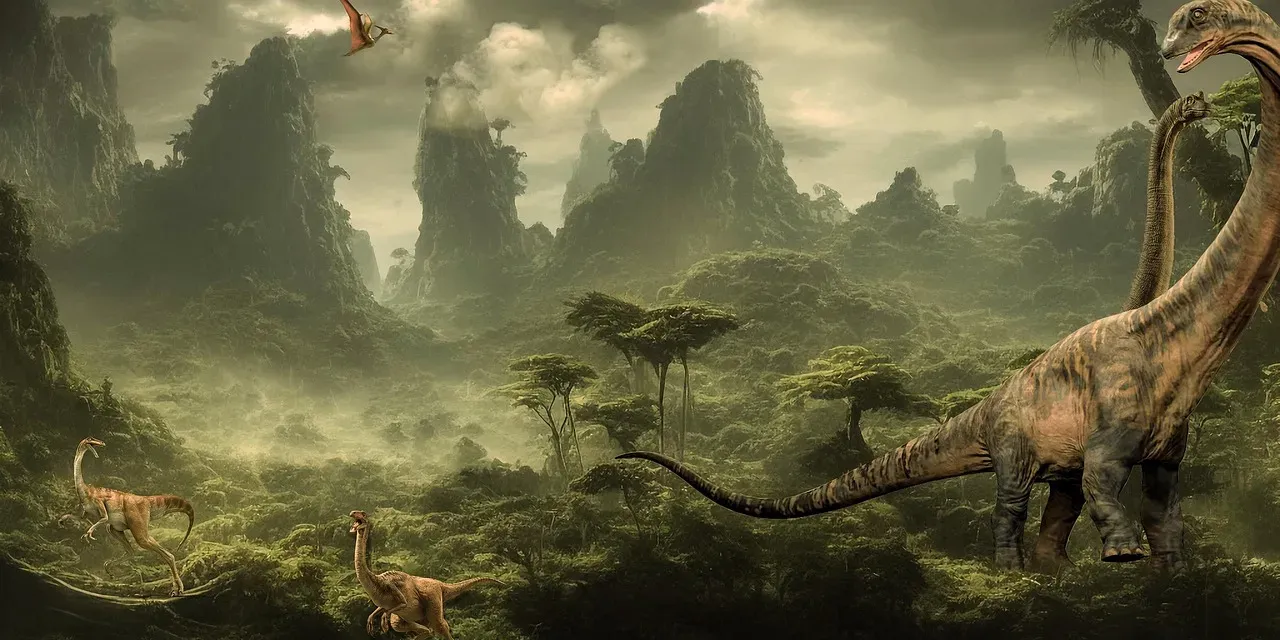
The dinosaur movie scientists want does not start with a jeep tour or a lab mishap; it starts with a planet that feels familiar at first glance and then increasingly weird the longer you look at it. The Mesozoic world was often hotter and more humid than today, with polar regions that could support forests and, astonishingly, dinosaurs living through long, dark winters. Instead of one generic jungle, the film would roam from floodplains roaring with monsoon storms to coastal lagoons full of crocs, flying reptiles, and early birds hunting over the surf like something out of a fever dream.
Visually, the landscapes should feel like nature documentaries filmed on another planet rather than generic CGI backgrounds. There were no grasses for most of dinosaur history, so many scenes would be dominated by ferns, horsetails, ginkgoes, cycads, and conifer forests instead of the modern savannas we’re used to seeing. Supercontinents were breaking apart, volcanoes were reshaping coastlines, and sea levels were sometimes so high that shallow oceans invaded deep into continents. Framing the story in this shifting, restless Earth makes it clear that the dinosaurs were not just monsters; they were residents of a dynamic, ever-changing world.
Feathers, Color, and Texture: Dinosaurs As Real Animals
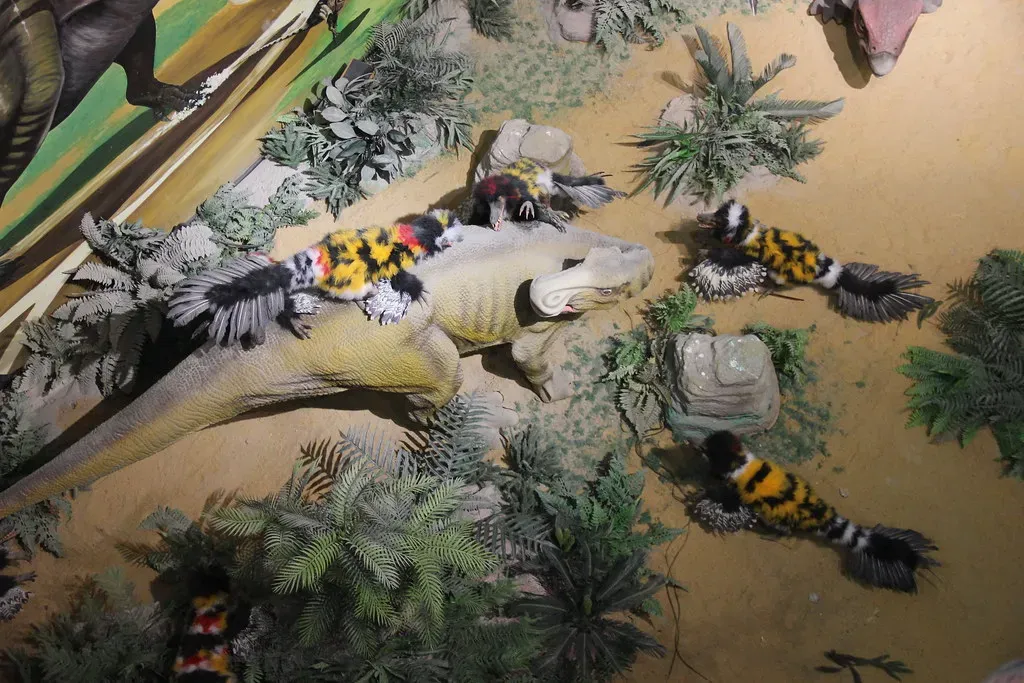
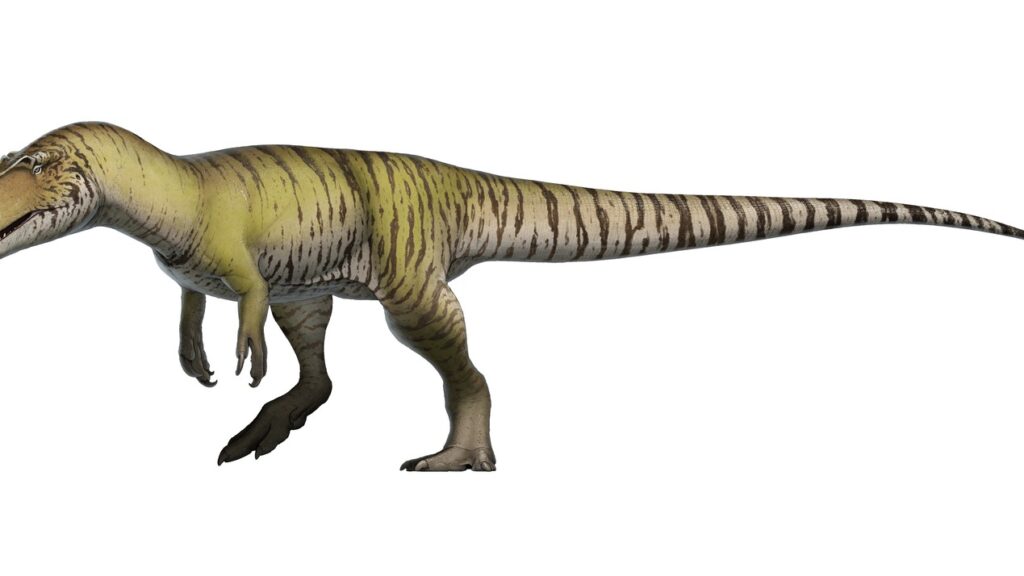
The single most shocking thing for casual viewers might be that many dinosaurs were not giant lizards at all, but closer to weird, oversized, ground-dwelling birds. A scientifically honest film would lean into that, showing feathered theropods in all their messy, colorful glory instead of sanding them down into bland scaly predators. Fossil impressions and chemical analyses have revealed feather structures and even hints of original pigments in some species, suggesting patterns of dark, iridescent, or banded coloration that filmmakers could use without needing to guess wildly.
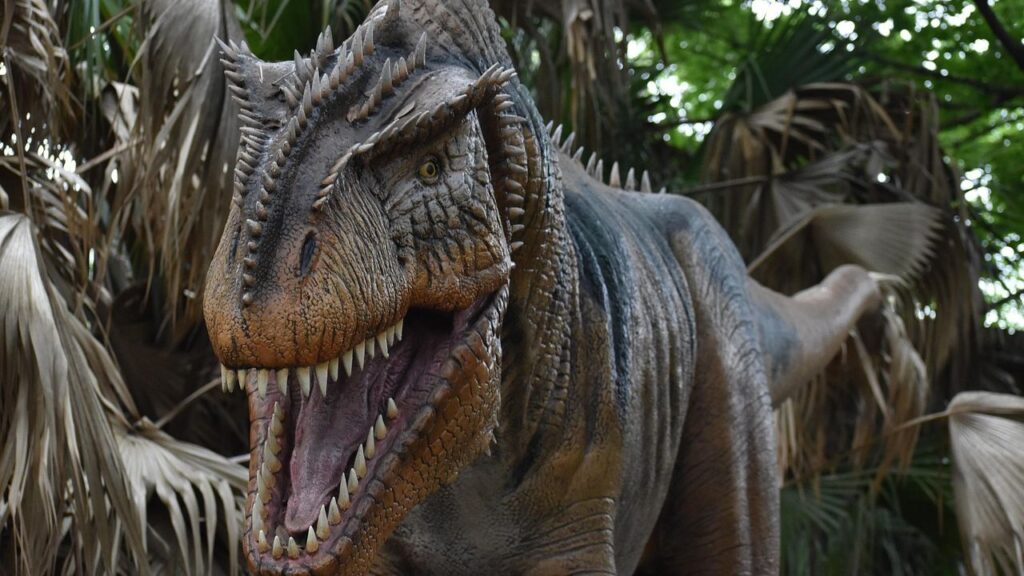
That does not mean every dinosaur is fluffy from head to tail, and a good movie would reflect that nuance rather than going for one uniform look. Some big predators probably had patches of fuzz or proto-feathers along with scaly skin, while certain herbivores relied more on armor, spikes, or sheer size for defense. The key is to treat each species like a real animal with texture: scars from old wounds, dirt and dust clinging to feathers, broken quills, and subtle color cues that hint at age, sex, or status. When a raptor flicks its tail or ruffles its plumage in this film, it should feel less like an effect shot and more like watching a hawk or a cassowary in a high‑stakes moment.
Behavior Over Body Count: Social Lives, Parenting, and Minds
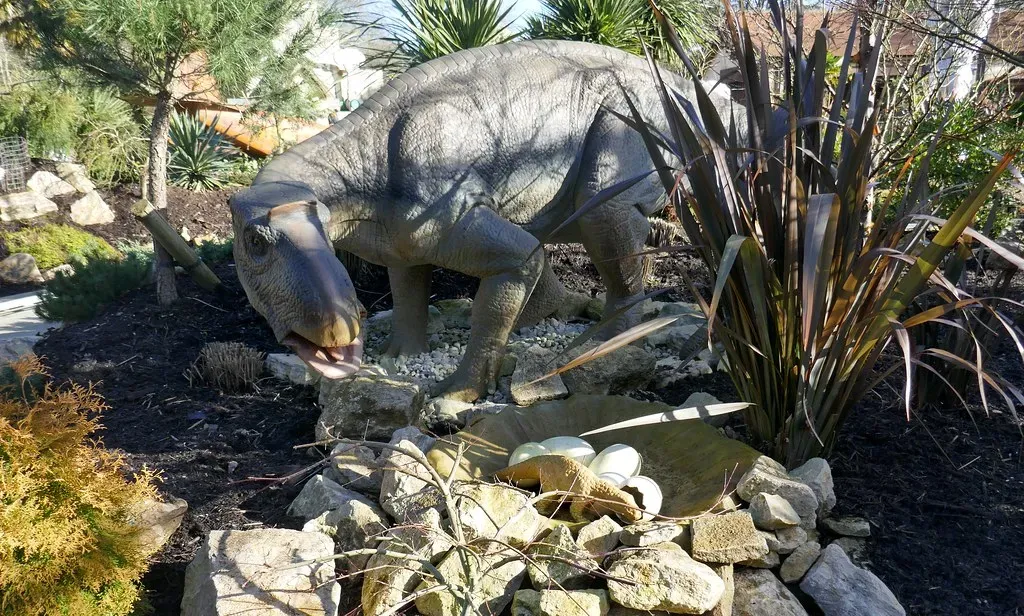
The dinosaur movie scientists dream of would be far more interested in what these animals did all day than in how many humans they could hypothetically chase. Fossil nests, trackways, and bonebeds give evidence that some species cared for their young, nested in colonies, or migrated in huge herds across vast landscapes. That means we can build scenes of parents guarding nests, youngsters practicing adult behaviors in clumsy play, and groups coordinating movement the way modern elephants or wildebeest do. The emotional punch comes from recognizing familiar patterns of care, conflict, and cooperation in utterly unfamiliar bodies.
Instead of making intelligence a simple scale where everything is either mindless or terrifyingly clever, this film would lean on what researchers infer from braincases, sensory anatomy, and comparisons with modern birds and reptiles. Some predators likely had keen vision and complex hunting strategies, while certain herbivores may have relied on group vigilance, alarm calls, or dominance displays to stay alive. The most riveting moments might not be chases at all, but tense standoffs at waterholes, quiet nighttime scenes of parents sheltering chicks, or rival males sizing each other up in elaborate displays before a single blow is thrown. You come out caring about their choices, not just counting the casualties.
Time Slices, Not Greatest Hits: One Ecosystem, Fully Alive
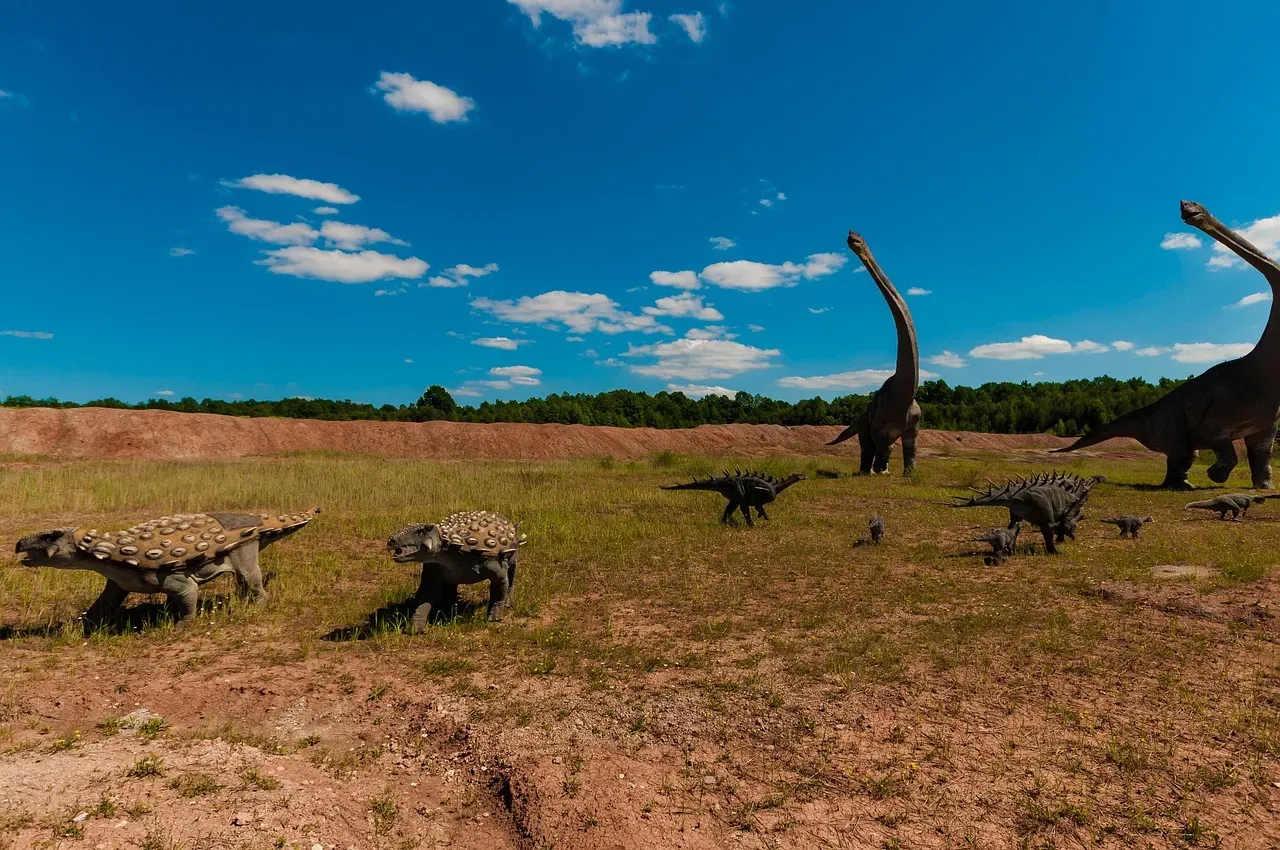
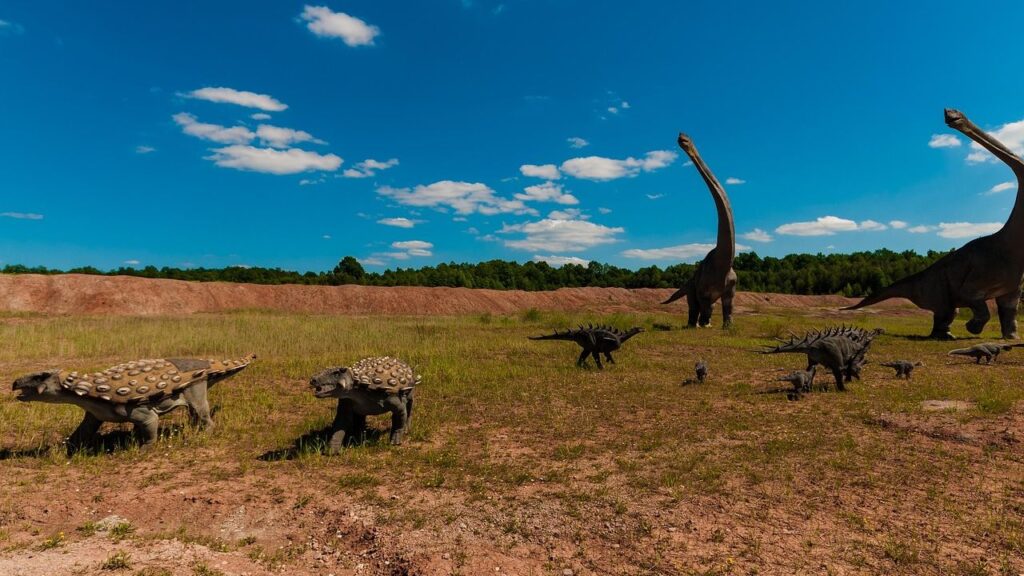
Most dinosaur movies pick a handful of fan favorites from wildly different eras and toss them into the same valley as if prehistory were one long, chaotic theme park. Scientists would argue for the exact opposite: pick a specific place and time, then commit to it fully. That might mean focusing on a mid‑Cretaceous floodplain, a Jurassic river system, or a polar forest near the end of the era, but the story would stay faithful to the animals that actually coexisted there. The result is less like a random mixtape and more like a concept album where every track deepens your sense of the same world.
This approach also lets you watch relationships evolve over the course of the movie instead of constantly introducing new species just for spectacle. A particular predator is not just a jump scare; it is a recurring presence whose territory overlaps with that of a specific herd, clan, or nesting colony. Seasonal changes can drive the plot as droughts, floods, or temperature swings force animals to move, adapt, or die. By the end, you are not thinking in terms of species names you recognize from toy shelves; you are thinking about that one scarred female, that stubborn young male, that aging herd matriarch, all anchored in a single, richly realized ecosystem.
No Humans, No Theme Park: A Story Told Through Dinosaur Eyes
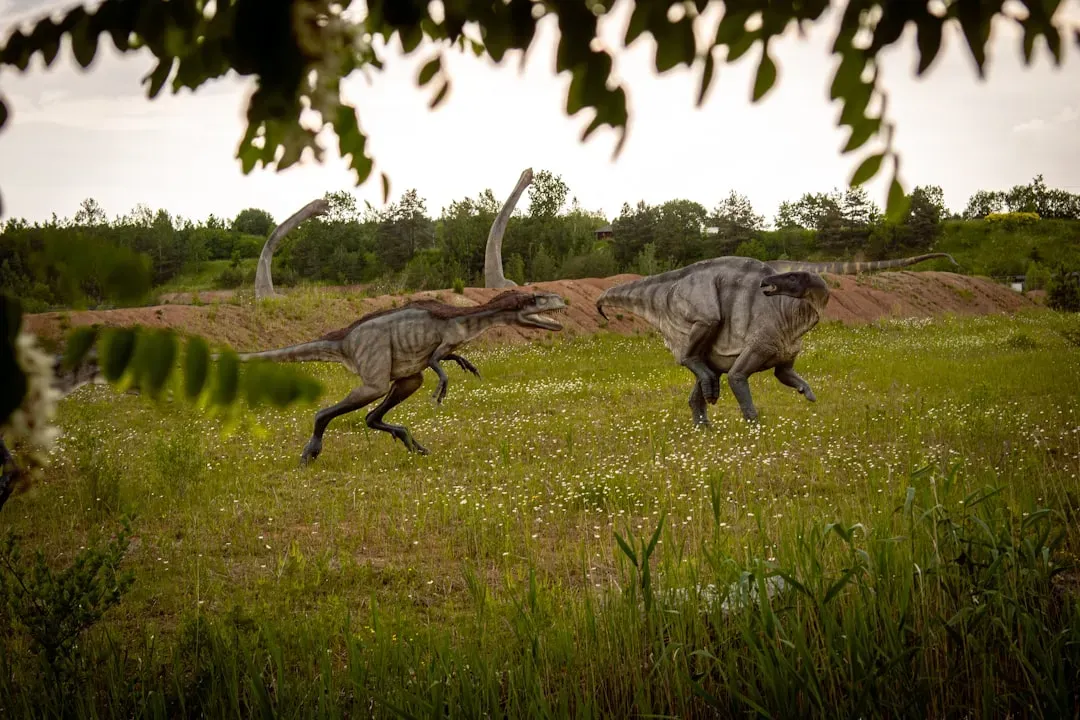
The boldest and most scientifically honest choice would be to remove modern humans from the story entirely and let the camera live with the dinosaurs themselves. That does not mean the film has no narrative; it means the narrative comes from the life cycles and pressures of the animals on screen rather than from a human disaster plot. We already accept this approach in high‑end nature documentaries where nobody needs a talking protagonist to explain why a migrating herd, a starving predator, or a first-time mother matters. A dinosaur movie that trusts audiences this way would feel daring but oddly natural, because we are hardwired to read emotion and intention into animal movement, posture, and sound.
Of course, you can still have a strong, emotional through line by following a small set of individuals across seasons: siblings competing for food, a young predator learning to hunt, an elder animal holding on as the world shifts around it. Without human dialogue, the film would rely heavily on sound design, body language, and environmental storytelling: the way a forest sounds before and after a storm, the rhythm of wings in the air, the distant rumble of a herd long before we see it. Ironically, stripping away human characters might unlock deeper human feelings, because instead of watching avatars recite exposition, we’d be watching life and death unfold in pure, visual storytelling.
The Science Behind the Spectacle: How Researchers Would Shape the Film
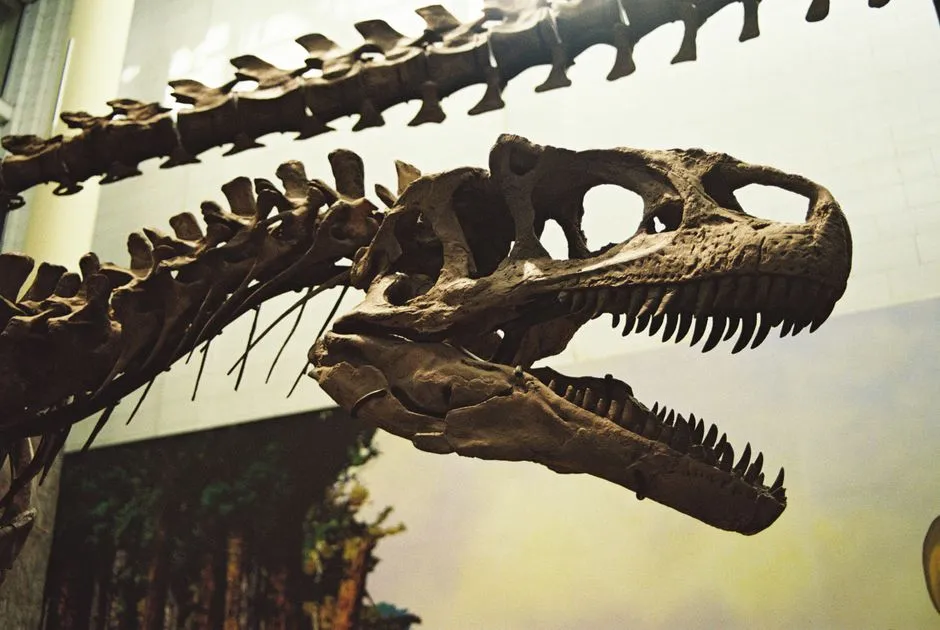
To make this movie genuinely worthy of the tagline “according to actual scientists,” paleontologists, paleoartists, and ecologists would need to be embedded in the creative process from the very beginning, not just hired at the end to approve or veto designs. Scientists could help select a time and place in Earth’s history where we have rich fossil beds, well-understood species, and enough environmental data to reconstruct climate, vegetation, and seasonal cycles with some confidence. That way, every creative choice, from the shape of a beak to the color of a sky, is grounded in evidence rather than guesswork or nostalgia.
On top of that, experts could provide the sparks that make scenes feel fresh, offering real behaviors discovered in footprints, bone growth patterns, and close relatives like modern birds and crocodilians. Filmmakers could still dramatize and interpret, but with a sensible rule: nothing on screen should blatantly violate what we know, and where the science is uncertain, the film should choose options that are plausible rather than convenient. Ironically, these constraints would push creativity, forcing writers and artists to dig deeper instead of recycling the same chase sequences and roars. You walk out not just entertained, but with your sense of the prehistoric world permanently upgraded.
Why Hollywood Keeps Missing It – And Why It Should Stop
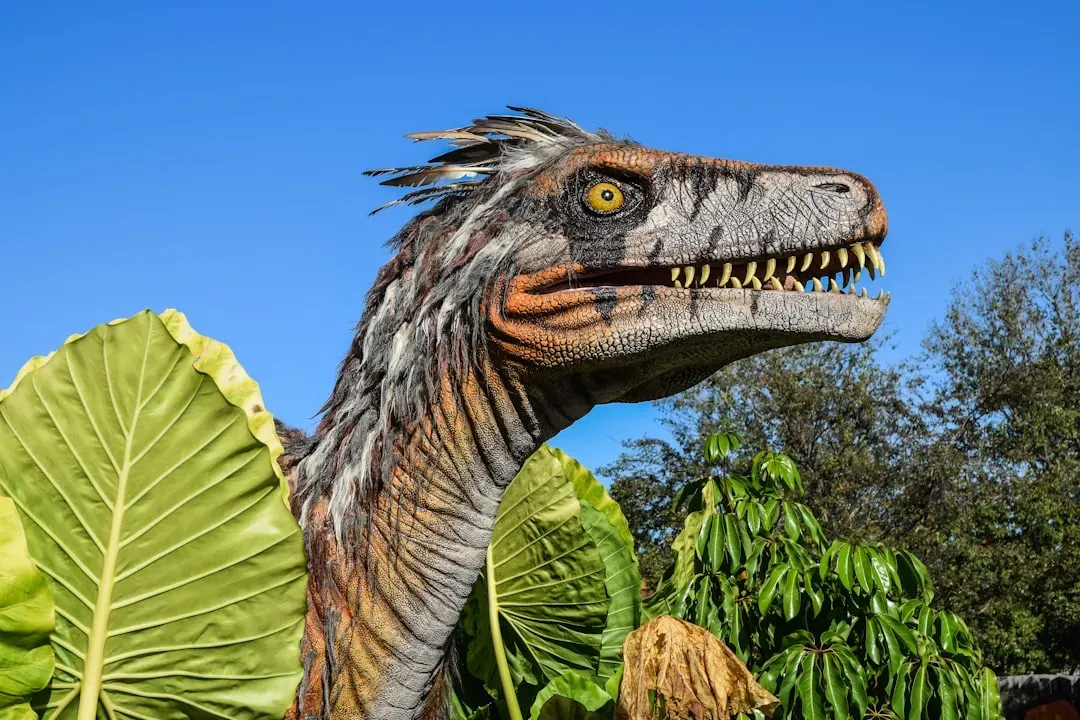
There is a reason we have not seen this movie yet, and it is not because the science is too thin or the technology is not ready. Studios tend to fall back on formulas that have worked before: familiar monster designs, human-centric plots, and a tone that treats dinosaurs more like haunted-house props than actual wildlife. There is also a fear that audiences will not accept feathered or bird-like dinosaurs, despite the fact that people already adore birds of prey, penguins, parrots, and every other strange feathered thing modern Earth offers. The risk is less that the public will reject accurate dinosaurs and more that they will never see them done well enough to care.
At some point, though, rehashing the same inaccurate creature designs and park disasters starts to feel smaller, not safer. The scientific picture has moved on so far that the old tropes now look dated, like a historical drama that still uses medieval myths instead of modern research. The film that scientists want would not be a lecture disguised as a movie; it would be a gamble that audiences are ready for a dinosaur story with the ambition of a prestige drama and the visual force of a top-tier blockbuster. In my view, Hollywood is leaving one of the most obvious, high-upside ideas of the century on the table by clinging to nostalgia instead of trusting the incredible reality we have already dug out of the ground.
Maybe the real question is not whether such a movie can work, but whether we are willing to admit that our childhood version of dinosaurs is now outdated and let something stranger and more truthful take its place. A scientifically grounded dinosaur epic would not just change how we see the past; it would challenge how we think about life, evolution, and our own place in deep time. When that film finally arrives, it will make today’s dinosaur movies feel like black‑and‑white sketches next to a full‑color mural. When you imagine that opening shot now, do you really want another gray lizard roaring at a jeep – or a living, breathing world that feels like nothing you have ever seen before?