
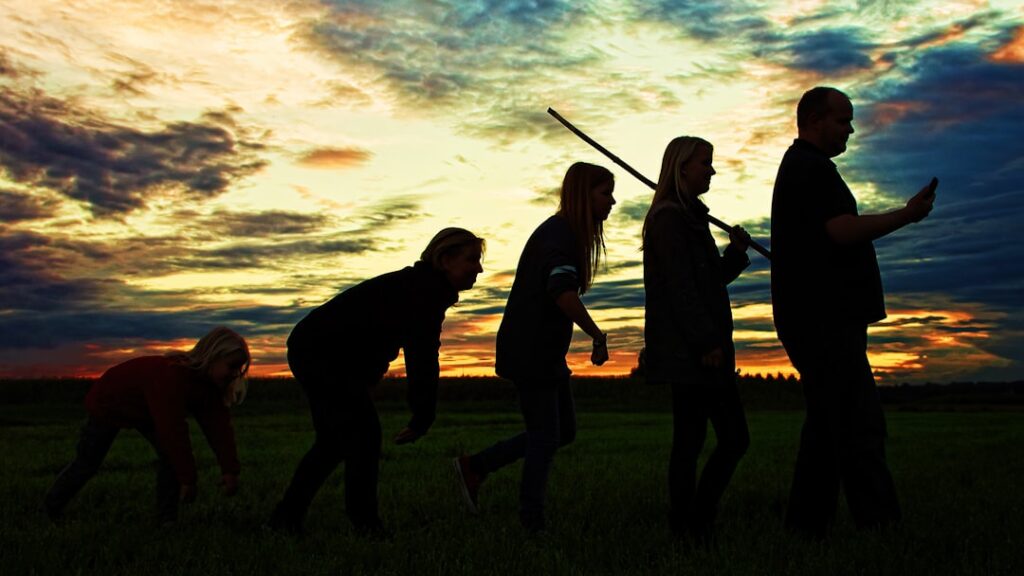
Somewhere in your family tree, there were nights when another kind of human sat just beyond the firelight. Neanderthals in the forest, Denisovans in the mountains, perhaps even other, smaller humans on distant islands. Today, they are all gone, and there is only us. That fact is both a triumph and a little unsettling, like waking up alone after a party and realizing you might have been the one who turned off the music for everyone else.
We like to tell the story as if our survival was inevitable, almost destiny: the cleverest ape wins, the end. But the science is far messier and more fascinating than that. Our rise seems to be a mix of brains, cooperation, sheer luck, and possibly some very dark chapters we will never fully uncover. Once you look closely at what made Homo sapiens different, you cannot help but ask a slightly uncomfortable question: are we the heroes of this story, or just the last survivors of a brutal lottery?
The Crowded Past: We Were Never Alone
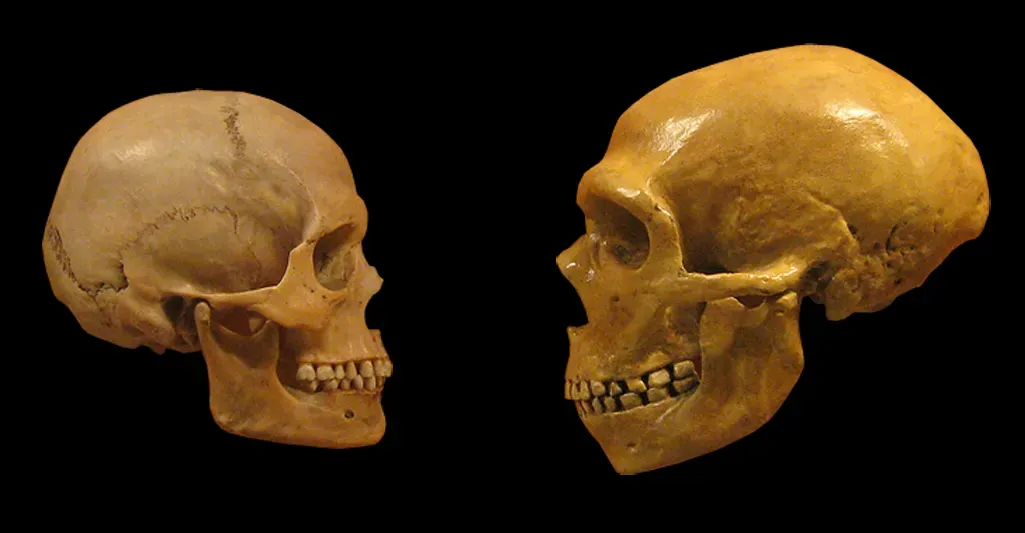
It still shocks many people to learn that for most of our history, Homo sapiens shared the planet with other human species. Neanderthals ranged across Europe and western Asia, Denisovans left faint traces in Siberian caves and modern DNA, and smaller-bodied humans like Homo floresiensis lived on remote islands. Imagine walking through ancient Eurasia: you could have met someone with a different skull shape, a stockier build, and yet eyes and hands that felt hauntingly familiar.
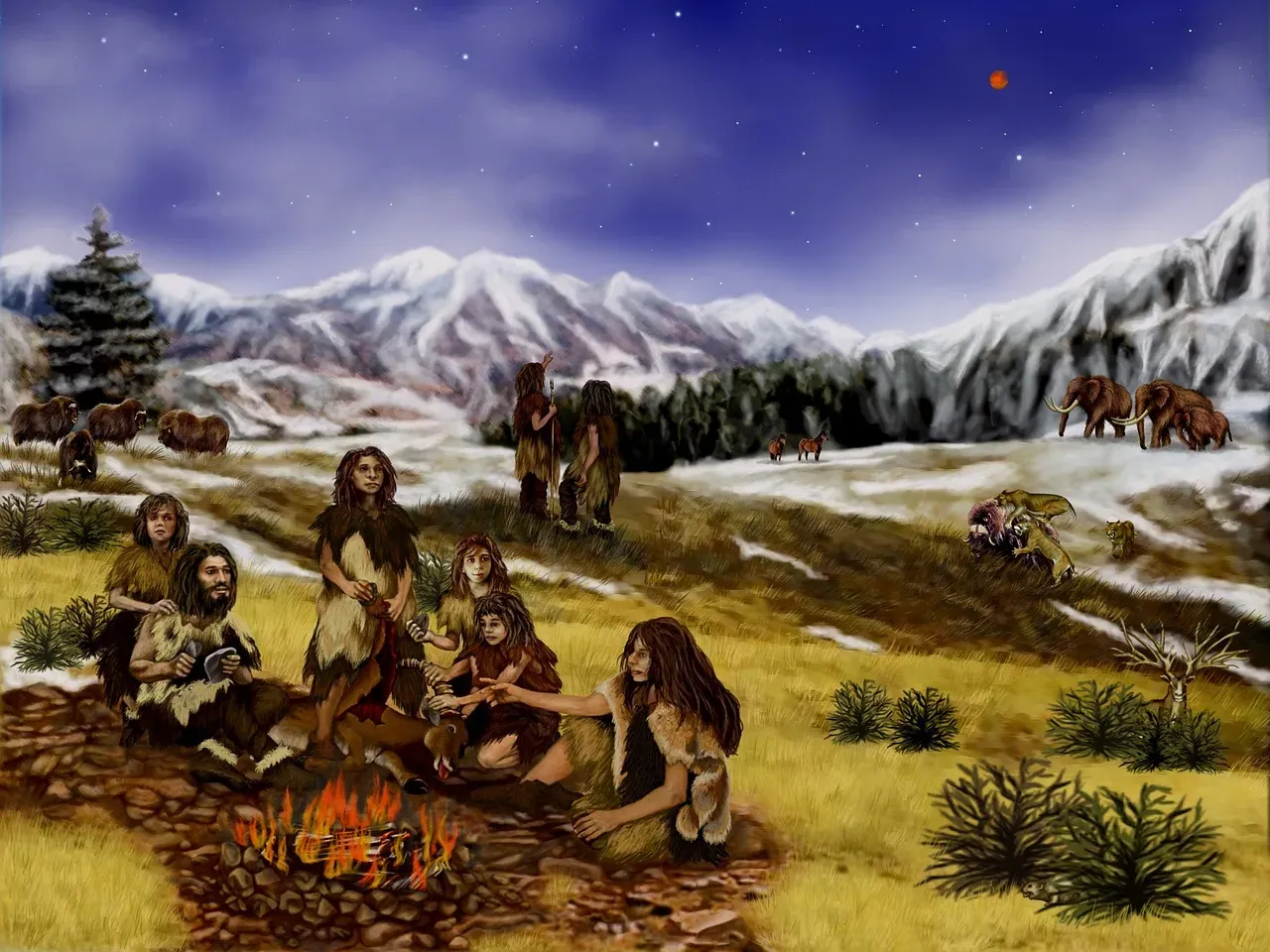
These were not movie aliens; they made tools, controlled fire, ate meat, cared for their injured, and adapted to harsh environments. In places like the Middle East, our ancestors and Neanderthals overlapped not just for a few centuries but for thousands of years. That means coexistence was not just possible, it was normal. The strange part is not that we met other humans, but that they all disappeared while we spread into almost every corner of the globe.
Brains, But Not Just Bigger Brains
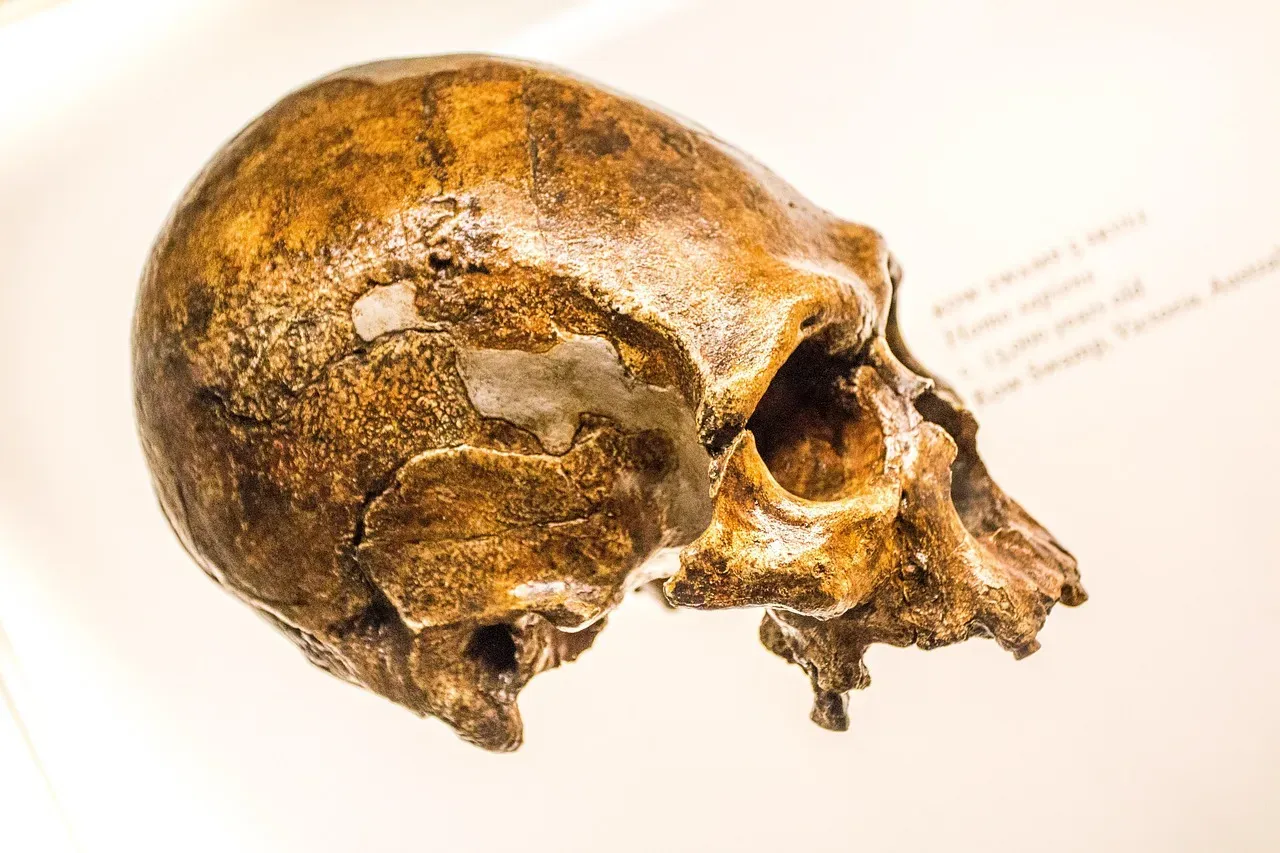
Homo sapiens often gets framed as the genius cousin who out-thought everyone else, but the picture is more nuanced. Neanderthals, for example, actually had brain sizes that were on average at least as large as ours, sometimes larger. The key difference seems less about raw brain volume and more about how our brains were wired and used: more flexible planning, more symbolic thinking, and possibly more efficient social coordination.
This shows up in the archaeological record as bursts of innovation that become increasingly frequent with our species: complex tools made from multiple materials, long-distance transport of stone or shells, and objects that seem to be used purely for meaning, like beads and pigments. It is as if Homo sapiens became especially good at mixing imagination with practicality. We did not just respond to the environment; we reimagined it, then built that vision with whatever we could find.
The Superpower of Hyper‑Cooperation
If there is one trait that probably tilted the game in our favor, it is our extreme ability to cooperate with strangers. Most primates cooperate mainly with kin or close allies. Homo sapiens, by contrast, created wider networks: bands, tribes, alliances, trading relationships with people who were not family at all. This allowed groups to share knowledge, swap resources when times were hard, and pass on innovations far beyond their birthplace.
That kind of “networked intelligence” is like upgrading from one local hard drive to a whole cloud system. A new hunting technique or better way to process plants could spread across regions instead of dying with one group. In a world with harsh ice ages and shifting landscapes, the ability to pool risk and information with distant others might have been the difference between a population shrinking to nothing and one that could adapt and rebound.
Culture as a Survival Technology
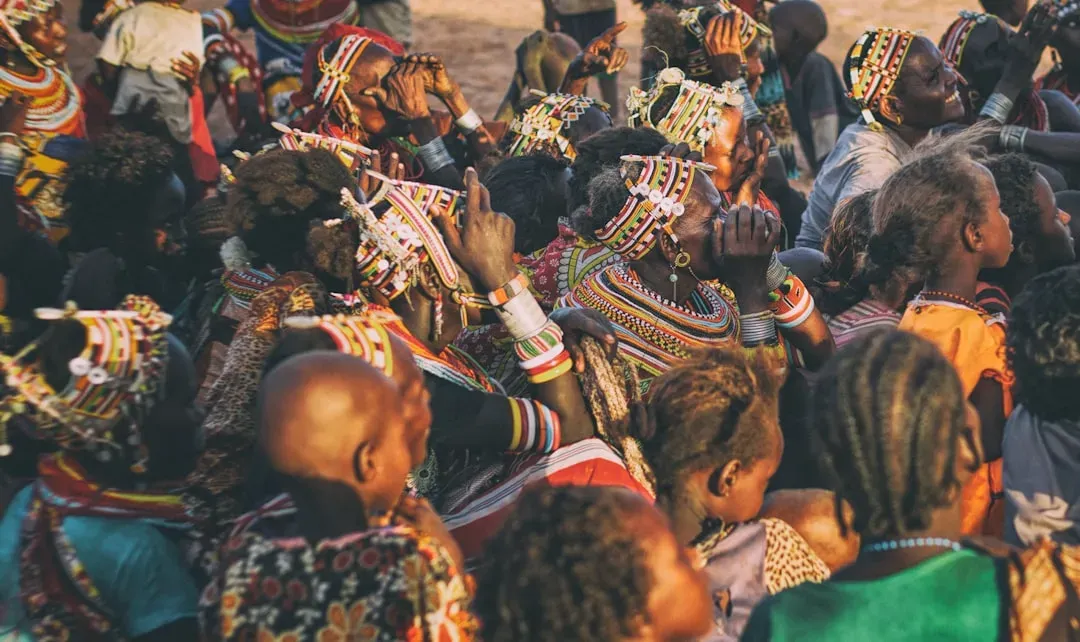
One of the quiet revolutions in anthropology is the recognition that culture itself functions like a powerful survival technology. Our ancestors did not have to re-figure out how to track animals, find water, or treat wounds from scratch every generation. Instead, they inherited a dense web of customs, rituals, taboos, and practical know-how that had been tested over centuries. It is like being handed a living instruction manual for how to stay alive in a specific environment.
Crucially, Homo sapiens seems to have leaned heavily on teaching and imitation. Children watched, practiced, and learned from many adults, not just parents, absorbing subtle techniques and social rules. Over time, this created what you might call cultural snowballs: as more knowledge accumulated, it became easier to add even more, leading to increasingly complex toolkits and social systems. Other human species probably had culture too, but our version might have been denser, faster-evolving, and more open to innovation.
Climate, Chance, and the Brutal Hand of Luck
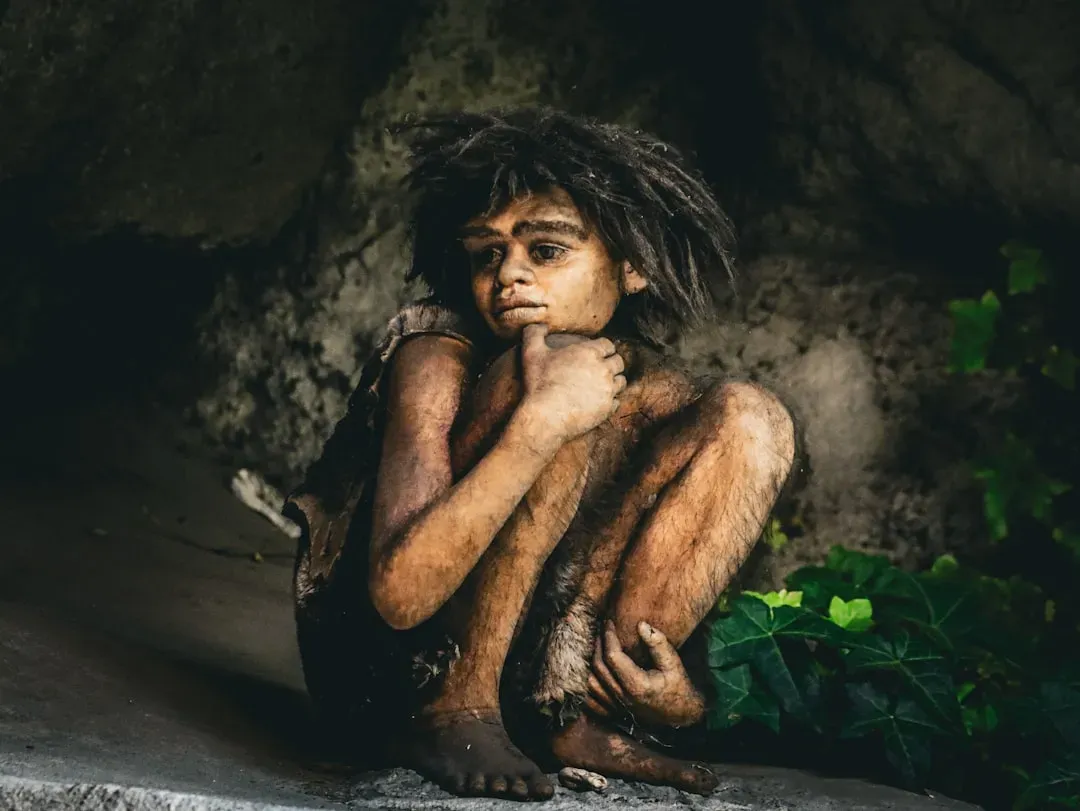
As tempting as it is to tell a neat story about our superiority, climate and pure chance played enormous roles. During the late Pleistocene, global climates swung wildly, reshaping habitats and food sources on a massive scale. Populations of all human species were likely small, fragmented, and vulnerable. In that kind of world, even a slight edge in adaptability or mobility could mean the difference between survival and extinction.
Some researchers argue that Neanderthals and others might have been boxed into shrinking refuges while Homo sapiens had broader ecological flexibility. But there is also the uncomfortable reality that we may simply have been in the right place at the right times. A few lucky breaks, a few unlucky droughts or cold snaps for our cousins, and suddenly one branch of the human family tree has a head start. Evolution is not a merit badge system; winners are often just the ones who did not lose badly enough at the wrong moment.
Did We Replace, Absorb, Or Erase Them?
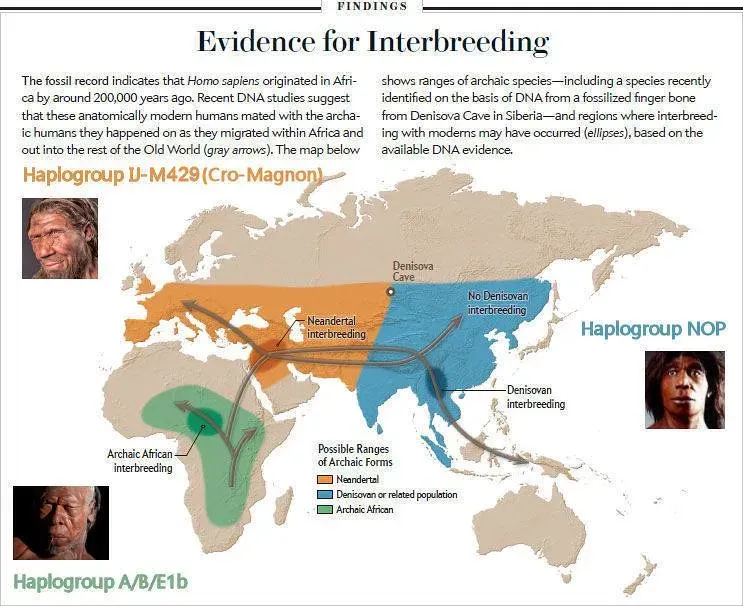
The toughest question is the one that stings: did Homo sapiens actively wipe out other human species, or did they fade for more complex reasons? Genetic evidence shows that many people alive today carry small amounts of Neanderthal and Denisovan DNA, which means interbreeding definitely happened. In a sense, pieces of those humans are still with us, braided into our genomes like faint echoes. Extinction here does not mean a clean vanishing; it is more like a gradual blending and thinning out.
At the same time, it would be naive to imagine this process as gentle coexistence. When two closely related species compete for the same resources and territories, conflict is almost inevitable. Even if disease, climate, and demographic pressures did most of the work, it is hard to believe violence and displacement were not part of the story. Our success might include chapters where we were, quite frankly, the invasive species that arrived, spread fast, and left little room for anyone else.
Should We Be Proud, Ashamed, Or Just Honest?
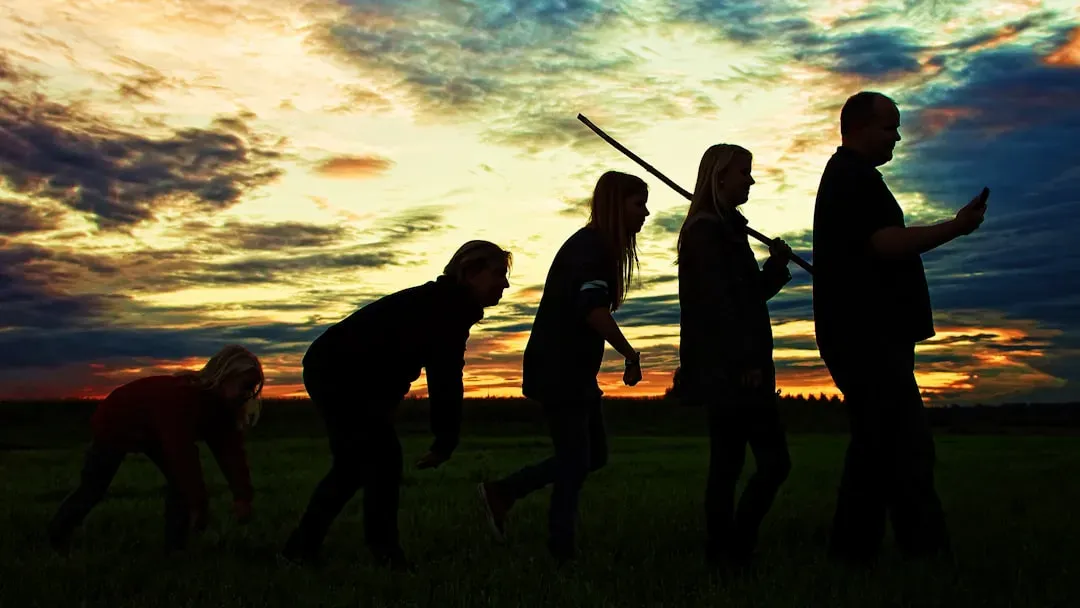
So, should we be proud that Homo sapiens outlasted every other human species? Pride is tricky here. On one hand, it is undeniably impressive that our ancestors adapted so successfully, built rich cultures, and figured out how to survive from Arctic tundra to tropical rainforest. There is something inspiring in knowing that cooperation, storytelling, and shared knowledge were critical parts of that journey, not just sharper spears or bigger muscles.
On the other hand, turning survival into moral superiority feels dangerous and a bit childish, like bragging about winning a game whose rules you barely understand. Our survival says we were well-suited to the pressures of that time, not that we were more deserving. Maybe the healthiest stance is a mix of humility and responsibility. We are the last humans standing, inheritors of a world once shared with others. The real question is not whether we should be proud of what happened tens of thousands of years ago, but what we do with that power and uniqueness now. In a world where we can drive species to extinction or choose to protect them, what kind of humans do we want to be remembered as?