
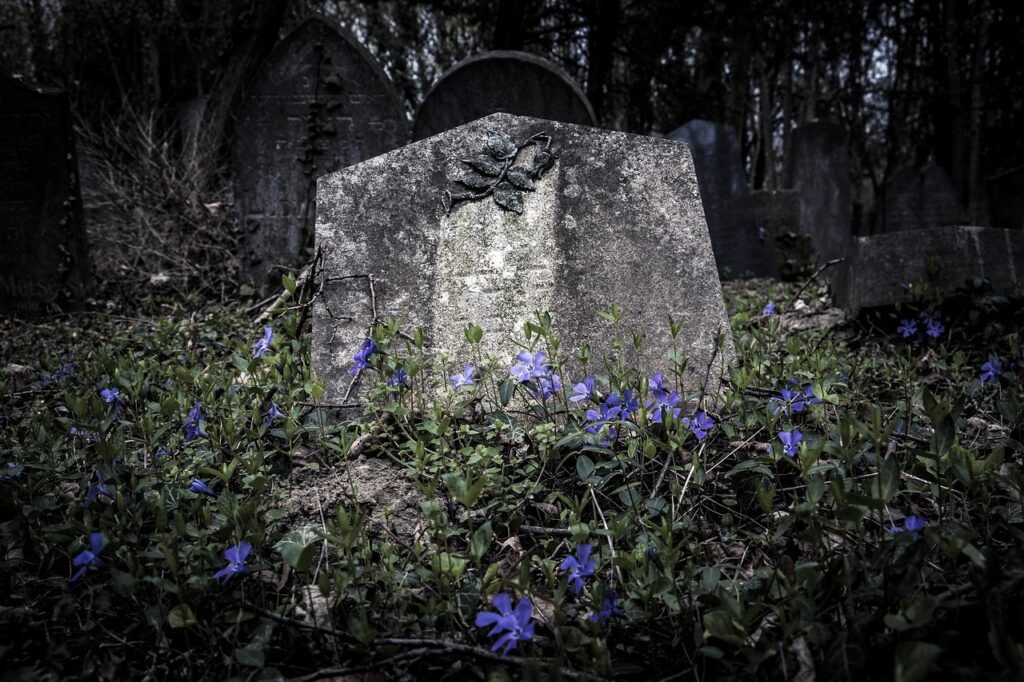
Picture this: a small group of ancient humans gathered around a freshly dug grave, carefully placing bright, fragrant flowers around the body of someone they loved. No temples, no written prayers, no organized religion. Just people, grief, and a strange, powerful urge to make death feel less final. That image alone is enough to make your skin tingle a little, because it suggests something we often like to think is uniquely modern: the idea that life might not end at the grave.
Anthropologists now believe that some prehistoric humans may have been doing this as far back as roughly about one hundred thirty thousand years ago. If that is true, then our emotional and spiritual lives are far older than any religion we can name today. It means that long before sacred books and formal rituals, humans might already have been telling quiet stories about what happens next. And that changes how we see ourselves, not just as biological creatures, but as beings wired for meaning.
Why Flower Burials Are Such a Big Deal
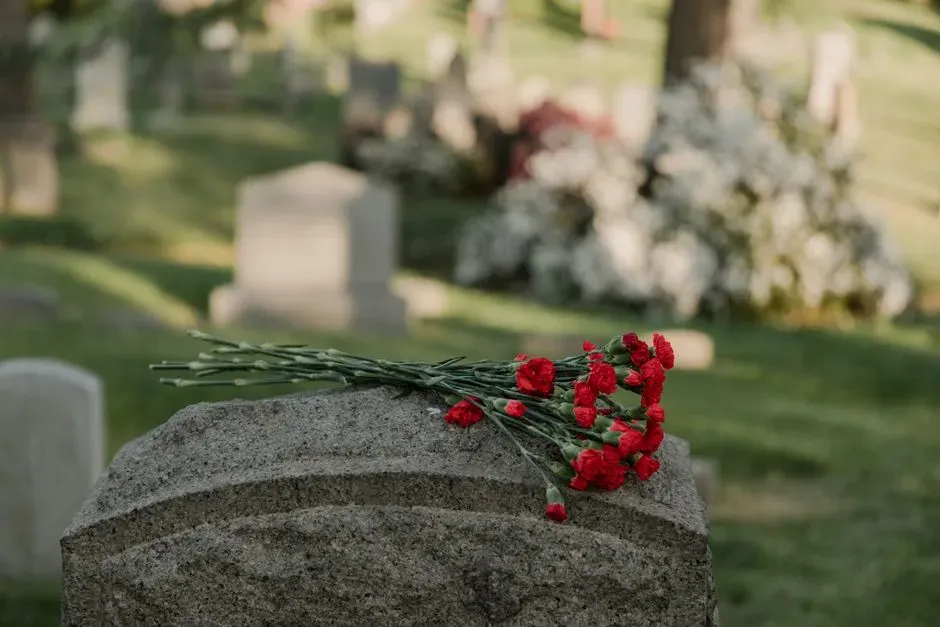
The idea of ancient people burying their dead with flowers sounds poetic, almost too perfect, which is exactly why it was controversial when first proposed. Flowers are fragile; they decay fast, they do not fossilize easily, and it is easy to misread the archaeological traces they leave behind. So when researchers suggested that prehistoric graves contained floral remains laid there on purpose, many skeptics argued it was more likely just natural plant material, blown in or washed in by chance.
But if even some of those cases really do represent deliberate flower burials, the implications are huge. It means these early humans were not just dumping bodies or hiding them from predators; they were marking death as a special moment that deserved care and symbolism. Flowers do not make sense from a purely practical standpoint. They fade quickly. They have no obvious survival benefit. They are chosen because they mean something, and that “something” is where the idea of an afterlife quietly enters the picture.
Reading Emotions in Ancient Bones and Pollen
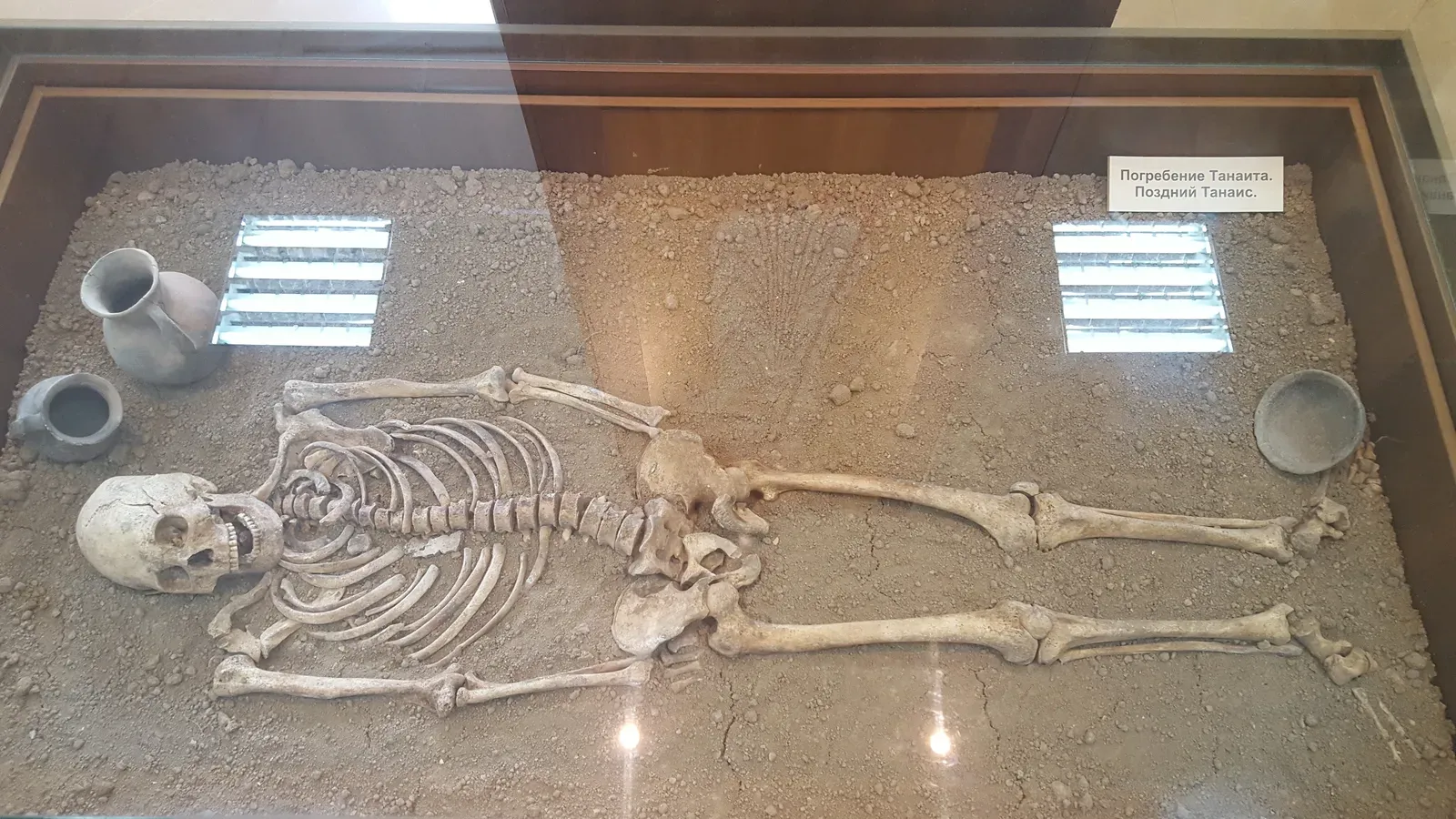
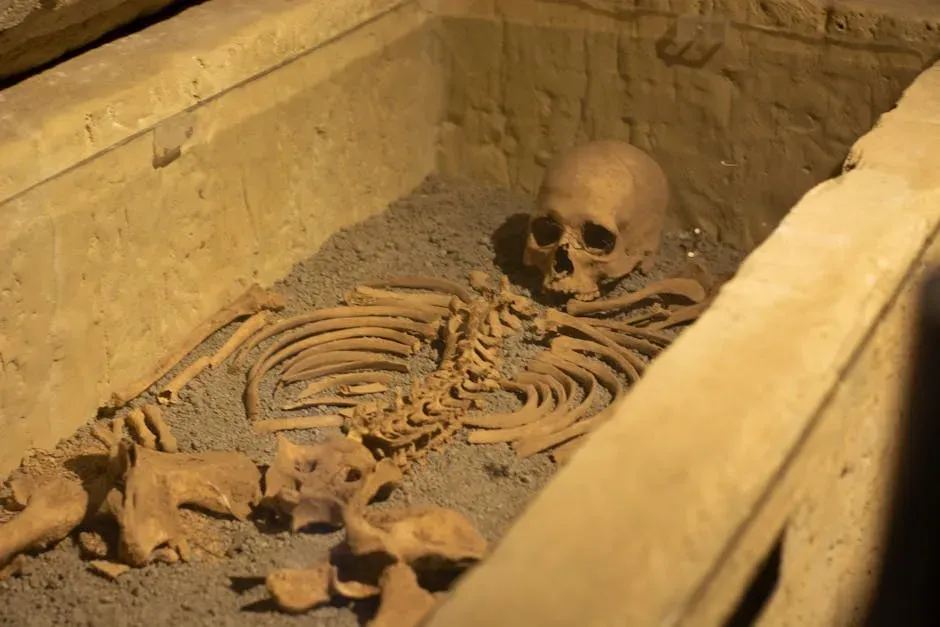
One of the most fascinating parts of this story is how much emotional life we can read out of what look like cold, technical details: bone positions, soil layers, plant remains, grave goods. A carefully flexed body, laid on its side with the limbs drawn in, suggests someone took time and effort, rather than just dropping the dead where they fell. Layers of sediment that show the grave was intentionally dug and filled, rather than a natural pit, hint at planning and shared intention.
Then you add the microscopic world: pollen grains from specific flowers clustered in the burial area, sometimes in patterns that do not match normal wind or water deposition. That starts to look less like an accident and more like an event. It is not proof of belief in an afterlife the way a written doctrine would be, but it clearly signals that the dead person mattered to the living in a way that went beyond basic disposal. Grief, memory, and maybe a stubborn refusal to accept that this is just the end all seem to be baked into those layers of earth.
From Practical Disposal to Symbolic Ritual
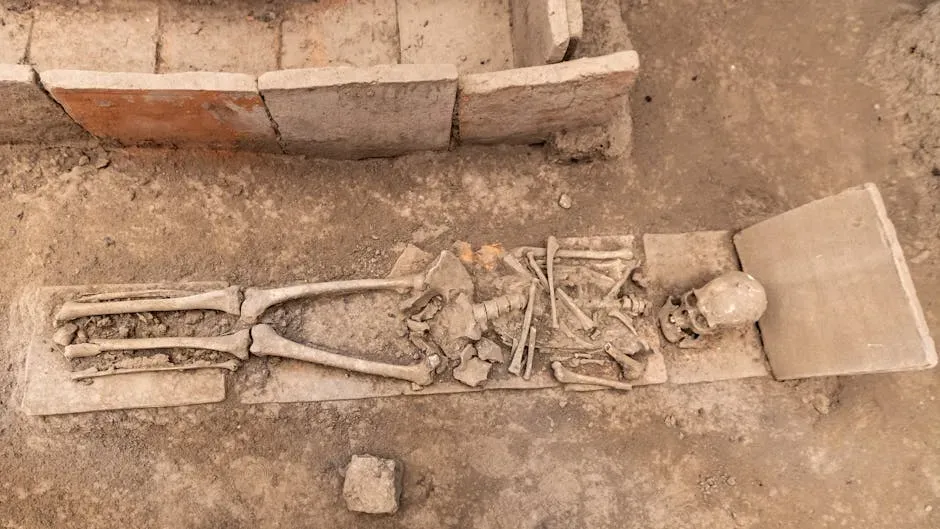
There is a powerful argument that the earliest burials were probably practical before they were spiritual. Dead bodies attract predators, carry disease, and are frankly disturbing to live around. So at first, dragging a body into a pit or cave might have been more about survival than sentiment. But humans being humans, it likely did not stay that way for long. Once you start doing something repeatedly, patterns form. And once patterns form, meaning slips in through the cracks.
Imagine a group that always lays bodies facing a certain direction, or always places them in a similar posture, or eventually starts laying flowers around them “because that is how we do it.” Over time, those repeated acts stop being just about hygiene and become little performances of shared belief. That belief might be vague and unwritten, something like “this helps them on their way” or “this keeps them close to us.” That is how a concept of an afterlife could emerge long before anyone writes a myth or builds a temple.
The Afterlife Without a Name or a Book
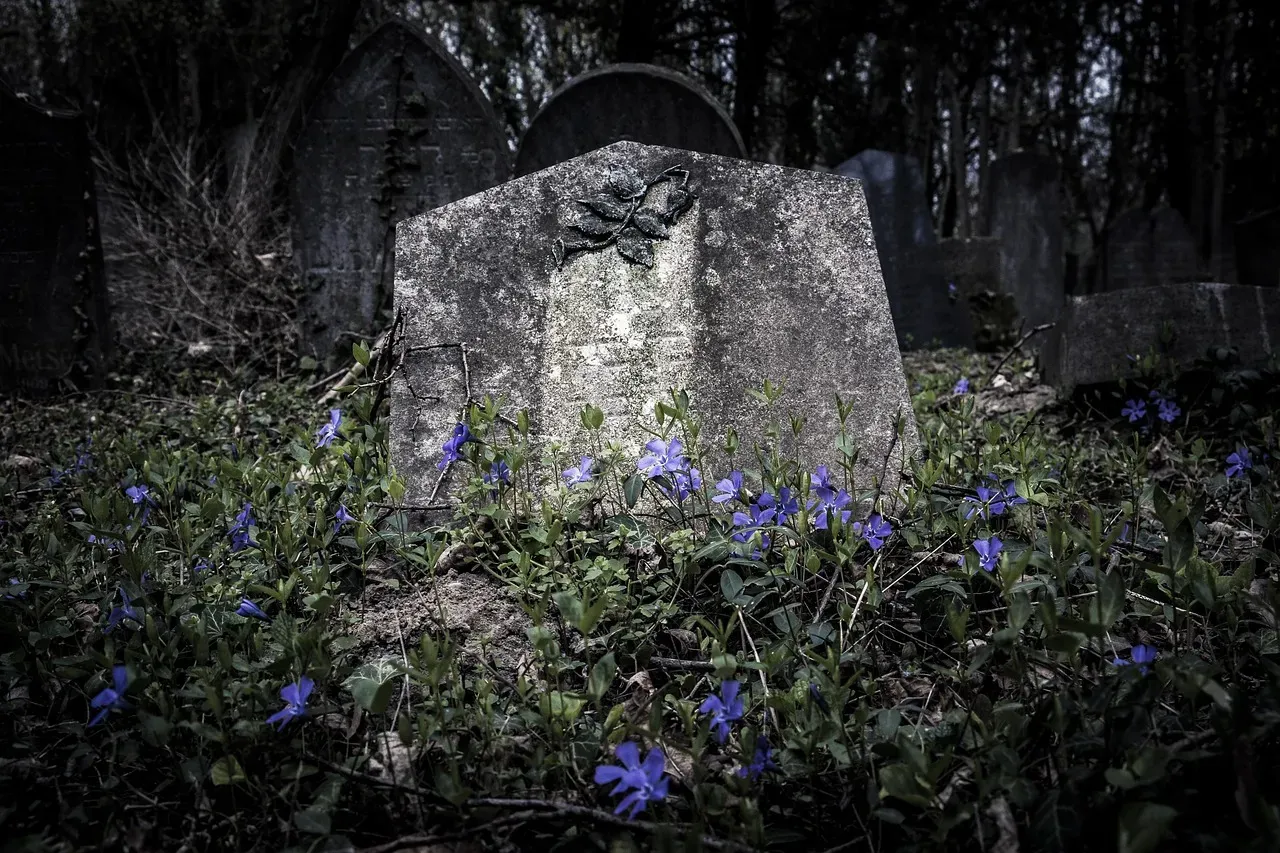
Modern religions usually come with rules, stories, and names for the worlds beyond: heavens, underworlds, realms of ancestors. One of the most striking things about flower burials over one hundred thousand years ago is that they almost certainly did not come with any of that. Whatever those early humans believed about death, it was probably more feeling than theology. Maybe it was the sense that the dead person was still somehow present, still watching, still part of the group even if their body was not moving anymore.
In that way, the idea of an afterlife could have started as an emotional refusal to let go, wrapped in simple rituals like flowers, body position, or the choice of burial place. Instead of a structured promise of paradise, it may have been a soft, persistent hunch: “This cannot be all there is.” I find that oddly moving. It suggests that the roots of spirituality are tangled up with love and grief themselves, rather than with institutions. Religion, as we know it today, might just be the formal, organized expression of something that was already alive in people’s hearts tens of thousands of years earlier.
What Ancient Burials Reveal About Early Minds
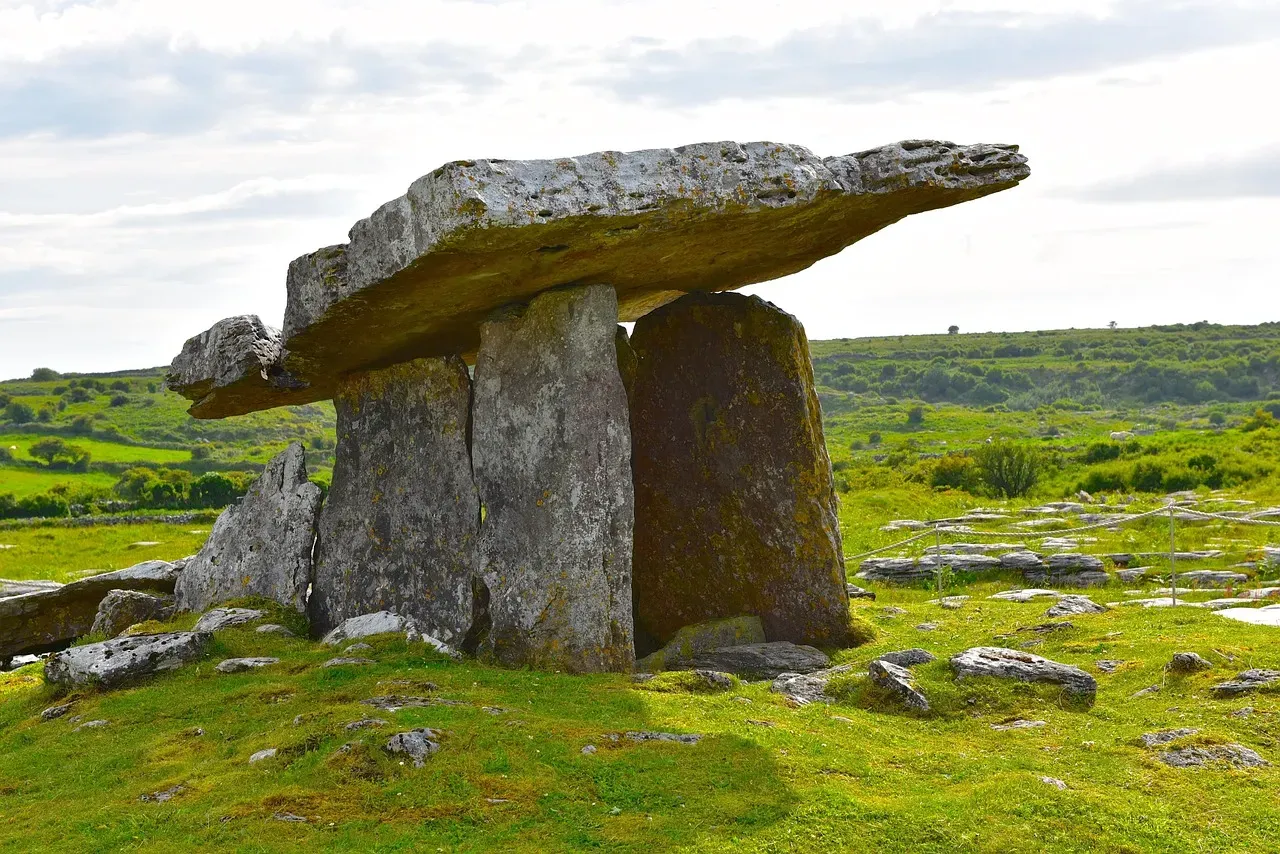
If a group is burying its dead with flowers, that tells us something profound about how their minds worked. They were not living purely in the immediate present, chasing food and avoiding danger like many other animals. They were thinking across time: remembering the past person, reacting to the present loss, and maybe imagining a future where that person somehow continues. That kind of time travel in the mind is a big deal. It suggests a capacity for narrative, for telling a story about a life that stretches beyond visible reality.
Anthropologists often point out that symbolic behavior, like intentional burial, is a kind of mental mirror. It reflects inner worlds that cannot fossilize. You cannot dig up a thought, but you can dig up what a thought led someone to do. The fact that early humans may have used flowers in these moments hints at a mind that noticed beauty and chose it deliberately, even in the face of death. That mix of practicality and poetry feels extremely human in the modern sense, even if the people themselves looked, acted, and spoke very differently from us.
Ancient Rituals and the Roots of Community
Another overlooked aspect of these early burials is what they tell us about community. Burying someone with flowers almost certainly was not a one-person job. You need hands to dig, hands to prepare the body, hands to gather and arrange the plants. That means coordination, shared understanding, and probably spoken or gestured communication about what to do and why it matters. In other words, early funerals were social events, even if they were small, quiet, and rough by our standards.
Rituals around death have a powerful way of pulling people together. They give the living something to do with their grief, and they reinforce group identity: we are the kind of people who care for our dead like this. If that was already happening one hundred thirty thousand years ago, then the emotional glue that holds communities together is far older than agriculture, cities, or writing. Long before humans worshiped in large temples, they might have gathered in small circles around graves, whispering their own unscripted versions of hope.
What This Means for How We See Religion Today
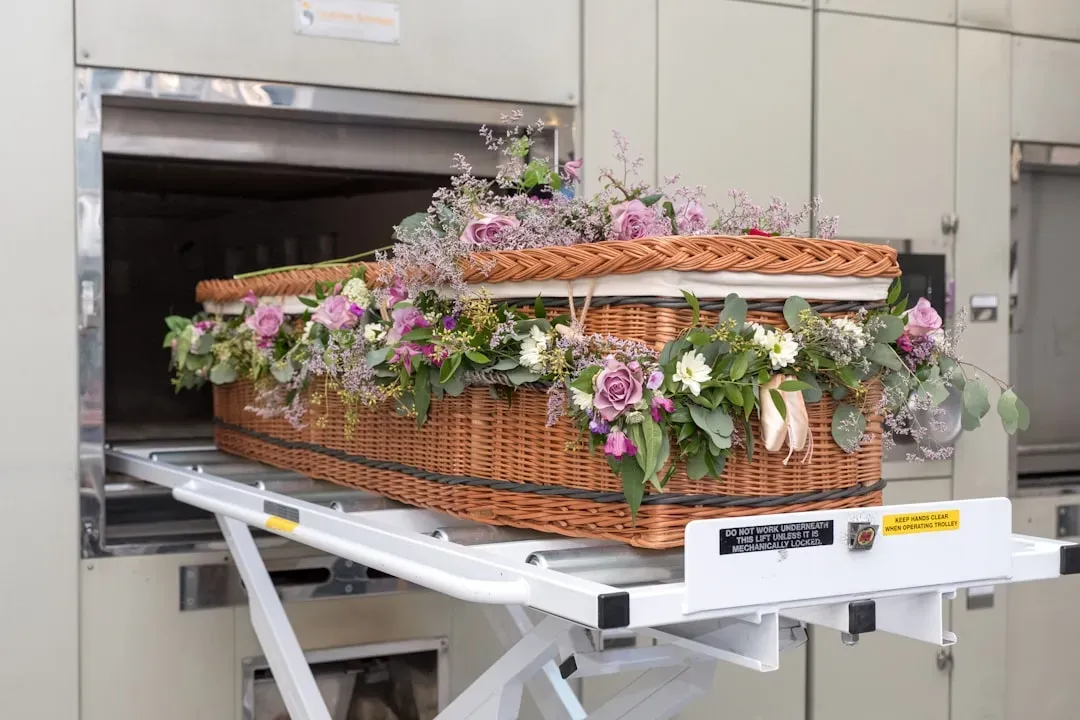
When you realize that humans may have been ritualizing death with flowers long before any known religion, it forces a bit of a reset. Maybe religion is not the origin of ideas about the afterlife. Maybe it is the other way around: deep, ancient intuitions about death and continuity were already there, and formal religions simply organized, shaped, and sometimes controlled them. From that perspective, modern faith traditions look less like inventions from scratch and more like sophisticated frameworks built on tendencies our species has carried for ages.
Personally, I think that makes the whole conversation about belief more interesting and less cynical. Even if you are not religious, it is hard to ignore that humans have been resisting the finality of death for an incredibly long time. Floral burials from the distant past are a quiet, earthy reminder of that. They say that our longing for meaning is not a recent trend or a cultural fad; it is woven into the very history of what it means to be human, as old as any stone tool and maybe more revealing.
Conclusion: Ancient Graves, Modern Questions
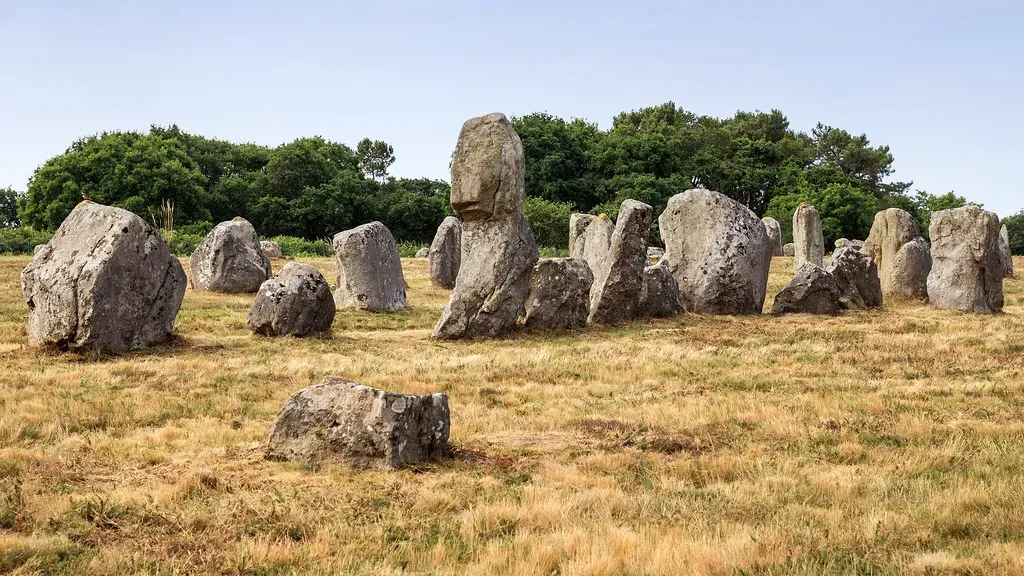
To me, the image of ancient humans burying their dead with flowers is not just a charming detail; it is a challenge. It pushes back against the idea that spirituality is a late, optional add‑on to human life. If people were already decorating graves and treating death as special roughly about one hundred thirty thousand years ago, then the concept of some kind of afterlife is not a quirky side story. It is a central thread running through our entire species history, much older than any religion we can point to by name.
At the same time, we have to be honest about what the evidence can and cannot tell us. Archaeology can show intention, care, and pattern, but it cannot spell out exactly what those people believed. So the most reasonable view is a humble one: they likely had some sense of ongoing presence or journey after death, but it was probably vague, flexible, and emotionally driven, not a detailed doctrine. In my view, that makes it even more powerful. It suggests that the human urge to say “there is more than this” grew from the ground up, one grave, one handful of flowers at a time. When you think about your own feelings around loss and memory, does that really sound so different from us today?