When a set of ancient human footprints in New Mexico first came to light, they did something that almost no discovery in archaeology ever does: they scared scientists into holding back. Not because they were dangerous, but because their implications were so explosive that researchers worried about being wrong. If these tracks were as old as early tests suggested, they would push back the story of humans in the Americas far beyond what most experts had ever accepted.
Imagine finding a set of footprints in wet ground today, so sharp you can see individual toes and arches, and then being told they were left tens of thousands of years ago. That is the level of cognitive whiplash these prints caused when they were unearthed at White Sands, New Mexico. What followed was a mix of excitement, skepticism, and a rare scientific hesitation: a discovery so disruptive that the people who made it briefly chose silence over immediate fame.
A Lakebed Time Capsule: How the White Sands Footprints Were Found
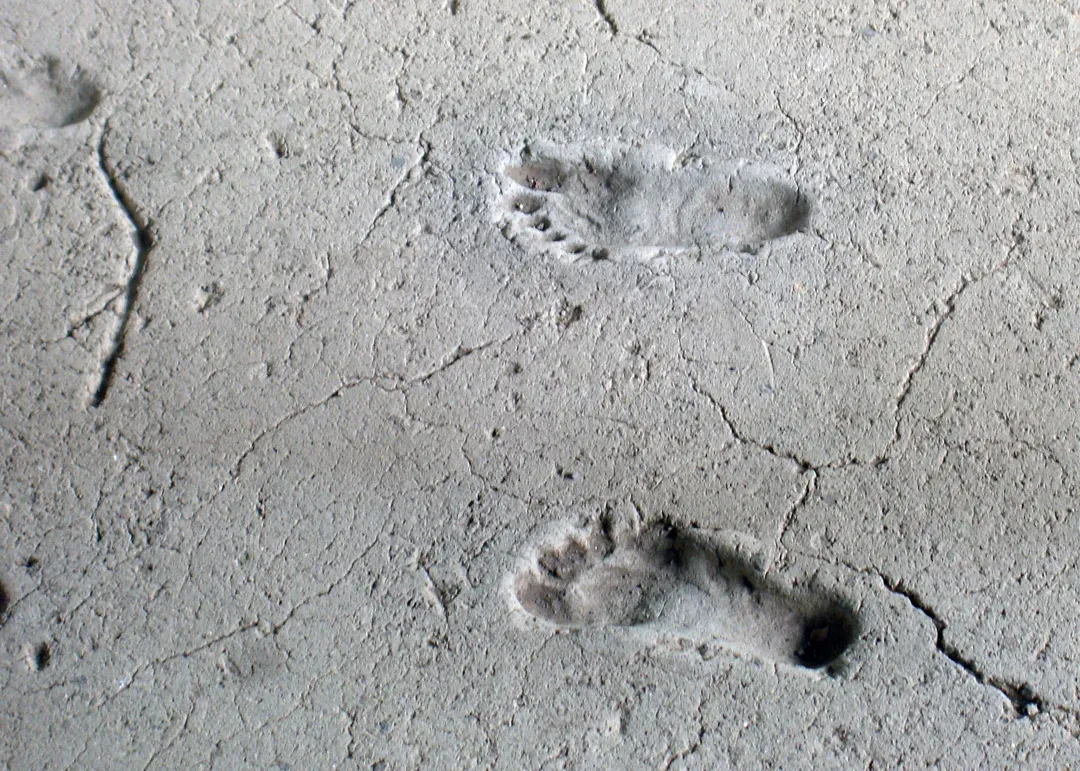
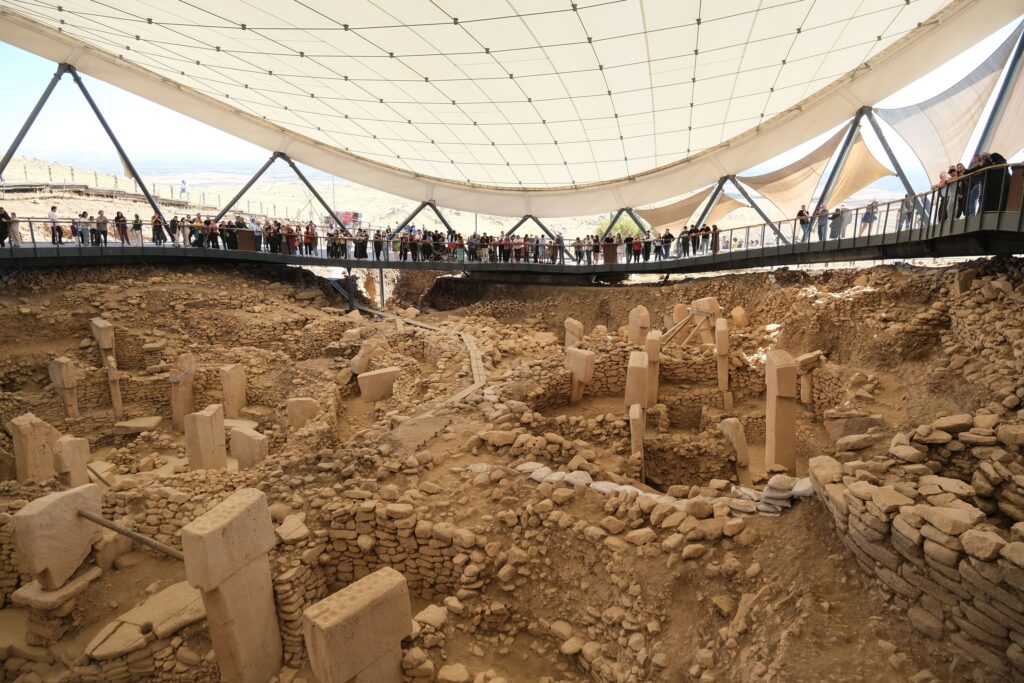
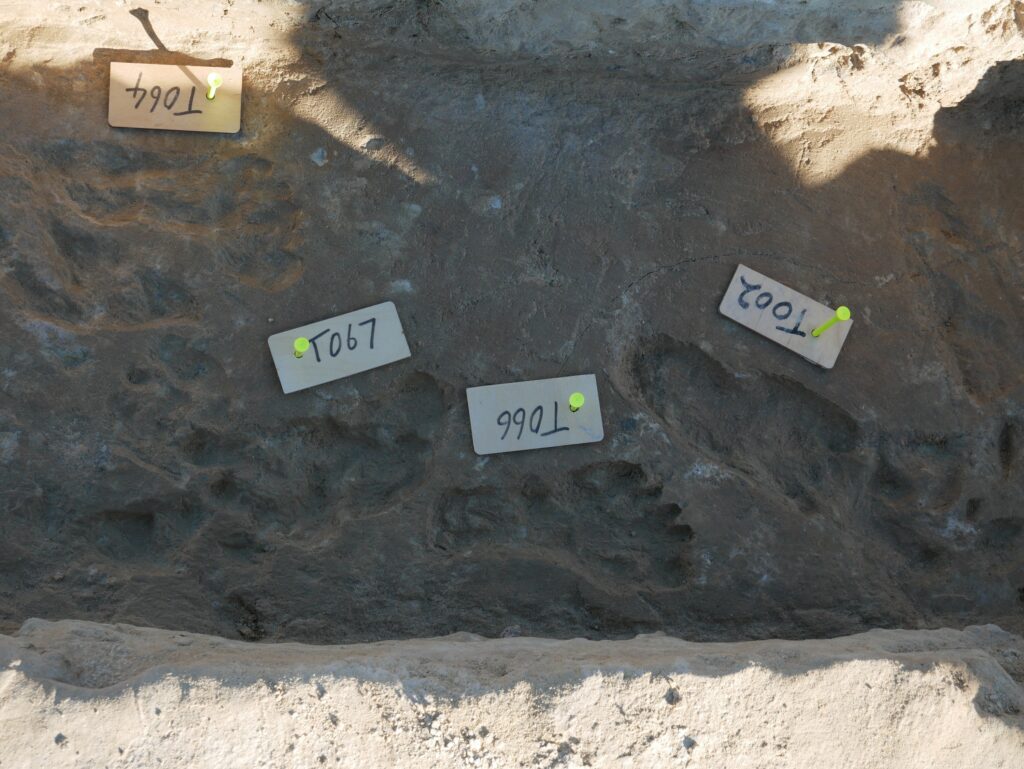
The now-famous footprints were discovered in what used to be a sprawling ancient lake in southern New Mexico, in an area today known as White Sands. Instead of water, the region is now a striking landscape of pale gypsum dunes and dried-out lake sediments. As erosion ate away at these layers, faint impressions appeared under just the right lighting and moisture conditions, revealing trackways that had been locked away in mud for a staggering stretch of time.
These prints are not just vague depressions; they are crisp enough in many cases to show heel strikes, toe splay, and even changes in direction or pace. Some trackways suggest children and adolescents mixed among adults, walking along the soft lake margins. It is as if a small, everyday moment from the Ice Age – a group of people simply moving across a lakeshore – was frozen in time and then carefully unwrapped by modern scientists millennia later.
Why the Claimed Age Was So Shocking to Scientists
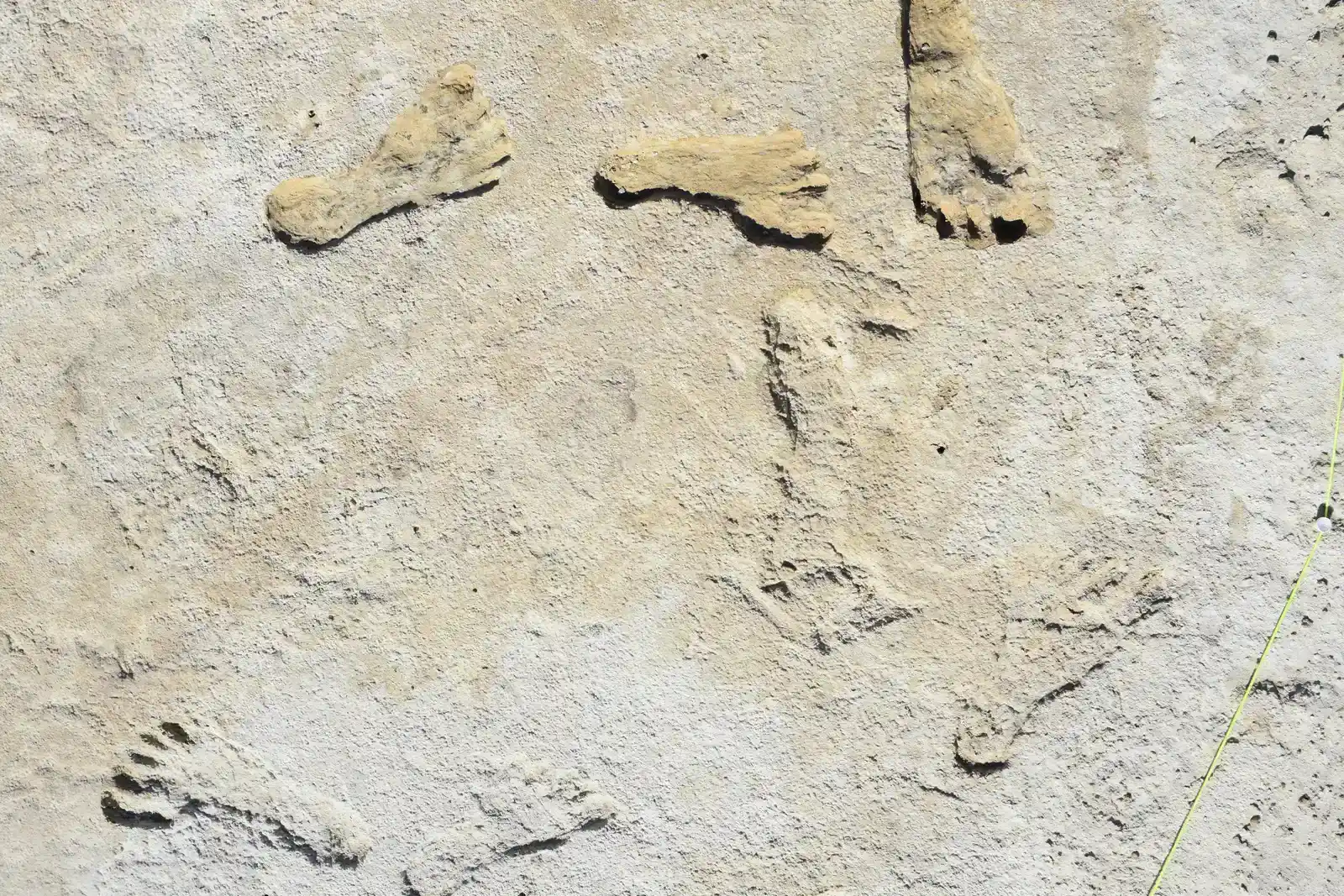
What really rattled the scientific community was not simply that the footprints were old, but how old they appeared to be. Early dating results suggested that some of these tracks could be around twenty thousand years old or even older, placing them deep into the last glacial maximum, a period when towering ice sheets still dominated much of North America. For decades, the prevailing idea had been that widespread human presence in the Americas came later, after those ice sheets began to retreat.
If humans were already casually walking around this New Mexico lakeshore during the height of the Ice Age, then a lot of tidy timelines had to be rethought. The standard narrative – that people entered the continent only once conditions eased and an interior corridor opened up – suddenly looked too simple, maybe even wrong. That is the sort of thing that keeps career archaeologists up at night, because entire models of migration, technology, and ecology are built on those timelines.
The Reluctance to Publish: Fear of Being Wrong on a World-Changing Claim

The team working on the footprints reportedly hesitated to rush their findings into print, and honestly, that caution makes sense. In science, extraordinary claims really do require extraordinary evidence, not just because colleagues can be harsh critics, but because huge claims echo into textbooks, museums, and public understanding for generations. To say humans were in North America far earlier than widely accepted is the kind of statement that everyone will remember if it later turns out to be flawed.
There is also a very human layer here: careers, reputations, and funding streams were all at stake. Publishing a bold timeline that collapses under scrutiny can shadow a researcher’s name for years. So instead of sprinting toward headlines, the scientists double-checked their dating methods, cross-checked materials, and invited outside skepticism. It is easy to imagine the tension in those months – a discovery that could rewrite prehistory, paired with the gnawing question every cautious scientist asks themselves: what if we missed something?
The Science Behind the Dates: Seeds, Sediments, and Skepticism
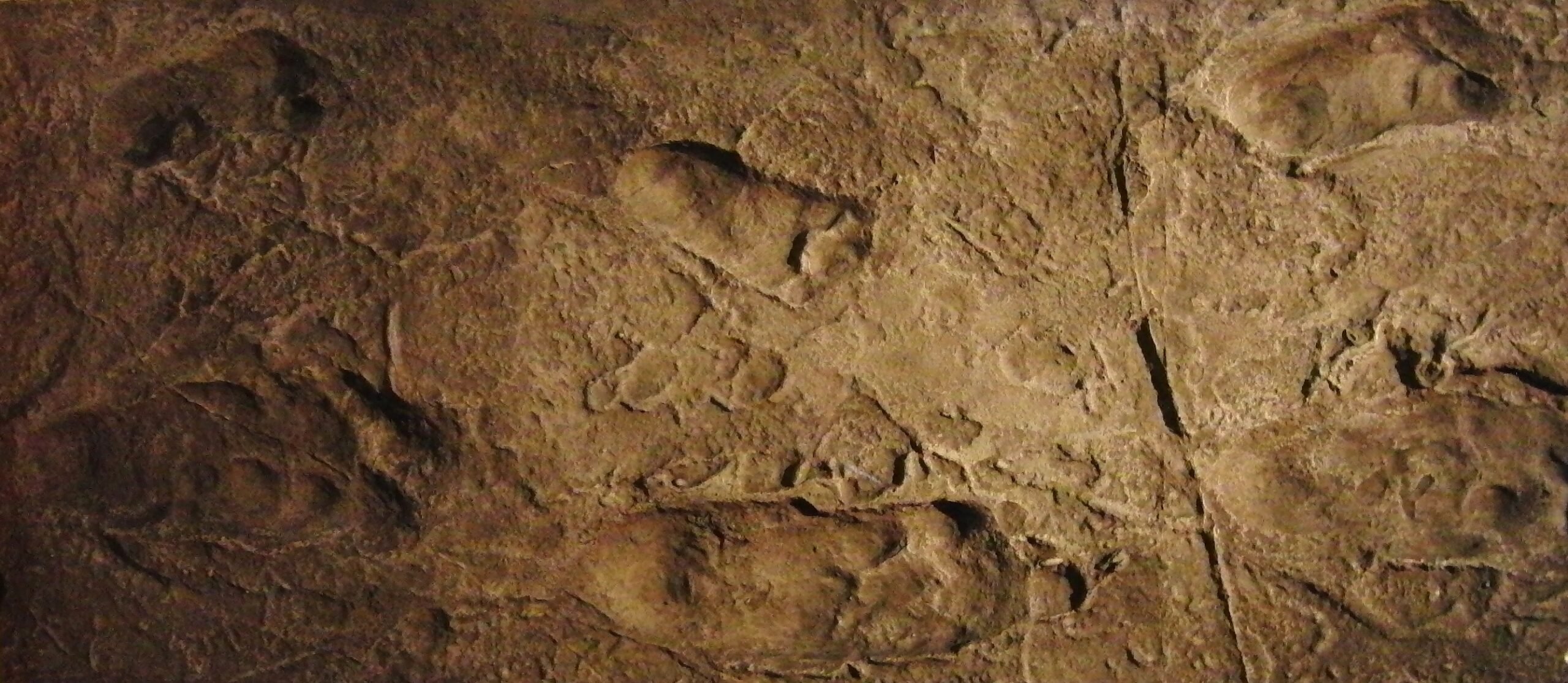
To estimate the age of the footprints, researchers did not date the prints themselves – you cannot carbon-date a footprint. Instead, they dated organic material found within the same sediment layers, especially aquatic plant seeds buried above and below the tracks. Using radiocarbon techniques, they tried to bracket when the sediments were laid down, and by extension, when humans walked across that mud. This is clever but also delicate work, because any contamination or mixing of layers can throw off the results.
Some critics argued that the dated materials might not reflect the true age of the footprints, raising possibilities like older carbon being recycled in younger sediments. That back-and-forth is not a sign of failure; it is what real science looks like when something truly disruptive appears. In response, the team and other researchers have continued testing, refining dates, and exploring independent methods to cross-check the timeline. The debate has not fully vanished, but the general trend has been a growing, if cautious, acceptance that these tracks really are astonishingly old.
Rethinking the Peopling of the Americas
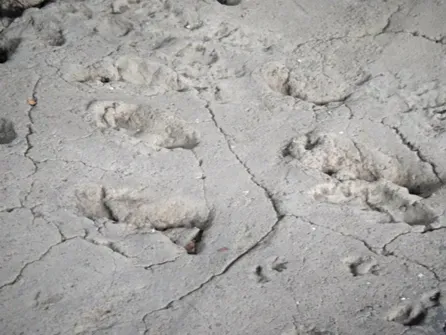
If we accept that humans were in southern North America during the height of the last Ice Age, then the old picture of a single, neat migration across a land bridge and down an inland corridor just does not hold up on its own. Instead, we may be looking at multiple waves, earlier coastal routes, or even long periods of small, scattered populations living at low densities. The footprints at White Sands hint at ordinary, day-to-day human life: kids running, adults pacing, people gathering near water, long before most models say they should even be there.
That does not mean every dramatic early-site claim is suddenly correct, but it does loosen the grip of older dogmas. Many archaeologists have spent years fighting an uphill battle trying to argue for earlier dates at other sites, often dismissed out of hand. Now, with these tracks offering a more tangible form of evidence – literal human footprints – some of those older debates are being revisited with a bit more humility. The story of how and when humans reached the Americas is clearly messier, longer, and more interesting than the tidy narratives many of us grew up with.
Why These Footprints Feel So Personal – And What They Say About Us
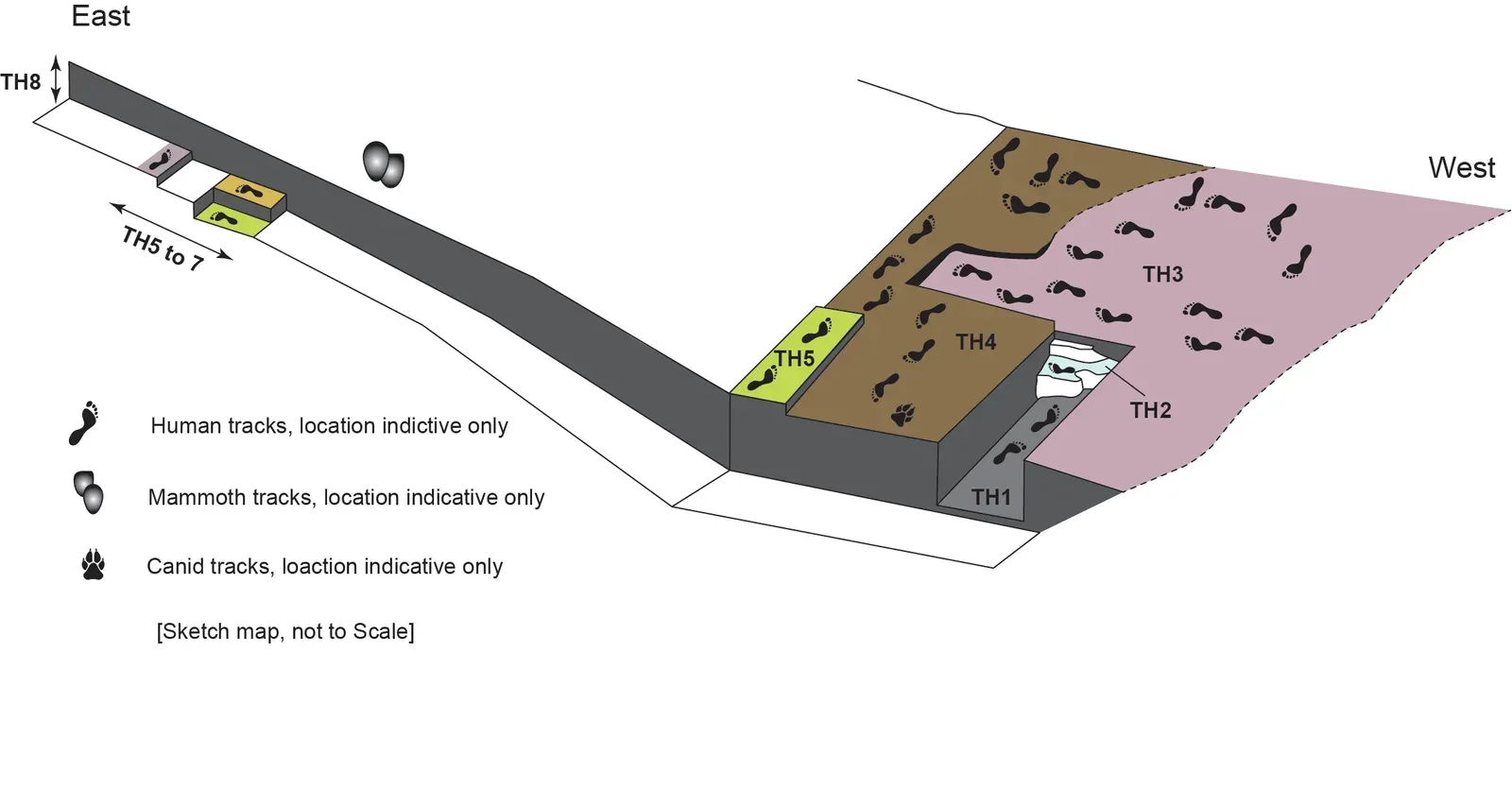
What makes the White Sands footprints uniquely powerful is how intimate they feel compared with stone tools or scattered bones. You are not just looking at artifacts; you are tracing the exact places where individual people placed their feet in soft mud. Some tracks suggest someone carrying a child, others show smaller feet alongside larger ones, like a family walk along a lakeshore. It is hard not to picture conversations, laughter, maybe even arguments, echoing there thousands of years ago.
For me, that is the part that hits hardest: deep time suddenly collapses. Instead of imagining the distant past as a blur of faceless cave people, these tracks remind us that those humans had worries, hopes, and routines just as we do. They moved through landscapes shaped by climate change, shifting resources, and unknown risks. In a strange way, the White Sands footprints are a mirror held up from the Ice Age, quietly asking us whether we are really as different from them as we like to think.
Conclusion: A Discovery That Forces Us To Get Comfortable With Uncertainty
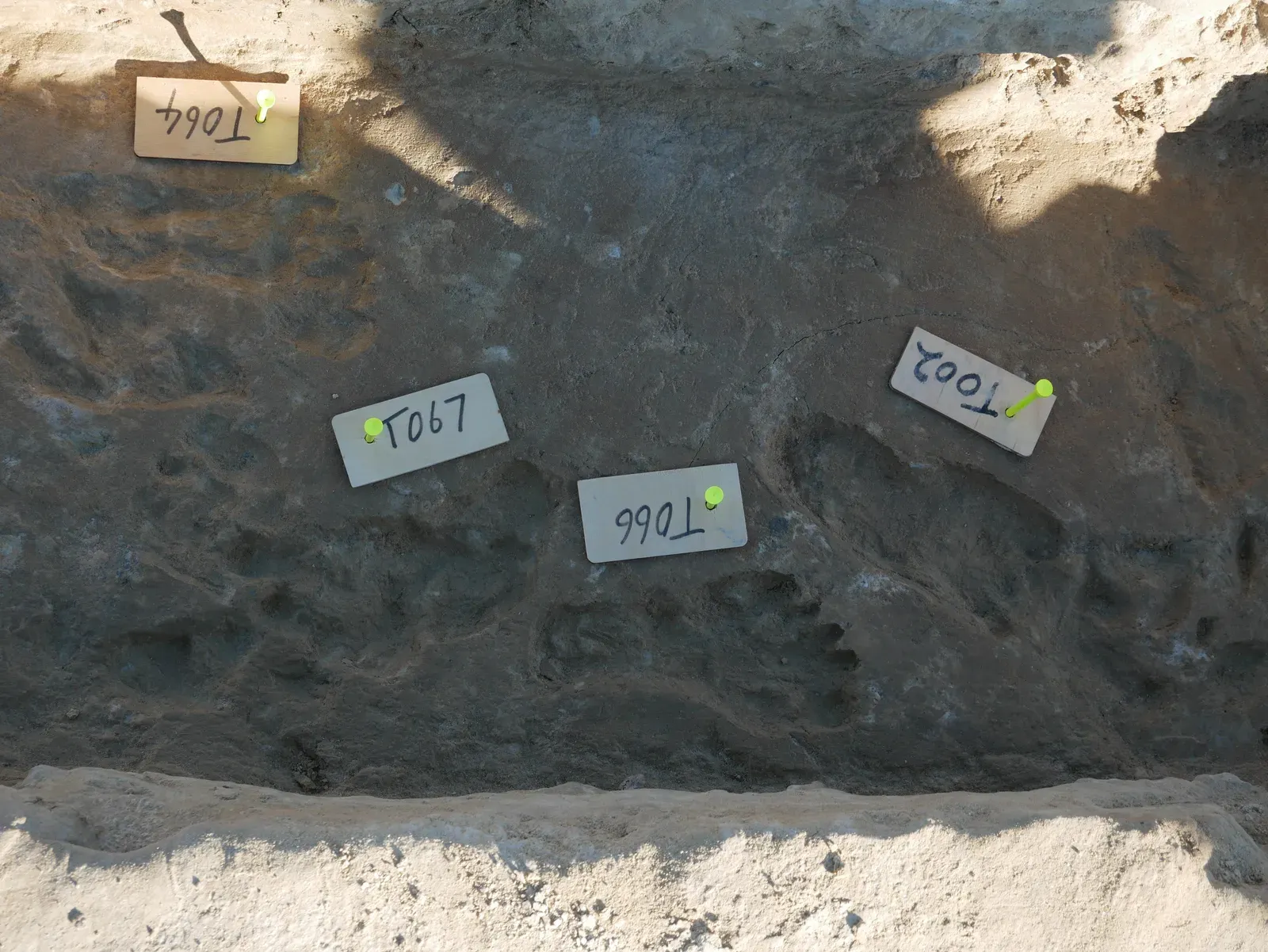
In my view, the most important thing about the New Mexico footprints is not just their age, but the way they exposed how rigid our stories about the past can become. The reluctance to publish, the fierce debate over dating, and the slow shift in expert opinion all show that even in science, people can cling to familiar narratives. Yet this discovery also shows the system at its best: bold claims challenged, methods probed, and eventually a new, more complex picture emerging.
We now have evidence that people were here earlier, living ordinary lives in extraordinary times, leaving behind tracks that would one day unsettle an entire field. That should make us cautious about any confident claim that we have finally nailed the full story of human migration, whether in the Americas or anywhere else. The footprints in White Sands whisper a quiet warning: there are probably more surprises hiding under our feet, waiting to overturn what we think we know. When the next one surfaces, will we be ready to let go of our favorite stories a little faster than last time?