There is something strangely mesmerizing about the idea that dinosaurs, those towering reptiles from deep time, might somehow be linked to mysterious visitors from the stars. It sounds wild, almost cartoonish, and yet millions of people have sat down on their couch, flipped on the History Channel, and watched exactly that kind of story being told with dramatic music, slick editing, and booming narration. Meanwhile, carefully researched lectures and fossil explainers struggle to get a fraction of that audience. That gap says less about dinosaurs and more about us.
We live in an age where entertainment and information are constantly colliding, and the line between documentary and science fiction can get dangerously blurry. The fact that a speculative, alien‑tinged dinosaur special can outperform real paleontology content is not just an amusing media trivia fact; it is a kind of cultural x‑ray. It shows what we are drawn to, what stories we trust, and how easily spectacle can drown out evidence. Once you start looking at it that way, the whole thing stops being just funny and starts feeling a bit unsettling.
How We Got From Serious History To Space Lizards On Cable TV
The History Channel did not start out as the home of ancient aliens and speculative dinosaur crossovers. In its early years, it leaned heavily on war documentaries, archival footage, and fairly sober historical programming that sometimes even felt a bit dry. Over time, though, competition for viewers intensified, and niche channels realized they had to grab attention fast or get lost in the endless scroll of other options. That pressure pushed them toward shows that were louder, stranger, and easier to market in a single jaw‑dropping sentence.
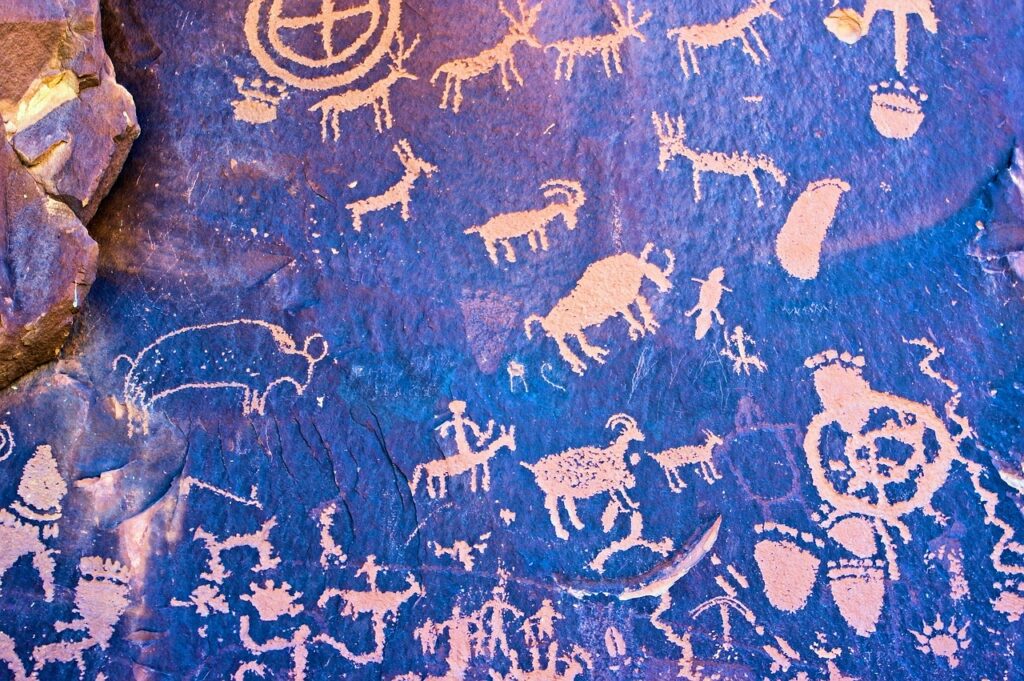
Aliens were an easy pivot because they allowed producers to keep the word “history” on the label while smuggling in fantasy under the cover of “questions” and “mysteries.” Once the ancient astronaut formula proved it could deliver ratings, it was almost inevitable that dinosaurs would eventually get pulled into that orbit. Dinosaurs already fire the imagination like few other topics; combining them with cosmic visitors was the kind of move that makes perfect sense in a marketing meeting and much less sense in a science classroom.
Why The Ancient Aliens + Dinosaurs Idea Is So Seductively Clickable
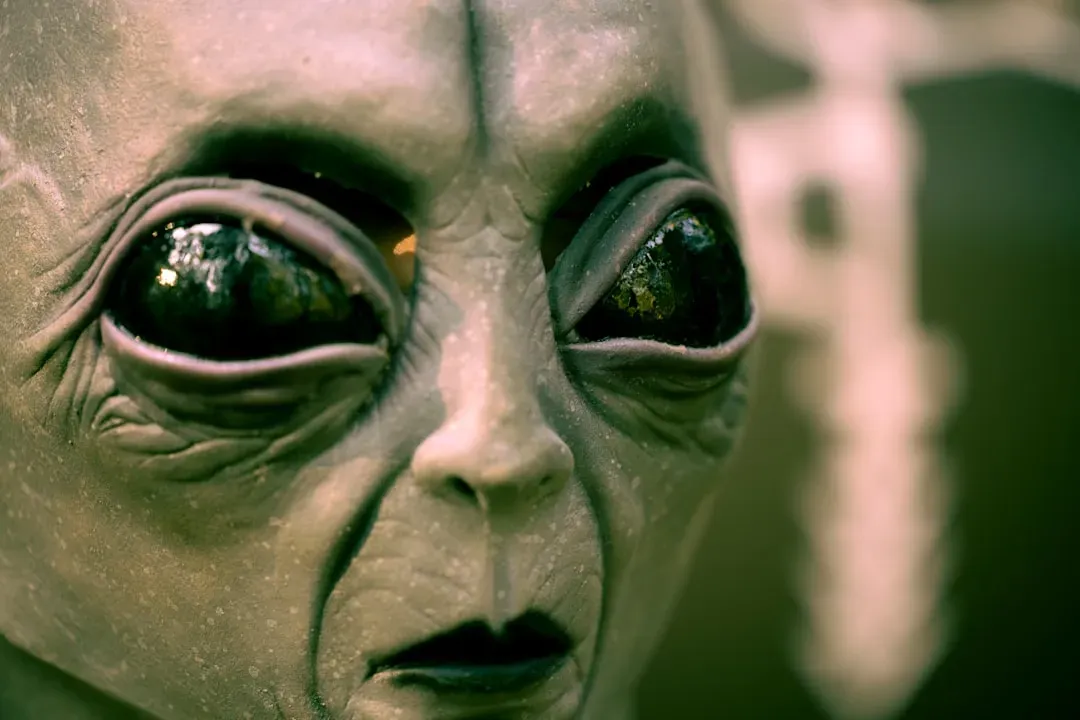
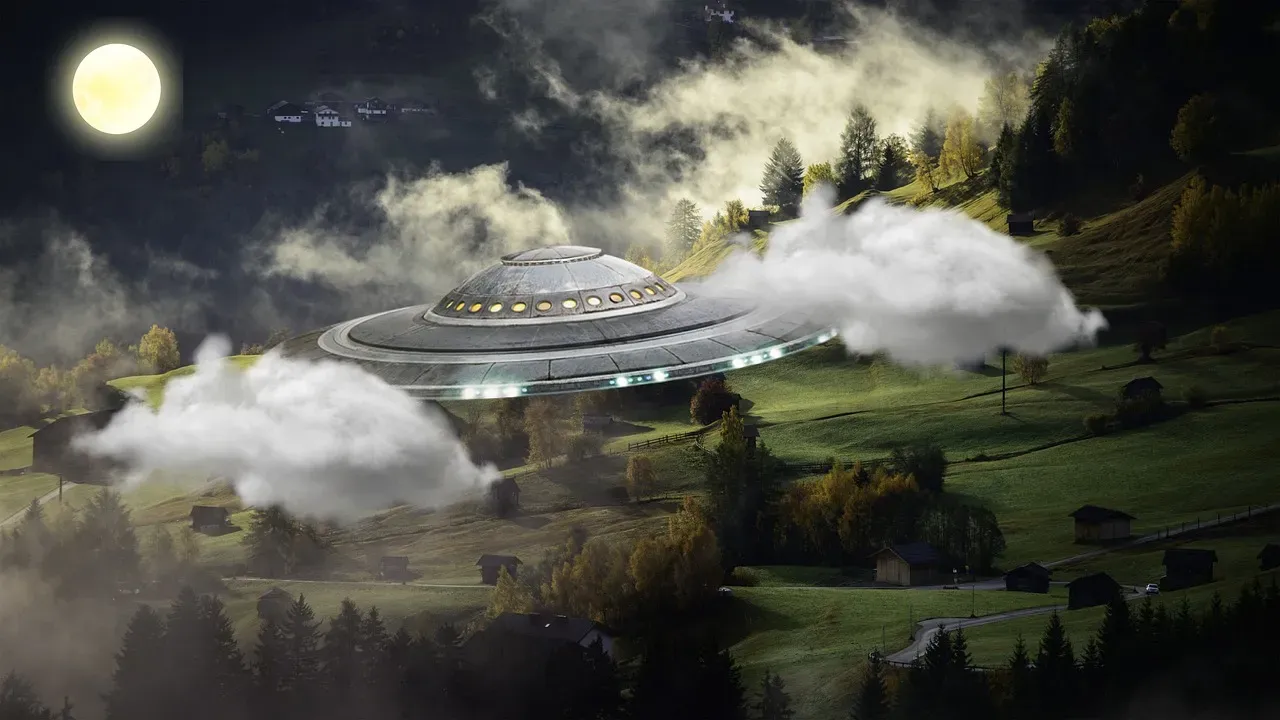
On paper, the concept that dinosaurs might have been influenced or altered by extraterrestrials has almost everything a producer could want. You get giant prehistoric monsters, ominous voice‑overs about “what if,” CGI UFOs hovering over primeval forests, and sweeping shots of galaxies swirling in the background. It taps into the same thrill as big summer blockbusters: the feeling that the world is more mysterious, more conspiratorial, and more epic than your daily commute suggests.
Psychologically, it also gives viewers a sense of being in on a secret. Instead of the slow, careful process of scientists testing fossils and revising timelines, you’re handed a thrilling shortcut: maybe there is a hidden explanation, one that elites or orthodox scholars supposedly ignore. That narrative flatters the audience, suggesting that by watching this episode they are part of a small group that “sees beyond” the official story. It is no surprise that this kind of framing outperforms a quiet, nuanced video about bone histology or sediment layers.
What Real Paleontology Actually Says About Dinosaurs
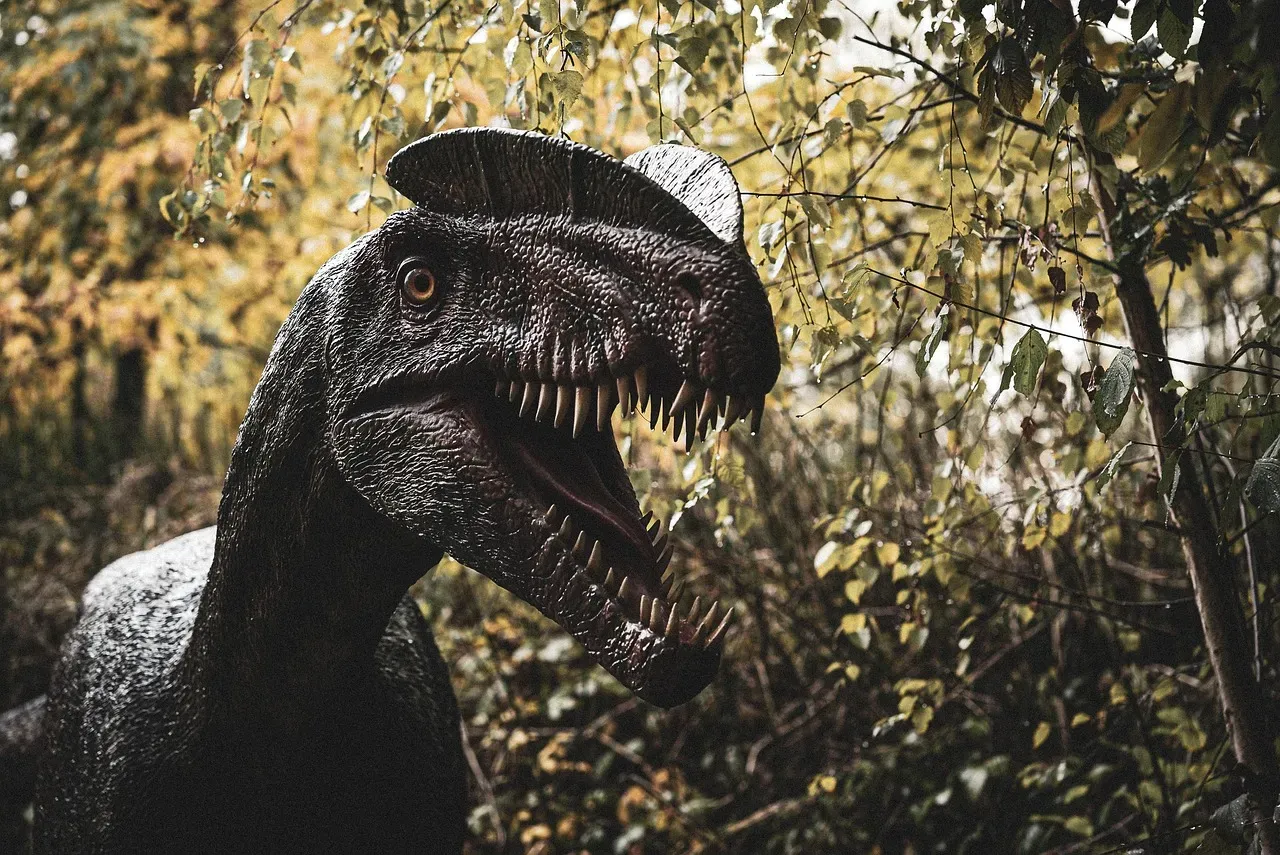
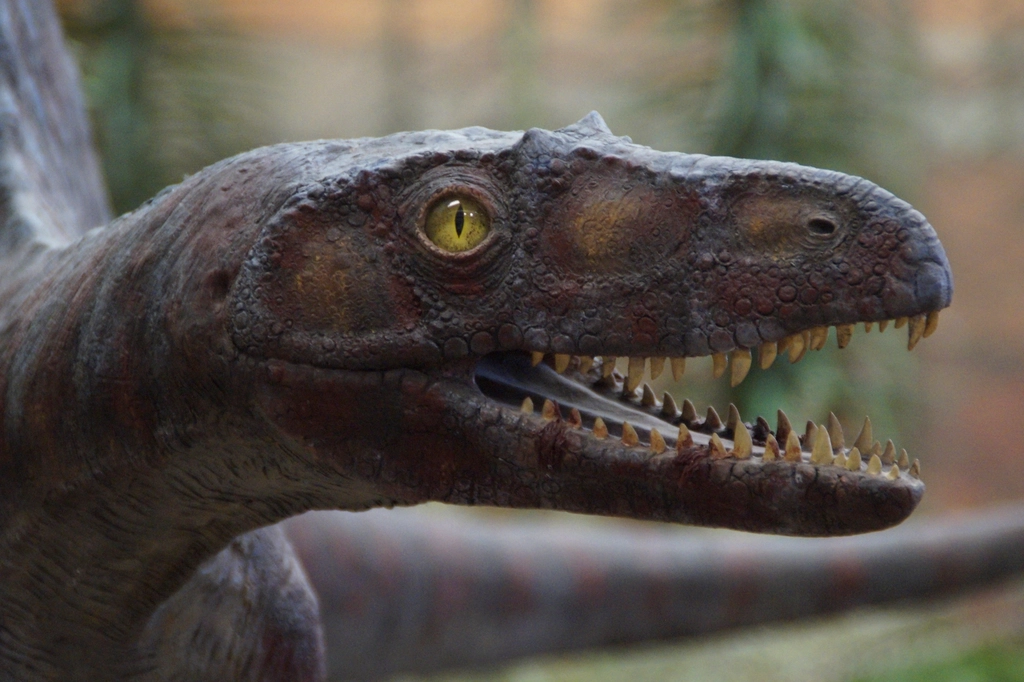
Strip away the flying saucers and cosmic speculation, and the scientific picture of dinosaurs is already more than dramatic enough. Over the past few decades, paleontologists have pieced together evidence showing that many dinosaurs were feathered, that some were warm‑blooded or close to it, and that their evolutionary story stretches from small, agile predators to the birds that sit on city power lines today. That knowledge comes from painstaking work on fossils, microscopic structures in bones, and geologic dating techniques, not from mysterious lights in the sky.
The mass extinction that wiped out non‑avian dinosaurs also has a solid, evidence‑based explanation rooted in an asteroid impact and its cascading environmental consequences. We see the crater, the global layer of impact debris, and the sudden shift in fossil records around that time. It is big, cataclysmic, and almost unimaginably dramatic, but it does not require an alien steering wheel. The real story of dinosaurs is a story of evolution, climate shifts, and deep time – not of visitors from other worlds tinkering with genomes for reasons never clearly explained.
How A Sensational Episode Ends Up Beating Solid Science In Views
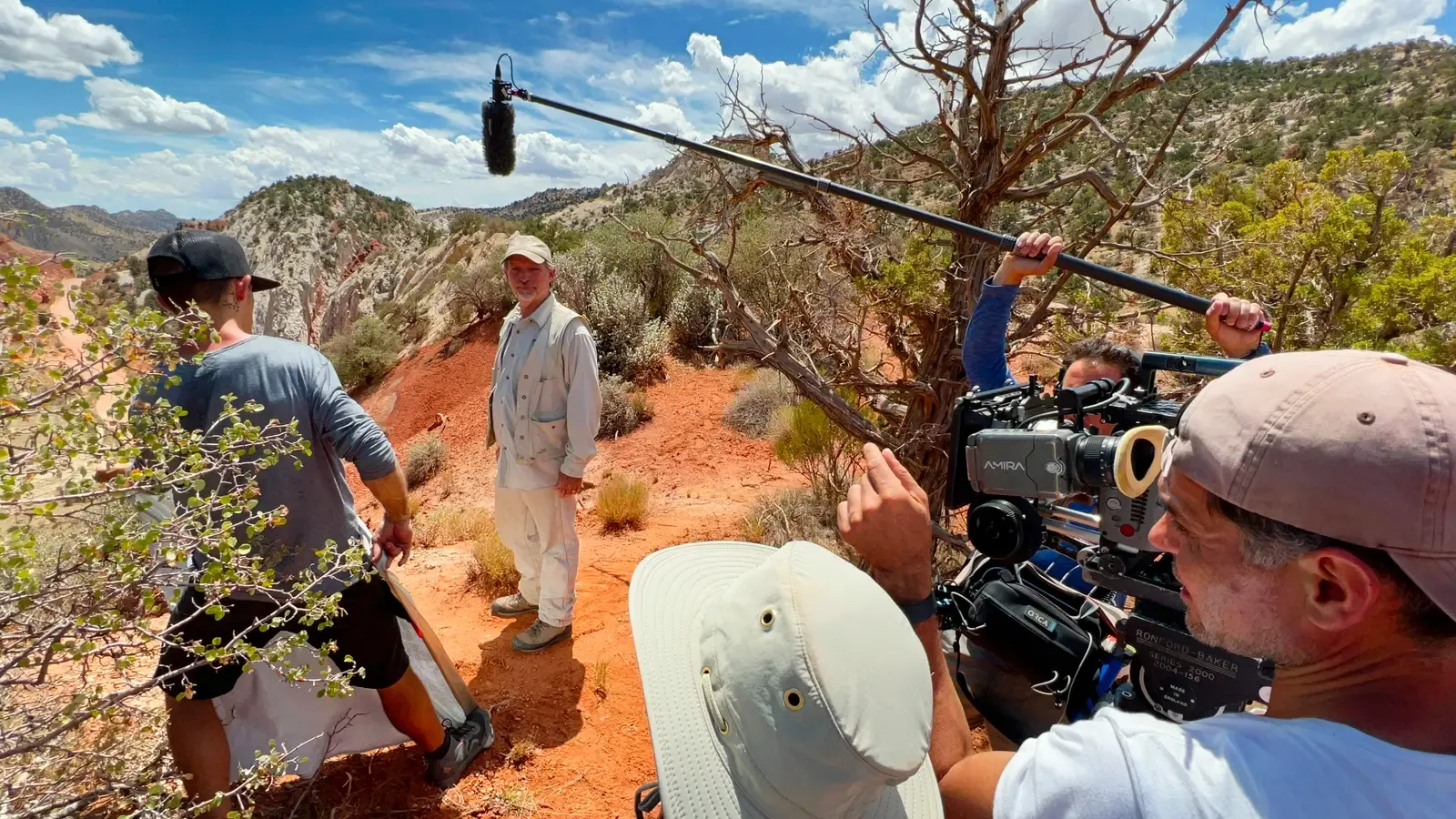
When you compare view counts between a flashy cable documentary and a serious paleontology video, you are not just comparing topics, you are comparing entire incentive systems. Television producers are rewarded for immediate buzz: social media chatter, spikes in live viewership, and strong performance on streaming platforms afterward. That drives them to build episodes around cliffhangers, ominous hints, and trailers that practically dare you not to watch. A title suggesting aliens and dinosaurs in the same breath almost sells itself.
By contrast, legitimate paleontology content is usually produced by museums, universities, educators, or small science channels that do not have big marketing budgets or dramatic teaser campaigns. Their goals are accuracy and education first, engagement second. Many of them are thrilled if a video breaks into the low six figures of views, while a heavily promoted TV episode or its online uploads can easily surpass that. The numbers do not necessarily reflect what people believe, but they do reveal what they are most likely to click on after a long day when the remote is in their hand.
The Problem When Pseudo‑Science Wears A Documentary Mask

There is a difference between an obviously fictional movie about alien dinosaurs and a program that presents itself as a documentary while blurring the line between speculation and fact. The latter borrows the authority of science without respecting the discipline that makes science trustworthy. When graphics of DNA strands, expert‑looking talking heads, and serious narration are used to float ideas that have no empirical support, the viewer is given the illusion of learning while actually being nudged away from reality.
Over time, this erodes public trust in expertise because everything starts to feel like just another opinion. If a highly produced show suggests aliens tinkered with dinosaur evolution and presents it beside genuine scientific information, people can come away thinking both ideas are equally viable “theories.” The word theory itself gets distorted, stripped of its scientific meaning and turned into a synonym for any fancy guess. That might not seem like a big deal when the topic is dinosaurs, but the same habits of thinking spill into how people treat medicine, climate, and other areas where evidence really does matter to our daily lives.
Why We Keep Coming Back To Cosmic Explanations For Ancient Earth
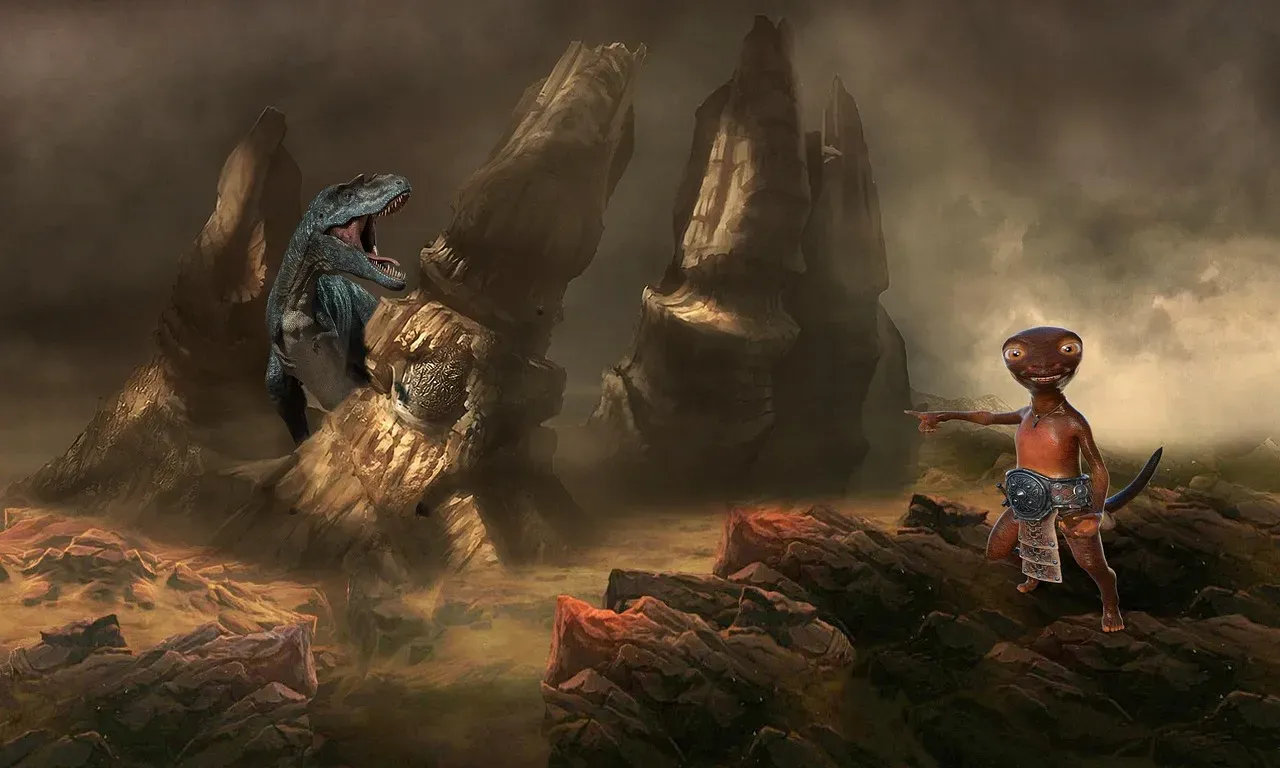
As much as it is easy to roll our eyes at alien‑dinosaur specials, there is also something very human in our urge to look up when we cannot fully explain what we see down here. For most of history, people have linked strange or powerful things – storms, eclipses, plagues, even comets – to forces beyond Earth. Dinosaurs are almost the perfect modern version of that: giant, extinct, and discovered only through fragments of bone that have to be reassembled like an impossible jigsaw puzzle.
When faced with something that big and remote in time, it can feel more satisfying to imagine a cosmic hand guiding events than to accept that evolution, chance, and disaster shaped it all without any grand plan. That does not mean the alien idea is plausible, but it does explain why the story refuses to die. I have to admit, even as someone who values real science, I understand the emotional pull of a narrative where extraterrestrial intelligence threads through our deep past. The trick is learning to recognize that pull without confusing it for proof.
The Responsibility Of Science Communicators In An Age Of Spectacle
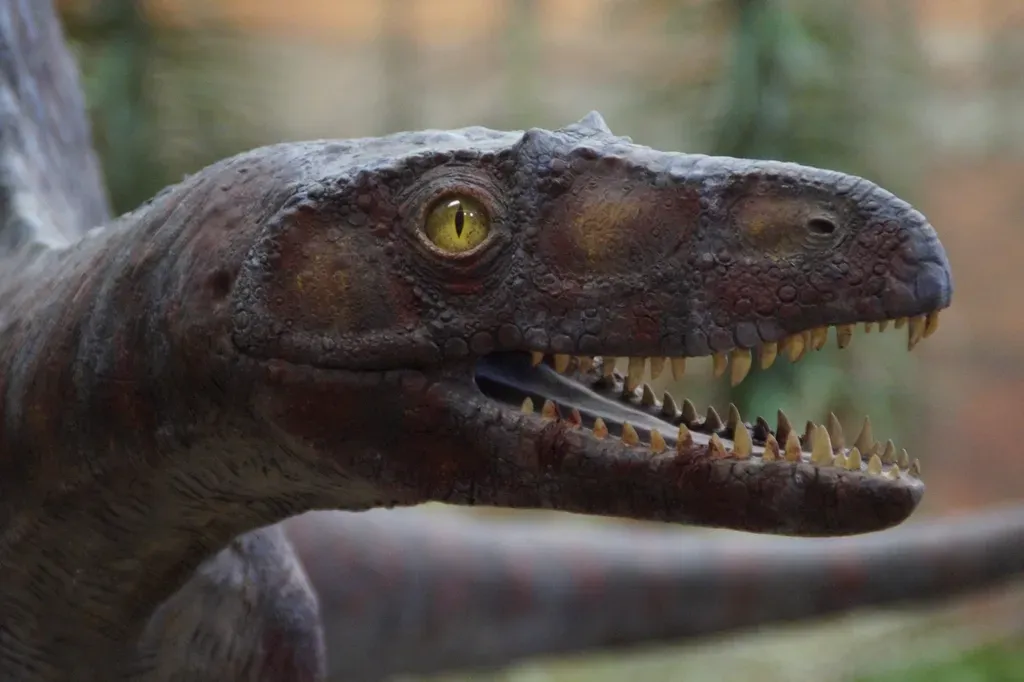
Blaming audiences for watching sensational content is the easy way out; the harder question is what scientists, educators, and media creators can do differently. Dry lectures and jargon‑heavy descriptions are no match for Hollywood‑style alien reenactments, but that does not mean science has to be boring. Some of the most effective paleontology content out there uses crisp storytelling, high‑quality visuals, and relatable analogies to make deep time feel personal. When a communicator explains a dinosaur’s lifespan by comparing it to the age of your grandparents and your phone battery in the same breath, you feel the difference.
That said, there is a line that should not be crossed: bending or inventing facts just to compete on the same level of shock value as pseudo‑documentaries. Instead, the challenge is to make the real discoveries – the feathered fossils, the growth rings in bones, the reconstructed ecosystems – feel as dramatic as they actually are. I have seen short, well‑told science videos pull in huge audiences when they frame a fossil not as a dusty object, but as a time‑stamped message from a vanished world. That is the kind of approach that could, slowly but surely, chip away at the dominance of episodes that lean on extraterrestrials to stay interesting.
Conclusion: Aliens Make Great TV, But Dinosaurs Deserve Better
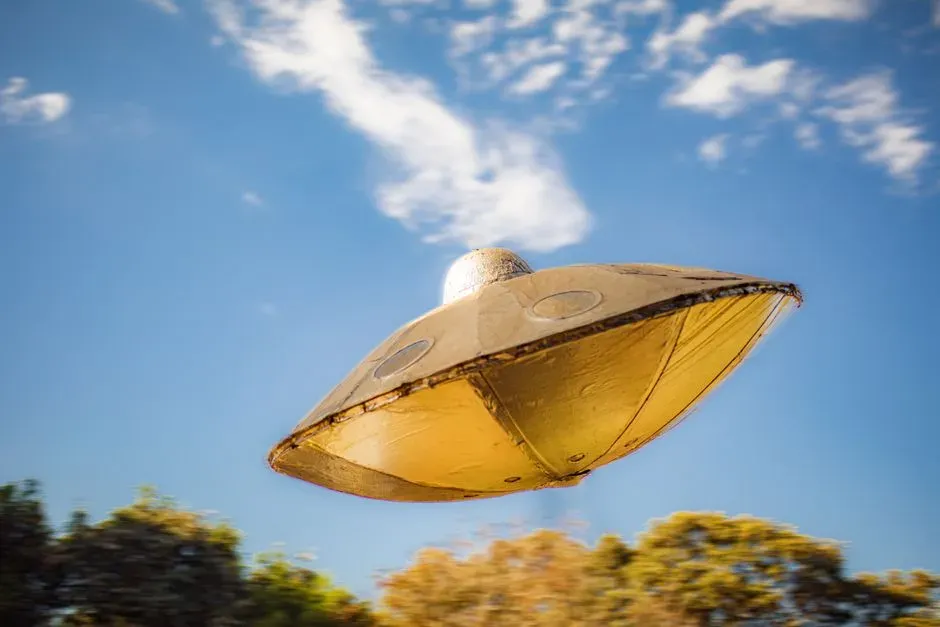
The fact that a History Channel episode hinting that dinosaurs were influenced by ancient aliens can outdraw serious paleontology content is both darkly funny and deeply frustrating. It shows how hungry we are for mystery and spectacle, and how easily that hunger can be fed with stories that feel bold while standing on very thin ice. In my view, the real scandal is not that such an episode was made, but that a whole system of incentives makes that kind of thing almost inevitable and then rewards it with ratings while more grounded work quietly struggles for attention.
If anything, this imbalance should be a wake‑up call: dinosaurs do not need UFOs to be fascinating, and history does not need cosmic puppeteers to stay relevant. The true story of life on Earth, built fossil by fossil, is already stranger and more profound than anything a speculative script can deliver. The question is whether we are willing to put in the effort – both as creators and as viewers – to embrace the slower, messier thrill of real discovery instead of settling for the quick high of manufactured mystery. When you think about it that way, which kind of story would you rather have echoing in your mind years from now?