Every so often, archaeology and paleontology throw up a finding so bizarre that even the experts quietly go: this has to be a mistake. Labs recheck their instruments, field teams comb through their notes, and reviewers sharpen their red pens. The history of prehistory is full of moments when a fossil, a footprint, or a fragment of bone seemed to break the rules so hard that the safest response was simple disbelief.
Yet again and again, the strangest discoveries are the ones that end up rewriting the textbooks. What was dismissed as a hoax, a mislabelled bone, or “just erosion” can, after years of debate, become the new normal. Let’s dive into twelve prehistoric discoveries that were so shocking, many scientists initially refused to believe they were real – until the evidence piled up too high to ignore.
1. The First Neanderthal Skull That Looked “Too Human” And “Too Strange” At The Same Time
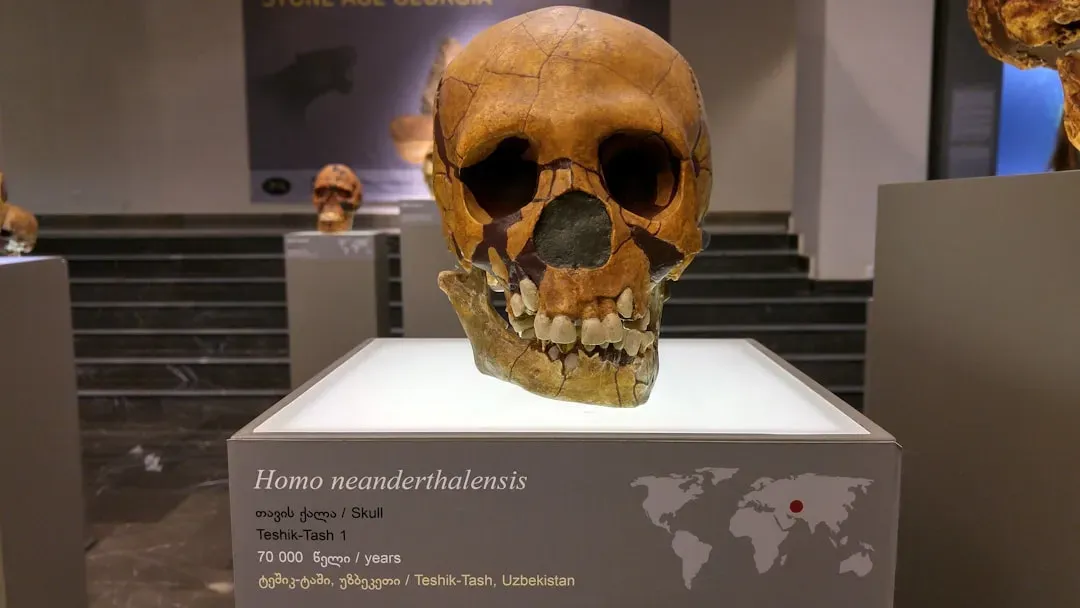
When a partial skeleton was pulled from a limestone quarry in the Neander Valley in Germany in the mid‑nineteenth century, nobody had a ready box to put it in. The skull was thick and low, with a heavy brow ridge, but the overall shape was disturbingly human. Some early experts argued it belonged to a modern man with rickets, others that it came from a soldier with deformities, and a few simply dismissed it as pathological noise rather than evidence of a new kind of human.
The idea that there had once been another, separate human‑like species roaming Europe felt outrageous. It clashed with religious beliefs, social hierarchies, and even the egos of scholars who liked to imagine a straight, clean ladder of progress leading directly to themselves. It took years of new Neanderthal finds – more skulls, more skeletons, more carefully documented contexts – before the scientific community accepted that this was not just a sick individual but a different branch of the human family tree.
2. Giant Ground Sloths That Once Dwarfed Humans
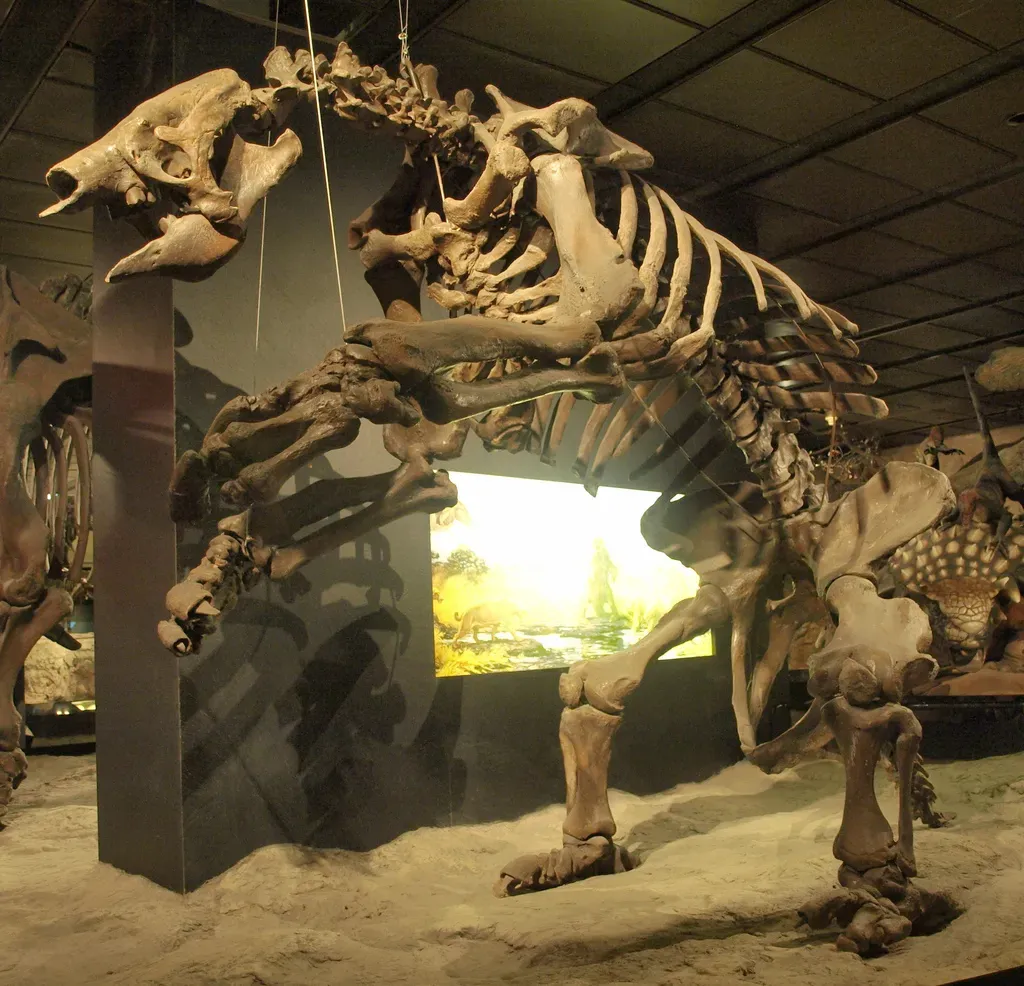
When the first fossil bones of the giant ground sloths were unearthed in the Americas, their sheer size looked absurd. These animals, later named Megatherium and its relatives, were sloths that could reach the bulk of an elephant and stand higher than a person on their hind legs. Early naturalists struggled with the idea that something so large, slow, and apparently vulnerable could have survived, let alone thrived, for hundreds of thousands of years.
Some scientists guessed they were misassembled elephant bones, others tried to fit them into familiar categories like bears or big cats. The concept of entire extinct ecosystems filled with giant, lumbering herbivores was still new and unsettling. Only after repeated finds, more complete skeletons, and comparisons with living sloths did the picture snap into place: these were once‑dominant megafauna, toppled not by their own implausibility but by shifting climates and, most likely, human expansion.
3. The “Feathered Dinosaurs” That Looked Like Mythical Creatures
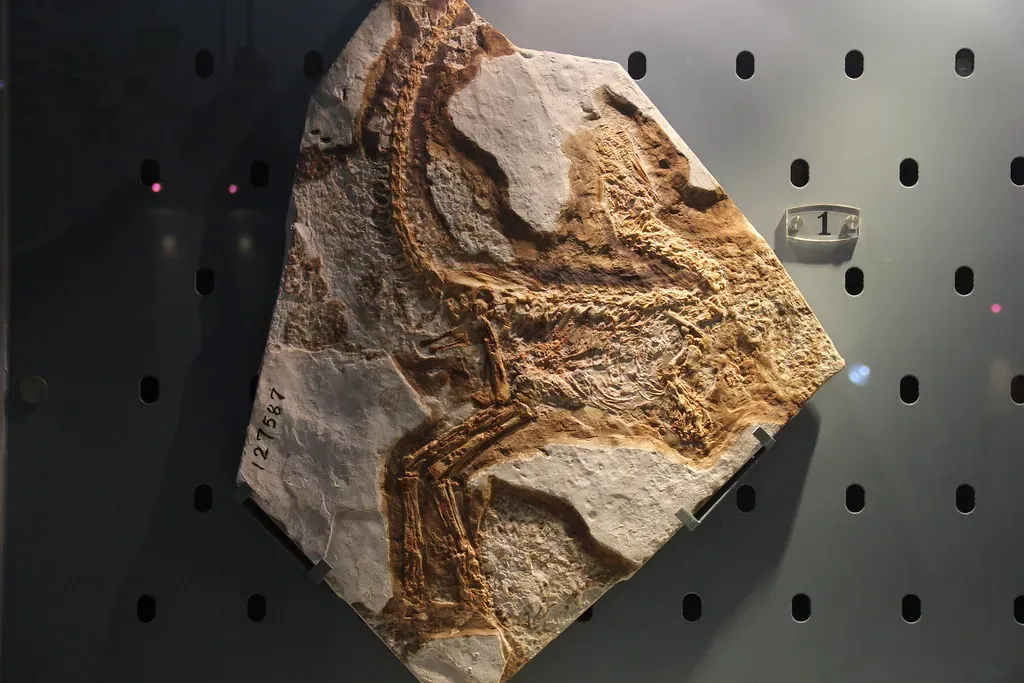
When fossils from northeastern China started revealing dinosaurs with clear impressions of feathers, many paleontologists were openly skeptical. Dinosaurs, in the public imagination and even in much of academia, were overgrown lizards: scaly, reptilian, and decidedly un‑birdlike. The first reports of small, carnivorous dinosaurs covered in filamentous structures sounded almost like bad science fiction.
There was also a looming fear of forgery. The region had already produced a notorious fake – a supposedly feathered fossil made by cleverly combining parts of different animals – so any new specimen that hinted at wings or plumage was treated with suspicion. But as more and more well‑documented fossils emerged, with clear, fine details of feathers and complex body coverings, the resistance softened. Eventually, the weight of evidence flipped the narrative: birds were not just “like” dinosaurs; they were the direct descendants of feathered theropods.
4. Homo Floresiensis: The “Hobbit” Humans That Seemed Too Small To Be Real
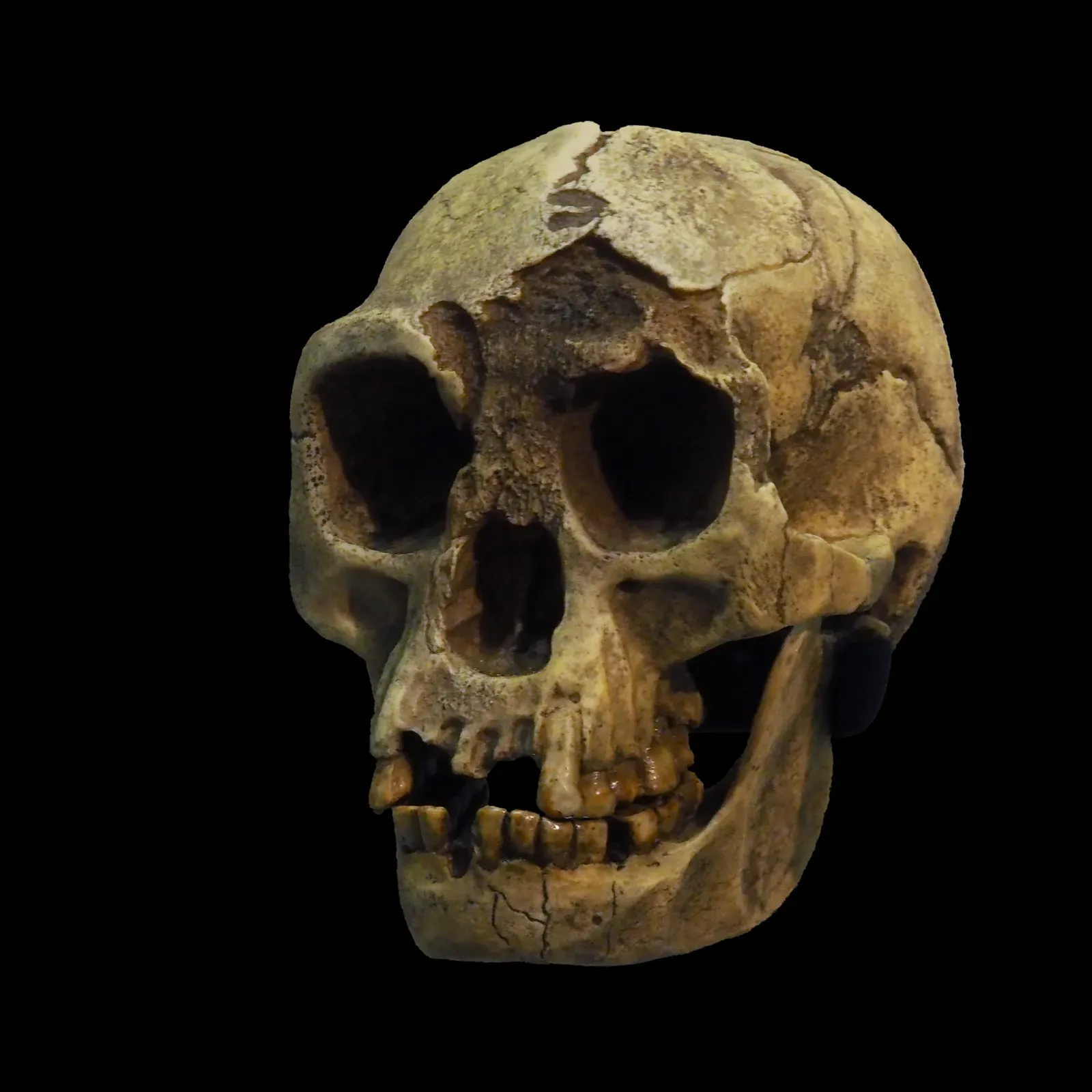
In the early 2000s, a team excavating on the Indonesian island of Flores announced something that sounded like a fairy tale: a tiny species of human, about the height of a six‑year‑old child, with a brain the size of a chimpanzee’s, living as recently as tens of thousands of years ago. Many scientists simply did not buy it. They suspected the bones belonged to a modern human with a growth disorder, or that the dating was wrong, or that the remains had been misinterpreted.
The basic idea – that a small‑brained, archaic‑looking human species had shared the planet with our own kind for so long – cut against the comforting vision of a neat, inevitable rise of big‑brained Homo sapiens. Over the following years, more skeletons and increasingly sophisticated analyses of skull shape, wrist bones, and teeth gradually blunted the objections. The emerging consensus moved toward accepting Homo floresiensis as a distinct species, a reminder that our family tree is more tangled shrub than straight trunk.
5. Dinosaur Nesting Grounds That Suggested Parental Care
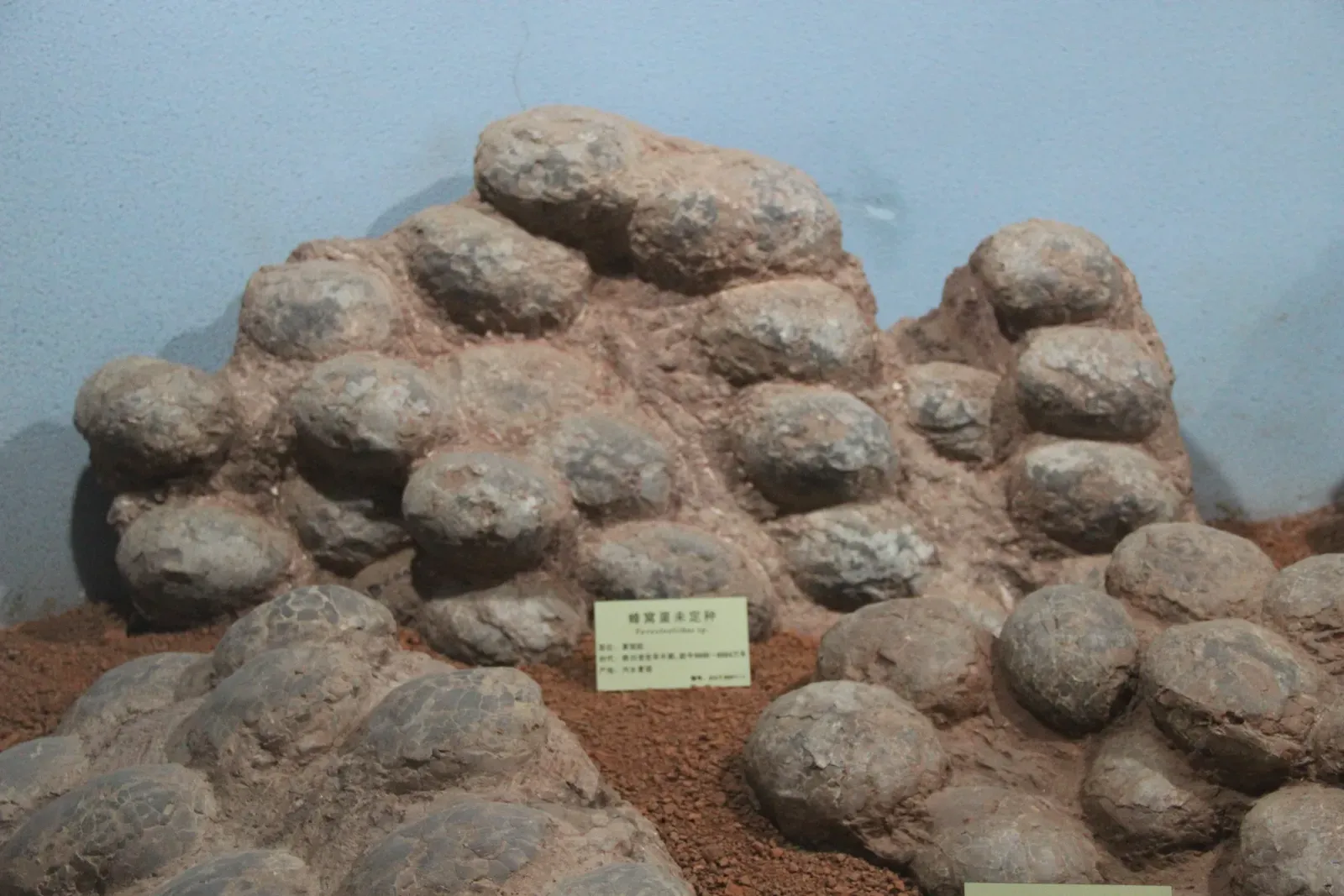
When paleontologists in the twentieth century uncovered fossilized dinosaur nests containing embryos, juveniles, and adults in close association, the reaction among some experts was disbelief. The prevailing image of dinosaurs was of cold, indifferent reptiles that laid eggs and walked away. The idea that certain dinosaurs might have cared for their young, guarded nests, or even fed hatchlings seemed strangely sentimental, almost like projecting modern bird behavior backwards.
At first, critics suggested the fossils had been mixed by currents or scavengers, accidentally clustering bones together. But repeated discoveries of similar nesting colonies, often with consistent arrangements of eggs and juvenile growth stages, made random chance an increasingly weak explanation. Slowly, the field began to accept that at least some dinosaurs were attentive parents, reorganizing the emotional landscape of prehistoric life from brutal isolation to something that looks surprisingly familiar and social.
6. Ancient Human Footprints That Forced People To Rethink Timelines
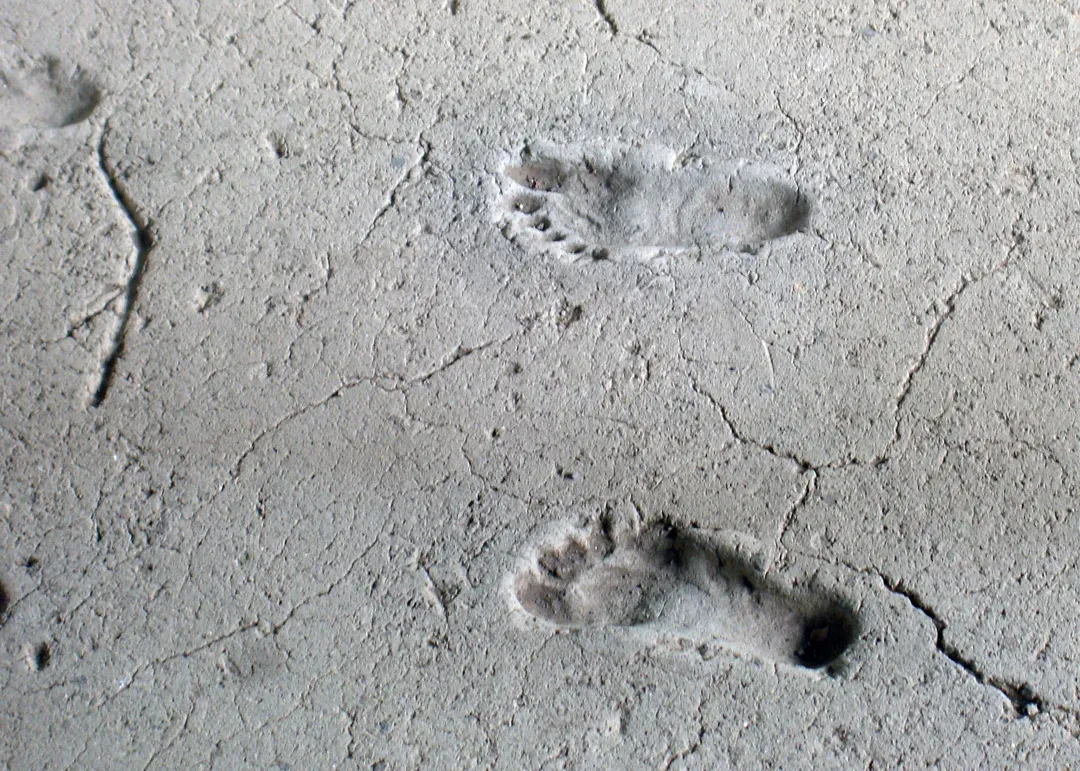
Whenever scientists announce very ancient human or human‑like footprints, the first reaction is often: those dates cannot be right. Prehistoric footprints preserved in mud that turned to stone, or in volcanic ash, are fragile and easy to misinterpret. Many early claims were dismissed or heavily questioned because they clashed with existing beliefs about when certain regions were first occupied by humans or their ancestors.
In several cases, initial dating methods and interpretations suggested people were present far earlier than the accepted models allowed. Skeptics argued for alternative explanations like animal tracks, erosion, or younger imprints sinking into older layers. It is only when multiple lines of evidence align – geology, radiometric dating, track morphology, and comparison with modern footprints – that these finds start to gain grudging acceptance. The result is often a quiet, uncomfortable shift in timelines, with textbooks slowly nudged toward older and more complex stories of migration.
7. The Deep‑Time Age Of The Earth Itself
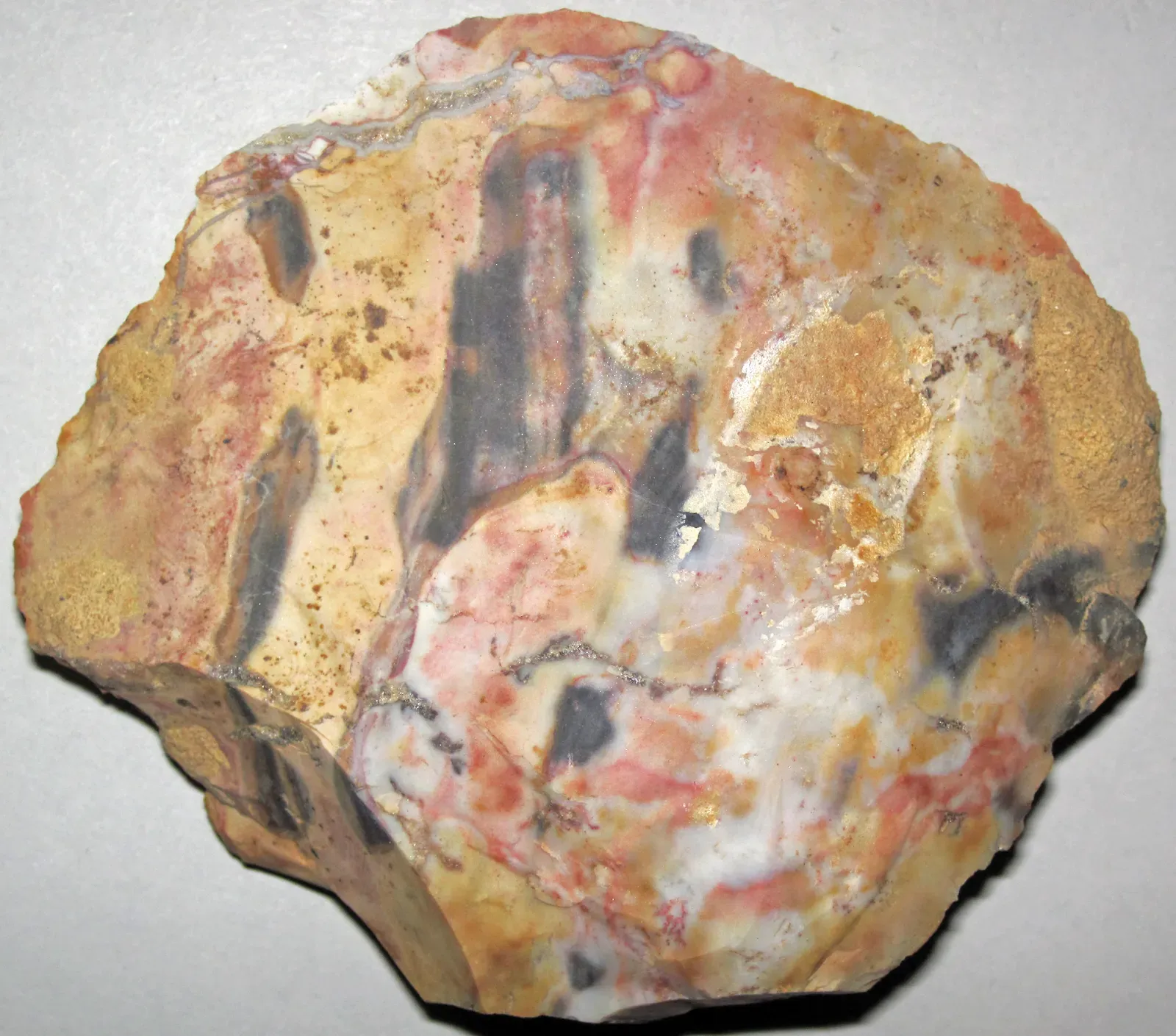
Long before we were arguing about feathered dinosaurs, scientists were arguing about whether the Earth was even old enough to host deep prehistory at all. In the nineteenth century, some respected figures insisted the planet was only tens of thousands of years old, based on calculations of cooling or literal readings of religious texts. When geologists began presenting evidence for rocks and fossils that implied unimaginably long spans of time, many experts viewed these claims as extreme and speculative.
Radiometric dating, once developed and refined, pushed ages into the billions of years, a number that initially felt absurd and almost offensive to some minds. Yet as different techniques converged on similar results, and as scientists dated meteorites and ancient minerals, the idea of a very old Earth transformed from heresy to basic background knowledge. Prehistory as we understand it – dinosaurs, early mammals, branching human lineages – only makes sense on this vast timescale, but it took a major psychological leap for science to accept just how old “old” really is.
8. The Cambrian Explosion’s “Weird Wonders” That Defied Classification
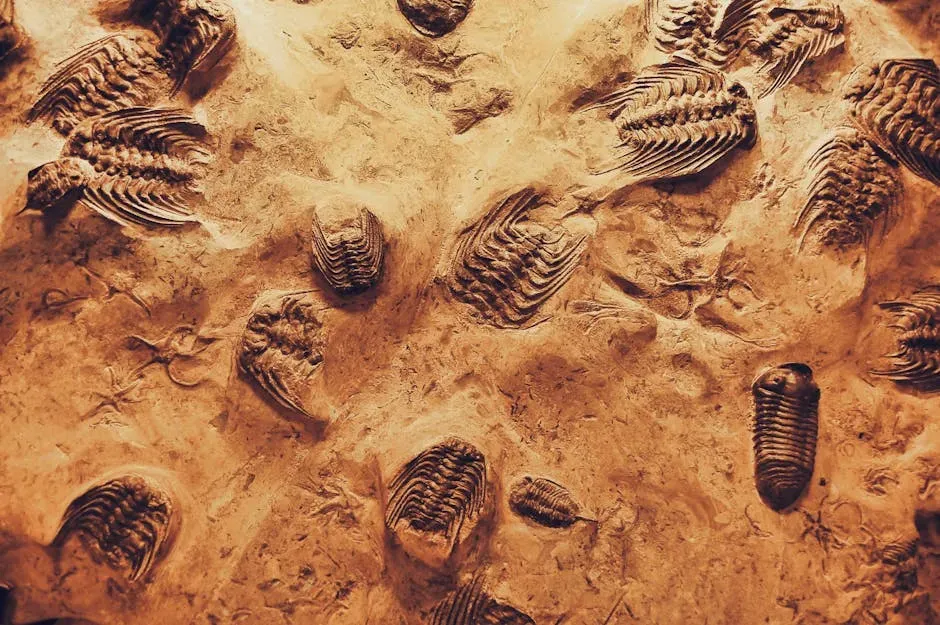
When fossil beds like the Burgess Shale in Canada and later sites elsewhere started revealing creatures from the Cambrian period with wildly alien bodies, many paleontologists did not know what to do with them. Some animals had spines and flaps and eye stalks in baffling arrangements; others looked like the results of a surrealist art project. Early reconstructions were sometimes so strange that critics doubted whether the fossils had been correctly assembled or even correctly interpreted as animals.
The problem was not just that these creatures were bizarre; it was that they seemed to defy the existing categories of life. Were they ancestors of modern groups, failed experiments of evolution, or something in between? As more specimens were found and re‑examined with better technology, scientists slowly teased out patterns linking these odd forms to familiar lineages like arthropods and vertebrates. The initial refusal to believe in such diversity gave way to an appreciation of just how experimental early animal evolution really was.
9. Woolly Mammoths Preserved So Well People Thought They Were Recent
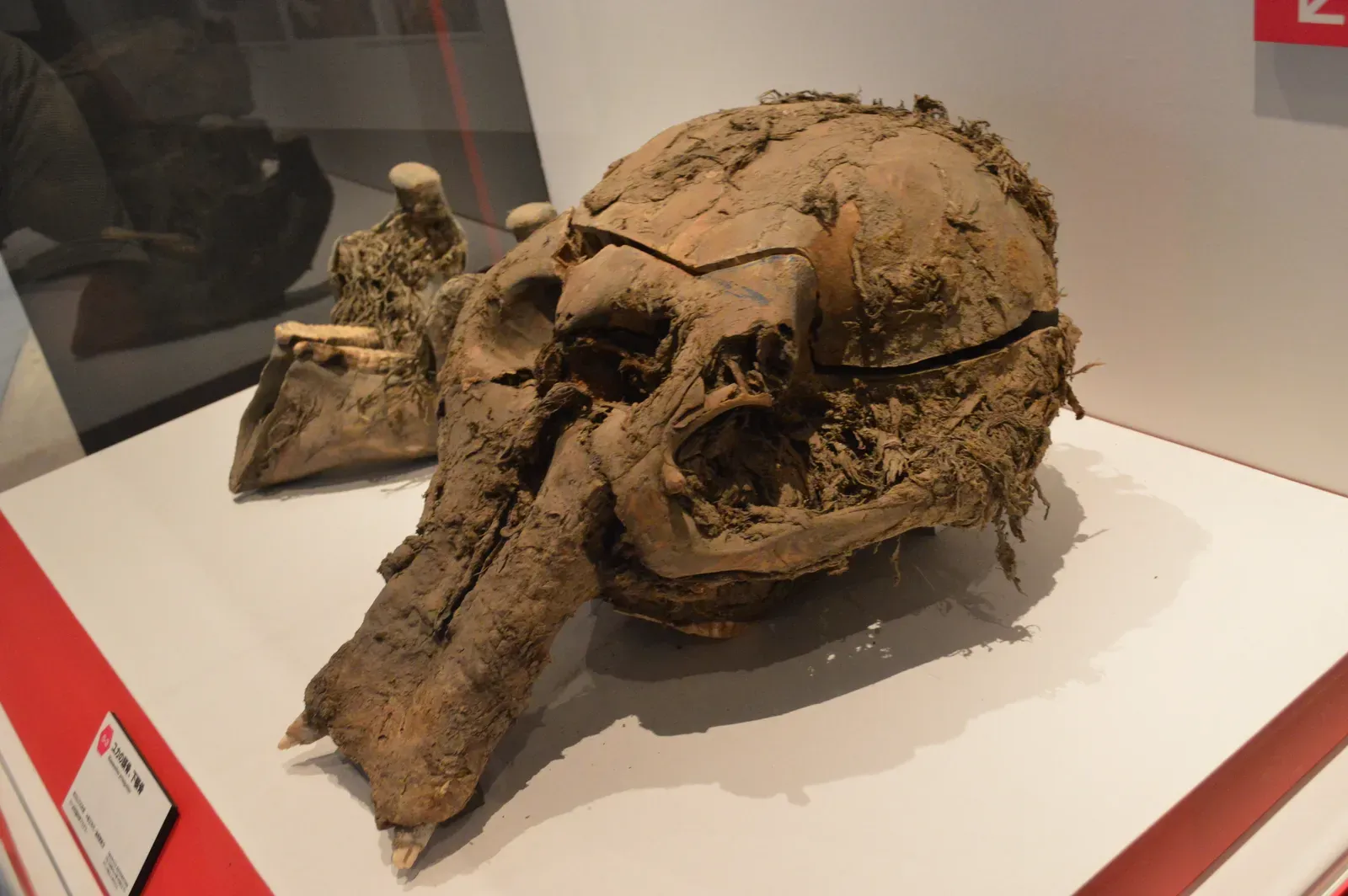
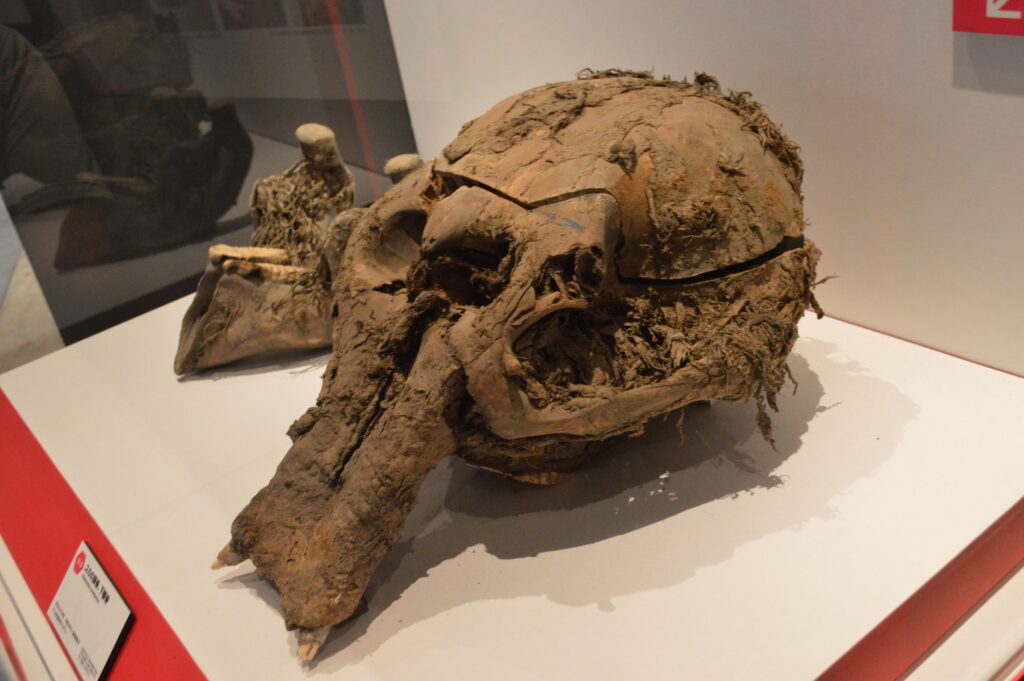
When explorers and hunters in Siberia first brought back reports – and sometimes chunks – of frozen mammoths with flesh, hair, and even stomach contents preserved, many scientists assumed these animals must have died only a short time ago. The idea that soft tissue could survive for tens of thousands of years in permafrost seemed impossible. Some early theories even suggested mammoths were still living in remote regions and had only recently become trapped in the ice.
Only as methods of dating improved, and as similar finds were documented with increasing care, did the picture shift. These were not recent casualties but relics of the last Ice Age, locked in natural freezers for ages. Even then, the level of preservation often sparked suspicion: skeptics wondered about hoaxes or mislabelling. Today, with genetic studies and isotopic analyses confirming their antiquity, those once‑doubted carcasses are among the most vivid windows we have into Pleistocene ecosystems.
10. Stone Tools At Sites That Seemed “Too Old For Humans”
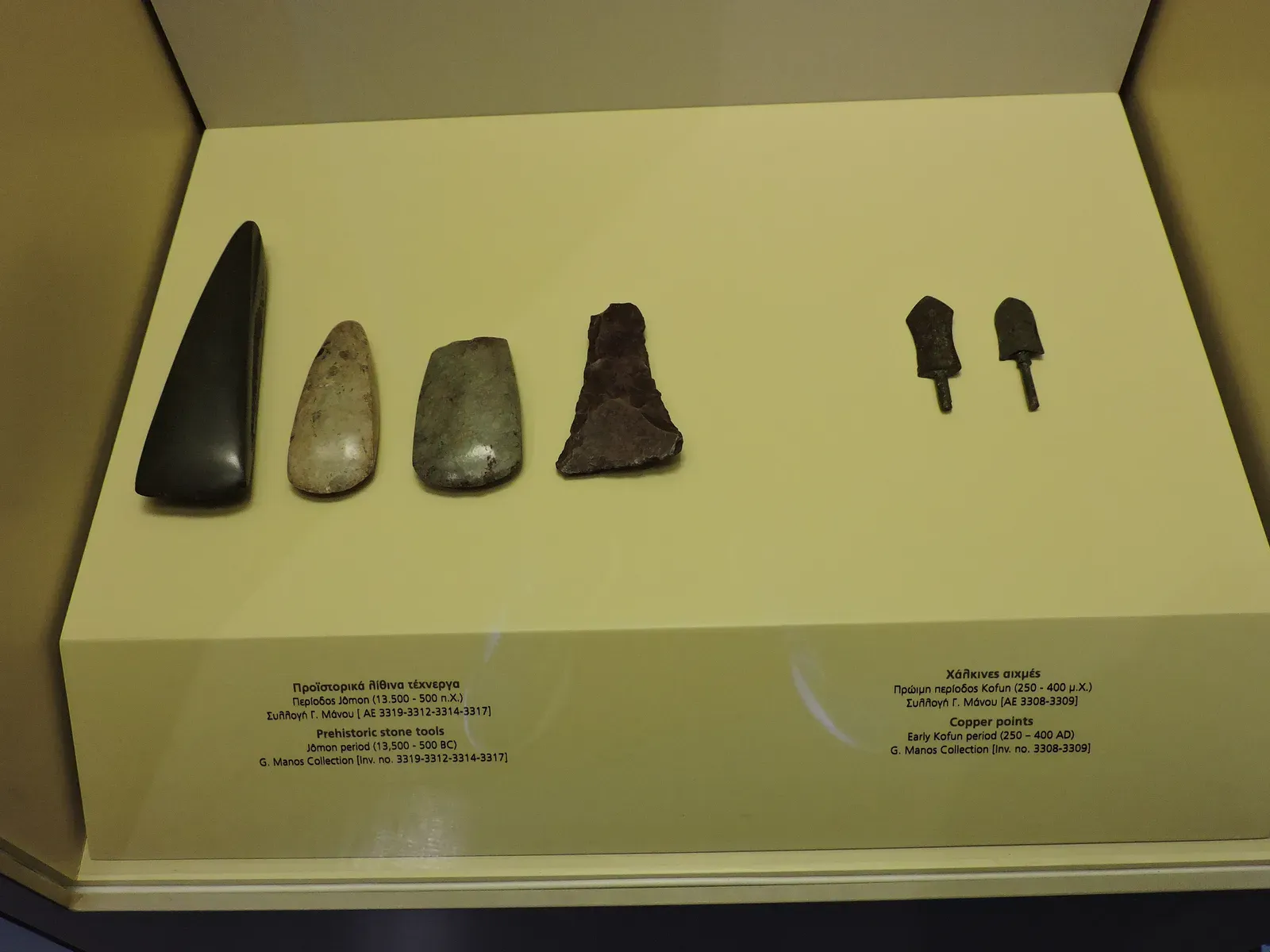
Archaeologists who dig up stone tools in layers older than expected often find themselves under intense scrutiny. Early claims of very ancient stone artifacts were frequently shot down, with critics arguing that sharp flakes or broken rocks were just the result of natural processes like frost cracking or river tumbling. The suggestion that humans or human‑like toolmakers existed in a region far earlier than established timelines allowed was seen as reckless, even career‑threatening.
In several famous cases, the same pattern repeated: a team reported old tools, the community loudly doubted them, and over time, more evidence – better contexts, repeated finds, associated fossils – forced a reluctant reevaluation. The underlying tension is simple: every time the accepted date for the first arrival of tool‑using hominins in an area gets pushed back, a whole web of migration and evolution theories has to be adjusted. No wonder the instinctive reaction was often to say these tools could not possibly be what they appeared to be.
11. Mass Extinction Events That Wiped Out Most Species At Once
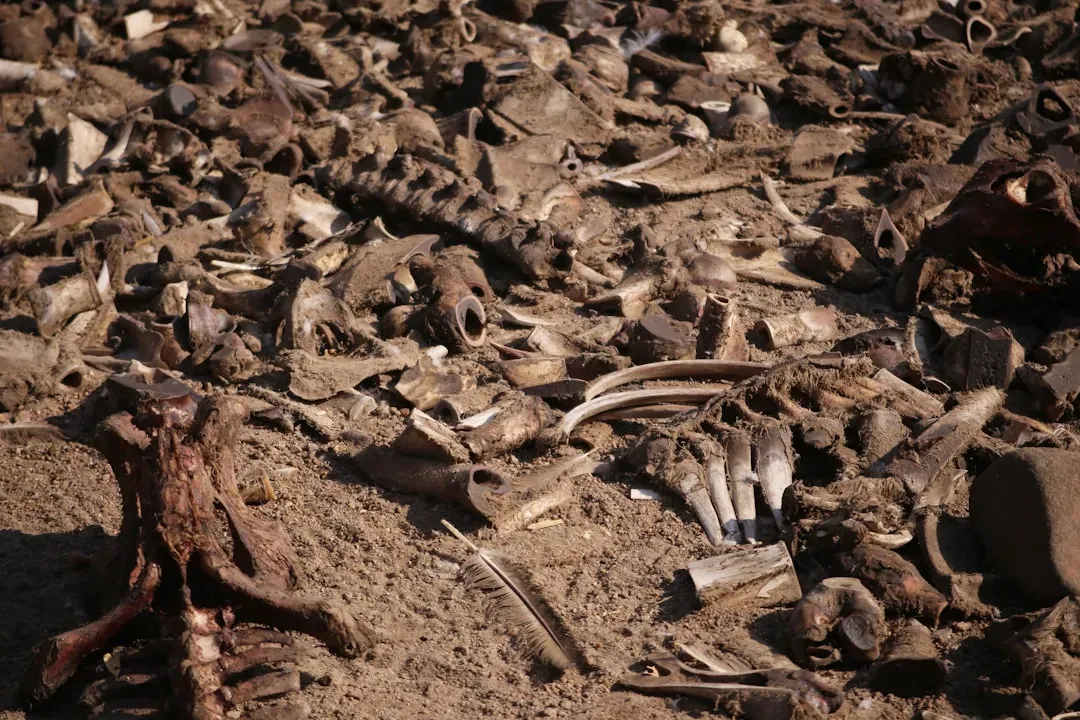
Before the idea of mass extinctions took hold, many scientists believed species came and went gradually, one at a time, in a slow and steady shuffle. Proposals that a single event could wipe out a huge fraction of Earth’s life in a geologically short window were met with suspicion, sometimes even ridicule. They sounded too dramatic, too catastrophic, almost like myths rather than sober geology.
The eventual acceptance of events like the end‑Cretaceous extinction – tied to an asteroid impact – and other major die‑offs required decades of bickering over data. Critics questioned the dating, the fossil record’s completeness, and the interpretation of sudden gaps. Yet as crater evidence, iridium layers, and detailed fossil sequences aligned, the skepticism began to crack. Personally, I find this shift one of the most humbling: it forced science to accept that stability can be an illusion, and that deep time is punctuated by moments when the rules change overnight.
12. Ancient Art That Proved Our Ancestors’ Minds Were Anything But Simple
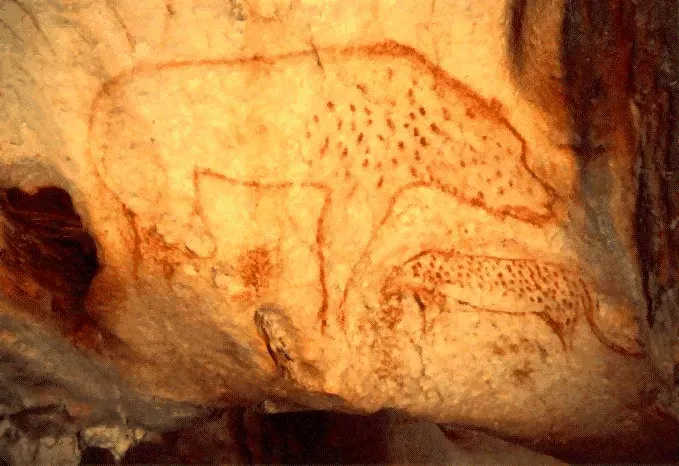
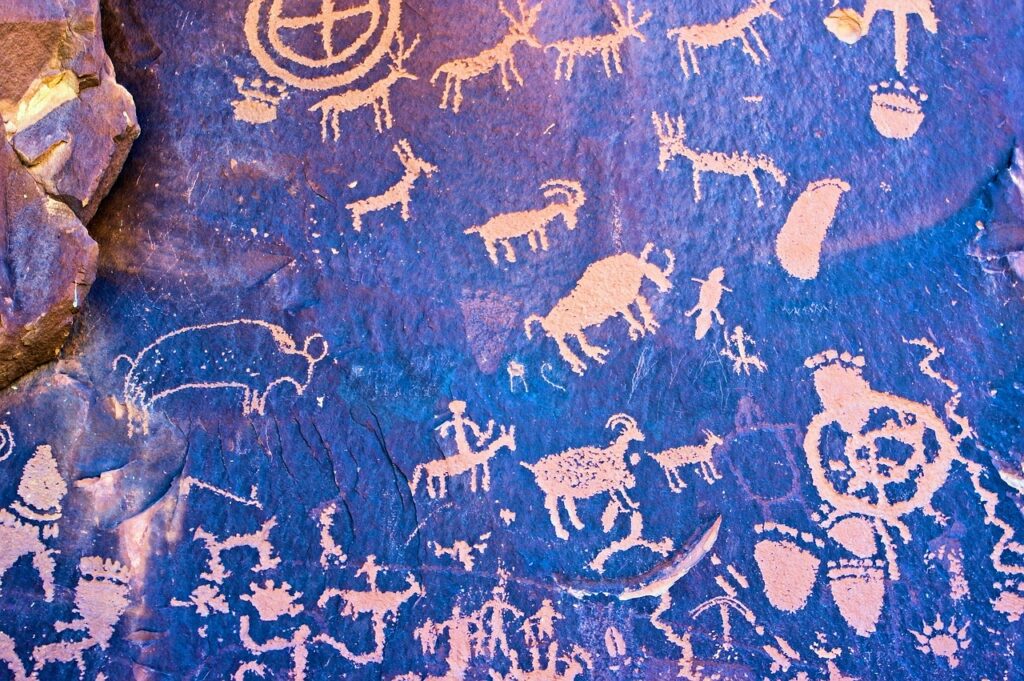
When the first well‑documented cave art and portable figurines from deep prehistory were recognized for what they were, a lot of scholars hesitated. Some suspected modern graffiti, others thought the images might be accidental stains or cracks. The idea that Ice Age hunter‑gatherers possessed not just practical skills but rich symbolic lives – painting animals with nuance, carving enigmatic figures, perhaps telling stories – clashed with the stereotype of “primitive” minds.
As more sites were found, with clear signs of age like mineral build‑up over pigments and consistent archaeological layers, it became harder to deny their antiquity. For me, this is one of the discoveries that feels most personal: you can stand in front of a hand stencil made tens of thousands of years ago and feel an almost electric connection to the person who pressed their palm against the rock. That emotional jolt is exactly what earlier generations of scientists had trouble accepting, because it forced them to see prehistoric people as fully human in ways that challenged their own sense of modern superiority.
Conclusion: Why Science Needs Discoveries That Make Us Uncomfortable
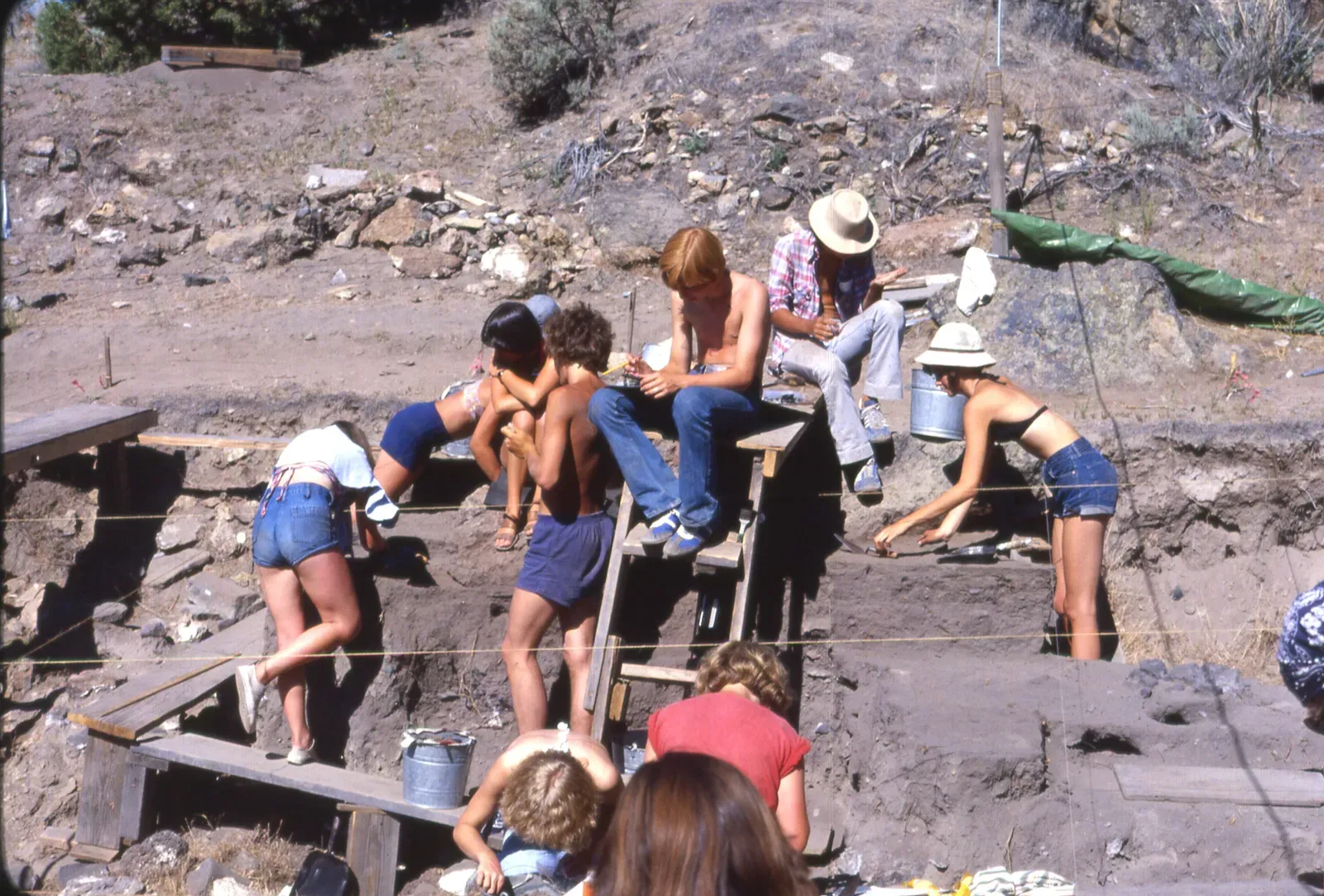
Looking back over these twelve discoveries, a pattern jumps out: the finds that changed our view of prehistory were almost always the ones that made experts uneasy. Tiny humans on remote islands, feathered dinosaurs, ancient art, and sudden mass extinctions did not fit the neat stories people preferred. The first impulse was often to deny, downplay, or explain them away. Only when the evidence became overwhelming did the community pivot, and then, over time, those once‑outrageous ideas hardened into basic facts that students learn without a second thought.
In my view, that tension is not a flaw in science but one of its secret strengths. Healthy skepticism protects us from being fooled, but clinging too tightly to old models can blind us to what the fossils and artifacts are really telling us. The real magic happens when we let uncomfortable data force us to rewrite the script, even if it bruises our pride. After all, if the story of life on Earth has taught us anything, it is that reality is often far stranger, messier, and more wondrous than we are prepared to believe. Which of these once‑unbelievable discoveries would you have doubted the most if you had seen it first?