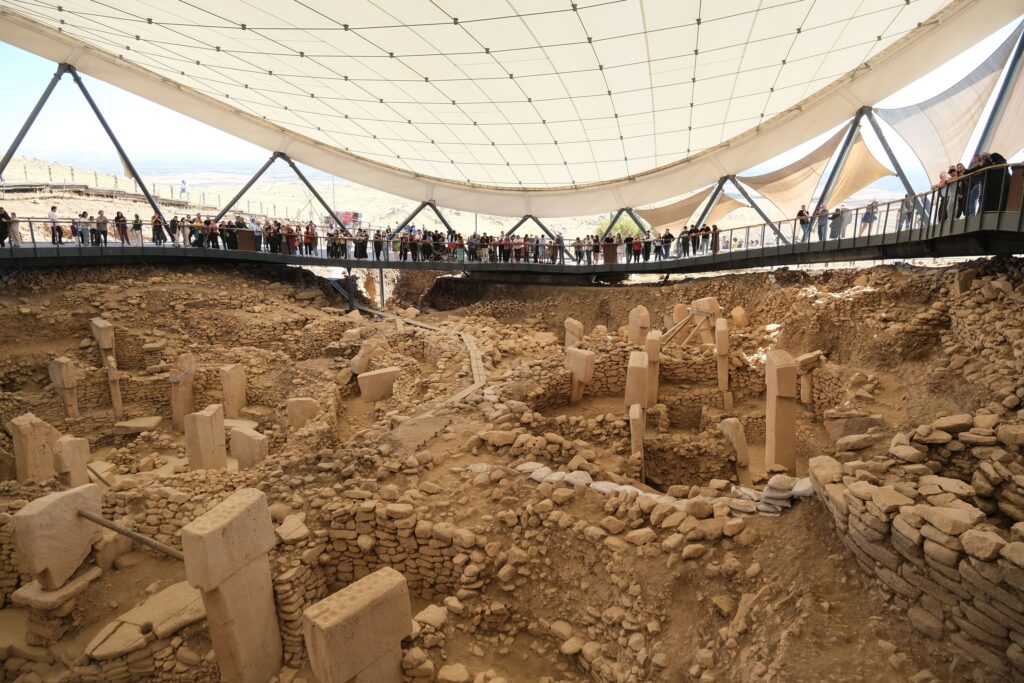
You’re standing on a dusty hill in southeastern Turkey, staring at stone pillars older than the pyramids, older than Stonehenge, older than every written story humans ever told. The air is hot, the landscape looks harsh and empty, and yet right under your feet lies a monumental stone sanctuary built by people who, according to the old story of history, should not have been able to build anything like this at all. Gobekli Tepe feels like walking into a plot twist in human prehistory.
For decades, we were told that civilisation started with farming, and that once humans settled down, religion, cities, writing and monumental architecture slowly followed. Gobekli Tepe smashes that sequence like a hammer through glass. This twelve-thousand-year-old temple complex seems to show that organised religion, large-scale cooperation and symbolic art came before agriculture, not after. And that single reversal has quietly set off one of the biggest debates in archaeology: maybe we’ve been telling the story of human civilisation backwards.
A Temple Older Than History Itself
Gobekli Tepe dates back to around ten thousand BCE, which means it was already ancient thousands of years before the first cities of Mesopotamia appeared. When you hear that number, it’s easy for your eyes to just slide over it, but think about this: these stones were raised at the end of the last Ice Age, when mammoths had only recently disappeared and the idea of a “kingdom” or “country” did not yet exist. Human societies were supposed to be small, mobile groups of hunter-gatherers, not temple-builders.
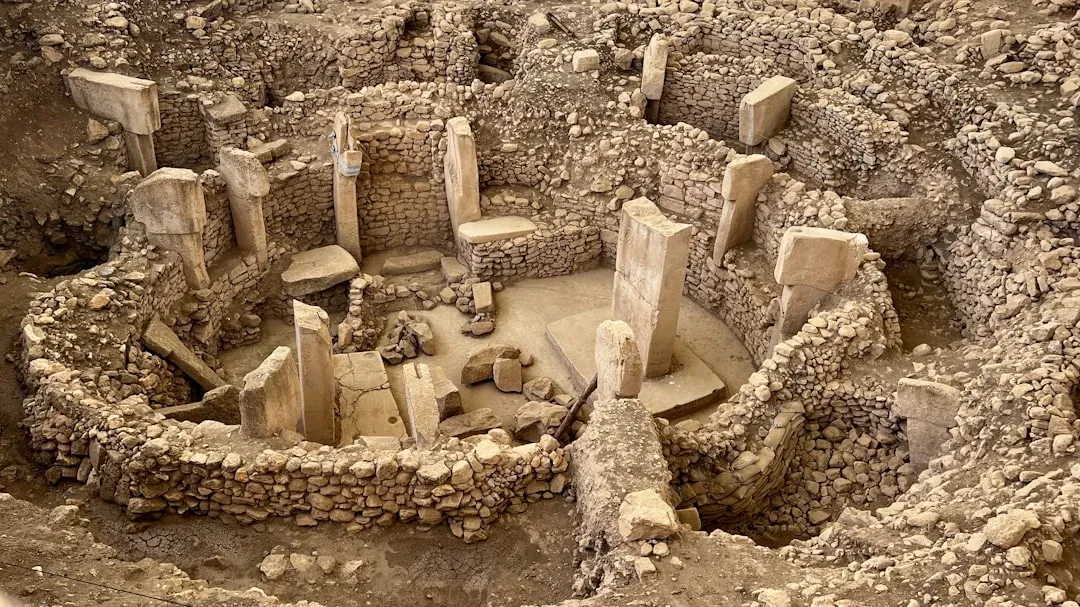
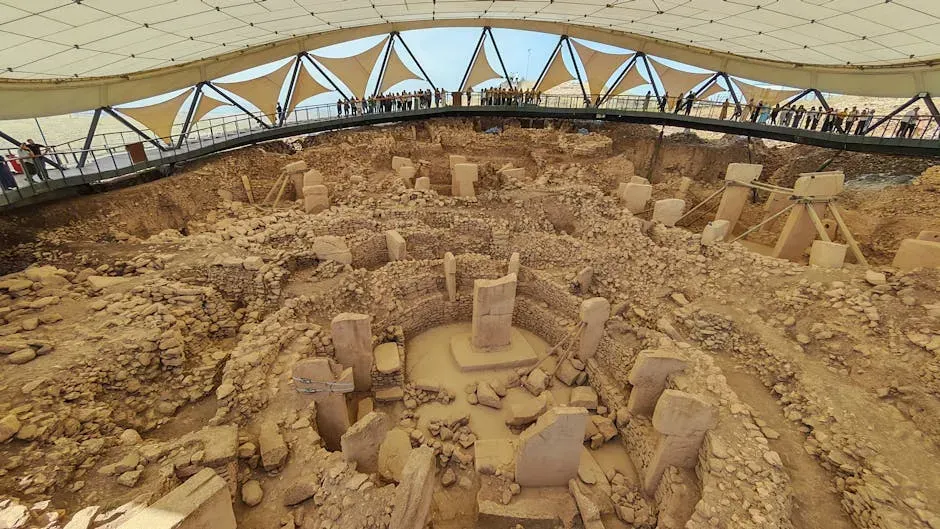
Yet on this low, rounded hill, people somehow planned and constructed massive circular enclosures with T-shaped pillars weighing several tons each. The sheer age of the site forces archaeologists to ask uncomfortable questions about what people were capable of long before writing or pottery appeared. It’s like finding a smartphone buried in a medieval grave: nothing else around it seems advanced enough to fit, and yet there it is, daring you to explain it.
The Surprising Discovery on a Bare Hill
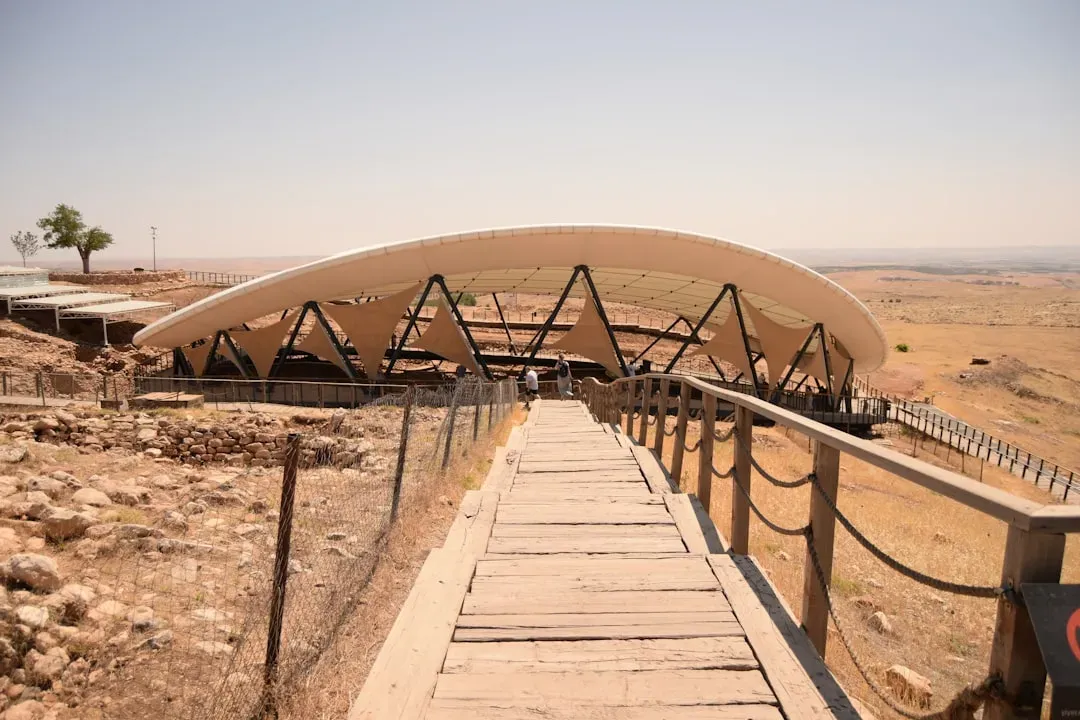
For a long time, Gobekli Tepe looked like nothing more than a nondescript mound in a rural landscape. Local farmers ploughed near it, archaeologists mapped it, but no one imagined what lay just beneath the surface. It took modern survey methods and renewed fieldwork in the 1990s to reveal that the hill concealed man-made stone circles so large and carefully arranged that the word “village” or “camp” instantly felt too small.
The first excavations shocked researchers: neatly carved limestone pillars standing in deliberate circles, some soaring over five meters high, all buried under layers of backfilled earth. It was as if someone had built a cathedral and then, instead of using it for centuries, deliberately entombed it. The more soil they removed, the clearer it became that this wasn’t a random scatter of stones, but a designed, symbolic space. The hill had been hiding a story that archaeology hadn’t prepared for.
Hunter-Gatherers Were Not Supposed to Build This
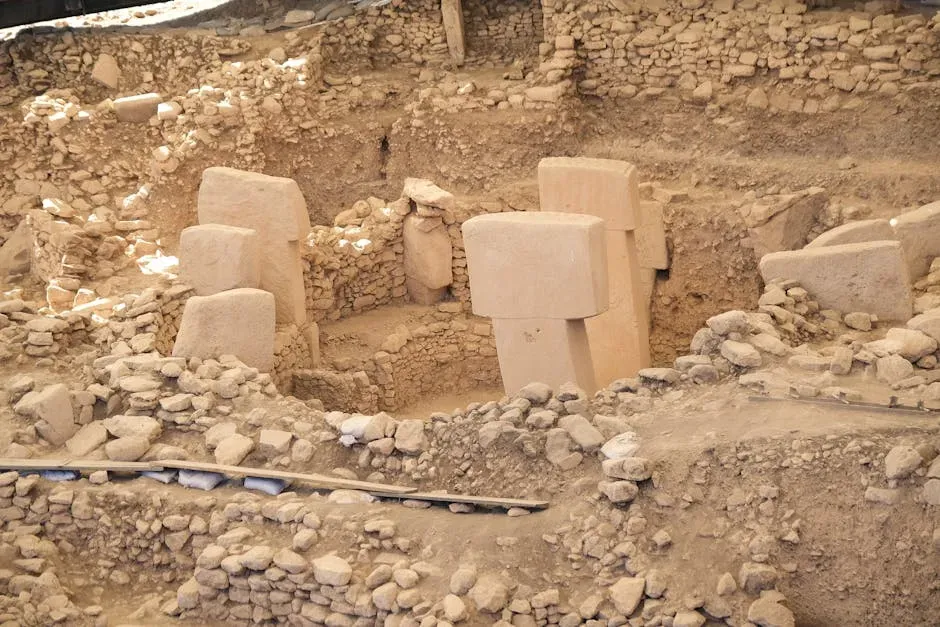
The classic story in school textbooks is simple: first came agriculture, then villages, then cities, then religion and temples at the top. Gobekli Tepe rips that timeline out of order. The people who built it show no clear evidence of living in permanent stone houses, running farms, or tending big herds of domesticated animals. They were still, as far as we can tell, hunter-gatherers relying heavily on wild game and wild plants in a landscape only just recovering from glacial cold.
Yet they organised labour forces capable of quarrying, moving and erecting multi-ton stones, carving elaborate reliefs on them, and aligning them into complex circular precincts. This kind of architectural ambition suggests planning, leadership, shared beliefs and long-term cooperation. It’s like discovering that a group of campers who supposedly never stay in one place have somehow managed to build a cathedral between fishing trips. The gap between what theory predicted and what the stones show is precisely why Gobekli Tepe is such a problem – and such a thrill – for archaeology.
The Pillars, the Animals, and the Language of Stone
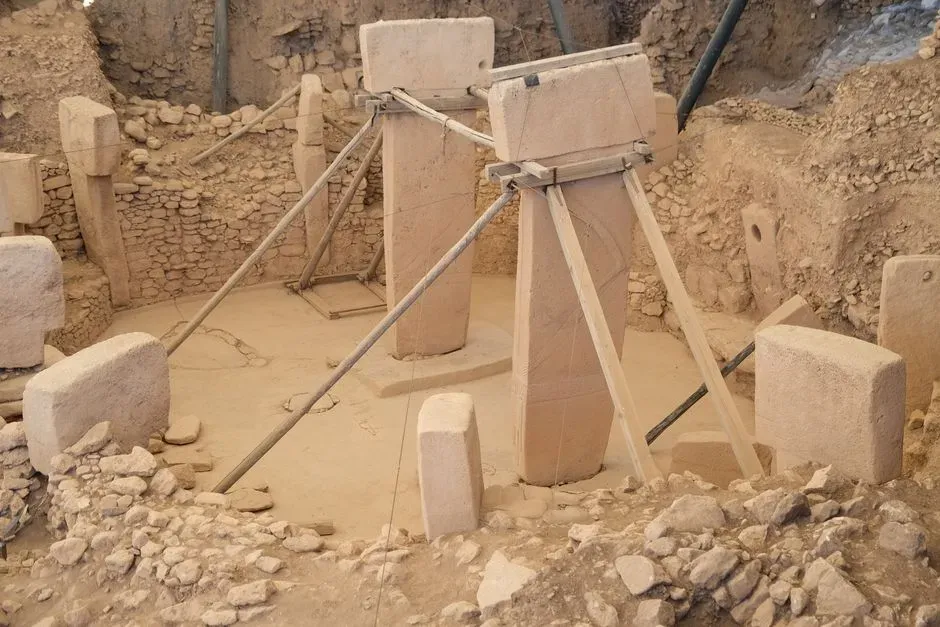
The T-shaped pillars are the heart of Gobekli Tepe. Many have arms and hands carved along their sides, suggesting that each pillar represents a stylised human – or perhaps something more than human. They stand facing inward, like a circle of silent, towering beings frozen in mid-ceremony. This is architecture as theatre: anyone entering those circles would have felt dwarfed, observed, maybe even judged.
Covering many of these pillars are reliefs of animals: foxes, snakes, wild boar, birds, scorpions and more. These are not random doodles. They look intentional, ordered, sometimes layered, as if the pillars were pages in a symbolic book using animals instead of letters. We do not yet know whether these images recorded myths, marked seasonal cycles, or expressed clan identities, but they clearly show a mind focused on more than just survival. The stonework speaks of a world where stories and symbols mattered so much that people carved them into rock to outlive themselves.
Did Religion Come Before Farming?
One of the boldest ideas sparked by Gobekli Tepe is that shared religious gatherings might have come before settled agriculture – and may even have driven it. Imagine scattered bands of hunter-gatherers travelling long distances to meet at this extraordinary hillside, bringing food, tools and stories. To sustain regular rituals and big feasts, you suddenly need more predictable supplies of grain, meat and drink. Hunting and gathering alone start to feel precarious if you want your ceremonies to keep happening.
Some archaeologists have suggested that the pressure to feed large groups meeting at communal ritual sites pushed people toward experiments with cultivating wild cereals and managing animals more intensively. In that view, people did not invent religion because they had already become farmers; instead, their desire to gather and worship may have nudged them into becoming farmers. It turns the usual story on its head: the temple does not grow out of the village – the village grows out of the temple.
A Construction Site Without a City
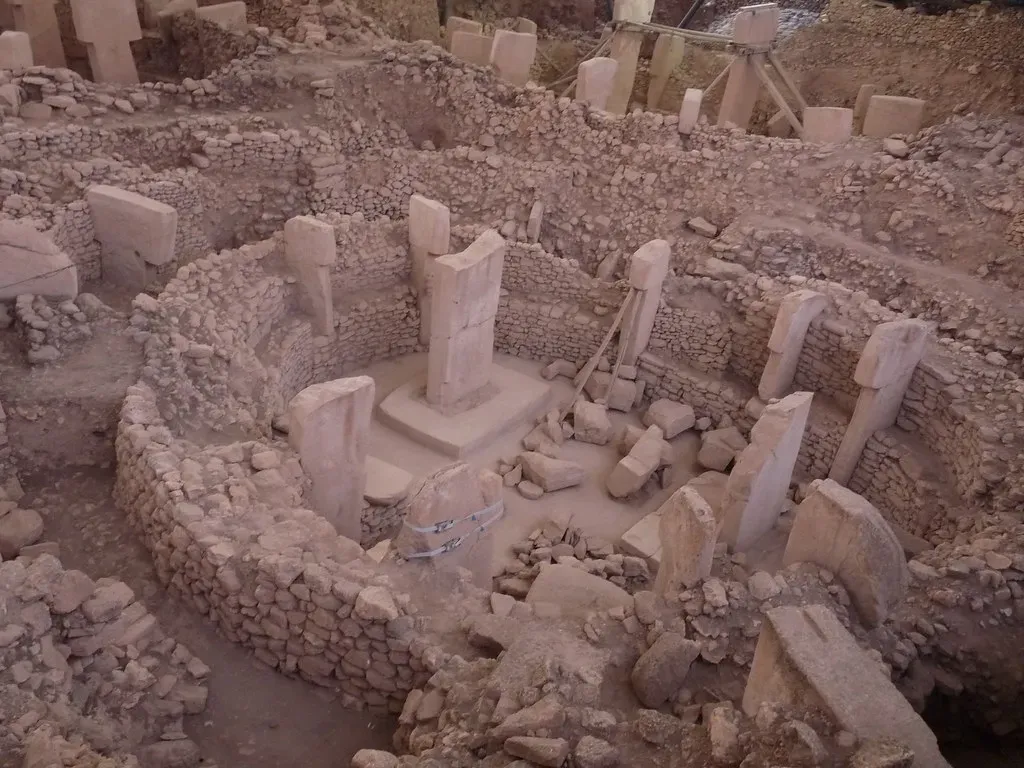
When you picture monumental stone architecture, you probably imagine a city: streets, houses, workshops, everyday noise surrounding a ceremonial core. At Gobekli Tepe, we have the ceremonial core but no obvious city. Excavations have not revealed dense housing or the kind of permanent infrastructure you’d expect around a major ritual complex. It feels eerily like walking into an empty stadium with no town attached.
This absence has led many researchers to think of Gobekli Tepe as a pilgrimage centre rather than a hometown. People might have lived in smaller, scattered settlements and converged here seasonally for rituals, feasts and social exchange. In a way, the site forces us to accept that large-scale collaboration and architectural ambition do not require urban life as we usually define it. Humans can get together, organise huge projects, and then disperse again without leaving a city grid carved into the landscape.
The Mystery of the Backfilled Temples
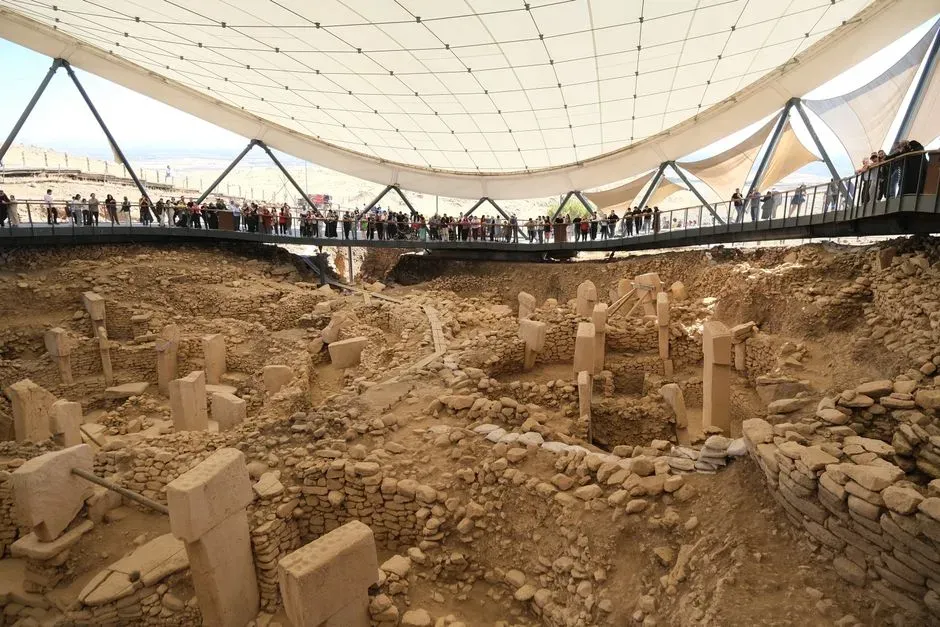
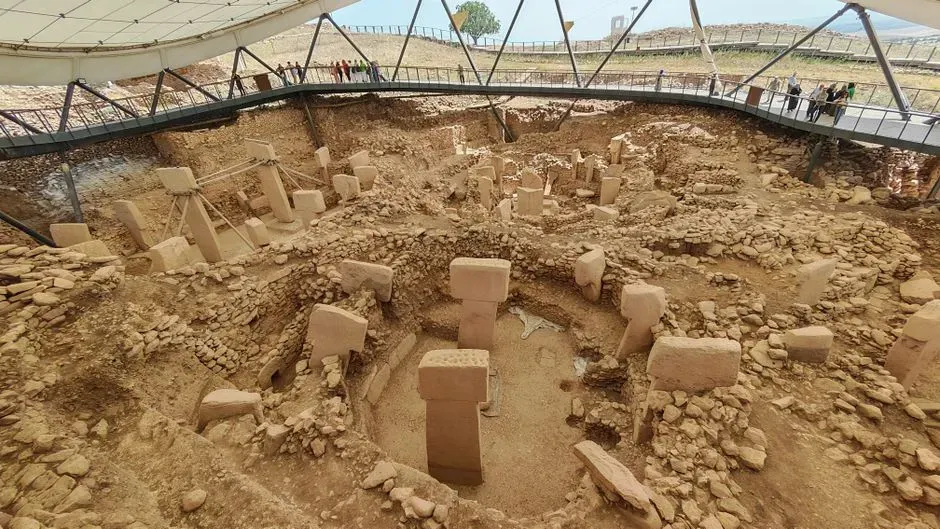
One of the strangest aspects of Gobekli Tepe is that its builders seem to have deliberately buried their own enclosures. Over centuries, circles were constructed, used, and then filled in with rubble, bones and debris, effectively entombing them before new structures were built higher up. This was not passive collapse or casual neglect; it looks deliberate, almost ritualised, like someone closing a chapter with a dramatic full stop.
Why would people pour so much effort into carving and raising pillars, only to carefully bury them later? Some scholars think each enclosure might have had a life cycle tied to generations, myths or shifts in belief. Others suggest that burying older circles was a way to stabilise the hill while building new ones on top. Whatever the reason, this habit of constructing and then concealing creates layer upon layer of meaning. The site becomes a vertical archive of changing ritual worlds, hidden beneath the very ground later worshippers walked on.
Rethinking What “Civilisation” Really Means
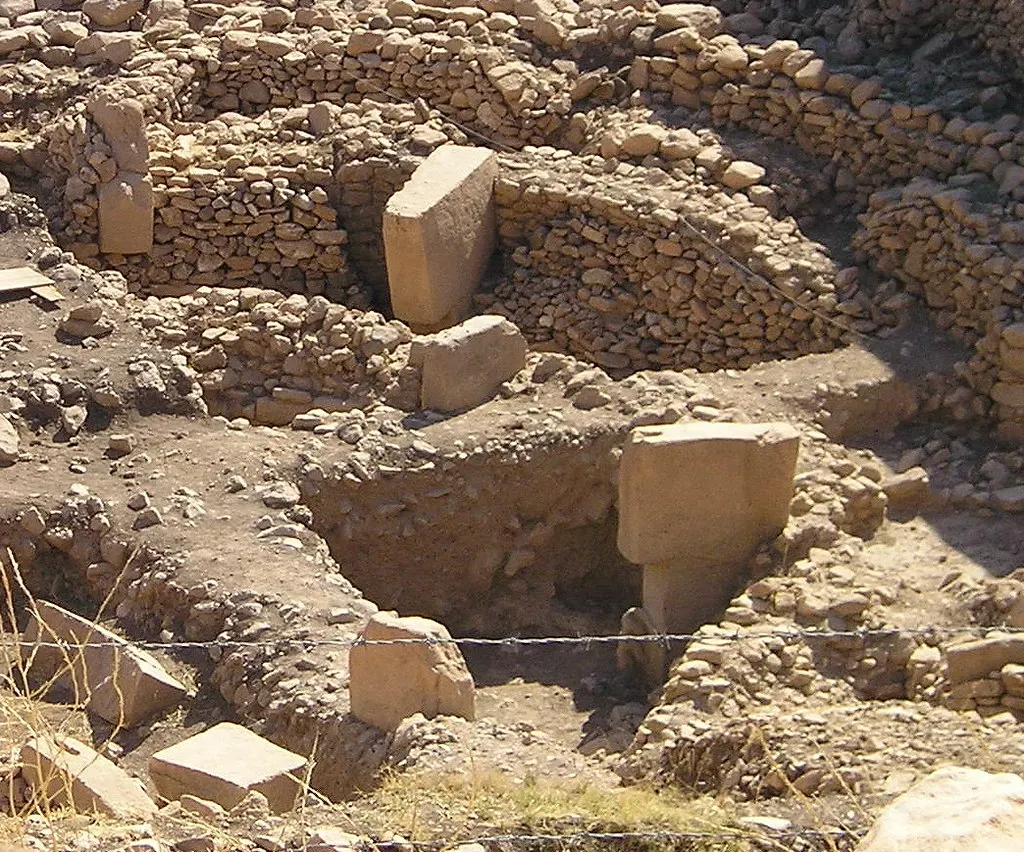
Gobekli Tepe has forced archaeologists to loosen their grip on tidy, linear models of progress. The idea that civilisation equals cities, writing and kings now feels too narrow. Here we have a case where symbolic architecture, complex ritual and large-scale coordination appear long before writing, taxes or palaces arrive on the scene. If you judge civilisation by mental and social complexity rather than bureaucratic paperwork, then these Ice Age-end hunter-gatherers were already playing in the big leagues.
This doesn’t mean that Gobekli Tepe was a lost “advanced civilisation” in the fantasy sense. There is no evidence of metalworking, wheeled vehicles or hidden high technology. What it does mean is that our ancestors had minds, imaginations and social skills every bit as rich as ours, even when their tools were stone and their homes were temporary. Personally, I find that more impressive than any myth about vanished super cultures. It suggests that the seeds of everything we call civilisation – art, ritual, cooperation, shared stories – were already there, waiting, long before the first city wall was ever built.
The Ongoing Dig and the Limits of What We Know
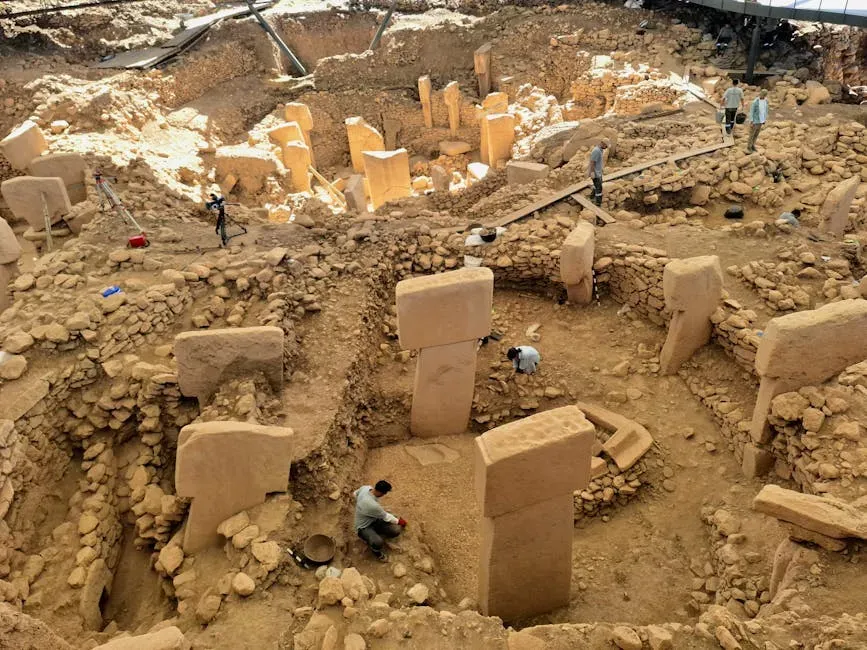
It’s tempting to want neat answers, but Gobekli Tepe is still only partly excavated, and many of the grand claims about it will rise or fall as more earth is moved. Large portions of the mound remain untouched, partly on purpose, to preserve layers for future methods and technologies. What we think today about its function, its builders and its role in the broader Neolithic transition could look very different in a few decades. Archaeology is a slow conversation with the soil, and this hill is still mid-sentence.
That uncertainty is actually a healthy check on our imaginations. It reminds us not to turn Gobekli Tepe into a blank screen for projecting every theory about aliens, lost continents or secret wisdoms. The real story, as far as we can see, is already astonishing enough: ordinary humans, with stone tools and extraordinary determination, reshaping a hilltop into a monumental stage for their beliefs. The honest answer to many questions about the site is still “we don’t know yet” – and that humility is part of what keeps the research honest and exciting.
Conclusion: A Temple That Rewrites Our Origin Story
Gobekli Tepe does not politely fit into the old script where farming leads to villages, villages to cities, and cities to temples. Instead, it plants a massive stone foot right in the middle of that smooth story and says: not so fast. To me, the most radical thing about this place is the idea that humans may have first come together around shared meaning – ritual, story, symbol – and only later rearranged their economy to support those gatherings more efficiently. In that sense, civilisation might be less about grain and more about imagination.
When I think about those towering T-shaped pillars, I picture people trudging up that hill, dusty and tired, carrying food, tools and children, not because they had to for survival, but because they wanted to be part of something bigger. That desire feels deeply familiar, almost modern. Gobekli Tepe doesn’t just rewrite the origins of civilisation on a timeline; it reminds us that from the very beginning, humans were willing to move mountains – or at least carve and drag them – in the name of shared beliefs. In the end, maybe the real shock is not how advanced they were, but how much like us they already seem; would you have guessed a twelve-thousand-year-old temple could feel that close?