Most of us grew up with the same tidy poster on a classroom wall: a hunched ape slowly straightening up into a man, one clean line of progress from slime to us. Biologists quietly threw that poster out years ago and replaced it with something far stranger. The real story, pieced together from DNA, deep-sea vents, and fossil beds, looks less like a ladder and more like a crime scene with clues scattered everywhere.
Here’s the part that stings a little: a lot of what you memorized for a biology test is either outdated or flat-out wrong. Trees “talk,” viruses helped build parts of your body, and you’re not even fully “you” once the microbes get counted. Fifteen of the strangest, most rewritten truths about life on Earth are waiting below, and the last one might change how you see your own existence.
#15 – Evolution Isn’t a Straight Line, It’s a Chaotic Bush
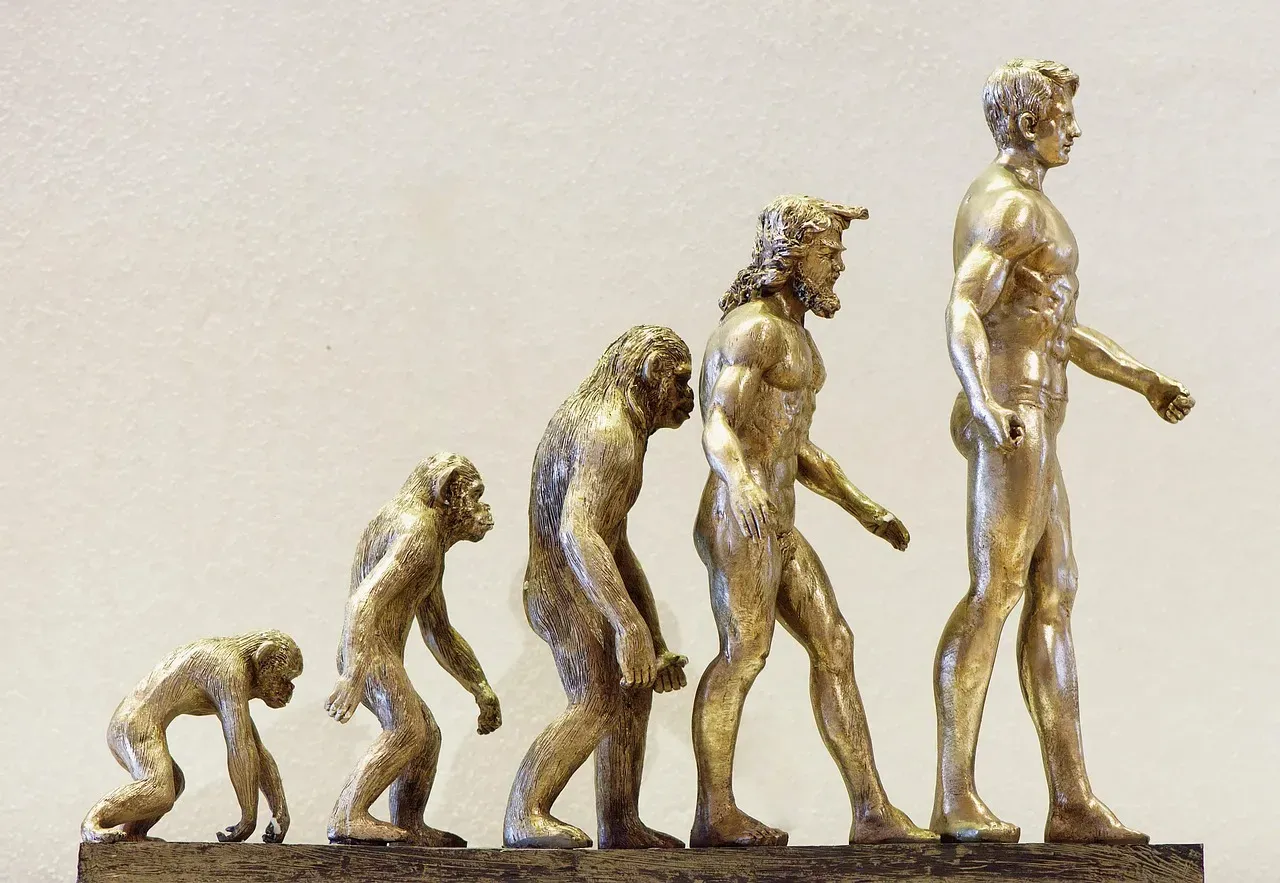
We all remember that image: a monkey slowly unfolding into a man, one smooth march of progress. Biologists will tell you, politely or not, that the image is basically a cartoon. Life doesn’t climb a ladder – it explodes outward into a tangled, chaotic bush, throwing off thousands of branches that mostly went nowhere at all.
Evolution isn’t chasing “better.” It’s chasing “works right now,” and those are very different games. Genetic data shows humans overlapped with Neanderthals and Denisovans for thousands of years, sharing land and eventually genes, instead of one species smoothly replacing the other in a clean handoff. Even bacteria trade genes sideways rather than strictly parent-to-child, which wrecks the whole family-tree metaphor most of us were handed in school.
Nothing in biology makes sense except in the light of evolution.
Theodosius Dobzhansky
That messy bush gets even stranger once you realize who’s actually running the show down here – and it’s not us.
#14 – Most Life on Earth Is Invisible (And It Runs the Planet)
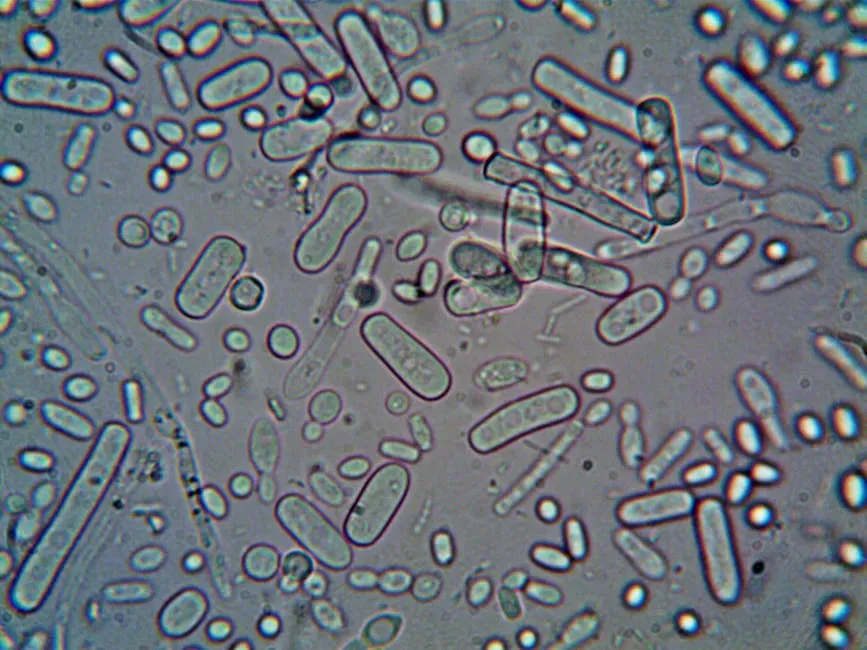
Here’s an uncomfortable fact: everything you can see with your own eyes – every tree, dog, mountain lion, human – is basically a rounding error. By sheer numbers, microbes crush every other form of life on Earth combined, and most people never think about them unless they’re getting sick.
A single teaspoon of ordinary soil can hold billions of bacteria and archaea, quietly cycling carbon, nitrogen, and sulfur around the clock. If they clocked out for even a few days, ecosystems wouldn’t just slow down – they’d collapse faster than any market crash you’ve ever watched on the news.
- How much carbon the oceans manage to absorb.
- How nutrients move through forests, farms, and everything you eat.
The part that really gets under people’s skin: your own body runs on this same invisible economy. You carry more microbial cells than human ones, and they’re quietly training your immune system, nudging your mood, and breaking down your dinner right now.
#13 – Your Body Is an Ecosystem, Not a Single Organism
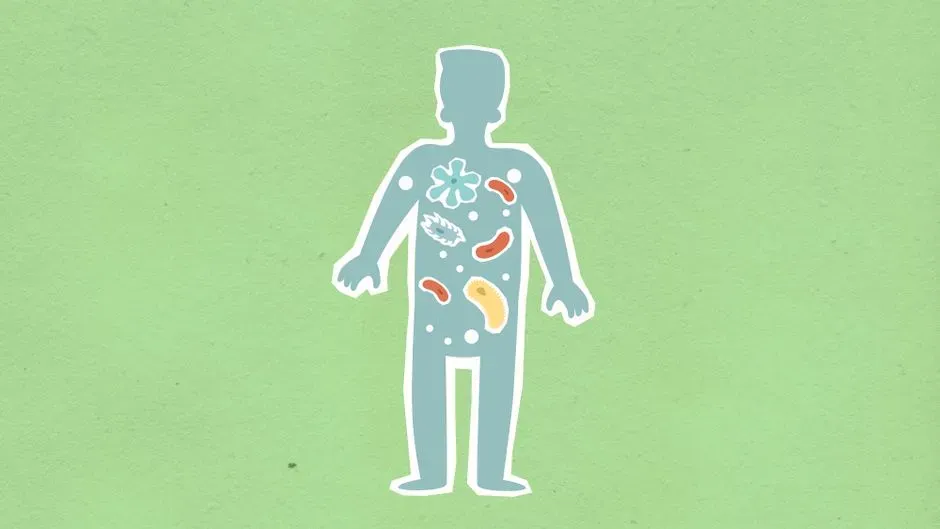
Textbooks used to treat “you” as one self-contained machine with a name and a face. That idea is basically dead in modern biology. Scientists now describe humans as “holobionts” – a host plus every microbe riding along for the trip.
Your gut, skin, mouth, and even your lungs are packed with bacteria, viruses, and fungi that behave less like passengers and more like residents of a bustling city. Gut microbes can change how you break down food and store fat, and how your immune system reacts to allergens or infections you didn’t even know you’d been exposed to.
- How you break down foods and store fat.
- How your immune system reacts to allergens or infections.
Some studies even show microbial byproducts influencing brain chemistry and behavior, with early hints at links to anxiety or depression. Social media oversells the “fix your gut, fix your life” angle, but the core idea holds up: you’re less like a single animal and more like a walking coral reef.
#12 – Viruses Helped Build You (They’re Not Just Enemies)
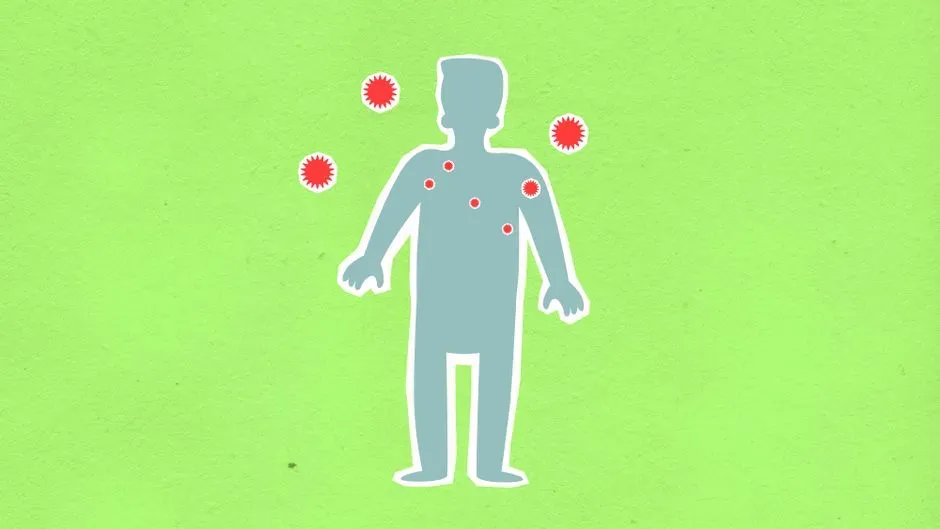
Most textbooks frame viruses as pure villains – flu, HIV, COVID, repeat. Here’s the twist nobody warned you about: a surprising chunk of your own DNA came from ancient viruses that infected your ancestors and simply never left.
Some estimates put roughly 5 to 8 percent of the human genome at viral origin. Those old viral genes, once dismissed as junk, now handle absolutely critical jobs. One of the wildest examples: a gene essential for building the placenta in mammals appears to descend from a viral protein that originally helped viruses fuse with host cells, a trick your ancestors quietly stole and repurposed into a brand-new organ.
Fast Facts
- Roughly 5 to 8 percent of the human genome traces back to ancient viral DNA.
- The placenta-building gene syncytin appears to descend from a virus that once helped it fuse with host cells.
- Viral fingerprints also show up in the machinery your immune system uses to spot invaders.
Even your immune system’s ability to detect invaders carries viral fingerprints. Nobody’s calling viruses “good,” but they’re undeniably co-authors of complex life, sitting right there in your own genetic sentences.
#11 – Trees Secretly Communicate (But Not Like the Fairy Tales Say)
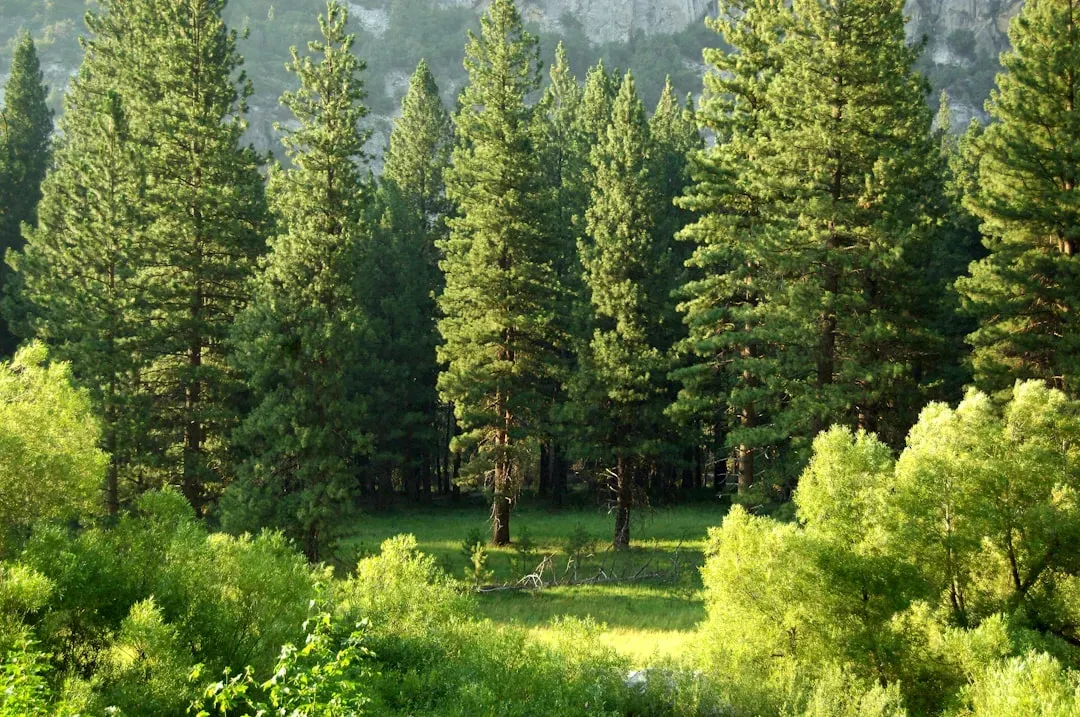
The internet turned “trees talk to each other” into a warm, feel-good meme. The reality underground is stranger and a lot less cozy. Fungal networks connect roots between trees, forming a kind of shared plumbing that can move nutrients and chemical signals between plants that never touch above ground.
Some trees under insect attack send stress signals that trigger neighbors to boost their own defenses before the bugs even arrive. It’s not telepathy – it’s chemistry and shared infrastructure. But here’s the friction point scientists keep arguing about: the “wood-wide web” may not be the harmonious forest internet the memes suggest, since resource flows in real experiments often look biased, competitive, or just plain limited.
In other words, forests behave less like a utopian commune and more like a messy market full of deals, theft, and the occasional truce. Either way, plants stopped being passive scenery a long time ago.
#10 – Life Has Survived At Least Five Mass Extinctions (And Rewrites the Rules Every Time)
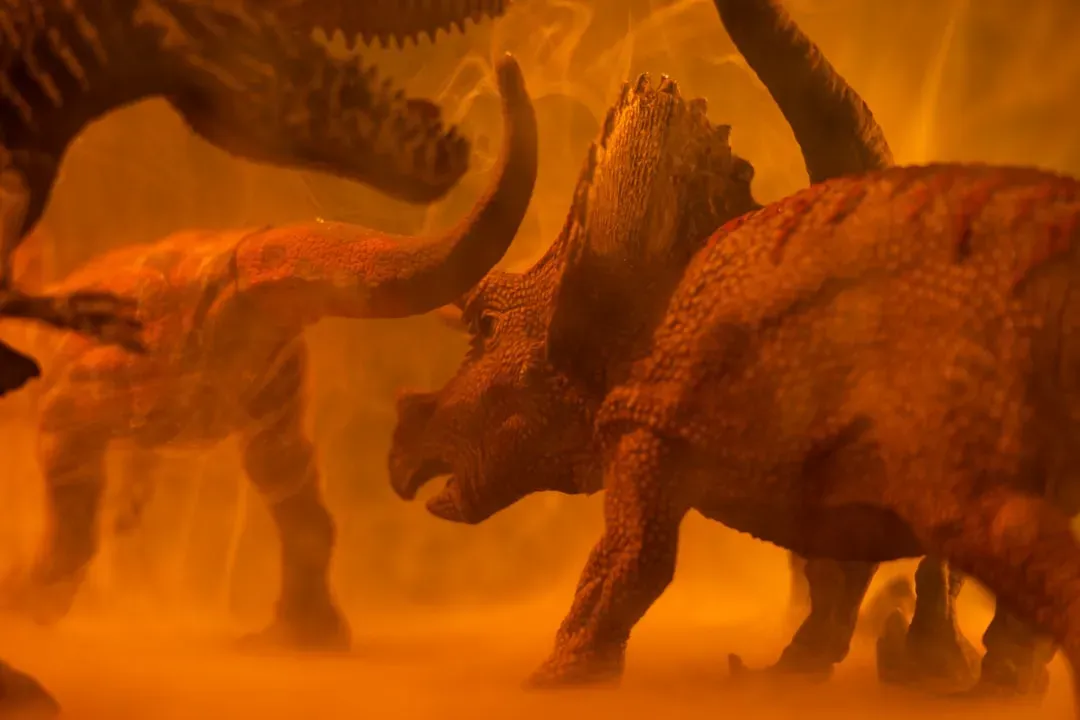
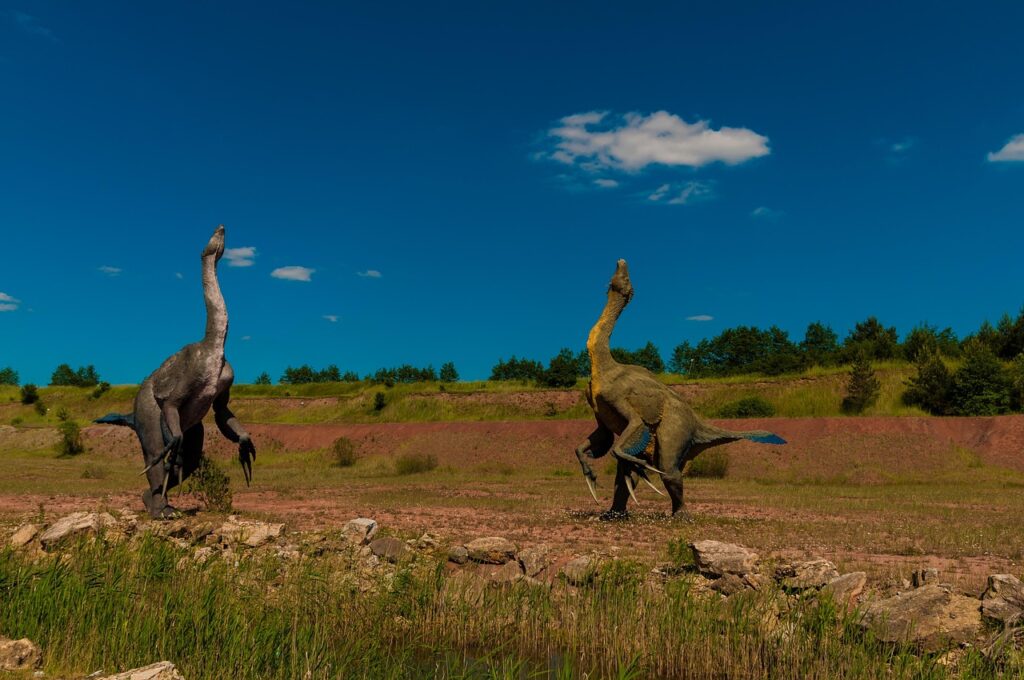
Textbooks mention the dinosaurs dying off like it’s a single dramatic chapter break, not a repeating pattern. Earth has actually gone through at least five major mass extinctions, each one wiping out most species and forcing evolution to reinvent its own playbook from scratch.
After the Permian extinction, roughly 90 percent of marine species vanished. The survivors weren’t “better” – they were just lucky and adaptable enough for that particular chaos, which is a much colder way to think about survival than most of us were taught.
- Reptiles, then dinosaurs, then mammals took their turns dominating.
- Entire coral types and plant communities got swapped out wholesale.
Life doesn’t “bounce back” to how it was before. It comes back different, sometimes simpler, for millions of years afterward. Scientists now worry we’re pushing into a human-driven sixth extinction, and nobody knows the new rules yet.
#9 – Almost Every Species That Ever Lived Is Already Gone
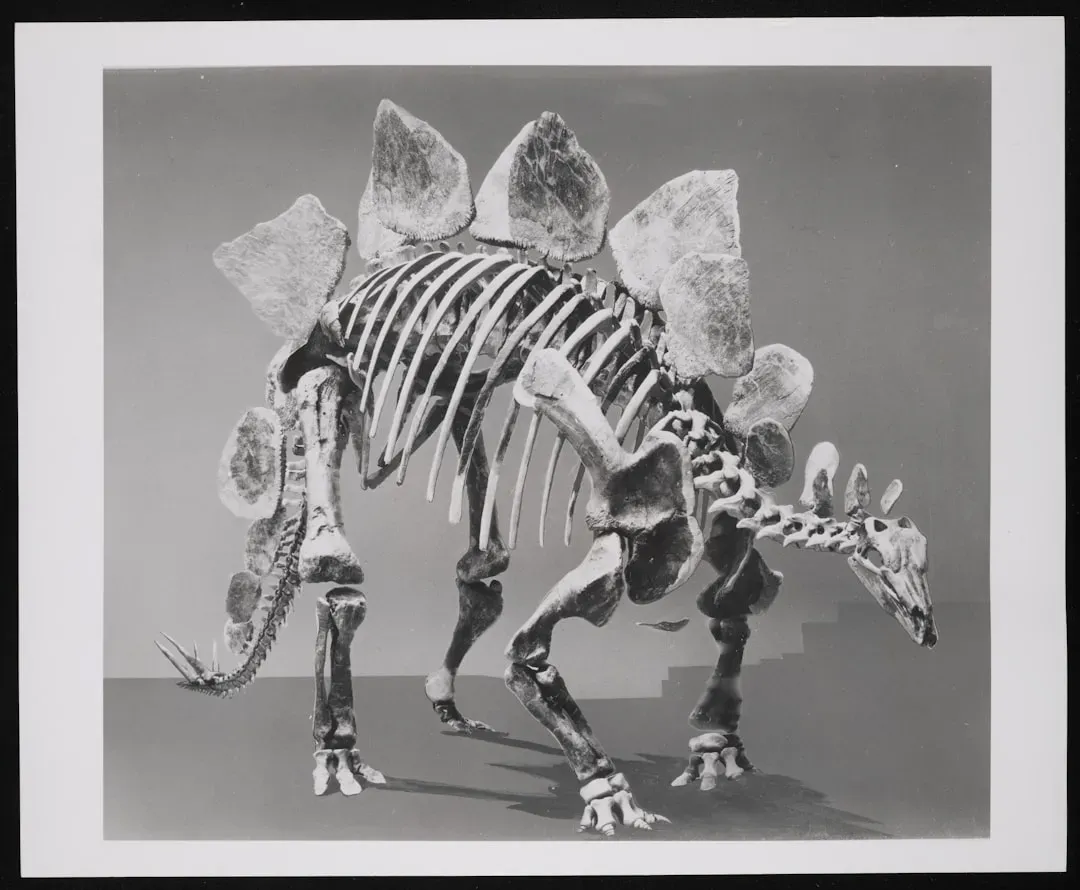
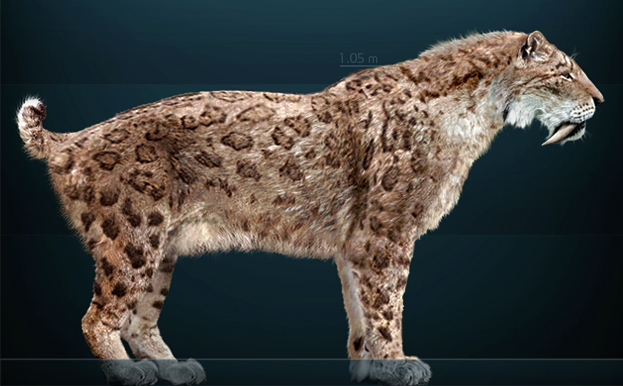
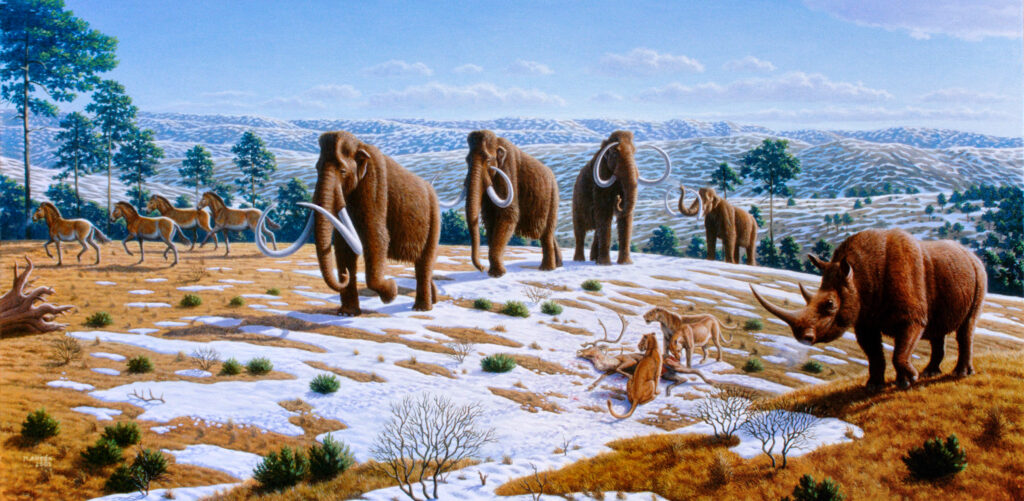
Schools often leave the impression that evolution steadily piles up more and more species over time, like a tally that only goes up. Paleontologists say that’s not remotely how the math works. Roughly 99 percent of all species that ever existed are extinct, full stop.
The fossil record looks more like waves of creation and destruction than a smooth upward curve. For every iconic species – tiger, blue whale, oak tree – there were countless forgotten lineages that flourished, diversified, and vanished without leaving so much as a name behind.
Even famous “living fossils” like horseshoe crabs aren’t truly unchanged; their family tree includes plenty of extinct cousins. This reframes conservation itself: we’re not trying to freeze nature in some perfect state, we’re trying to avoid accelerating a natural die-off into an unprecedented crash.
#8 – Intelligence Didn’t Evolve Just Once
Textbooks usually build the entire story toward humans as the one truly intelligent species, the finish line everything else was racing toward. Biologists no longer buy that framing. Complex problem-solving and self-awareness appear to have evolved multiple separate times, in animals with wildly different brains.
Corvids, parrots, octopuses, whales, dolphins, and several primates all show advanced cognition using totally different architecture. Crows use tools, remember human faces for years, and pass tricks down through generations. Octopuses solve puzzles and escape sealed tanks using neurons spread through their arms instead of concentrated in one head.
Some fish even use mirrors to recognize themselves, a classic test of self-awareness scientists once assumed only primates could pass. Instead of one linear path to “higher” intelligence, evolution keeps stumbling onto rich, flexible thinking from completely different starting points – which makes human minds look less like a finish line and more like one weird branch among many.
Worth Knowing
- Crows: use tools, remember faces for years, and teach tricks to their young.
- Octopuses: solve puzzles using neurons spread through their arms instead of one brain.
- Certain fish: pass the mirror test, a classic marker of self-awareness.
- Dolphins and several primates: show complex social learning and problem-solving.
#7 – Cooperation Can Be as Ruthless as Competition
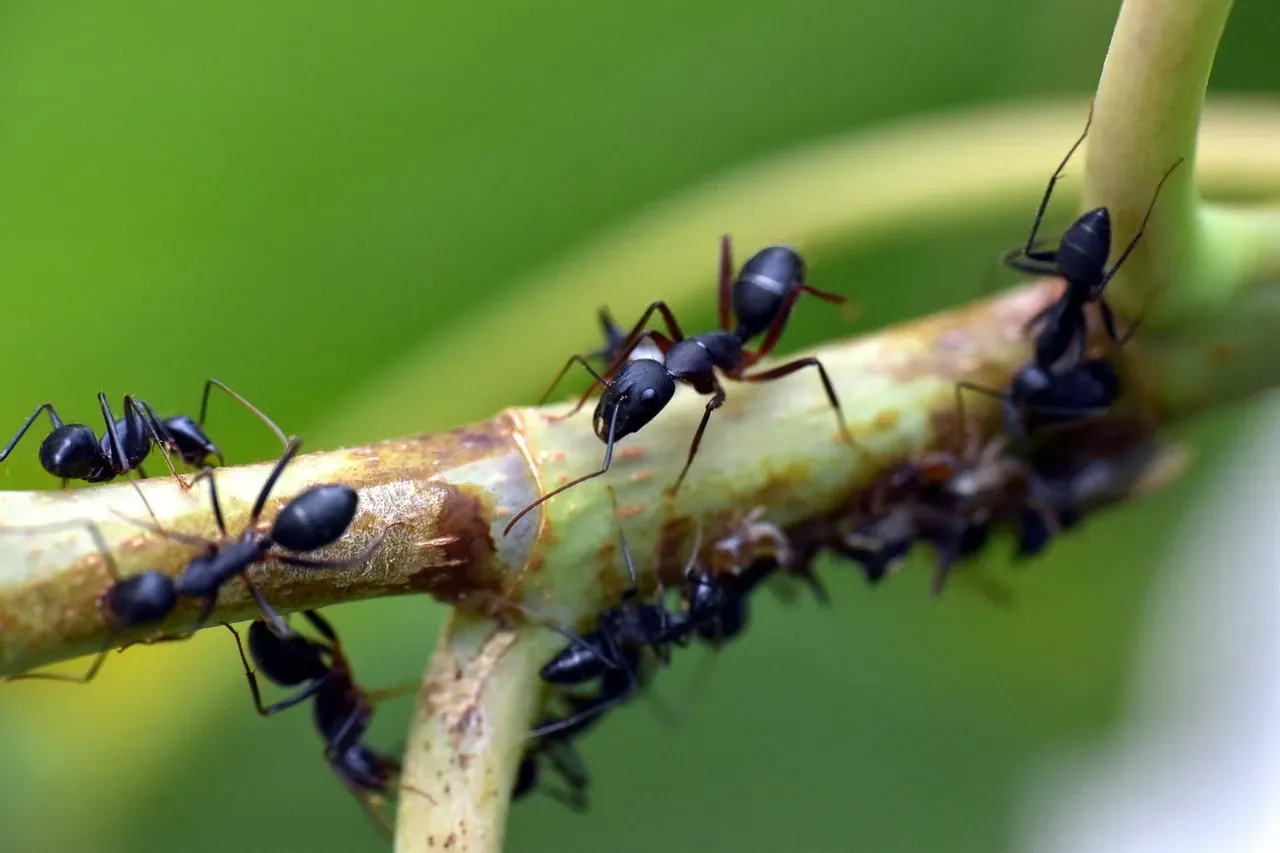
School lessons love the phrase “survival of the fittest,” and most people hear “fight to the death.” Modern evolutionary biology quietly rewrote that script. Cooperation, alliances, and even self-sacrifice can be brutally effective survival strategies – not because nature turned soft, but because natural selection calculated the odds and cooperation won.
Ant colonies function as super-organisms, with sterile workers giving up reproduction entirely so the colony survives. Humans are wired the same way, for intense in-group loyalty paired with instinctive suspicion of outsiders. We evolved to share food, care for unrelated children, and punish cheaters – behaviors that look moral on the surface but also harden the line between “us” and “them.”
Some biologists argue group-level competition shaped our capacity for both kindness and cruelty in the same breath. Nature is red in tooth and claw, sure, but it’s also fluent in debt, loyalty, and revenge.
#6 – Life Alters the Planet, Not Just Adapts to It
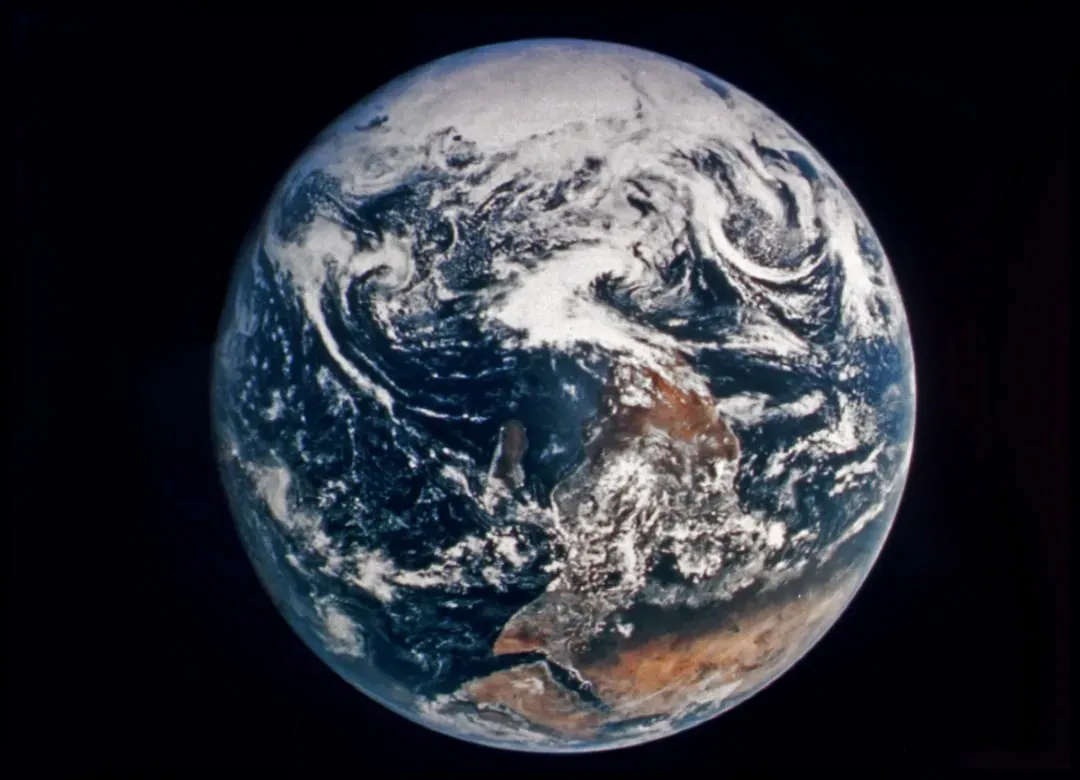
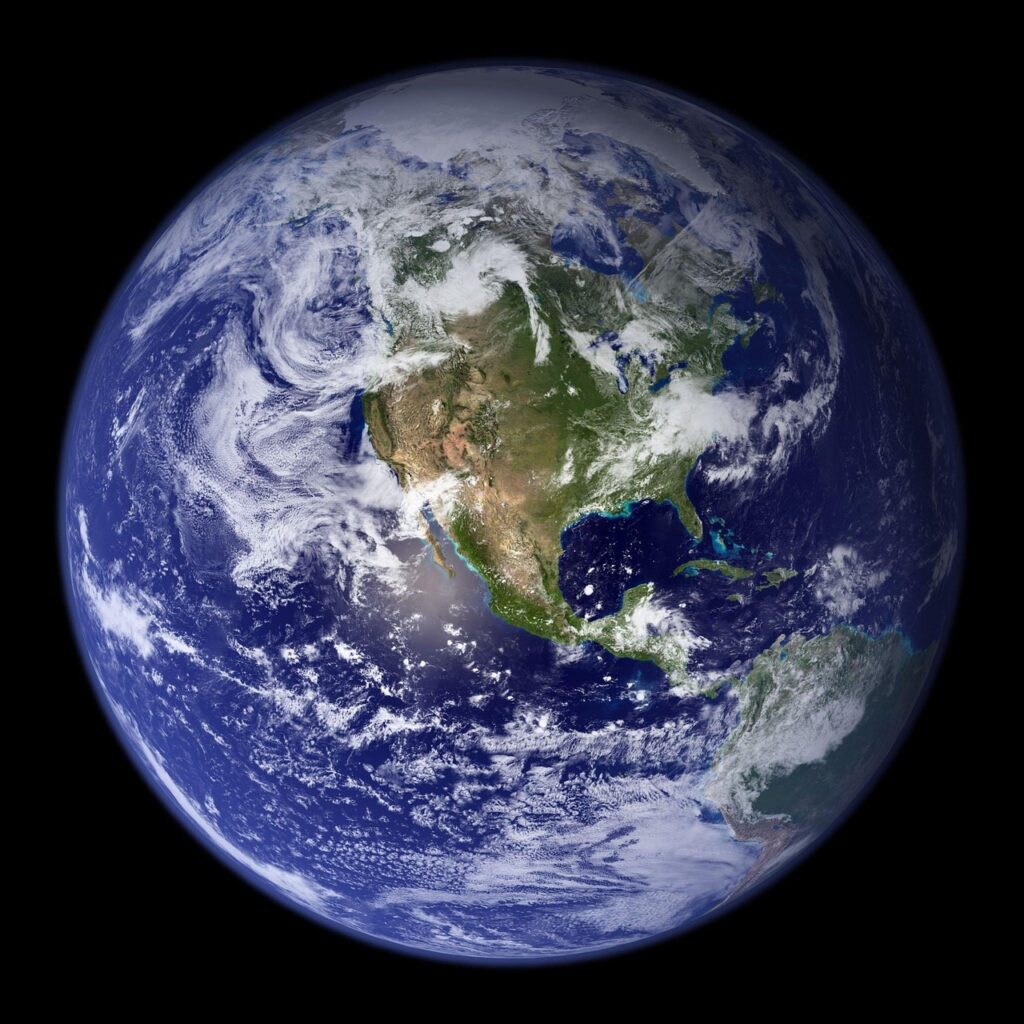
Textbooks often present Earth as a fixed stage with life merely adapting to whatever conditions show up. Earth system scientists flipped that whole picture. Life doesn’t just adapt to the planet – it actively reshapes the atmosphere, the oceans, and even the rocks beneath your feet.
Early microbes likely helped create the oxygen-rich air we now breathe, through billions of years of photosynthesis that triggered both evolutionary innovation and mass die-offs along the way. Today, plankton blooms influence cloud formation, forests change local rainfall patterns, and soil microbes control how much carbon stays locked underground versus escaping into the air.
Researchers now describe Earth as a “coupled” system where geology, climate, and biology can’t be separated cleanly. That doesn’t mean the planet self-regulates for our benefit – that’s a popular misreading – but it does mean our species is now tangled inside that feedback loop, for better or worse.
#5 – Life Thrives in Places Textbooks Once Called “Uninhabitable”
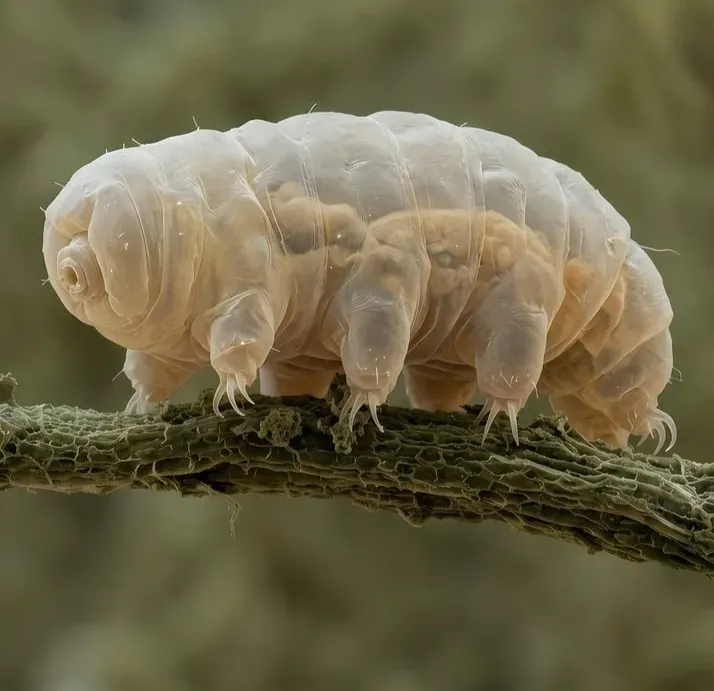
For decades, textbooks drew a tight box around where life could possibly exist: moderate temperatures, sunlight, liquid water sitting right on the surface. Then deep-sea vents, Antarctic lakes, nuclear reactor cooling ponds, and acid hot springs blew that box wide open.
Extremophiles – microbes that actually favor heat, salt, acid, radiation, or crushing pressure – keep turning up in places scientists once assumed were completely sterile. Some archaea grow happily near boiling temperatures inside hydrothermal vents. Bacteria buried in deep rock layers survive on chemical energy instead of sunlight, persisting for thousands of years on almost nonexistent metabolisms.
At a Glance
- Some archaea thrive near boiling temperatures inside deep-sea hydrothermal vents.
- Certain bacteria survive buried in deep rock layers on chemical energy alone, for thousands of years.
- Extremophiles have turned up in acid hot springs, nuclear reactor cooling ponds, and Antarctic lakes.
This forced scientists to completely rethink what “habitable” even means, both here and on other worlds. If life can hang on inside scalding vents or under kilometers of solid ice, suddenly Mars, Europa, and Enceladus don’t look so far-fetched anymore.
#4 – Species Don’t Have Fixed, Neat Boundaries
Textbooks love a clean species definition: if two animals can interbreed and produce fertile offspring, they’re the same species, end of story. In practice, nature happily ignores that rule every chance it gets. Many “separate” species hybridize freely, blurring the tidy lines we drew on paper.
Plants are notorious for this, but so are animals – certain butterflies, fish, and even our own lineage with Neanderthals and Denisovans. Genetic studies reveal constant gene flow between neighboring populations wherever their ranges overlap. Sometimes the hybrids are weaker; other times they’re better adapted and spread faster than either parent line.
For bacteria and archaea, the whole concept of “species” turns fuzzy, since they trade genes horizontally like kids swapping trading cards on a playground. Biologists increasingly treat species labels as useful shortcuts rather than sacred categories carved permanently into nature.
#3 – “Junk DNA” Turned Out to Be More Like an Operating System
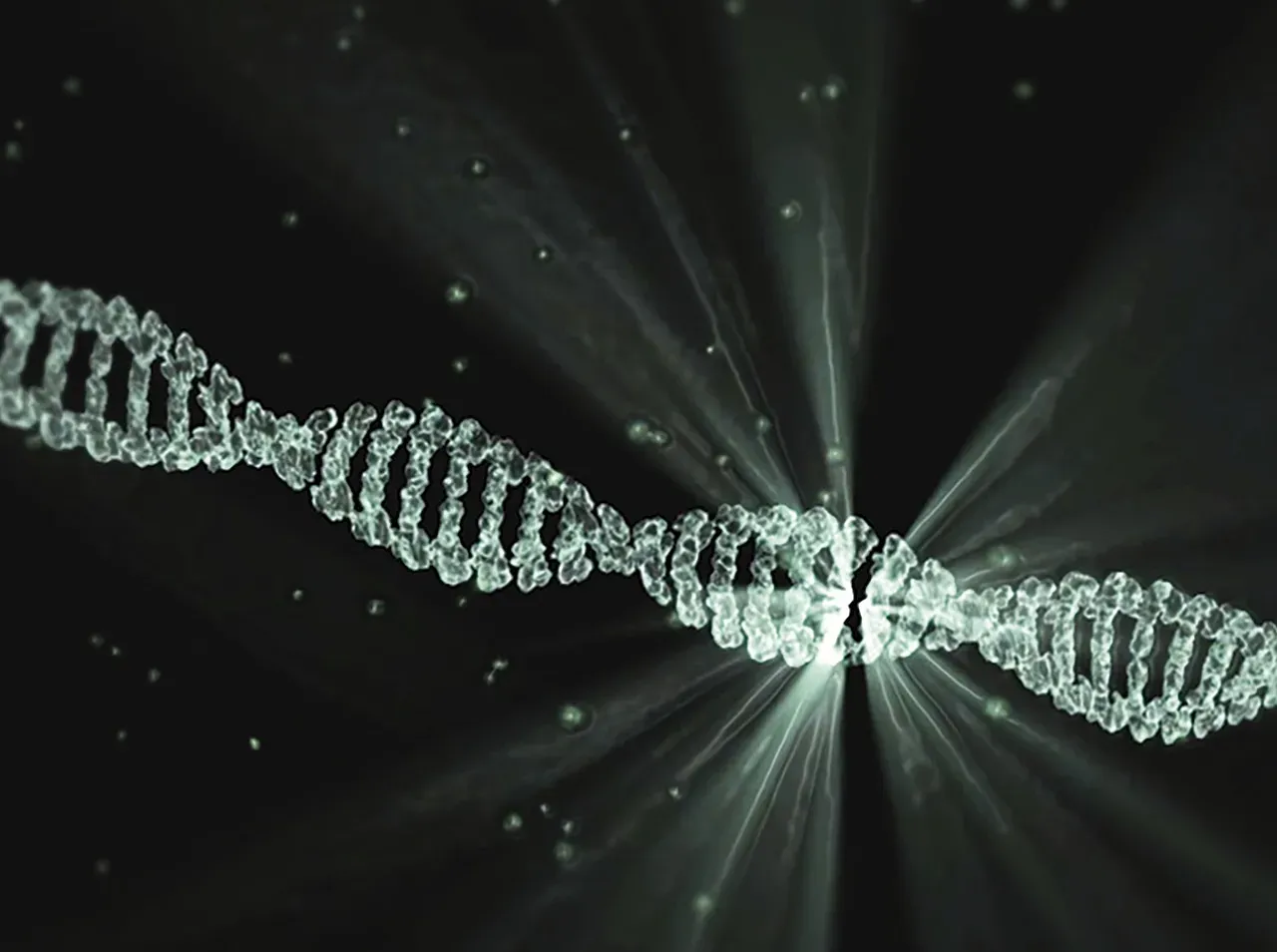
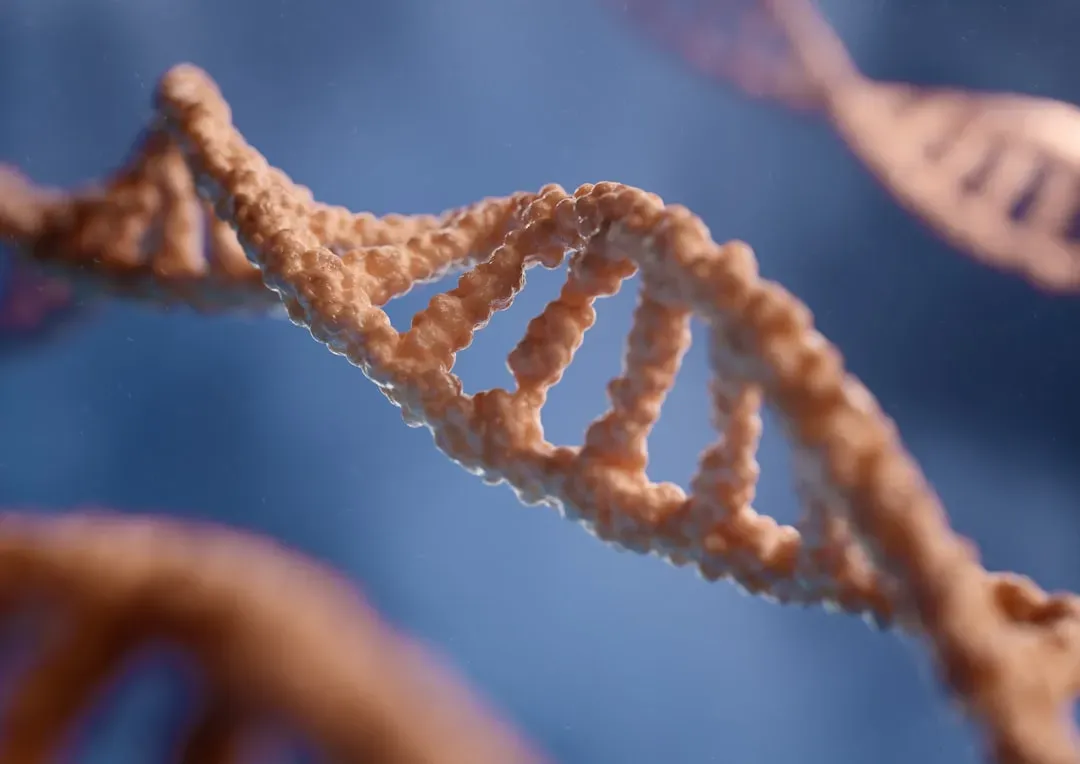
You probably remember being told that only a tiny fraction of your DNA actually codes for proteins, and the rest is basically junk filler. That phrase has quietly been retired in serious biology circles. While not every non-coding stretch has an identified job yet, huge portions clearly play regulatory and structural roles that shape your entire body.
They tell genes when, where, and how strongly to switch on, guiding development and stress responses in ways researchers are still mapping. Some non-coding regions act like dimmer switches controlling multiple genes at once. Others influence how DNA physically folds inside the nucleus, changing what the cell’s machinery can even reach.
Mutations in these “junk” regions can cause disease without touching a single traditional gene. The old “1 to 2 percent genes, 98 to 99 percent junk” model wasn’t just simplified – it was painfully naive. The genome looks far less like a parts list and far more like a dense, living control panel.
#2 – Life’s “Tree” Might Have Only Three Deep Branches – And We’re on the Weird One
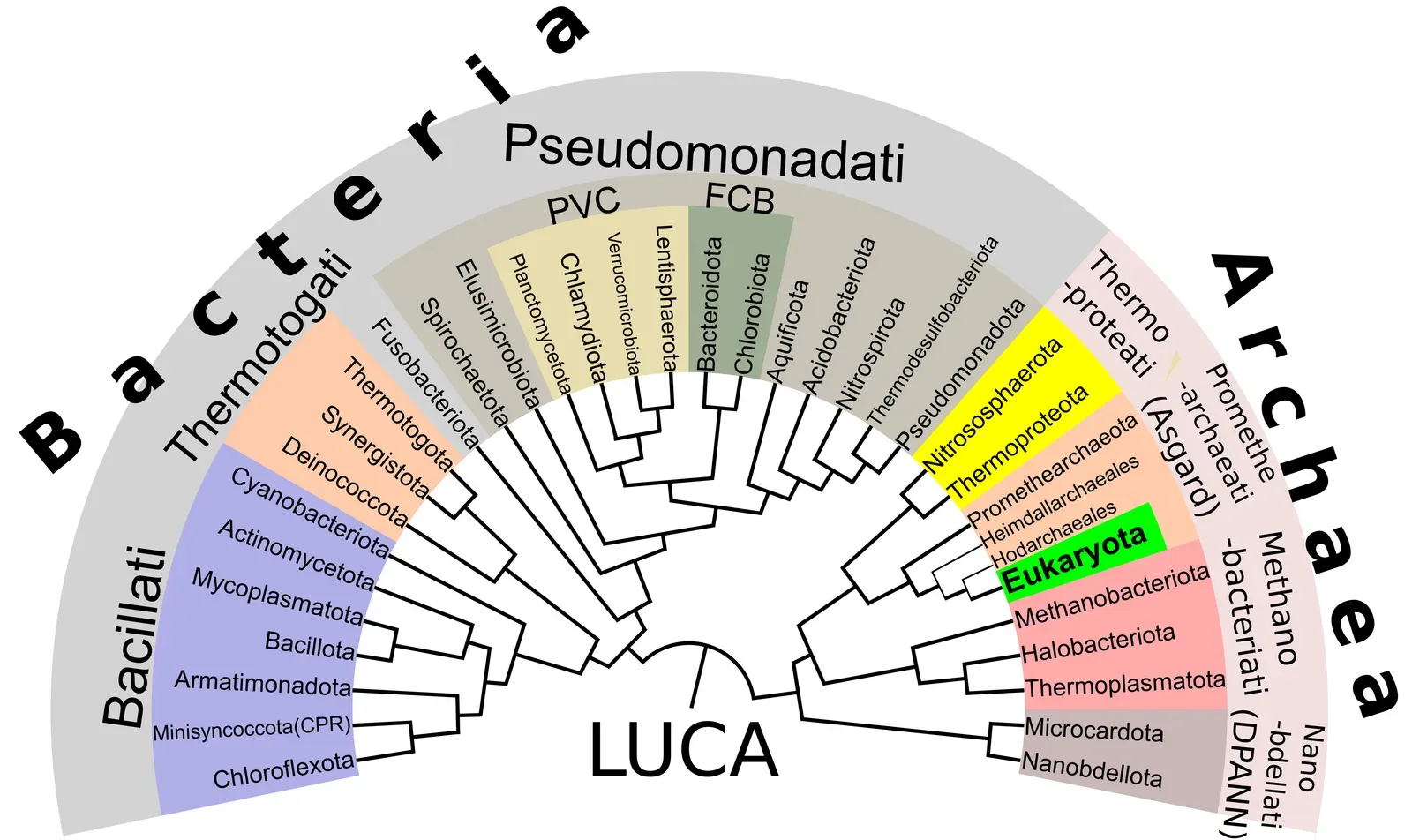
Textbooks used to split life into five or six kingdoms: plants, animals, fungi, protists, bacteria, and so on, each in its own neat box. Modern genetics shredded that entire chart. The deepest split now runs into three domains – Bacteria, Archaea, and Eukarya – and humans, animals, plants, and fungi all crowd onto one tiny, odd branch of Eukarya.
Quick Compare
- Old model: five or six separate kingdoms, including plants, animals, and fungi.
- New model: three deep domains – Bacteria, Archaea, and Eukarya.
- Old assumption: humans and other complex life stand apart as their own major branch.
- New picture: humans, animals, plants, and fungi all crowd onto one small branch of Eukarya.
The real shock is how closely our cellular machinery resembles archaea rather than bacteria. Many scientists now think complex cells like ours arose from a merger: an archaeal host paired with a bacterial symbiont that eventually became the mitochondrion powering your cells right now. That means “we” may literally be the descendants of an ancient business partnership between two entirely different life forms.
Instead of neat kingdoms, researchers now debate huge new groupings based on shared molecular machinery rather than looks. The version still hanging on classroom walls is at least a decade behind the actual science.
#1 – Life on Earth Might Still Be Only One Example (And That Changes How We See Everything)
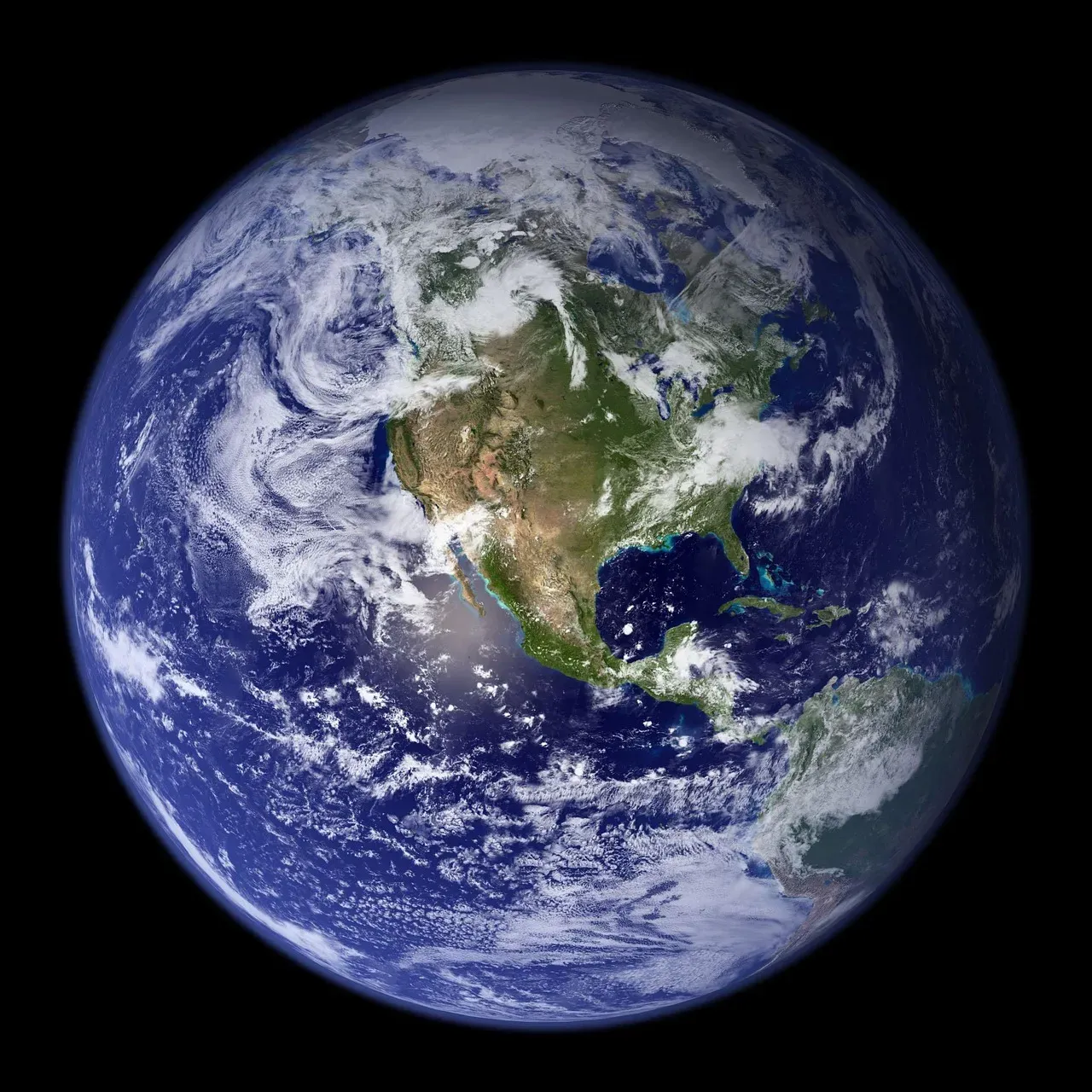
Here’s the biggest, most humbling twist of all: despite every strange branch and merger above, every known organism on Earth appears to share one single common origin. Same basic genetic code, same core biochemistry, running through bacteria, mushrooms, and you alike.
That suggests life may have started only once, or maybe a handful of times, and then simply took over – rather than constantly sparking up from scratch across the planet. Scientists call this “universal common ancestry,” and the DNA evidence for it is overwhelming.
The uncomfortable part is what it implies about how “easy” life actually is. Maybe it was a freak accident that happened once in 4.5 billion years. Maybe it could start again tomorrow under the right conditions, and we’d never even notice. Some researchers now hunt for a hypothetical “shadow biosphere” – weird life with different chemistry that we’ve simply overlooked because we weren’t looking for it. If anyone ever finds a truly independent form of life, on Earth or elsewhere, it instantly rewrites everything you just read.
The Bottom Line
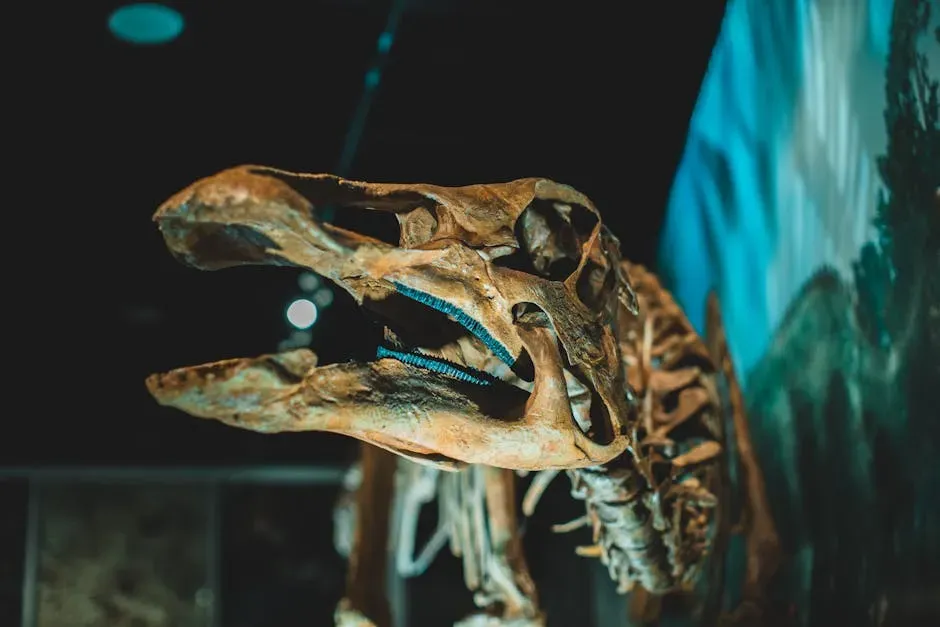
Taken together, these ideas quietly demolish the tidy version of life most of us absorbed in school. Evolution isn’t a march upward; it’s a sprawling, mostly extinct experiment that happened to leave a few survivors standing. Most life is invisible, much of “you” isn’t really you, and viruses, fungi, microbes, and ancient mergers all helped assemble the body you’re sitting in right now.
The planet isn’t a static backdrop either. Life rewires the atmosphere and climate, then gets hammered by mass extinctions and starts the whole experiment over again from scratch.
Some people will hate this updated picture, because it kills the comforting story that humans are the inevitable crowning achievement of it all. I think it’s the opposite of depressing – it’s the more interesting truth. We’re not the finish line; we’re a rare, fragile, deeply entangled accident sitting inside a system that’s older and stranger than any of us were ever taught. So which version do you actually believe: the simple textbook story, or the messy one the data keeps insisting on? If we missed a mind-bending idea about life on Earth, drop it in the comments.