For a long time, the story we told ourselves was simple: first came survival, then came gods, and only much later came ideas like heaven, souls, and an afterlife. But what if that timeline is completely upside down? What if small groups of ancient humans, living in harsh Ice Age landscapes over a hundred thousand years ago, were already quietly acting on a sense that death was not the end? Anthropology and archaeology are now uncovering burials so old they make written religions look brand new by comparison. In some of these graves, there are hints of flowers, careful positioning of bodies, and objects placed with the dead. None of this is proof of a fully formed religion, but it strongly suggests something deeper: that the emotional and symbolic roots of an afterlife go back far beyond any sacred text we know. That idea is both humbling and strangely moving.
A Grave Full of Flowers in a World With No Churches
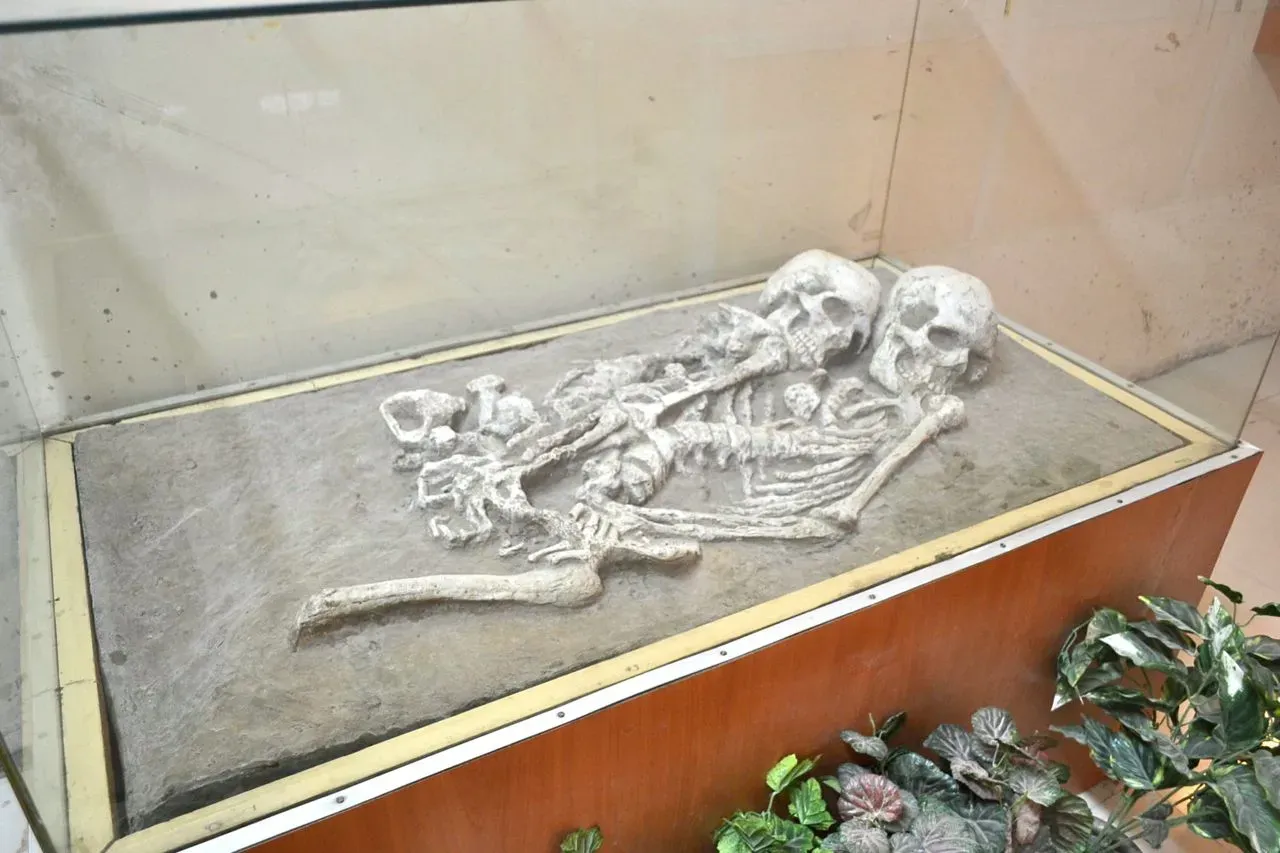
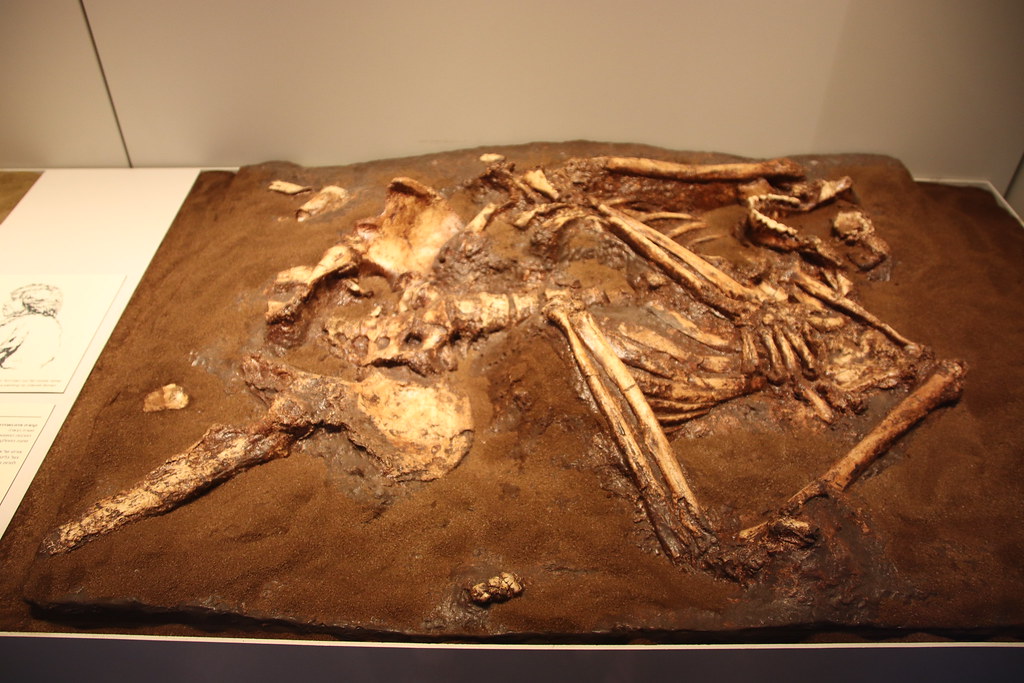
It is hard to picture a landscape one hundred and thirty thousand years ago without turning it into a movie scene, but the reality was raw and unforgiving. These were small bands of early humans or close relatives, constantly moving, hunting, and trying not to starve or freeze. In a world like that, stopping long enough to dig a pit, gently place a body, and perhaps cover it with flowers was not just a random act, it cost time and energy they could barely spare. When archaeologists first proposed that some ancient burials contained flowers, it sounded almost too poetic to be true. Over the years, researchers have debated whether certain pollen clusters really came from deliberate flower placement or from natural processes like animal burrows, roots, or wind. Still, when you step back and look at the full pattern of careful burials, the simplest explanation is that at least some groups were doing more than just hiding a corpse. They were marking a goodbye, and maybe whispering a hope.
Why Intentional Burial Is a Huge Psychological Leap
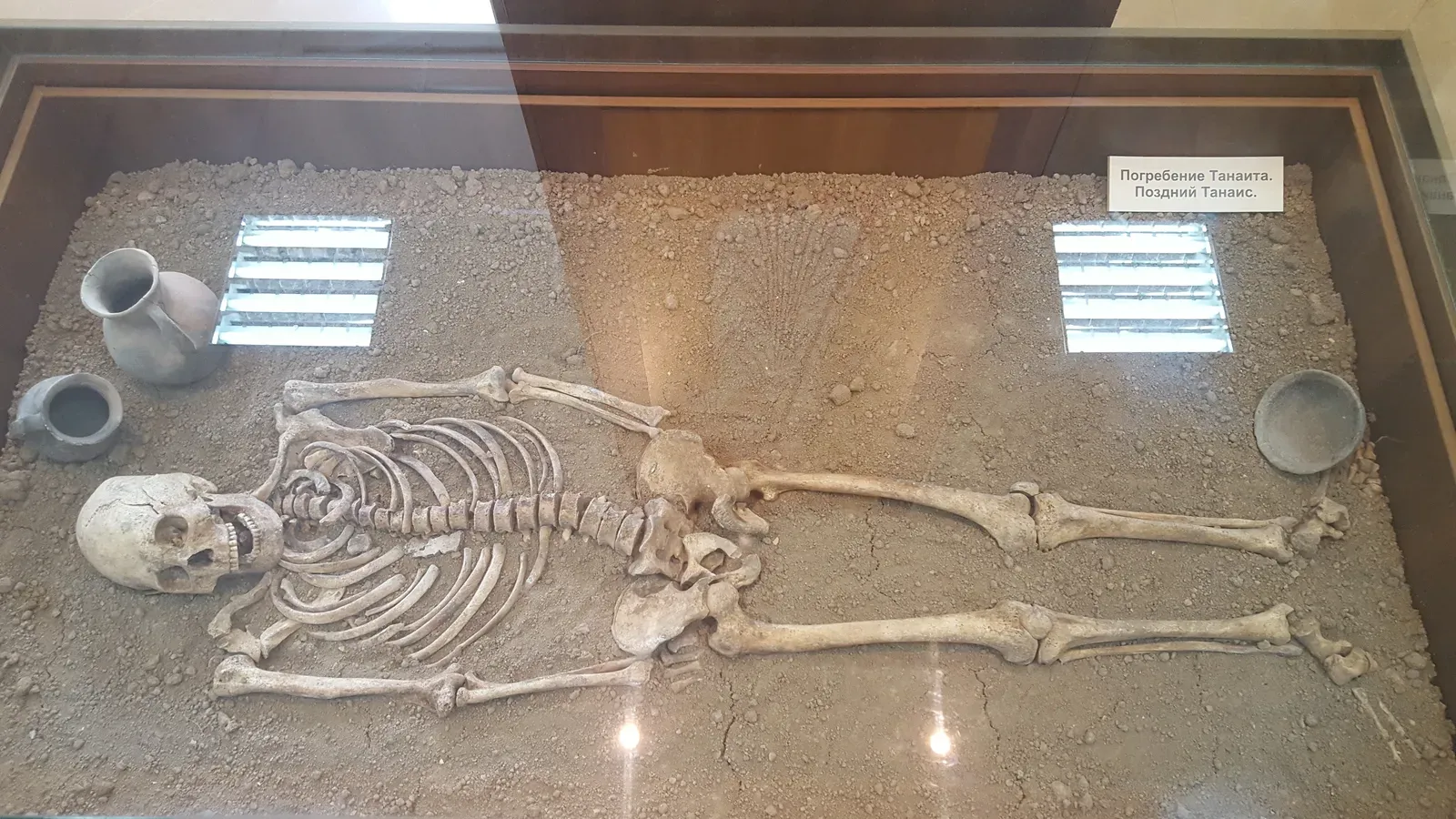
From a strictly practical perspective, you do not have to bury your dead. Scavengers, weather, and time will do the job for you, as harsh as that sounds. So when we see clear evidence that early humans dug pits and deliberately placed bodies in them, often in specific positions, it tells us something important about their minds. They were not just reacting to death as an ugly inconvenience; they were responding to it as an event that demanded meaning. Even if we strip away every romantic interpretation, intentional burial shows that these people were thinking ahead and making choices about how to treat the dead. That alone points to an inner world of feelings and ideas. When you consistently see bodies arranged with care and sometimes protected from the elements, it suggests that for these ancient humans the dead were not just discarded, they were honored, remembered, or even somehow still part of the group.
Flowers, Pollen, and the Risk of Seeing Too Much
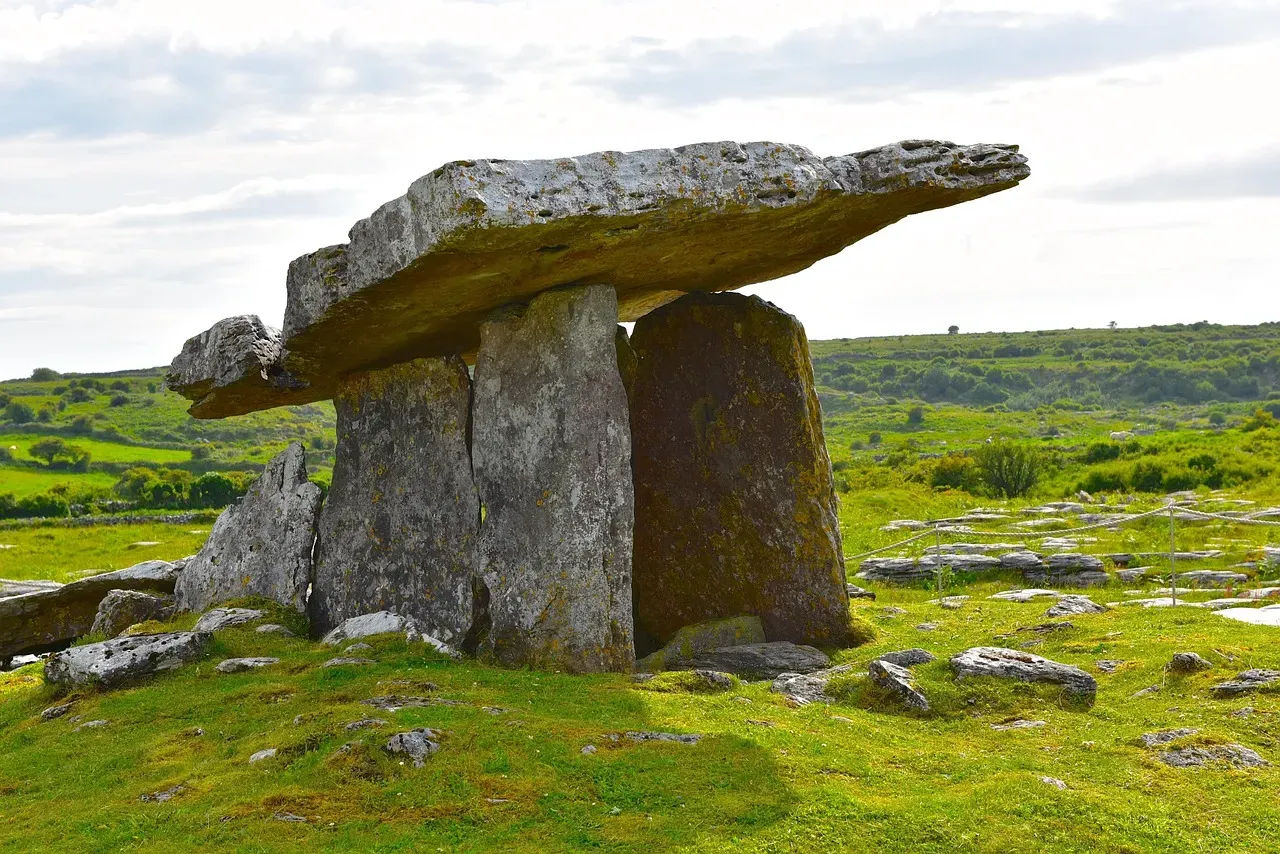
The idea of ancient humans burying their dead with flowers captured public imagination for a reason: it is deeply beautiful. But scientists are cautious, and rightly so. Pollen can end up in graves for lots of reasons, including animals burrowing, plants growing later, or simply dust being blown around. Some early interpretations of flower burials have been challenged or re-examined as new techniques and stricter standards appeared. That does not mean the whole story falls apart. Even if specific claims are debated, the broader pattern still stands: some ancient burials show clustering of pollen and botanical traces that are hard to explain by accident alone, especially when combined with the careful way the body was placed. The responsible way to read this evidence is not as a guarantee of elaborate funerals, but as a strong hint that mourners might have used flowers, scents, or plants as part of their farewell ritual.
From Grief to the First Flickers of an Afterlife
Anyone who has ever sat beside a dying loved one knows how brutal the finality of death feels. That emotional shock did not suddenly appear with modern humans; early people loved, bonded, and grieved long before languages and scriptures developed. In that sense, the first afterlife ideas were probably not philosophical theories but emotional survival tools, born out of the simple, desperate thought that the person you loved could not just vanish into nothing. When a community begins to treat the dead differently from trash or food scraps, it suggests they see a difference between a body and the person who once lived in it. Once that gap appears in the mind, the idea that something of the person might still exist, somewhere, is not far behind. It might have been vague, unspoken, or expressed only in gesture and silence, but that shadowy sense of “something beyond” is very likely much older than any organized religion we can name.
Why These Burials May Precede All Known Religions
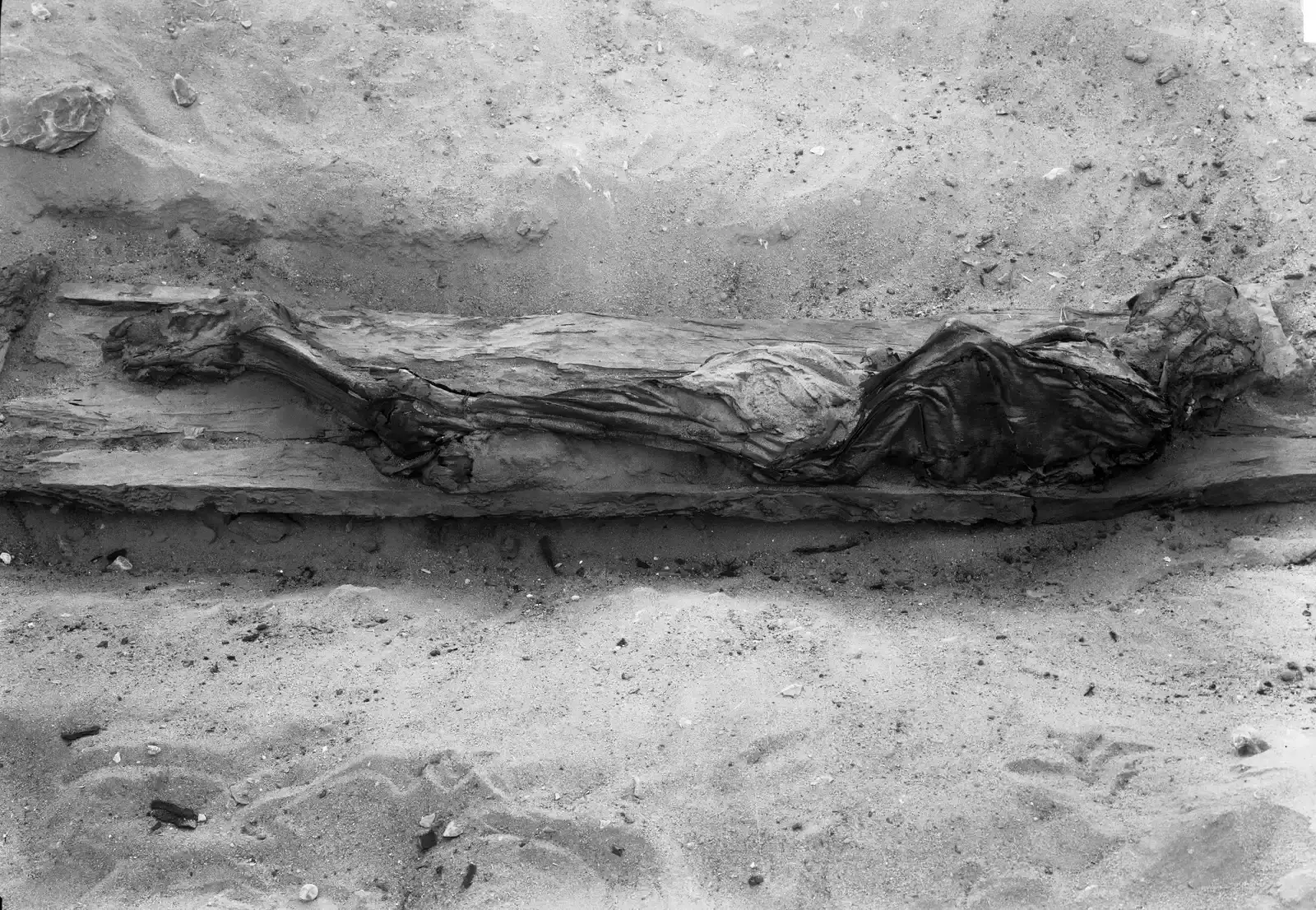
When we say that flower burials from roughly one hundred and thirty thousand years ago may reflect afterlife ideas earlier than any religion we know, we are talking about a staggering timescale. The oldest written religious texts are only a few thousand years old, and even the earliest archaeologically visible ritual sites are mere teenagers compared to these ancient graves. In human terms, it is like realizing your great-grandparents were following a tradition that started before there were even villages. That gap matters because it flips the usual story. It suggests that formal religions did not invent the afterlife from scratch; instead, they inherited and organized feelings and intuitions that had been simmering in our species, and perhaps in related hominin species, for unimaginably long periods. Scripture, priesthoods, and temples may be the polished public face, but the roots of belief lie in countless small, private acts like placing a hand on a still body and refusing to believe that this is truly the end.
Ritual Without Religion: The Deep Human Need for Meaning
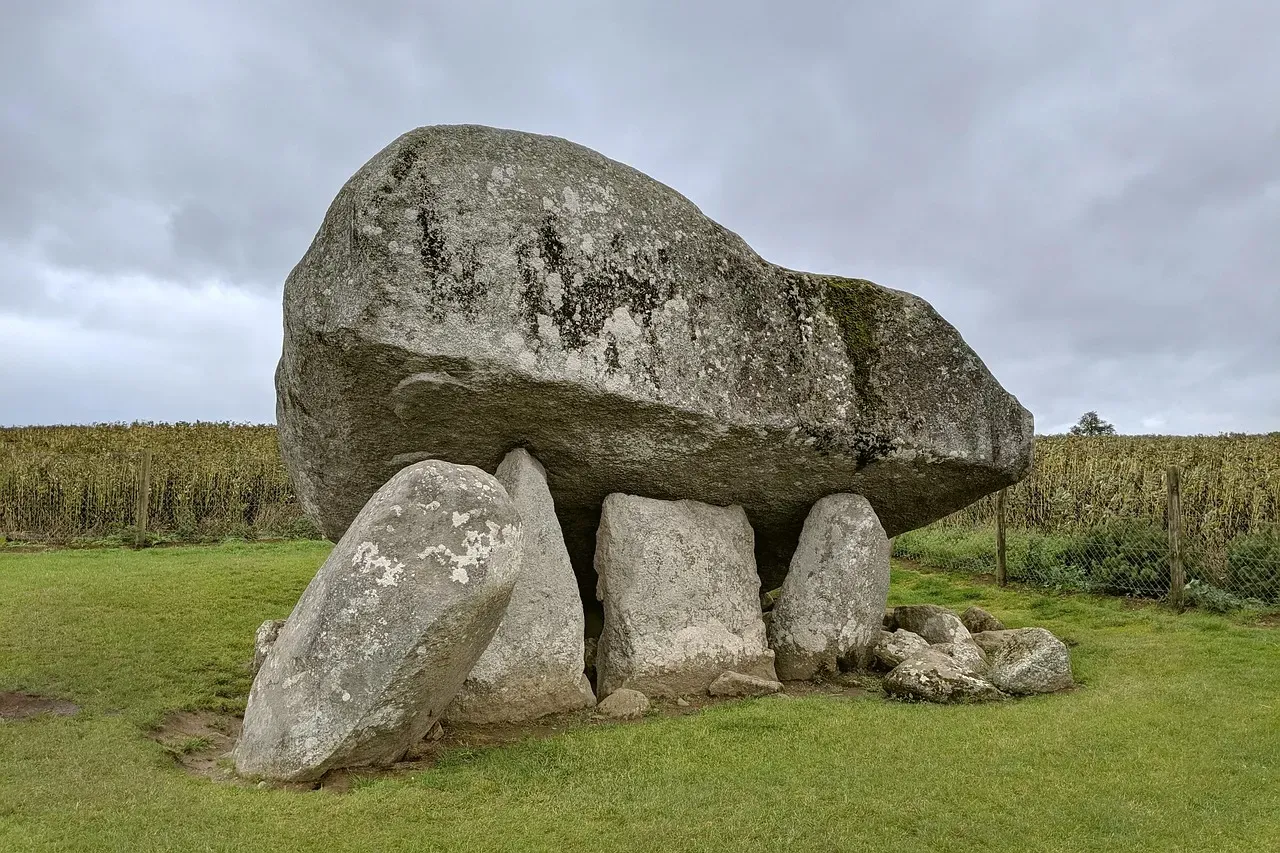
One of the most striking things about these ancient burials is that they show ritual behavior without any sign of formal doctrine. There are no carved commandments, no mythic murals, no grand architecture. Instead, there is a quiet choreography: digging, placing the body, maybe adding flowers or tools or pigment. It is ritual in its rawest form, stripped of organization but full of feeling. I find that oddly relatable. Even today, a lot of people who say they are not religious still hold funerals, light candles, visit graves, or keep mementos of the dead. They may not subscribe to a specific creed, but they instinctively reach for symbolic acts when faced with loss. That continuity makes it easier to imagine a small group, one hundred and thirty thousand years ago, doing the same thing in their own wordless way, motivated less by rules and more by love and fear and hope.
How This Changes the Way We Look at Ourselves
If the earliest signs of afterlife thinking come from long before known religions, it suggests something profound about who we are. It means that our drive to ask what happens after death is not a late cultural add-on but baked into our psychology more deeply than many of our modern identities. The urge to look past the horizon of life might be as old as our ability to tell stories or recognize ourselves in a reflection. That thought can be unsettling or comforting, depending on your perspective. On one hand, it shows how easily humans can project meaning onto the unknown, which might make some people wary. On the other hand, it reveals that caring about the dead, remembering them, and wondering where they went is not a weakness or a superstition but a core part of the human package. Whether you are religious, spiritual, or firmly secular, you are part of a very ancient conversation.
Conclusion: The First Afterlife Lived in Small Acts, Not Holy Books
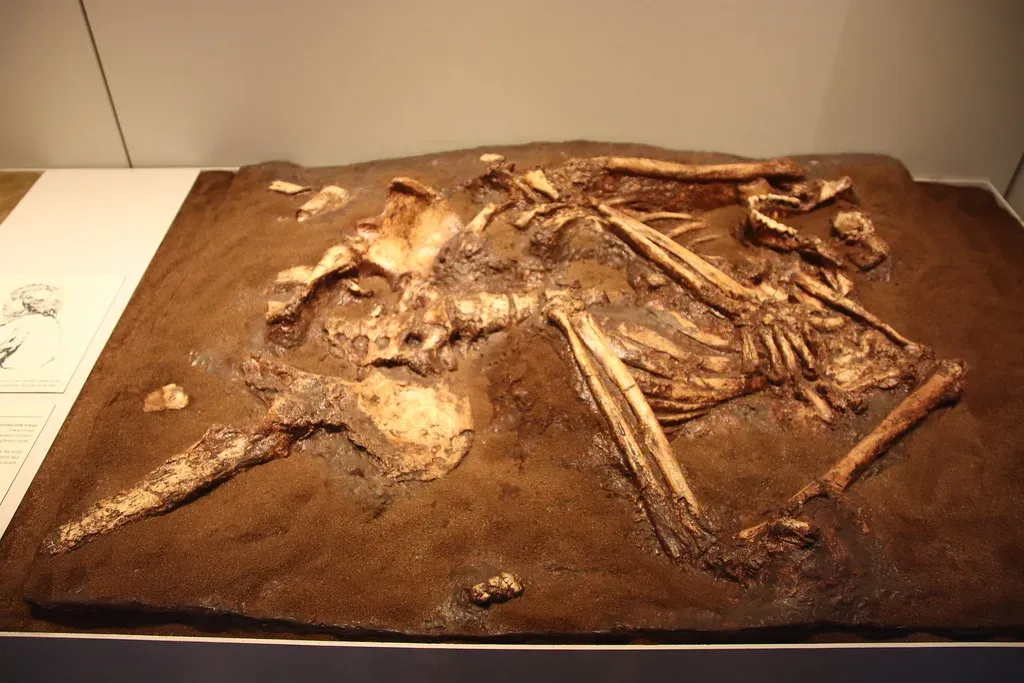
To me, the most powerful thing about these ancient burials is not the age or the possible flowers, but the intimacy. A body arranged carefully in a shallow grave is a quiet argument against the idea that early humans were just brutal survivors. It tells us that even in a world with no temples, no scriptures, and no official creeds, people still paused long enough to say goodbye, and maybe to wonder where the dead had gone. I think we underestimate how much of our modern belief systems are just heavily layered versions of that same basic moment. The concept of an afterlife may have started not with elaborate visions of heavens and hells, but with someone staring at a lifeless face and feeling that this could not be the final chapter. Whether you personally believe in any hereafter or not, it is hard not to feel a strange kinship with those early mourners. If you had stood beside that grave one hundred and thirty thousand years ago, watching them lower the body and lay flowers, would you really have thought so differently from them?