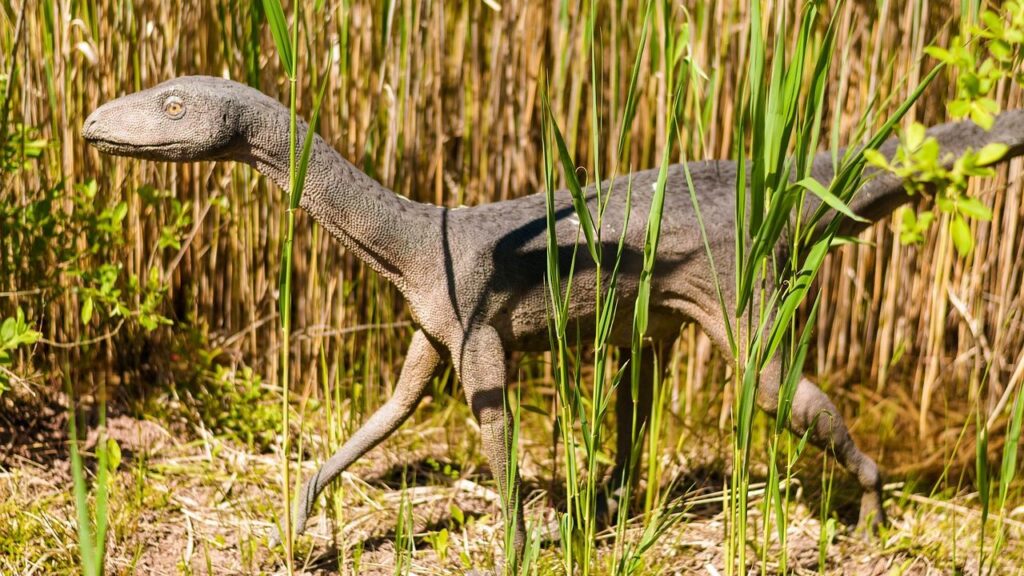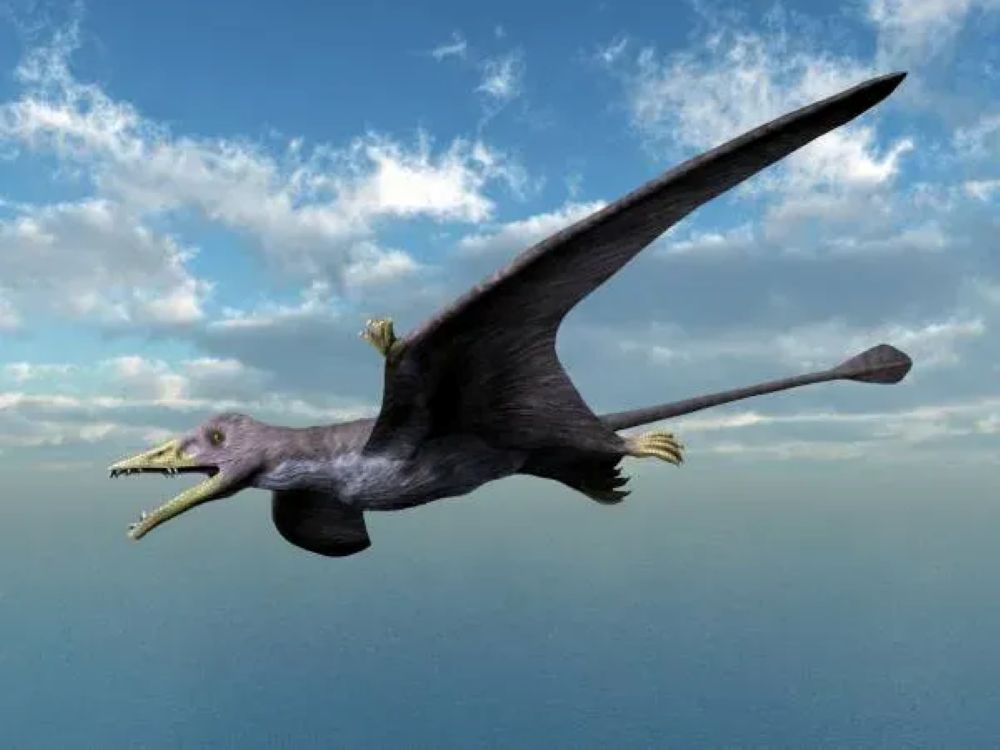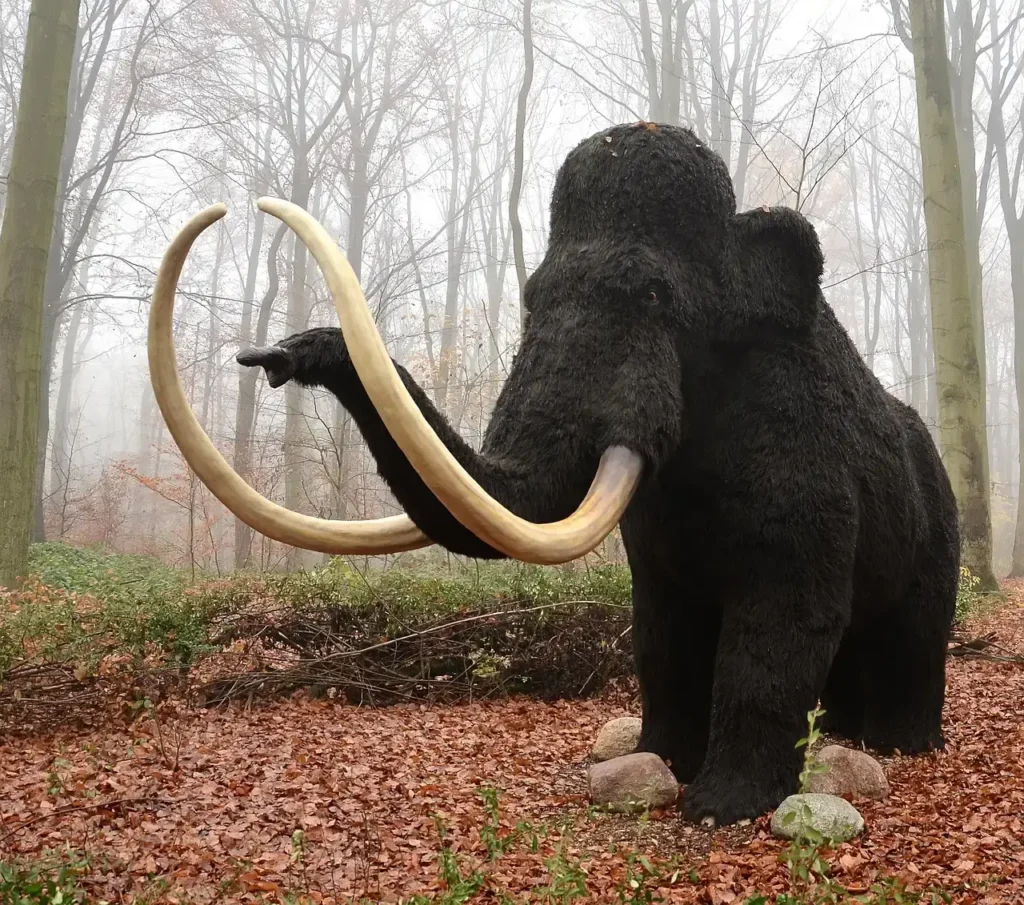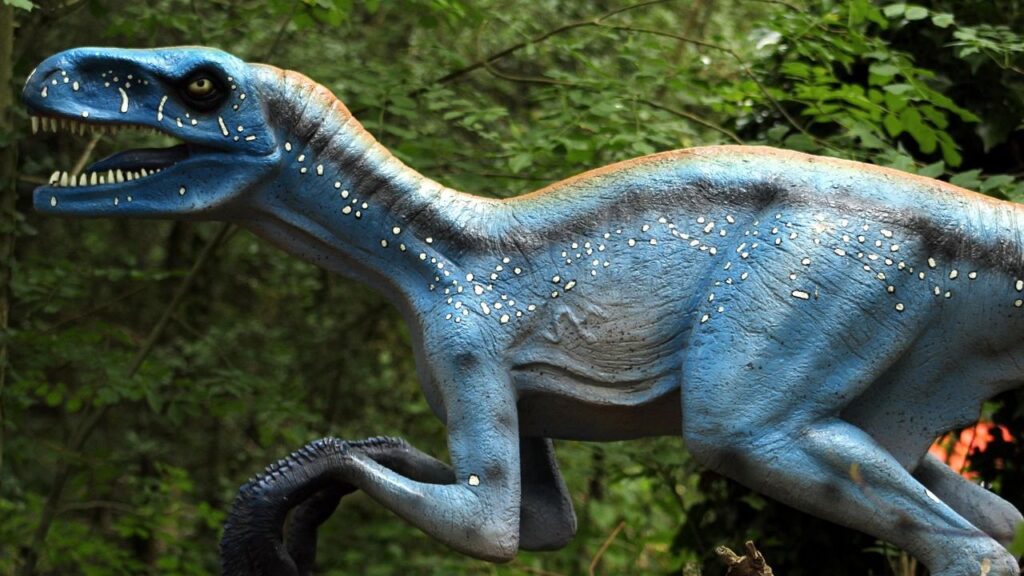
If you picture dinosaurs as slow, doomed giants just waiting for an asteroid, you’re secretly selling them short. These animals were some of the most adaptable, resilient creatures that ever walked the planet, surviving in changing climates and shifting continents for well over a hundred and fifty million years. They did not just get lucky and hang around; they were constantly experimenting with new shapes, behaviors, and survival tricks that you often cannot see in a museum skeleton.
When you zoom in beyond the teeth and claws, you notice something more subtle and more impressive: hidden lungs, feathered insulation, microscopic bone tweaks, and even social strategies that gave them an edge. Many of these adaptations only showed up once scientists learned to use CT scanners, microscopic analysis, and modern comparisons with birds and crocodiles. As you walk through the story of dinosaurs with that in mind, you start to see them less as movie monsters and more as master survivors that figured out how to handle heat, cold, predators, and even low oxygen long before humans ever appeared.
Hidden Supercharger: The Advanced Dinosaur Respiratory System
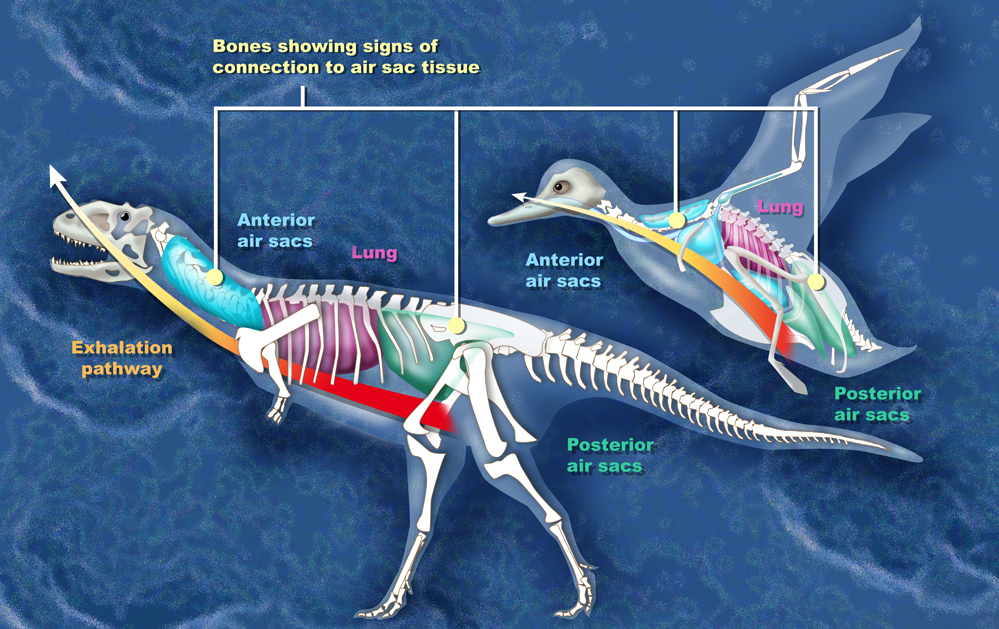
One of the most powerful adaptations you never see in a museum display is how dinosaurs breathed. If you have ever felt out of breath hiking up a hill, imagine living in a world where the air had less oxygen than today and still managing to grow into a multi-ton giant. Many theropod and sauropod dinosaurs had bird-like respiratory systems, with air sacs in their bodies and hollow bones that allowed air to flow through their lungs in a one-way circuit, rather than the in-and-out dead-end setup you have. That means each breath they took was used much more efficiently, like a cleverly designed ventilation system rather than a simple bellows.
For you, this is basically the biological equivalent of swapping a basic car engine for a turbocharged one. With that kind of airflow, dinosaurs could sustain higher activity levels, walk long distances, and handle warmer climates without overheating. It also meant they could grow to sizes that would be impossible with a low-efficiency lung: a massive body needs a lot of oxygen delivered fast. You might not see this adaptation on the outside of a skeleton, but in CT scans of fossil bones you can literally see the hollow spaces that once housed air sacs. That invisible inner architecture helped them dominate ecosystems for ages.
Feathers, Insulation, and Temperature Control You Would Not Expect
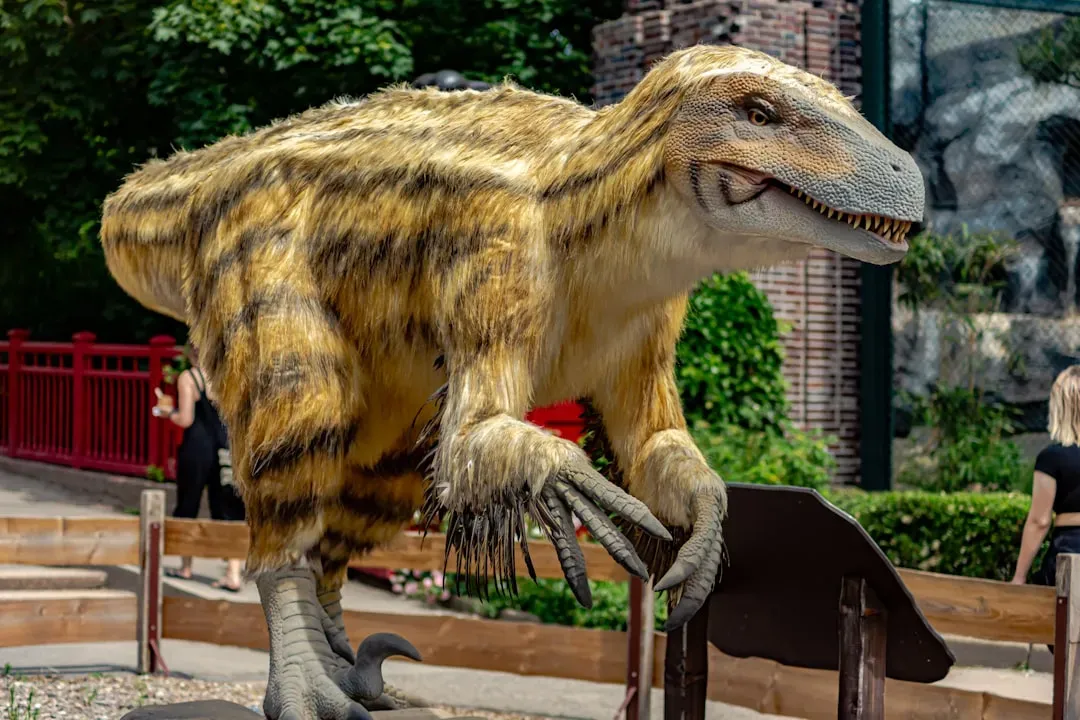
If you still imagine all dinosaurs as scaly reptiles from old paintings, you are missing one of the biggest quiet revolutions in paleontology. Many dinosaurs, especially smaller ones and the line that led to birds, had feathers or feather-like coverings. These were not always about flying; early on, they worked like a warm jacket or a fluffy blanket, trapping heat close to the body. In cooler climates or during chilly nights, that kind of built-in insulation could easily mean the difference between thriving and slowly losing energy.
When you think about it in your own life, it is the difference between walking outside in a T-shirt in winter or putting on a good coat. Feathers and fuzz let dinosaurs maintain more stable body temperatures, likely supporting higher metabolism and more active lifestyles than you would expect from “reptiles.” Later on, those same feathers became tools for display, communication, and, eventually, full-on powered flight in birds. What starts as a simple warmth solution quietly becomes a multi-purpose innovation – and that kind of flexibility is exactly what fuels long-term evolutionary success.
Smart Brains and Sharp Senses Hidden Behind Tough Skulls
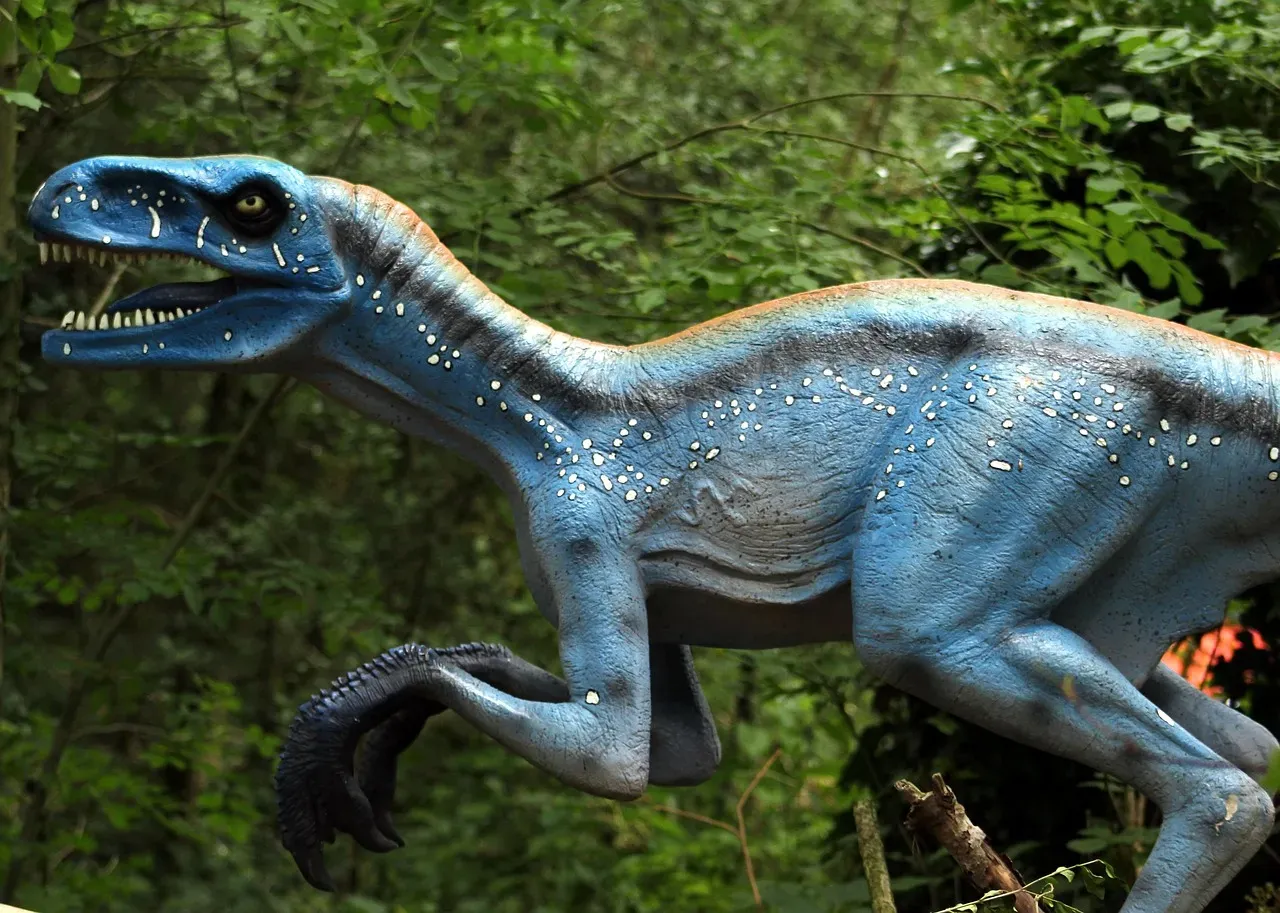
You might assume that dinosaurs were all brawn and no brains, but their nervous systems tell a more interesting story. When scientists digitally reconstruct dinosaur skulls, they can map out brain cavities and inner ear shapes to estimate senses like balance, hearing, and smell. Many predators, including relatives of the famous Tyrannosaurus, had enlarged regions of the brain linked to vision and olfaction. In practical terms, that means these animals could track you with sharp eyesight and an acute nose, even in complex environments like forests.
Even some plant-eating dinosaurs show evidence of relatively advanced brains for their size, hinting at social behaviors, migration, or sophisticated foraging strategies. Think of it like upgrading from a basic flip phone to a smart device; suddenly you can process more information, respond faster, and coordinate with others in new ways. You might never notice this by just glancing at a skeleton in a glass case, but when you look at the internal cavities and pathways, you see animals that were not just reacting blindly – they were constantly sensing, learning, and adjusting, which is exactly what you need to survive for millions of years.
Bone Engineering: Lightweight Frames Built for Giants
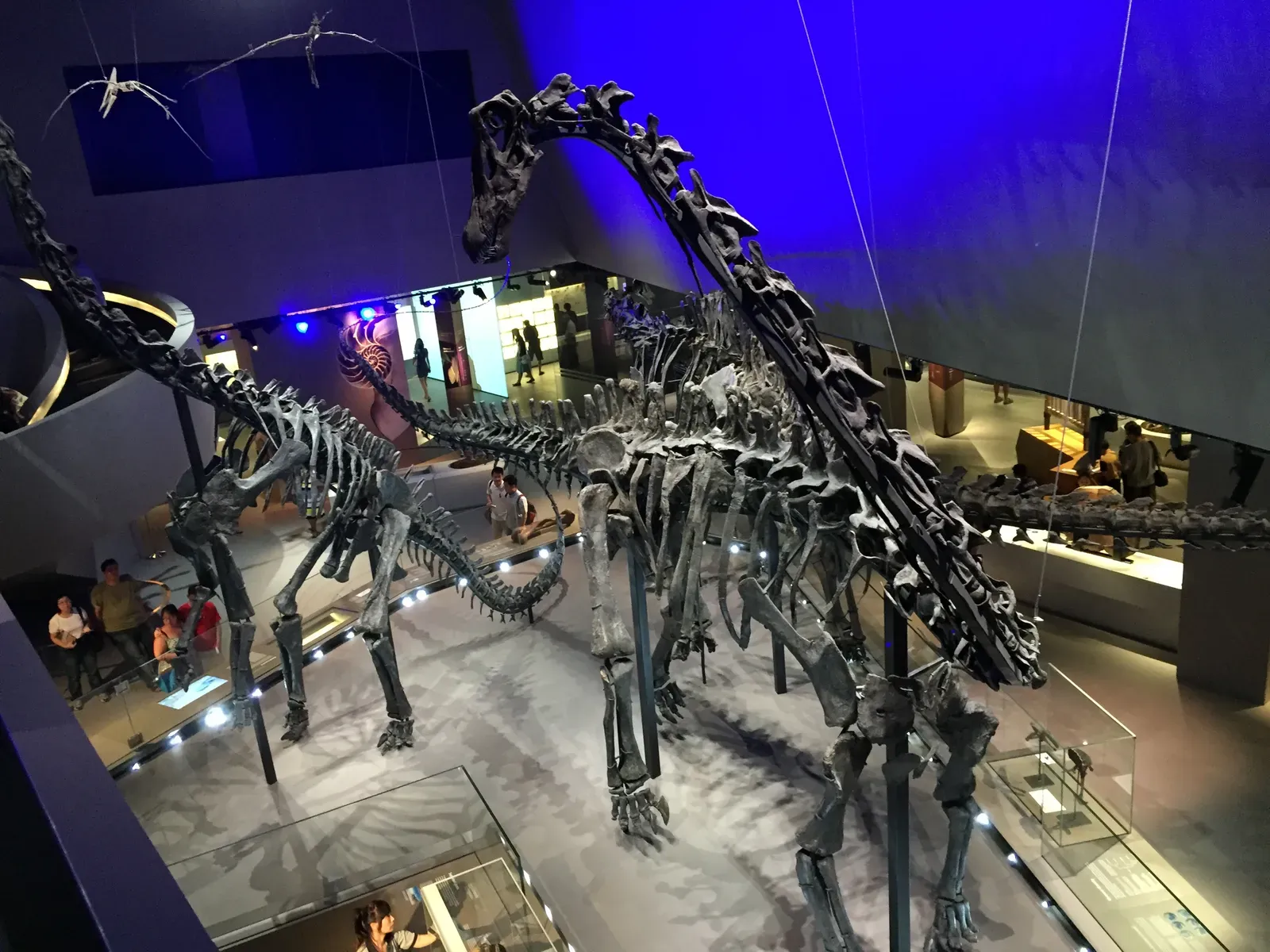
When you stand under the skeleton of a long-necked sauropod, it can feel almost impossible that the bones did not simply snap under all that weight. The secret lies in the invisible engineering inside. Many dinosaur bones, especially in big species, were riddled with internal air spaces and intricate struts, much like the framework inside a modern airplane wing. This design let them be strong where it counted but still surprisingly light overall, which made movement and growth more manageable in a world where gravity never gave them a break.
You can think of this bone structure like a well-built skyscraper: you do not notice the steel beams inside, but they are precisely arranged to balance strength and weight. Dinosaurs used the same principle, just biologically. By reducing unnecessary mass while reinforcing key areas, they could grow long necks, massive tails, and wide hips without being crushed by their own bodies. You only really appreciate this adaptation when you see cross-sections or CT scans of their bones, where the architecture looks more like a cathedral ceiling than a solid block. That unseen engineering let them push the boundaries of size far beyond most other land animals.
Eggs, Growth Spurts, and Fast-Track Life Cycles
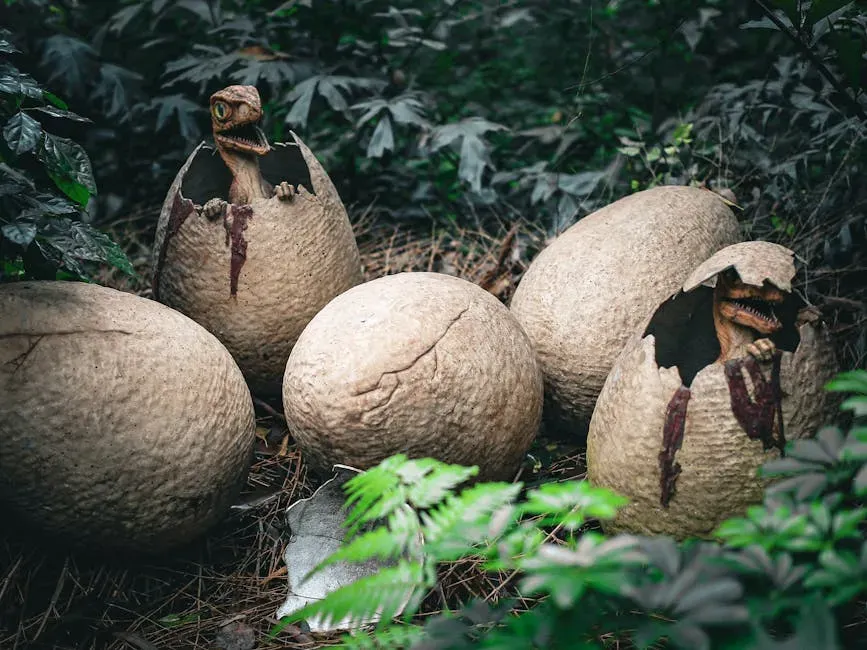
Another subtle superpower that helped dinosaurs rule for so long sits in how they reproduced and grew. Instead of giving birth to a few large offspring like many big mammals today, dinosaurs laid clutches of eggs, often in nests and sometimes in communal nesting grounds. That strategy spreads risk: if predators or floods ruin one nest, others still survive. For you, it is similar to diversifying your investments rather than putting every last dollar into a single stock; it is just basic risk management, but written into biology.
On top of that, bone studies show that many dinosaurs grew quickly, especially in their early years. Growth rings inside the bones, a bit like those inside trees, reveal spurts where youngsters shot up rapidly, reaching a safer, larger size relatively fast. Growing quickly reduces the window where a juvenile is small and vulnerable. Combine high reproductive output with rapid growth, and you get species that can bounce back from disasters like droughts, predators, or disease more easily than animals that reproduce slowly. Over millions of years, that resilience adds up, allowing dinosaur lineages to weather countless local crises that would wipe out more fragile species.
Social Strategies and Herding You Rarely Notice
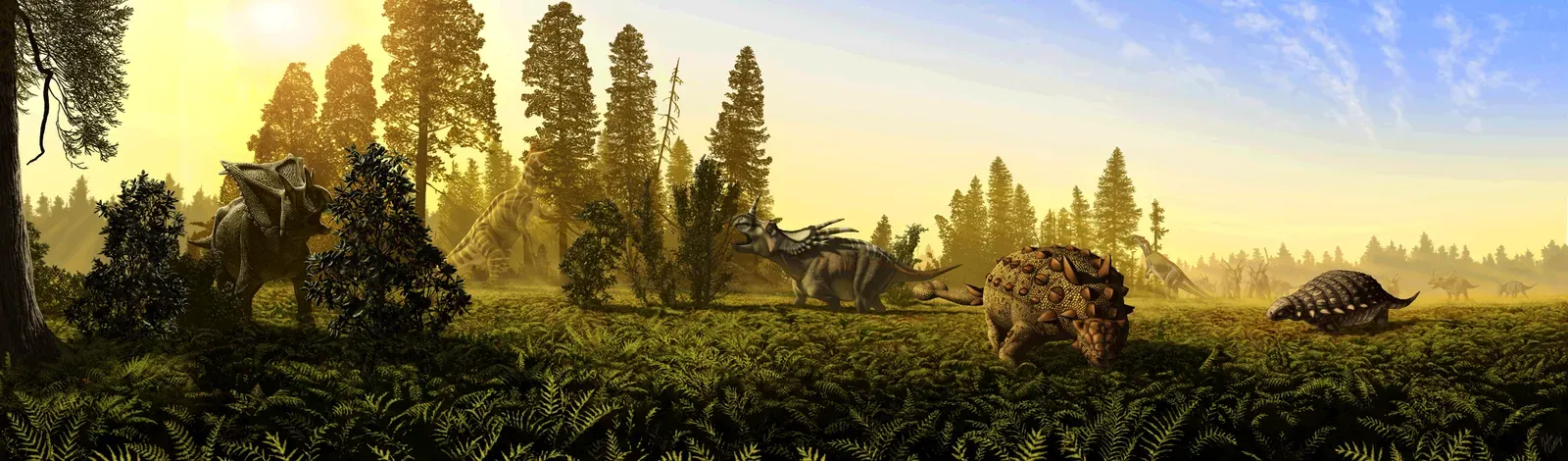
When you look at a fossil skeleton on its own, it is easy to forget that many dinosaurs did not live alone. Trackways, bone beds, and nesting sites suggest that quite a few species moved in groups, protected offspring, or at least shared the same routes across the landscape. Herding, for a dinosaur, works much like it does for modern wildebeest or elephants: there is safety in numbers, more eyes and ears to notice danger, and better odds for juveniles tucked inside the group. That kind of social buffering can dramatically improve survival in a harsh world full of predators and environmental swings.
You also see hints of more complex social behavior in features used for display – crests, frills, horns, and bright feather arrangements, especially when they differ between sexes or age groups. These structures might have helped individuals recognize each other, attract mates, or establish dominance without constant fighting. In your own life, uniforms, hairstyles, and fashion quietly sort people into groups and signal identity; dinosaurs likely used visual cues in similar ways. The point is, their world was not just claws and teeth; it was also full of subtle signals, alliances, and group choices that improved their long-term chances of thriving.
Climate Flexibility: Surviving a Planet in Constant Motion
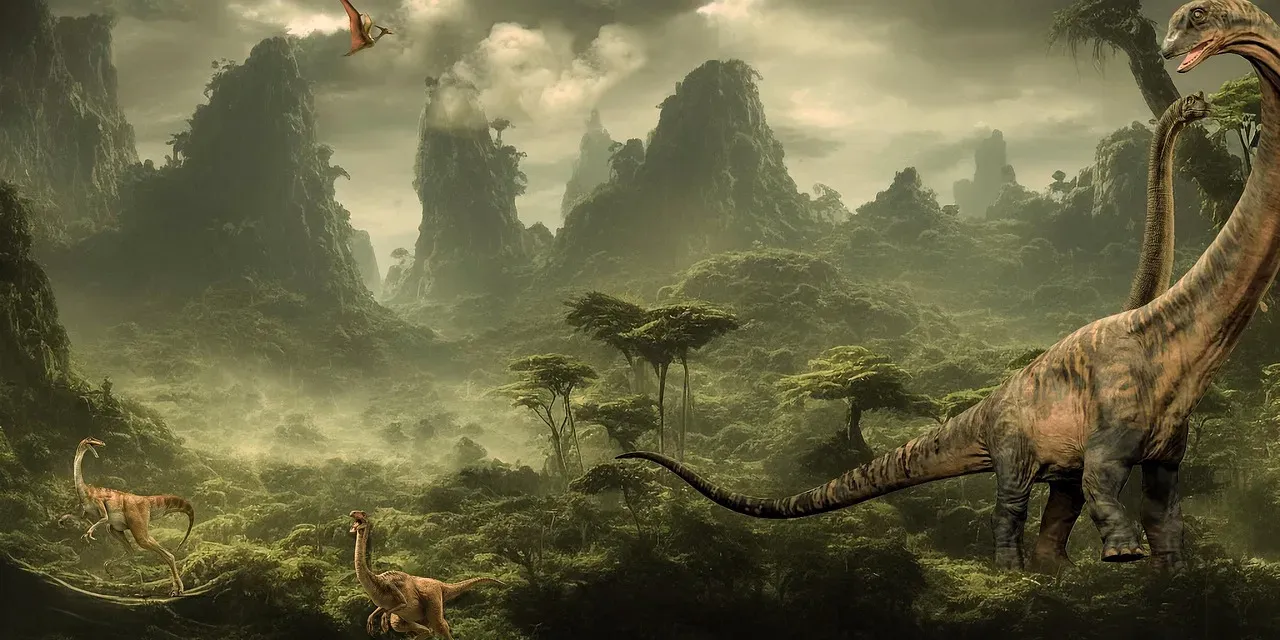
You tend to imagine dinosaur time as one unchanging hot, steamy world, but the reality was far more chaotic. Over the span of their reign, continents drifted, sea levels rose and fell, volcanic outbursts reshaped landscapes, and climates swung between warm phases and cooler intervals. Dinosaurs did not survive this just by standing still and hoping for the best; they shifted ranges, experimented with new body sizes and shapes, and evolved adaptations like insulation, efficient lungs, and flexible diets that let them cope with varied conditions. That ability to adjust to different habitats – from coastal plains to inland forests and highlands – was one of their quiet superpowers.
If you think about your own life, the people who handle change best are rarely the ones with a single rigid plan; they are the ones who can pivot, learn, and try something new when the old way stops working. Dinosaurs did that on an evolutionary timescale. Some groups got smaller and more agile, some developed new feeding styles, and one branch even took to the air and continued on as birds. That ongoing willingness, so to speak, to change shape and lifestyle is why dinosaurs as a broader group made it through multiple smaller extinction events before the final asteroid strike knocked most of them out. Flexibility, not just strength, carried them across millions of years.
What Dinosaur Adaptations Can Teach You About Survival
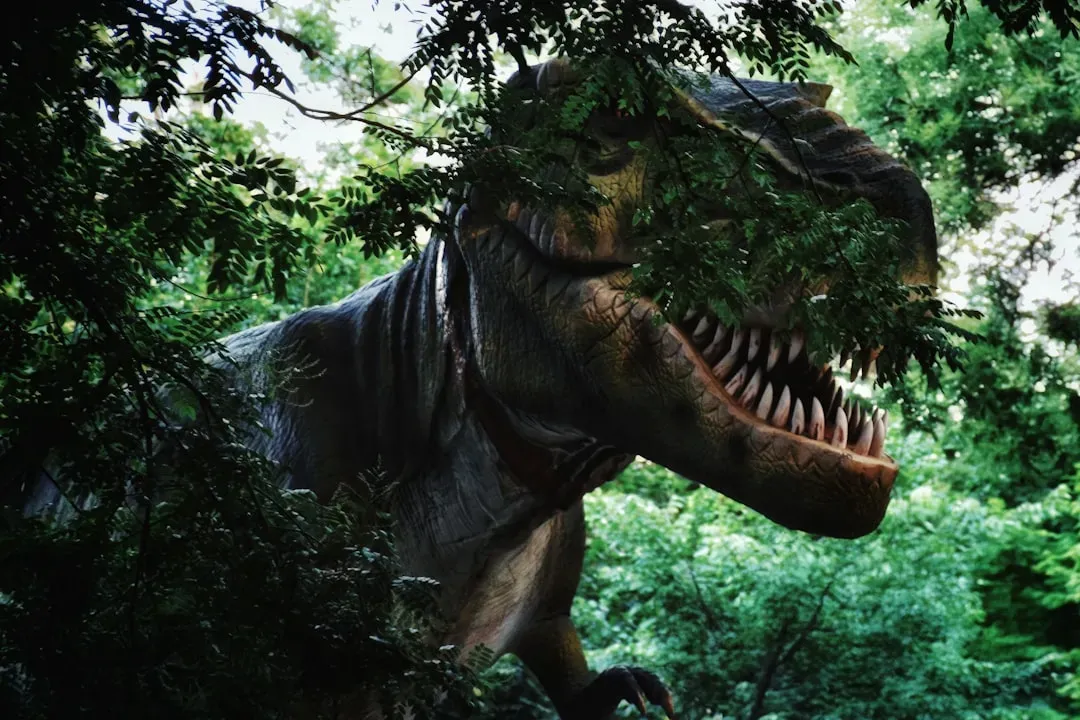
When you put all these unseen adaptations together – efficient lungs, clever bone structures, insulation, social strategies, and flexible life cycles – you start to see a theme that feels surprisingly familiar. Survival, whether for you or for a dinosaur, rarely comes down to a single dramatic trait. Instead, it is a stack of small advantages, many of them invisible at first glance, that let you handle stress, recover from setbacks, and seize new opportunities. Dinosaurs did not outlast rivals just because they were huge or frightening; they did it because their bodies and behaviors were constantly fine-tuned for changing conditions.
For your own life, there is a strangely comforting lesson here. You may not be evolving air sacs in your bones, but you are always building your own invisible adaptations: habits, relationships, skills, and ways of thinking that help you weather uncertain times. Most people only notice the big visible wins, like a promotion or a big project finished, but the real engine of resilience sits in the quiet systems running underneath. Dinosaurs thrived for millions of years because of those deep, often hidden adaptations. When you look at your own world through that lens, you might start to value your subtle, unseen strengths a little more. Which of your quiet adaptations do you think will help you thrive in the long run?