
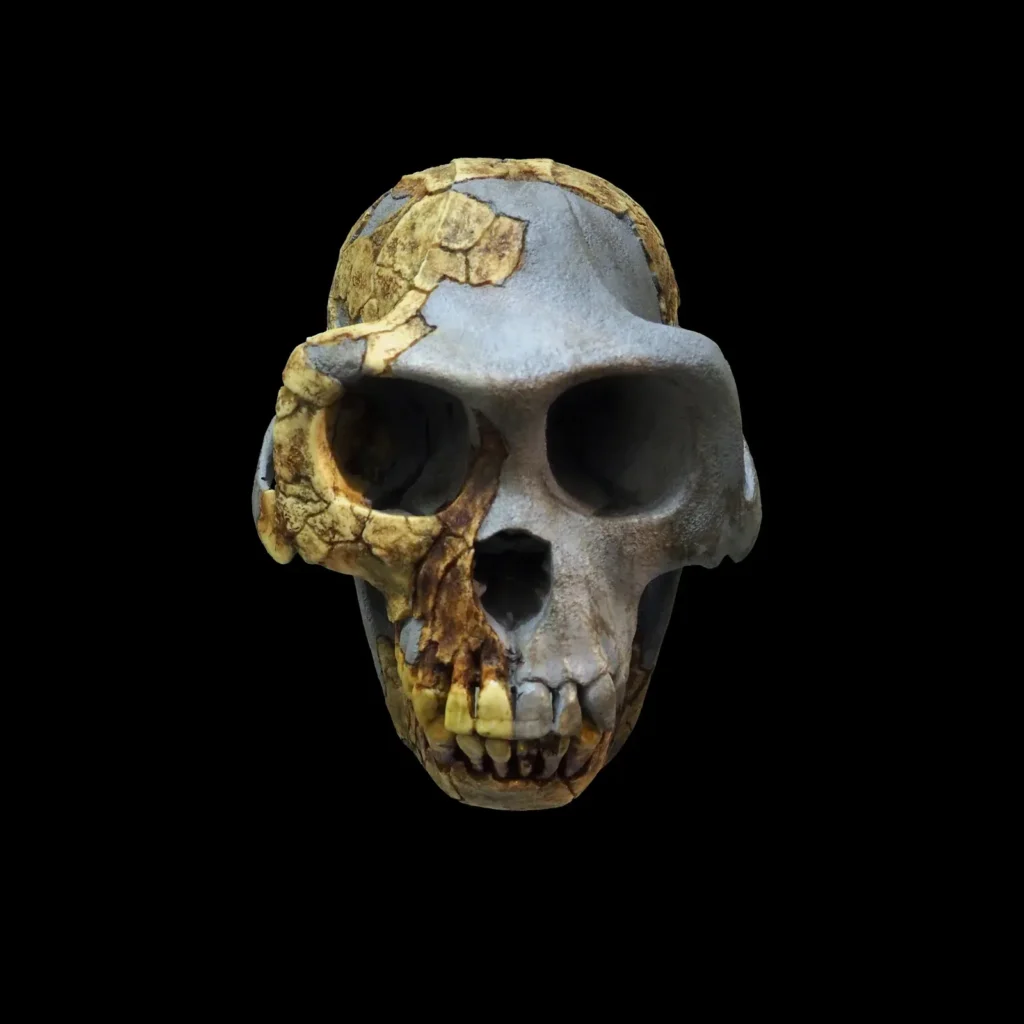
If you grew up picturing our deep ancestors as knuckle‑walking “almost apes” slowly rising onto two legs, you’re not alone. That image is everywhere: in textbooks, museum posters, even memes. But over the last two decades, a quiet scientific revolution has been chipping away at that story, fossil by fossil, bone by bone. The emerging picture is stranger, more tangled, and frankly, way more exciting than the old cartoon of a hunched ape turning into a briefcase‑carrying office worker.
New fossil finds from Africa, combined with fresh ways of analyzing bones, suggest that the last common ancestor of humans and chimpanzees might not have moved like a modern chimp at all. Instead, it may have spent a surprising amount of time standing and walking upright in trees, and perhaps even on the ground. That single twist changes how we think about everything from why our pelvis looks the way it does, to how far back we should push the roots of bipedalism, to whether chimpanzees are really a good model for our ancient past. Let’s dig into why this matters and what it does to our origin story.
Why This Idea Is So Radical: Challenging the “Chimp‑Like Ancestor” Myth
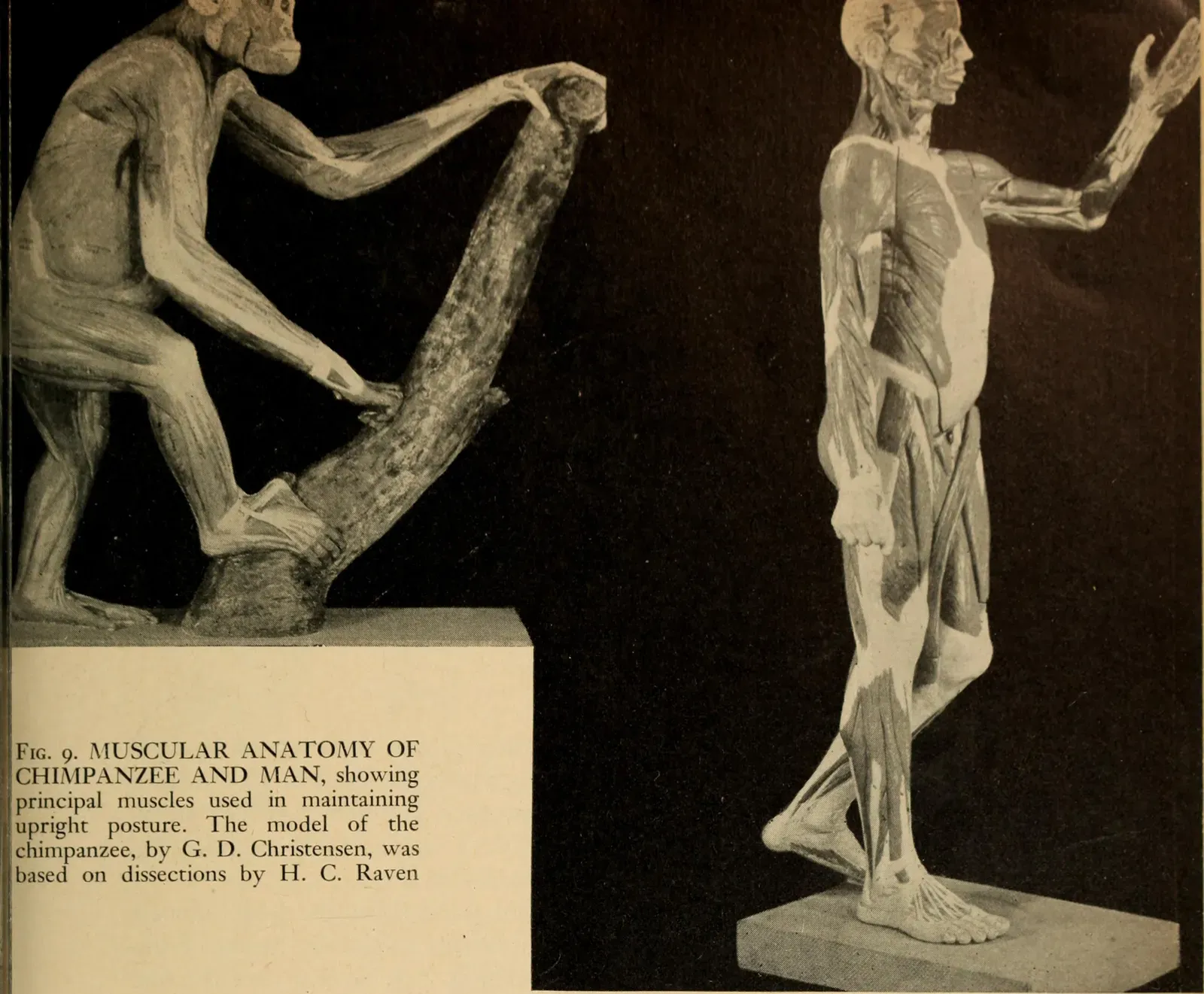
For a long time, scientists leaned on a simple assumption: chimpanzees are our closest living relatives, so our last common ancestor must have looked and moved kind of like a chimp. That felt intuitive, because chimps seem like a natural halfway point between us and other primates – smart, social, tool‑using, able to walk on two legs for short bursts, but mostly moving on all fours. This mental shortcut quietly shaped research questions, interpretations of fossils, and even the language we use when we talk about evolution.
The problem is, evolution never “keeps” a species unchanged as a museum reference specimen. Chimpanzees have been evolving for millions of years too, adapting to their own shifting environments, diets, and threats. The more scientists examine chimp skeletons, genetics, and behavior, the clearer it becomes that modern chimps are not living fossils. They are highly specialized in their own right, especially for life in forest canopies. That means we can’t just assume our common ancestor walked, climbed, and stood like they do today.
Fossils That Started the Uproar: Sahelanthropus, Orrorin, and Ardipithecus
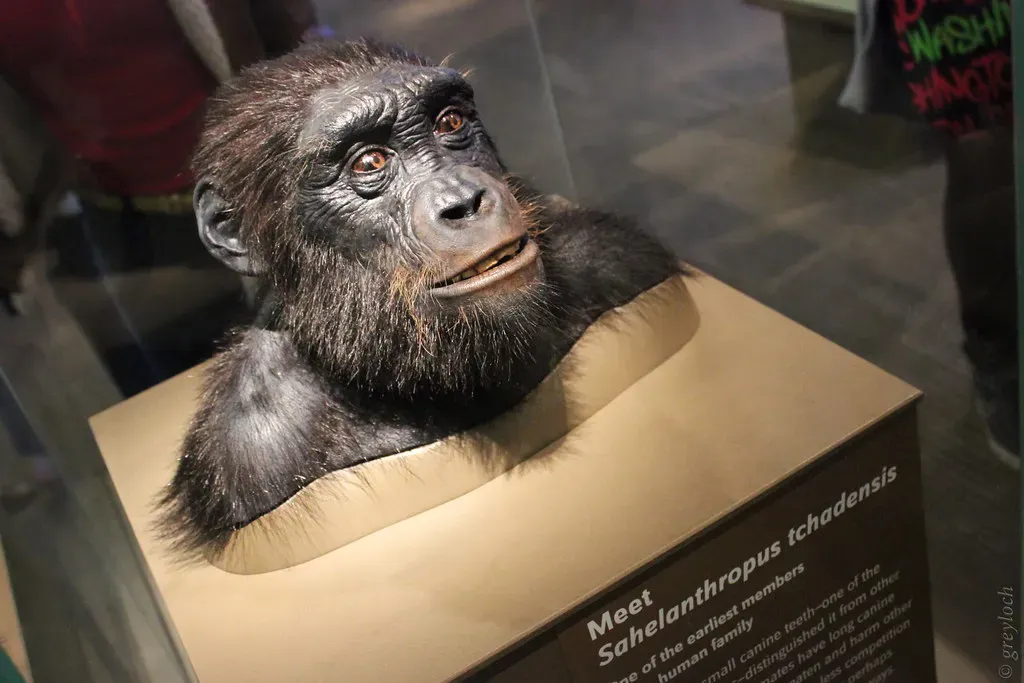
What really shook the field was not just theory, but actual bones pulled from desert sands and ancient sediments. Early candidates close to the human–chimp split – like Sahelanthropus tchadensis from Chad and Orrorin tugenensis from Kenya – showed hints that something interesting was going on with posture and locomotion. The shape of their femurs and the way the skull connects to the spine suggest a body that could support upright stance better than you would expect from a typical knuckle‑walker. These fossils are roughly dated close to when genetic data suggest our line diverged from chimps, which makes them prime suspects in this evolutionary mystery.
Then came Ardipithecus ramidus from Ethiopia, often just called “Ardi,” at over four million years old. Ardi’s skeleton is an odd mix: a grasping big toe for climbing, but a pelvis and parts of the leg that hint at habitual upright walking, likely in a careful, somewhat awkward way compared to us. Ardi seems to have been comfortable both in the trees and on the ground, using a kind of cautious bipedalism that does not match chimpanzee knuckle‑walking. That mosaic of traits forced scientists to ask a bold question: maybe upright posture and two‑legged walking had already begun in our shared ancestor, long before clearly human‑like species appeared.
Walking Upright in the Trees: A Different Kind of Bipedalism
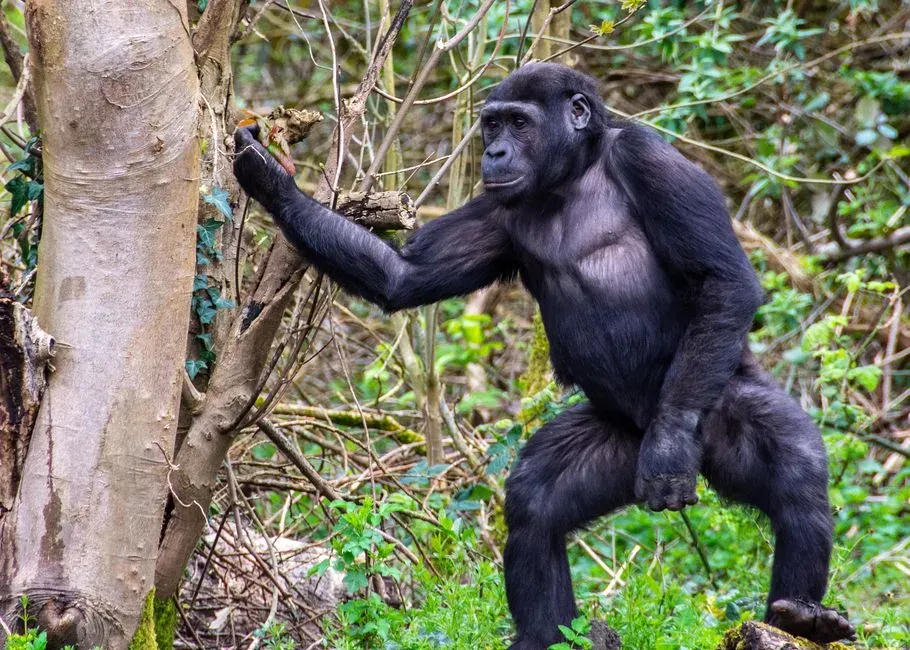
One of the biggest shifts in thinking comes from realizing that bipedalism does not have to start on the ground. Some researchers now argue that our last common ancestor, and early human relatives soon after, may have walked upright along large tree branches, using their hands more for balance and grasping than for weight‑bearing. Imagine a primate moving like a careful tightrope walker rather than a knuckle‑dragging ground dweller. This “arboreal bipedalism” would make sense in patchy woodland environments, where reaching fruit, scanning for predators, or moving between trees could reward a more upright posture.
Under this view, coming down to the ground did not suddenly “invent” walking on two legs; it simply repurposed an ability that had already evolved in the trees. That flips the usual story. Instead of saying we were quadrupeds that later learned to stand upright, it suggests we were upright‑leaning climbers who eventually became committed ground walkers. It also helps explain why our bodies still carry so many clues of a climbing past – like flexible shoulders, strong hands, and certain features of the spine – even though we now spend our lives on sidewalks and office chairs.
Why Modern Chimps Aren’t a Time Machine to the Past
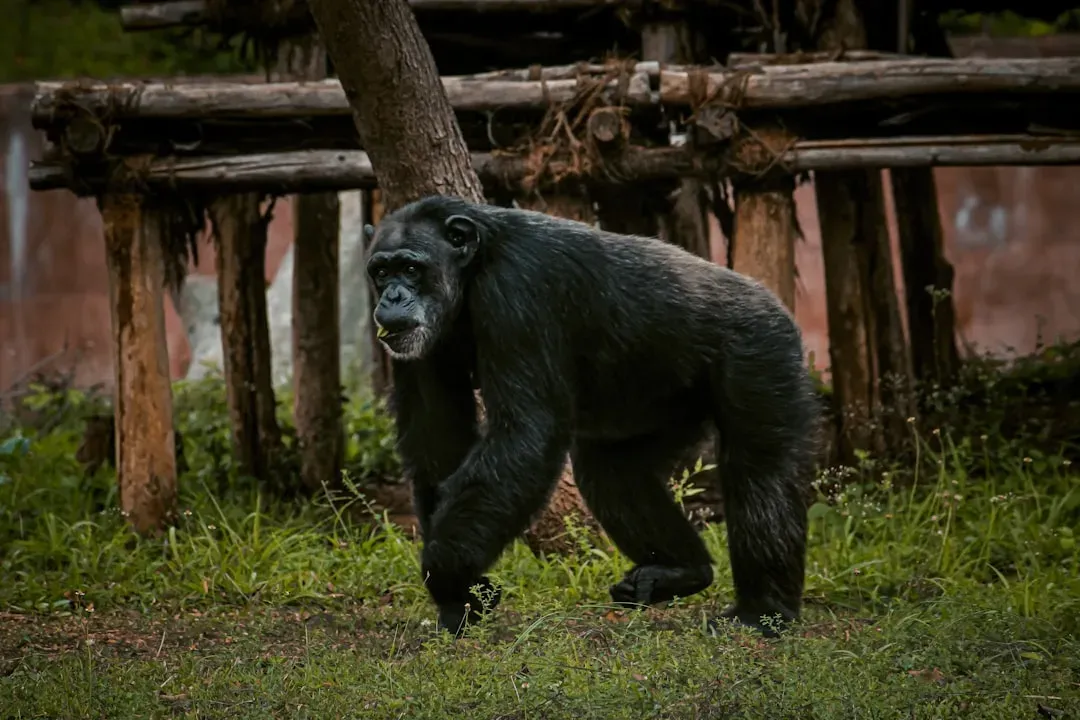
If our common ancestor was already experimenting with upright walking, then modern chimps start to look less like a snapshot of the past and more like a separate, specialized path. Chimpanzees are incredible climbers, with long arms, powerful upper bodies, and hands shaped for swinging and supporting their weight in trees. Knuckle‑walking on the ground may actually be a later adaptation that works as a compromise: it lets them move on land without losing the anatomy needed for intense arboreal life. In other words, knuckle‑walking might be something that evolved in their lineage, not a primitive leftover from our shared ancestor.
This matters because it changes what we use as a baseline. If chimps are not a perfect model of our starting point, then some of the differences we see between their bodies and ours might be misleading. Features once interpreted as uniquely human innovations might instead be retained ancestral traits that chimps lost or reshaped. It is like discovering your family’s “old recipe” has actually been revamped a few times, and the version you thought was original is not the earliest form at all. That realization forces you to rethink which ingredients truly define the dish.
Rewriting the Timeline: How Early Did Our Bodies Begin to Change?
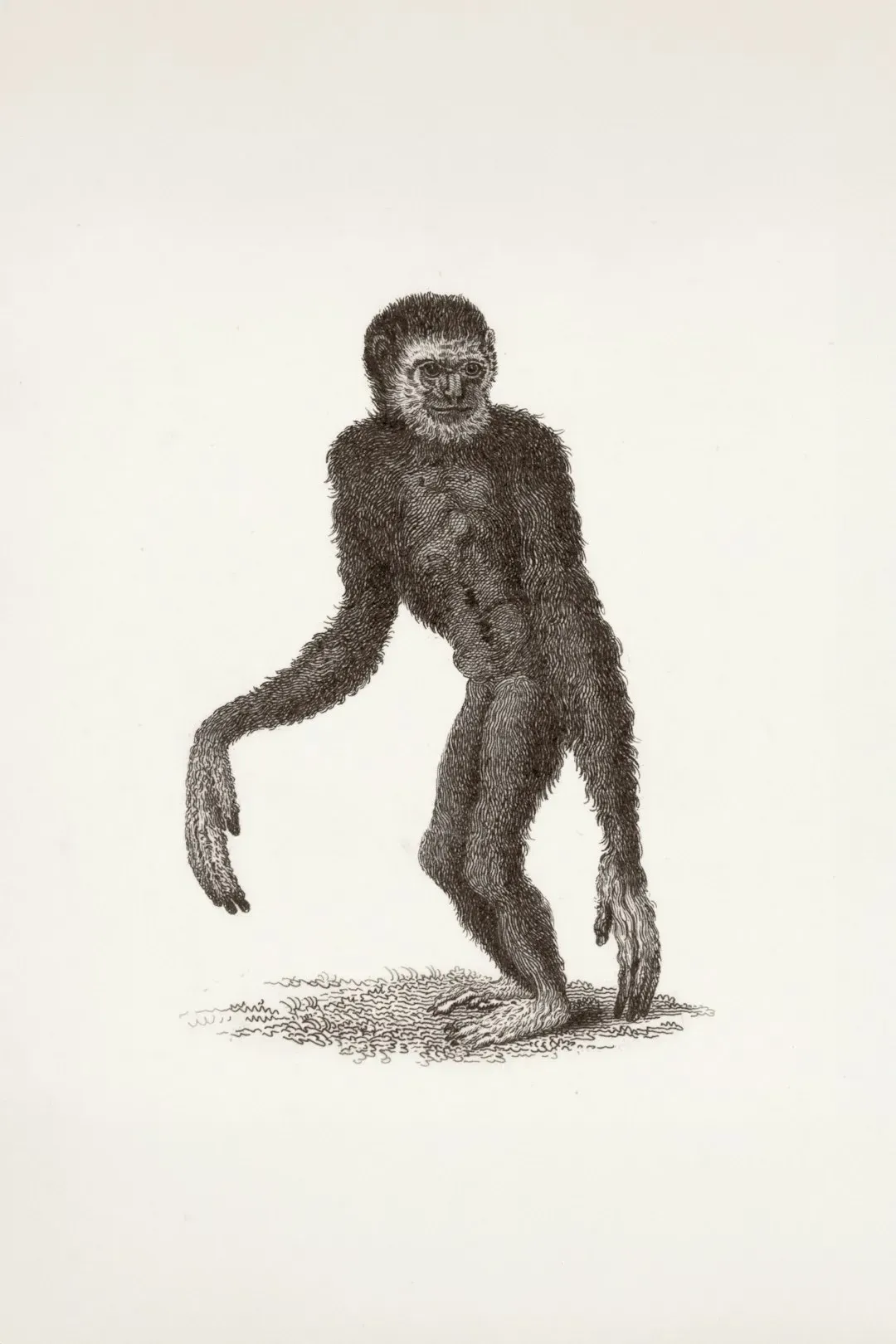
Genetic studies estimate that the human–chimp split probably happened somewhere around six to seven million years ago, give or take. For years, many people imagined a long stretch of time after that where our ancestors still moved a lot like chimps, with real anatomical commitment to bipedalism only appearing later with classic hominins like Australopithecus. But the fossils tied to the earlier part of that window hint that upright posture and two‑legged movement were already in play, at least in a part‑time, experimental way. Our skeletons may have begun drifting toward a biped‑friendly design surprisingly soon after the split.
This does not mean that the last common ancestor walked like a modern human, with a smooth heel‑to‑toe stride and marathon‑ready legs. The changes were likely messy, partial, and context‑dependent – more like a series of small software updates than a full operating system overhaul. Still, shifting the timeline of bipedal traits backward by even a million years or more has huge implications. It compresses the window in which those changes had to evolve and suggests that selection for upright posture was strong and persistent, rather than a late, sudden twist in the plot.
What This Means for Our Place in Nature – And My Take on the Debate
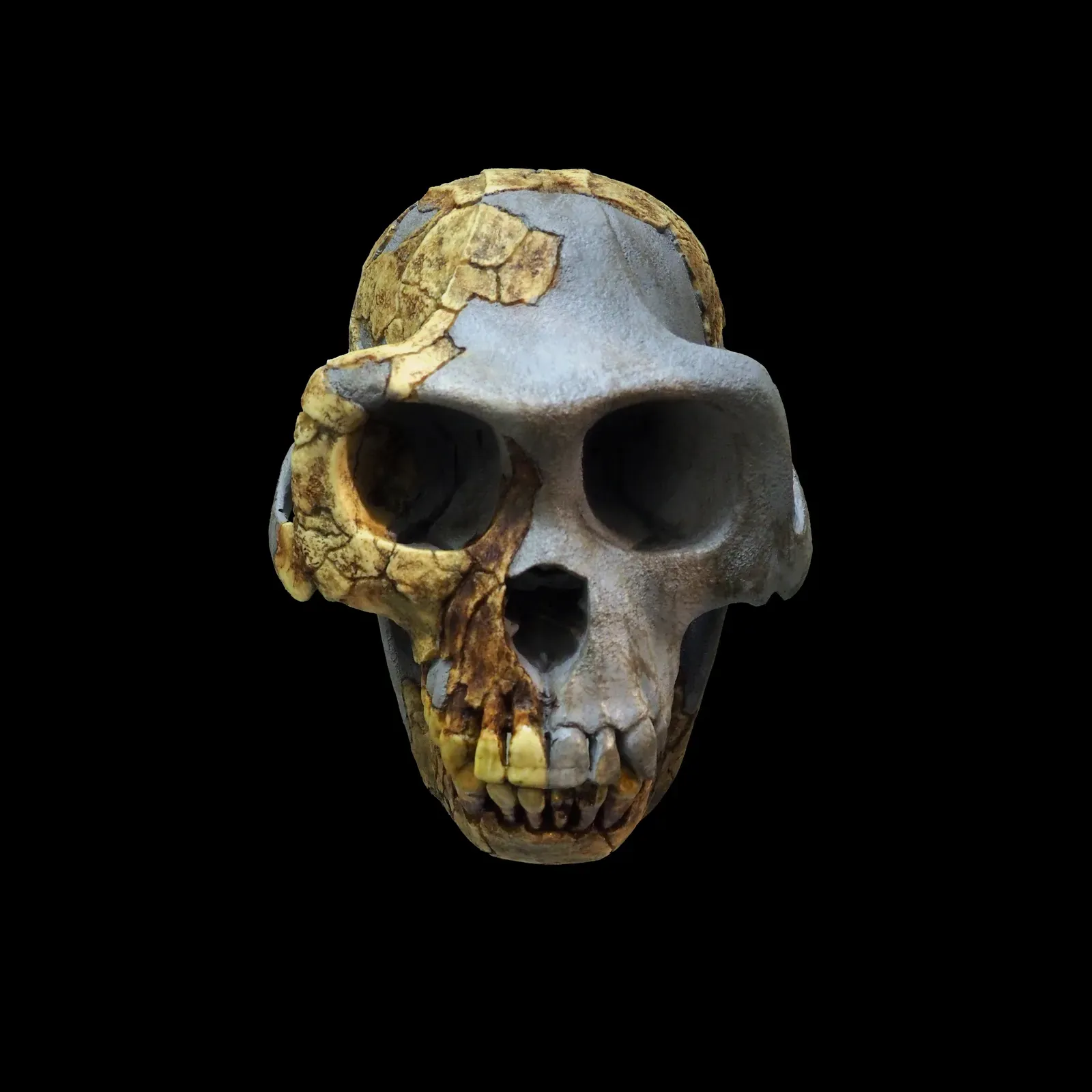
To me, the most powerful part of this new view is that it makes our story less linear and more alive. Instead of a clean ladder from quadruped to biped, we get an ecosystem full of different primates trying out different ways of moving, climbing, and standing. Our line just happened to double down on upright walking in a way no other ape did, while the chimp line doubled down on a blend of tree life and knuckle‑walking. That does not make us more advanced or them more primitive; it just reveals how evolution solves different problems with different creative hacks.
I also think this debate exposes how much our own mental shortcuts shape the science we do. We loved the idea of chimps as living mirrors of our past because it was simple and emotionally satisfying. Letting go of that means accepting more uncertainty, more complexity, and more “it depends” answers about our origins. But that humility feels healthy. The idea that our last common ancestor may have walked upright – at least part of the time – does not just rewrite a chapter in an old textbook. It reminds us that the ground beneath our “obvious” assumptions is always shifting. And honestly, isn’t a tangled, experimental, upright‑in‑the‑trees ancestor a way cooler starting point than the flat cartoon we used to imagine?