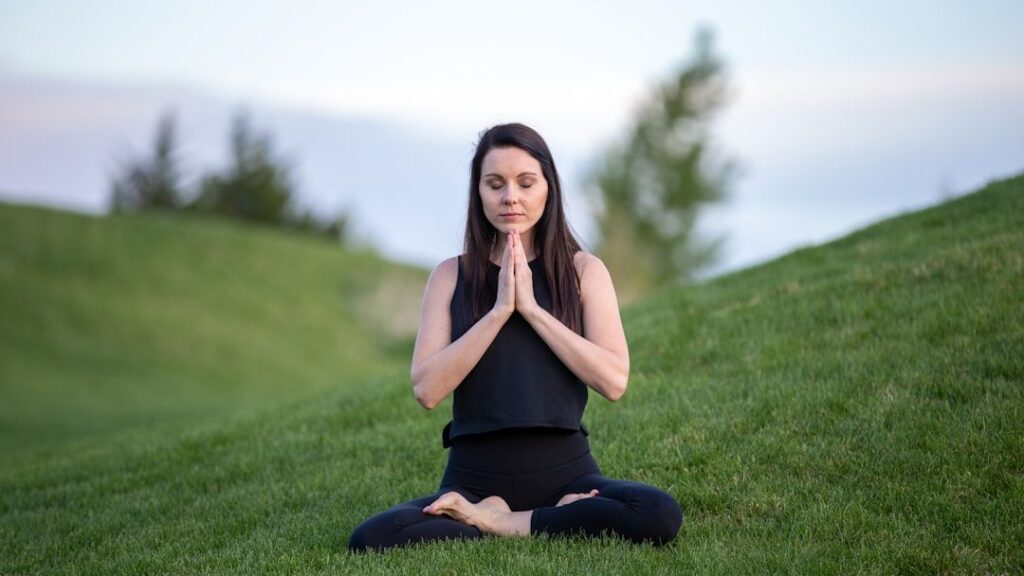
Have you ever found yourself reacting to a situation in a way you regret moments later? Maybe someone said something that triggered you, and before you knew it, words came out of your mouth that you wished you could take back. We’ve all been there, honestly. The truth is, emotions can feel like wild horses pulling us in every direction if we don’t learn to work with them.
Here’s the thing: life isn’t about eliminating emotions or pretending we’re always calm. It’s about understanding what’s going on beneath the surface and developing the skills to respond thoughtfully rather than react impulsively. When you gain control over your emotional world, something remarkable happens. You start showing up differently in your relationships, your work, and even in how you see yourself. The journey to inner peace isn’t some mystical destination reserved for monks meditating on mountaintops. It’s a daily practice, and it starts with you. Let’s dive in.
Recognize Your Emotional Triggers Before They Control You

You need to first recognize your emotional triggers, which are the specific words, actions, or events that provoke an intense emotional response, so you can prepare yourself to respond differently the next time you encounter them. Think about the last time you felt your blood pressure spike. Was it a particular tone of voice? A specific situation that reminded you of a past hurt?
Identifying these patterns is like turning on a light in a dark room. Suddenly, you can see what’s been tripping you up all along. Understanding the root cause of your emotions helps you address them more effectively. When you know what sets you off, you gain a split second of awareness that can make all the difference between an explosion and a measured response.
Practice Self-Awareness to Understand Your Inner World

Practicing self-awareness allows you to use grounding techniques like deep breathing to center yourself when you feel anger boiling or anxiety creeping in. Self-awareness isn’t about judging yourself harshly for having difficult feelings. It’s actually the opposite.
Self-regulation starts with exploring and understanding your behaviors, emotional reactions, and impulses. The more you understand about your emotional landscape, the less frightening it becomes. You start noticing patterns like “I always feel anxious on Sunday nights” or “I get irritable when I’m hungry.” These observations might seem simple, yet they’re incredibly powerful tools for emotional mastery.
Allow Your Emotions to Exist Without Suppressing Them

Avoidance creates emotional repression which leads to issues like anxiety and depression, and hiding your feelings isn’t the same as dealing with them because the longer you suppress them, the bigger they grow. Let’s be real: society often tells us to “stay positive” or “just get over it,” which can make us feel like failures when we struggle with difficult emotions.
You should find a quiet place and choose to gently and compassionately let your emotions arise without resistance or judgment. Ironically, the fastest way through an emotion is often to fully feel it. When you stop fighting against sadness, anger, or fear and instead acknowledge them, they begin to lose their grip on you. This doesn’t mean wallowing endlessly, though. It means giving yourself permission to be human.
Use Mindfulness to Stay Present and Centered
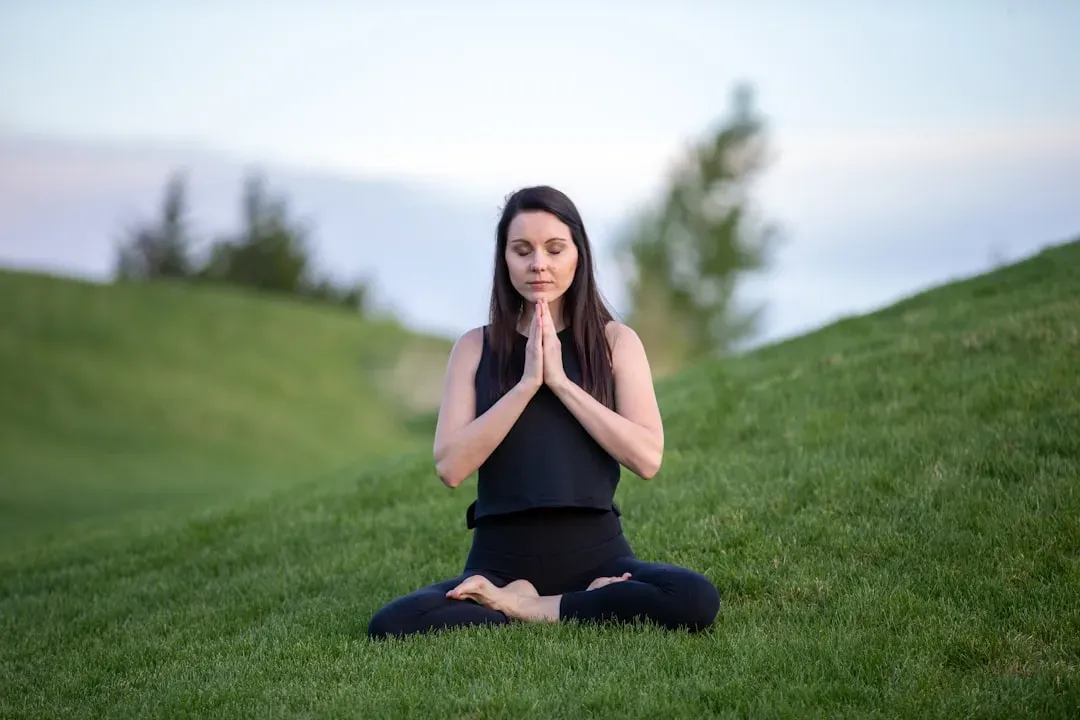
Mindfulness training led to an increase in scores of inner peace compared with control groups. Mindfulness isn’t complicated or exclusive to spiritual gurus. At its core, mindfulness is the practice of being fully present in the moment without judgment or distraction, cultivating awareness of thoughts, feelings, and sensations as they arise and embracing them with an open heart and mind.
When you practice mindfulness, you create space between stimulus and response. That space is where your power lives. Practicing mindfulness helps you appreciate the simple pleasures of life, and when you face stressful situations, you can tap into those feelings of peace and satisfaction to help you self-regulate and keep your emotions under your control. Even just a few minutes a day can shift how you experience the world around you.
Reframe Negative Thoughts Through Cognitive Reappraisal

Cognitive reappraisal involves reframing or reinterpreting an emotional situation to change its impact. Think of this technique as putting on a different pair of glasses to view the same situation. Someone cutting you off in traffic could be seen as a personal attack, or it could be someone rushing to an emergency.
Reframing the situation may help you stay calm, and a cognitive reappraisal strategy that is almost always useful is to tell yourself that your brain is trying to help you and you are not lazy, crazy, or unmotivated. This doesn’t mean lying to yourself about reality or ignoring genuine problems. It means choosing interpretations that serve your wellbeing rather than ones that send you spiraling into negativity.
Develop Healthy Coping Strategies Instead of Destructive Ones

Emotion dysregulation is costly because when we rely on maladaptive strategies like rumination, avoidance, suppression, or yelling and aggression, we increase our risk for anxiety, depression, substance misuse, and other health problems, and dysregulation also undermines our relationships and strains our cardiovascular health. We all have go-to strategies when emotions run high, whether we realize it or not.
Healthy lifestyle behaviors like exercise, good sleep, hygiene, participation in pleasurable activities, mastering skills, and spending time with friends and family elevate mood and help reverse the downward cycle into depression and anxiety. The key is replacing harmful patterns with constructive ones. Instead of reaching for that second bottle of wine when stressed, maybe you call a trusted friend or go for a run. Small shifts create massive changes over time.
Use Breathing Techniques to Calm Your Nervous System
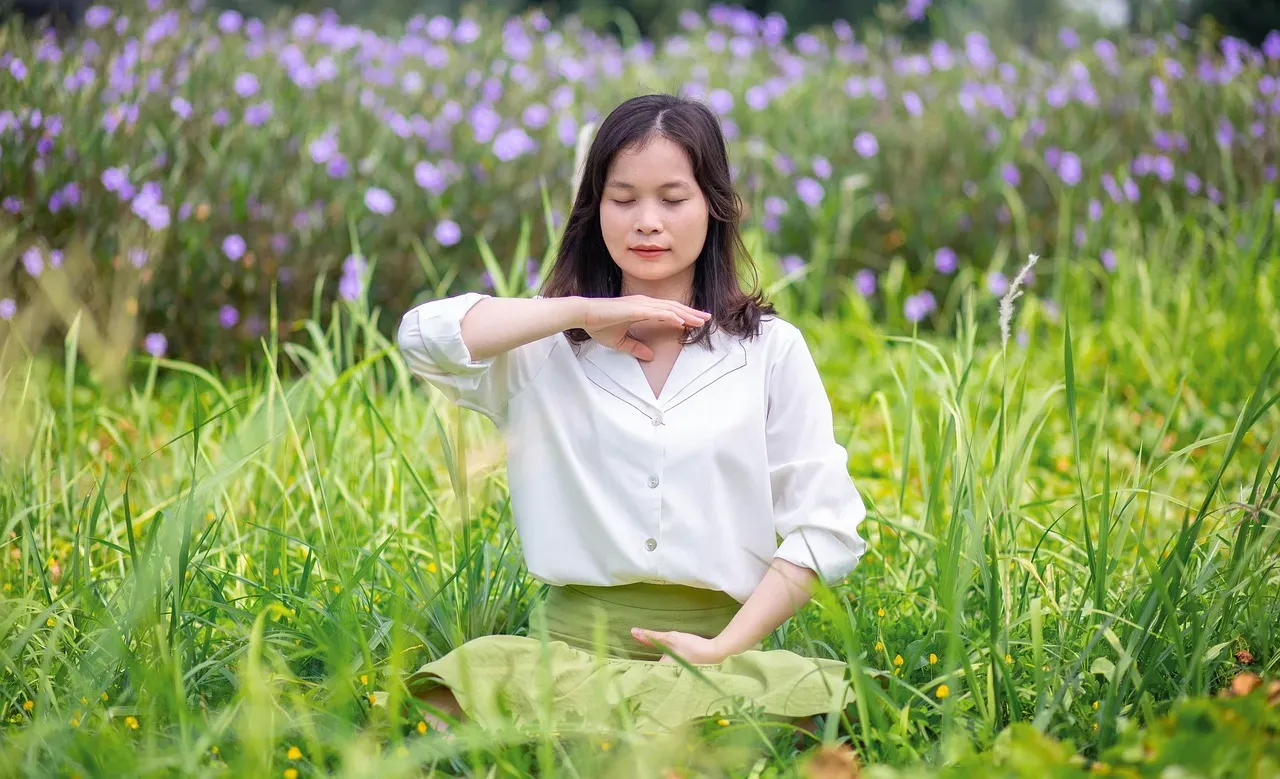
Deep, intentional breathing activates the parasympathetic nervous system and promotes relaxation, and you should practice this technique to immediately calm your mind during stress. Your breath is always with you, making it the most accessible tool you have for emotional regulation. When anxiety strikes or anger flares, your breathing becomes shallow and rapid.
You can practice the 4-7-8 breath technique which is based on a time-tested yoga technique by closing your mouth and inhaling through your nose as you count to four, holding that breath as you count to seven, and then exhaling through your mouth for the count of eight. This simple practice sends a signal to your brain that you’re safe, and your entire system begins to settle. It’s remarkable how something so basic can be so transformative.
Build a Supportive Network That Nurtures Your Growth

Surrounding yourself with positive and supportive people creates meaningful connections that can bring joy and help you maintain mental peace. You can’t do this emotional work in isolation. Humans are social creatures, and we need each other to thrive. The people you spend time with either lift you up or drag you down.
You should cultivate relationships that feed your soul by spending time with people who uplift you and bring you peace, which doesn’t mean you should avoid all challenging relationships but try to have a strong support network of positive and supportive individuals. Pay attention to how you feel after spending time with certain people. Do you feel energized and inspired, or drained and anxious? Choose your circle wisely because emotional wellbeing is contagious in both directions.
Create Daily Rituals That Support Inner Peace
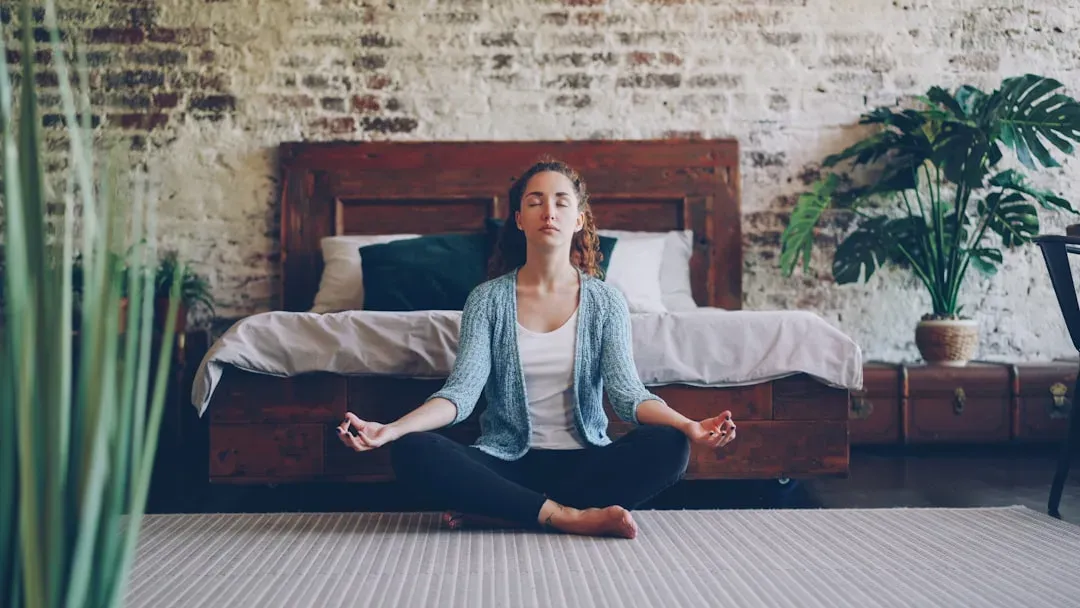
You should build routines by taking mindful pauses, checking in as families or teams, using emotion words regularly, and treating sleep, nutrition, and movement as part of your regulation toolkit. Inner peace doesn’t magically appear during a two-week vacation. It’s cultivated through small, consistent practices woven into the fabric of your daily life.
Dividing your day into quarters such as morning, midday, afternoon, and evening can help you regulate your emotions because pausing and checking in with yourself after each quarter takes you off autopilot and into the present. Maybe it’s a morning meditation, an evening gratitude practice, or a midday walk without your phone. These rituals become anchors that keep you grounded when life gets turbulent. Consistency matters more than perfection here. Progress, not perfection, is the goal.
Finding Peace Is a Lifelong Practice Worth Pursuing

Emotion regulation is not a luxury skill but a core life skill, and regulating emotions means not just hiding or ignoring them but understanding and managing them wisely to help us reach our goals and stay true to our values. The journey to emotional mastery and inner peace isn’t a destination you arrive at and check off your list. It’s an ongoing process of learning, growing, and becoming more of who you truly are beneath the reactive patterns.
Mastering your emotions is a lifelong journey that takes dedication, self-reflection, and practice, and embracing emotional intelligence opens up a world of opportunities allowing you to unlock your true potential and experience inner peace. Some days you’ll handle challenges with grace. Other days you’ll fall back into old patterns. That’s okay. What matters is that you keep showing up for yourself, keep practicing, and keep choosing awareness over reaction. The peace you’re seeking isn’t somewhere out there. It’s been inside you all along, waiting patiently for you to clear away the noise and connect with it. So tell us, what emotional trigger will you work on recognizing first?