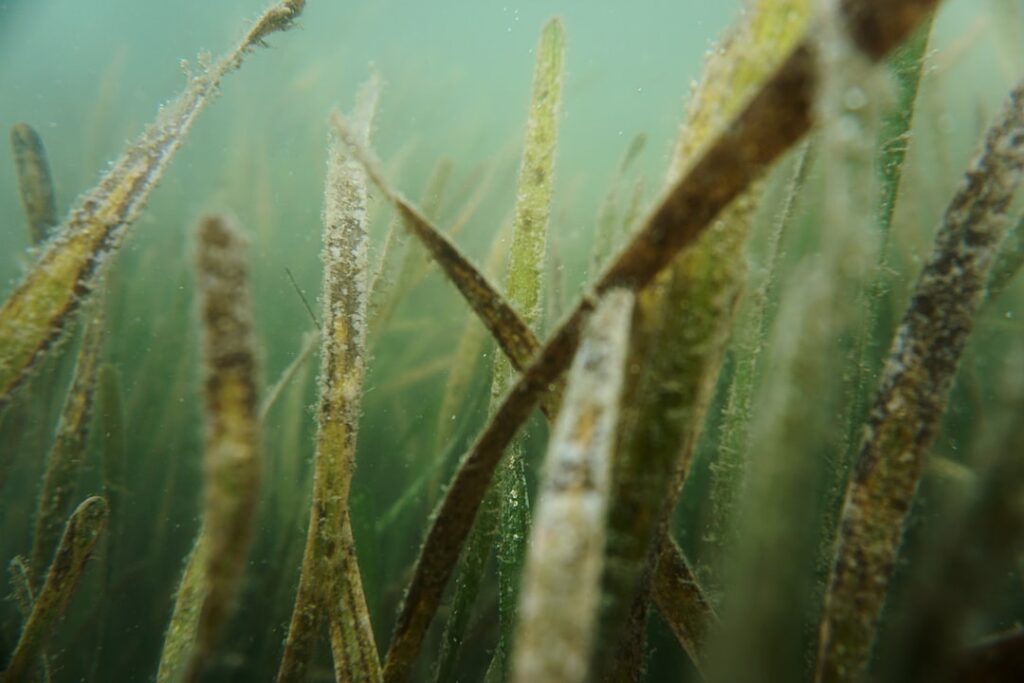
Marseille – Neptune grass meadows in the coastal waters off this major French port city have demonstrated nature’s remarkable capacity for renewal. Local researchers documented a surge in coverage following the rollout of wastewater treatment and protective regulations in the late 1980s. The findings from a long-term study in Prado Bay highlight how removing human pressures allowed the vital seagrass to rebound over four decades, offering lessons for marine conservation worldwide.
Decades of Damage to a Mediterranean Keystone
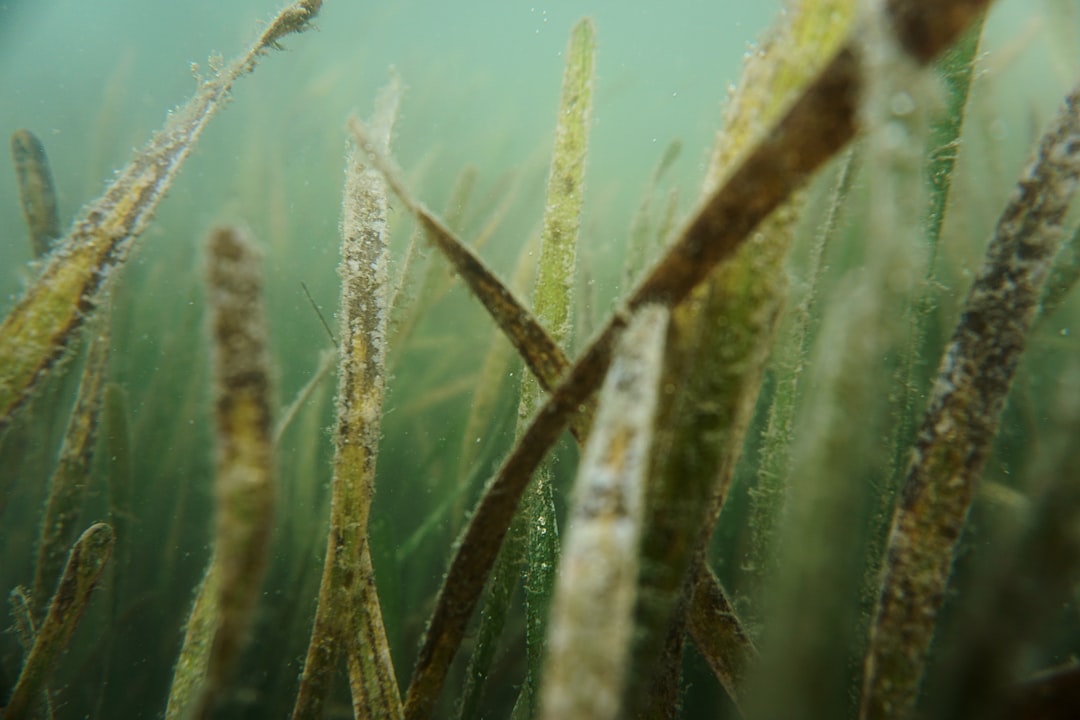
Decades of Damage to a Mediterranean Keystone (Image Credits: Unsplash)
Neptune grass, or Posidonia oceanica, forms dense underwater meadows that anchor the Mediterranean’s shallow ecosystems. This endemic seagrass hosted up to a quarter of the region’s marine species and excelled at carbon sequestration, rivaling tropical forests in efficiency. Yet throughout the 20th century, populations plummeted due to mounting human impacts.
Untreated sewage poured into the Bay of Marseille from 1896 until 1987, while industrial and urban runoff from rivers like the Huveaune compounded the problem. Bottom trawling, boat anchoring, coastal construction – including artificial beaches built from subway excavation spoil in the 1970s – and emerging threats like climate change accelerated the losses. A prior analysis revealed an annual biomass decline of about 7% in the half-century before 2009. By the 1980s, conditions in Prado Bay reached a nadir, with meadows nearly obliterated.
Strategic Interventions Spark Change
France introduced pivotal environmental measures in the mid-to-late 1980s. A wastewater treatment plant began operations in 1987, drastically cutting contaminants entering the bay. National laws curbed coastal development, and a decree classified Posidonia oceanica as a protected species, prohibiting its destruction. These steps later gained reinforcement through European Union directives on marine habitats.
Such actions addressed core stressors without direct replanting. Researchers noted the shift aligned with broader policies emphasizing habitat protection. Funding from Marseille’s city government, particularly since 2020 under a conservation-focused administration, supported ongoing monitoring.
- Wastewater treatment plant activation in 1987.
- Coastal development restrictions via national law.
- Protected status for Posidonia oceanica.
- EU-level marine habitat safeguards.
- Halts to further bay-area construction.
Four Decades of Measured Regrowth
In 1986, scientists established two permanent 36-square-meter quadrats on the seabed in Prado Bay to track potential recovery. They measured coverage through underwater photography until 1999, then resumed analysis up to 2025 using image-processing software. The dataset stands as one of the longest for seagrass monitoring.
Results stunned observers. Coverage in the first quadrat climbed from 47% in 1986 to 94% in 2025. The second rose from a mere 6% to 81% over the same period, with recolonization rates reaching up to 8.6% annually despite yearly fluctuations. Lead author Patrick Astruch, a research engineer at GIS Posidonie, described the trend as exceptional: “We observed exceptional recovering of the meadow in the Bay of Marseille.”
| Year | Quadrat 1 Coverage | Quadrat 2 Coverage |
|---|---|---|
| 1986 | 47% | 6% |
| 2025 | 94% | 81% |
Passive Restoration Outshines Planting Efforts
The study contrasted this passive approach – simply easing pressures – with active restoration techniques like transplanting or seeding, which have yielded limited success over 50 years. Experts emphasized that removing threats proved more reliable and cost-effective. Marine ecologist Maria Salomidi called the recovery “remarkable,” stating, “Passive restoration must always precede any active intervention as it is the most cost-effective and ecologically sound approach available.”
Astruch echoed the sentiment: “We cannot just play God and plant what we destroy. We just need to calm down on the way we are using nature, and we need to respect nature.” While small-scale passive projects like eco-moorings exist elsewhere, watershed-wide cleanups like Marseille’s remain rarer but highly impactful.
Ecosystem Engineer Returns to Strength
Posidonia oceanica meadows underpin Mediterranean food webs, supporting fisheries and biodiversity. Their dense structure stabilizes sediments, filters water, and sequesters carbon at superior rates. Recovery in Prado Bay signals restored habitat for myriad species, from fish to the endangered fan mussel.
Challenges persist, including slow growth rates and vulnerabilities to warming waters, invasives, and residual trawling. Yet the near-complete rebound – small bare patches occur naturally – affirms the species’ resilience when aided.
Key Takeaways
- Removing pollution drivers enabled up to 8.6% annual seagrass growth over 39 years.
- Passive methods outperformed costly replanting in this case.
- Findings support EU Nature Restoration goals through stressor mitigation.
Marseille’s story proves that decisive pollution controls can revive degraded marine habitats efficiently, paving the way for similar strategies across the Mediterranean and beyond. Conservationists now eye broader applications, from coral reefs to forests. What do you think about prioritizing pressure removal over planting? Tell us in the comments.