If you grew up picturing dinosaurs as slow, swamp-dwelling giants dragging their tails through murky water, you’re about to have that image completely rewritten. Over the last few decades, a wave of discoveries has flipped the script, turning dinosaurs from lumbering monsters into fast, hot-running athletes that would make a cheetah look over its shoulder. You are not just looking at a few odd species either; the evidence now points to many dinosaurs living life in the fast lane, powered by warm-blooded metabolisms and built for active hunting.
What makes this especially exciting is that researchers are not relying on one dramatic find or a single fossil. Instead, you’ve got a whole toolbox of clues: microscopic bone structures, chemical traces of metabolism, fossil trackways that capture movement, and even preserved feathers that hint at insulation. When you start stacking all of this together, it paints a surprisingly vivid picture. You’re no longer just staring at bones in a museum; you’re imagining alert, agile animals chasing prey, regulating their body temperature, and owning their ecosystems in a way that feels far more modern than you might expect.
The End of the Slow, Swamp-Lizard Dinosaur
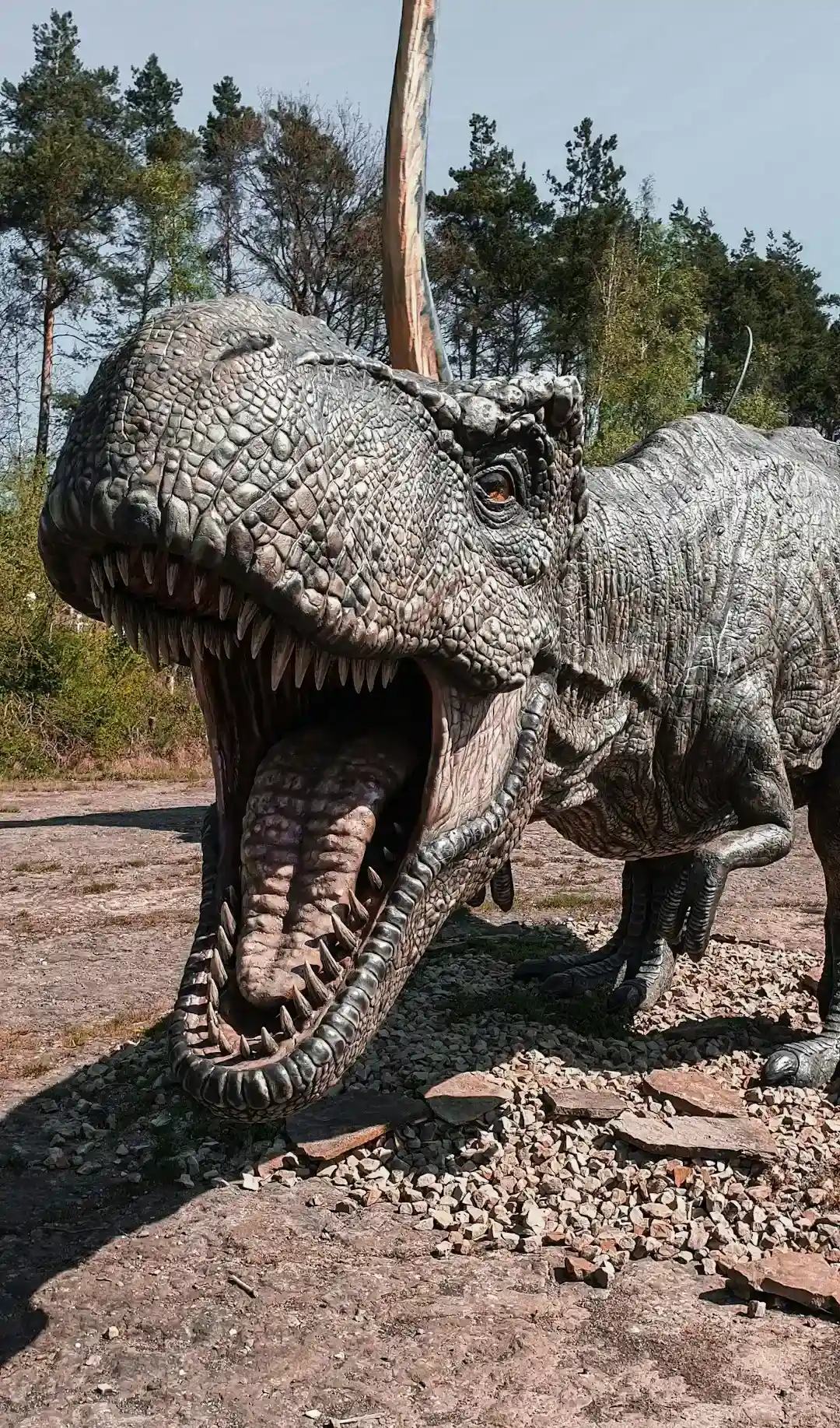
For a long time, you were told dinosaurs were basically oversized reptiles: cold-blooded, sluggish, and stuck waiting for the sun to warm them up before they could really move. That old view came from early twentieth-century interpretations, when scientists tried to squeeze dinosaurs into the same mold as crocodiles and lizards. If you imagine a huge animal with a cold-blooded metabolism, you naturally picture something that cannot sprint, chase, or migrate very far. It becomes a background creature in its own world, not a dynamic hunter.
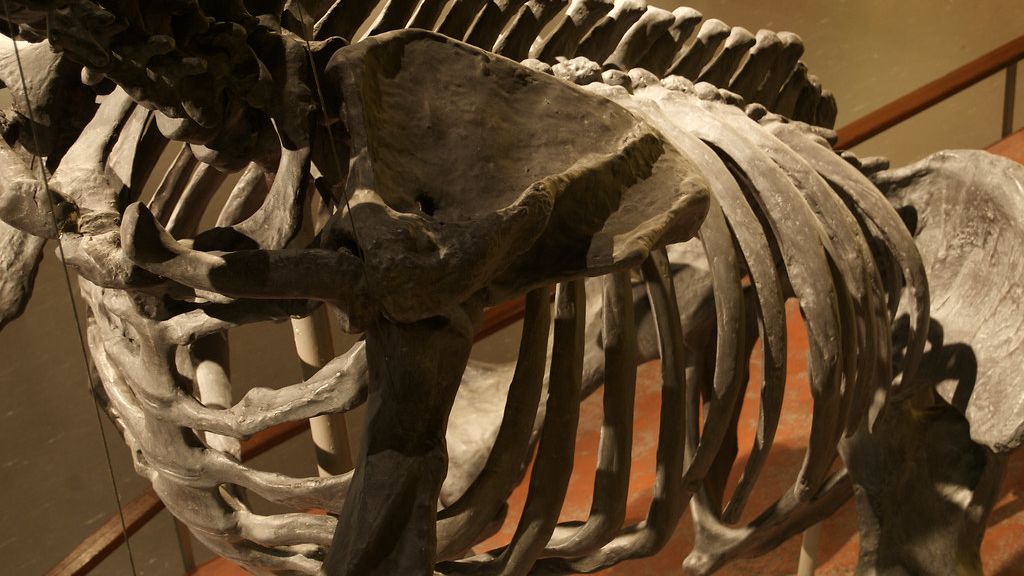
But as the fossil record got richer and your tools for studying it got sharper, that picture began to fall apart. You see skeletons with long, powerful legs and hip structures built to support upright, active movement instead of sprawling around like a modern lizard. You find trackways that show animals walking and running with purpose, not just shuffling along a riverbank. When you compare these bodies and behaviors to living animals, it becomes very hard to defend the old, swamp-lizard stereotype. Instead, you start to see dinosaurs as highly active animals that needed a stronger metabolic engine to match their lifestyle.
Reading Dinosaur Body Heat in the Bones
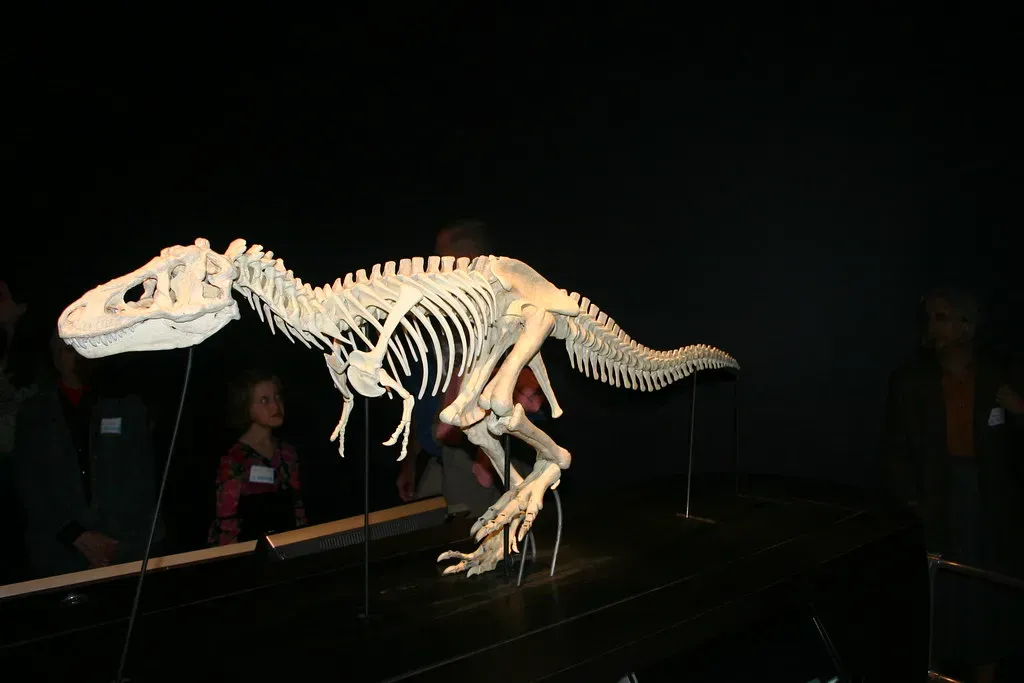
One of the most surprising pieces of evidence for warm-blooded dinosaurs is hidden right where you might least expect it: inside the bones themselves. When you slice a fossil bone thinly and look at it under a microscope, you can see the pattern of tiny canals and growth rings that record how fast the animal grew. In many dinosaurs, you spot bone textures that look much more like those in birds and mammals than in modern reptiles. That kind of structure usually appears in animals that grow quickly and run a fairly high metabolism, rather than in creatures that grow slowly and depend heavily on outside temperature.
More recently, you also get chemical clues that help you estimate actual body temperatures. Some techniques compare different forms of oxygen and carbon in bone or eggshell minerals, giving you a snapshot of how warm the dinosaur was when those tissues formed. When you apply these methods to certain species, the temperatures you find are closer to what you see in mammals or birds than in cold-blooded reptiles. That does not mean every dinosaur had the same metabolism, but it does push you to see many of them as warm, internally heated animals, not passive sunbathers.
High-Energy Bodies Built for the Chase
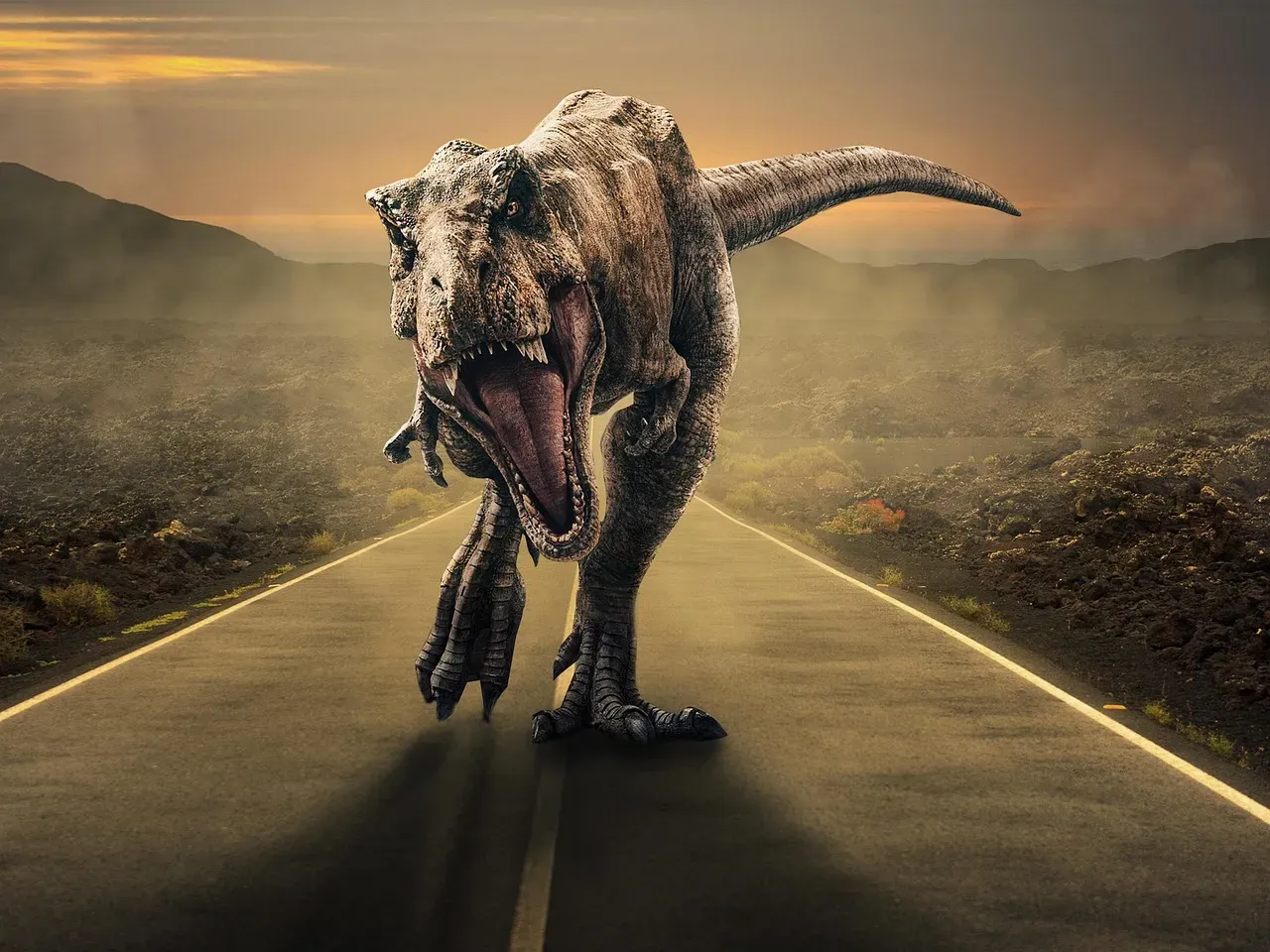
If you look at the skeletons of classic predators like Velociraptor or larger hunters like Allosaurus, you immediately notice something: these bodies are all about speed and control. You see long hind legs, stiffened tails acting like counterbalances, and joints designed for a wide range of motion. When you imagine these animals moving, it feels less like a crocodile’s lunge and more like a fast, coordinated pursuit. For that kind of movement to work over any length of time, you need a heart and lungs that deliver steady energy, not just short bursts of power.
Warm-blooded, or at least high-powered, metabolisms fit neatly with this picture. If you have ever watched a house cat stalk and then explode into a sprint, you know what a small predator can do with a constant supply of energy. Now scale that up to an animal that can look you in the eye while it runs. You would be looking at a hunter that keeps its muscles ready even when the air cools, that can chase prey early in the morning or late in the evening. You are not just dealing with sharp teeth and claws; you are facing an engine tuned for endurance and rapid response.
Feathers, Insulation, and the Need to Stay Warm
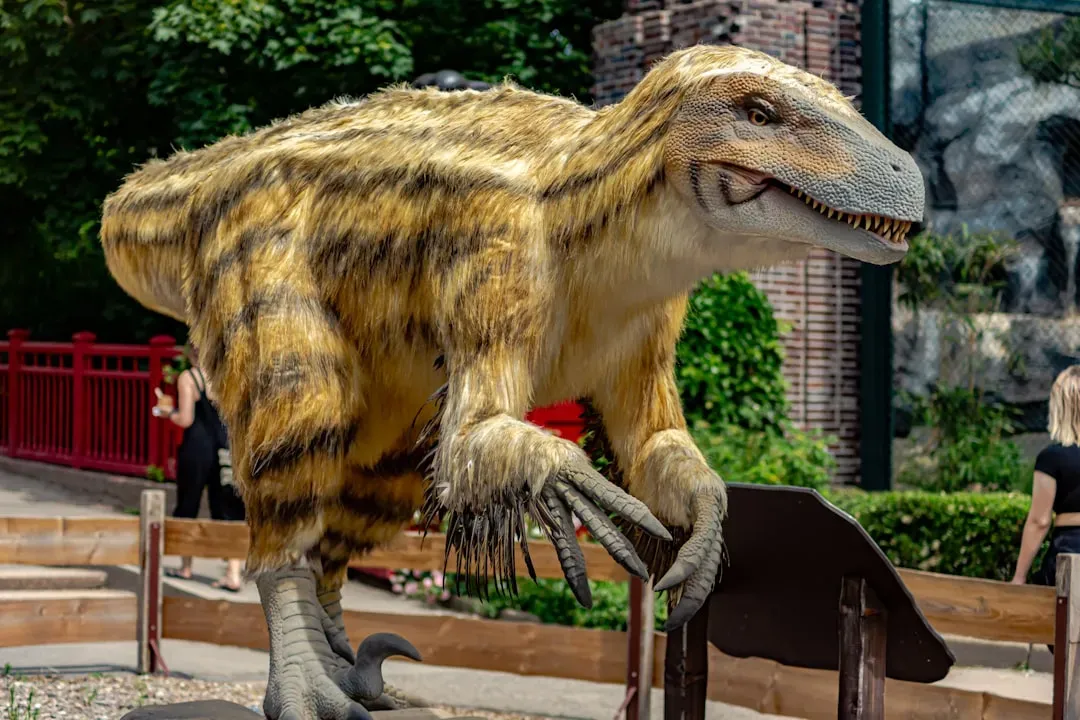
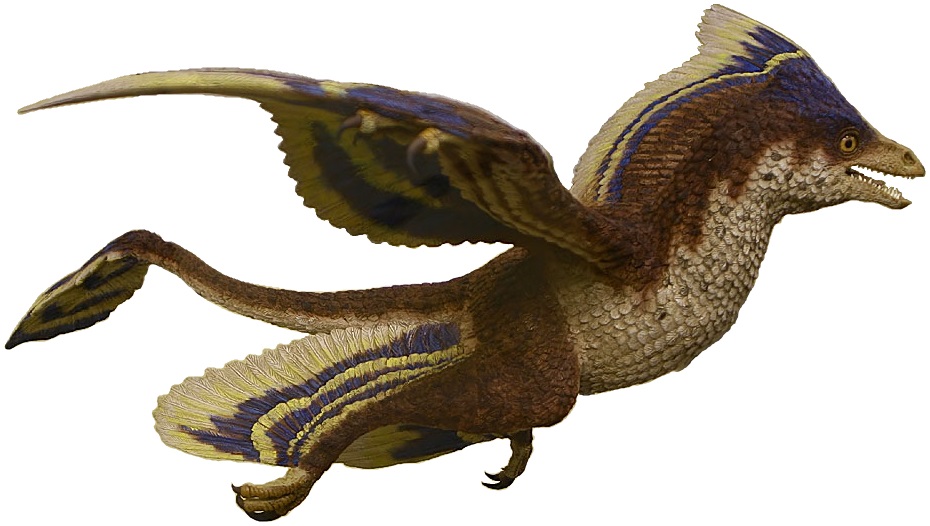
Feathers might sound like a detail reserved for birds, but they turn out to matter a lot when you are talking about dinosaur body temperature. Fossils from several dinosaur groups, including small predators related to birds, show traces of feathers or feather-like filaments. You might think of them only as tools for flight, but in many cases they were more like fur, wrapping the body in a layer of insulation. If you have insulation, you are usually trying to keep heat in, which suggests you already have internal heat to begin with.
When you picture a small, feathered dinosaur moving through a cooler climate or hunting at dawn, the logic becomes clear. An animal that depends mainly on the sun for warmth does not bother wrapping itself in a thermal blanket; it simply basks when it can. But an animal that produces a lot of its own heat has something to protect, just like a mammal’s fur or a bird’s down does today. You can almost think of the feathers as quiet proof that, inside, the metabolic fires were burning hot, driving active muscles and sharp senses even when the air was chilly.
Footprints, Trackways, and Evidence of Speed
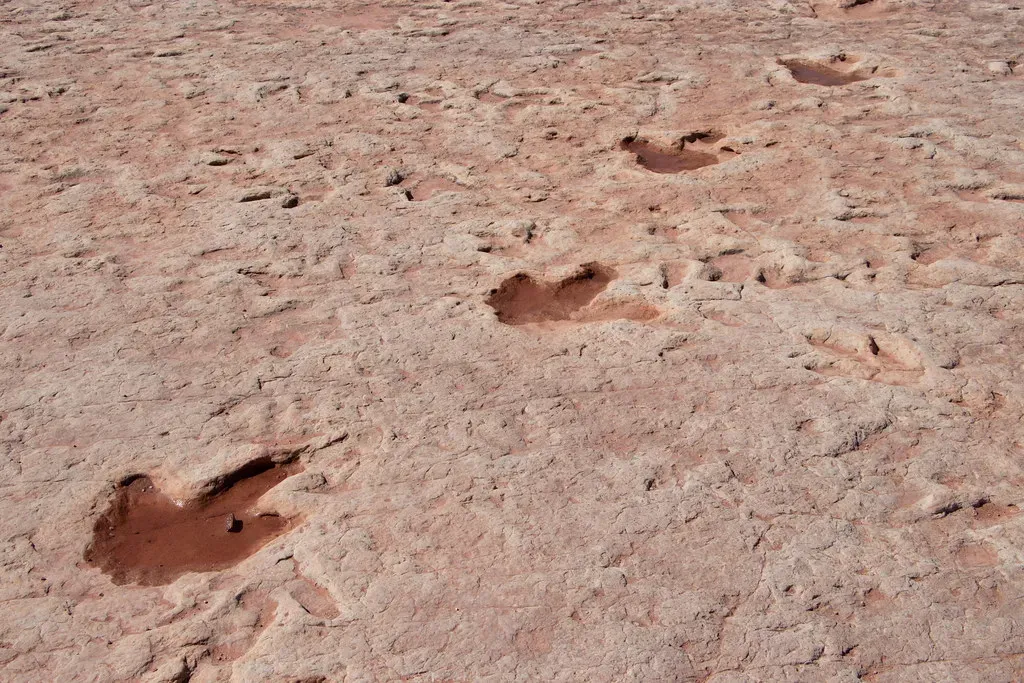
Sometimes the most vivid stories come not from the bones but from the shadows they left behind. Dinosaur trackways, long strings of footprints preserved in ancient mud or sand, give you a direct look at how fast these animals were moving and how their bodies worked in real time. By measuring the distance between steps and the size of the footprints, you can estimate walking or running speeds. In many cases, those speeds are too high to match a heavy, cold-blooded reptile lumbering along; they look more like the paces of animals that are built for quick, decisive motion.
Some trackways even capture what seems to be the choreography of a hunt: a predator’s footprints parallel to herbivores, or sharp changes in direction that hint at a sudden sprint. When you piece that together with the skeletal evidence, you are not just guessing about agility any more. You are watching it unfold across time, step by ancient step. It becomes much easier to imagine dinosaurs as active hunters, reacting quickly to prey or danger, with bodies that could supply the energy needed for bursts of speed and long-distance travel.
Different Dinosaurs, Different Metabolic Strategies
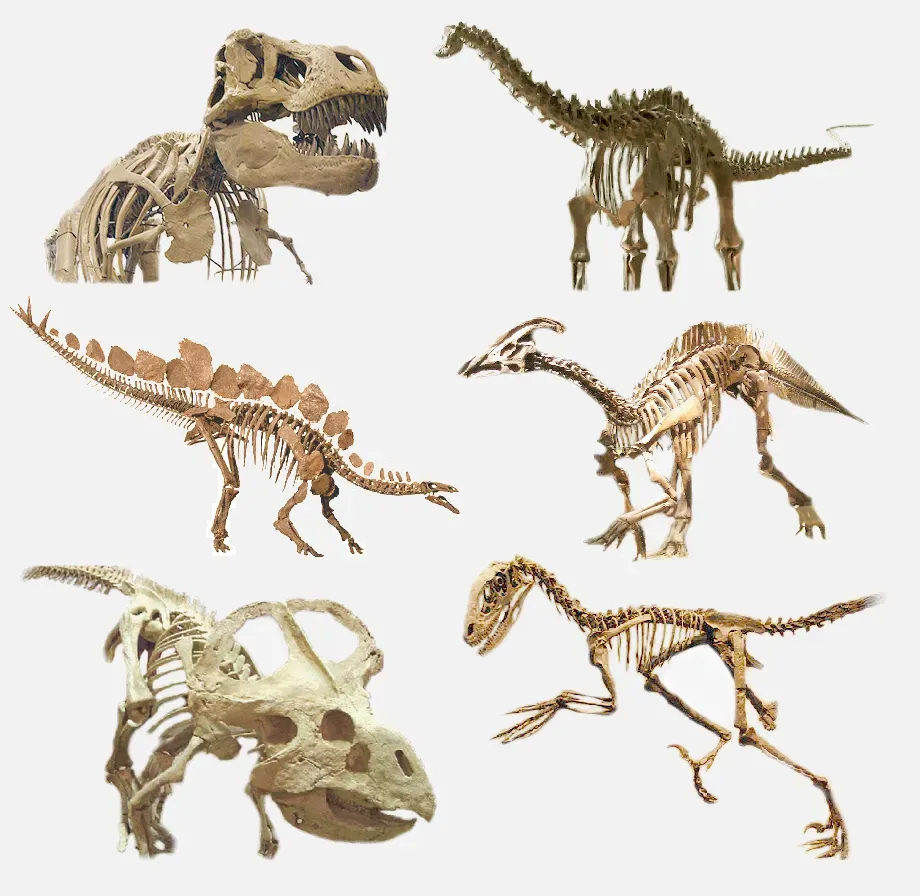
derivative work: Hic et nunc, CC BY-SA 3.0)
Even with all this evidence, you should not put every dinosaur into the exact same metabolic box. Just as you see huge differences today between a hummingbird, a cow, and a crocodile, you can expect a range of strategies in the dinosaur world. Smaller, predatory species and the ancestors of birds likely pushed toward higher, more constant body temperatures. Larger plant-eaters may have used a mix of approaches, relying partly on their sheer size to retain heat, a bit like massive living radiators that warm slowly but stay warm for a long time.
This idea of a spectrum, rather than a simple switch between cold-blooded and warm-blooded, helps you make sense of conflicting clues. Some dinosaurs may have had intermediate metabolisms, strong enough to fuel active movement but not as extreme as what you see in tiny, high-strung birds today. Others might have changed their energy demands depending on growth stage or environment. When you think about it this way, the dinosaur world starts to feel more like a complex, living system than a simple cartoon, with each species tuning its body to fit its lifestyle and habitat.
What Agile, Warm-Blooded Dinosaurs Mean for Evolution
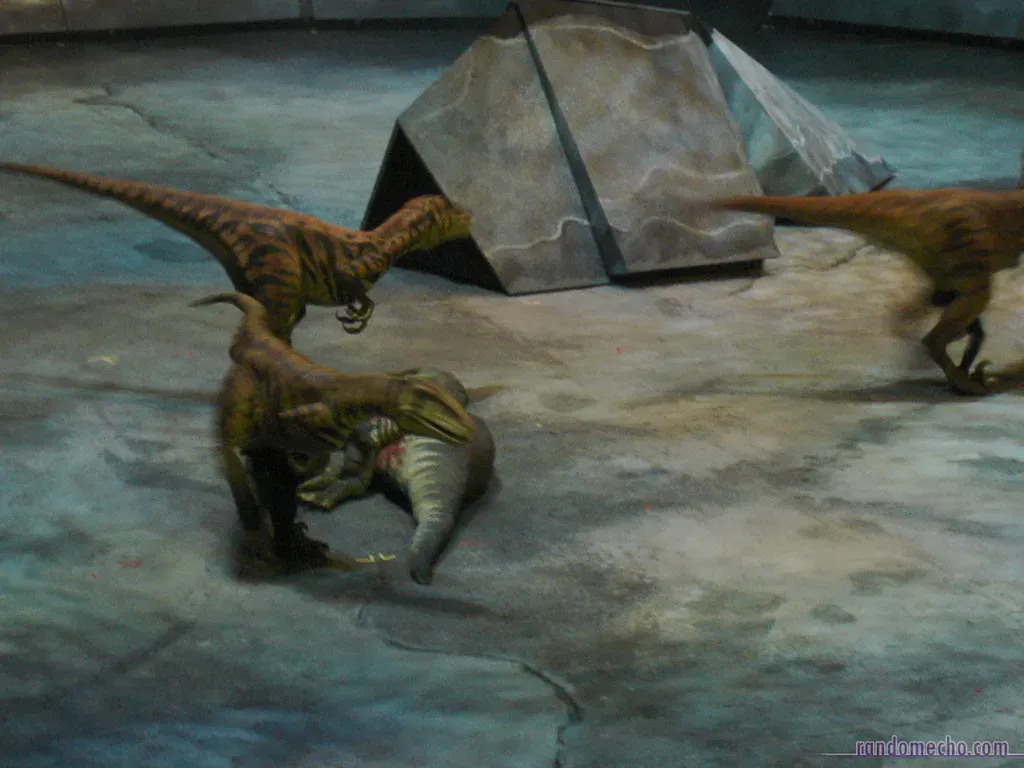
Recognizing many dinosaurs as warm-blooded and agile hunters helps you redraw the bigger evolutionary map. Instead of seeing birds as surprisingly advanced outliers, you start to see them as the latest chapter in a long-running story of active, high-energy dinosaurs. Traits like fast growth, high metabolism, and complex behavior no longer arrive suddenly; they evolve gradually within this broader group. That gives you a more continuous bridge between the age of dinosaurs and the world of modern birds soaring overhead or hopping around in your backyard.
It also changes how you think about dinosaur dominance. If these animals ran on powerful internal engines, they were not just big; they were efficient, adaptable, and able to thrive in a wide range of climates and conditions. That kind of metabolic advantage helps explain why they became the ruling land animals for such a long stretch of Earth’s history. When you picture the Mesozoic now, you might not just see giant reptiles; you might see ecosystems full of hot-running, sharp-eyed hunters and equally tough plant-eaters constantly on alert.
How This New Picture Changes Your View of the Past
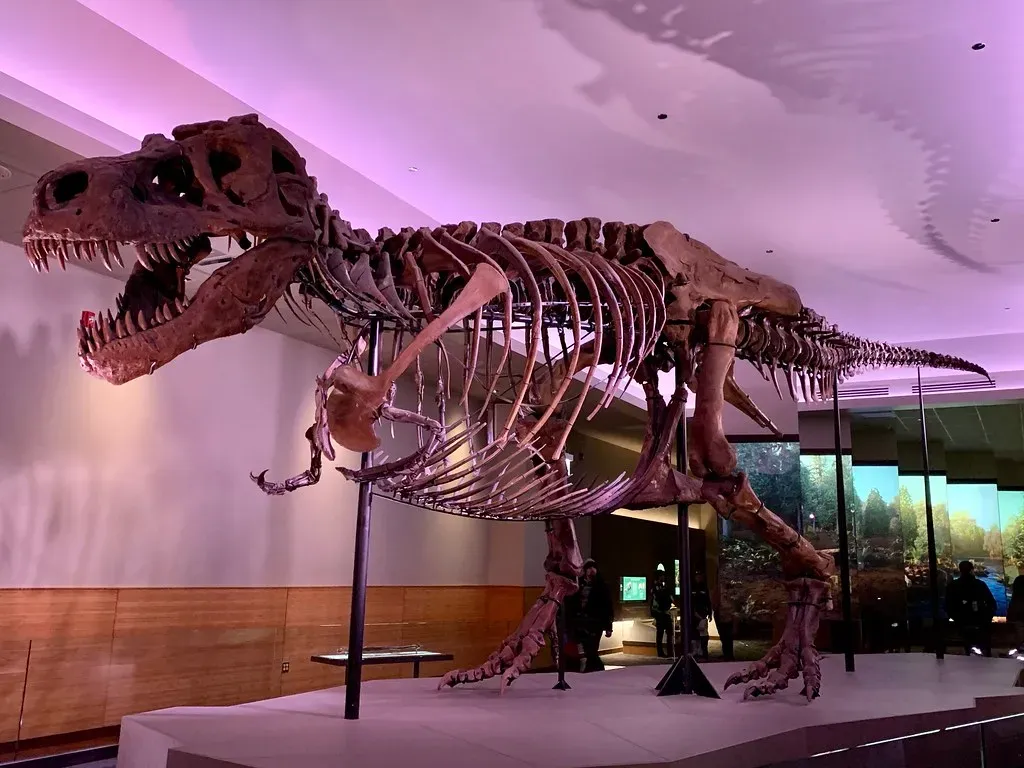
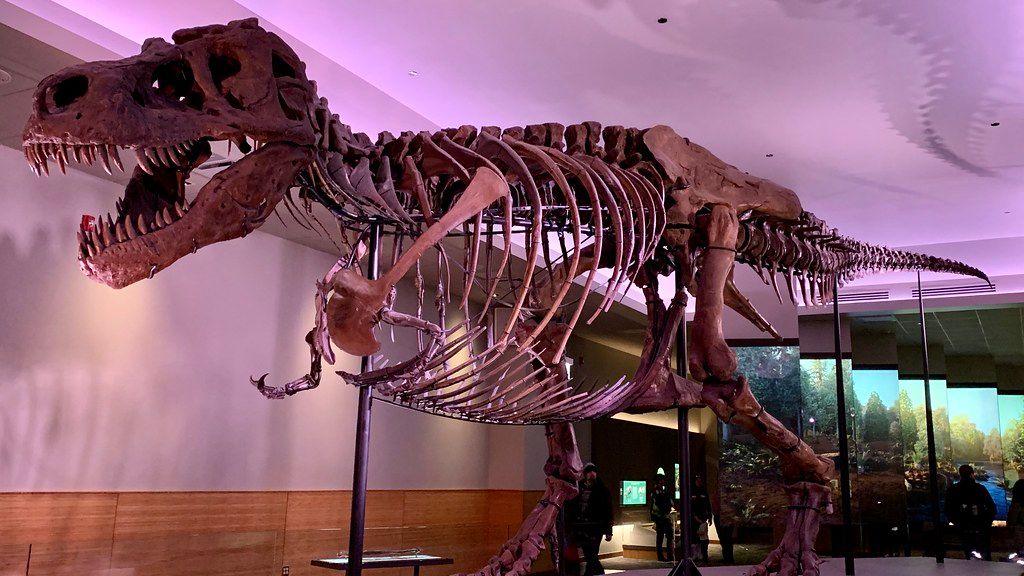
Once you accept that many dinosaurs were warm-blooded and agile, it becomes hard to go back to the old mental movie. The next time you walk into a museum, you might catch yourself mentally adding feathers, tightening up postures, and imagining faster strides as you pass the skeletons. That T. rex is no longer a sluggish brute waiting for an easy meal; it is a powerfully built predator that could move with more grace and speed than you might be comfortable admitting. The smaller theropods suddenly look like hyperactive ground birds, darting and leaping through their environments.
This shift also pulls you a little closer to these animals emotionally. When you see them as dynamic, warm, constantly active creatures, they start to feel less alien and more like extreme versions of animals you already know. You are not just studying fossils; you are trying to understand how life on Earth experimented with energy, movement, and survival on a massive scale. It invites you to imagine what it would have felt like to stand in a dinosaur-filled landscape, hearing the footfalls of warm, living bodies instead of thinking only about the bones they left behind.
In the end, the story of warm-blooded, agile dinosaurs is really a story about how your understanding of the past can change when you look closer and ask better questions. The more evidence you gather, from bone microstructure to feather impressions and trackways, the more that old picture of slow, dull reptiles crumbles away. In its place, you get a world buzzing with energy, full of hunters and prey locked in fast-paced struggles that lasted for millions of years.
That new image does not just rewrite textbooks; it reshapes how you think about evolution, survival, and what it means to be a dominant life form on this planet. As scientists keep refining the details, you are left with a simple, powerful idea: the age of dinosaurs was far more alive, more active, and more familiar than you were ever taught to believe. When you imagine those ancient hunters now, do you still see cold, sluggish beasts, or do you picture hot-blooded athletes sprinting through a world that once belonged entirely to them?