Imagine standing on a grassy hillside, looking out over a wide open valley dotted with scattered trees and a river winding through the distance. Even if you have never been to Africa, scenes like that often feel strangely familiar and deeply calming, almost like your nervous system quietly sighs in relief. That reaction is not just poetic; a growing body of psychological and evolutionary research suggests that many people around the world are subtly drawn to landscapes that resemble the African savannas where early humans evolved.
This idea is both fascinating and controversial because it implies our sense of beauty in nature is not purely cultural or personal, but partially wired into us by millions of years of survival. At the same time, the evidence is not perfectly neat, and human preferences are shaped by culture, memory, and experience too. Still, when you look at which landscapes people repeatedly pick as “most beautiful” or “most ideal to live in,” a pattern often keeps coming back: gentle grassy slopes, water in view, scattered trees, safe vantage points, and a mix of open and sheltered spaces that look suspiciously like scenes from ancient Africa. Let’s unpack why that might be, and where the science is still cautious.
The Savanna Hypothesis: Why African-Looking Landscapes Feel Like Home
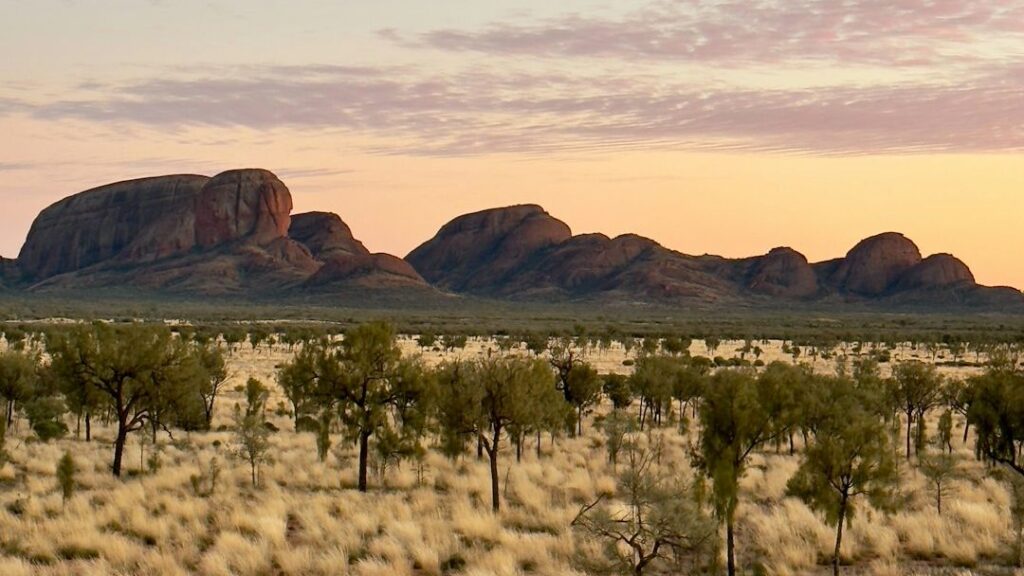
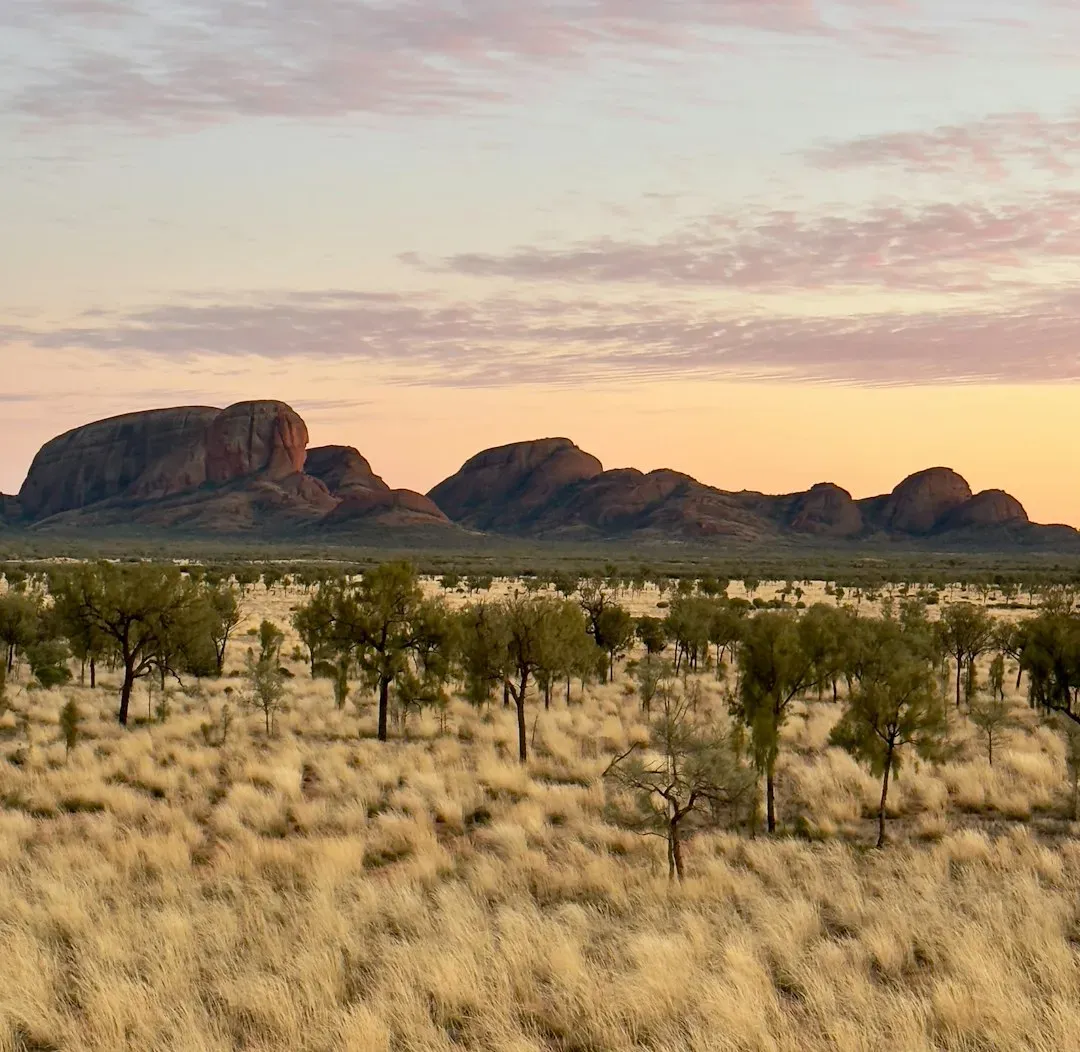
One of the most influential ideas here is known as the savanna hypothesis. It suggests that because humans evolved for a very long time in African savanna environments, our brains still carry a deep, built-in preference for similar landscapes. Savannas combine open grasslands with scattered trees and patches of shade, giving early humans a blend of visibility, resources, and protection. From a survival point of view, that mix of openness and shelter made sense: you could spot predators from a distance, but you also had places to hide, rest, and find food and water.
Modern psychological studies have found that people in different cultures often rate savanna-like scenes as more attractive or more comfortable than very dense forests, stark deserts, or flat featureless plains. These preferred landscapes tend to share a few features: moderate tree cover, gently rolling ground instead of steep cliffs, visible water or greenery hinting at water nearby, and enough open space to see without feeling too exposed. We may not consciously think “this looks like ancient Africa,” but our nervous systems respond in a way that seems to echo conditions our ancestors needed to survive.
What Experiments Actually Show About Landscape Preferences
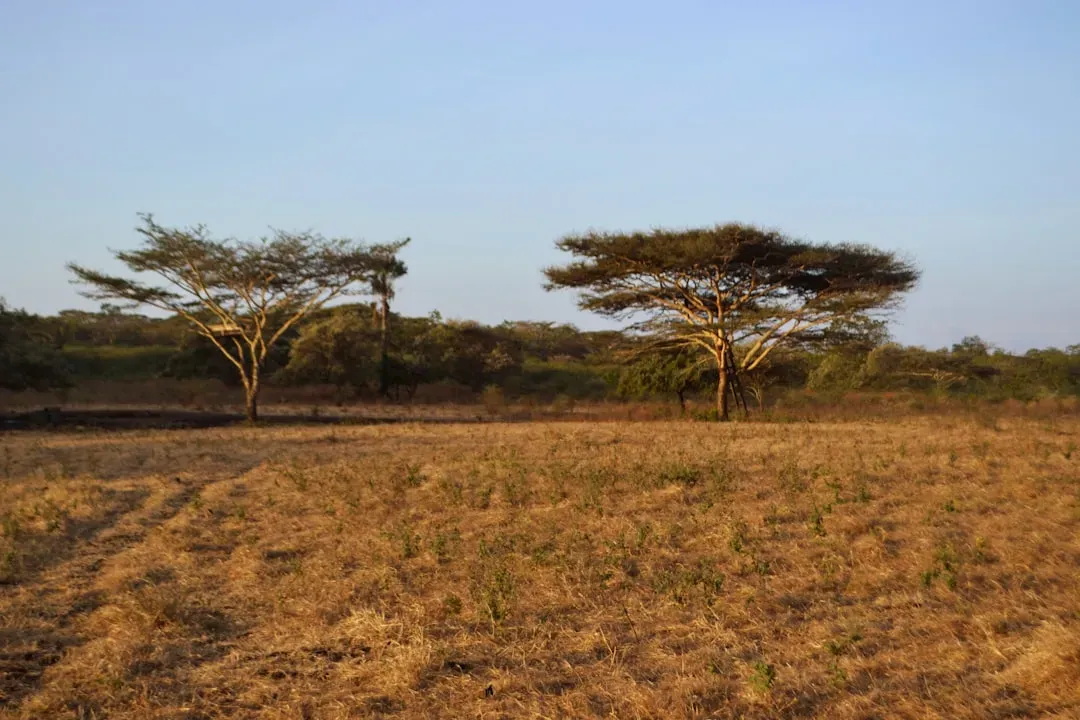
Researchers have tested these ideas in surprisingly simple ways: by showing people photographs or paintings of different environments and asking which ones they like best or where they would rather live. Across age groups and various countries, people often lean toward scenes that look a lot like idealized savannas: scattered trees, visible horizons, some water, and rich, varied vegetation. Children, who have less cultural conditioning, sometimes show similar patterns, which hints that at least part of this preference may be innate rather than purely learned.
Of course, the results are not perfectly uniform, and that’s important. People who grow up near mountains, deserts, or coasts often develop a strong attachment to those environments. Some studies also find that local or familiar landscapes can be preferred just as much as savanna-like settings. So the data support a trend, not an unbreakable rule. Think of it less like “everyone secretly loves the savanna more than anything” and more like “many of us have a built-in soft spot for landscapes that quietly echo where our species began.”
Features Our Brains Quietly Scan For: Water, Trees, and Open Views
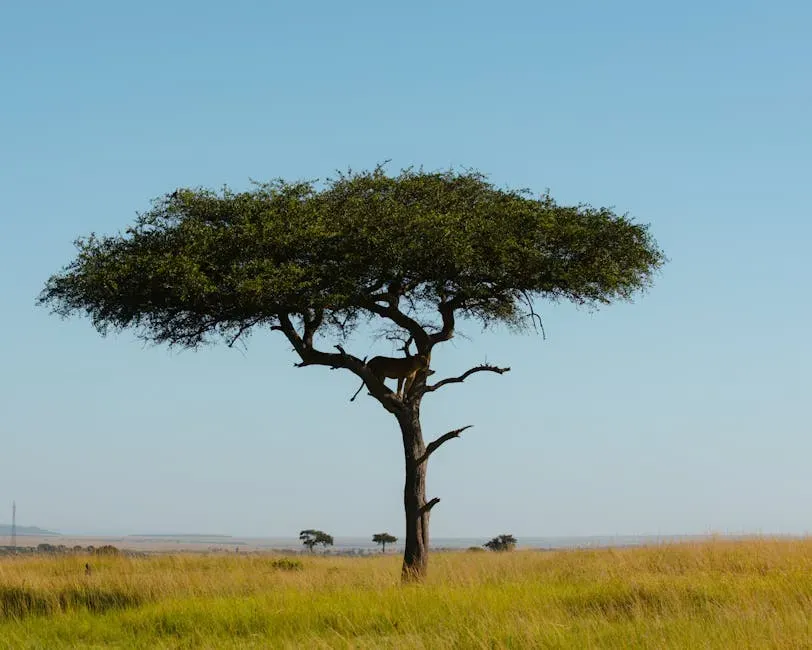
When you look at the details of which scenes people tend to choose, certain elements keep showing up, almost like a visual checklist. Water is a big one: rivers, lakes, or even small ponds make landscapes more appealing and calming. From an evolutionary perspective, this makes obvious sense – no water, no life. Trees and vegetation are another powerful cue. People often like scenes with a mix of grass and trees rather than dense jungle or totally bare land. That balance suggests both visibility and resources: food, shade, wood, and places to shelter.
Open views play a huge role too. Panoramic vistas, sightlines over valleys, and gentle slopes that let you see far often feel safer and more peaceful than tight, enclosed spaces. Our brains are still wired to care about potential threats and escape routes, even if the “predator” in modern life is more likely to be an email than a lion. When you combine these ingredients – water, scattered trees, greenery, and a clear view – you end up with something that looks strikingly similar to classic East African savanna scenes, even if the photo was taken in a European park or a North American meadow.
Prospect and Refuge: The Deep Comfort of Seeing Without Being Seen
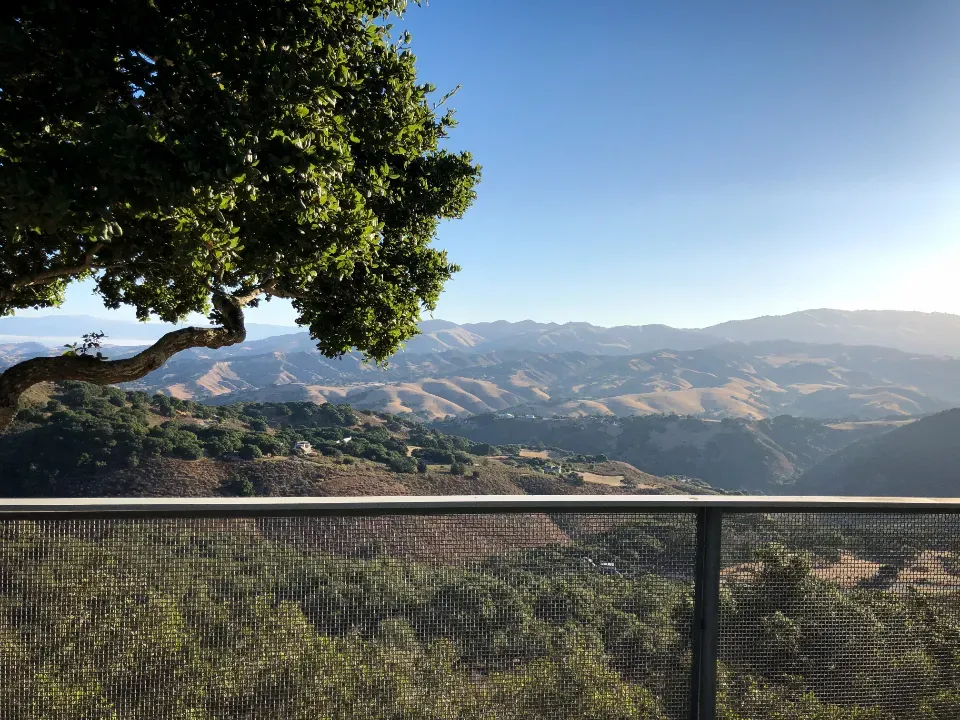
Another influential idea in environmental psychology is called prospect–refuge theory. In plain language, it says humans tend to feel best in places where we can look out (prospect) while also having somewhere to withdraw or hide (refuge). Think of sitting in a café by a window, tucked in a corner seat where you can see everyone but not everyone sees you. That same pattern shows up in nature: we are drawn to spots that combine a good vantage point with a sense of safety.
Ancient African landscapes often offered exactly that combination: slightly raised terrain for looking out over the plain, patches of trees or rocks to duck behind or rest under, and enough openness to notice anything moving. Modern research suggests that scenes with both prospect and refuge are consistently rated as more comfortable and attractive. A balcony overlooking a park, a bench beneath a tree with a view of a lake, or a hillside with a single large tree at your back all tick those boxes. We say they are beautiful, but part of what we might mean is that they feel like a smart place for a fragile primate to be.
From Savannas to City Parks: How Urban Design Echoes Ancient Africa
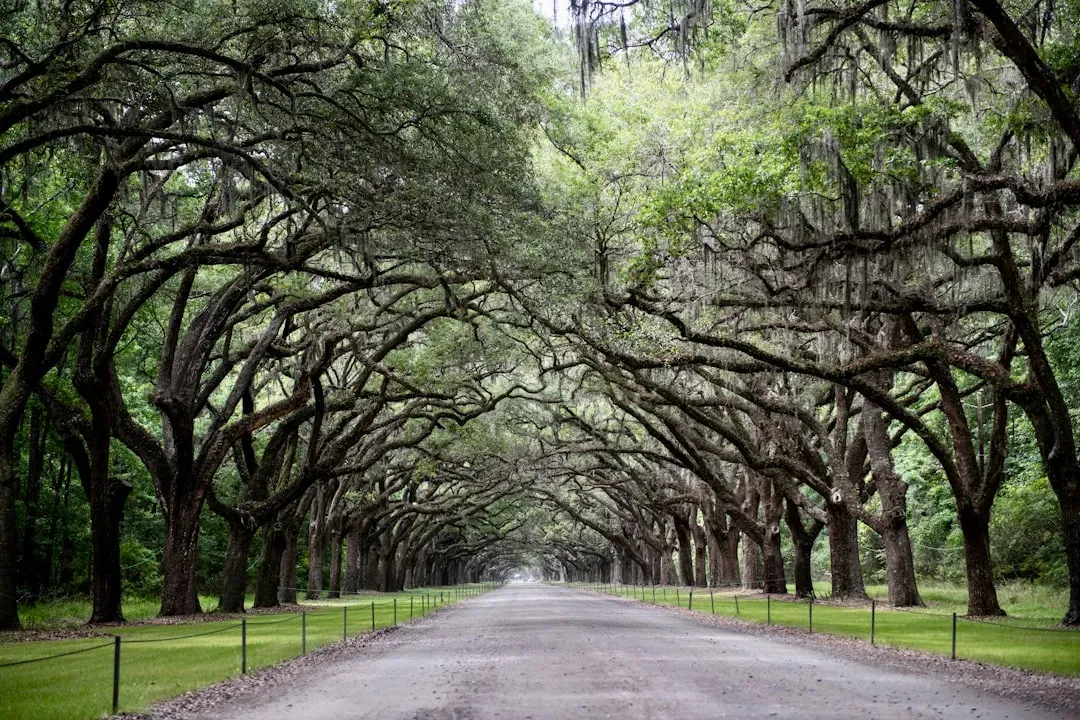
If you look closely, many city parks and suburban neighborhoods quietly echo savanna-like designs, even when planners never mention evolution. Popular parks often have open lawns broken up by groups of trees, curving paths, water features, and small hills or overlooks. These layouts are not random; they are repeatedly found to make people linger, relax, and come back. The same goes for certain kinds of residential developments that feature green belts, lakes, and scattered trees with open sightlines.
Landscape architects and urban designers may talk in terms of aesthetics, safety, and usability, but at a deeper level they are tapping into preferences that line up with what kept our ancestors alive. Spaces that allow you to see others from a distance, that offer shade and greenery, and that include visible water feel inviting and reassuring. When a park feels “right” instantly, there is a fair chance it shares a family resemblance to those ancient African scenes, even if it is surrounded by skyscrapers and coffee shops instead of acacia trees and grazing herds.
Cultural Differences, Personal Memories, and When the Pattern Breaks
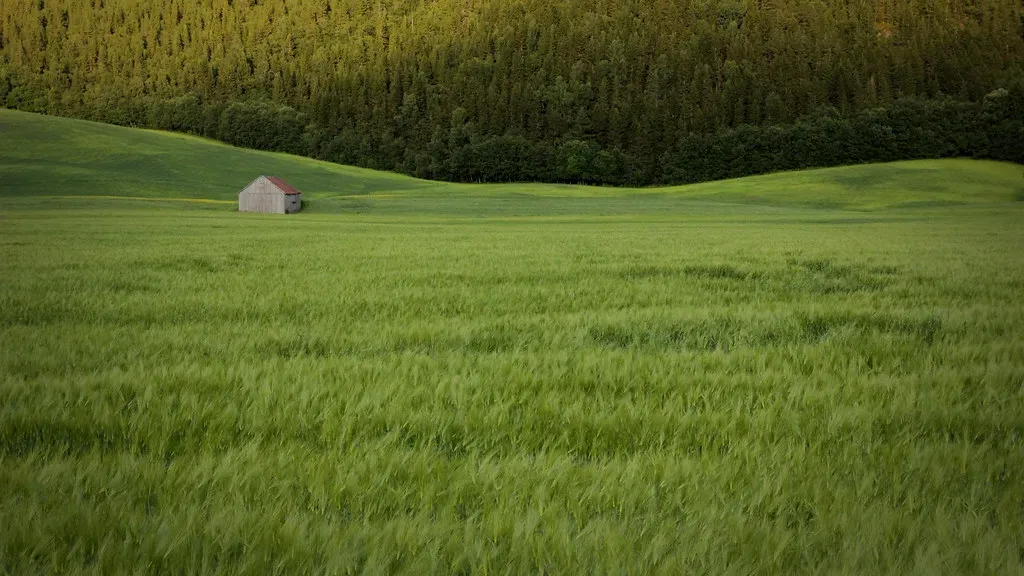
As tempting as it is to say “everyone everywhere loves savanna-like landscapes,” the reality is more complicated. Culture, climate, and personal experience all shape what feels beautiful or comforting. Someone who grew up near dramatic mountains might feel restless in flat open areas, while another person raised near the ocean may crave the sight and sound of waves more than anything else. Indigenous communities in forests, deserts, or Arctic regions often have deep emotional and spiritual ties to landscapes that look nothing like East Africa.
Personal memories also leave a strong imprint. A small, scruffy patch of woods behind your childhood home might mean more to you than any perfect postcard savanna scene because it is wrapped up with your own story. Trauma, fear, and positive experiences can all shift what feels safe or unsafe in the environment. So while the evolutionary story helps explain broad tendencies, it does not erase the powerful role of culture and memory. I think the healthiest way to see it is as one layer among several, not as a single master explanation.
Nature, Stress, and Why “Savanna-Like” Scenes Calm the Mind
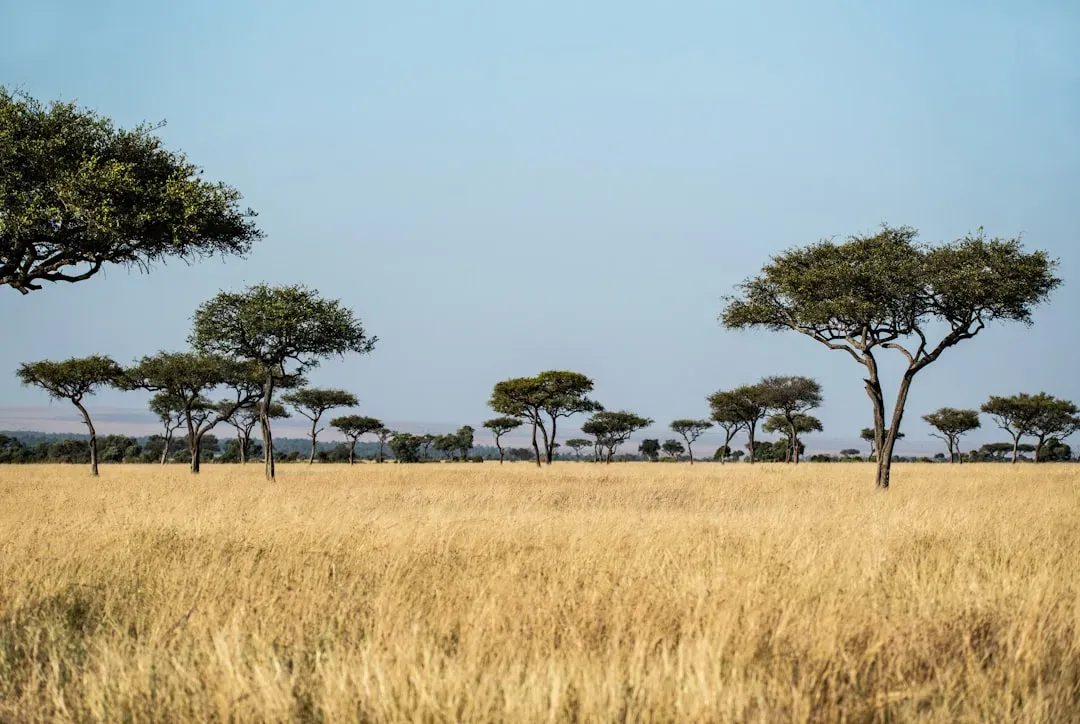
Regardless of the exact landscape, spending time in nature tends to lower stress, improve mood, and help with attention and creativity. But some studies suggest that environments with features similar to ancestral African landscapes – greenery, scattered trees, water, open views – may be especially good at calming our nervous system. People exposed to images or experiences of such settings often show reduced physiological stress markers, like lower heart rate or blood pressure, compared with more chaotic urban scenes.
There is also an idea in psychology known as attention restoration theory, which suggests that natural settings with gentle, fascinating details help our overloaded brains recover. Savanna-like landscapes, with their layered views, soft movement of leaves or grass, and visible yet uncluttered horizons, fit that description very well. To me, it feels a bit like our minds recognize these scenes as “safe enough to let our guard down for a moment,” which is something many of us are desperate for in the constantly buzzing digital world.
Are We Really “Wired” for Ancient Africa, or Is That an Oversimplification?
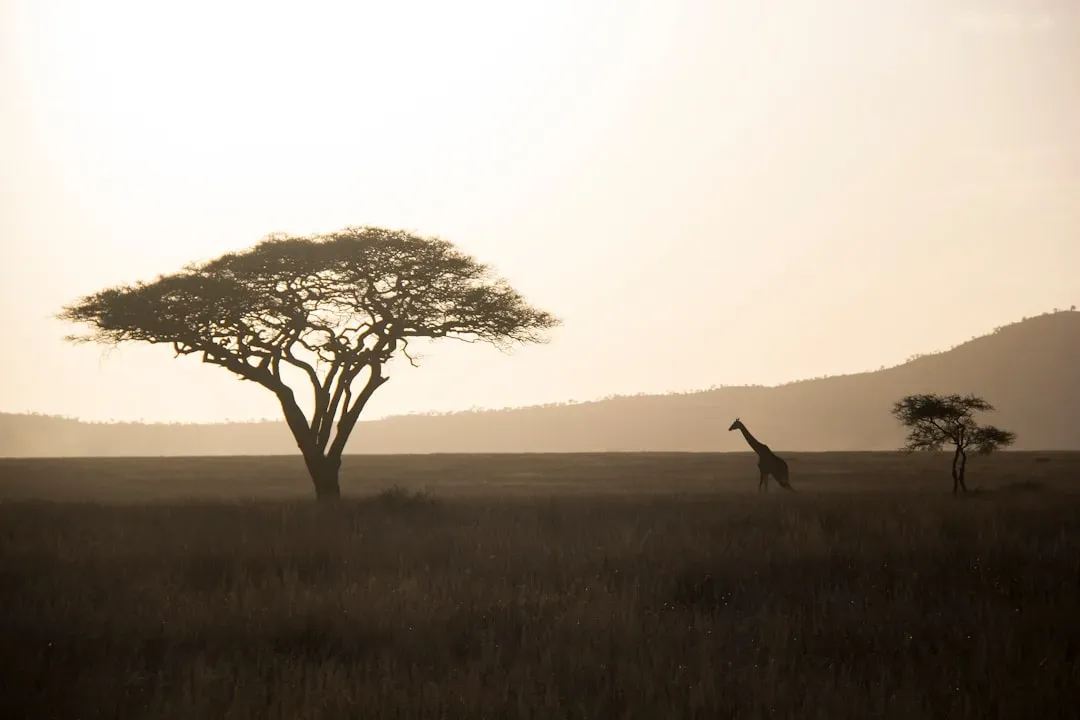
Here is where things get touchy: some critics argue that claims about universal savanna preferences are exaggerated or too neat. Human evolution did not stop when people left Africa; different groups adapted to forests, mountains, coasts, and icy tundras over many thousands of years. On top of that, we know culture can powerfully shape what we consider beautiful or ideal, from rice terraces to fjords to neon-lit cityscapes. So it would be misleading to say that psychology has “proven” that we are all secretly programmed to love African-style savannas more than anything else.
The fairest reading of the science right now is that there is suggestive, but not absolute, evidence for broad human preferences that line up with features of ancient African landscapes. Studies often find those patterns, but not always, and not in every group. Some of the research uses simplified images or limited samples, which means we should stay cautious about sweeping claims. Personally, I find the savanna idea compelling as one piece of the puzzle, but I also think it can be romanticized too easily. Real human preferences are messy, layered, and shaped by both our distant ancestors and our very recent lives.
What This Means for How We Build, Travel, and Look at the World
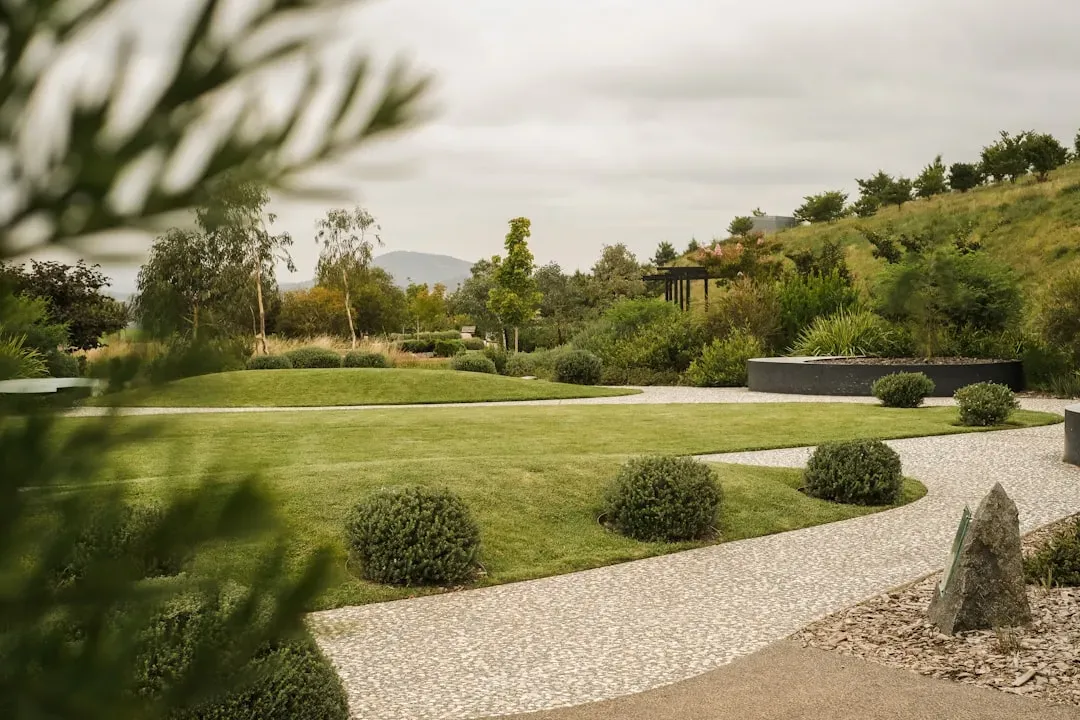
Even with all the caveats, there is something powerful about realizing our reactions to landscapes are not just about style or trends, but might reach back millions of years. When you choose a house with a view, pick a travel destination, or decide which park to sit in, you might be quietly following a very old script: water in sight, gentle openness, some shade, and a place to watch from safety. That does not mean you have to move to a savanna-like environment, but it can explain why certain places feel instantly “right” in a way you cannot easily put into words.
Designers, planners, and even everyday people can use this knowledge in a grounded way. Adding more trees, small water features, visible horizons, and layered spaces of prospect and refuge can make streets, schools, workplaces, and homes more welcoming. My own opinion is that we underestimate how deeply our bodies remember the old rules of survival when we stare all day at walls and screens. Maybe we do not just miss “nature” in some abstract sense – we miss the feeling of standing where humans were shaped, in landscapes that still quietly resemble the cradle of our species.
Conclusion: Ancient Landscapes in Modern Minds
When you put everything together, the idea that is both surprisingly persuasive and necessarily incomplete. The savanna hypothesis and related theories give a compelling explanation for why so many of us love open views, scattered trees, and water nearby, and why such places feel like a deep, almost wordless comfort. At the same time, the evidence is patchy in spots, and real humans carry the fingerprints of countless environments, cultures, and personal histories that bend and shape our preferences in all kinds of directions.
My own take is this: evolution laid down a quiet background melody in our minds, a tune shaped on ancient African ground, and each of us layers our own cultural and personal notes on top. We should neither ignore that ancient music nor pretend it is the only song we hear. Instead, we can treat it as a reminder that our love for certain landscapes is not a luxury; it is tied to how our nervous systems were built in the first place. The next time a view steals your breath for no obvious reason, it might be worth asking: is that just a pretty scene, or is some ancient part of you recognizing home in it?