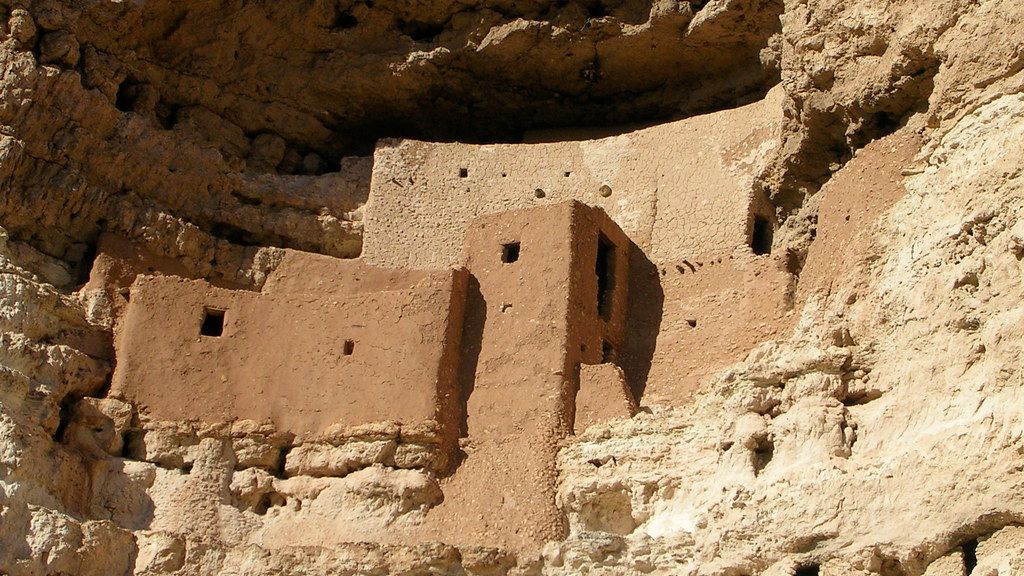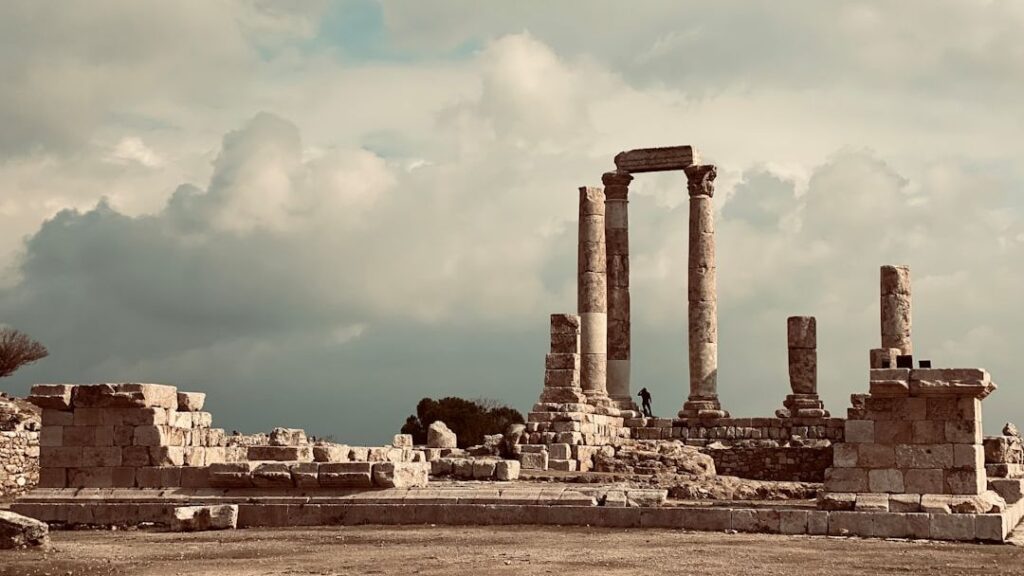
There’s something strangely moving about standing in front of crumbling stone that has outlived empires, religions, and entire ways of life. Many people will say they just like “history” or “old buildings,” but when you listen closely, there’s usually more going on under the surface. The pull of ancient ruins often shows up when modern life feels noisy, rushed, or hollow, like a playlist stuck on repeat with no real melody. It’s not just curiosity; it’s a quiet, often unspoken question: how did people live, love, suffer, and make sense of the world before us – and what does that say about what we’re doing now?
I remember standing in a ruined Roman amphitheater once, and what hit me wasn’t the architecture but the realization that people sat here arguing, flirting, worrying about taxes or their next meal, and now they’re dust while the stones remain. In that moment, my own deadlines and notifications felt weirdly small. If you’ve ever felt that sort of shiver in a ruin – part awe, part sadness, part strange comfort – you’re not just being dramatic. Psychological research on awe, nostalgia, and existential meaning offers a surprisingly solid explanation for why ancient ruins get under the skin of people who feel a quiet gap in their modern lives.
The Hidden Psychology Behind Our Obsession With Ancient Ruins
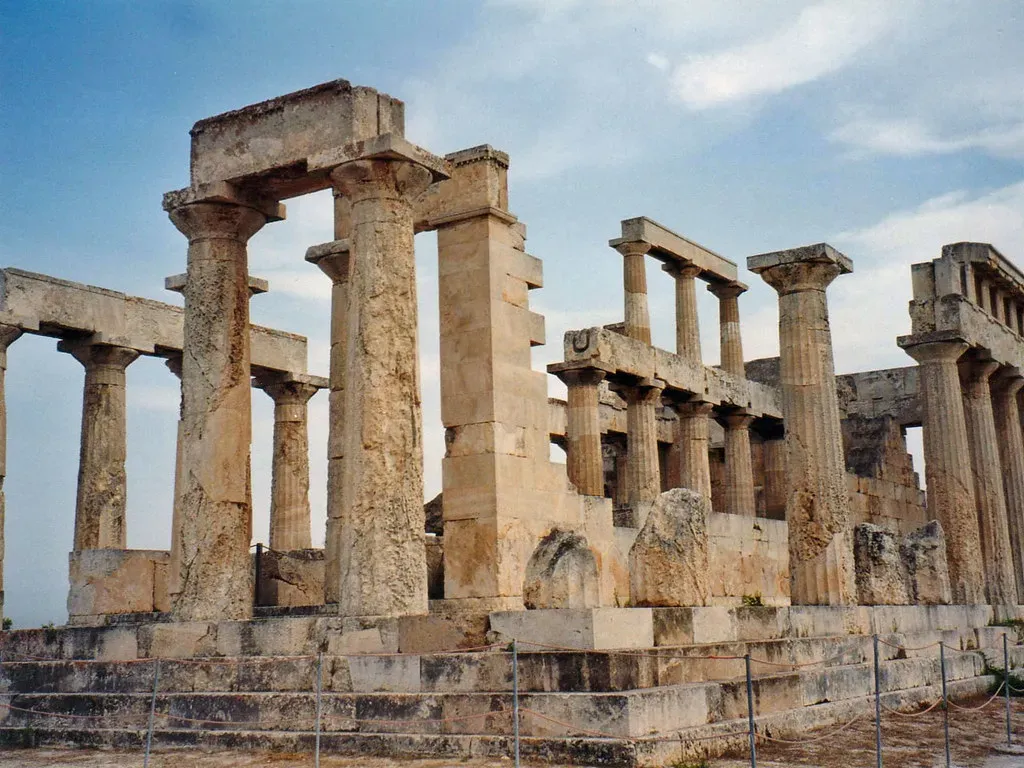
Why do some people feel more alive staring at broken columns than scrolling through glossy city skylines? Psychologists studying awe, time perception, and existential meaning point out that experiences which make us feel small in a good way often act like a reset button for the mind. Ancient ruins do this perfectly: they compress thousands of years into a single view, forcing us to confront just how brief and strangely fragile our own lives are. For someone quietly unsettled by the pace and superficiality of modern life, that feeling can be less scary and more like finally hearing an honest answer.
Instead of the curated perfection of social media or the sterile predictability of malls and office parks, ruins feel raw, imperfect, and honest. You can see erosion, missing stones, partial walls – evidence that everything changes and nothing is fully under control. In a world obsessed with optimization and productivity, places that proudly show their decay can be emotionally disarming. They hint that maybe we are allowed to be unfinished, cracked, and still meaningful, which is exactly the kind of message people often do not get from contemporary culture.
Ruins as Antidotes to Modern Loneliness and Disconnection
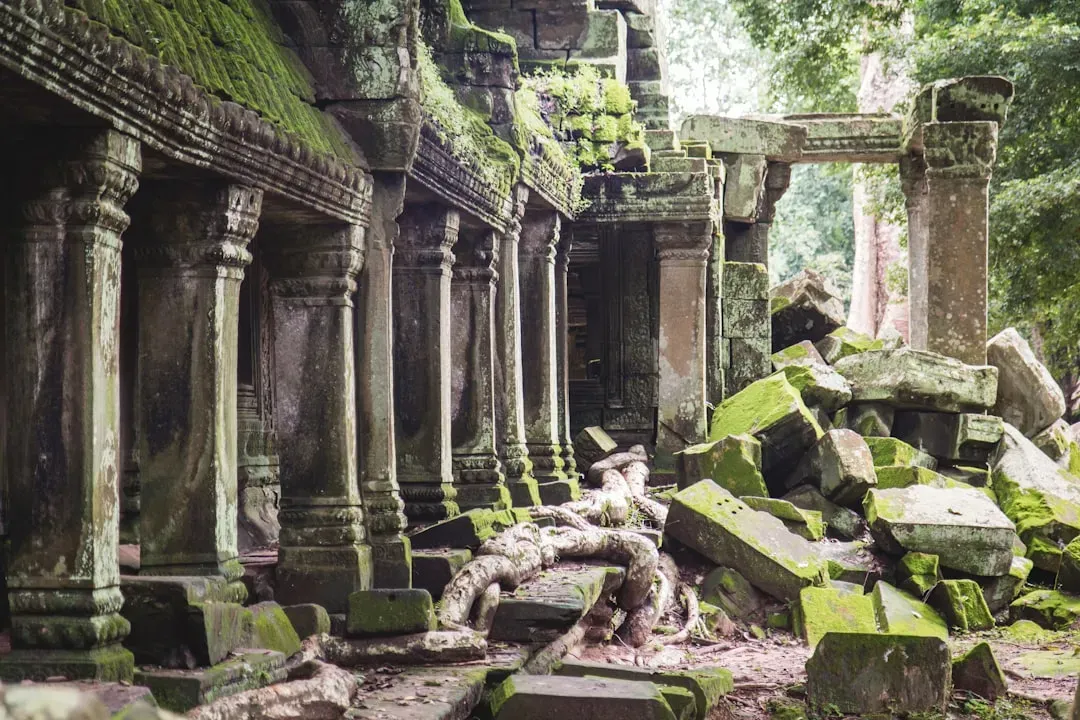
Modern life is more connected than ever on paper, but a lot of people quietly report feeling isolated, unseen, or emotionally disconnected. Ancient ruins, oddly enough, can feel like company. To walk through a ruined temple or city is to literally step where thousands or millions of people once walked, argued, bartered, prayed, and mourned. Even without knowing their names, you feel their presence in the grooves of stairs, the worn thresholds, or the faded carvings. It’s like being invited into a vast human group chat that has been running for centuries.
For someone whose daily routine feels socially thin – too many screens, too few real conversations – this sense of standing inside a long human story can be deeply soothing. Ruins remind us we are not the first to feel lost or overwhelmed by change. Instead of the sharp, painful loneliness of feeling like you do not belong anywhere, ruins offer a softer, communal feeling: you belong to a lineage of imperfect people who also worried, hoped, and searched for meaning. That realization alone can take the edge off a lot of modern alienation.
Longing for Depth in a World of Distractions
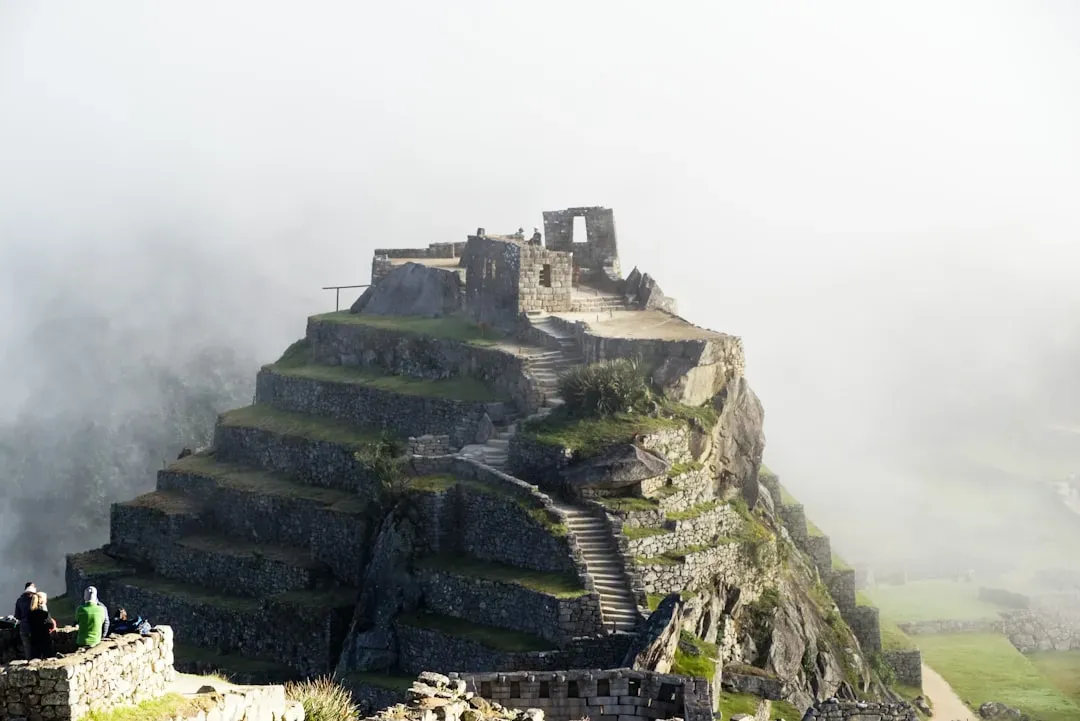
One of the most common complaints about modern life is that everything feels shallow and fast. Infinite scrolling, rapid-fire news, endless entertainment – it’s like drinking from a fire hose but still feeling thirsty. Ancient ruins offer the exact opposite energy: stillness, slowness, and depth. You cannot binge-watch a ruin; you have to stand there, notice small details, imagine what is missing. People who are drawn to ruins are often the same people who sense that their daily life is busy but not truly meaningful, and they are craving something that takes more than a thumb-swipe to understand.
Psychologically, this is about a need for coherence and significance, not just stimulation. Ruins force you to slow down and wrestle with questions like: What survives? What matters? How did these people think about the divine, death, or community? It is a very different kind of mental activity from checking notifications. In that slow mental space, a person who feels spiritually or emotionally underfed by modern habits can finally feel like they’re chewing on something substantial, even if it’s just imagining how a broken doorway was once used.
The Allure of Broken Beauty and Imperfection
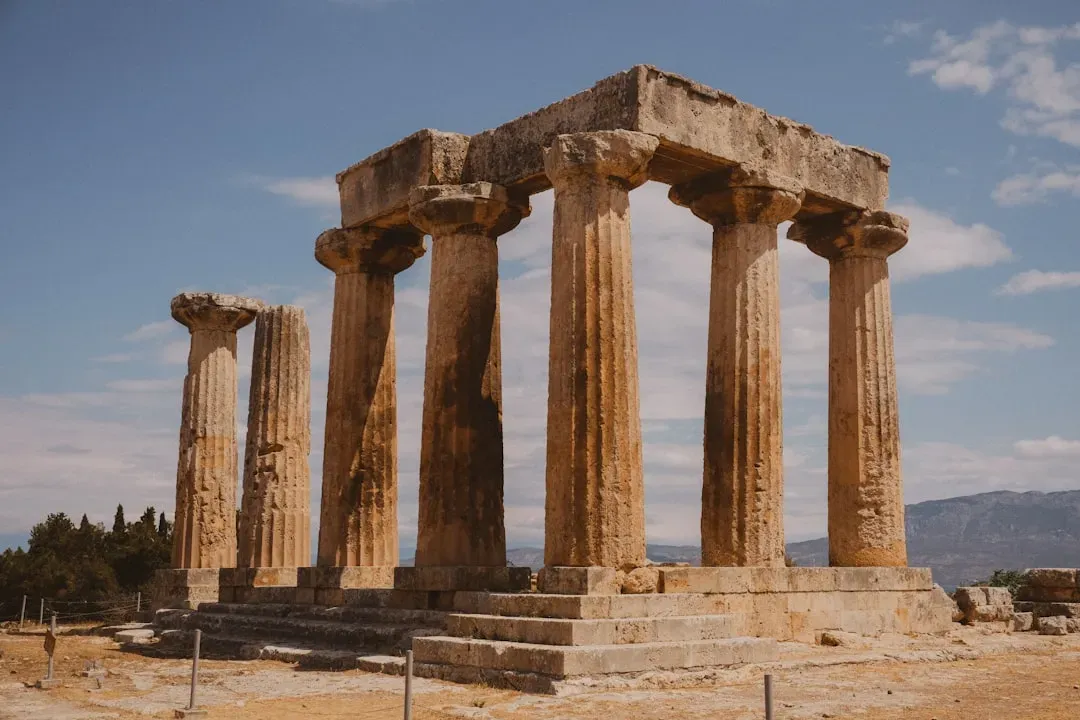
It’s almost paradoxical that many people find ruins more beautiful than fully intact modern buildings. There is a psychological concept called the “aesthetic of imperfection” that helps explain this. We are moved by things that show time, wear, and vulnerability, because they mirror our own inner experience. Ancient ruins wear their scars in public – cracks, missing pieces, collapsed roofs – yet they still stand, often with a quiet dignity. For those who feel pressured to appear polished and “fine” all the time, this is a radical kind of beauty.
In a culture obsessed with upgrades and flawless surfaces, ruins whisper a counter-message: beauty can survive damage; value is not erased by age or failure. That can resonate deeply with people going through breakups, career changes, health struggles, or just burnout. Standing in front of a fragmented wall that still carries carvings or color can feel like looking at your own life: not what you planned, maybe, but still carrying meaning and traces of something important. It’s not surprising that many people find this oddly comforting, even healing.
Time, Mortality, and the Desire to Matter
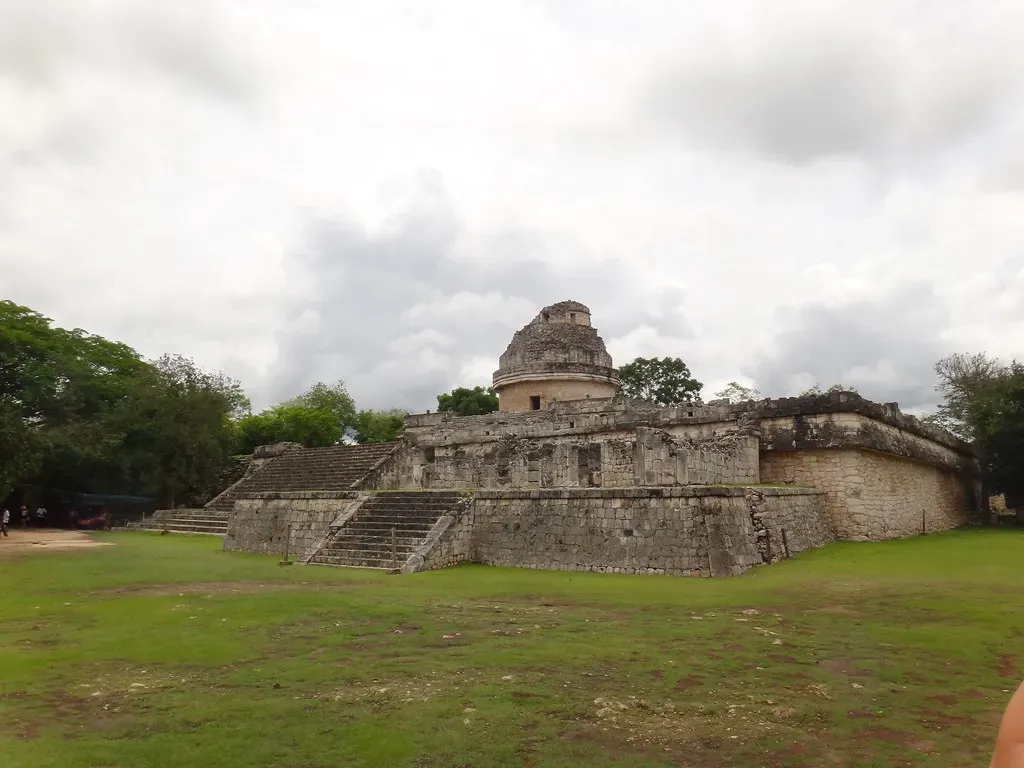
Ancient ruins are brutal in one sense: they confront you with the fact that civilizations rise and fall, and that even the grandest monuments eventually crumble. It is hard to stand in a ruined palace or temple and not think about your own mortality, your own small span of years. Psychologists who study existential anxiety point out that humans cope with the fear of death partly by trying to feel connected to something that lasts longer than they do. Ruins are visible proof that human effort can echo across centuries, even when individual lives vanish.
For people who feel their current routines are meaningless – endless emails, commutes, consumerism – this can spark a sharp, sometimes painful question: if those people left this behind, what am I leaving? Instead of pushing that thought away, ruins bring it right to the surface. Oddly, that confrontation can be energizing. Some visitors come home from ancient sites suddenly motivated to change jobs, start a creative project, repair relationships, or live more intentionally. The stones do not give direct advice, but they quietly demand that you consider what kind of trace you want your brief existence to leave.
Seeking Spiritual Grounding Beyond Organized Religion
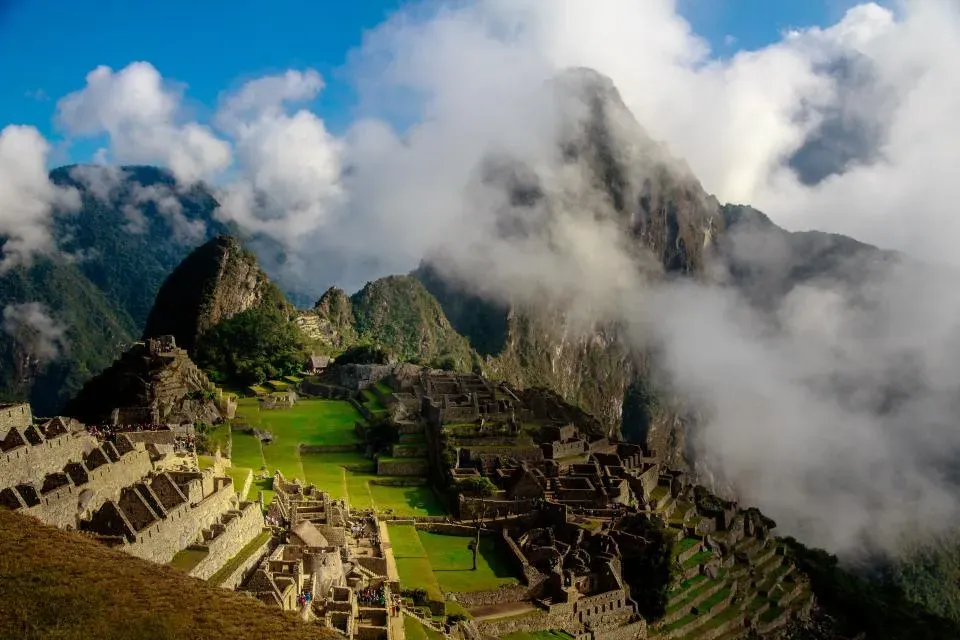
Many ancient ruins are sacred sites – temples, shrines, burial grounds – even if their original rites and beliefs are long gone. People who describe themselves as “spiritual but not religious” often feel an intense pull to these kinds of places. Modern life might not offer a clear spiritual structure, especially for those who have stepped away from traditional religions, but the human longing for transcendence does not just disappear. In ruins, that longing can find a physical home, even if the old gods are no longer worshiped.
Standing among toppled columns or weathered statues, people often report a sense of quiet reverence that is hard to access in their everyday environments. It is not necessarily about believing in the same deities that were once honored there; it is about feeling a connection to something larger, older, and more mysterious than the latest news cycle. For someone who feels spiritually adrift in a world that often treats everything as content or commodity, ancient sacred ruins can feel like a reminder that humans have always reached for the invisible – even if each era uses different names and stories.
Escaping the Algorithm: Ruins as a Rebellion Against Modern Culture
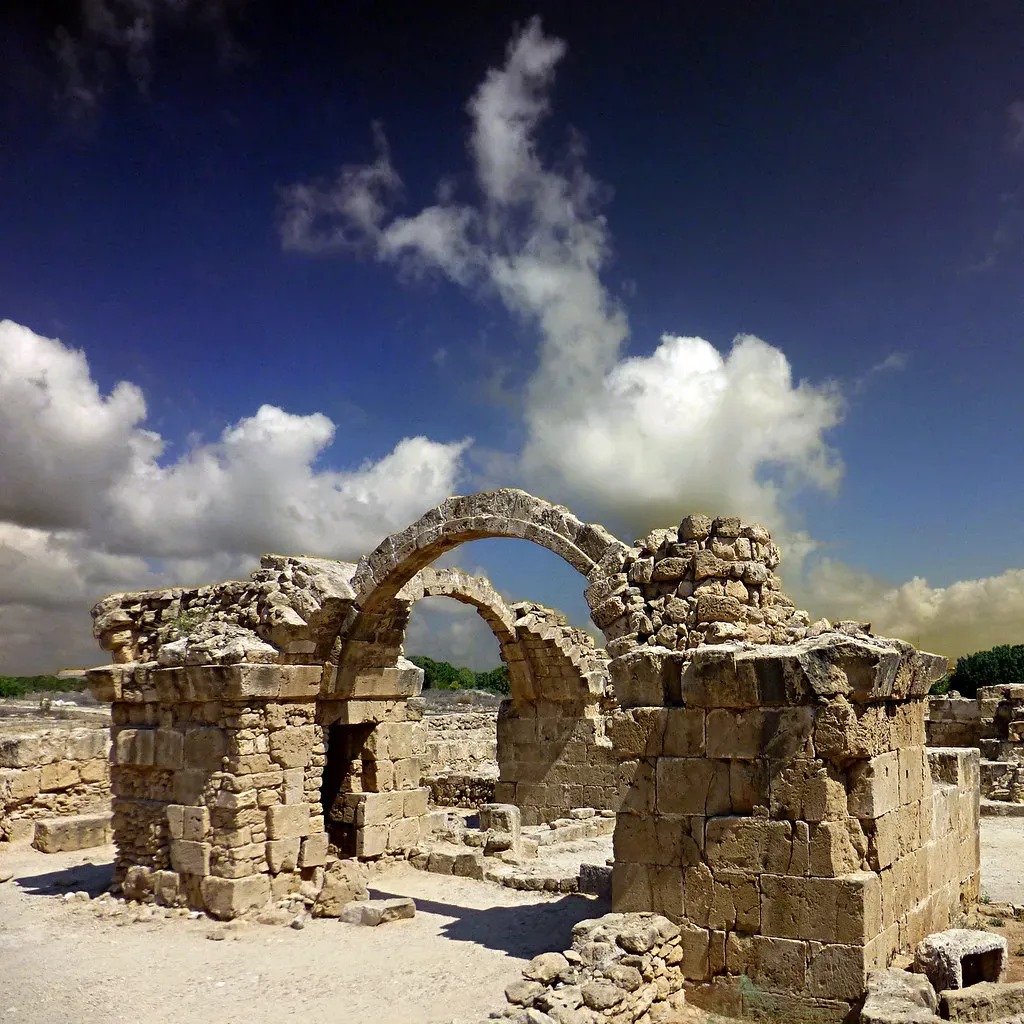
There is also a subtle countercultural edge to loving ancient ruins. In an era where so much of our time is shaped by algorithms, trends, and commercial interests, choosing to fly across the world to stand by broken stone walls is, frankly, a bit rebellious. It is a decision to invest time, money, and emotional energy in something that cannot be monetized in the same way a new gadget or streaming series can. Many people who are drawn to ruins are, consciously or not, pushing back against the feeling of being treated as just a consumer or data point.
Psychologically, this is about agency and authenticity. When you wander a ruined city, there is no script telling you exactly what to think or feel. You create your own narrative as you imagine past lives and compare them to your own. For someone tired of constantly being nudged by targeted ads and viral content, that freedom can feel like oxygen. Choosing ruins over the latest shopping district or theme park is a small act of saying: I want something real, not just something new. That desire alone is a clue that meaning, not novelty, is the real craving.
From Passive Tourist to Active Time Traveler: The Role of Imagination
People fascinated by ancient ruins rarely just look; they imagine. They picture markets buzzing with voices, fires burning, rituals unfolding, children running between pillars. This active use of imagination is psychologically important. It turns a person from a passive consumer of sights into an active participant in a mental time journey. For someone whose everyday life feels scripted and predictable, using their imagination in this way can be a powerful reminder that their mind is capable of so much more than answering emails and liking posts.
This imaginative engagement also allows people to test different ideas about how life could be lived. When you picture a city without cars, or a temple at the center of daily life, or a society structured differently from your own, you implicitly question whether your current norms are the only way. For people dissatisfied with aspects of modern culture – workaholism, isolation, environmental damage – ruins become more than a photo backdrop. They turn into a mental lab where alternative ways of being human feel vividly possible, even if only for a moment.
Conclusion: Ruins as Mirrors for the Modern Soul
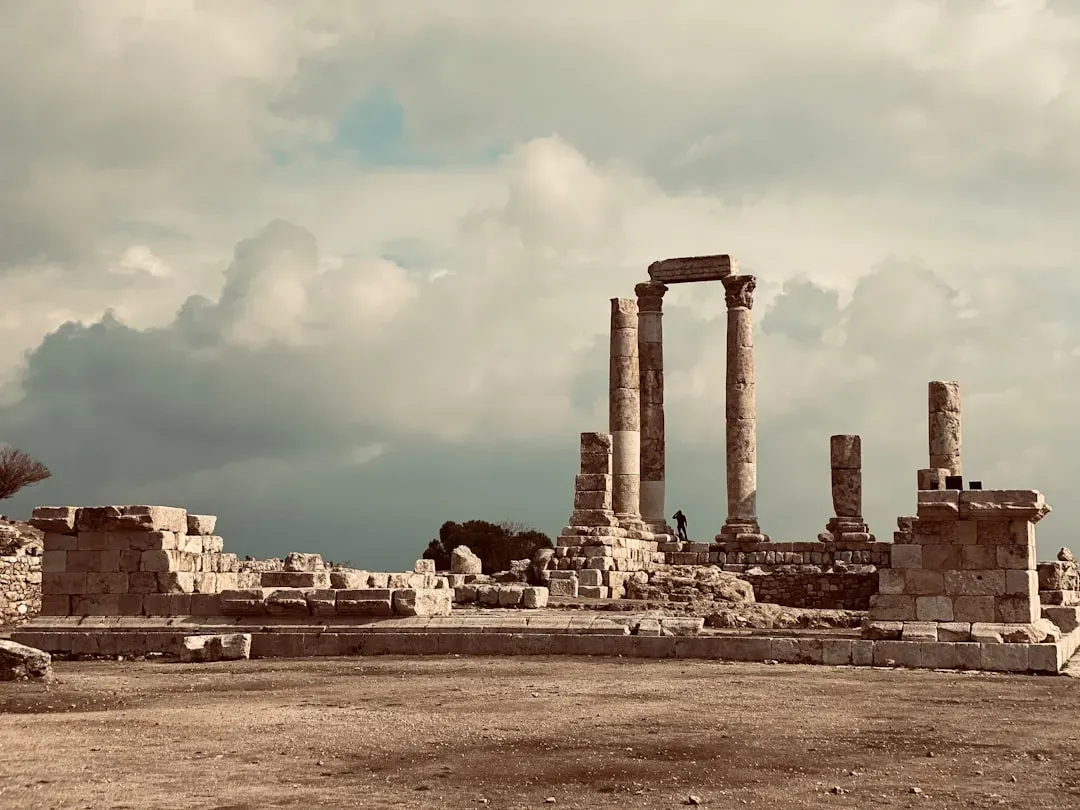
If you strip away the travel photos and guidebooks, the fascination with ancient ruins is not just about the past – it is a commentary on the present. People who feel that something essential is missing in modern life often find, in ruins, a mirror that reflects their own unspoken questions: Am I living in a way that will matter? Where do I belong in the long story of humanity? What have we lost in the rush for convenience and speed? The stones do not answer out loud, but they create the kind of quiet where real answers can finally start to form. In that sense, ruins are less like museums and more like therapists who listen in silence while you untangle what you really care about.
My opinion is that this pull toward ancient places is not a quirky hobby; it is a symptom of a deeper cultural hunger that we are often too busy – or too numb – to name. When modern life feels shallow, noisy, and transactional, ruins expose the cracks in our stories about progress and success. They remind us that meaning is not found in constant upgrading, but in connection: to other people, to time, to something larger than ourselves. So if you find yourself more moved by a shattered temple than a shiny new tower, maybe you are not just a history geek. Maybe you are one of the people quietly searching for a richer way to be alive. Does that surprise you, or did a part of you already know?