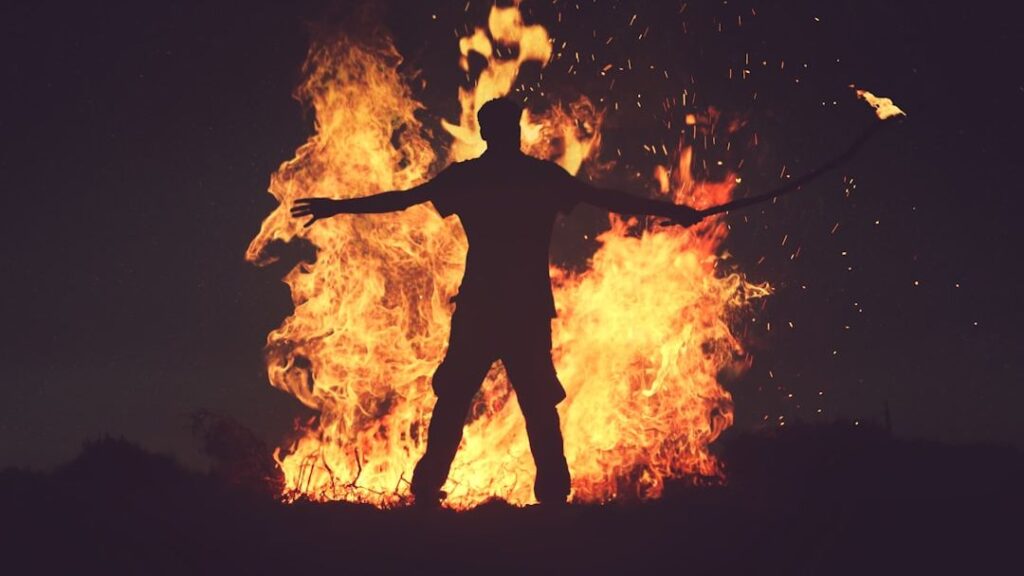
If you’ve ever lost track of time inside a novel, binged an eight-part true-crime podcast, or gotten teary over a stranger’s confession on social media, your brain isn’t just being entertained. It’s quietly running one of the oldest survival programs humans have. Long before anyone wrote a self-help book or a productivity hack, people were sitting around fires, trading stories to figure out who to trust, how to avoid danger, and what mattered most.
We like to think we’re too modern and rational to be shaped by stories, but watch what happens when a powerful narrative hits your feed: your emotions spike, your attention locks in, and facts you would normally forget suddenly stick. That’s not an accident. It’s your brain recognizing a familiar pattern and saying, this could help me make sense of the world. Once you see stories as an ancient survival tool instead of “just entertainment,” so many modern habits – scrolling, streaming, obsessing over plots and characters – start to look very different.
The Brain Was Built to Think in Stories, Not Spreadsheets
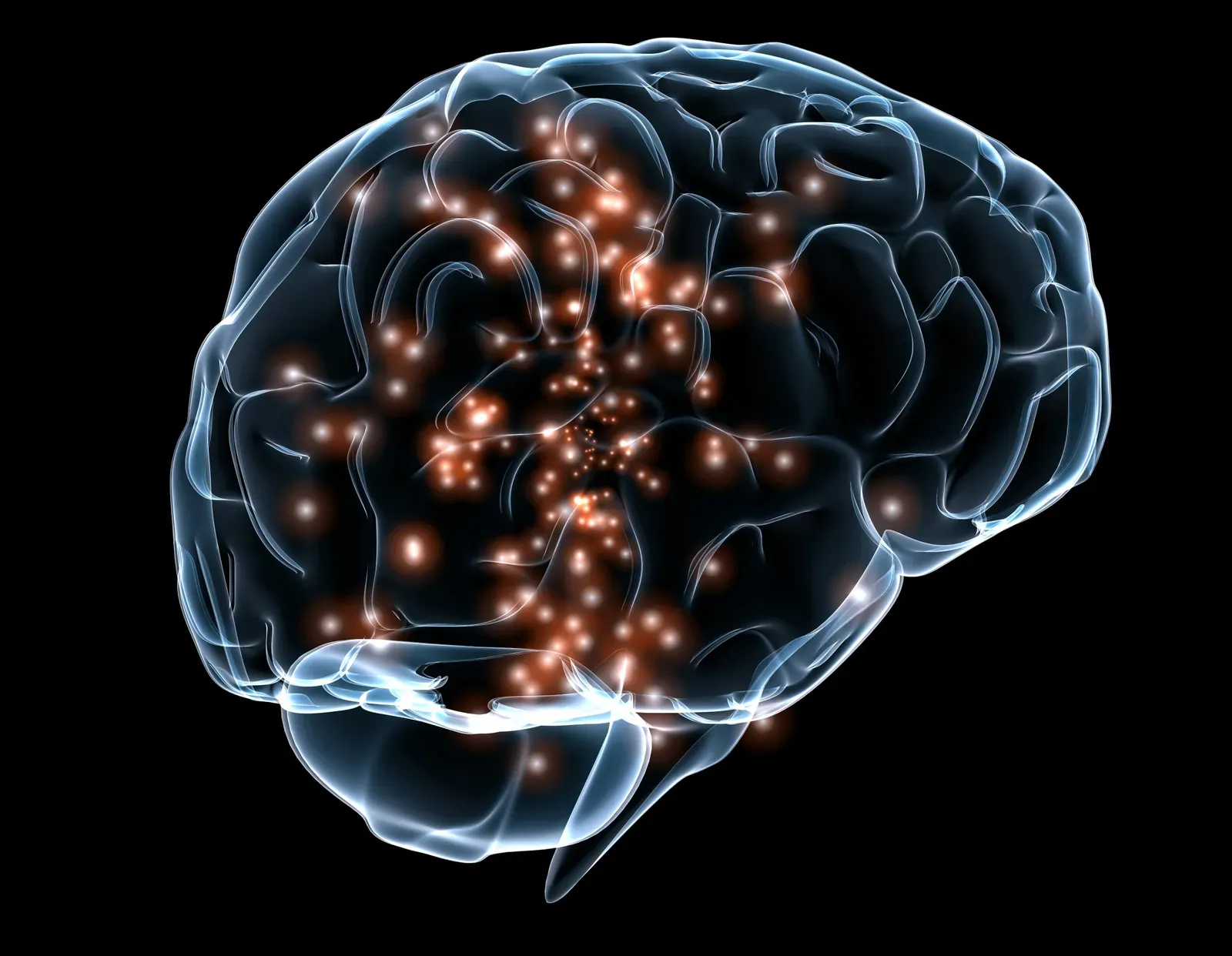
Here’s the surprising part: from a psychology and neuroscience perspective, stories are not an optional add-on. They’re closer to the default operating system of the human mind. When we hear a narrative, regions of the brain involved in language, memory, emotion, and even movement can light up as if we’re partially living the event ourselves. Compare that to a dry list of facts, and the difference is startling; your brain simply invests more energy in material that has characters, conflict, and consequence.
This story-first wiring is not just about fun. It’s incredibly efficient. Imagine early humans trying to remember which plants were poisonous, which neighboring tribe was hostile, and what to do when a storm rolled in. A bare list of rules would be easy to forget, but wrap those same lessons in a story – someone’s mistake, someone’s bravery, someone’s loss – and the brain holds onto it. In a world with no books, no cloud storage, and no Google, memory powered by narrative could literally be the difference between life and death.
Storytelling as the Original Survival Manual

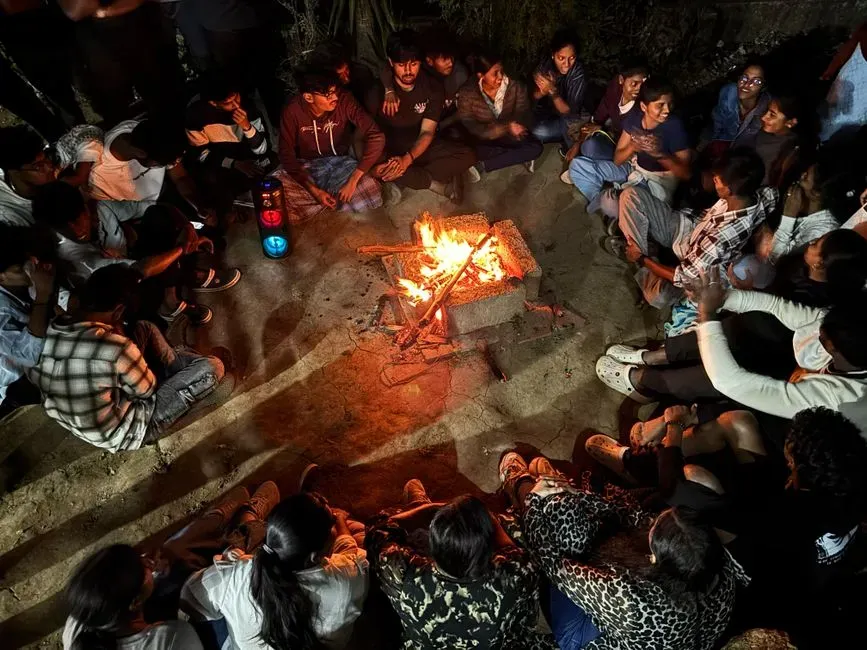
Long before written language, storytelling was the closest thing humans had to a user guide for life. Around fires, elders shared tales of hunts gone wrong, dangerous animals, poisonous waters, and social betrayals that tore groups apart. These were not just “once upon a time” diversions; they were compressed survival data, teaching kids and adults what to avoid, who to trust, and how to behave if they wanted to stay alive and stay included. The emotions in those stories – fear, grief, pride, shame – helped stamp the lessons deep into memory.
Anthropologists have found that many traditional stories are heavy with themes of cooperation, fairness, and punishment for selfish behavior, which makes sense if you think of them as tools to keep fragile early communities functioning. A tale about the hunter who hogged the meat and was later abandoned is basically an emotional tutorial on the cost of greed. Today, when a movie shows the downfall of a corrupt leader or the redemption of a flawed hero, it’s echoing that same survival playbook: here is what happens if you break the social rules, and here is what happens if you repair the damage.
Stories Train Us to Read Minds and Navigate Relationships

Psychologists often talk about “theory of mind,” our ability to imagine what someone else is thinking or feeling. People who spend a lot of time with stories – especially character-driven fiction – tend to score higher on tests of empathy and social understanding. That makes sense: every time you follow a narrative, you’re practicing tracking motives, predicting reactions, and holding multiple perspectives in your head at once. You’re basically in a social simulator, rehearsing complex interactions without any real-world risk.
From a survival angle, this is huge. Being able to read subtle signals, anticipate betrayal, or sense when someone is safe to trust can protect you just as effectively as knowing where the predators hide. Stories offer countless low-stakes repetitions of this skill. Think about how many times you’ve whispered to yourself during a movie, “Don’t trust him,” or “She’s going to regret that.” That instinct is your brain running quiet predictions, and every story you consume gives it a little more training data for real life.
Why Emotional Stories Stick When Facts Fade

One of the most striking findings in psychology is how strongly emotion shapes memory. We tend to remember where we were during life-changing news or personal crises more vividly than hundreds of ordinary days. Stories tap into that same mechanism. A narrative that makes you feel anxious, moved, or hopeful rides the brain’s emotional circuitry straight into long-term memory, while raw statistics or neutral information slide off like water on glass. That’s not a character flaw; it’s a deeply practical shortcut.
For early humans, remembering the emotional weight of a story – terror of a predator, shame after breaking a rule, relief when cooperation paid off – was far more useful than storing abstract numbers. Even today, public health campaigns, social movements, and brands quietly lean on this effect. They know a single, vivid story of one person’s struggle can reshape how people see a problem more effectively than a carefully crafted chart. Our survival tool is still running; it just now responds to campaigns, documentaries, and viral posts instead of fireside legends.
Stories as Social Glue and Group Identity

Humans do not just use stories to teach and remember; we use them to decide who we are. Every family, community, company, or nation runs on a shared narrative about the past and the future. Those stories tell us what counts as good or bad behavior, who the “we” is, and what it means to belong. From a survival perspective, this matters because being part of a stable group dramatically increased your odds of making it through hardship. Shared stories helped strangers see themselves as allies instead of threats.
When you light up at a book, a film, or even a meme that “gets” your experience, you’re not just entertained – you’re feeling that old pull toward a tribe. Fandoms, online communities, and subcultures often form around particular narratives that resonate with their members. People adopt phrases, symbols, and inside jokes from these stories as a way of signaling loyalty and connection. It might look trivial on the surface, but underneath it’s the same old survival logic: I know who my people are, and we move through the world together.
Modern Media: Ancient Wiring in a Hyper-Stimulating World
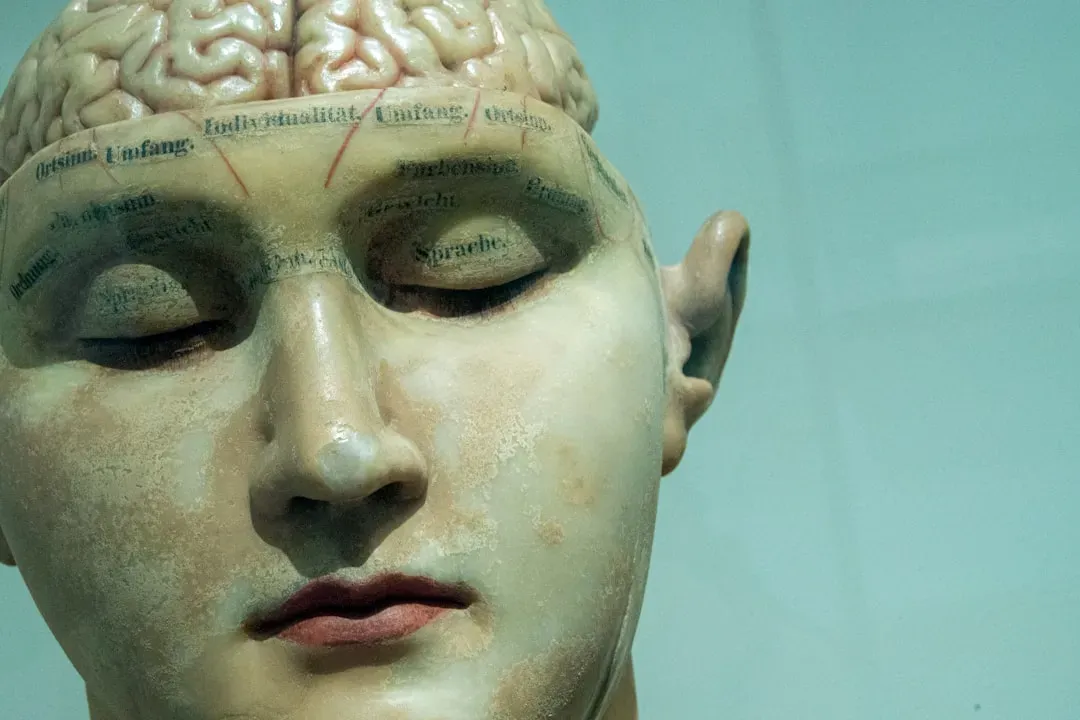
Here’s the twist nobody warned us about: our story-hungry brains evolved in environments with limited input, but we now live in an age of endless narratives. Every notification, video, and thread is a tiny story hook designed to grab our attention. Psychologically, that means our ancient survival tool is constantly being triggered. We feel compelled to follow plotlines – news dramas, influencer sagas, online controversies – because on some deep level, our brain treats them like information it might need.
That does not mean stories are suddenly bad; it means the volume is cranked way up. The same wiring that once helped us track who was trustworthy in a small band is now tracking thousands of strangers’ lives and opinions. If you’ve ever felt mentally exhausted after scrolling, it might be because your brain is trying to emotionally invest in far more narratives than it was built for. Knowing that can be a kind of power: once you see stories as tools that evolved for survival, you can be more deliberate about which ones you let into your head.
Using Story as a Conscious Tool, Not Just Passive Escape
The most interesting shift happens when you stop treating stories as background noise and start using them on purpose. You can choose narratives that challenge your biases, expand your empathy, or teach you how others live and think. You can also notice the stories you tell yourself about your own life: am I the helpless victim, the resilient learner, the side character in everyone else’s plot? Psychologists know that changing these inner narratives can shift motivation, mental health, and behavior in surprisingly practical ways.
I’ve seen this in my own life. Times when I framed a setback as the end of the story, I got stuck; when I framed it as the messy middle of a comeback arc, I found energy to keep going. That might sound cheesy, but it tracks perfectly with how our brains respond to narrative. The moment you give your experience a plot, you give your mind a way to move through it. Loving stories, then, is not just about escape. It can be a form of self-training, quietly nudging your brain toward resilience instead of resignation.
Conclusion: Loving Stories Is a Survival Instinct Worth Protecting

When you zoom out, the pattern is hard to miss: people who love stories are not indulging in a childish habit; they are leaning into one of the most powerful survival systems humans ever evolved. Stories help us remember danger, practice empathy, build trust, and stitch ourselves into groups that keep us safe. Ignoring that, or treating stories as shallow distractions, is like dismissing language or memory as optional hobbies. In my view, the more honest stance is to admit we are story-shaped creatures, and then decide what kind of stories we’re willing to be shaped by.
In an age where narratives are constantly competing for our attention, I think we have to get unapologetically picky. Not all stories deserve a front-row seat in your mind; some are junk food, some are toxic, and some quietly sharpen your ability to live, love, and think clearly. Choosing well is not about being snobbish – it is about protecting the ancient survival tool inside your head from being hijacked. If every story you consume leaves a fingerprint on who you become, which ones do you want guiding you through your own next chapter?