As America’s wildlife populations grapple with habitat loss, climate pressures, and other threats, state and tribal agencies have emerged as key players in turning the tide. Federal grants have enabled targeted projects that prevent species decline before it escalates to crisis levels. A recent report from the National Wildlife Federation underscores how these funds foster collaborative efforts to protect and restore ecosystems nationwide.
Building a Framework for Prevention
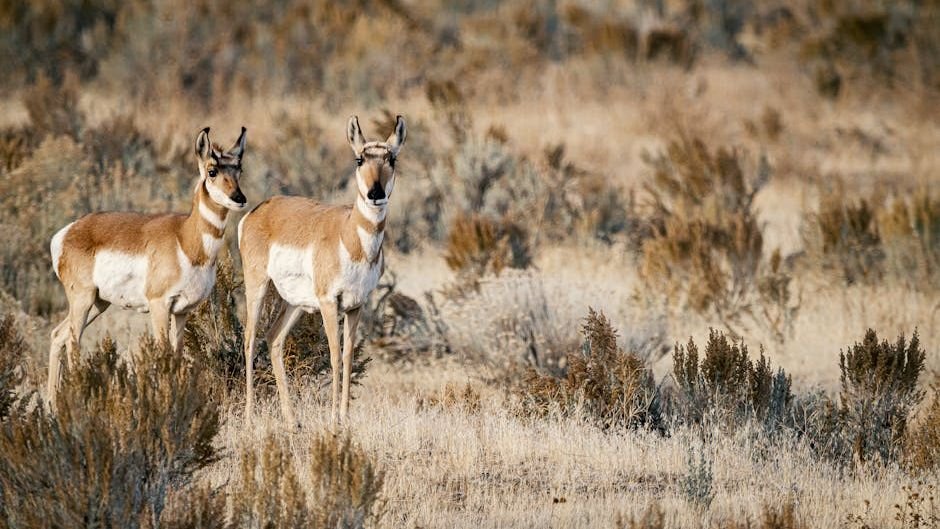
Building a Framework for Prevention (Image Credits: Pexels)
Congress established the State Wildlife Grants program in 2000 to support proactive conservation by state fish and wildlife agencies. The initiative required each state, territory, commonwealth, and the District of Columbia to develop comprehensive State Wildlife Action Plans, or SWAPs. These plans identify species of greatest conservation need – over 12,000 across the country – and outline strategies to address their vulnerabilities.
The Tribal Wildlife Grants program followed in 2003, extending similar support to federally recognized tribes. Funding flows through formula-based apportionments, considering population and land area, supplemented by competitive grants for innovative projects. Since inception, the programs have distributed more than $1.4 billion to states and over $131 million to tribes for 732 projects. Agencies must match federal dollars, ensuring local investment and accountability.
This structure emphasizes on-the-ground actions like habitat restoration, population monitoring, and research. States prioritize nongame species often overlooked by traditional hunting and fishing revenues. The approach has proven effective in averting Endangered Species Act listings for numerous at-risk animals.
Tangible Wins on the Ground
Conservation successes illustrate the grants’ reach. In Hawaii, funding supported the reintroduction of endangered O‘ahu tree snails, extinct in the wild since 1991, through multi-year captive breeding and release efforts. Maryland agencies restored populations of the blackbanded sunfish, the state’s rarest freshwater fish, by enhancing native blackwater habitats.
These examples highlight broader patterns. Grants fund surveys, habitat improvements, and partnerships that stabilize declining species. A 20-year review of the programs documented recoveries and prevented extinctions, crediting the focus on SWAP priorities. Projects often involve private landowners, nonprofits, and federal partners, amplifying impact.
- Hawaii: O‘ahu tree snail reintroduction after decades of absence.
- Maryland: Blackbanded sunfish habitat restoration leading to population rebound.
- Nationwide: Prevention of federal listings for multiple species through early intervention.
Empowering Tribes in Recent Awards
The U.S. Fish and Wildlife Service announced more than $6.6 million in Tribal Wildlife Grants in March 2026, reaching 35 tribes across 15 states. Nine recipients secured funding for the first time, expanding the program’s footprint. Projects targeted culturally significant species and habitats, strengthening tribal sovereignty in conservation.
Awards included $198,728 to the Native Village of Nanwalek in Alaska for salmon monitoring, $200,000 to the White Mountain Apache Tribe in Arizona for Apache trout habitat, and $200,000 to the Tolowa Dee-ni’ Nation in California for Roosevelt elk restoration. Other efforts addressed tree island recovery in Florida, fisher research in Idaho, green crab removal in Maine, Lake Whitefish restoration in Michigan, and habitat monitoring in Utah. U.S. Fish and Wildlife Service Director Brian Nesvik noted that tribes serve as vital partners, with these investments advancing shared goals while honoring cultural ties to the land.
Such initiatives build capacity for long-term management, including training future stewards and fostering state-tribal collaborations.
Scaling Up Through Legislative Momentum
Despite successes, demand outpaces current funding levels, typically $50-60 million annually for states. The Recovering America’s Wildlife Act seeks to address this gap with dedicated annual funding of up to $1.4 billion for states and $97.5 million for tribes, drawn from existing excise tax revenues. Proponents argue it would enable full implementation of SWAPs, averting costlier interventions later.
The bipartisan bill, reintroduced in prior sessions, guides resources through established state and tribal plans. It promises collaborative, voluntary measures for thousands of at-risk species. Recent grant awards and reports like the National Wildlife Federation’s analysis reinforce the urgency, positioning local expertise as central to national recovery.
State and tribal wildlife grants have quietly delivered results where they count most – on landscapes and waters managed by those who know them best. As pressures mount, sustained and expanded investment offers a path to resilience, ensuring America’s natural heritage endures.