If you think history in the Americas starts with the Maya, the Inca, or perhaps the first cities in Mesopotamia for that matter, these sites will probably scramble your mental timeline. Scattered from the far south of Chile to the Arctic circle, a handful of places hint at human presence thousands of years before what used to be considered possible. Some are broadly accepted, others fiercely debated, but all force us to confront an uncomfortable truth: our story here is older, stranger, and far less tidy than the school textbooks ever suggested.
What makes these sites so gripping is not just their age, but the gaps they open in the narrative. We have stone tools with no owners, bones without a clear migration route, and massive earthworks built by people whose names we will never know. As someone who has spent way too many evenings disappearing into archaeological rabbit holes, I find these places feel almost like messages from a previous version of humanity we barely recognise. Let’s walk through eight of the most puzzling sites in the Americas that seem to push back the clock by thousands of years – and see where the evidence is solid, where it is shaky, and where the honest answer is simply that we do not know yet.
1. Monte Verde, Chile: The Site That Broke the Clovis Barrier
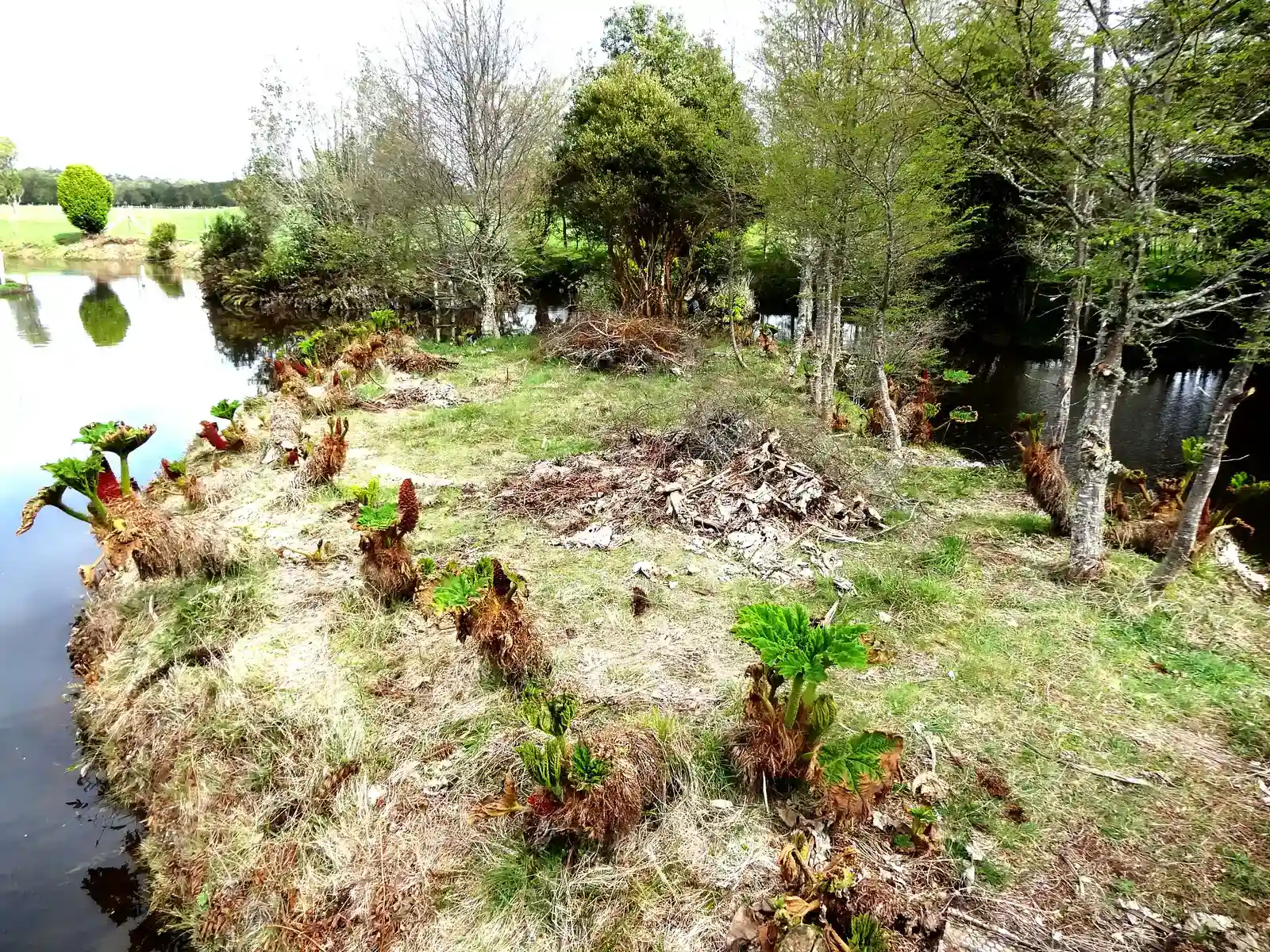
Monte Verde, in southern Chile, is one of the most important and unsettling archaeological sites in the Americas because it directly challenged the once-dominant idea that the first people here were the Clovis culture around thirteen thousand years ago. At Monte Verde, archaeologists uncovered an ancient campsite preserved in waterlogged peat: wooden tent-like structures, stone tools, chunks of mastodon meat, and even preserved plant remains. Radiocarbon dates from the main level of the site hover around roughly fourteen and a half thousand years ago, pushing human presence in South America back well before the supposed first migration through the ice-free corridor in North America.
Even more controversial are hints of an older layer, with possible stone tools that some researchers argue could be roughly up to thirty thousand years old, though this deeper level has not achieved anything close to the same consensus. What is striking is that even the conservative, widely accepted dates make Monte Verde older than many classic Old World urban centres by thousands of years, even if the people here lived as mobile hunter-gatherers rather than city builders. Standing back from the technical debates, Monte Verde sends a clear message: people reached the southern tip of the Americas astonishingly early, and our neat migration models have had to be ripped up and rewritten because of it.
2. Bluefish Caves, Yukon, Canada: Bones, Cut Marks, and a Deep-Time Mystery
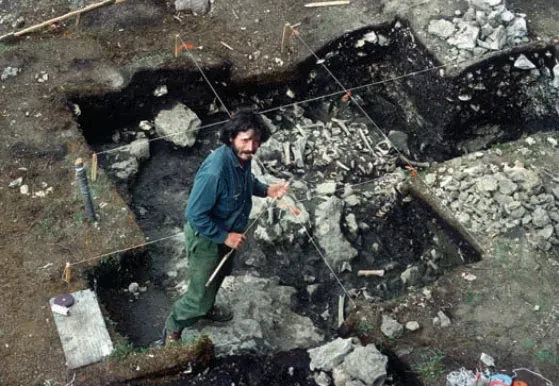
High in the Canadian Yukon, Bluefish Caves looks at first glance like an unremarkable rock shelter, but the bones found inside it have sparked one of the most intense debates in American archaeology. Researchers recovered animal bones showing marks that some experts interpret as cut marks from stone tools rather than natural damage. A set of these bones has been dated to around twenty-four thousand years ago, suggesting that humans may have been living in the far northwest of North America during the height of the last Ice Age, long before the traditional timeline of migration into the continent.
The catch is that cut marks can be surprisingly tricky to distinguish from scratches left by carnivore teeth, trampling, or geological processes, and not all specialists agree that the marks at Bluefish Caves are human-made. Still, if even a portion of the evidence holds up, this would push the human presence in the Americas back by roughly ten thousand years beyond the older Clovis model. Personally, I find Bluefish Caves fascinating precisely because it shows how fragile our certainty is: whether you see those lines on the bones as knife cuts or random scratches instantly changes the age of American prehistory by an almost unimaginable span of time.
3. Pedra Furada, Brazil: Fire, Stones, and the Problem of Natural vs Human
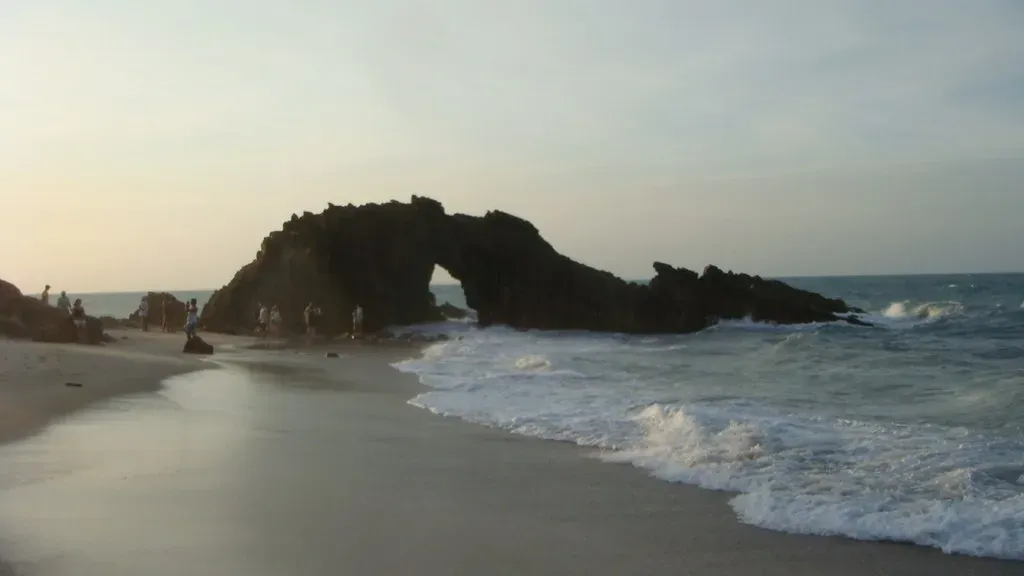
In the rocky landscapes of northeastern Brazil, the Pedra Furada complex has become a lightning rod for arguments about just how early humans really arrived in South America. Archaeologists there uncovered stone fragments and what appear to be ancient hearths that some teams have dated as far back as twenty-five to thirty thousand years ago, or even earlier in a few claims. If these dates truly reflect human activity, then people were living deep in the tropics of South America while massive ice sheets still covered much of the northern hemisphere.
The controversy revolves around whether the stone pieces are genuinely tools shaped by humans, or simply rocks fractured by natural processes like rockfalls, and whether the charcoal layers are from human-controlled fires or wildfires. Critics argue that in such complex geological settings, nature can easily imitate basic stone knapping. Supporters counter that the sheer quantity and patterns of stones and hearths point strongly to deliberate human behaviour. To me, Pedra Furada feels like the archaeology version of an inkblot test: what you see in the stones often reflects what you already believe about how early humans could have made it into the Americas.
4. Gault and Buttermilk Creek, Texas: Buried Evidence Beneath Clovis
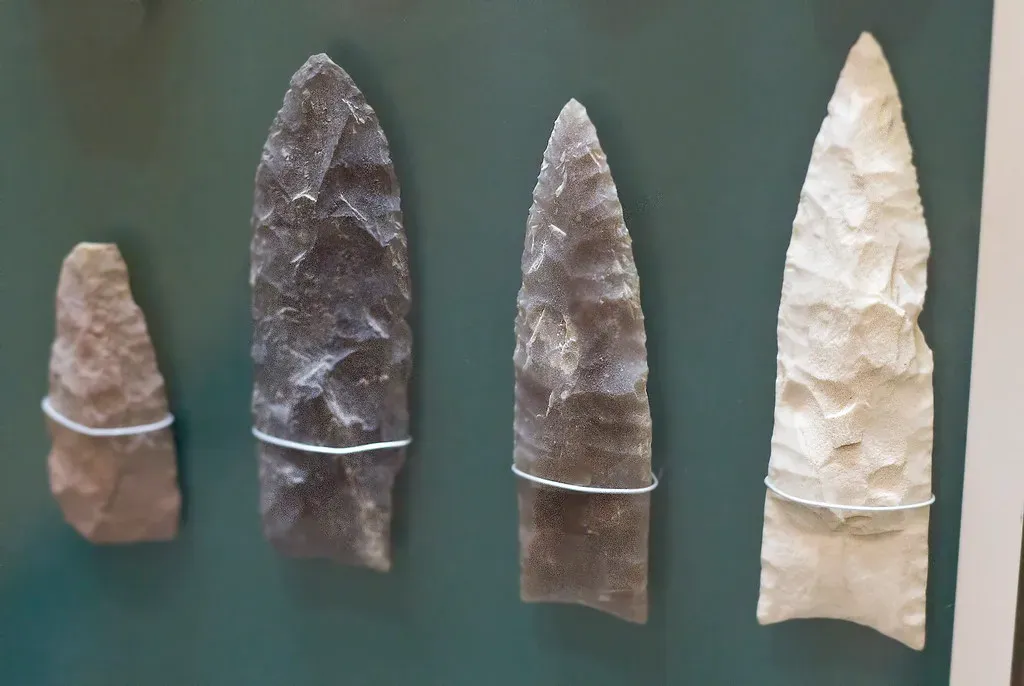
In central Texas, near the Gault site and the Buttermilk Creek complex, archaeologists have unearthed dense layers of stone tools that sit beneath classic Clovis artefacts. The deeper layers, often described as pre-Clovis, include thousands of tiny stone flakes and tools, along with carefully shaped points that clearly show systematic knapping techniques. Some of these lower deposits have been dated to nearly sixteen thousand years ago, and possibly a little older, meaning that people were already well-established in this region before Clovis technology appeared.
What makes Gault and Buttermilk Creek especially compelling is the sheer volume of material and the careful modern dating methods used, including luminescence techniques that measure when sediment grains were last exposed to sunlight. While the dates do not push back into the extremely ancient ranges proposed for some other sites, they still predate the classic Clovis model by a significant margin. The picture that emerges is not of a single pioneering culture suddenly spilling into a virgin continent, but of long-standing communities whose roots stretch back thousands of years earlier than many of us were taught.
5. White Sands, New Mexico: Ancient Footprints Across a Vanished Lakeshore
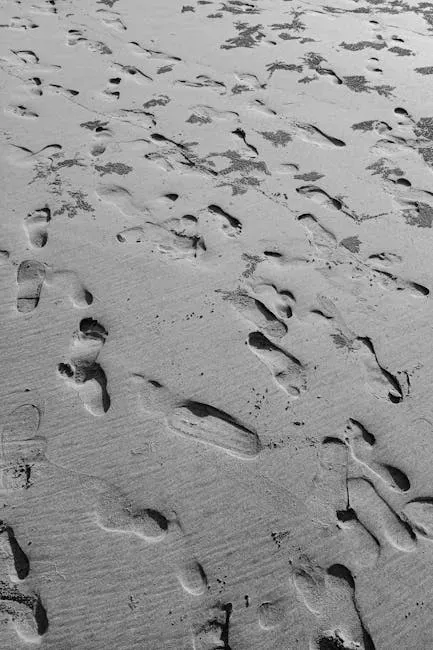
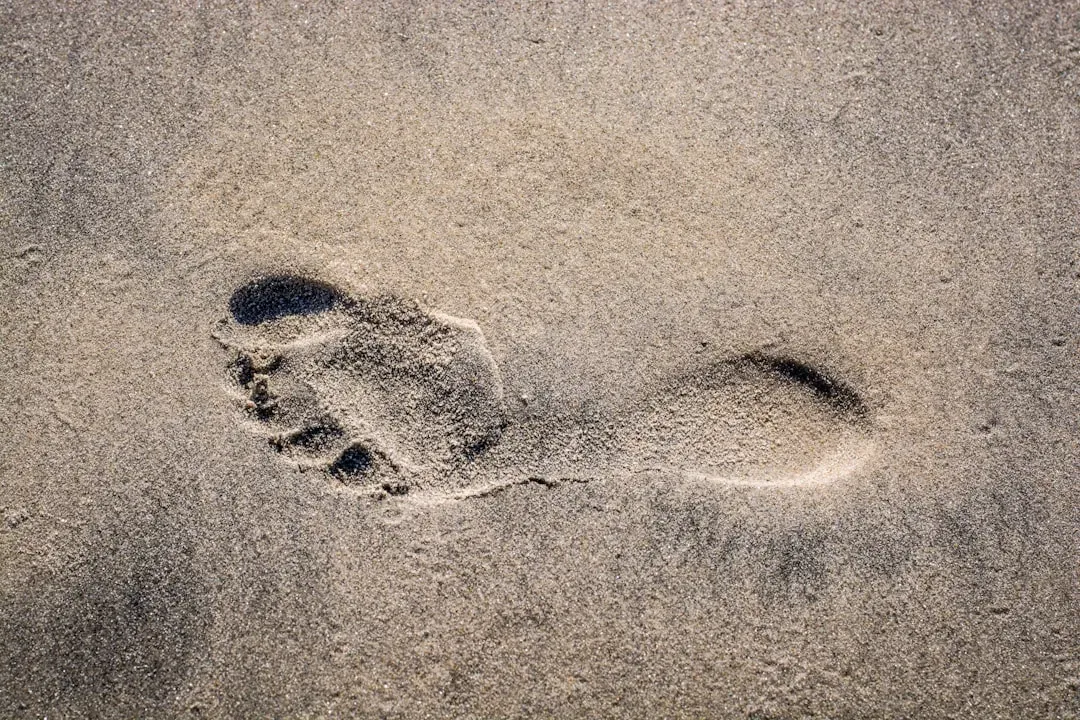
At White Sands in New Mexico, ancient human footprints preserved in layers of dried lakebed have added an entirely new kind of evidence to the early Americas debate. Researchers have identified trackways of people, including what appear to be children and teenagers, walking alongside the impressions of giant ground sloths and mammoths. Radiocarbon dates from seeds and plant material within the same layers have suggested ages in the range of roughly twenty-one thousand to around twenty-three thousand years ago, pushing human presence in this region back into the last glacial maximum.
Some scientists have raised valid questions about the reliability of those plant-based dates, noting that old carbon in the environment can sometimes skew results, and work is ongoing to refine and test the chronology with alternative methods. Even with the uncertainty, the very existence of clear human footprints deep in Pleistocene sediments is revolutionary, because footprints are harder to dismiss as natural processes compared to ambiguous stones or scattered bones. When I first saw images of those prints, I remember thinking how eerie they looked: real people, walking across a muddy lakeshore tens of thousands of years ago, leaving marks that only now are rewriting the story of when and how humans lived in North America.
6. Cerutti Mastodon Site, California: A Radical Claim on Shaky Ground
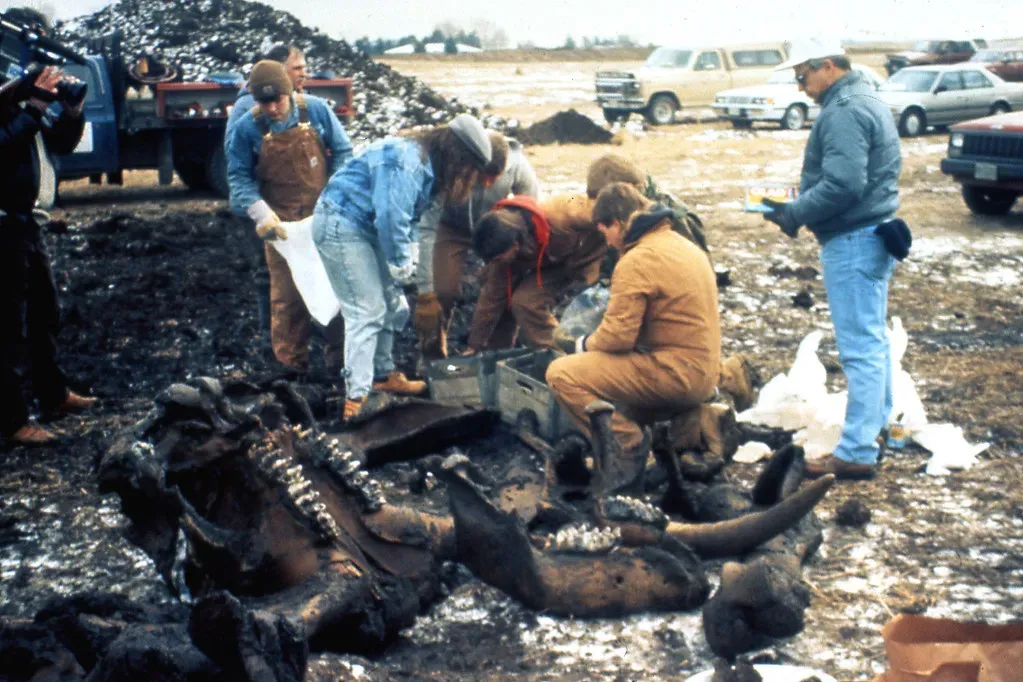
The Cerutti Mastodon site near San Diego, California, might be the most controversial entry on this list, and in some ways the most dramatic. Excavations there uncovered the remains of a mastodon with broken bones and large stones that a research team interpreted as hammers and anvils used by humans to process the carcass. The astonishing part of the claim was the age: dating suggested the site was around one hundred and thirty thousand years old, far older than any other generally accepted human presence in the Americas.
The majority of archaeologists have not accepted this interpretation, arguing that natural processes like heavy machinery during road construction, geological forces, or even trampling could explain the broken bones and scattered stones without invoking Ice Age humans. There are no unquestionable stone tools, no clear human bones, and no hearths to back up the extraordinary age. As a result, Cerutti sits in a kind of limbo: it is a useful reminder that biology and geology can create patterns that mimic human activity, and that claims which shatter the entire timeline need extraordinarily solid evidence. Still, even the possibility that humans were in California that long ago lingers in the background, nagging at anyone who likes their history neat and simple.
7. Topper Site, South Carolina: Deep Deposits and the Edges of What We Can Prove
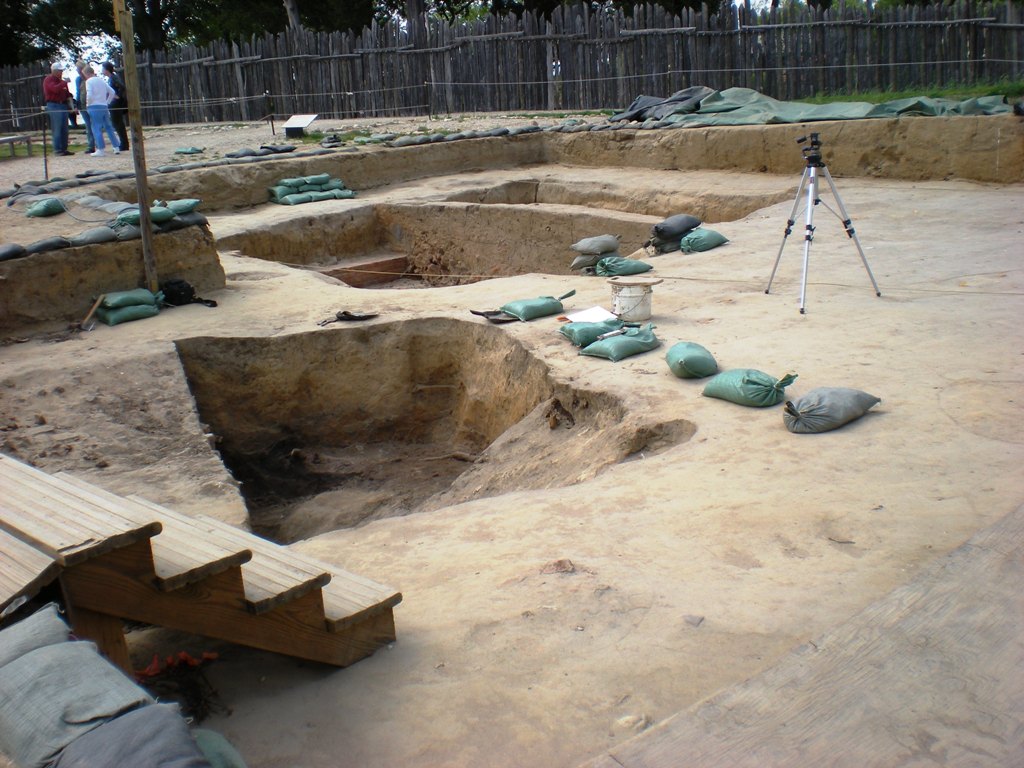
The Topper site, along the Savannah River in South Carolina, begins its story like many other North American digs: with clear evidence of Clovis occupation. But what pushed Topper into the spotlight was the discovery of a deeper layer beneath the Clovis horizon, containing simple stone flakes and fragments that some archaeologists interpreted as very early human tools. Radiocarbon and other dating methods have suggested ages of perhaps up to fifty thousand years for some of this material, which would be far older than almost any other proposed human presence in the Americas.
Critics argue that the supposed artefacts are too crude and could easily be products of natural rock breakage, especially in a riverine environment where stones frequently collide and fracture. Supporters counter that the patterns of the flakes, including features like apparent striking platforms, are consistent with human knapping. The honest reality is that Topper lives in a grey zone: tantalising, suggestive, and deeply disputed. To me, it captures the tension at the heart of early American archaeology: we are probably missing huge chapters of the story, but the evidence we have is often just fragmentary enough to ignite argument instead of agreement.
8. Pendejo Cave, New Mexico: A Layered Cave with Layers of Controversy
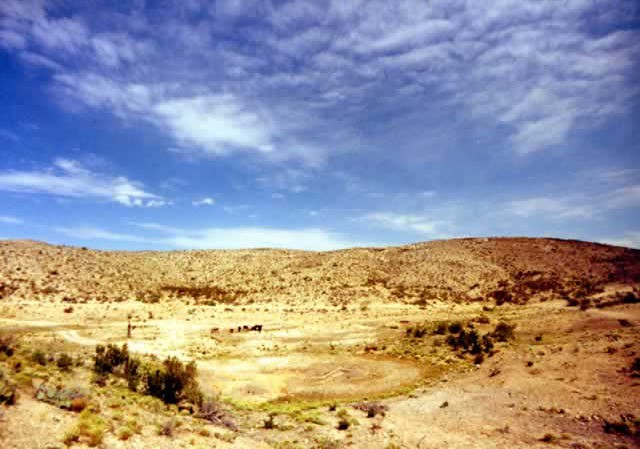
Pendejo Cave in New Mexico is another candidate for a deeply ancient human presence in the Americas, and like several others on this list, it has been mired in debate. Excavations in the cave uncovered stone artefacts, animal bones, and what were interpreted as hearths, with suggested dates reaching back more than thirty thousand years, and possibly far earlier in some reported levels. The cave’s stratigraphy is complex, with multiple layers of occupation claimed by the original excavator, painting a picture of repeated, very ancient human visits.
Many archaeologists outside the excavation team have remained unconvinced, pointing to difficulties in confirming that each artefact came from an undisturbed, clearly dated layer. Caves are notoriously tricky environments: sediments can slump, animals can burrow, and later activity can mix older and younger material. Without broad independent confirmation, Pendejo Cave sits alongside sites like Pedra Furada and Topper as part of a loosely connected group of places that may hint at extremely early human activity, but still fall short of the level of proof needed to rewrite the textbooks. Yet, collectively, they suggest that the door to a much deeper prehistory in the Americas is at least partially open, even if we are not ready to walk through it completely.
Conclusion: A Past Older Than Our Comfort Zone
Looking across these eight sites, a pattern emerges that is less about a single smoking gun and more about a steady, uncomfortable pressure on the old narrative. The classic idea that humans only appeared in the Americas around thirteen thousand years ago is now clearly outdated, replaced by a messier picture with footprints, bones, tools, and hearths scattered across tens of thousands of years. Some sites, like Monte Verde, Gault, and probably White Sands, have strong enough evidence that they have already shifted mainstream thinking. Others, like Cerutti, Topper, Pedra Furada, and Pendejo Cave, sit in a shadowy zone where the data might be revolutionary or might eventually be explained away by more cautious interpretations.
My own opinion is that we are almost certainly underestimating both the age and the complexity of human presence in the Americas, but that does not give anyone a free pass to accept every radical claim at face value. The most exciting thing, honestly, is that we are living at a time when new methods in dating, genetics, and sediment analysis are transforming these arguments from late-night speculation into testable science. It feels a bit like standing at the edge of a vast, ancient library where only a few burned pages have survived, and we are just starting to realise how many missing chapters there must be. When the next truly undeniable site from twenty or thirty thousand years ago finally appears, will we be surprised – or will we wonder why we ever believed the story was simpler than this?