If you could step out of a time machine into the age of dinosaurs, you probably wouldn’t even recognize Earth as the same planet you live on today. The air would feel heavier, the continents would be in the wrong places, the sky might seem strangely tinted, and the sounds around you would be an alien mix of insect buzzes, reptilian calls, and crashing waves on unfamiliar coastlines. You’d be standing in the middle of one of the most transformative chapters in our planet’s history.
When you think of dinosaurs, you might picture giant predators and armor-plated herbivores, but the real story of their world is much bigger than teeth and claws. During the roughly 186 million years between the start of the Triassic and the end of the Cretaceous, Earth’s climate, atmosphere, oceans, and landmasses were constantly shifting. You’re not just looking at a time of big animals; you’re looking at a time when the planet itself was being reshaped in ways that still echo in your life today.
You’re Walking on a World the Dinosaurs Helped Build
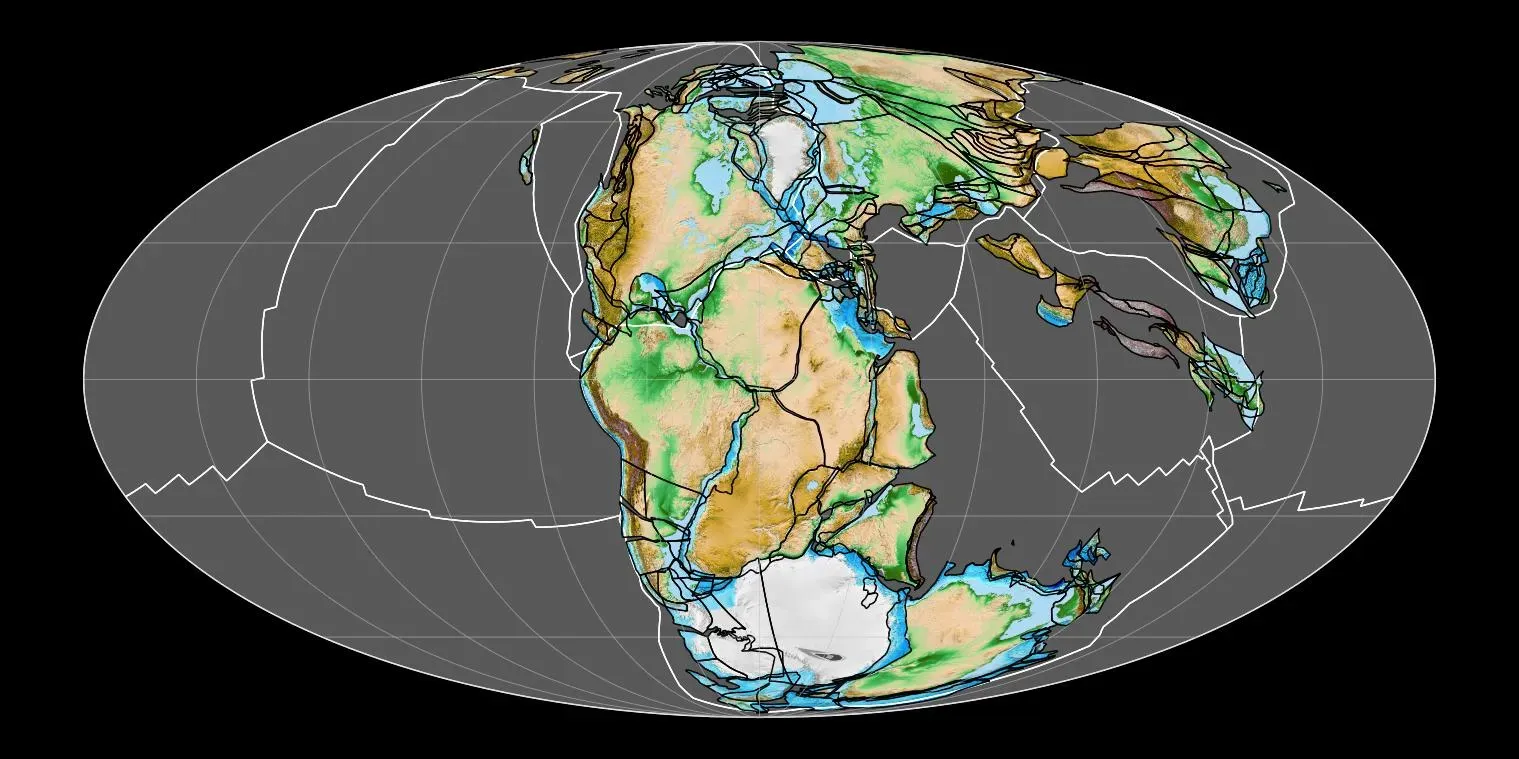
When you look at a world map, it’s easy to think the continents have always been arranged the way they are now. During the age of dinosaurs, though, you’d be living through the breakup of a supercontinent called Pangaea, a process that literally redrew Earth’s surface. At the dawn of the Triassic, most of the land on the planet was clumped together into this single enormous landmass, stretching from pole to pole and surrounded by a global ocean.
Over the millions of years that followed, you’d watch cracks widen into rift valleys, shallow seas flood low-lying land, and continents gradually drift apart into something closer to the layout you know today. That slow-motion continental breakup changed everything: it shifted climate zones, created new coastlines and habitats, and isolated populations of animals that would evolve along different paths. Every time you cross a mountain range, stand on a coastal plain, or drive past layered rock in a highway cut, you’re seeing the scars and leftovers of tectonic drama that unfolded while dinosaurs roamed above.
You Would Breathe Thicker, Stranger Air
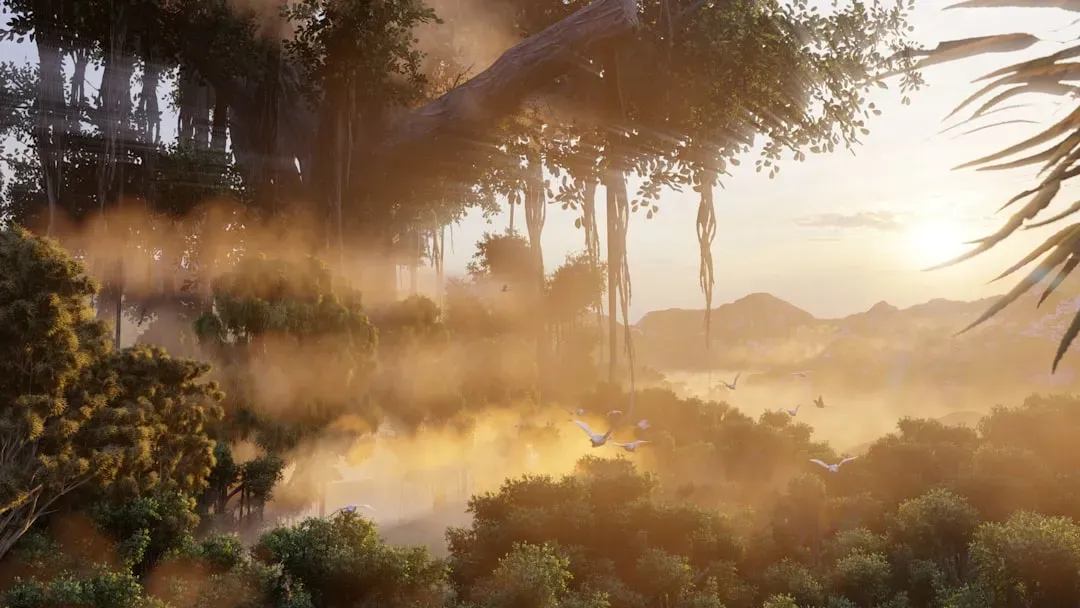
If you tried to take a deep breath in the late Jurassic or early Cretaceous, your lungs would be pulling in a very different mix of gases than what you’re used to. Over the age of dinosaurs, atmospheric carbon dioxide levels were often substantially higher than today, especially in certain intervals when massive volcanic eruptions poured greenhouse gases into the sky. That extra carbon dioxide trapped more heat, pushing global temperatures upward and creating a world that was, on average, warmer and more humid than the modern one you inhabit.
At the same time, oxygen levels also changed, sometimes rising above modern values, which may have helped support large-bodied animals and intensely active lifestyles. You’d likely notice fewer permanent polar ice caps, if any at all, and a reduced contrast between the tropics and the poles. Instead of sharp seasonal differences and harsh winters over large parts of the globe, you’d see relatively mild conditions stretching far into high latitudes, a kind of extended warm belt that wrapped most of the planet. The air around you would not just feel different; it would be part of a climate system running in a more extreme gear.
You’d See a Greenhouse Planet With Lush, Expanding Forests
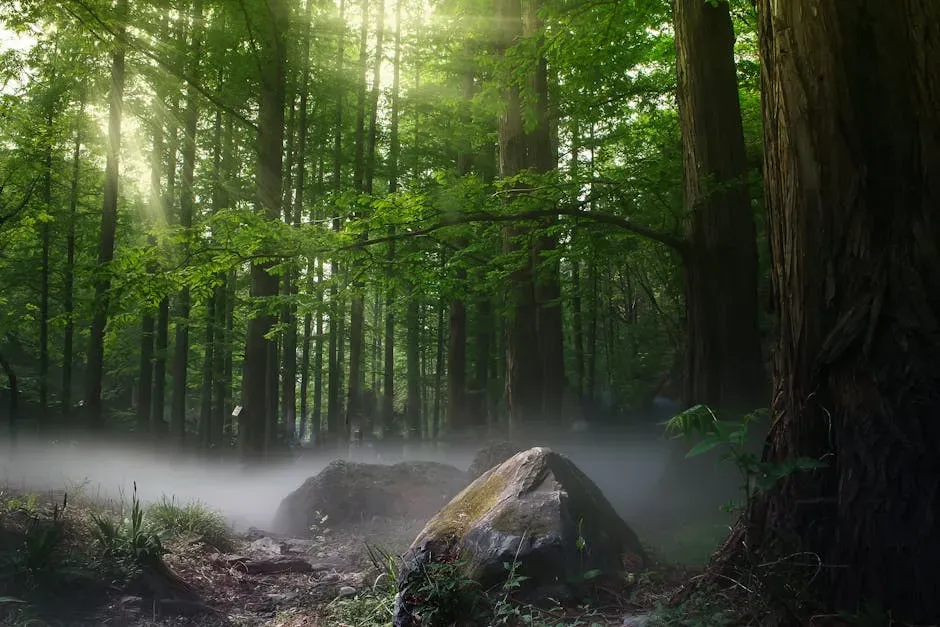
As you walk through dinosaur time, the plant life around you would be transforming in profound ways. Early in the Triassic, landscapes were recovering from a massive extinction, and vegetation was relatively sparse in some regions. Over time, gymnosperm forests – dominated by conifers, cycads, and ginkgo-like trees – spread across much of the world, creating dense, towering canopies where giant sauropods could browse and hide.
By the middle to late Cretaceous, you’d witness one of the most important botanical revolutions in Earth’s history: the rapid spread of flowering plants. Grassy plains as you know them today were not yet common, but flowering shrubs, small trees, and herbaceous plants were increasingly reshaping ecosystems from the understory up. As these plants diversified, they changed soils, altered nutrient cycles, and opened new niches for insects, birds, and small mammals. You live in a world absolutely dominated by flowering plants, and that dominance really took off while dinosaurs were still stomping through the undergrowth.
You’d Watch Oceans Rise, Flood Continents, and Teem With Life
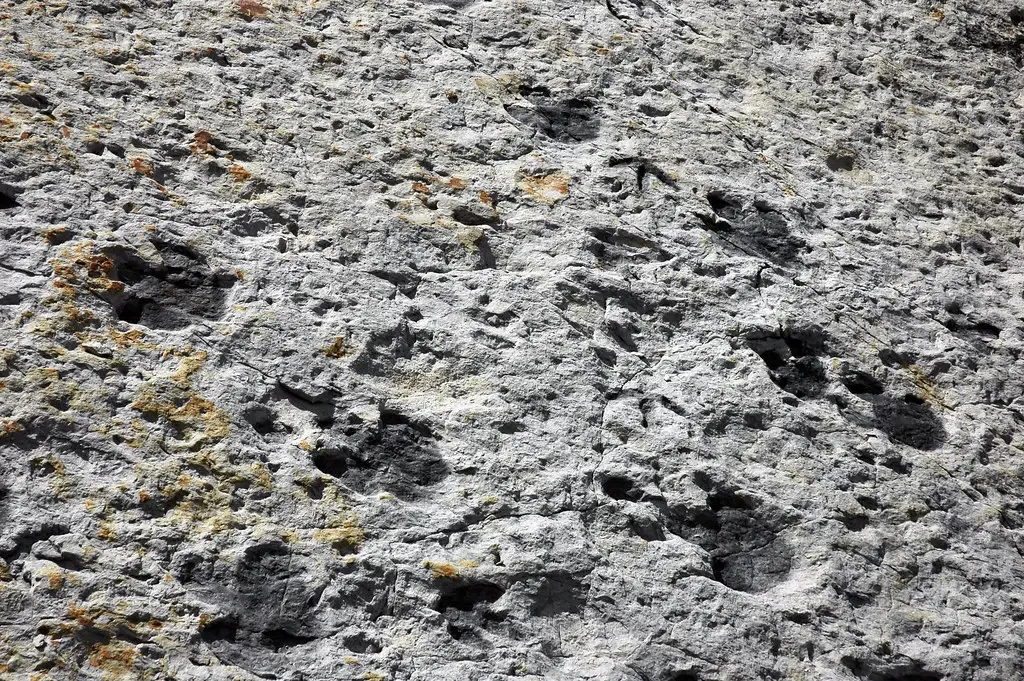
If you looked at a map of sea level during much of the age of dinosaurs, you’d be startled by how much of the continents lay underwater. Warmer global temperatures and the lack of extensive ice at the poles helped drive higher sea levels, allowing shallow epicontinental seas to flood deep into the interiors of continents. In what is now North America, for instance, you could have traveled by boat from what’s now the Gulf of Mexico to the Arctic Ocean along a broad, warm inland seaway.
These vast, shallow marine environments became incredible engines of biodiversity and sedimentation. You’d find rich communities of ammonites, marine reptiles like plesiosaurs and mosasaurs, and early forms of modern fish, along with immense blooms of microscopic plankton. As these organisms died and sank, they contributed to thick layers of organic-rich sediment that, over geological time, would become some of the oil and gas reserves people tap into today. Every time you hear about offshore drilling or inland sedimentary basins, you’re indirectly hearing the legacy of those dinosaur-age seas and the life that thrived within them.
You’d Witness Volcanic Firestorms Reshaping Climate and Life
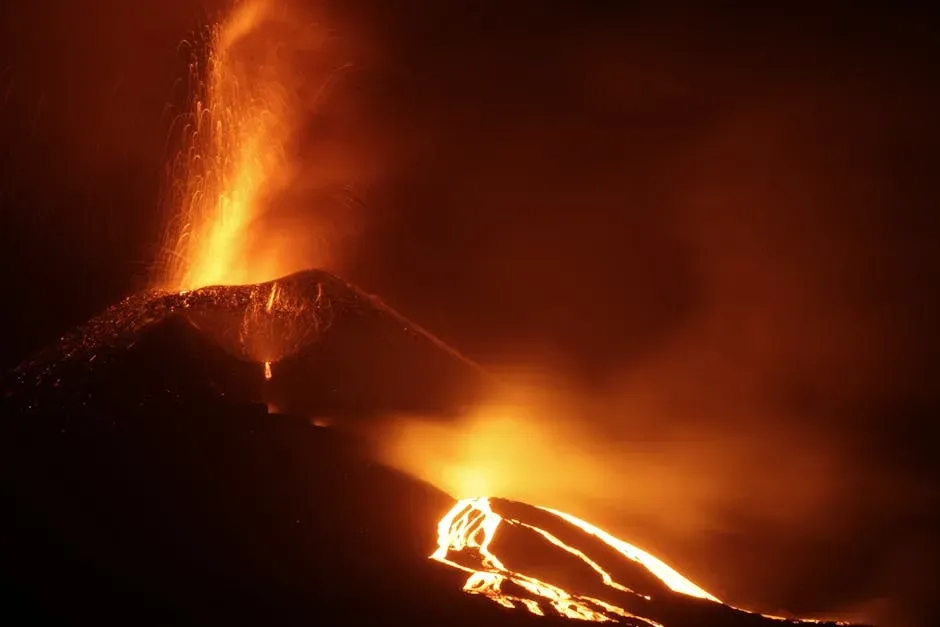
During the age of dinosaurs, Earth’s interior was anything but quiet. You’d see episodes of colossal volcanism that dwarfed anything in recorded human history, pouring lava across regions the size of entire countries and blasting vast quantities of gas and ash into the atmosphere. At the dawn of the Triassic, enormous volcanic eruptions associated with the breakup of Pangaea were linked to a major extinction event that wiped out many species and cleared the stage for early dinosaurs to rise.
Later in the period, other large volcanic provinces would trigger pulses of warming, ocean chemistry changes, and stress on ecosystems. Each eruption episode would be a kind of planetary reset button, temporarily darkening skies, acidifying rain, and shifting temperatures before ecosystems slowly recovered. When you think about modern concerns over carbon emissions and climate, you’re dealing with changes on a much shorter timescale, but the underlying physics is familiar: add greenhouse gases fast enough, and the climate lurches into a new state. Dinosaur times show you that the planet can and does change dramatically when enough carbon is pushed into the air.
You’d See Ecosystems Evolve From Survivors to Giants to Specialists
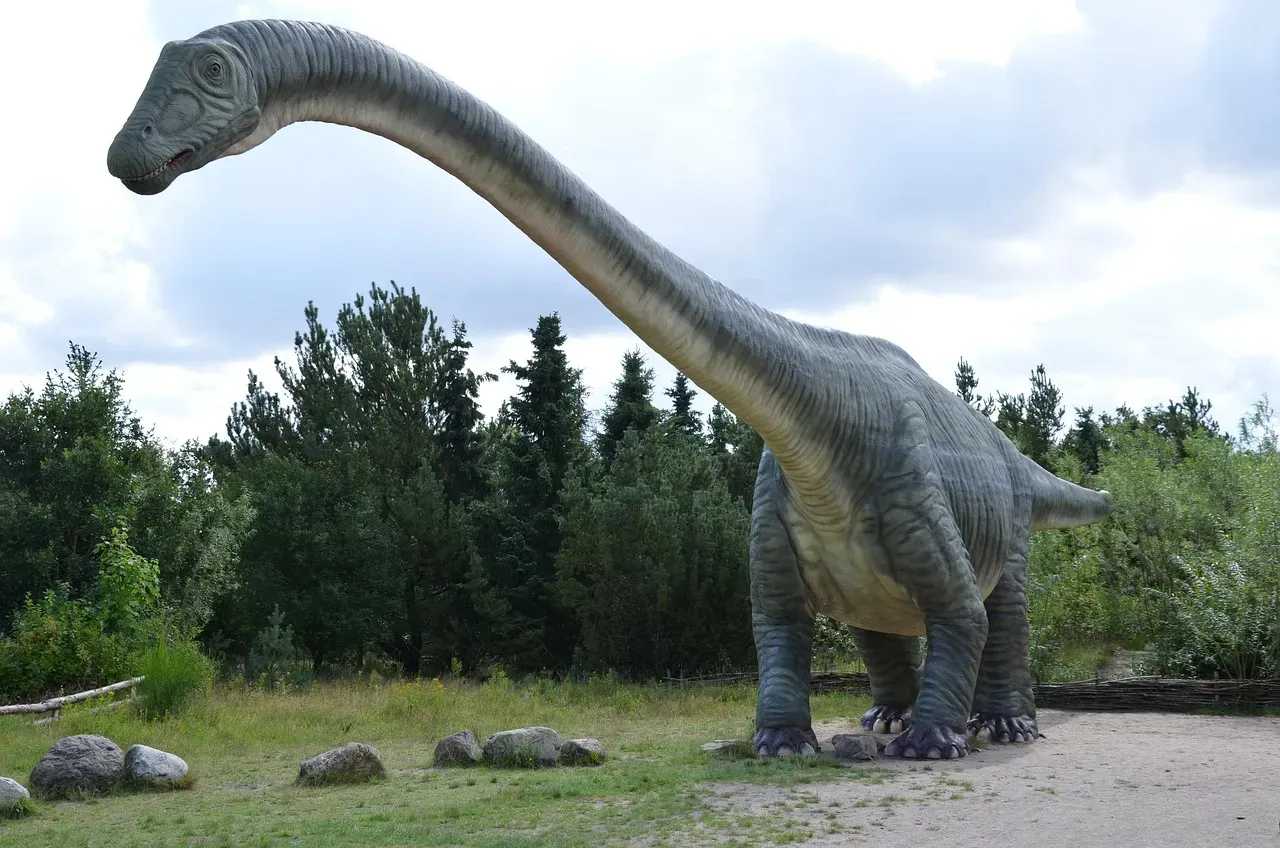
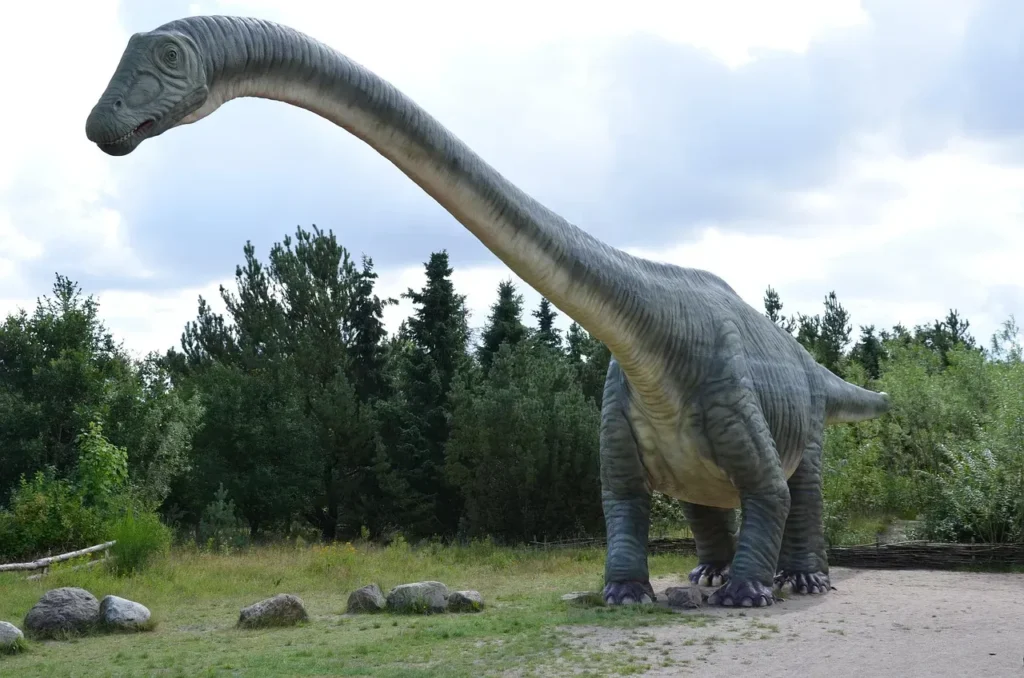
If you followed dinosaur time from start to finish, you’d notice that the animals and ecosystems were anything but static. The earliest dinosaurs appeared as relatively small, lightly built creatures in a world still dominated by other reptile groups. Over tens of millions of years, they radiated into an astonishing range of forms, from long-necked sauropods the length of several buses to horned, armored, and dome-headed species that filled almost every large land-animal niche across the globe.
At the same time, you’d see other groups rise and change: crocodile relatives experimenting with different lifestyles, early mammals quietly diversifying in the shadows, and birds gradually emerging from theropod dinosaur ancestors and taking to the air. These shifts didn’t happen overnight; they unfolded as climates changed, continents drifted, and new habitats formed. The world you know today, with its bird-dominated skies, mammal-dominated large land animals, and familiar plant communities, is the result of countless evolutionary experiments that began and often reshaped themselves during the dinosaur age. You’re inheriting a living cast that was rehearsing its roles long before humans appeared.
You’d Experience a Planet That Ends One Chapter With a Catastrophic Shock
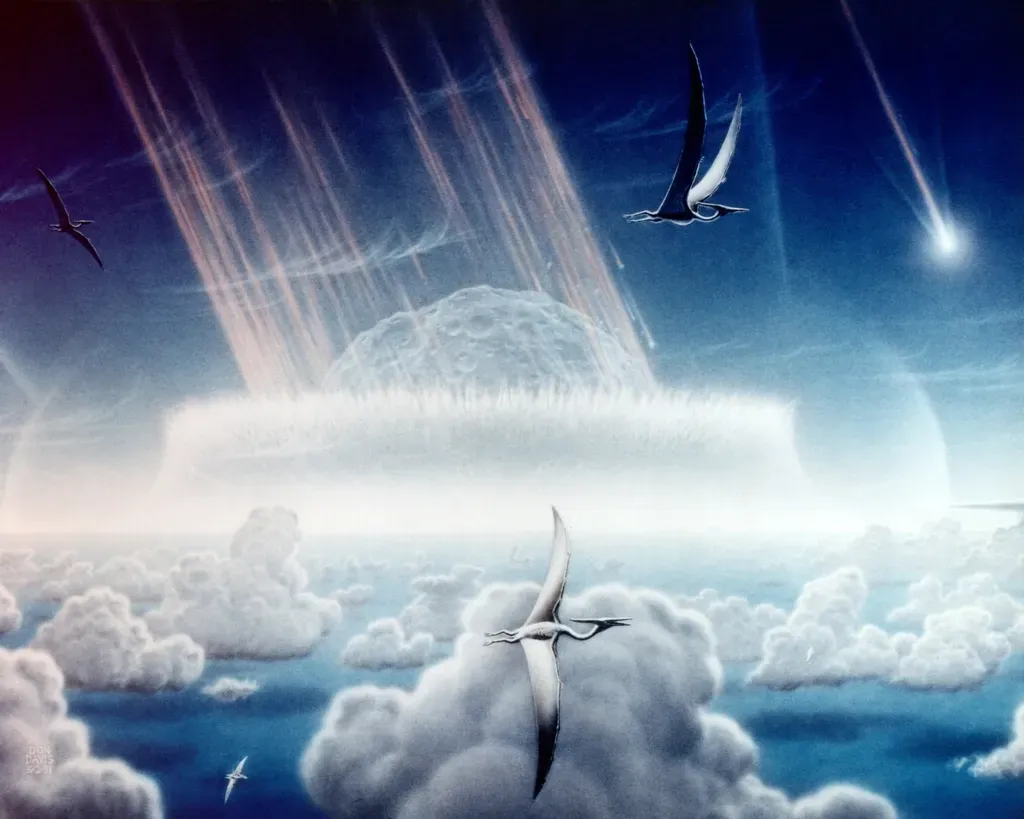
Near the end of the Cretaceous, you’d be living in a world that, on the surface, probably felt stable and well-established. Large dinosaurs ruled many terrestrial ecosystems, oceans were full of marine reptiles and specialized invertebrates, and flowering plants were flourishing across much of the globe. Then, in what amounts to a geological heartbeat, everything would change when a large asteroid slammed into what is now the Yucatán Peninsula, unleashing energy on a scale far beyond anything humanity has ever witnessed.
The impact would blast debris into the atmosphere, spark wildfires, generate tsunamis, and trigger a rapid chain reaction in the climate system. Darkness, cooling, and the collapse of food chains would follow, pushing many species – including all non-avian dinosaurs – over the edge into extinction. That catastrophe ended the age of dinosaurs but opened the door for mammals and, much later, for you. In a sense, the world you inhabit is the sequel to a story that ended in disaster, and the empty ecological spaces left behind are the reason your own branch of life had room to expand.
Why This Ancient Upheaval Still Matters to You Today
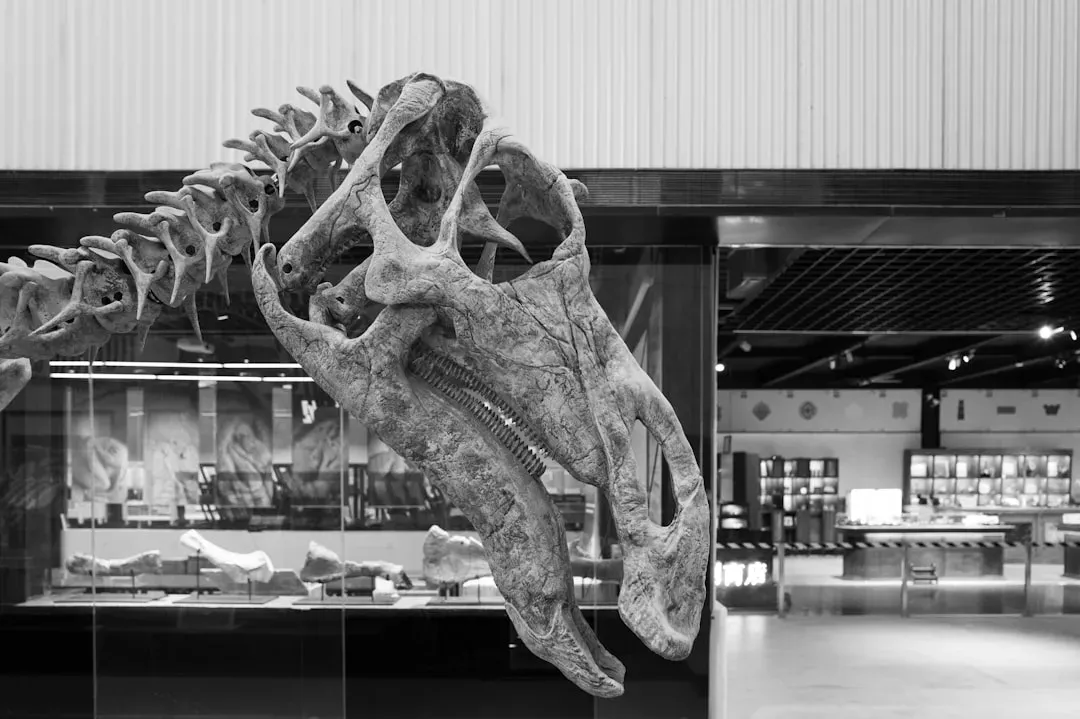
It might be tempting to treat dinosaur times as a distant, almost mythical era that has nothing to do with your real life, but you’re literally surrounded by its consequences. The shape of the continents you travel across, the fossil fuels that power your cities, the flowering plants that feed you, and the birds that sing outside your window all carry the imprint of that long period of planetary restructuring. When you look at a cliff face with layers of rock stacked like pages of a book, you’re often looking at sediments laid down in Triassic, Jurassic, or Cretaceous environments that no longer exist.
Understanding how radically Earth changed during the age of dinosaurs gives you perspective on change happening now. You see that climate can shift, sea levels can rise, ecosystems can collapse, and new forms of life can take over. The difference is that, this time, you and your species are part of the force pushing the system. By learning how past greenhouse worlds, mass extinctions, and tectonic shifts played out, you give yourself a deeper context for today’s choices about energy, conservation, and climate. You’re not just living on a planet; you’re living in the aftermath of one of its wildest eras.
Conclusion: You’re Living in the Dinosaurs’ Long Shadow
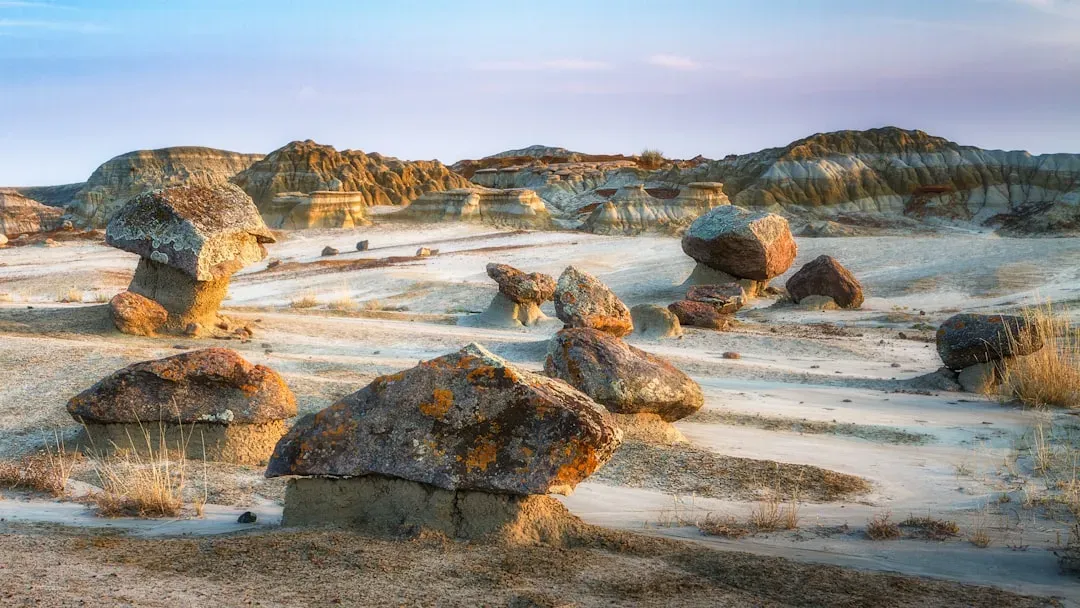
When you pull all these threads together – drifting continents, shifting air, rising seas, raging volcanoes, evolving ecosystems, and sudden catastrophe – you start to see the age of dinosaurs as far more than a parade of spectacular creatures. You see it as a time when Earth itself was reinventing its surface, atmosphere, and living systems on a planetary scale. The world you know is not just a random snapshot; it is the product of those ancient upheavals, from the breakup of Pangaea to the rise of flowering plants and the fallout from a devastating impact.
Every time you watch a bird fly, walk across a fossil-rich rock layer, or read about climate change, you’re feeling subtle aftershocks of that deep past. The dinosaurs are gone, but the world they walked through is still echoing under your feet and in the air around you. In a sense, you’re not simply looking back at a lost era; you’re living in its long shadow, benefiting from its legacies and repeating some of its patterns. Knowing that, how differently do you see your place on this ever-changing planet?