Walk outside on an ordinary day and you might be sharing the planet with creatures whose ancestors watched continents drift, oceans rise and fall, and yes, the slow, dramatic arrival of us. Some animals alive today are not just old in the sense of a long lifespan. They belong to lineages so ancient that when their early relatives first appeared, humans were still millions of years away from even existing. The wild part is that many of these “living fossils” quietly coexist with our cities, farms, and highways, almost like time travelers hiding in plain sight.
When I first learned that horseshoe crabs predate the dinosaurs by hundreds of millions of years, it felt like finding an error in the script of reality. Since then, I’ve never looked at certain animals the same way. In this article, we’ll dive into a handful of lineages that have survived meteor impacts, ice ages, and mass extinctions to eventually witness human civilization. Some live in deep oceans, some in deserts, and some right in our backyards. All of them carry stories written in bone, shell, and DNA that stretch unimaginably far into the past.
Horseshoe Crabs: The Armored Time Travelers of the Shore
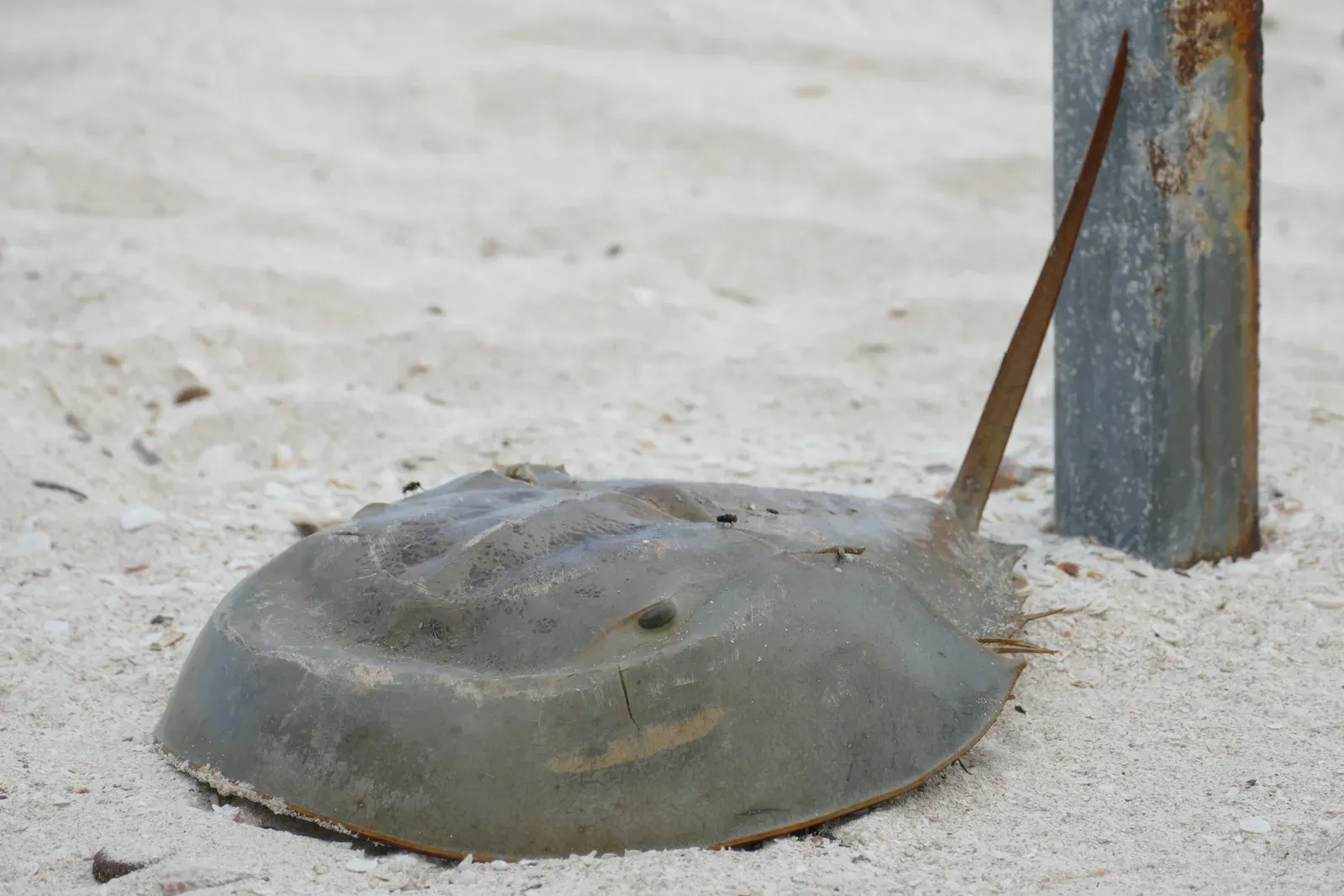
If any animal deserves the overused phrase “living fossil,” it’s the horseshoe crab. Their ancestors show up in the fossil record more than four hundred million years ago, long before dinosaurs, birds, or mammals took the stage. Put a fossil horseshoe crab next to a modern one, and you’d almost need a label to tell which is which. Their helmet-like shell, spiky tail, and cluster of simple eyes have barely changed while entire empires of species have risen and vanished around them.
What really blows my mind is that these ancient creatures are now tied directly into human medicine. Their blue blood is used to test medical equipment and vaccines for dangerous bacterial toxins, a role so critical that it quietly supports hospitals and labs across the world. At the same time, they still do their age‑old thing: hauling themselves onto beaches under full moons to lay eggs in the sand. Migrating shorebirds time their journeys to feast on those eggs, linking one of humanity’s most technologically advanced systems – modern medicine – with one of the planet’s oldest reproductive rituals. The idea that something so “primitive” is literally helping keep our medical world safe is humbling.
Crocodilians: The Survivors That Outlived the Dinosaurs
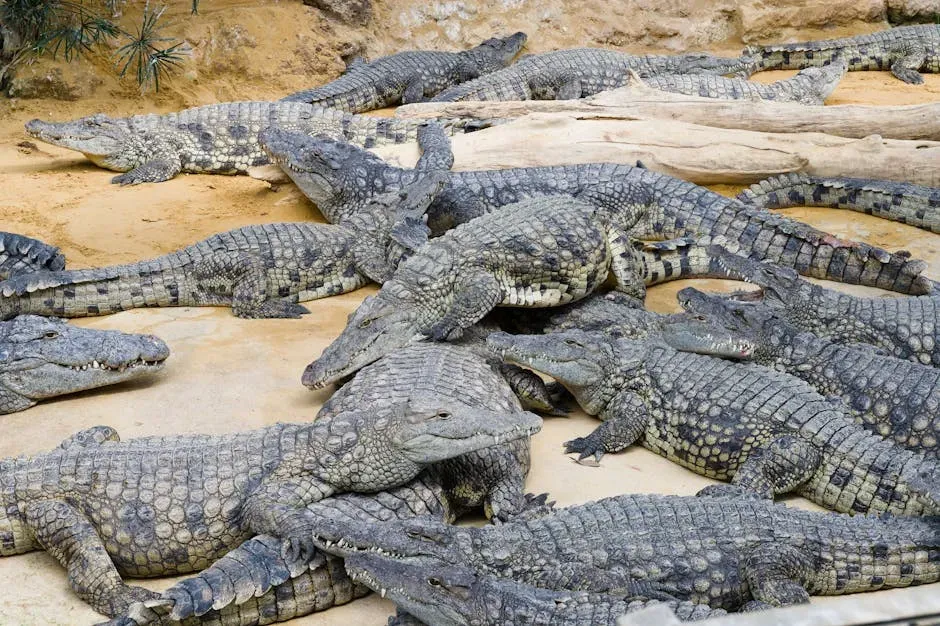
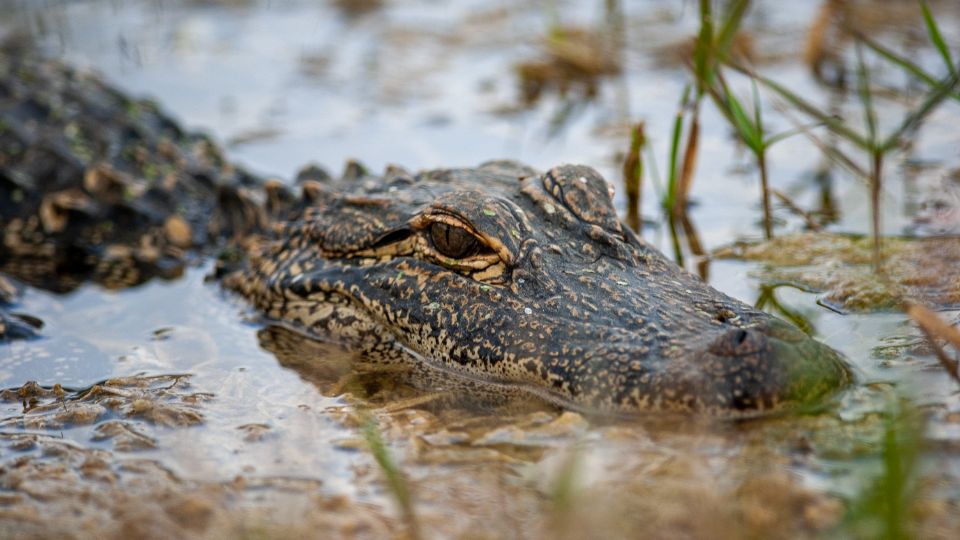
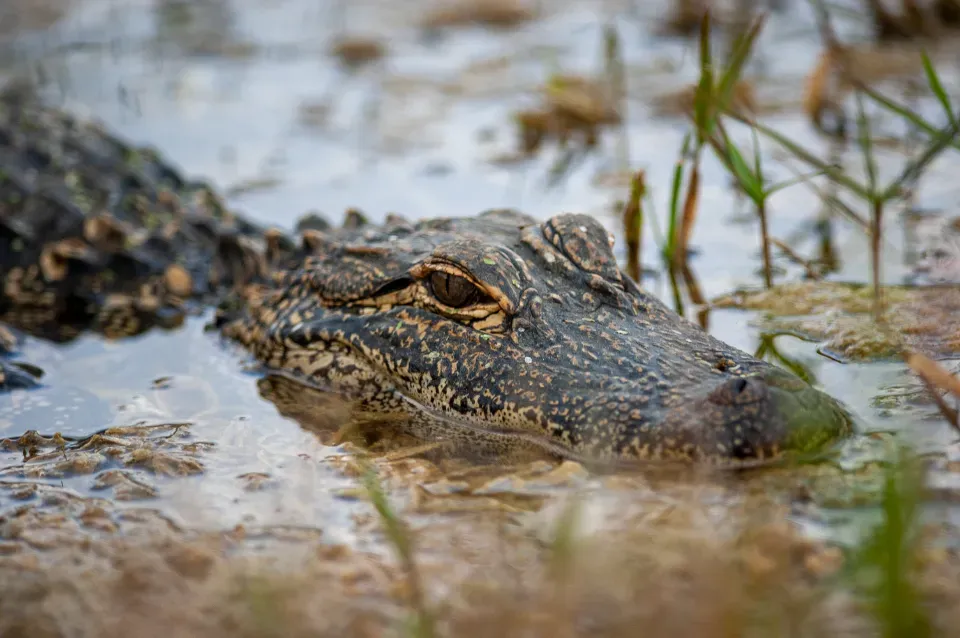
Crocodiles and alligators feel like they stepped straight out of a dinosaur documentary, and in a way, they kind of did. Crocodilian ancestors appeared over two hundred million years ago, evolving into powerful semi‑aquatic predators that watched the age of dinosaurs unfold around them. When the asteroid impact wiped out their towering neighbors about sixty‑six million years ago, the crocodilian line survived, adapting to changing climates and landscapes while so many others vanished forever.
Today, these animals lurk in rivers near villages, bask on muddy banks not far from cities, and even glide through waterways near modern industrial zones. Humans now build dams, drain wetlands, and sometimes fight over the very fish crocodiles hunt, yet the basic crocodilian blueprint – the long jaws, armored skin, and ambush hunting style – has stayed remarkably consistent for tens of millions of years. I find it slightly ironic that a creature whose strategy is basically “wait quietly and strike fast” has outlasted some of the most active and flamboyant animals in Earth’s history. In the long run, patience and resilience seem to have beaten raw spectacle.
Sharks: Ancient Predators Patrolling a Changed Ocean
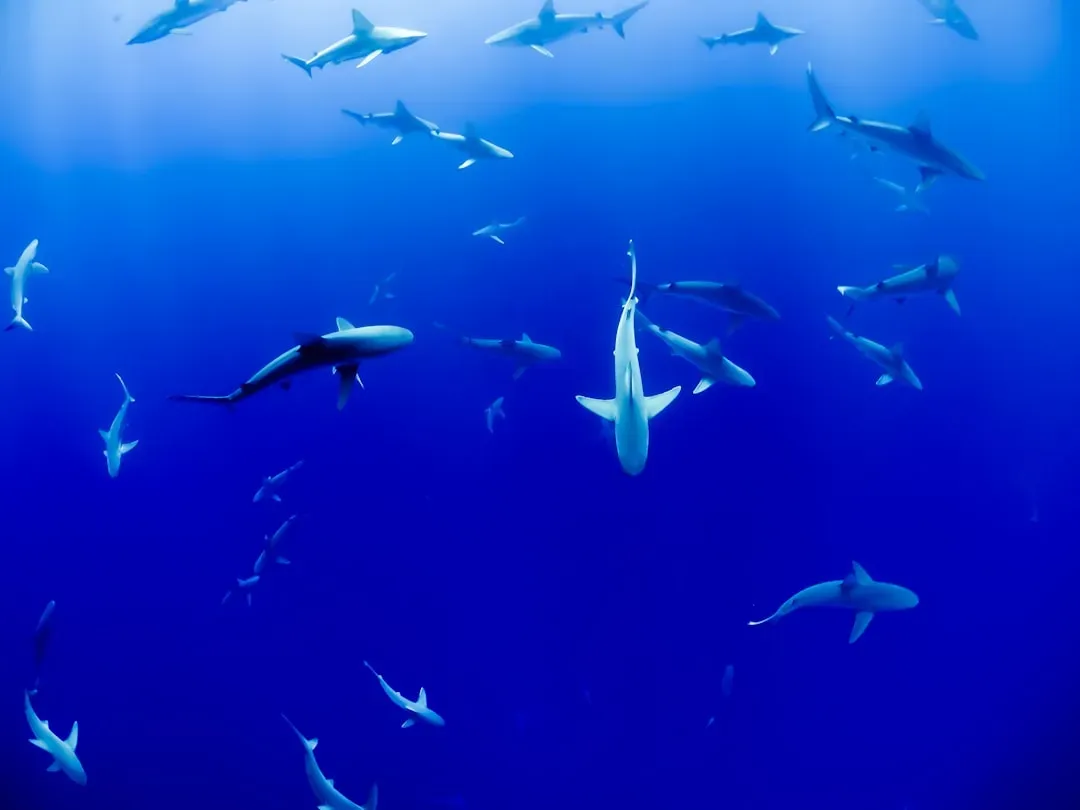
Sharks have been patrolling Earth’s oceans for roughly four hundred million years, which means they were already experienced predators long before forests even existed on land. Early sharks looked a bit different from most of the sleek species we know today, but the core idea – a streamlined body, rows of replaced teeth, and sharp senses tuned for hunting – was already in place. Throughout multiple mass extinctions and drastic climate swings, the shark lineage has persisted, diversifying into everything from bottom‑dwellers to fast‑moving pelagic hunters.
Fast‑forward to now, and these ancient survivors face a new kind of threat: us. Industrial fishing, finning, and habitat destruction have pushed many shark species into sharp decline within just a few human generations, a blink compared to their deep history. There’s something strikingly unfair about the idea that a line of animals tough enough to survive asteroid impacts might be undone by our taste for soup and our bycatch. Seeing some countries push for better shark protections is one of the few hopeful notes in this story. If we manage not to wipe them out, sharks could continue watching over changing oceans long after our current way of life is a distant archaeological curiosity.
Coelacanths: The “Extinct” Fish That Refused to Leave
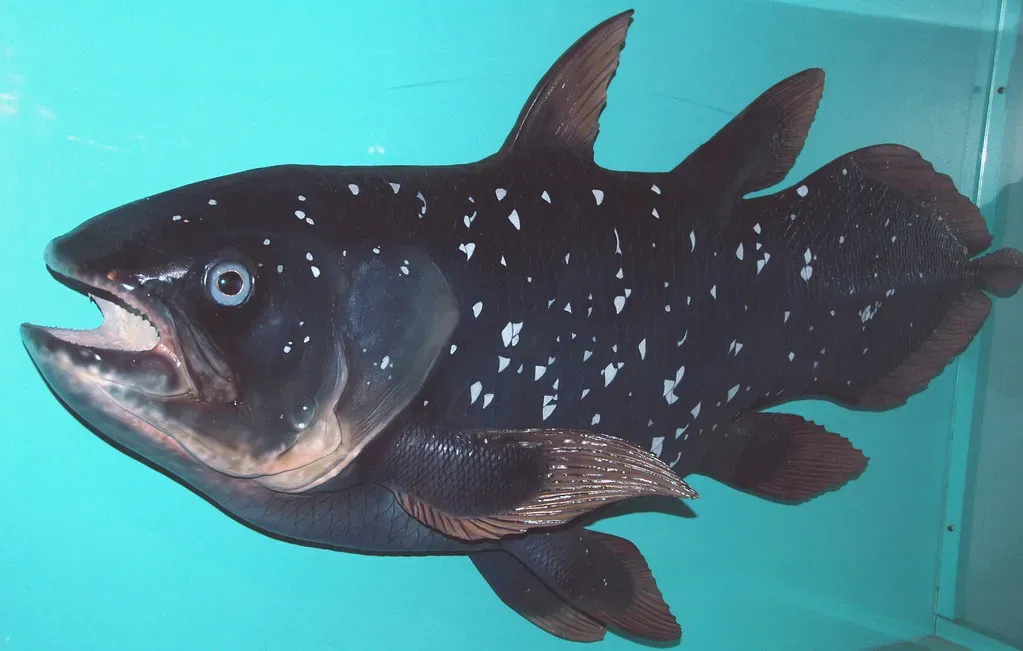
For decades, the coelacanth was known only from fossils more than sixty million years old and was thought to have disappeared with the dinosaurs. Then, in the twentieth century, a living coelacanth turned up in a fisherman’s catch off the coast of Africa, and it was like a ghost from the deep past had suddenly materialized. These lobe‑finned fish, with their fleshy, limb‑like fins and strange, lurching swimming style, are close relatives of the line that eventually led to land vertebrates, including us. In a sense, coelacanths are like a side branch of our own deep evolutionary family that just kept going quietly in the background.
Today, coelacanths inhabit deep underwater caves and slopes, far from sunlight and far from the everyday bustle of human life. They live slow lives, growing and reproducing at a glacial pace, which makes them especially vulnerable to overfishing and environmental change. I love that for most of human history, we had no idea these ancient creatures were still out there, calmly minding their business while our civilizations rose and fell on land. Their rediscovery is a powerful reminder that our picture of life on Earth is always incomplete, and that we should be cautious before declaring any chapter of nature’s story fully closed.
Tuatara: The Last Survivor of an Ancient Reptile Line
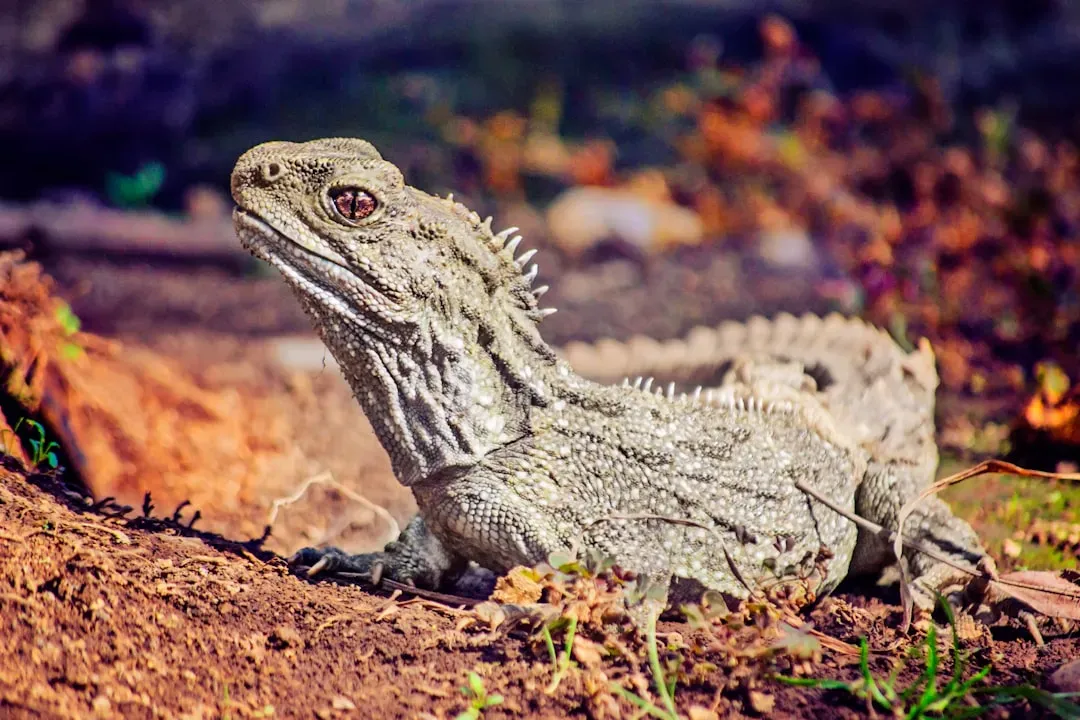
The tuatara of New Zealand looks a bit like an odd lizard at first glance, but it actually belongs to a completely different and far older group of reptiles. Its closest relatives thrived during the age of the dinosaurs, with many species spread across ancient continents. Over time, that once‑diverse group dwindled until only the tuatara remained, an entire order of reptiles distilled down to a single surviving species living on islands at the edge of the world. That alone makes it pretty extraordinary.
Tuatara have some wonderfully strange traits: they grow slowly, live unusually long lives for reptiles, and have a “third eye” on top of the head in young individuals, connected to light‑sensitive structures in the brain. They spent most of their history with no idea that humans existed, and now their fate is tightly bound to human decisions about habitat, invasive predators, and conservation. I find something quietly moving about the fact that people are now relocating tuatara to safe islands and reserves, deliberately stepping in to protect a lineage that started long before anything resembling human culture appeared. Whether we succeed or not will say a lot about how seriously we take our role as caretakers of deep evolutionary history.
Ginkgo Trees: Living Relics Growing Beside Skyscrapers
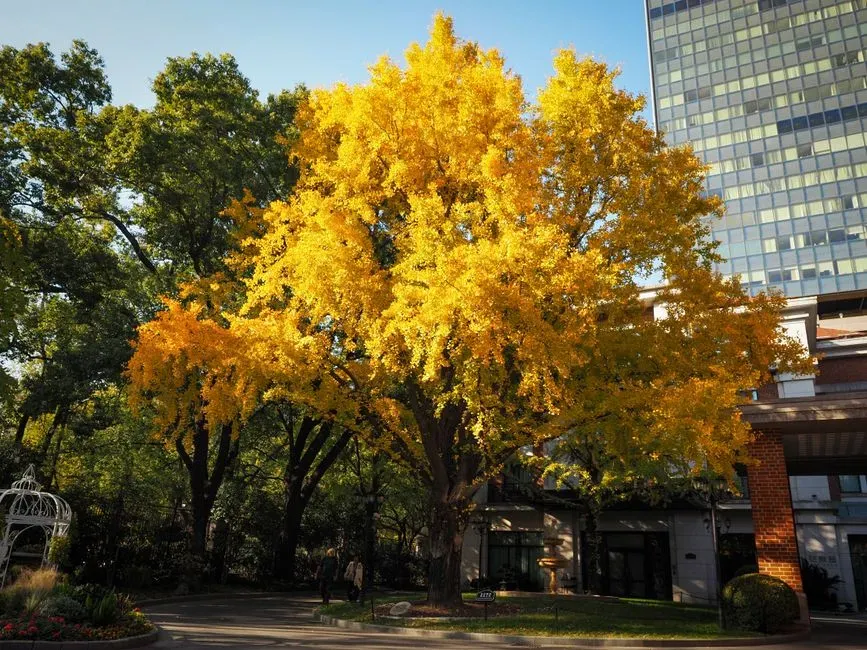
Not all ancient survivors have fur, scales, or fins. The ginkgo tree is a botanical veteran whose fossil relatives date back more than two hundred million years. For ages, ginkgo relatives grew across large parts of the world, but over time they disappeared from the wild in most places, leaving a single species that managed to hang on in parts of China. The fan‑shaped leaves, with their delicate veins and golden autumn color, have looked essentially the same since some of the earliest days of modern forests.
Today, ginkgo trees line busy city streets from New York to Tokyo, planted because they tolerate pollution, compacted soil, and harsh urban conditions better than many other trees. There’s a wonderful contrast in seeing a tree whose design comes from a world of dinosaurs and giant ferns standing calmly next to concrete, traffic lights, and glass towers. To me, ginkgos are a quiet protest against the idea that everything in cities has to be new and temporary. They bring a slice of deep time to the daily commute, reminding anyone who cares to notice that our concrete era is just one more layer on a very thick geological cake.
Nautiluses: Spiral Shells From the Deep Past
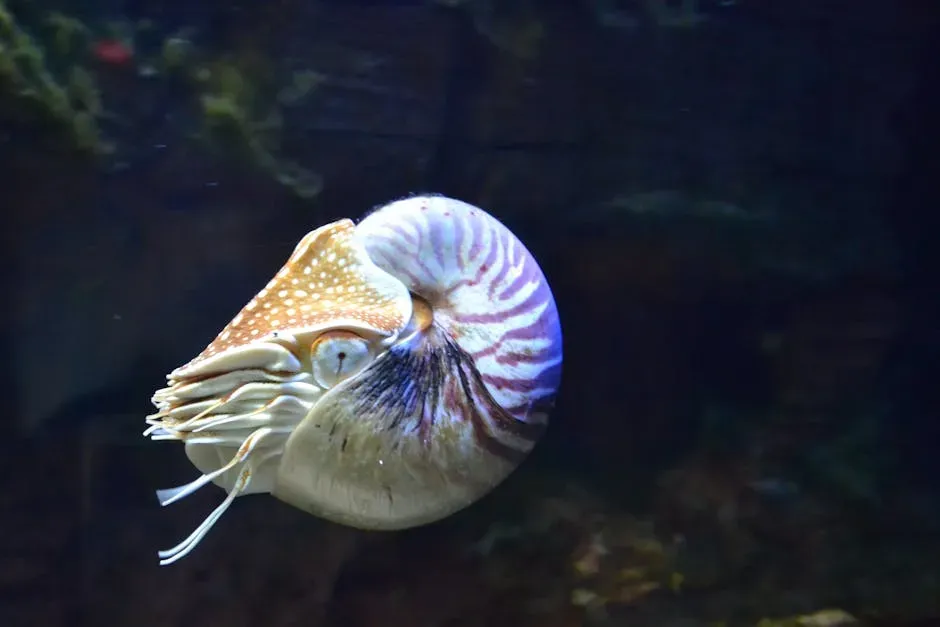
Nautiluses drift through tropical oceans in elegant, spiraled shells that have barely changed in basic form for hundreds of millions of years. They are the last living members of a group of shelled cephalopods that once dominated ancient seas, cousins to the coiled ammonites that fill fossil displays. With their many tentacles, simple eyes, and gas‑filled chambers that control buoyancy, nautiluses look and live like something that slipped through a crack in time. While their modern species are younger than their earliest ancestors, the lineage itself stretches back so far that early nautiloids cruised through oceans utterly unrecognizable to us.
Now, these deep‑dwelling animals share a planet with container ships, sonar, and plastic pollution. Their shells are prized as decorative objects, which has put pressure on wild populations as harvesters target them for trade. There is something almost painfully symbolic about grinding down an animal that has survived multiple global upheavals just to turn its shell into trinkets. If we choose instead to value them as the rare living links they are, nautiluses could continue tracing those ancient spirals through the water while humans argue onshore about the latest trends, oblivious to the fact that some neighbors measure time on a very different scale.
Sponges and Jellyfish: Soft‑Bodied Elders of the Animal Kingdom
When people imagine ancient animals, they often picture big, armored creatures, but some of the deepest evolutionary roots belong to soft‑bodied organisms like sponges and jellyfish. Sponge lineages go back more than half a billion years, representing some of the earliest branching groups in the animal family tree. They lack nerves and muscles, yet they create intricate skeletons of tiny spicules and pump water through their bodies with surprising efficiency. In a sense, sponges are like the minimalist prototypes of animal life: simple, effective, and incredibly persistent.
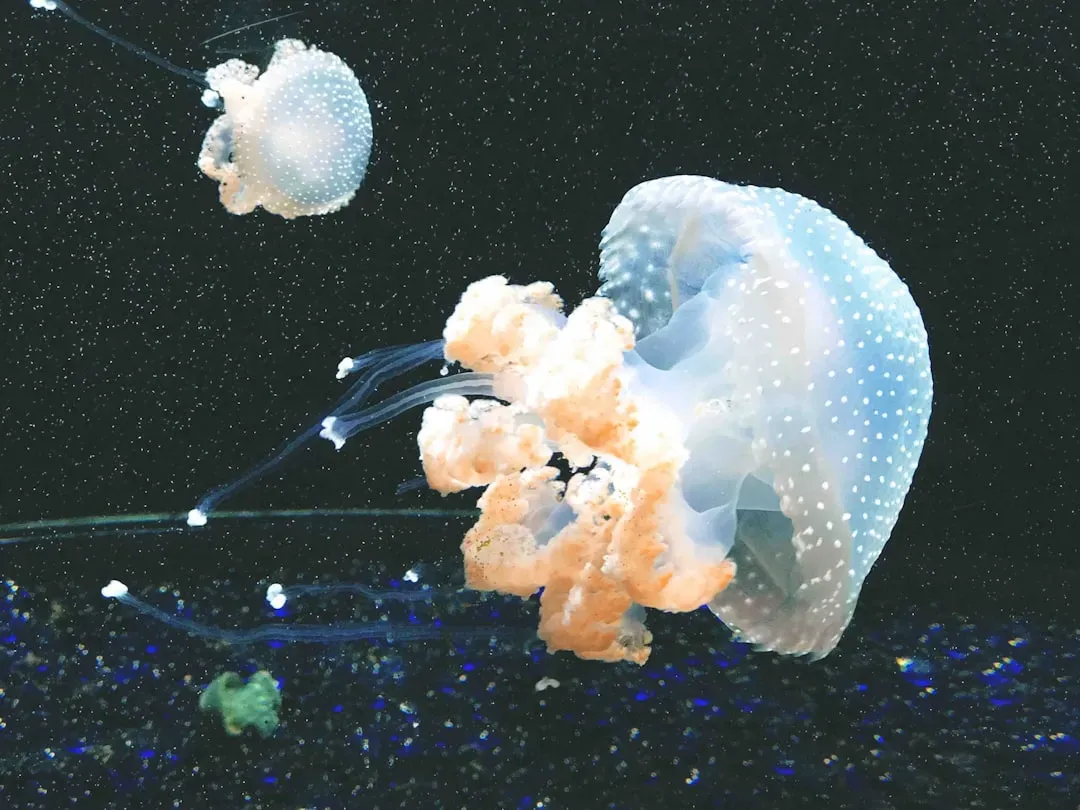
Jellyfish, on the other hand, have glided through the oceans since long before complex eyes or jaws evolved, pulsing their way through prehistoric seas. Modern jellyfish blooms sometimes explode near coasts, clogging power plant intakes and frustrating fishers, making it feel like the ancient world is pushing back against our industrial one. To me, there is a strange poetry in the fact that as we build ever more complicated machines, these almost alien‑looking creatures with no brain as we understand it continue to thrive in many places. Their success is a quiet reminder that evolution is not a race toward complexity; it is a relentless test of what works well enough to keep going.
Conclusion: Deep Time Has Entered the Chat
Spending time with these ancient lineages changes how the modern world feels. Suddenly, a nighttime beach with lumbering horseshoe crabs or a city street lined with ginkgos is not just scenery, but a living overlap of wildly different eras. These animals and plants did not evolve to witness skyscrapers, smartphones, or space stations, yet here they are, continuing old routines while we chase the newest innovation. The story of life on Earth turns out not to be a neat ladder leading up to us, but a tangled forest where a few very old branches are still stubbornly green.
Personally, I think we underestimate how lucky we are to share the present with such deep‑time survivors. If our civilizations are more than just a brief geological experiment, part of the proof will be whether these ancient neighbors are still around in a few thousand years, doing their thing beside whatever comes after high‑rise apartments and highways. Protecting them is not just about biodiversity checklists; it is about choosing to live in a world where the past is still alive and visible. In that sense, the real question is not whether these animals can survive us, but whether we are wise enough to deserve their company. Would you rather live on a planet of only new things, or one where even the oldest stories are still being told?