You carry, in every cell of your body, a story of movement. Long before cities, borders, or maps, your ancestors walked, climbed, paddled, and endured their way across a planet that often seemed determined to kill them. Yet somehow, small bands of early humans left their African homelands and eventually spread to almost every corner of the Earth, from sun‑blasted deserts to icy tundra and dense tropical forests.
When you zoom out and really think about it, this journey is wildly unlikely. You come from people who survived droughts, glaciations, predators, volcanic eruptions, and sheer bad luck, often with nothing more than stone tools, fire, and each other. In this article, you’ll trace how early humans managed this feat: the routes they took, the skills they honed, and the ways they reshaped themselves and their surroundings to fit wildly different worlds. By the end, you may see your daily commute a little differently.
From African Origins to a World on the Move
If you go far enough back in time, your story starts in Africa. Fossils and genetic evidence tell you that the branch of humans you belong to, Homo sapiens, emerges in Africa more than two hundred thousand years ago, living in a patchwork of grasslands, woodlands, and coastal areas. You’re not alone there; other human relatives like Homo heidelbergensis and later Homo naledi share parts of the continent at different times, each adapted in their own way to shifting climates and habitats.
What pushes your ancestors to start leaving? You’re looking at a mix of slow-burn and sudden shocks: changing rainfall patterns, expanding and shrinking deserts, and fluctuating food sources. Imagine living on the edge of a savanna that suddenly turns drier and less predictable; you’d start following herds a bit farther, staying near a new water source a bit longer, and slowly, without any grand plan, you and your descendants are living in a different region altogether. Human migration at this stage is not a heroic expedition; it’s countless small decisions to move just beyond the horizon.
Following Water, Herds, and Seasons: The Logic of Early Routes
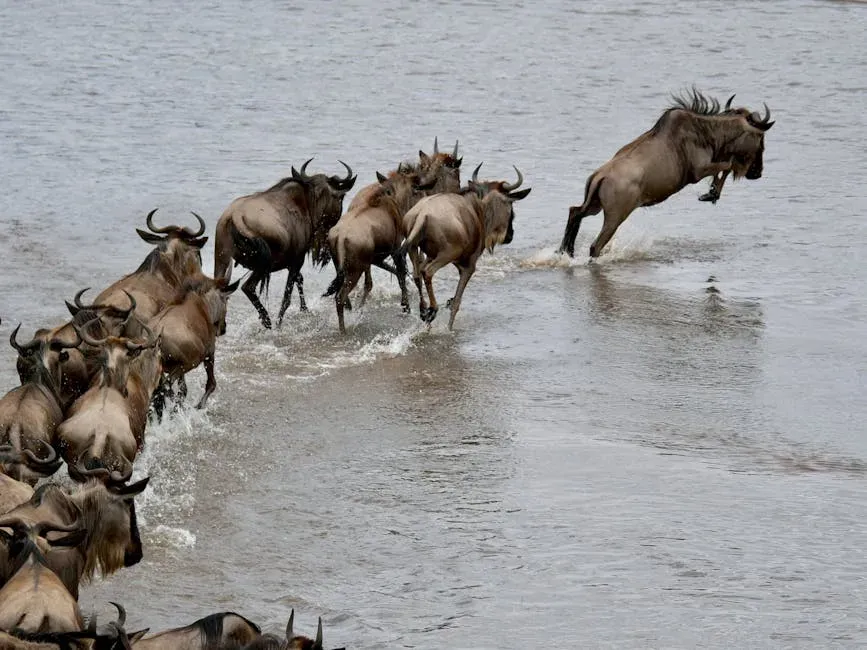
When you picture early humans migrating, you might imagine arrows on a map shooting dramatically across continents. In reality, you would have moved in much messier, local ways, hugging rivers, coastlines, and lakes. Water is your lifeline: it brings plants, animals, fish, and safe places to camp. If you trace prehistoric migration routes, they often shadow old river valleys and coastlines that may now be underwater or buried under modern cities.
You would also track animals and seasons with the kind of precision that modern people usually reserve for weather apps and traffic reports. Herds of large mammals, migrations of birds, and seasonal fruiting of plants all create predictable patterns in the landscape, and you’d learn these by living them, year after year. Over generations, those seasonal movements stretch: a favorite hunting ground lies a bit farther north, a newly discovered shellfish-rich bay lies a bit farther along the coast. Before long, your people are established far from where your great-great-grandparents started, yet each step would have felt practical rather than grand.
Crossing Harsh Deserts and Open Grasslands
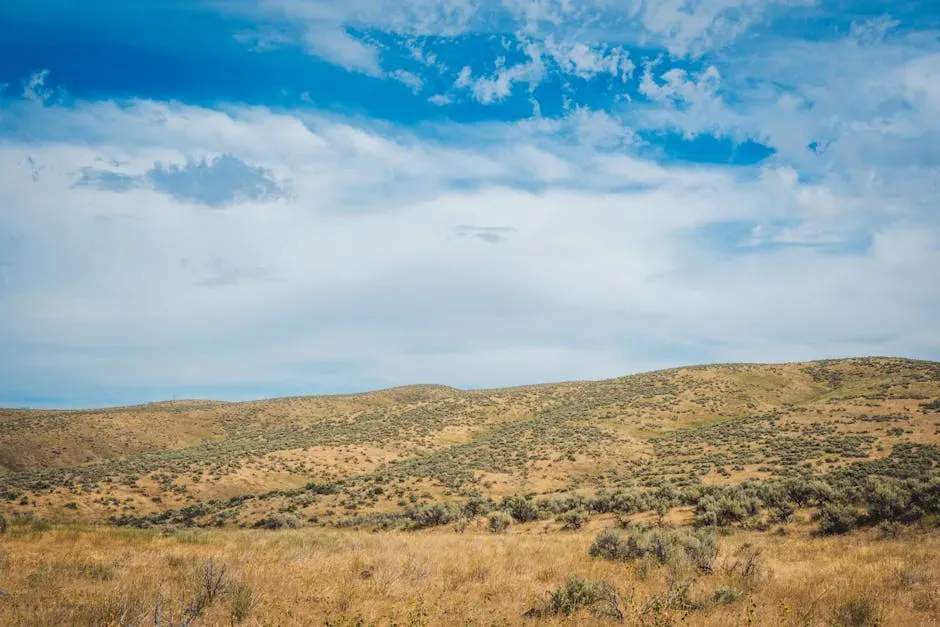
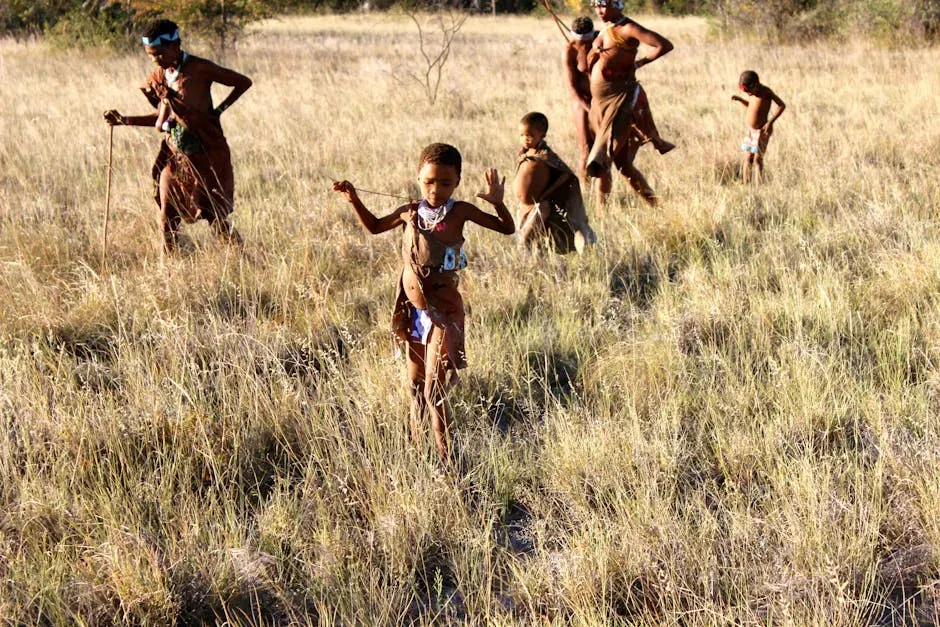
One of the most intimidating landscapes your ancestors faced was the open, exposed country of deserts and vast grasslands. To you today, a desert might look like empty space, but to an early human, it was a risky corridor threaded with oases, riverbeds, and hidden waterholes. You’d quickly learn to read subtle signs: the direction of animal tracks, certain hardy plants that signal underground moisture, or the flight of birds at dusk pointing toward water.
On open grasslands, you’re both hunter and potential prey. You can see far, but so can predators, and there’s little shelter from wind, sun, or storms. Here, your success hinges on cooperation and planning: you move in groups, share knowledge of safe routes, schedule your travel around the cooler hours, and cache food or stone for tools near reliable resources. When you hear about early humans “conquering” these spaces, what that really means for you is slowly piecing together a mental map of invisible resources, until a hostile plain becomes a network of familiar stops.
Cracking Forests, Mountains, and Coasts
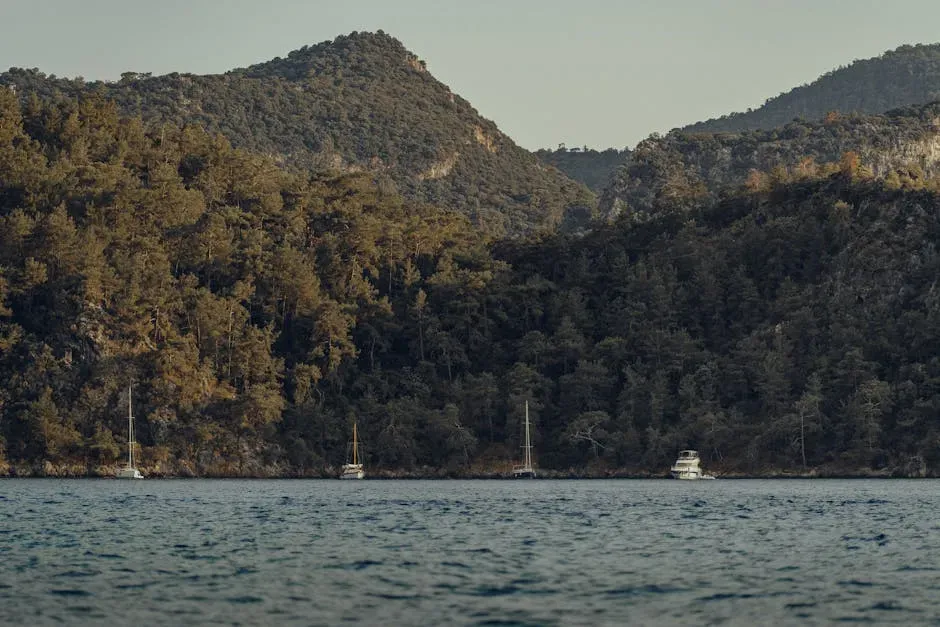
If deserts and grasslands tested your ability to endure exposure, forests tested your ability to navigate complexity. In thick woodlands, you can’t see far, sound behaves differently, and danger might be hiding a few steps away. You adapt by sharpening your awareness: you use smell, sound, and tiny visual cues to follow game trails, recognize edible plants, and avoid venomous animals. Tools shift too; you rely more on close-range hunting, climbing, and perhaps even early shelters that fit among trees.
Mountains and coasts are their own kind of challenge. In mountains, you deal with cold, thin air, tricky paths, and sudden weather changes, but in return you get sheltering valleys, diverse plants, and animals that live in predictable zones. On coasts, you gain abundant foods like shellfish and fish, but you must master tides, waves, and dangerous weather. If you were walking along a prehistoric shoreline, you might see it the way some people see a supermarket today: packed with reliable food, materials, and landmarks that guide you forward.
Cold Frontiers: How You Survive the Ice Age World
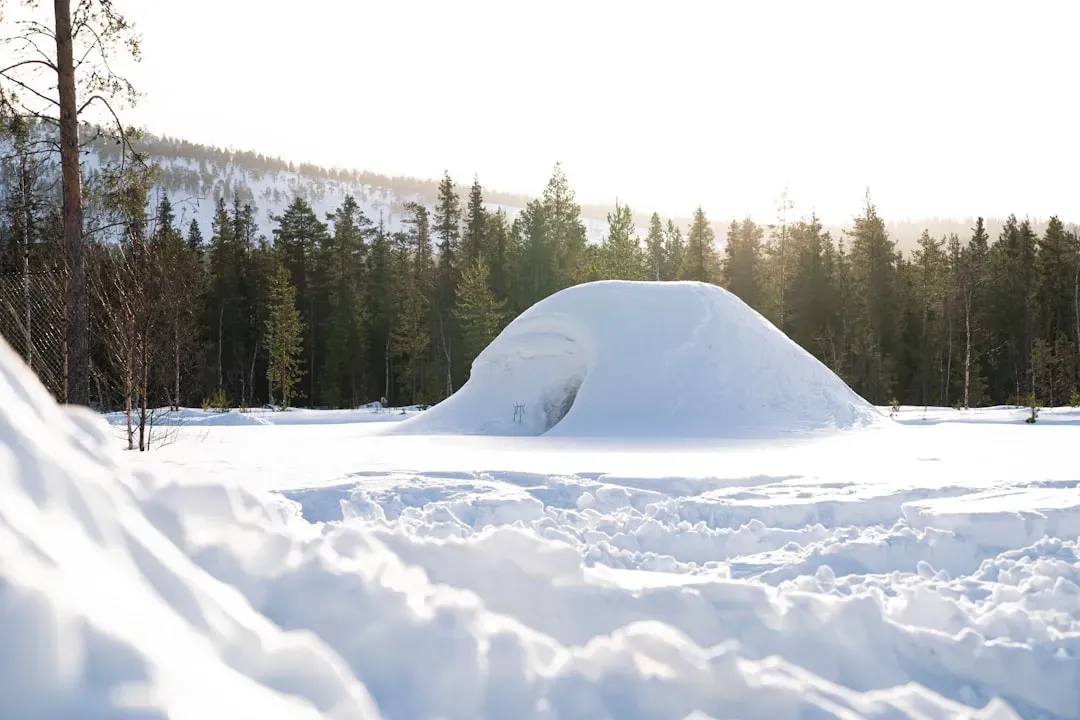
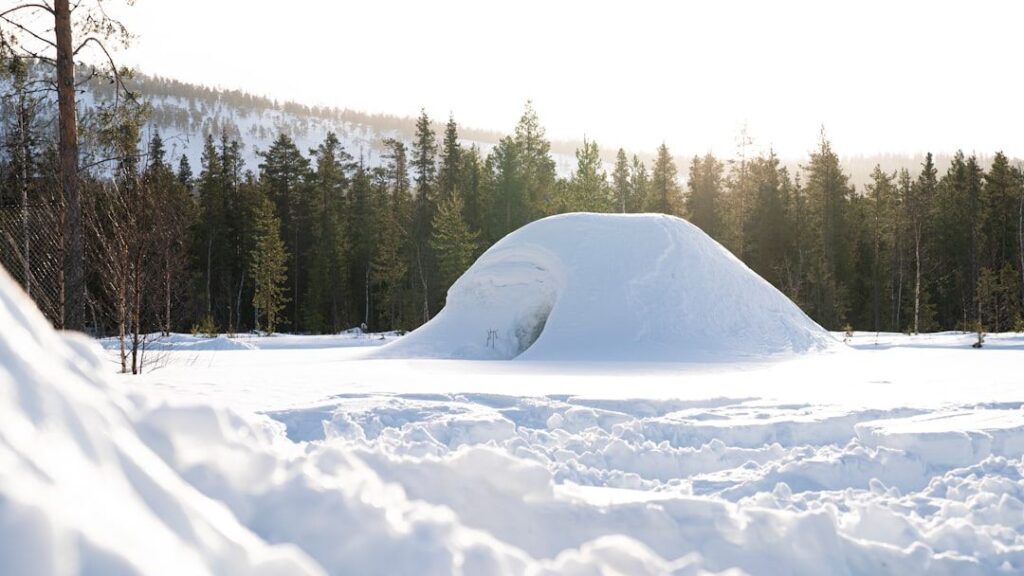
Eventually, your ancestors push into cold regions where winter is not just inconvenient, it’s lethal if you’re unprepared. Here, you lean heavily on fire, clothing, and shelter. Instead of simple windbreaks, you construct more substantial dwellings from mammoth bones, wood, or packed earth and hide, and you line them with insulating furs. Your clothing becomes more carefully tailored, not just wrapped, with seams and fastenings that keep heat in and wind out, turning animal skins into a kind of wearable microclimate.
Hunting and gathering change too. You rely more on large game adapted to the cold, like mammoths or reindeer, and you learn to store food against long winters. You may even start organizing your year into distinct seasonal camps, returning to the same sheltered valley or river crossing where you know animals will pass. In a sense, you become part-time architects and logisticians, not just wanderers. When you stand in a heated modern room and look out at snow, you’re enjoying the distant legacy of these hard-won strategies for surviving the ice.
Tools, Fire, and Story: Your Invisible Survival Kit
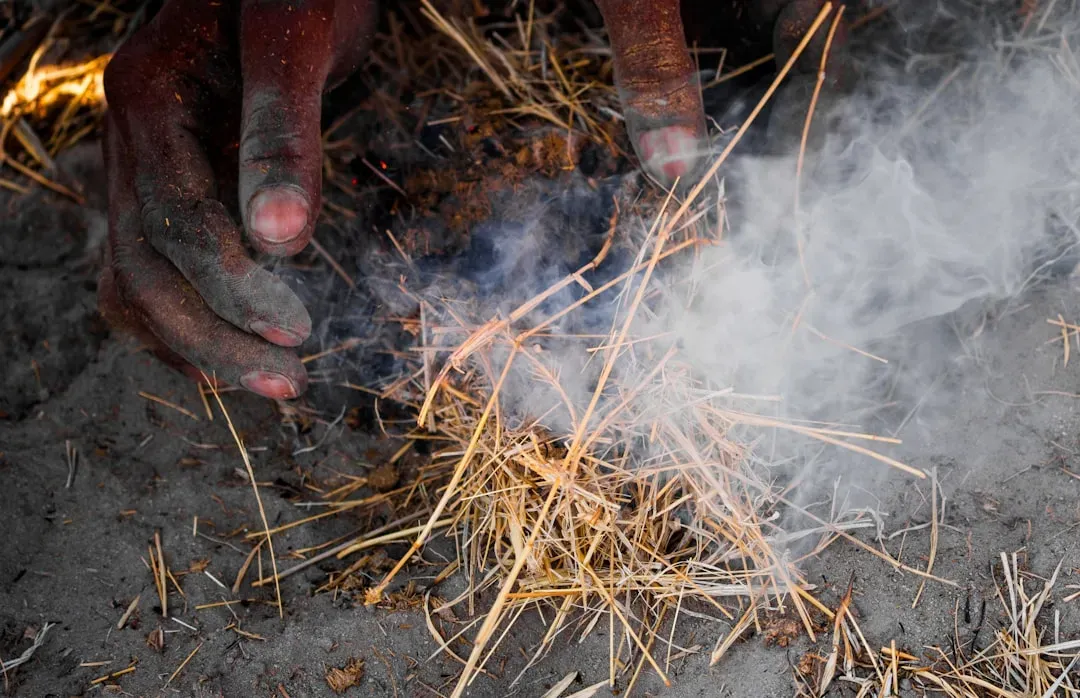
None of this migration happens on muscle power alone. What really carries you across continents is a bundle of invisible tools: your technology, your social bonds, and your ability to share knowledge through stories. As your ancestors move into new landscapes, they keep tweaking their toolkits: different stone shapes for different tasks, bone needles for sewing, wooden spears or throwing devices for safer hunting. Each new environment pushes your creativity; every challenge becomes a kind of puzzle you try to solve with what you can knap, carve, or weave.
Equally important is what happens around the fire at night. You would hear stories about dangerous paths, sacred waterholes, successful hunts, and terrible mistakes. Those stories are not just entertainment; they’re survival manuals wrapped in emotion. Because they move you, you remember them, and when you face your own moment of crisis, a tale you heard as a child might surface and guide your next move. In that way, migration is not just bodies moving through space; it’s knowledge preserved, edited, and passed forward like a living map.
Becoming Local Everywhere: How Migration Shapes Who You Are
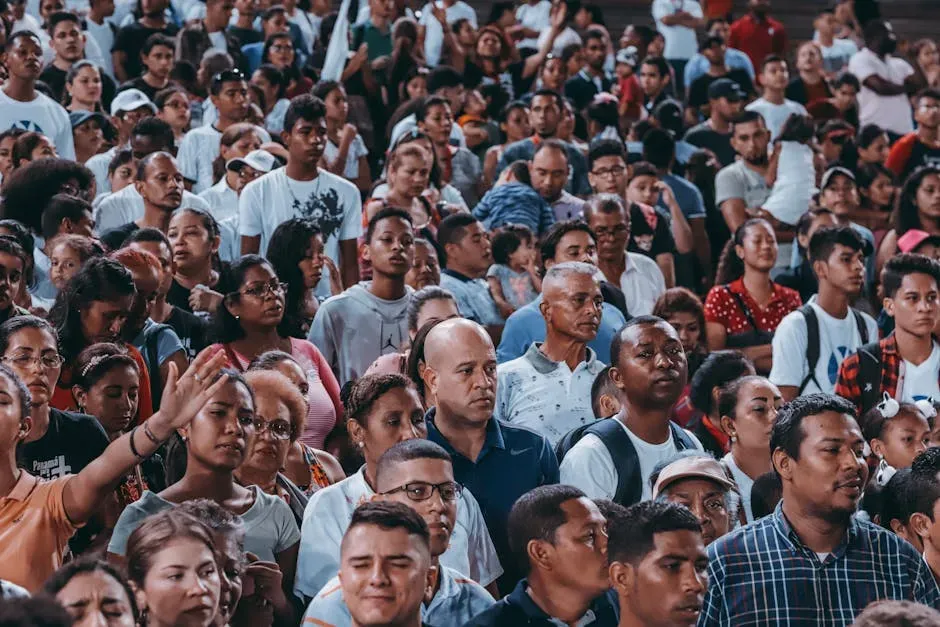
Over generations, something subtle happens: your people stop feeling like visitors in new landscapes and start becoming “locals.” Your bodies and cultures adapt in ways you barely notice because they unfold slowly. Skin tones shift with different sunlight, body proportions change slightly with climate, and diets adapt to what is reliably available, whether that’s coastal seafood, highland tubers, or savanna meat. Even your sense of time and season can change, shaped by monsoon cycles, long polar twilights, or equatorial rains.
At the same time, movement rarely stops completely. Trade, marriage exchanges, seasonal hunting trips, and curiosity keep you and your neighbors in motion, weaving connections between distant groups. So when you think about early humans “conquering” diverse landscapes, you should picture something more fluid: waves of people settling in, adapting, mixing, and sometimes moving on again. The result, thousands of generations later, is you living in a world where almost everywhere on Earth, someone’s ancestors once stood, looked around at an unfamiliar horizon, and decided to keep going.
Conclusion: You Are the Child of Walkers
When you trace the paths of early humans across deserts, forests, mountains, and icy plains, you’re really tracing the outline of your own inheritance. You come from lineages that refused to stay put when conditions turned harsh, that kept experimenting with tools and tactics, and that turned scary new landscapes into livable homes. Every climate-controlled room, every highway, and every plane flight you take rides on that ancient foundation of movement, ingenuity, and shared knowledge.
In a world that can feel overwhelming and unstable, it helps to remember that adapting to change is not new for you; it is the oldest thing you do. Your ancestors survived shifting climates, shrinking resources, and constant uncertainty with far fewer tools than you have now, yet they still managed to fill the map. The question you might quietly ask yourself is: if they could do that with stone, bone, and courage, what might you be capable of, given everything you carry from them today?