
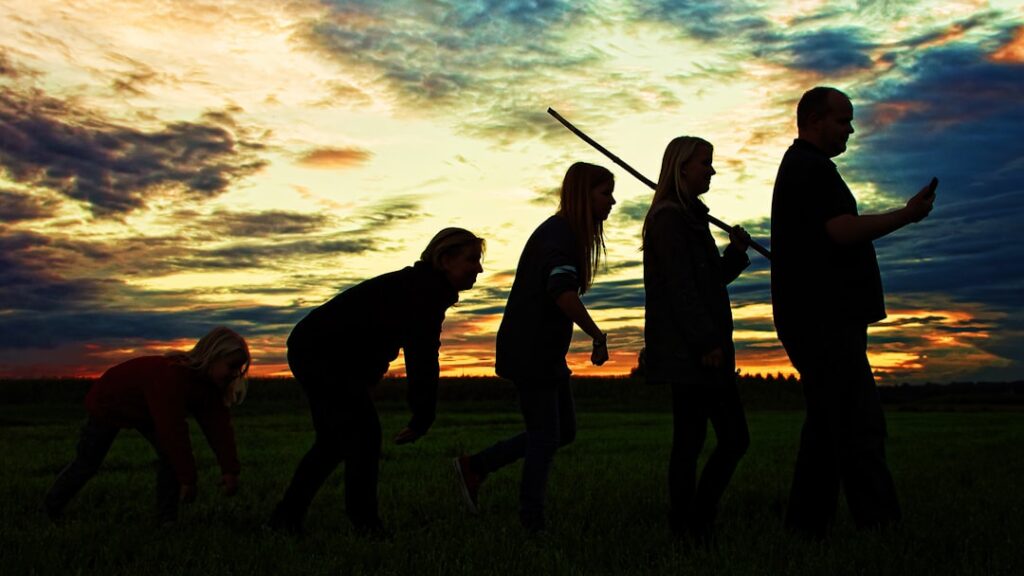
Every sci‑fi movie tries to imagine where humans came from and where we might be going, but reality is already wild enough. Our bodies carry the fingerprints of ancient catastrophes, intimate partnerships with microbes, and even flukes of geology that shaped who survived and who did not. Once you start digging into the actual science of human evolution, you realize the story is less like a neat family tree and more like a messy, twisty thriller with too many plot twists to count.
When I first learned, for example, that my own DNA probably contains fragments from now‑extinct humans who lived in caves tens of thousands of years ago, it felt less like a textbook fact and more like a plot reveal from a very weird show. The deeper scientists look, the stranger it gets: viruses that rewired pregnancy, brain wiring built on repurposed tools, and a jaw muscle mutation that might have helped turn us into storytellers. Let’s walk through some of the strangest, most mind‑bending facts about how we became human – and why the truth easily outdoes any fiction.
You Are a Mosaic of Multiple Ancient Human Species
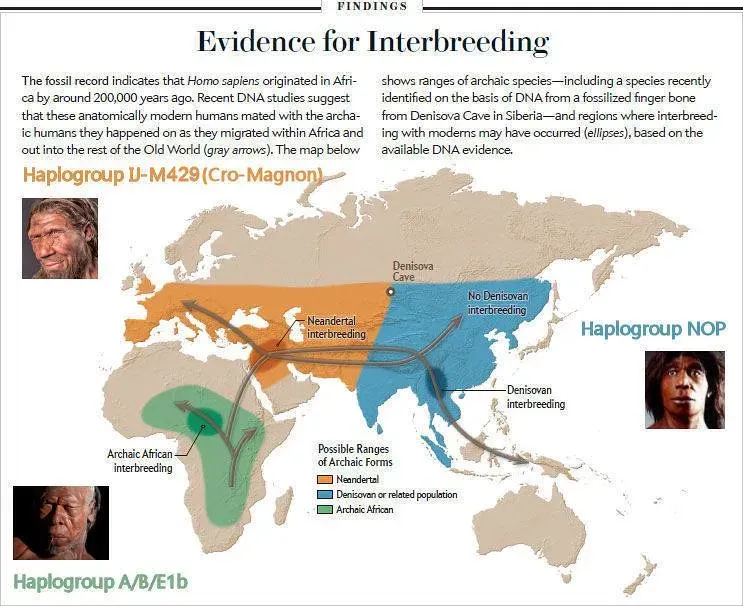
It sounds like a twist ending, but most people alive today aren’t purely one type of human at all. Genetic studies show that people whose ancestors lived outside Africa generally carry DNA from Neanderthals, and some populations in Oceania and parts of Asia also carry DNA from another extinct group known as Denisovans. Instead of one clean evolutionary line, we are more like a blended playlist pulled from several now‑vanished human groups that met, lived together, and had children.
This interbreeding was not just a quirky side note; it seems to have helped our ancestors adapt. Some Neanderthal DNA variants are linked to immune responses, skin physiology, and even how we respond to sunlight and pathogens. A Denisovan‑derived gene variant helps certain Himalayan populations cope with low oxygen at high altitude, which is a pretty wild example of borrowing survival tricks from extinct cousins. When you look at it this way, every one of us is a walking archive of ancient encounters, carrying quiet genetic echoes of people who disappeared long ago.
Your Body Runs on Ancient Virus Code
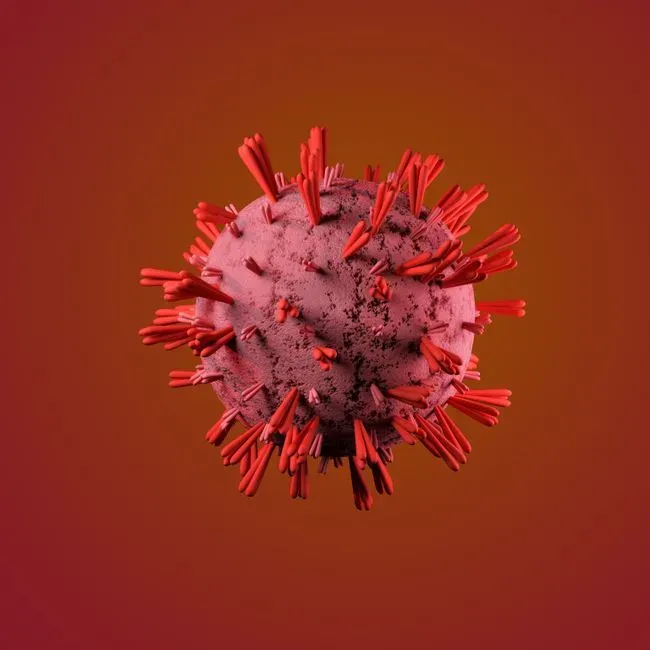
One of the strangest facts in all of biology is that part of what makes us human came from viruses that once infected our ancestors. Over millions of years, some retroviruses slipped their genetic code into the DNA of our germ cells – the ones that make eggs and sperm – and got permanently copied into the human genome. A surprising share of our DNA traces back to these viral hitchhikers, and they are not just dead junk; some pieces have been repurposed for crucial human functions.
One famous example involves pregnancy. A key protein that helps form the placenta, allowing nutrients and gases to flow between mother and fetus, evolved from an ancient viral gene that originally helped viruses fuse with host cells. In other words, without an old viral invasion, the way humans gestate babies might look completely different, or might not work at all. It is an eerie thought: a long‑forgotten infection helped turn our species into the kind of animal that can carry a developing brain inside the body for months, rewiring our entire reproductive strategy.
Your Brain Is Built on Repurposed Tools and Trade‑Offs
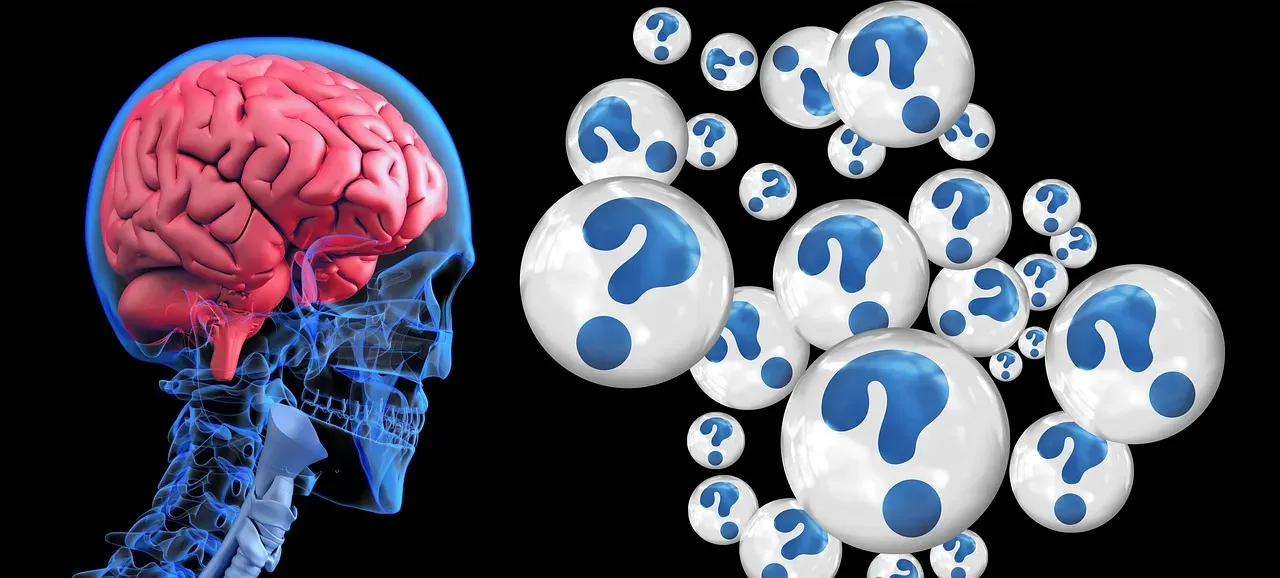
We often talk about the human brain like it was destined to be special, but evolution does not work like a master designer; it works like a very determined tinkerer. Much of what we call “uniquely human” – language, complex planning, rich social life – is built on older neural circuits that were reused, modified, and layered rather than created from scratch. The areas that help you imagine someone else’s perspective, for instance, overlap with systems that originally handled things like tracking movement or organizing sequences of actions.
There is also growing evidence that some changes that boosted our brain power came at a cost. Our larger, energy‑hungry brains rely on a delicate balance of metabolism, immunity, and development time, which may make us more vulnerable to certain mental health conditions and neurodevelopmental differences. In that sense, the human brain is not a sleek upgrade but a risky high‑performance engine built off older parts. It works astonishingly well most of the time, but the price of being able to write symphonies and launch spacecraft may be a higher sensitivity to breakdowns that other animals rarely face.
A Tiny Muscle Mutation May Have Helped Free Your Mind
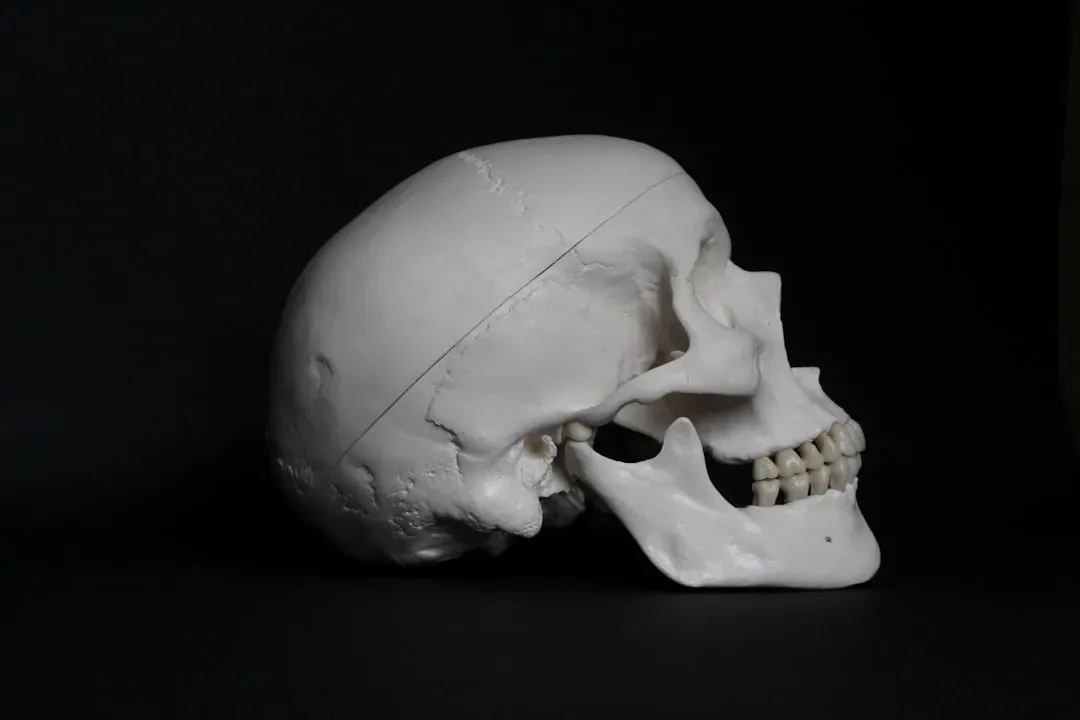
One of the more surprising ideas in human evolution is that a small genetic change in our jaw muscles may have helped unlock our brain’s growth potential. Many mammals have extremely powerful chewing muscles that attach high on the skull, placing strong mechanical forces on the head. Humans, in contrast, have relatively weaker jaw muscles in adulthood, and the bones of our skull join in a way that can better accommodate a growing braincase. Some researchers have suggested that a mutation reducing the strength of a particular jaw muscle protein changed the shape and constraints of our skull over time.
To be clear, this does not mean a single mutation “caused” big brains, but it might have removed a structural limit, like loosening a belt that was too tight. Once those constraints were relaxed, selection could favor larger brain volume and longer developmental periods, where infants are born relatively helpless but with brains still rapidly expanding. That trade‑off – weaker bite, longer childhood, bigger brain – is not the kind of heroic upgrade you see in movies. It is more like evolution quietly turning down one dial so it could inch another one up, with life‑changing consequences millions of years later.
Your Hands and Voice Evolved in a Dance With Technology

Another quietly bizarre fact is how deeply our evolution has been shaped by tool use, and how that feeds back into communication. Our hands are not just “good at holding things”; they are exquisitely tuned for precise grip, rotation, and fine control of objects, in ways that differ from even our closest primate relatives. Fossils and wear patterns on ancient stone tools suggest that our ancestors were manipulating and shaping objects far earlier than people once thought, and over time this behavior likely reshaped our bodies and brains.
At the same time, the parts of the brain that control fine hand movements overlap with and sit near regions involved in speech and language. Many researchers think that as we got better at making tools and using gestures, the neural systems for coordinating sequences of actions were co‑opted for spoken language. In this view, your ability to send a text, play an instrument, or tell a joke all grow out of the same long evolutionary feedback loop. The strange punchline is that your smartphone, your handwriting, and your voice are all modern expressions of a very old dance between fingers, tools, and thoughts.
You Are Still Evolving – Just in Weird, Modern Ways
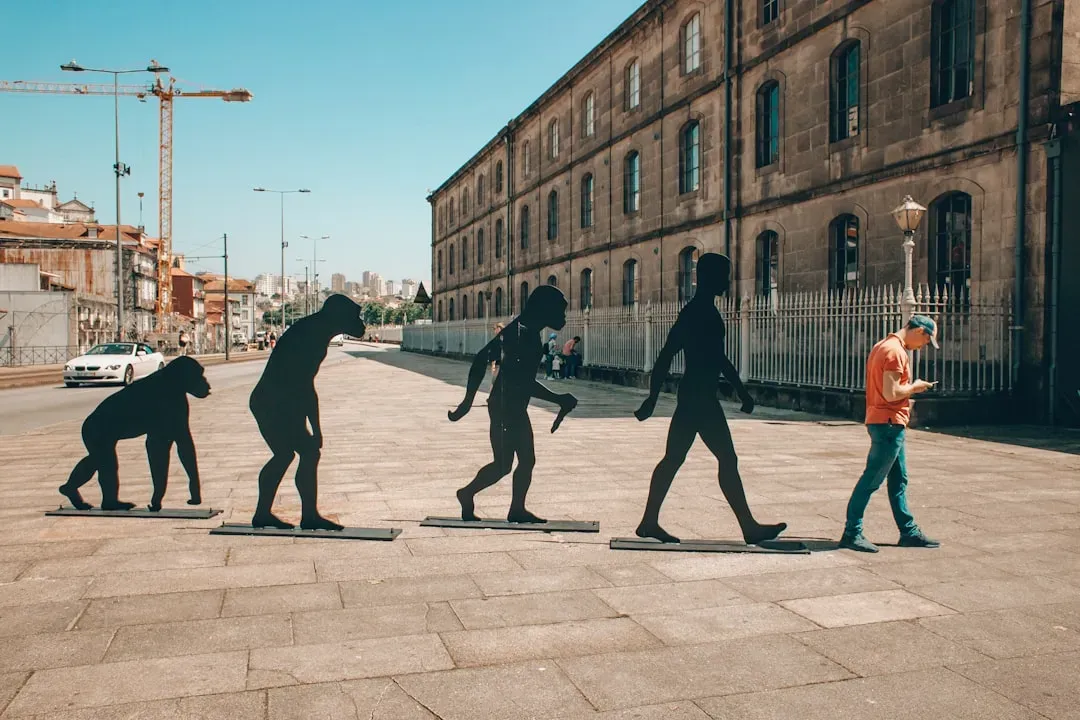
There is a stubborn myth that human evolution has “stopped” because medicine and technology now help many people survive who might not have in the past. But genetic studies over recent generations show that our species is still changing; the pressures are just different now. Traits related to how we metabolize certain foods, how we respond to crowded urban environments, and even how our immune systems handle new pathogens are still being shaped by who has children and when, and who survives to older ages.
Some well‑known examples include the spread of adult lactose tolerance in populations with a long history of dairy farming, and genetic variants that help people thrive at high altitude or in malaria‑prone regions. In the modern world, the selective landscape now also includes factors like global travel, chronic stress, pollution, and radically different diets compared to our recent ancestors. This does not mean we are quickly evolving into some new “superhuman,” but it does mean that in a few thousand or tens of thousands of years, our descendants might look back at us the way we look at ancient skeletons: recognizable, but clearly not quite the same.
Extinction Close Calls Shaped Who You Are Today
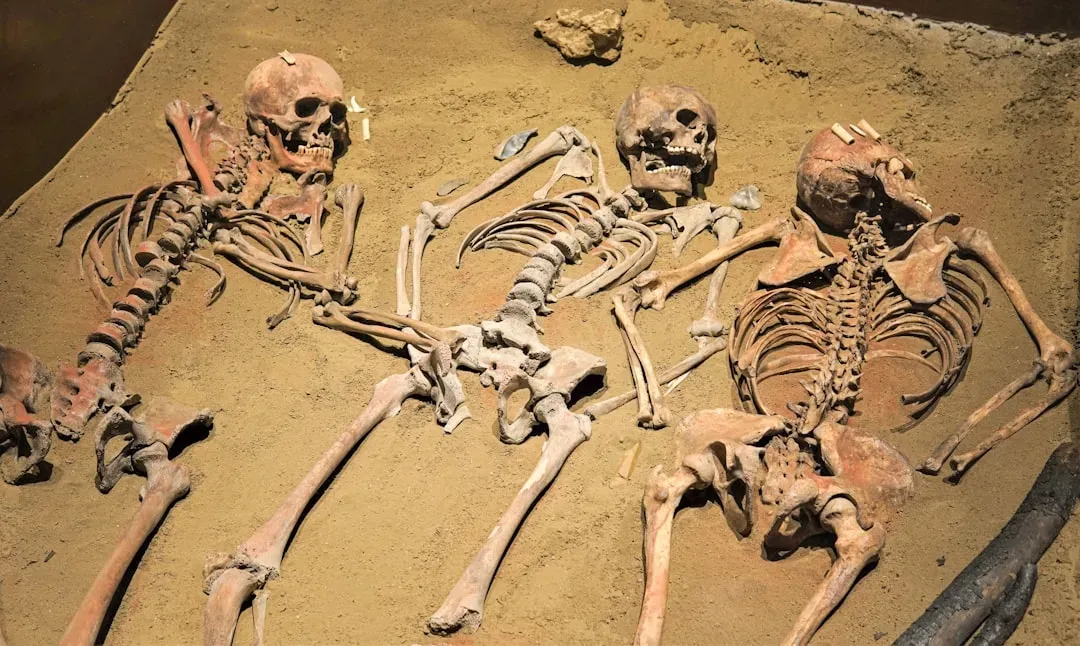
One more unsettling and fascinating fact: our species did not grow steadily and smoothly from a large, stable population. Genetic evidence suggests that at several points in our past, human numbers crashed to dramatically low levels, possibly due to climate swings, volcanic eruptions, disease, or shifts in food supply. During these bottlenecks, only a relatively small fraction of our ancestors survived and passed on their genes, meaning today’s humans are descended from a surprisingly narrow slice of that original diversity.
If you imagine our history as a TV series, these bottlenecks are the near‑cancellation moments where the show almost ended for good. The people who made it through were not “chosen” in any cosmic sense; they were just the ones whose particular mix of genes, luck, environment, and social ties happened to carry them past the crisis. Everything about you – your eye color, your immune quirks, your ability to digest different foods – flows from that chain of narrow escapes. It is humbling to realize how heavily chance and catastrophe have steered the story of human evolution, far more than any tidy narrative about progress.
Conclusion: The Strangest Story Is the One We Are Still Writing
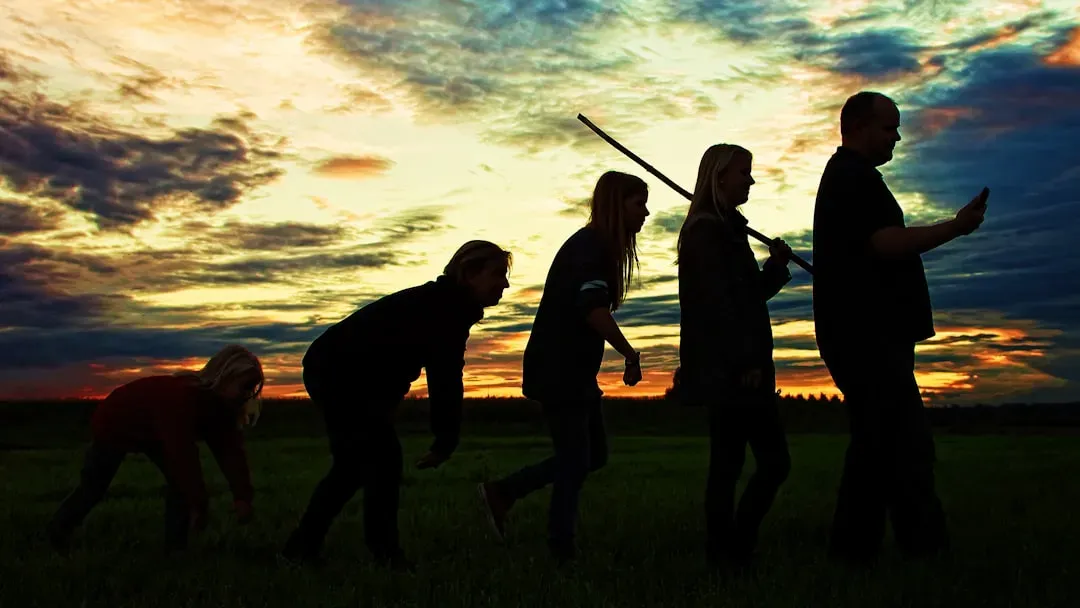
When you zoom out, human evolution looks nothing like the smooth, heroic arcs we grow up seeing in cartoons and sci‑fi. It is a story of viral invasions turned into pregnancy, extinct cousins still whispering from our DNA, and fragile, high‑risk brains built out of repurposed parts and lucky breaks. We are the product of jaw muscles that eased their grip, hands that fell in love with tools, and population crashes that could easily have gone another way and left no one here to wonder about any of it.
Personally, I find that more compelling than any scripted origin story, and also more sobering. If chance and messy adaptation played such a huge role in making us, then there is nothing guaranteed about where we go next – or even that we keep going at all. The truly strange twist is that, for the first time, a species shaped by blind evolutionary forces can now consciously rewrite pieces of its own biology with technology and choice. The question is whether we will treat that power with the seriousness it deserves, or stumble into the next chapter as blindly as before. Which version of the story do you think we are living toward right now?