
If you could rewind the clock to, say, 100,000 years ago, you would not find a lonely planet ruled only by Homo sapiens. You’d be stepping into a crowded stage where several kinds of humans, some robust and heavy-browed, others tiny and island-bound, were all trying to carve out a living at the same time. The idea that we once shared Earth with other human species feels almost like science fiction, but it is one of the most well-supported and quietly mind-blowing truths in anthropology. Once you let that sink in, it changes how you see yourself, your family tree, and what it even means to be “human.”
What makes this story even more gripping is how incomplete it still is. New fossils, ancient DNA, and stone tools keep turning up in caves, cliffs, and forgotten collections, forcing scientists to rewrite the human story again and again. Some species are known from just a handful of bones, or a pinky finger and a tooth. Others, like Neanderthals, are so well studied that we can now read traces of their lives written in our own genomes. Let’s walk through this lost cast of characters, not as dusty museum pieces, but as real people who felt cold, hunger, fear, and love – and who, in more ways than one, are still with us.
Neanderthals: Our Most Familiar Lost Cousins
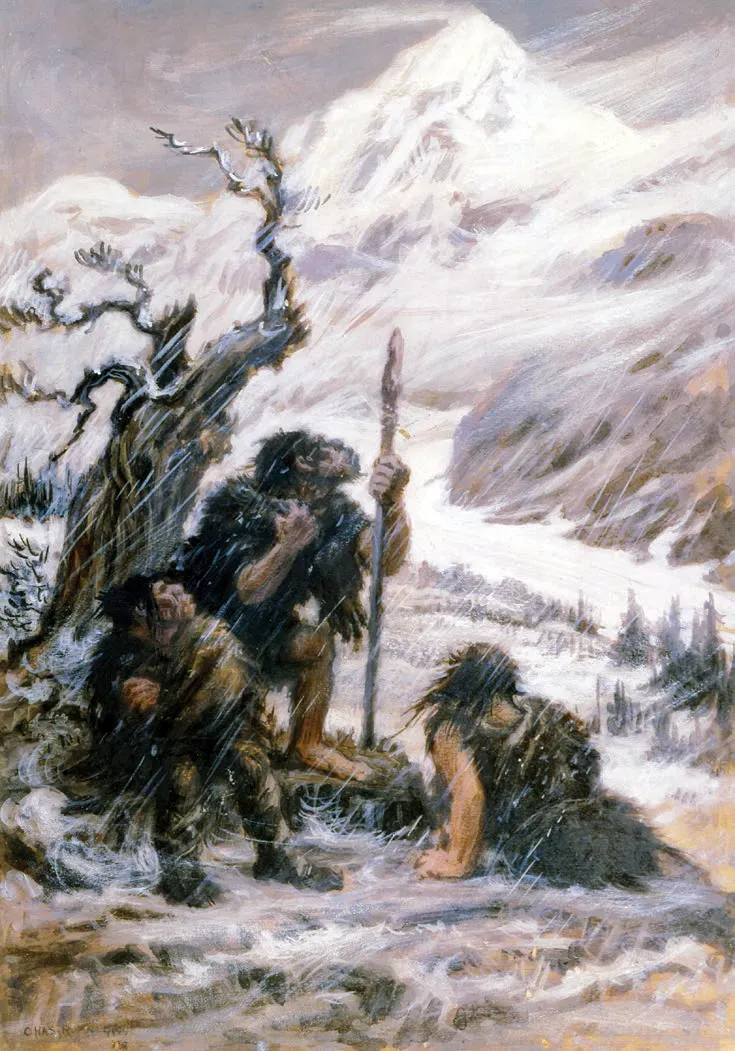
Neanderthals are the one extinct human species most people have at least heard of, usually as a lazy insult for someone who seems crude or backward. In reality, they were anything but simple. These humans lived across Europe and parts of western Asia for hundreds of thousands of years, enduring ice-age climates that would make most of us give up after one winter. They had stocky builds, powerful limbs, and large brains that overlapped in size with, and sometimes exceeded, those of modern humans. When you see their reconstructed faces now, they don’t look like monsters; they look like people you might pass on the street.
What really shatters the old stereotypes is the evidence of their culture and care. Neanderthals crafted sophisticated stone tools, used fire, hunted large animals in coordinated groups, and likely decorated themselves with pigments or ornaments. Some sites suggest they cared for injured or disabled group members, hinting at empathy and social bonds that feel very familiar. When modern humans arrived in Eurasia, we did not just replace them overnight; we met them, lived near them, and had children with them. If you’re of non-African descent, there’s a good chance a small part of your DNA is still Neanderthal, quietly influencing things like your immune system or how your body handles cold.
Denisovans: A Ghost Lineage Hidden in Our DNA
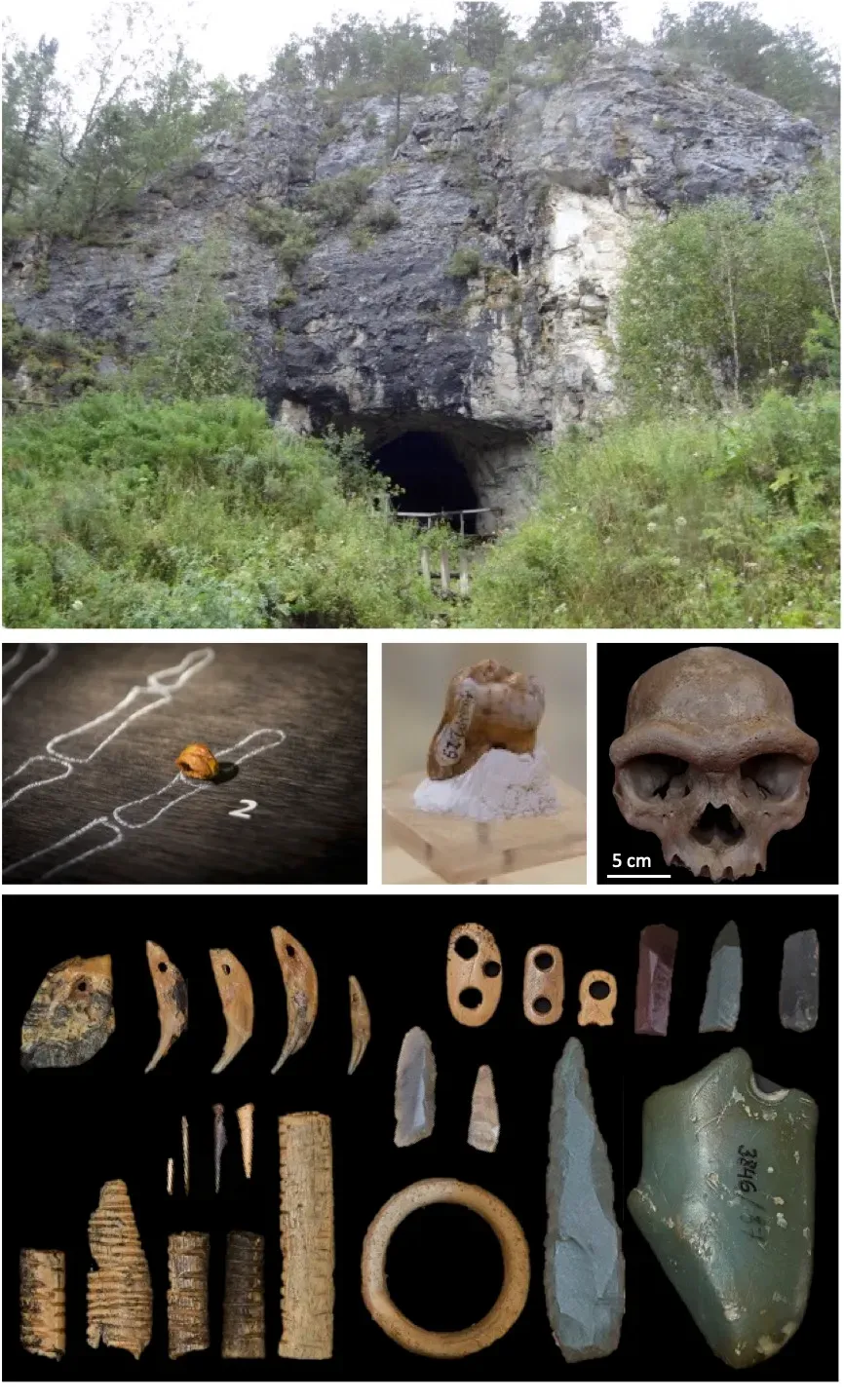
If Neanderthals are the celebrities of lost humans, Denisovans are the mysterious underground band that somehow influenced half your playlist. For years, no one even knew they existed because their fossil record is tiny: a few teeth, a fragment of a finger bone, and some jaw fragments, mainly from a cave in Siberia. Yet those fragmentary bones preserved DNA that blew researchers away. The genetic data revealed an entirely distinct branch of ancient humans, separated from both Neanderthals and Homo sapiens, who once roamed parts of Asia. They left behind almost no visible trail, but their genetic fingerprints are all over modern populations.
Many people in parts of Oceania, Southeast Asia, and the Himalayas carry Denisovan ancestry, passed down through ancient encounters between migrating Homo sapiens and these elusive cousins. Some of this inherited DNA appears to help with adaptations like high-altitude living, especially in Tibetan populations, where carrying Denisovan-derived genes is linked to better oxygen use in thin air. The Denisovans remind us that the fossil record is not the only way to reconstruct the past; our own cells are like time capsules. To me, they also highlight how much we still do not know: an entire human group, possibly spread across a huge region, known mostly from genetic echoes and a few scattered bones. It feels like having the end of an epic novel and only a couple of pages from the beginning.
Homo floresiensis: The “Hobbits” of Flores Island
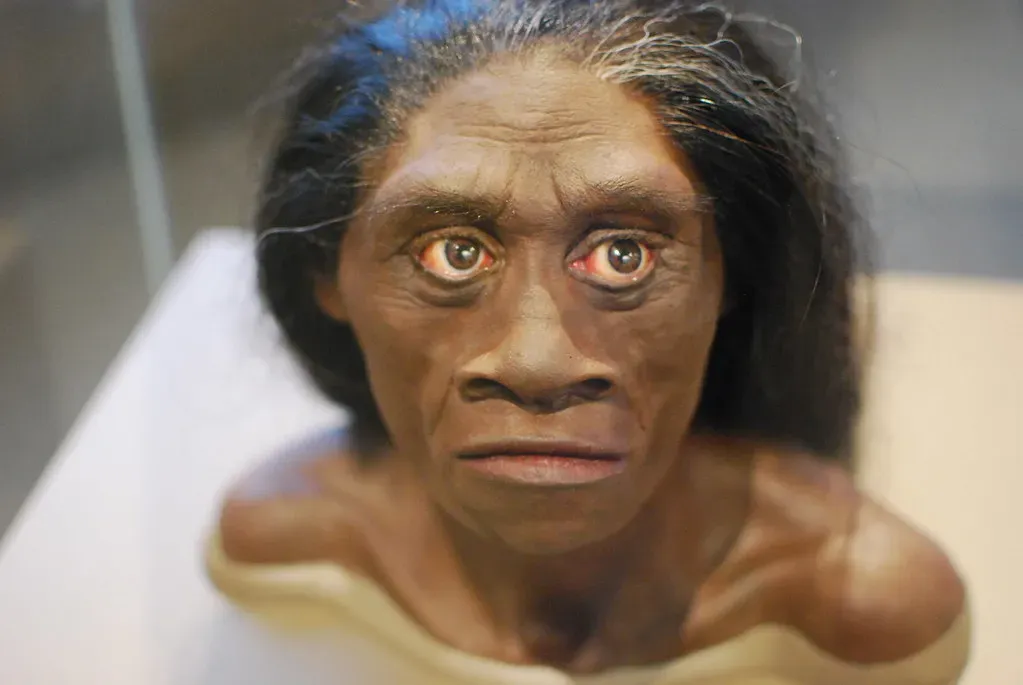
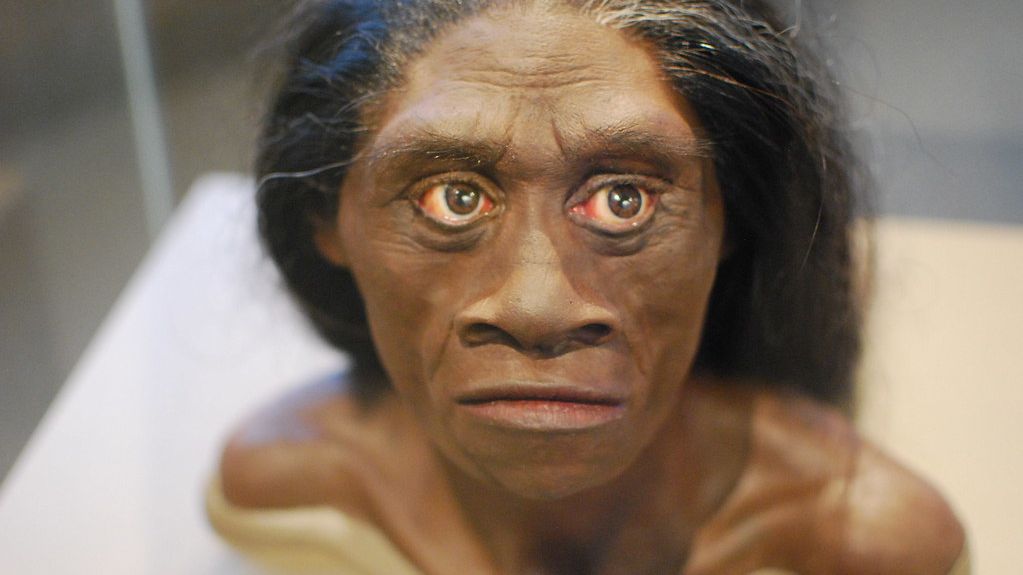
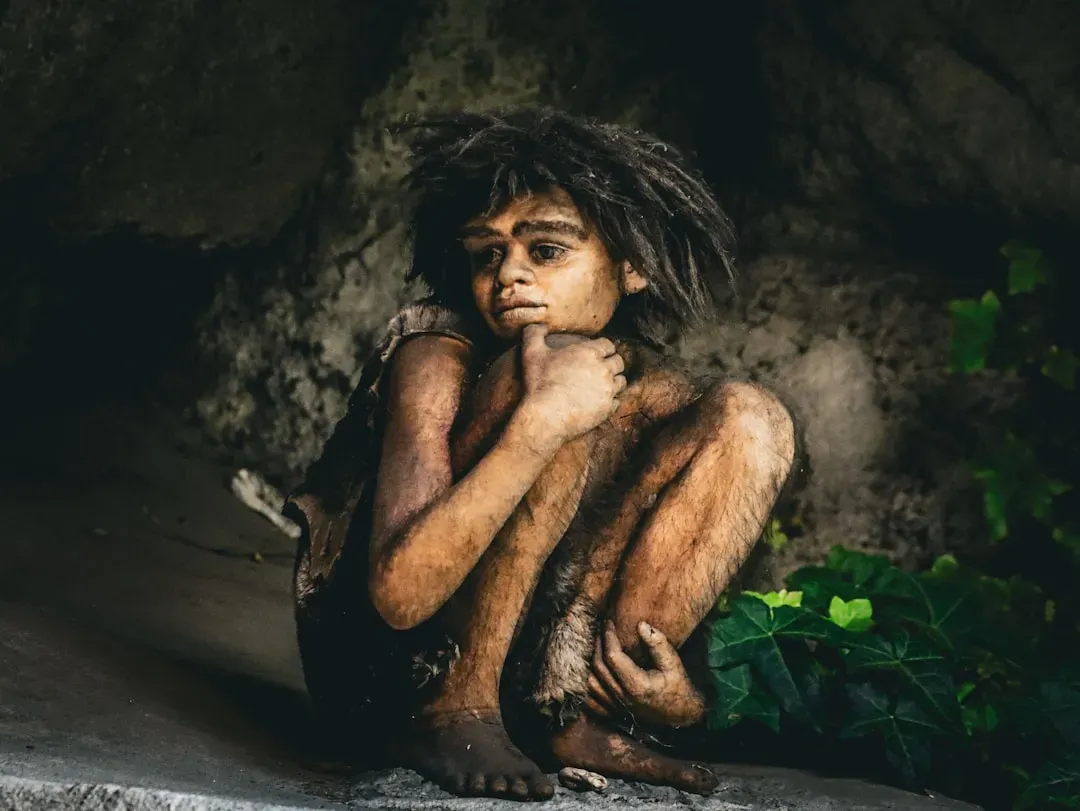
Homo floresiensis might be the most surprising of all the lost human species, simply because they sound like something out of a fantasy novel. Discovered on the Indonesian island of Flores, these humans were very small – about the height of a modern child – with tiny bodies but surprisingly complex stone tools. Their remains date to a time when modern humans already existed, meaning that our tall, globe-trotting ancestors may have shared the region with a population of miniature relatives. That image alone is enough to make you pause: somewhere in the deep past, very small humans hunting and gathering on a tropical island, while our species spread across the globe.
One popular explanation for their size is island dwarfism, a pattern where large animals become smaller over generations when they are isolated on islands with limited resources. If that idea is right, then Homo floresiensis might represent a long-running human experiment in adapting to extreme constraints. Their discovery forced scientists to reevaluate assumptions about brain size and intelligence, since these island humans crafted tools and survived for a long time despite having much smaller brains than us. Personally, I find them a humbling reminder that evolution is not aiming for one single “ideal” human form. It tinkers, improvises, and sometimes ends up with a tiny, capable hunter living on a volcanic island far from any mainland.
Homo luzonensis and Other Mysterious Island Humans
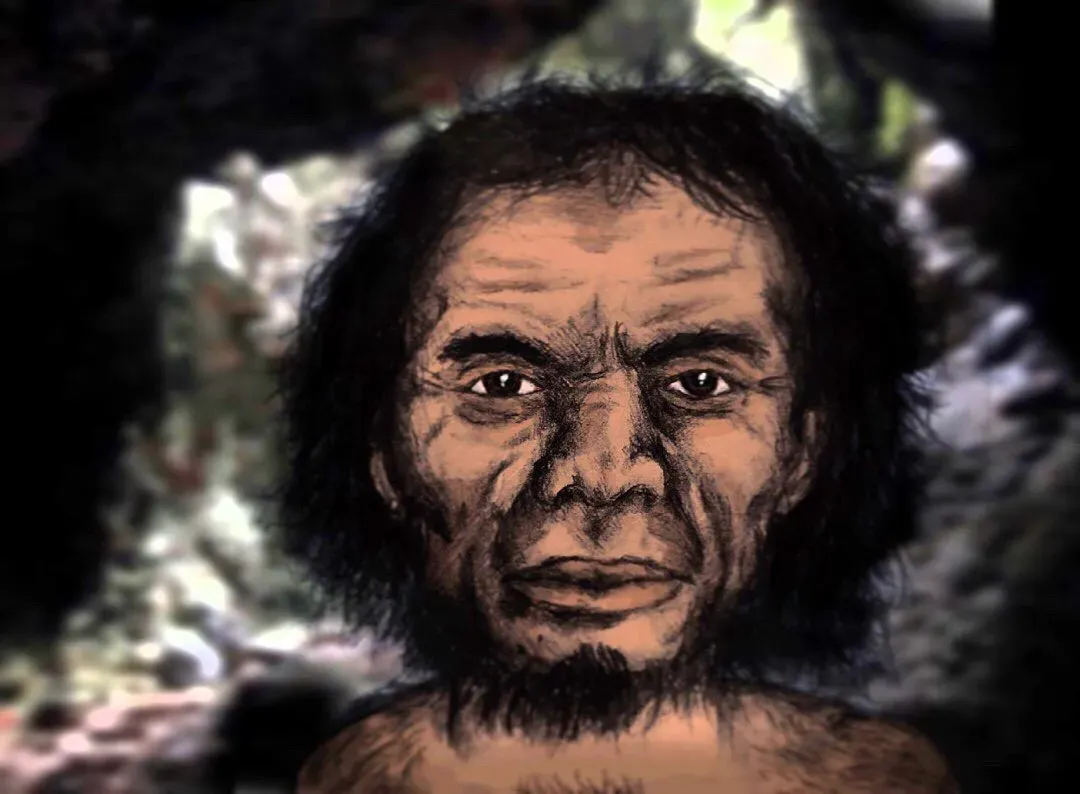
Just when it seemed like Homo floresiensis might be a one-off curiosity, another surprise appeared on a different island. Fossils from Callao Cave in the Philippines revealed a new species, now called Homo luzonensis, with a puzzling mix of ancient and modern traits in their bones and teeth. They also lived at a time when other humans already roamed nearby regions, which means yet another group was sharing the stage. The pattern is almost eerie: isolated islands, small-bodied humans, and fragmentary remains that tell just enough of the story to make us hungry for more.
What strikes me about Homo luzonensis and similar finds is how they complicate the tidy map we used to draw of human evolution. Instead of a simple arrow from “primitive” to “advanced,” we start seeing a tangled archipelago of experiments, especially in Southeast Asia. Some of these humans may have descended from very early migrations out of Africa, then evolved in relative isolation for countless generations. It is tempting to imagine chance encounters – sailors without boats, drifting populations hugging coastlines, occasionally meeting and mixing. These island stories hint that our family tree has many more thin, twisting branches than we once believed, and some of them only show up when someone decides to dig in just the right cave.
Homo naledi and the Deep Caves of South Africa
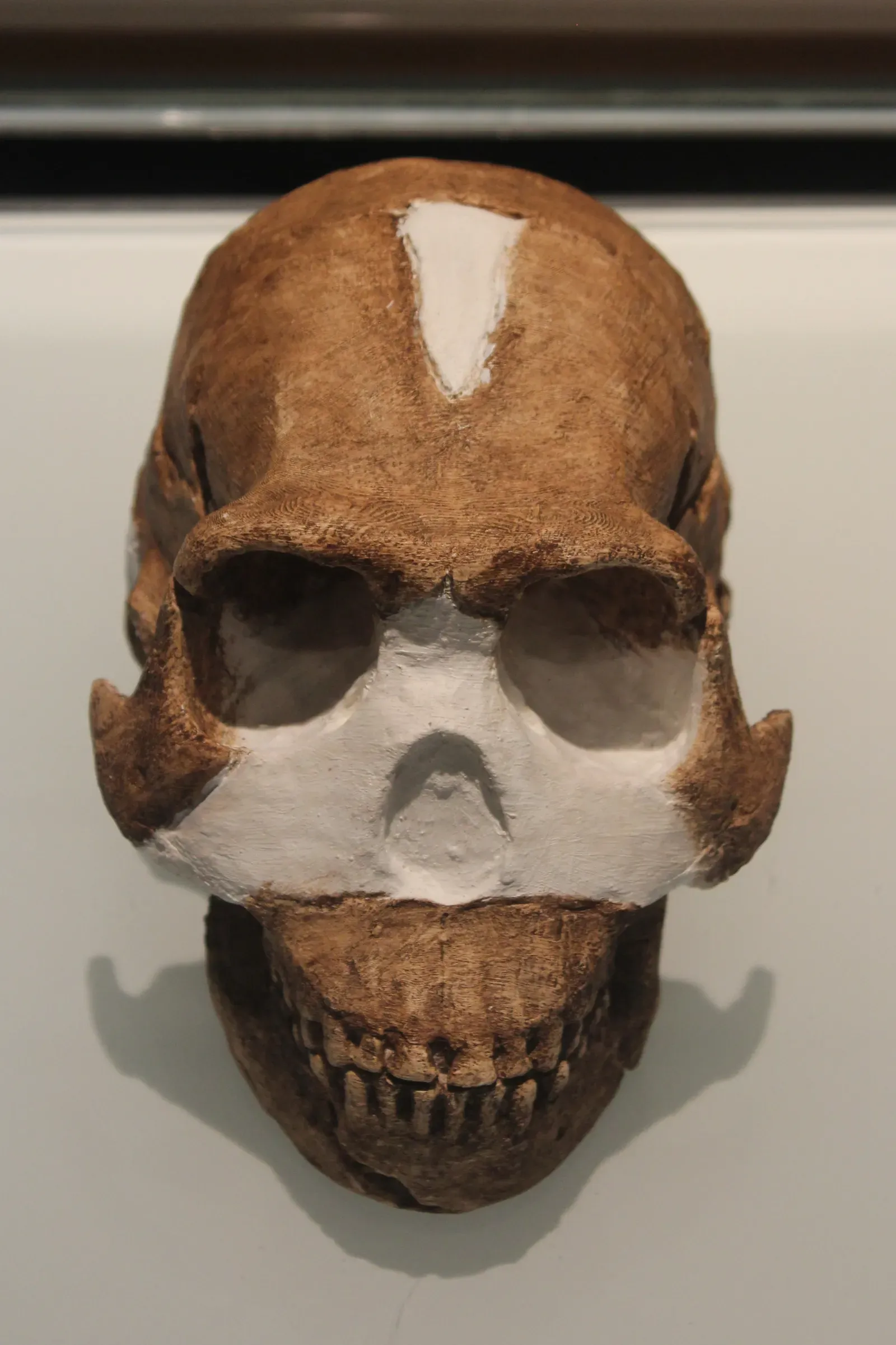
Homo naledi entered the scene like a plot twist from a thriller: a strange mix of features found deep inside a South African cave system that is incredibly hard to reach. Their skulls and teeth look somewhat like early members of our genus, but their shoulders, hands, and feet are an odd combination of ancient and more modern traits. They had relatively small brains yet walked upright and used their hands in ways that suggest capable tool use. The really provocative part is the context – piles of bones in a remote chamber that seems to have been deliberately accessed, raising the possibility of some form of repeated body deposition.
That idea, if it holds up under scrutiny, would mean that a small-brained human species may have practiced something like ritual behavior around death. Scientists are still arguing fiercely about exactly what happened in those caves, and I think it is important to stay cautious. But even the possibility forces us to confront our bias that bigger brains always mean deeper culture or more complex behavior. Homo naledi lived in Africa at roughly the same time that early Homo sapiens were present elsewhere on the continent. That means that in at least some regions, there were two very different humans alive side by side: one more like us, one with a mosaic of older traits. It is a vivid reminder that being human has never been a single, rigid recipe.
Other Archaic Humans and the Blurred Boundaries of “Us”
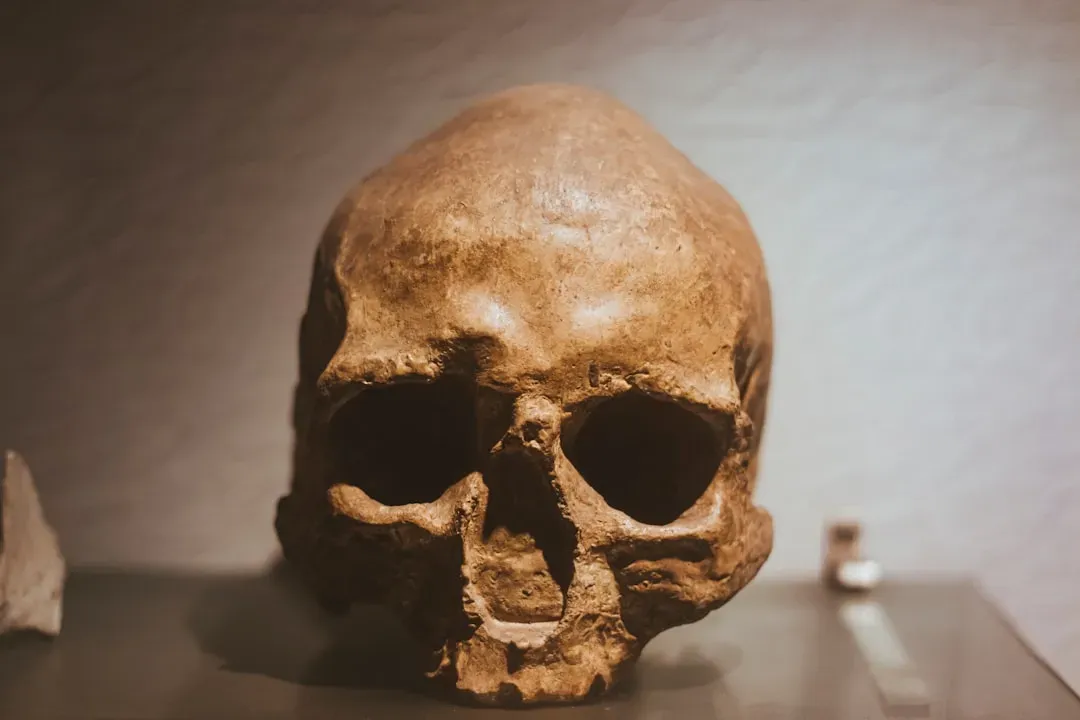
Beyond the named species that make headlines, there were likely many other archaic humans who left only faint traces – or perhaps none that we have recognized yet. Some fossil remains in Africa and Eurasia show mixes of features that are hard to slot neatly into one species or another. In a sense, that messiness is exactly what we should expect from evolution. Populations split, drift apart, adapt to local conditions, and sometimes reconnect, like rivers that fork and later rejoin. Our ancestors did not live with a checklist of species names; they just encountered other humans who looked somewhat different, spoke in unfamiliar ways, and lived under different skies.
Genetic studies reinforce this blurred picture. There are hints of “ghost” populations – ancient humans whose DNA shows up in modern people, even though we have not yet found their bones or recognized them clearly in the fossil record. This makes talk of a strictly defined “us” versus “them” feel a bit artificial. If ancient Homo sapiens interbred with Neanderthals, Denisovans, and possibly other groups we have not even named, then our own identity is stitched together from many lost lineages. To me, that does not dilute our story; it makes it richer. It means that the face you see in the mirror carries whispers from many branches of a sprawling, half-lost family tree.
Why All These Lost Species Matter for Who We Are Today
It might be tempting to treat these extinct humans as distant curiosities, like prehistoric side characters who exited stage left so that we could stand center spotlight. But the more I read and think about them, the less that story feels true – or honest. These species shaped the worlds our ancestors entered, from the prey they hunted to the pathogens they faced. In some cases, they even handed us adaptations through interbreeding, helping our species survive in new climates and altitudes. We are not just their replacements; we are, in small but real ways, their heirs.
I also think there is a moral angle here that often gets overlooked. Realizing that multiple kinds of humans once coexisted undermines the idea that there is only one “normal” way to be human. Our species won out for a complex mix of reasons – chance, environment, maybe sheer ruthlessness – rather than because we were inherently destined to rule. That should inject some humility into how we act now, especially when we treat other people or even other species as disposable. The lost humans who are gone, and we can argue forever about exactly why. But their story is a quiet warning: dominance does not last forever, and intelligence alone is not a guarantee of survival.
Conclusion: A Crowded Past and a Choice About Our Future
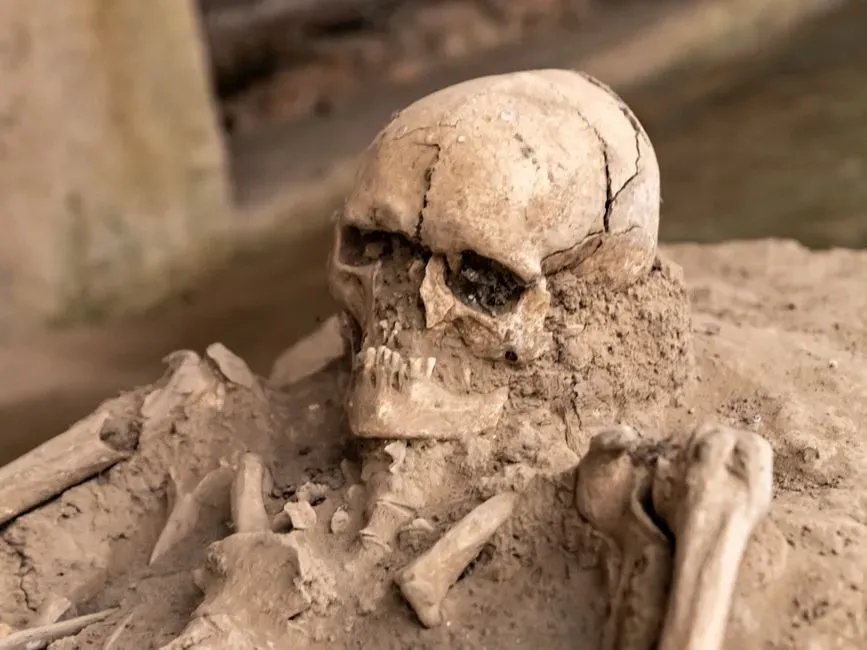
When you zoom out and look at the full picture, the age of many human species is not some weird exception – it is the norm for most of our evolutionary history. The strange part is the present, where only one kind of human remains and tells the story entirely from its own perspective. Personally, I think we have leaned too hard on a flattering narrative in which Homo sapiens is the inevitable, triumphant endpoint. The fossils and the DNA tell a different tale: we are one surviving branch of a once-bushy tree, lucky enough to still be here and arrogant enough to forget that luck played a role. There is something unsettling, even a little tragic, about realizing how many other experiments in being human have vanished forever.
At the same time, that crowded past can be strangely comforting. It means that collaboration, conflict, mixing, and coexistence have been part of our story from the beginning, not a modern glitch. For me, the opinionated takeaway is this: if we keep treating our own species, our environment, and other life forms as opponents to conquer rather than relatives to live alongside, we are ignoring the deepest lessons of our own history. Our lost cousins may be gone, but their echoes run through our blood and our bones, quietly insisting that we are not as separate or as special as we like to think. The real question now is whether we learn from that or repeat the same old pattern of short-term dominance and long-term loss – what would you bet on, honestly?