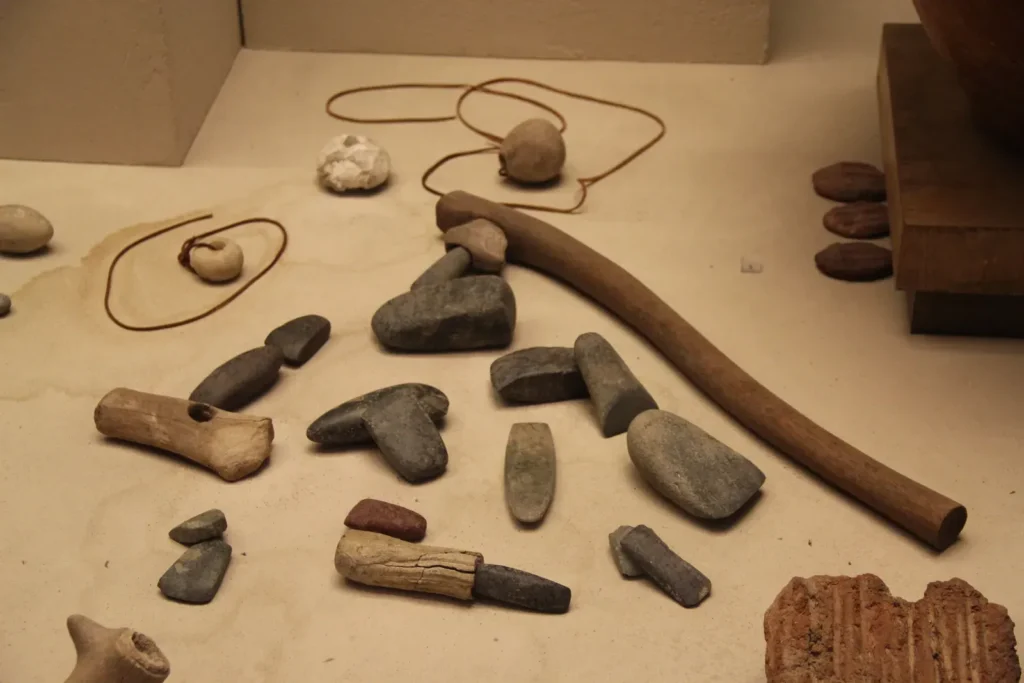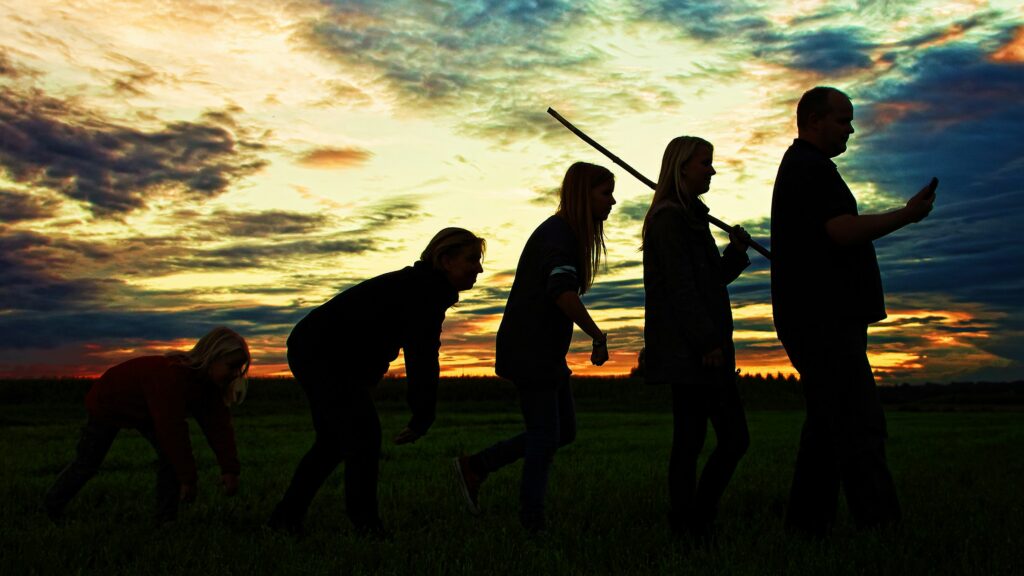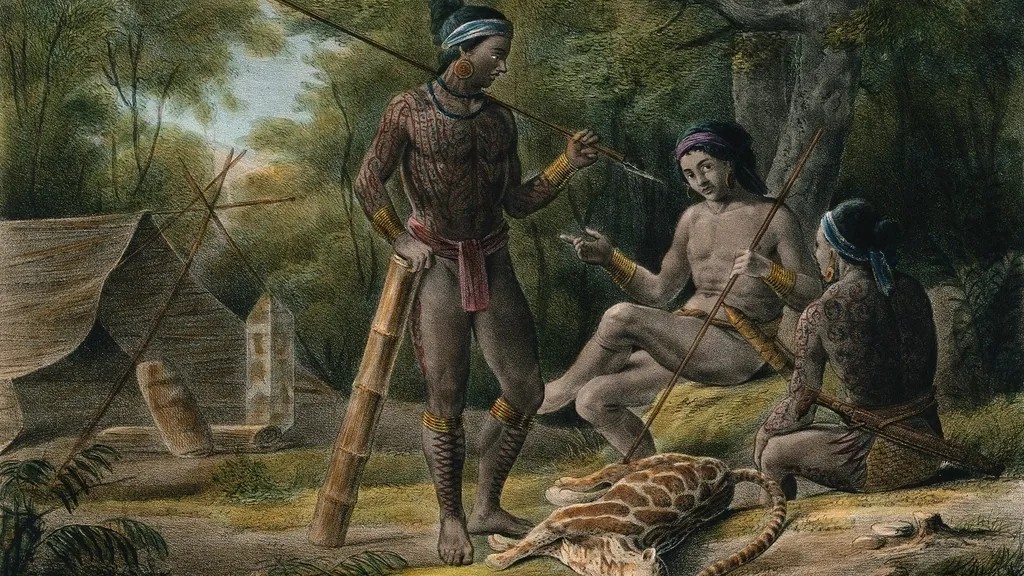
Picture this: instead of hustling through emails, traffic, and back-to-back meetings, your main to‑do list is finding food, staying warm, and hanging out with your band of thirty or so people. It sounds like fiction, but many anthropologists argue that for a lot of ancient humans, especially hunter‑gatherers, daily life may have involved far more leisure than many modern people enjoy. That does not mean life was easy or comfortable, but it does suggest that the story we tell ourselves about the past being nonstop toil is, at best, incomplete.
When you dig into the research on foraging societies, you find something quietly explosive: in many cases, the amount of time spent on “necessities” looks surprisingly modest, with big chunks of the day left over for talking, resting, storytelling, art, and ritual. I still remember the first time I read about this; it felt like someone had flipped the script on what “progress” means. If more technology was supposed to buy us more free time, how did people with stone tools end up spending so much of their lives not working? Let’s unpack that tension step by step.
Rethinking the Myth of the Brutal, Nonstop Struggle
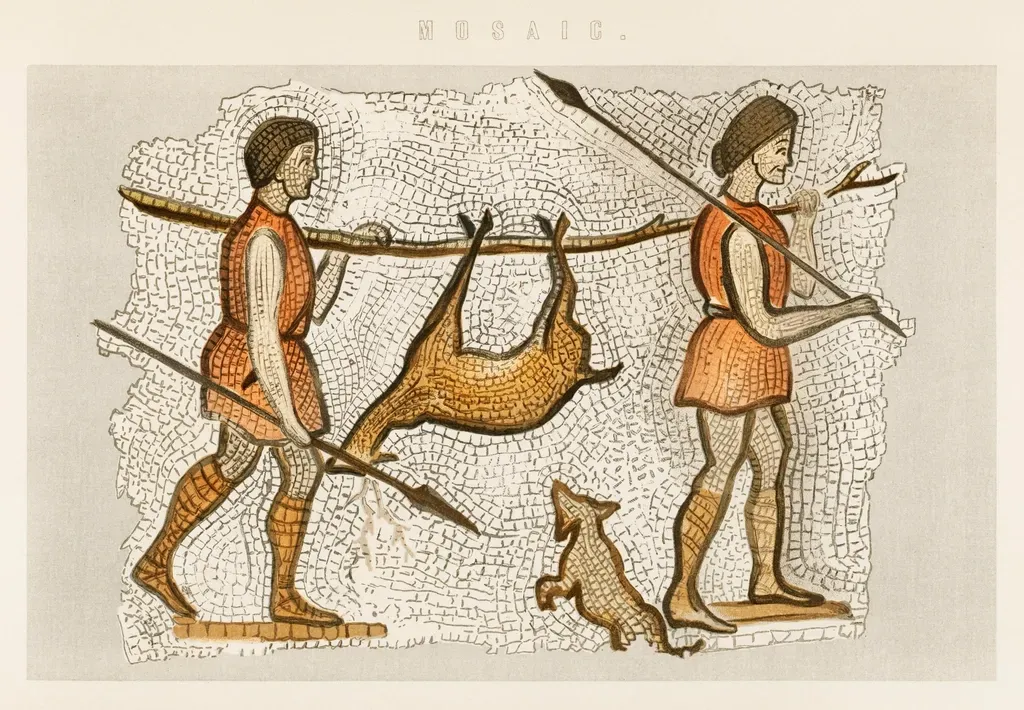
We’ve all absorbed the same basic image: ancient humans waking up every day to a desperate fight for survival, racing against starvation, predators, and the elements from dawn to dusk. It is a powerful story, and a useful one if you want to make modern life look heroic and advanced, but it is not the whole picture. Archaeology and anthropology paint a subtler reality, where danger and hardship are real but not necessarily a minute‑by‑minute experience.
In many hunter‑gatherer groups studied in the last century, researchers found that people often met their food needs in a handful of hours per day, not through endless grind but through periodic bursts of effort. That does not erase droughts, conflicts, or bad seasons, but it means that on an ordinary good day, life could include long stretches of rest, play, and social time. The brutal struggle narrative takes the worst‑case scenarios and quietly treats them as the norm, which is a bit like using a single crisis year to describe how all of modern life works.
What Hunter‑Gatherer Studies Really Say About “Work Hours”
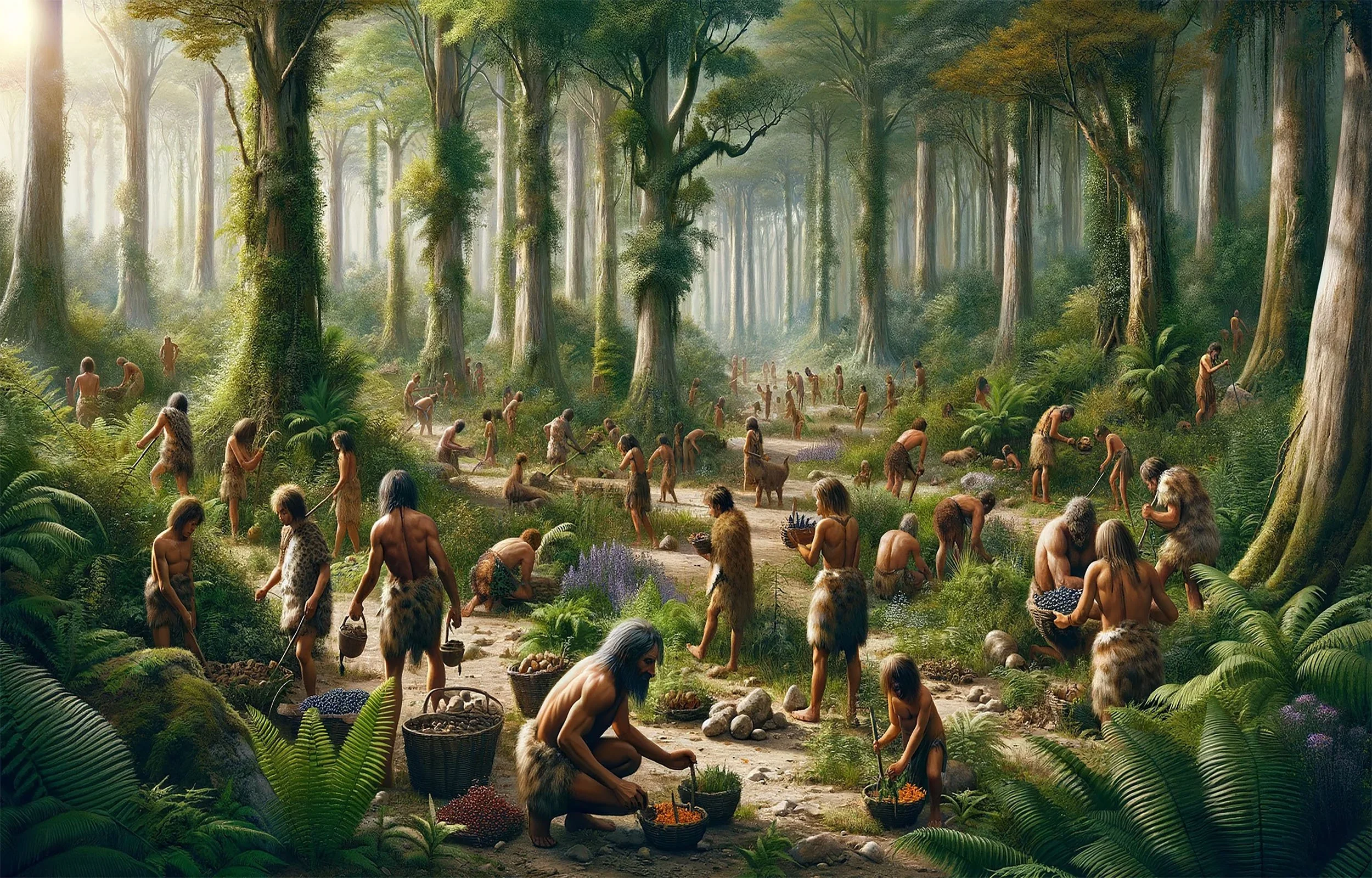
When anthropologists observed twentieth‑century hunter‑gatherer groups, such as some communities in southern Africa, the Amazon, and parts of Australia, they did not just watch casually; they measured, timed, and categorized activities. Across several of these studies, a rough pattern emerged: people often spent only a portion of each day in what we would call “subsistence work,” like hunting, gathering, tool repair, and food processing. The rest was filled with child care, visiting, storytelling, music, rest, and ritual, which preindustrial people usually did not label as “work” in the way we do.
Of course, we have to be careful not to equate modern studies directly with Paleolithic life tens of thousands of years ago; climates, environments, and social structures varied. Still, these foraging societies give us the best living window into what a low‑tech, non‑agricultural lifestyle might look like when it is not under extreme pressure. The striking part is how often daily life looks less tightly scheduled than a typical modern office job. If your definition of free time is “hours not required for survival tasks,” then many hunter‑gatherers, at least in stable years, had a lot of it.
Seasonal Rhythms: Feast, Famine, and Long Lulls
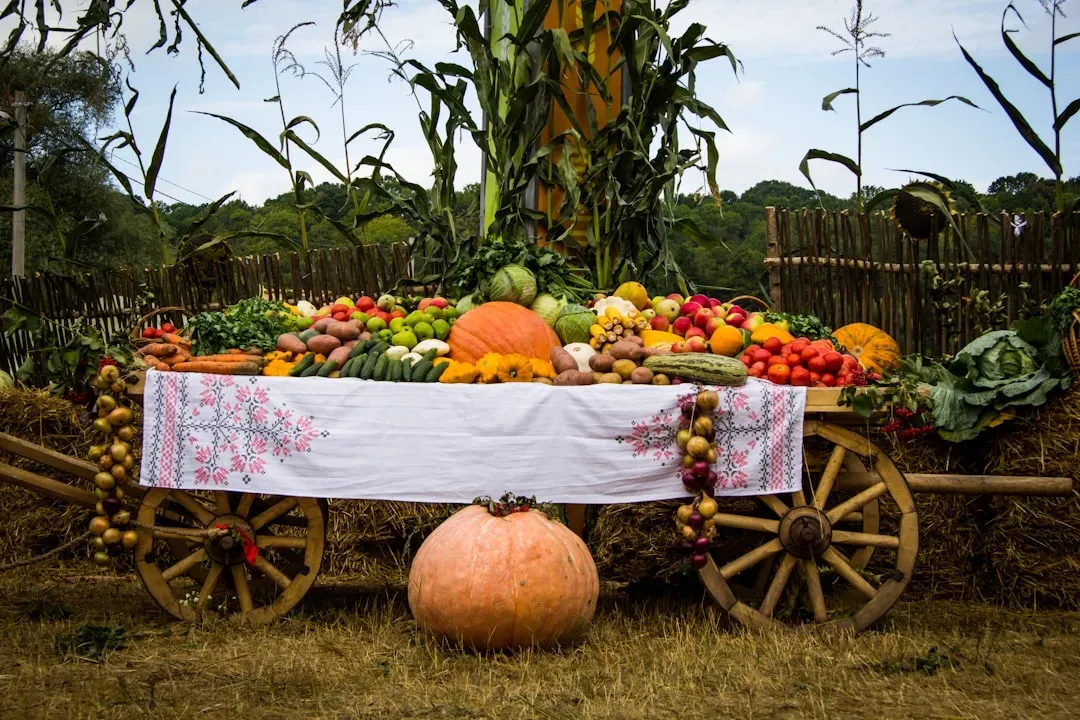
One big reason the “how many hours did they work?” question is tricky is that ancient life was seasonal in a way most city dwellers barely notice today. In some regions, certain months meant intense effort: big migrations of animals, short harvest windows for wild grains, or critical preparation periods before winter. During those times, people could be extremely busy, waking early, traveling far, and processing as much food as they could physically handle in a day.
But in between these peaks, there were often long, slower stretches where immediate survival pressure eased and the landscape did not demand constant work. Think of it like a modern farmer’s year: some weeks are crushingly busy, while winter evenings can feel almost empty by comparison. For many ancient groups, these lulls were not dead time; they were opportunities for storytelling, teaching children, repairing tools, conducting rituals, and building social bonds. From a modern perspective, that looks a lot like meaningful, unstructured free time, just embedded in a different kind of calendar.
Leisure as Survival: Why “Doing Nothing” Can Be Strategic

It is tempting for modern minds to look at someone sitting around a campfire in the afternoon and label it laziness or unproductivity. But in small, fragile human groups, rest itself is a survival strategy. Going out to hunt when you are exhausted, injured, or when game is scarce can waste energy, increase risk, and net nothing. Knowing when not to act can be just as important as knowing how to chase prey or dig roots.
There is also the social side. Time spent chatting, joking, telling stories, and resolving conflicts helps maintain group cohesion, and in small bands, social collapse can be as deadly as hunger. Free time created space for passing down knowledge, remembering migration routes, and teaching children which plants heal and which ones kill. From that perspective, “leisure” was not truly idle; it was part of a different economy, where the main currency was trust, information, and long‑term resilience more than daily output.
Comparing Ancient Free Time to Modern Busyness
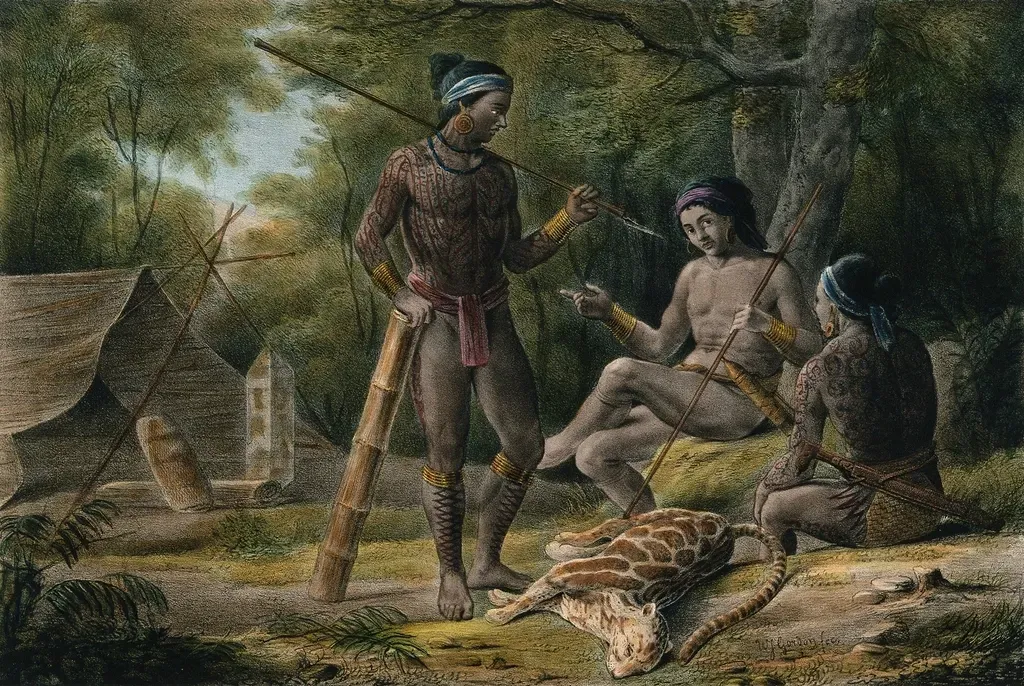
Here’s the uncomfortable twist: when you compare the total hours many modern adults spend working, commuting, managing schedules, and handling domestic tasks, ancient hunter‑gatherers may look, in some respects, more relaxed. We have more stuff, more comfort, and far more safety nets, but our calendars are often packed so tightly that genuine rest feels like a guilty luxury instead of a normal part of life. The idea that someone with no electricity, no supermarkets, and no digital tools might have more daily unstructured time is hard to swallow but worth sitting with.
That said, the comparison is not simple or entirely flattering to the past. Modern people benefit from medicine, sanitation, and lifespans that, on average, are far longer than what most ancient populations could expect, especially in childhood. Many ancient communities probably had long healthy stretches mixed with sudden disasters, while modern life tends to be more stable but chronically busy. My own opinion is that we have traded some spontaneous, communal leisure for security and choice, and then overshot into a kind of self‑imposed busyness that we rarely stop to question.
Limits of the Evidence: Why We Must Stay Humble

It is important not to romanticize the past or cherry‑pick only the most pleasant‑sounding data. Our picture of ancient free time is stitched together from archaeology, skeletal remains, living forager studies, and educated inference, not from time‑use diaries written thirty thousand years ago. Some regions were harsher, some periods were more dangerous, and some groups likely worked far harder than others just to stay alive. There is no single “ancient human lifestyle” that applies everywhere and always.
On top of that, a lot of what we might call free time today would not necessarily have felt like a separate category to ancient people. Caring for children, maintaining relationships with kin, or participating in community rituals were basic parts of existence, not optional hobbies after work. So while it is probably fair to say that many ancient humans had long stretches of the day not spent in direct physical labor, we should resist the urge to project modern notions of weekends, vacations, or retirement back into the deep past. The truth is both intriguing and fuzzy at the edges.
What Ancient Rhythms Can Teach Us About Our Own Lives
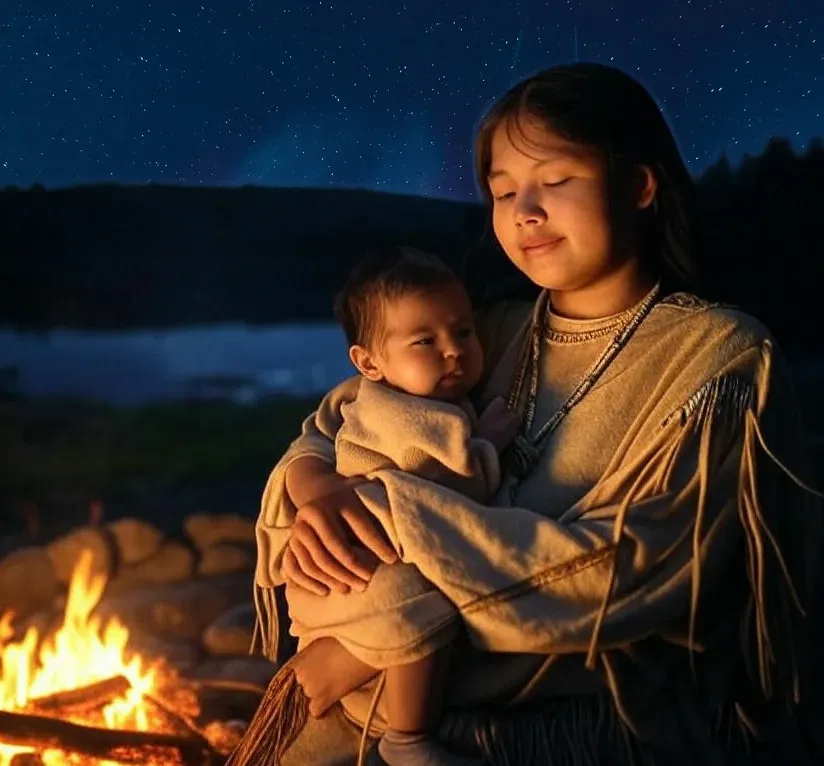
Even with all those caveats, there is something quietly radical in realizing that people with stone tools may have enjoyed more natural pause in their days than many of us do with smartphones and dishwashers. It forces a question: if survival did not always require constant motion back then, why do we so often live as if it does now? Maybe our calendars are not a reflection of necessity but of culture, habit, and a deep fear of being seen as unproductive.
Personally, this research has made me more suspicious of my own busyness. When I catch myself scrolling through a packed calendar, I sometimes imagine an ancient camp at dusk, people sitting in a loose circle, talking, repairing a spear, or just watching the fire. They were not free from danger, disease, or grief, but they did not fill every spare minute with tasks for the sake of it. If anything, the lesson I draw is that free time is not a luxury invented by modern life; it is part of how humans have always survived and stayed sane. Maybe the surprising truth is that we are the ones squandering it. What kind of day would you design if you were brave enough to treat free time as essential rather than extra?