Every few years, Atlantis surges back into the spotlight like a half-remembered dream rising from deep water. A new documentary, a viral thread, a dramatic “we finally found it” headline – and suddenly people are arguing again about a city that may never have existed. Yet the strangest thing is this: the more science advances, the less ridiculous the idea of a real-world inspiration for Atlantis actually looks.
That does not mean there was a crystal-powered super-civilization that sank overnight. But it does mean our planet’s past is wilder, more catastrophic, and more interconnected than most school textbooks ever hinted at. If Atlantis was based on something real, it probably was not one place or one moment, but a fusion of disasters, memories, and exaggerations. Let’s dive into the most serious possibilities – and what they say about how humans process trauma, time, and myth.
The Original Story: What Did Plato Actually Describe?
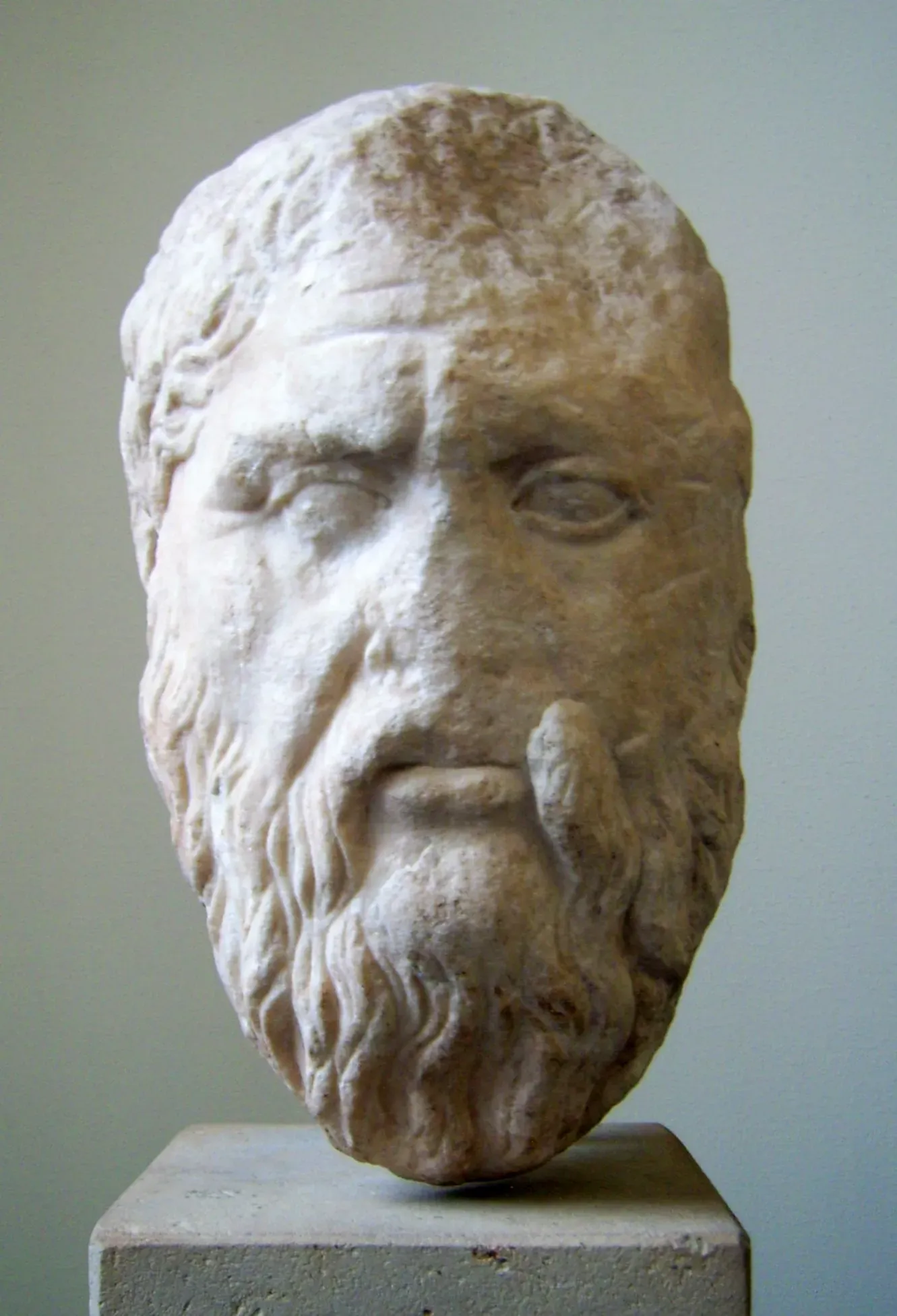
Before we start hunting for ruins, it helps to strip Atlantis back to its source. The entire legend traces to two of Plato’s dialogues, Timaeus and Critias, written in the fourth century BCE. In them, he describes a powerful island civilization beyond the “Pillars of Heracles” that grew arrogant, attacked the Mediterranean world, and was destroyed by earthquakes and floods in a single terrible day and night. He dates this disaster to an almost absurdly ancient time, roughly nine thousand years before the Greek lawgiver Solon.
Plato was a philosopher, not a journalist, and he used stories to make moral, political, and metaphysical points. Atlantis functions in his work as a warning about hubris and the dangers of a decadent, overconfident society. To most historians, that strongly suggests he was crafting an allegory rather than offering a travel report. Still, Plato insists within the story that he is passing down something he believes to be true, allegedly via Egyptian priests. The tension between obvious moral fable and claimed tradition is exactly where the “what if it was real?” question wedges itself in.
Could a Bronze Age Supervolcano Be the Real Culprit?
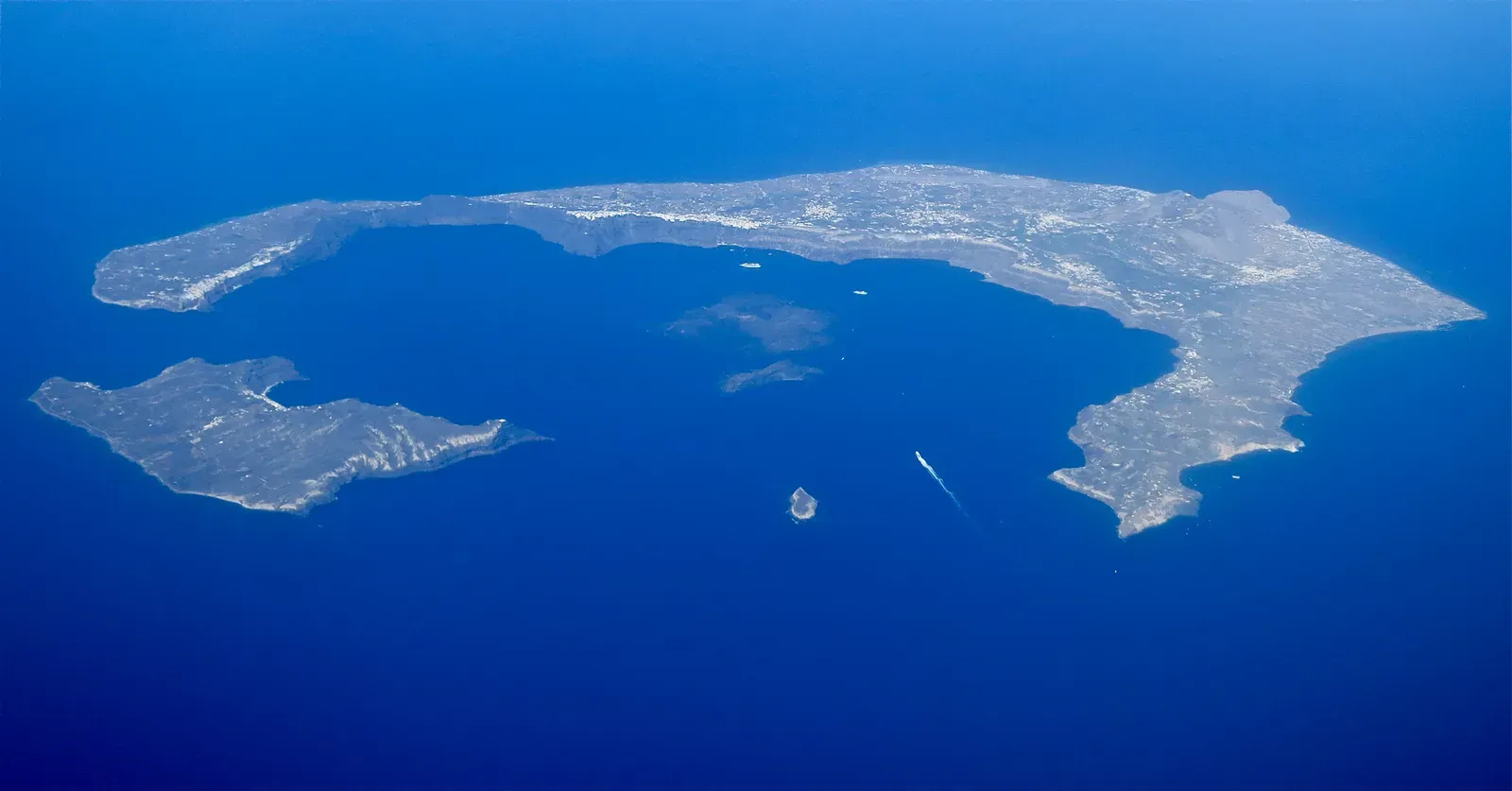
One of the most scientifically grounded candidates for an Atlantis-like event is not in the middle of the Atlantic at all, but in the Aegean: the volcanic island of Thera, now known as Santorini. Around the middle of the second millennium BCE, a colossal eruption tore the island apart, generated tsunamis, and probably contributed to the decline of the nearby Minoan civilization on Crete. The eruption was so violent that it reshaped the regional coastline and likely darkened skies across large parts of the Eastern Mediterranean.
When you stand on Santorini’s cliffs today and look down into the flooded caldera, it is not hard to imagine ancient sailors turning that scar into a story of divine punishment. The Minoans were a sophisticated maritime culture with impressive architecture and art, and their world was violently disrupted by a mix of geological and political shocks. If echoes of that disaster and Minoan decline reached later Greek writers through oral traditions and foreign priests, it would make perfect sense for Plato to fold them into a larger moral tale, stretching the timeline for dramatic and philosophical effect.
The Atlantic Temptation: Seamounts, Lost Ridges, And Wishful Thinking
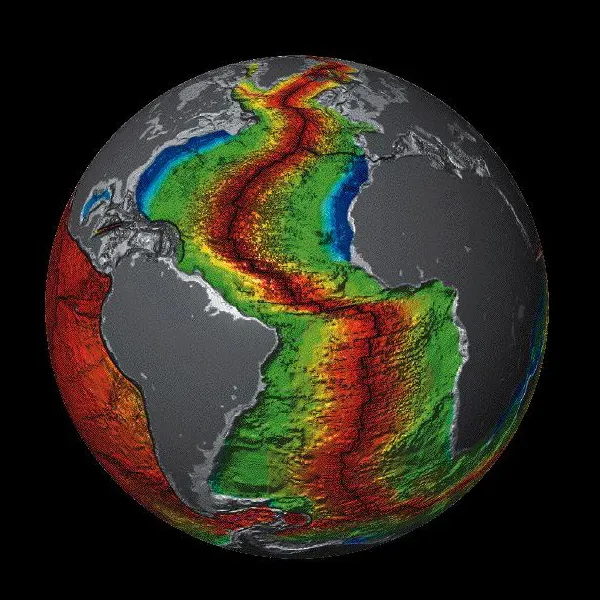
The name Atlantis makes people instinctively picture the middle of the Atlantic Ocean, often as a drowned continent. Modern oceanography, however, has mapped the seafloor in great detail, and there is no sign of a vanished landmass the size of a continent hiding under the waves. What we do have are seamounts, plateaus, and ridges – geological features like the Mid-Atlantic Ridge or the Azores plateau that, from a distance, look like they could have been islands in some past configuration.
Some researchers have proposed that ancient, smaller islands or regions in the Atlantic could have inspired the story, especially in the area around the Azores or Canary Islands, where volcanic activity and sudden collapses can create dramatic local changes. Yet these scenarios tend to lean heavily on speculation and selective interpretation of limited evidence. So far, no archaeological record supports the existence of an advanced, city-building culture out there that fits Plato’s details. The Atlantic is tempting because of the name, but the physical evidence simply does not match the fantasy of a sunken empire spanning oceans.
Floods, Sea-Level Rise, And The Power Of Collective Memory
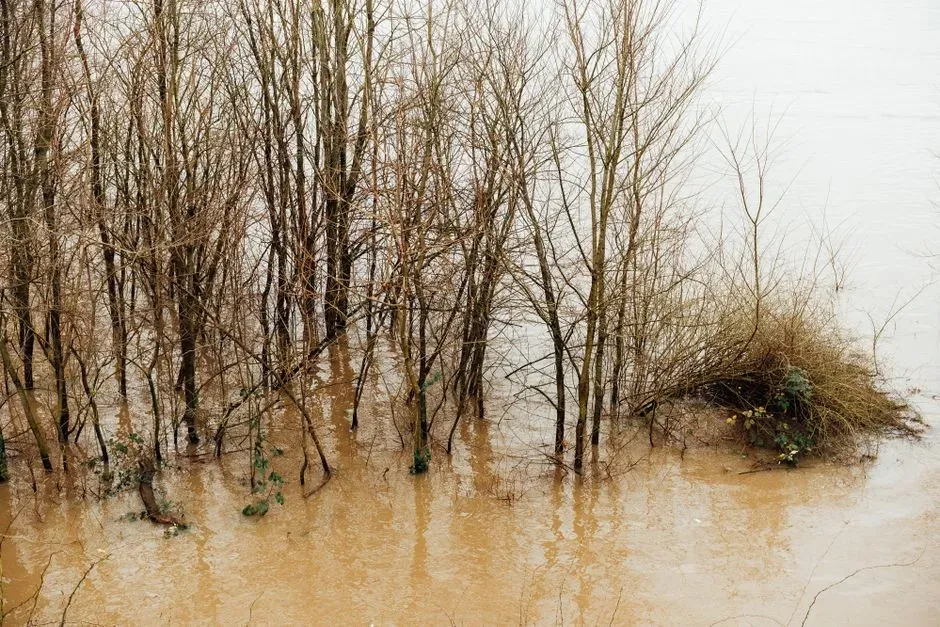
There is another way to think about Atlantis that does not require any single city to match Plato’s blueprint. During the end of the last Ice Age, global sea levels rose dramatically, drowning coastlines and reshaping the places where humans lived. Even in more recent millennia, local disasters – tsunamis, river floods, great storms – have erased entire settlements almost overnight. It would be surprising if societies did not preserve some of those traumas in story form, adding drama and morality to make sense of senseless loss.
Anthropologists have pointed out that many cultures around the world carry flood myths that, while wrapped in spiritual language, echo real environmental upheavals. Atlantis may sit in the same category: a sophisticated, literary Greek retelling of something humans everywhere have experienced – the sea suddenly taking back land they thought was theirs forever. In that sense, the question “was Atlantis real?” becomes less about whether we can find the exact city and more about whether our species keeps an emotional fossil record of disaster inside its myths.
Egypt, Crete, Or Somewhere In Between? Tracing Cultural Cross-Talk
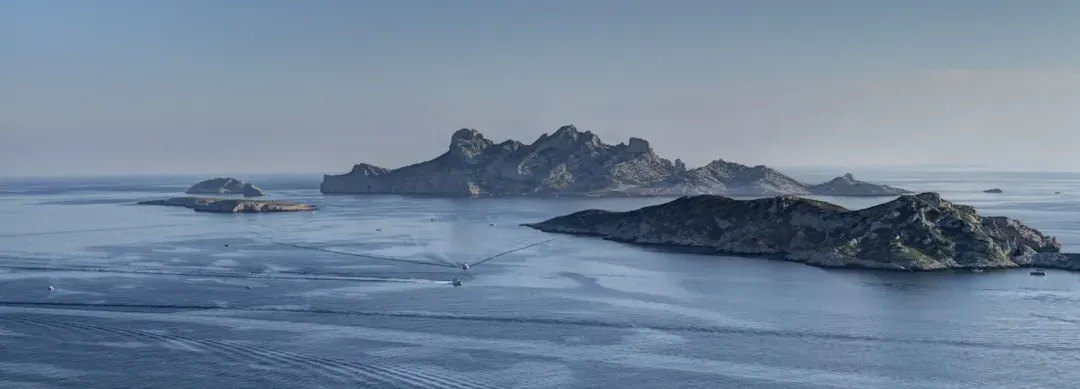
Plato claims his Atlantis story came from Solon, who supposedly heard it from Egyptian priests. Egypt itself has a long and complex history with the Mediterranean world, including trade and conflict with seafaring cultures like the Minoans and later Greeks. It is entirely plausible that Egyptian scholars preserved dim, secondhand reports of sea peoples, collapsing islands, or strange northern kingdoms, and then framed those stories within their own religious and historical worldview before passing them on.
If that happened, by the time Plato heard a version of the tale, it would already have been filtered through multiple languages, agendas, and misunderstandings. Crete, the broader Aegean, and even parts of the Near East could have been mixed together into a single composite “island empire” in the minds of storytellers. To me, that is actually more interesting than a one-to-one match. It turns Atlantis into a kind of mythological collage: pieces of Egypt, Minoan Crete, and other forgotten players glued together into a single dramatic symbol of power and catastrophe.
Why We Keep Wanting Atlantis To Be A High-Tech Super-Civilization
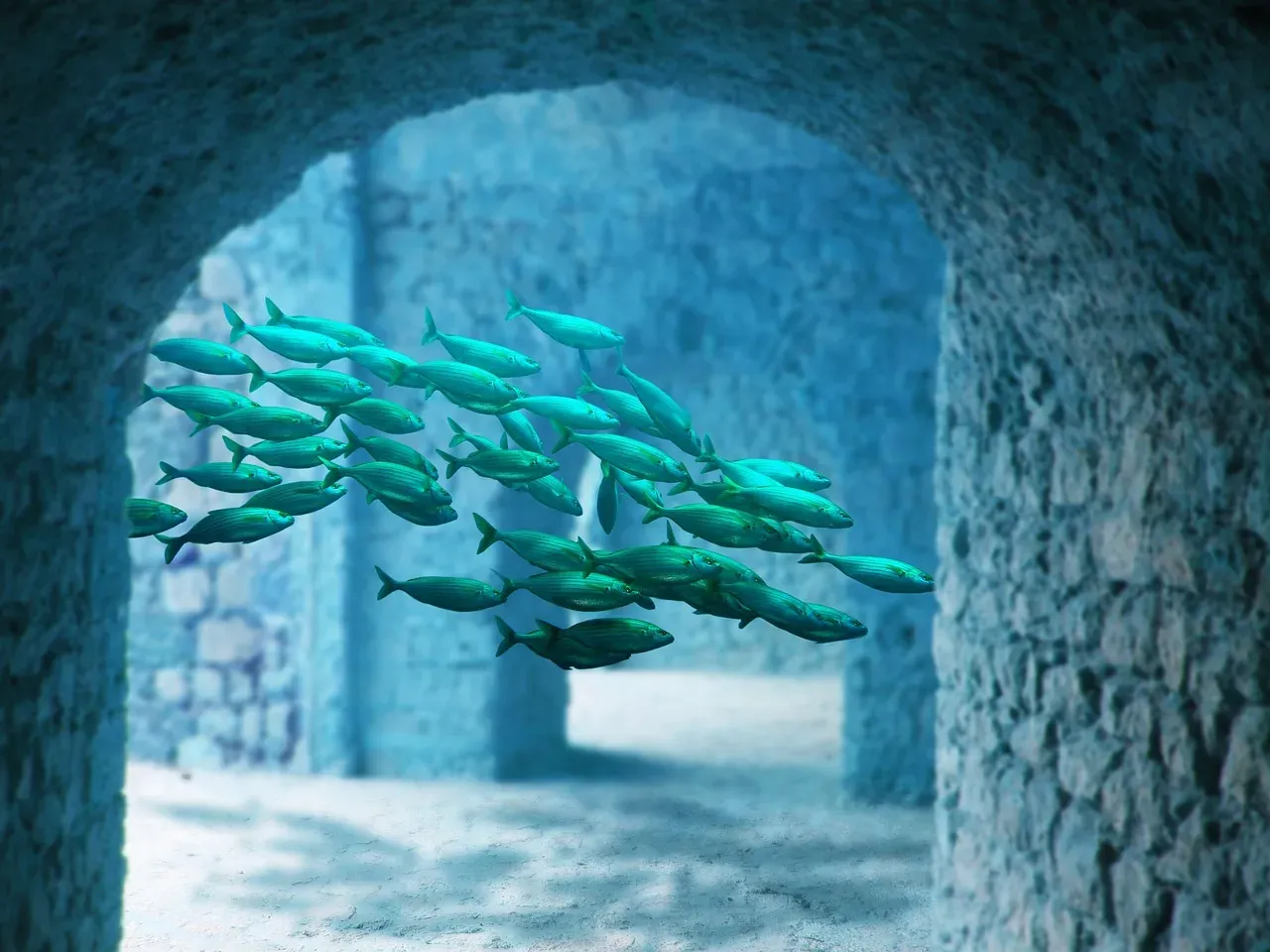
Modern pop culture has done something remarkable to Atlantis: it has turned a fairly standard ancient tale about arrogance and divine punishment into a glamorous story about ultra-advanced lost technology. You see it in movies, games, and endless fringe theories that give Atlantis energy weapons, crystal computers, or vast global flight networks. None of that appears in Plato’s account. It is all modern projection, a mirror of our own anxieties and hopes about technology, ecology, and collapse.
I think this hunger for a super-civilization says more about us than about any real ancient society. We want to believe that someone before us reached dizzying heights and then fell, because it feels like a rehearsal for our own situation. If Atlantis had flying machines and climate control and still destroyed itself, then maybe our fears about repeating that mistake are valid. In that way, the legend functions a bit like a sci-fi cautionary tale disguised as archaeology, and the lack of hard evidence does not make it any less emotionally potent.
My Take: A Real Core Wrapped In Layers Of Myth
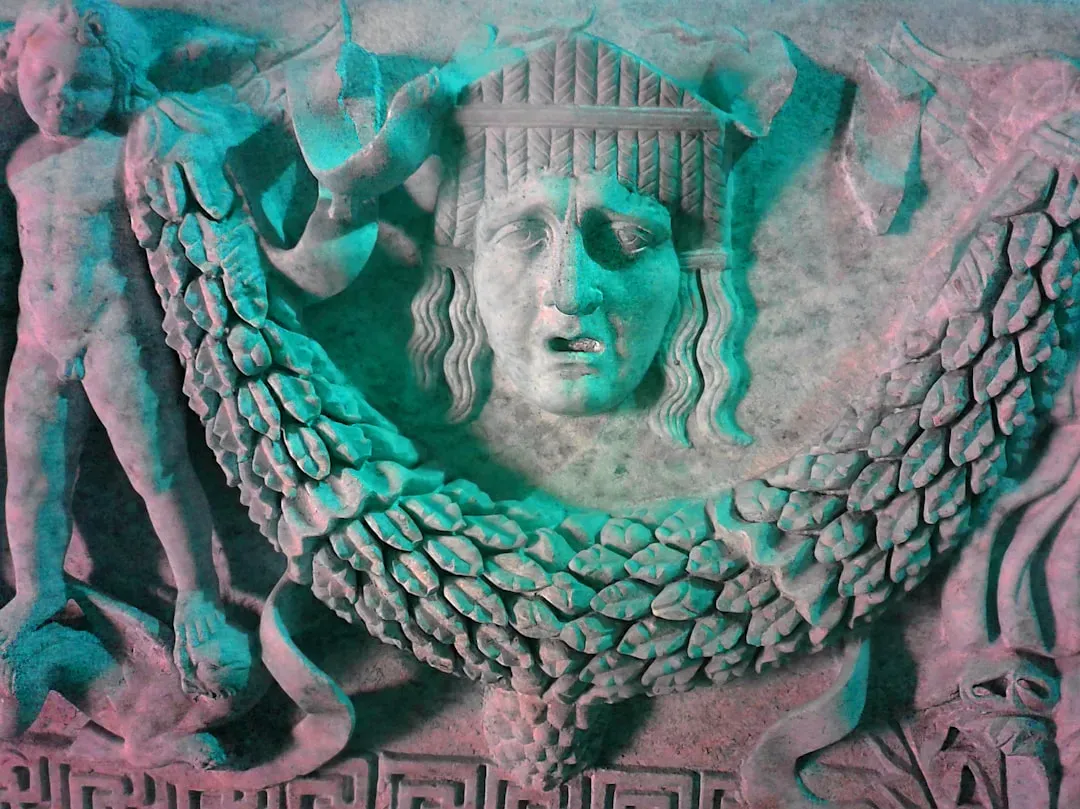
If I had to pin down an opinion, I would say Atlantis probably was not a single city we can excavate and label with absolute confidence. Instead, it was almost certainly a blend of real natural disasters, real cultures on the edges of Greek awareness, and deliberate philosophical storytelling. The Minoan world and the eruption of Thera feel like the strongest anchors, while Egyptian intermediaries and broader memories of flooding add rich background noise that Plato then sculpted into something coherent for his own purposes.
That blend does not make Atlantis less interesting; it makes it more human. We are a species that takes trauma, half-remembered history, and whispers from faraway lands, and turns them into stories big enough to carry our fears and hopes. To me, the most honest way to talk about Atlantis is to treat it as a myth with a geological and historical spine, not a GPS coordinate waiting to be discovered. The real question is not whether we can find Atlantis on a map, but whether we are willing to hear the warning buried in its story about power, arrogance, and the sea that always, eventually, wins. Did you expect the most compelling version of Atlantis to be this tangled – and this uncomfortably relevant to us?