You tend to assume that reality is fixed: blue skies are blue, time moves forward, and your senses show you a more or less accurate picture of the world. But what if that comforting certainty is mostly an illusion? When you start asking how early humans saw, heard, and felt their surroundings, you quickly run into a deeper question: did they actually experience reality in the same way you do now?
This idea sounds wild at first, but it opens up a surprisingly practical way to think about your own mind. If early humans lived in a world shaped by different fears, tools, and social rules, then their brains may have tuned into reality in ways that would feel alien to you. Exploring that possibility does not mean making up fantasies; it means looking at what science knows about perception, language, culture, and the brain, then following the implications to their logical limit.
You Never See “Reality Itself” – And Neither Did They
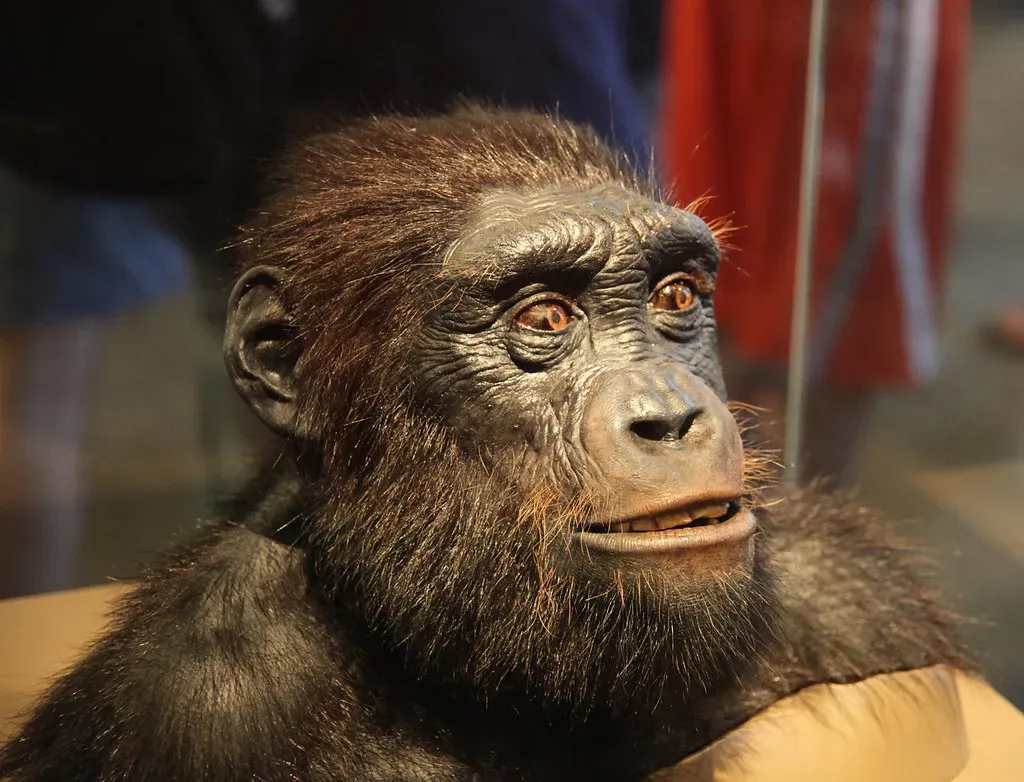
If you imagine early humans wandering through forests and savannas, you probably picture them seeing the world as you would with a GoPro strapped to your head. But your senses do not work like cameras, and theirs did not either. What you consciously notice is just a tiny, highly edited slice of incoming data, filtered for what helps you survive, stay social, and reach your goals. You do not see wavelengths; you see colors. You do not hear pressure waves; you hear footsteps behind you, your name across a room, or the tone of someone’s voice.
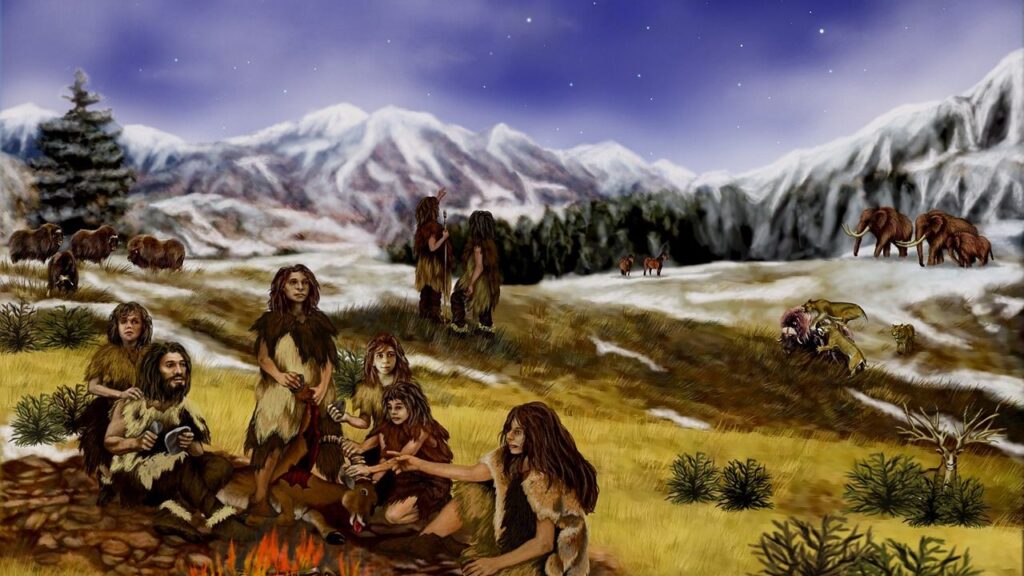
Now put yourself in the mind of an early human whose survival depends on spotting a predator in tall grass or reading the slightest change in wind or bird calls. Their perceptual “settings” would be tuned to a different set of priorities. The raw physical world would be the same, but what stood out, what felt important, and what even registered as real could have been drastically different. You and they might walk through the same landscape and, in a sense, inhabit two different worlds.
Predators, Hunger, and Hyper-Focus: A Different Sensory Priority List
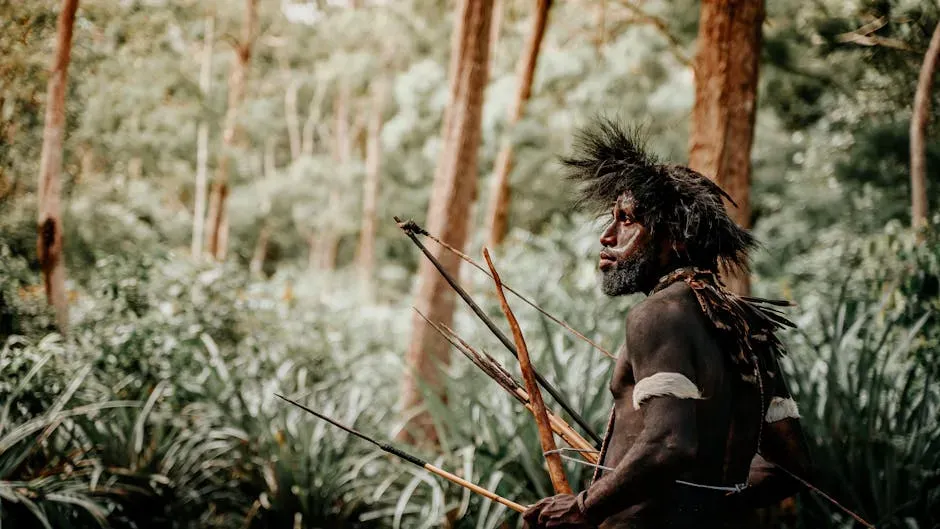
You live in a world where your phone buzzes more often than a lion roars, and your biggest threats are usually abstract: bills, deadlines, social rejection. Early humans, by contrast, faced constant physical risks and unpredictability. That pressure likely shaped what their brains treated as signal versus noise. Tiny rustles, fleeting shadows, or subtle animal tracks may have popped out to them the way a notification badge jumps out to you on a screen.
Imagine your vision and hearing dialed up, not to see more detail overall, but to spotlight anything related to danger, food, or social tension. You might be less aware of little aesthetic details and more locked into movement, smells, and gut-level vibes about whether to trust someone. Research on modern hunter-gatherer groups shows that people can become astonishingly good at reading landscapes, animal behavior, and faint sounds when their lives depend on it. In that kind of environment, your entire sensory world feels more immediate, more urgent, and possibly more “alive” than the relatively muted indoor reality you usually inhabit.
Language Shapes What You Notice – So What Did They Even Have Words For?
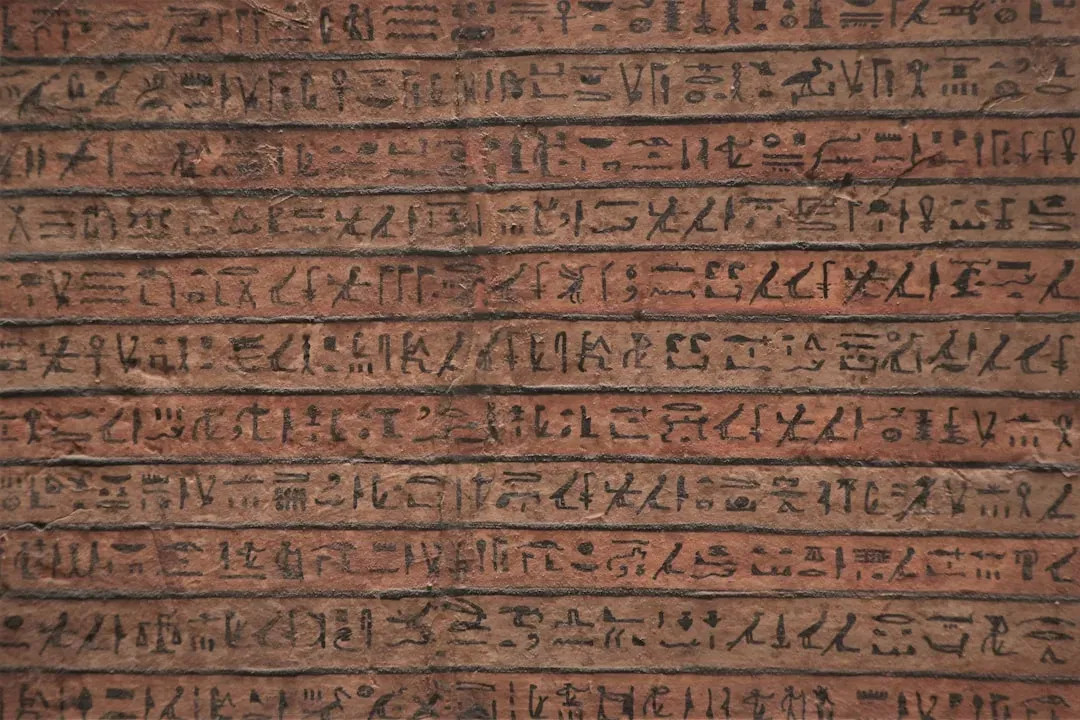
You probably think in words so constantly that you forget how much they shape what you notice. If your language splits colors into many distinct names, you’ll tend to spot those differences more quickly. If your language has rich vocabulary for emotions, you’ll be better at noticing and labeling subtle shades of sadness, anger, or jealousy. Early humans, especially before complex languages developed, might have had far fewer words and categories, which means their internal “map” of reality was drawn with a different set of labels.
Picture trying to describe your day using only a small handful of words for colors, no abstract terms like “anxiety” or “strategy,” and very simple ways to talk about time. You would still experience a full range of sensations and feelings, but how you divided them up, remembered them, and shared them would be different. If you cannot name “regret” or “nostalgia,” you might still feel those things, but not as stable, clearly outlined experiences. That kind of mind might move through the world in a stream of more concrete impressions, with fewer sharp boundaries between “things” and “states” than you are used to.
Time Might Have Felt More Cyclical, Less Like a Straight Line
You organize your life around calendars, clocks, schedules, and deadlines. Time feels like a straight line with clear markers: birthdays, graduations, anniversaries, fiscal quarters. For early humans who followed seasons, migrations, and daylight, time was tied to repeating cycles more than to numbered dates. Instead of picturing a timeline, you might have felt time as the returning of rains, the movement of stars, the ebb and flow of animal herds.
That different sense of time changes how you experience reality. If your focus is on cycles, you might feel less like you are “running out of time” and more like you are moving through recurring patterns. Events repeat, roles repeat, and tasks return with the seasons. Modern studies show that even today, people in different cultures describe time differently – some as moving left to right, some as moving toward or away from their bodies, some hardly at all in linear terms. If that is true now, you can imagine how, for early humans, the very feeling of “when” something happens might not match your own at all.
Spirits, Forces, and an Enchanted Landscape
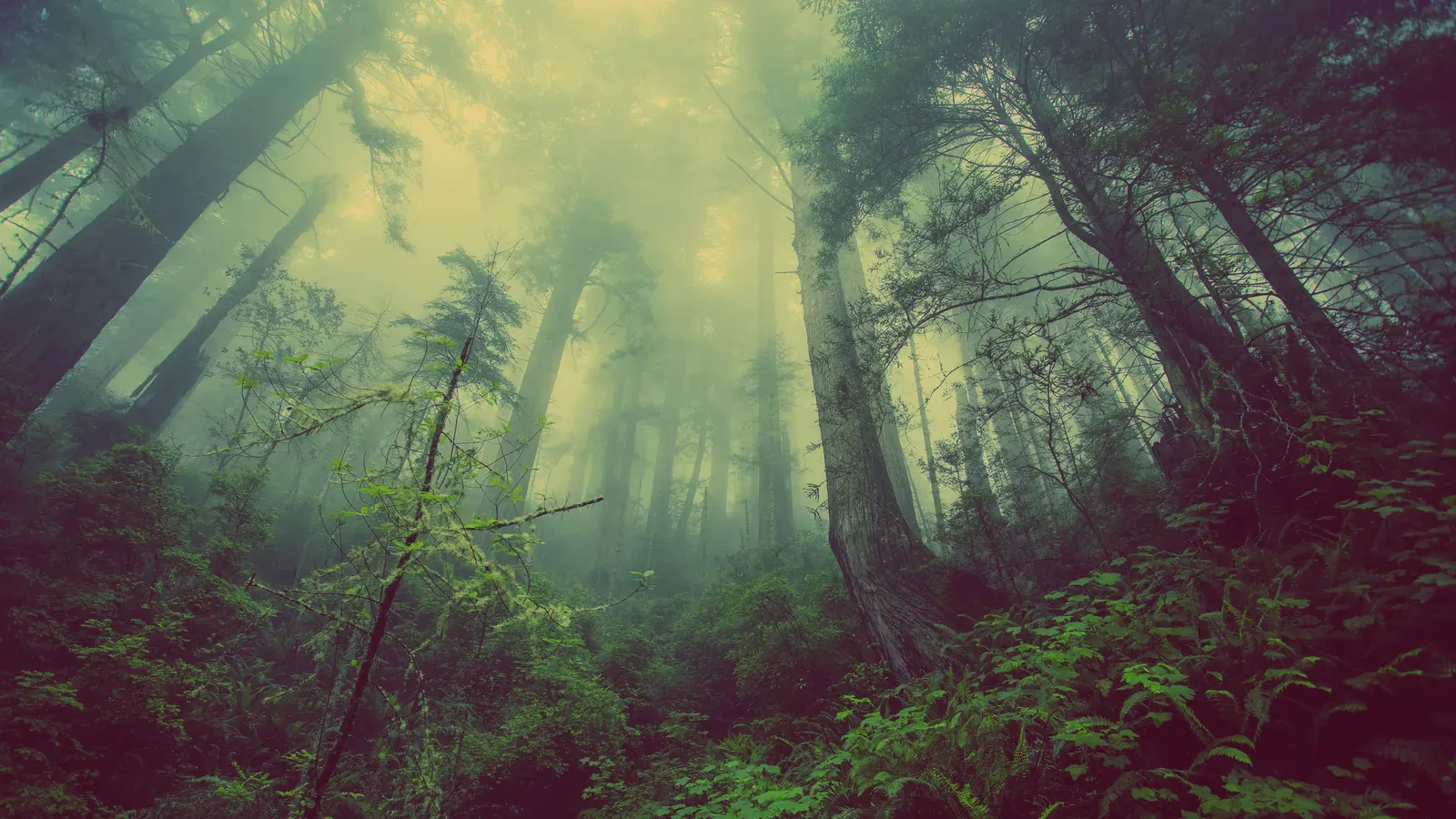
When you hear thunder, you think of air pressure and electrical charges; early humans probably experienced it as the presence or action of something powerful and intentional. Without modern science, the line between physical events and spiritual forces was likely very thin. Instead of inhabiting a world of purely mechanical cause and effect, they may have lived in what feels to you like an enchanted landscape, where animals, rivers, storms, and rocks carried intentions or personalities.
If you believed the forest itself could be angered or pleased, every sound and change in the environment would carry emotional weight. You would not just notice a sudden wind; you might feel it as a message, warning, or reaction to something your group had done. This does not mean their experience was childish or naive; it just followed a different organizing story. The same way you now “see” algorithms behind your social media feed, they might have “seen” spirits, ancestors, or unseen agents at work in day-to-day events, giving reality a thicker, more layered texture.
Living in Smaller Groups: A More Intensely Social Reality
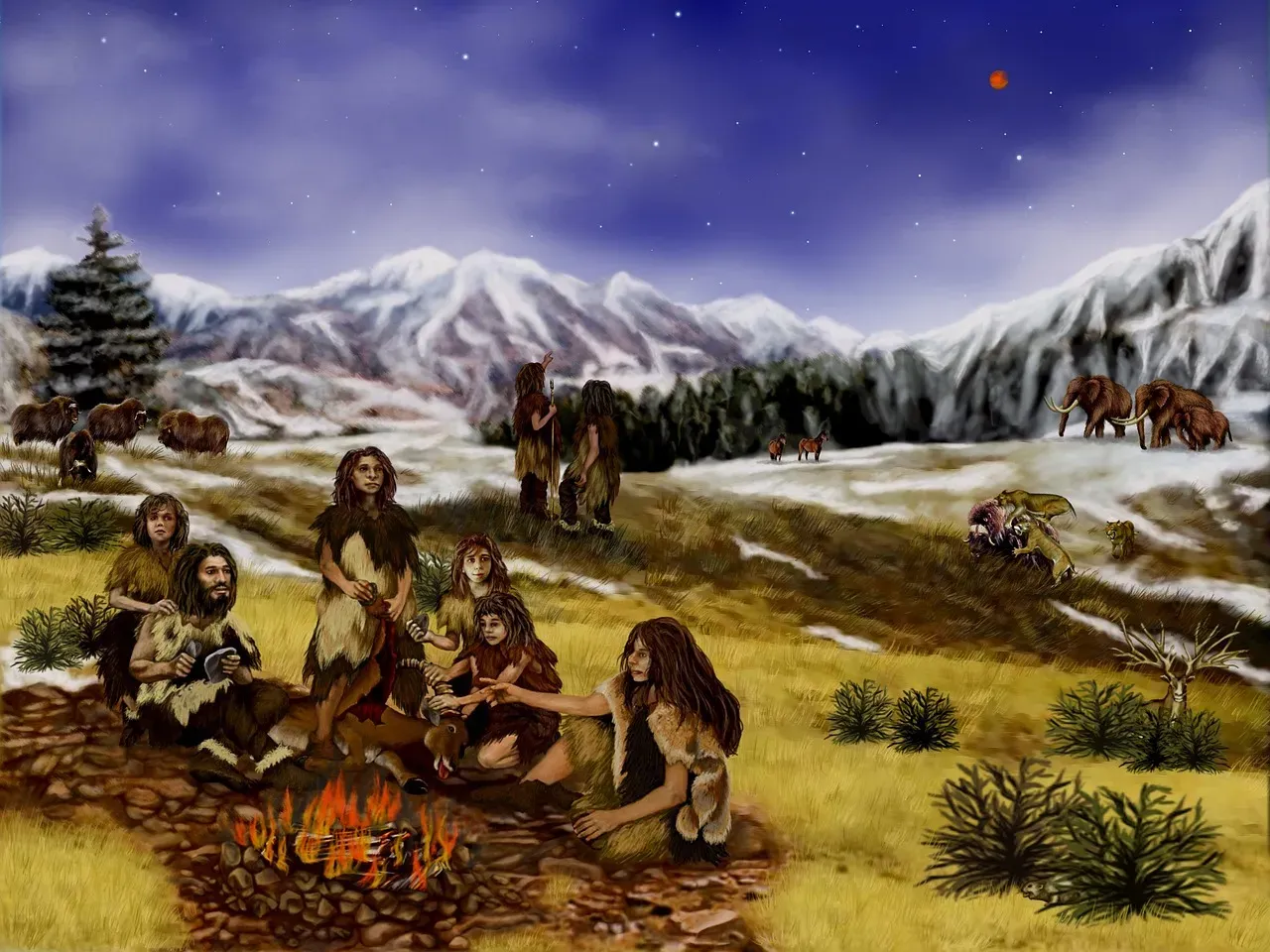
Your social world might involve hundreds or thousands of people: coworkers, online acquaintances, neighbors, and strangers in public spaces. Early humans typically lived in much smaller bands or communities, where you knew everyone, and everyone knew you. In that environment, being excluded or mistrusted could be literally life-threatening. This social pressure likely made every glance, gesture, and rumor feel more significant and more closely tied to survival.
Imagine walking through camp and instantly reading subtle facial expressions, body postures, and tones of voice from people you have known since birth. You would carry a detailed social map in your head: alliances, rivalries, unspoken obligations. Modern research shows that humans are incredibly sensitive to social cues, sometimes more than to physical danger. For early humans, that tendency would be amplified. Reality itself might have felt like a constantly shifting field of relationships, where the emotional weather of the group was as real and pressing as rain or heat.
The Brain Is Plastic: How Tools and Habits Rewrite Experience
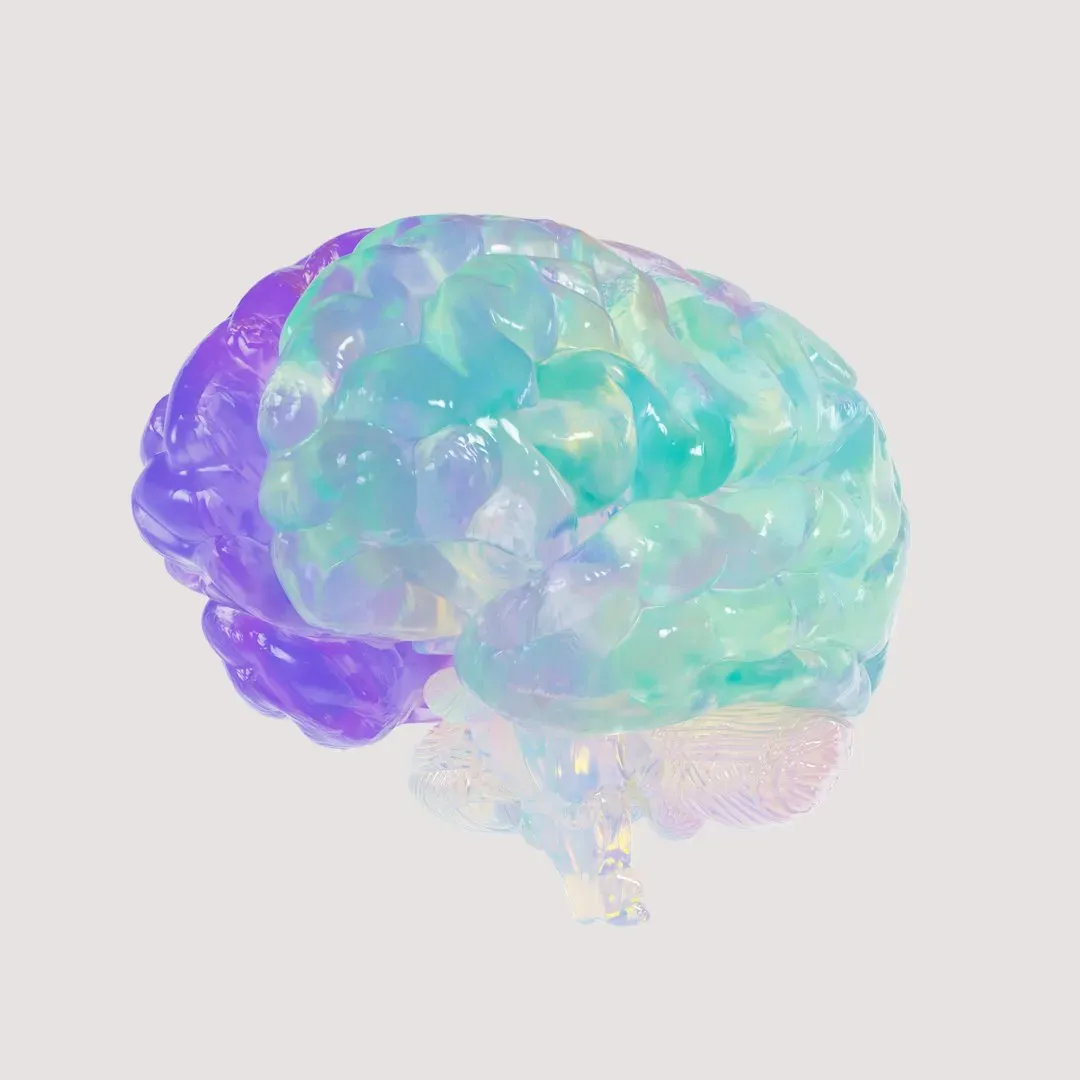
You know that learning an instrument or a new language can reorganize your brain over time. The same principle applies to early humans learning to use stone tools, fire, and cooperative hunting techniques. Every time they practiced tracking footprints, throwing projectiles, or coordinating with others, their brains reshaped themselves to favor those skills. Over generations, the constant repetition of certain tasks could have made some abilities feel almost baked into everyday perception.
Think about how, after driving the same route many times, you start to notice road patterns and traffic flows almost automatically. Now apply that to someone who spends years scanning the ground for edible plants or hidden dangers. Their sense of “just knowing” where to look or when something is off would be stronger and more finely tuned than yours in the same environment. In that way, tools and habits do not just change what people can do; they gradually alter what reality feels like from the inside.
What This Changes About How You See Your Own Mind
When you step back and imagine all these differences – sensory priorities, language, time, spiritual beliefs, social pressures, learned skills – you start to see a pattern. Reality is not just out there waiting to be seen in the same way by everyone; it is co-created by the kind of mind you bring to it. Early humans likely walked through a world where every rustle, shadow, expression, and weather change carried a meaning tuned to their way of life. You, in contrast, walk through a world shaped by screens, schedules, and abstractions, and your mind organizes reality around those.
That realization can be oddly freeing. If early humans experienced reality differently and still managed to survive, cooperate, and create culture, then your own experience is not the final version of what a human mind can do. You can train your attention, expand your vocabulary for inner states, and experiment with new ways of relating to time and nature. In a small way, you can step closer to understanding how different your ancestors’ reality might have felt – and how many other possible realities your own brain could learn to inhabit.
In the end, you do not have to decide whether early humans lived in a “truer” or “more primitive” world. What matters is recognizing that their experience was likely not a carbon copy of yours. By exploring those differences with curiosity rather than judgment, you get a clearer view of your own assumptions and blind spots. You may never fully know what it felt like to look at the world through their eyes, but you can let that question reshape how you look through your own. And now that you have imagined their world, how differently does your own suddenly feel?