You live in a world filled with maps, science documentaries, and satellites silently circling above your head. Prehistoric humans had none of that, yet they still had to make sense of lightning, death, changing seasons, and the terrifying silence of the night. When you try to imagine how they saw the world, you are really asking how a human mind like yours reacts when it is surrounded by mystery, danger, and wonder with almost no reliable information.
Of course, you will never know exactly what passed through the mind of someone who lived thirty thousand or one hundred thousand years ago. Still, by looking at tools, bones, ancient art, burial sites, and the lives of present-day hunter‑gatherers, you can build a careful, realistic picture. You start to see that their world was not just brutal and animalistic; it was filled with meaning, stories, emotions, and explanations that helped them cope with a universe that rarely explained itself.
The World As A Living, Breathing Presence
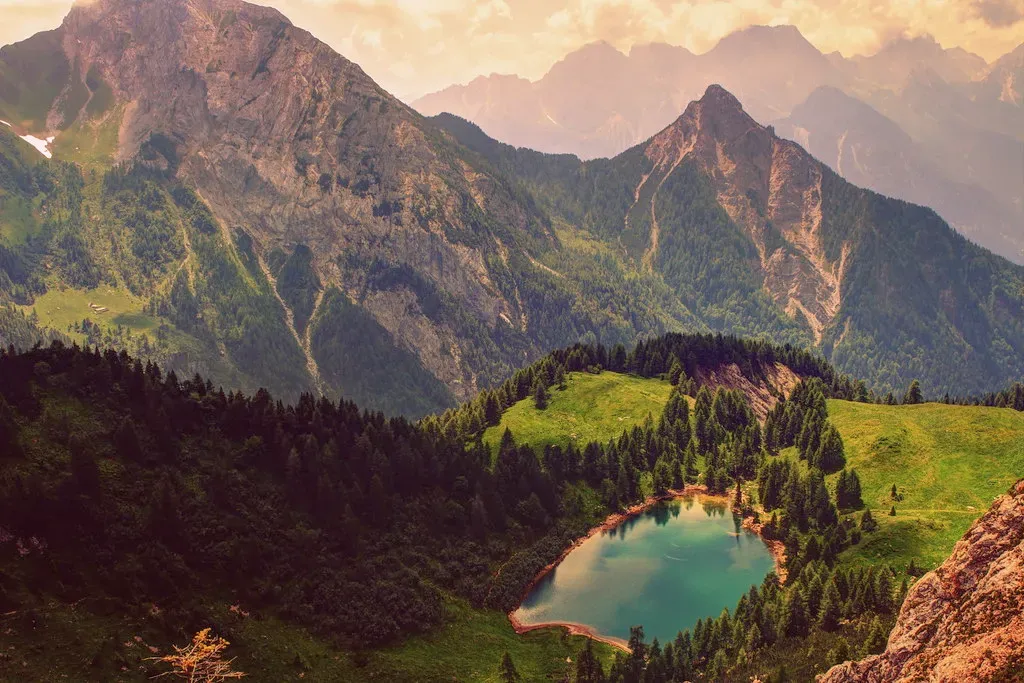
Imagine stepping outside and never thinking of the landscape as “dead matter.” Instead, every river, hill, tree, and cave feels alive, watching you back. Many anthropologists suspect that early humans saw the world as packed with spirits or intentions, not because they were naive, but because your brain is wired to detect agency, even in rustling leaves or shifting shadows. You probably do this too when you shout at your car for “refusing” to start or feel like the weather is against you.
If you lived in a small band of foragers, this sense of a living world helped you survive. You might treat a forest as a kind guardian when food was plentiful and as an angry being when a drought hit. You would talk to animals you hunted, apologize to them, or perform rituals before cutting down a tree. In that kind of world, you never really felt alone outdoors; the land itself was a kind of community that demanded respect, fear, and sometimes gratitude.
Sky, Stars, And The Mystery Above Your Head
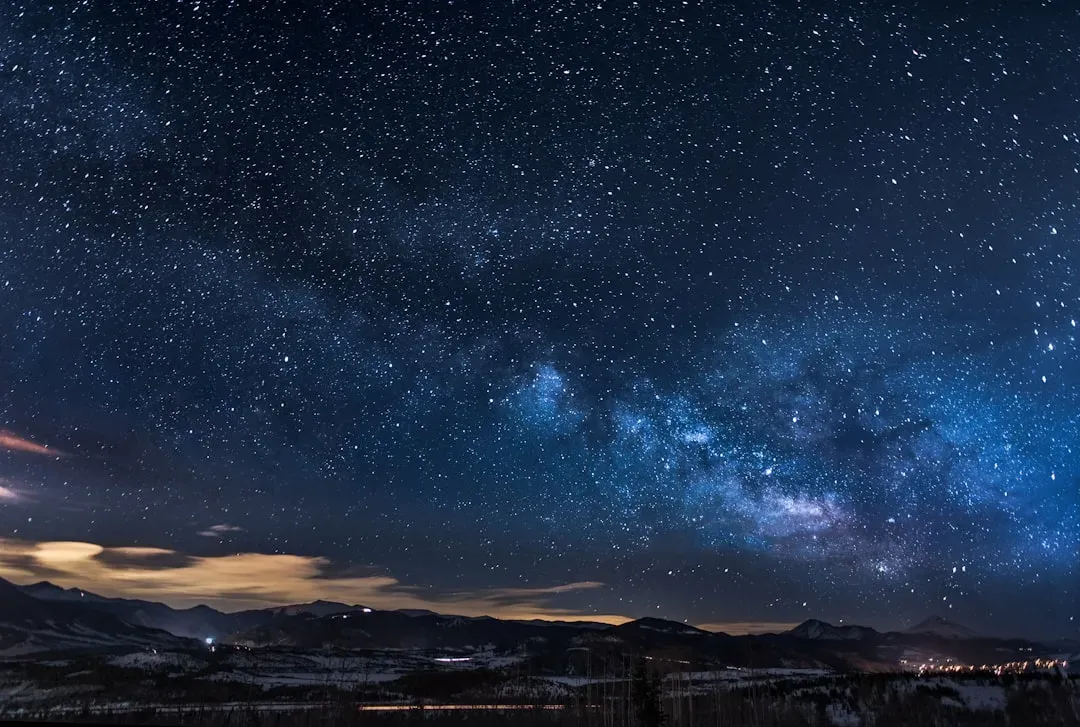
Now picture yourself lying on your back on a perfectly dark night with no cities and no light pollution. The sky above you is overwhelming, a thick band of starlight crossing from one horizon to the other. You would not see a neutral “Milky Way” of gas and stars; you would see a glowing path, a river, a bridge for spirits, or a trail your ancestors once walked. The regular rising and setting of the sun and moon might feel like the beating heart of the universe.
The sky would become your calendar and your clock long before you had words for astronomy. You might notice that certain stars rise when particular animals migrate or specific plants ripen, and you would build stories around those patterns. Thunderstorms, eclipses, shooting stars, and comets would not be random events to you. They would be messages, warnings, or signs that powerful unseen forces were at work, forces you might try to influence with chants, dances, or offerings.
Spirits, Forces, And The Birth Of Invisible Worlds
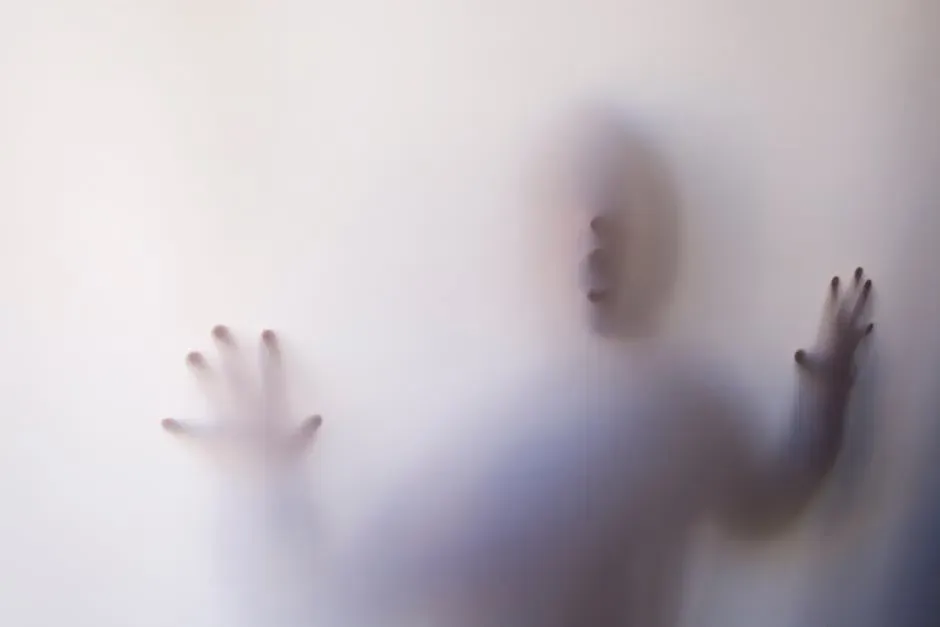
When someone in your small group suddenly died or a healthy person fell sick for no obvious reason, you would not reach for germs or genetics. You would reach for invisible agents: spirits, ancestors, or offended powers lurking beyond sight. This does not make you irrational; it makes you practical in a world where cause and effect are often hidden. Your mind naturally prefers a story with a will behind it rather than a meaningless accident.
From that standpoint, you would probably feel the world layered: a visible everyday world of rocks, animals, and people, and an invisible world that overlaps it. Caves, deep forests, mountain peaks, and water sources might feel like gateways between these layers. You might think dreams are visits from that other realm or journeys your soul takes while your body rests. The line between “real” and “unseen” would be softer for you than it is in your modern, scientific mindset.
Animals As Teachers, Kin, And Supernatural Partners
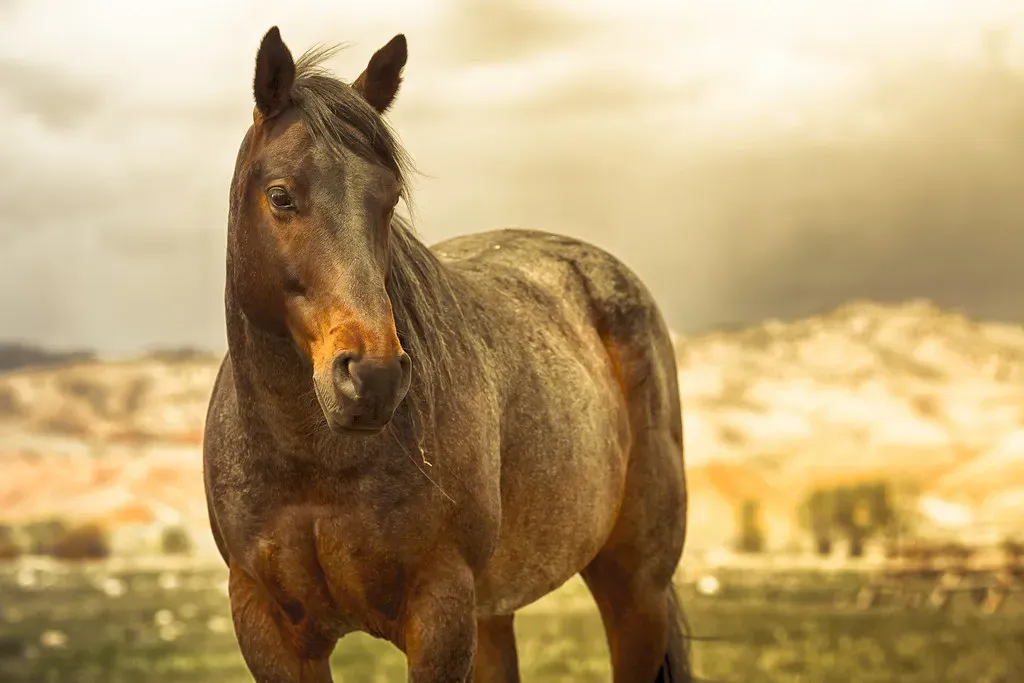
If you depended on hunting and gathering, animals would shape your thinking every single day. You would track them, imitate their calls, watch their behavior, and notice that they outmatched you in senses, speed, or strength. It would be natural for you to see them as teachers and sometimes as relatives, not just as resources. You might think of wolves as fellow hunters, birds as messengers, and large predators as frightening but almost divine beings that ruled certain parts of the land.
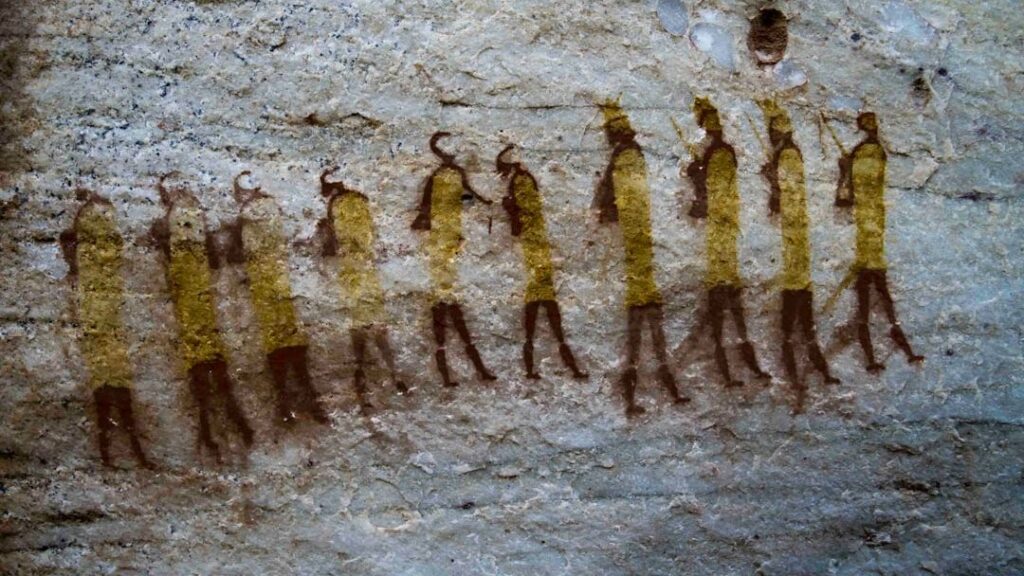
When you found yourself painting animals deep in a cave or carving them into bone and stone, you might not call it “art” the way you do now. You might feel you were capturing some of their power, speaking to their spirits, or telling a story that bound your group together. Eating an animal, wearing its skin, or carrying its bones could feel like merging identities. In your mind, the boundary between human and animal would be far more flexible and mysterious than you tend to assume today.
Death, Ancestors, And The Question Of What Comes Next
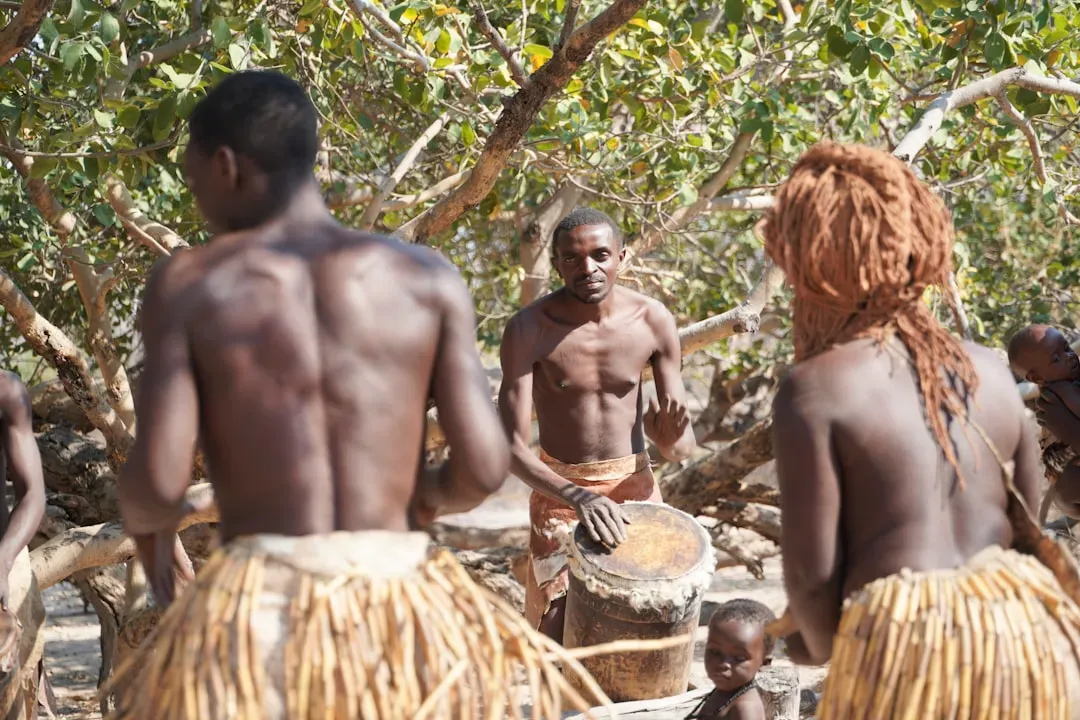
Imagine watching someone you love die with no hospitals, machines, or clinical explanations. One moment they breathe and speak, the next they are still, unnervingly empty. You would feel that something essential had gone somewhere, not simply vanished. This sense that a life-force leaves the body is likely one of the oldest roots of belief in souls, spirits, and an afterlife. You do not need philosophy for that; you just need the shock of seeing a living face turn into a mask.
Because of this, you might treat the dead with care: placing them in special positions, adding tools, ornaments, or red pigments to their graves, or returning to the same place to remember them. You might think of ancestors as still present in your landscape, able to help or harm you depending on how you behave. The line between living and dead would be more like a thin veil than an unbridgeable wall, and you might talk to the dead in your thoughts, ask them for guidance, or fear their displeasure if you broke taboos.
Time, Seasons, And Living Inside Cycles Instead Of Clocks
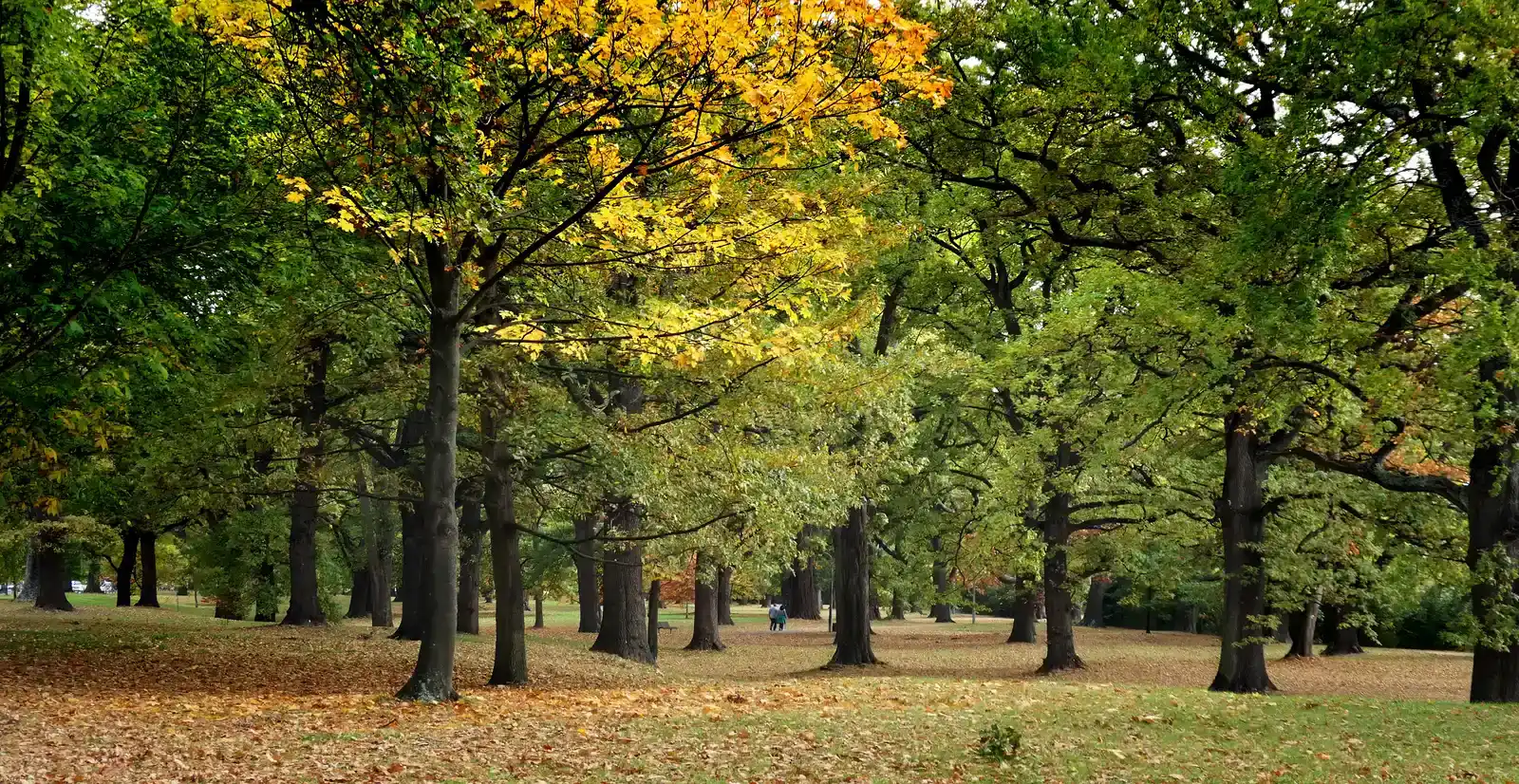
Without clocks or written calendars, you would still experience time, but you would feel it in cycles rather than precise units. You would think in terms of wet and dry, hungry and plenty, cold and warm, not minutes and hours. Your year would be stitched together by recurring events: the return of migratory birds, the ripening of certain berries, the thawing of a river, or the rutting of large animals you hunt. Each of these would carry emotional weight and practical meaning.
Over the years, you would probably come to believe that these cycles needed to be supported, repeated, or renewed through rituals and traditions. If the rains failed or a migration came late, you might fear that someone had broken a rule or that the forces guiding the seasons were angry or neglectful. Instead of seeing time as a straight line marching into the future, you might feel trapped in or comforted by repeating loops. Birth, growth, death, and rebirth would be the template for how you understood almost everything.
Group, Story, And The Power Of Shared Imagination
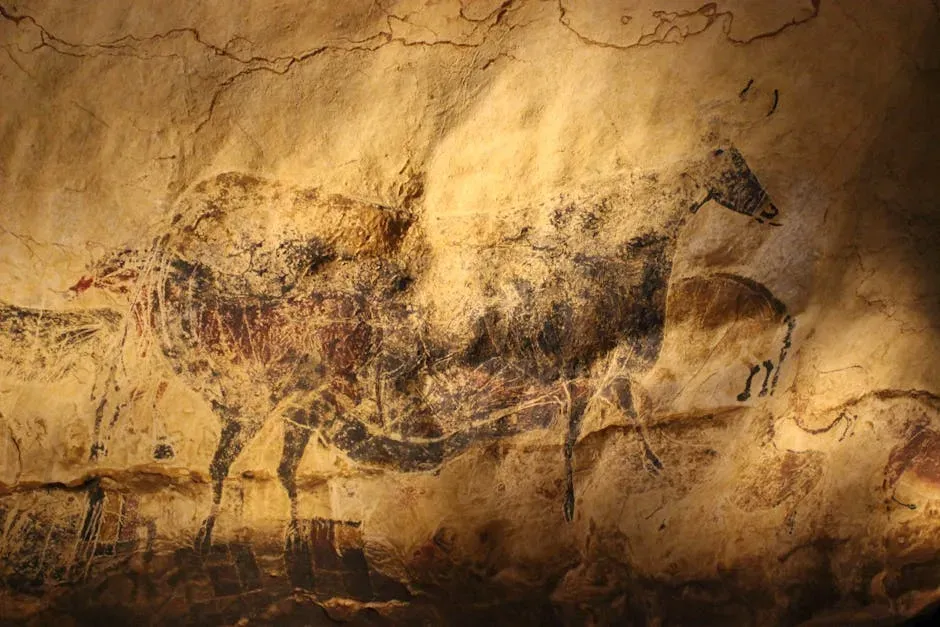
In a small prehistoric band, your survival would depend less on individual strength and more on cooperation and shared understanding. Stories, songs, and rituals would be your social glue and your library of knowledge. Around a fire, you would hear tales explaining where your people came from, why a certain rock formation matters, or what happened the last time a huge storm rolled in. These stories would be your science, history, and moral code rolled into one.
You might not separate “myth” from “reality” the way you do now. For you, a powerful story would be one that worked: it helped your group stay united, reduced fear, and guided decisions in hunting, traveling, or resolving conflicts. You would absorb these tales so deeply that they would shape what you even noticed in the first place. Through shared imagination, your group would turn a confusing, often brutal environment into a meaningful world where events had reasons and your people had a place.
Living With Uncertainty: Curiosity Without Modern Science
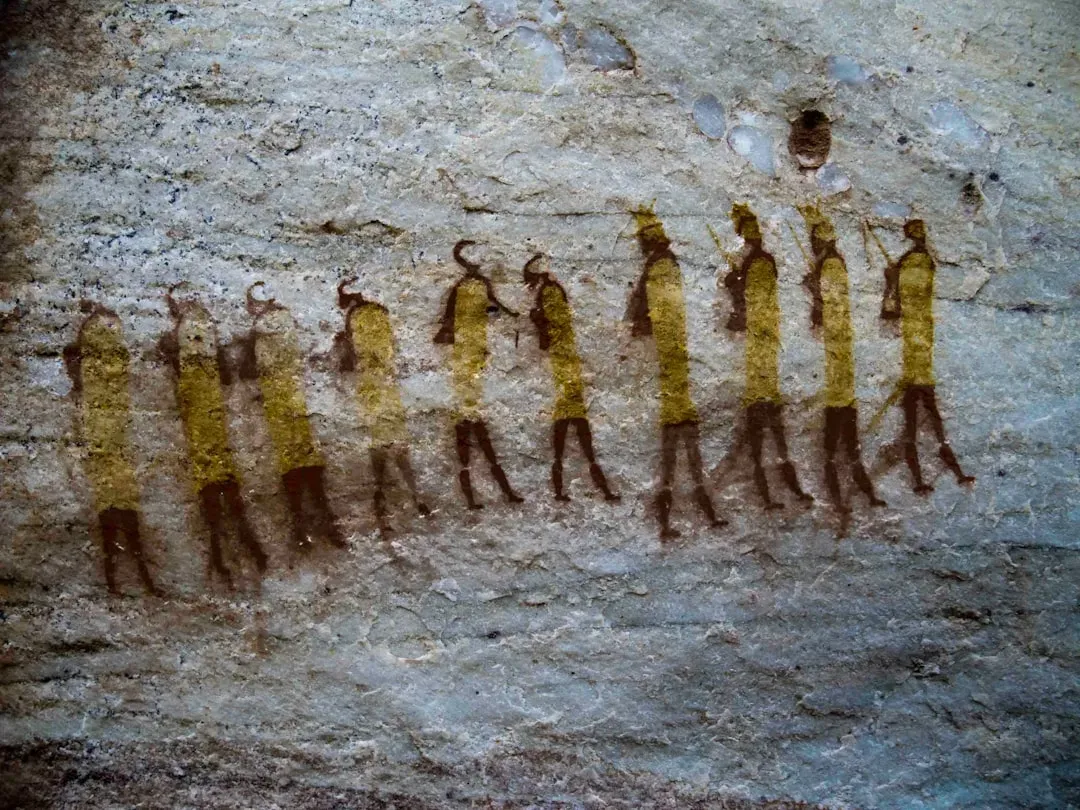
Even without formal science, you would still be curious. You would test the world constantly: trying new foods in small amounts, experimenting with different hunting strategies, noticing which plants helped with pain and which caused sickness. Your explanations might involve spirits and forces, but your survival would quietly depend on careful observation and memory. Curiosity would be a daily habit, not just a philosophical luxury.
At the same time, you would have to accept large areas of unchangeable mystery. You could not control the weather, prevent natural disasters, or cure many illnesses. Instead of feeling entitled to answers, you would lean on ritual, tradition, and humility. You would carry a sense that the world is bigger, more powerful, and more unknowable than you are, and that respect for this mystery is not weakness but wisdom. In that way, you might be closer to awe than many people who live surrounded by explanations today.
When you reflect on , you are really turning a mirror on yourself. You see the same needs: to belong, to explain, to predict, to matter in a vast, indifferent universe. You just live at a different point in time, with more tools and different language for your questions, but your basic mind is not so different from theirs.
If you stripped away your technology and modern beliefs, which of these ancient ways of seeing the world do you think would rise back to the surface first, and would that possibility make you feel nervous or strangely at home?