
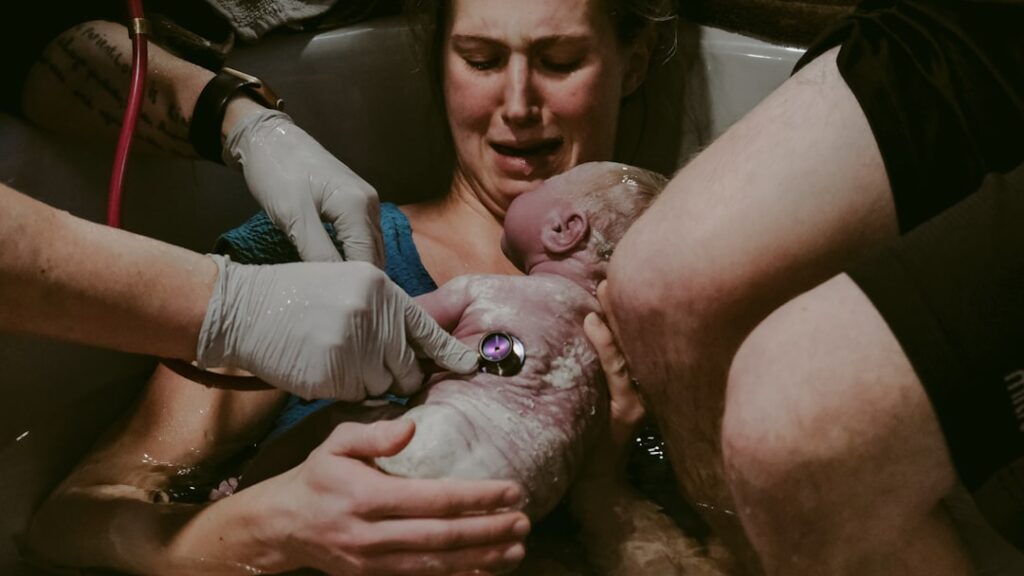
If you lined up the births of different mammals side by side, the human one would look almost absurdly difficult. Foals, calves, and even baby chimpanzees usually arrive faster, with fewer complications, and are standing or clinging to their mothers within hours. Human babies, on the other hand, take their time getting here, often require assistance, and emerge utterly helpless. From an evolutionary point of view, that is a strange bargain: why would natural selection favor a process that is so risky, painful, and energetically expensive?
The answer sits right between your ears. The very brains that let us write symphonies, build rockets, and argue on the internet have reshaped the biology of pregnancy and birth into a high‑stakes compromise. Human birth is not just a medical event; it is the outcome of a deep evolutionary tug‑of‑war between big brains, bipedal walking, and the hard limits of the pelvis. Once you see how many trade‑offs are crammed into those hours of labor, you start to realize that every newborn is evidence of an evolutionary gamble that somehow keeps paying off.
The Evolutionary Trade‑Off: Big Brains vs. Narrow Hips
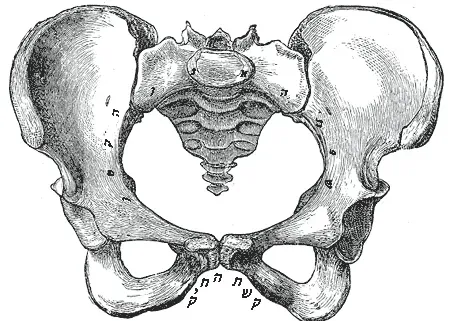
One of the most dramatic changes in human evolution is the ballooning of our brain size compared to body size. Over hundreds of thousands of years, our ancestors evolved larger and more complex brains, supporting language, social cooperation, planning, and abstract thought. But those brains need big skulls, and big skulls have to pass through a physical tunnel: the birth canal. At the same time, humans evolved to walk upright on two legs, which reshaped the pelvis into a basin that supports internal organs and balances the body over the hips.
Here is the catch: an efficient pelvis for bipedal walking cannot be endlessly wide, or our gait would become awkward and energetically costly. So evolution ended up stuck between two powerful pressures – wider hips and birth canals to fit bigger baby heads, and narrower pelvises to keep us walking efficiently. The result is an uneasy compromise where the baby’s head and the mother’s pelvis are almost perfectly matched in size, leaving frighteningly little margin for error. That tight fit is the root of why human birth is often slow, painful, and medically risky compared to many other mammals.
The Twisting Journey: Why Human Babies Must Rotate to Be Born
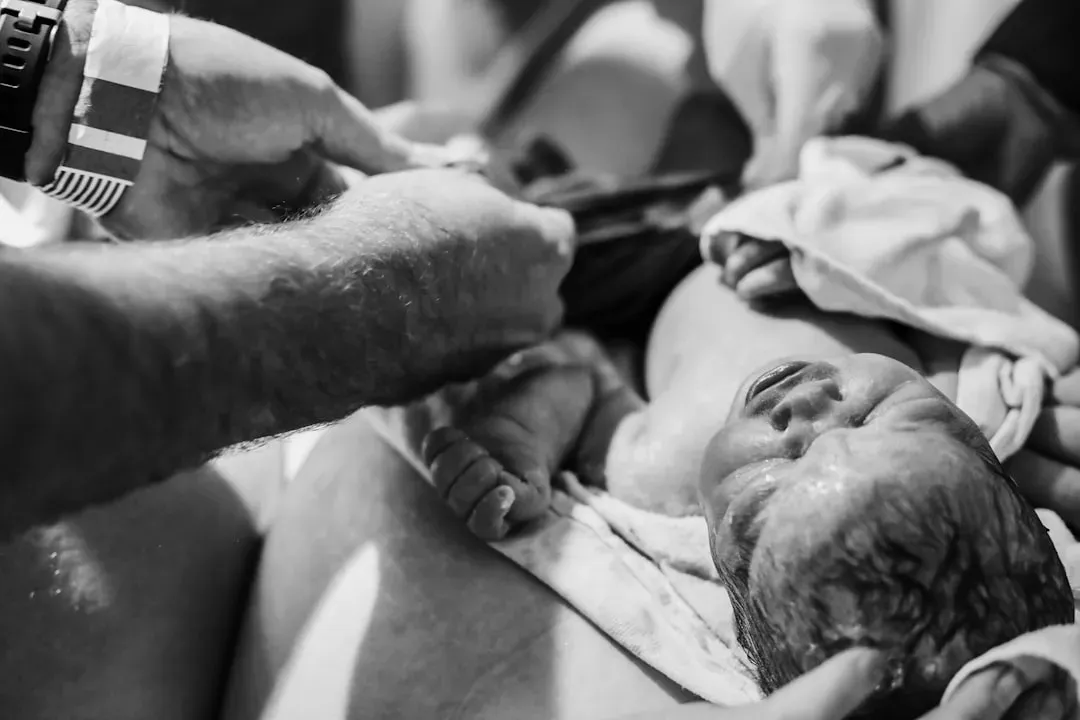
Most mammals have a relatively straightforward birth path. The baby lines up and slides through a canal that is more or less uniform in shape and orientation. Humans, in contrast, have a pelvic canal that changes shape from inlet to outlet: it is wider from side to side at the top and wider front to back at the bottom. Because of this, the fetus cannot just point in one direction and glide out; it has to perform a series of rotations and flexions that look almost like a slow underwater dance.
During a typical birth, the baby usually enters the pelvis sideways, then rotates so the back of the head faces the mother’s spine, bends its neck to reduce head diameter, and finally turns again as the shoulders navigate the outlet. Each of these movements is essential; if one stage goes wrong or stalls, labor can become prolonged or obstructed. When people say birth is a “tight squeeze,” that is not a metaphor. It is literally a multi‑step mechanical puzzle, timed to powerful contractions and made more precarious by the very brain size that defines our species.
The High Cost of Intelligence: Energetics of Growing a Human Brain

Brains are expensive tissue. Even in adults, the human brain uses a striking proportion of our daily energy budget, and in late pregnancy the fetus’s growing brain is like an energy‑hungry engine. The mother’s body has to ramp up blood volume, increase nutrient delivery, and manage heat and metabolic stress just to keep this growth on track. By the final trimester, the demands of that rapidly expanding brain and body push the mother close to her physiological limits.
Some researchers argue that human pregnancy length may be constrained less by calendar time and more by how much sustained metabolic load the mother can handle. In other words, birth may happen when the cost of maintaining both her body and the fetus’s brain together approaches a ceiling. Seen from that angle, labor is not just a mechanical event but also a metabolic tipping point, where the safest option is to get the baby out and let it continue brain growth in the relatively more flexible environment outside the womb.
The “Obstetric Dilemma” and Why It’s More Complicated Than It Sounds
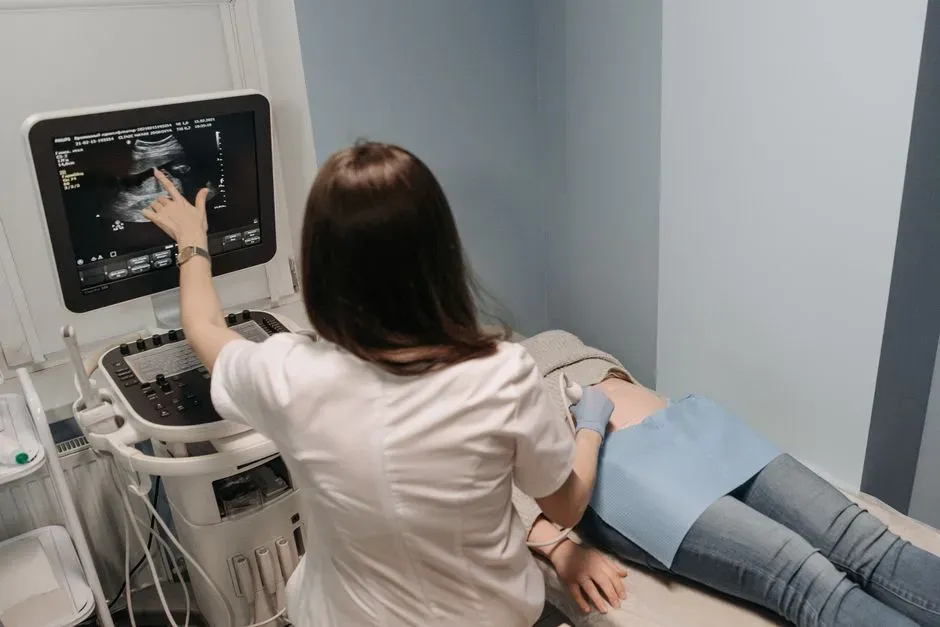
Anthropologists have long used the phrase “obstetric dilemma” to describe the clash between big‑brained babies and narrow, bipedal pelvises. It is a neat phrase and an elegant idea: evolution pulls the pelvis in one direction for locomotion and in another for childbirth, and we end up with a difficult compromise. This framework has been extremely influential in explaining why human birth is so challenging and why maternal mortality has historically been high. It also underlines just how unusual humans are compared to our closest primate relatives.
More recent research has added nuance, though. Some studies suggest that women’s pelvises are more variable and more adaptable than the classic dilemma model assumes, and that metabolic constraints, nutrition, and cultural practices also play major roles in shaping birth outcomes. It is probably not a simple one‑problem story, but a layered convergence of pelvic shape, fetal growth rates, energy limits, and even climate and body size. Still, even with this added complexity, the core reality remains: evolving large, sophisticated brains came with a steep obstetric price tag.
Why Human Babies Are So Helpless – and Why That Might Be an Advantage

If human brains kept growing in the womb until they reached even close to adult proportions, the baby’s head would be far too large to pass through the birth canal. One widely discussed idea, sometimes called the “altriciality” or “fourth trimester” concept, suggests that humans are essentially born early, with brains and bodies that still have a lot of development left to do. Compared to many other mammals that can walk, run, or cling shortly after birth, human newborns look shockingly unfinished. They cannot support their heads, regulate temperature well, or survive even briefly without intensive care.
Oddly, that helplessness might be part of what made us so successful as a species. By shifting a large portion of brain growth to the outside world, humans get around the tight pelvic constraint and allow brains to expand in an environment shaped by family, culture, and experience. The first year of life is not just biological maturation; it is also intense brain wiring shaped by touch, language, and social interaction. You can think of it as evolution trading some physical independence at birth for longer, richer periods of learning and bonding – and that trade seems to have paid off in our capacity for culture and cooperation.
Pain, Risk, and Culture: How Humans Turned Birth into a Shared Event
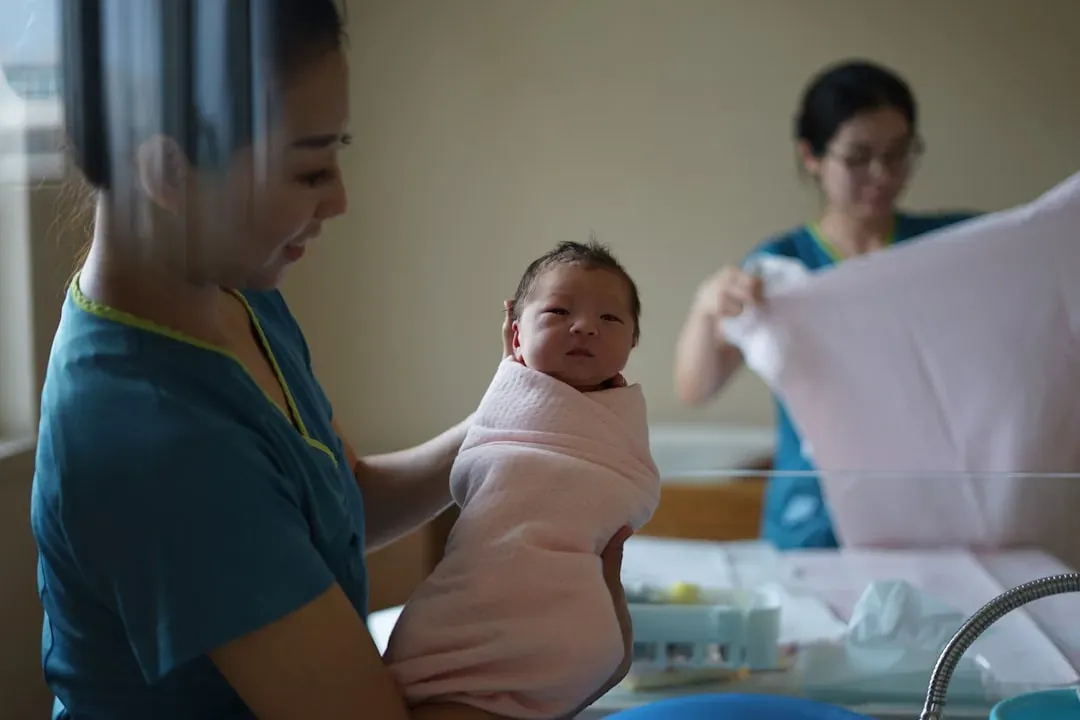
One of the most striking things about human birth is the near universality of assistance. Around the world and throughout history, most women have given birth with help from others – family members, midwives, or other community figures. Some anthropologists suggest this is not just a cultural habit but a biological adaptation to the inherent difficulty of our births. When labor is long, and the mechanics are tricky, having another set of hands and eyes can be the difference between survival and tragedy. In that sense, social cooperation became part of our reproductive strategy.
The intense pain many experience during labor is often framed as a flaw or a curse, but from an evolutionary perspective it functions as a very loud alarm system. Pain draws attention, mobilizes help, and forces rest and focus when the stakes could not be higher. Culturally, that difficulty has generated rituals, myths, medical innovations, and entire support professions. If you zoom out, human birth is not just a biological process; it is one of the main ways societies express care, solidarity, and accumulated knowledge across generations.
Modern Medicine vs. Ancient Constraints: Are We Outrunning Evolution?
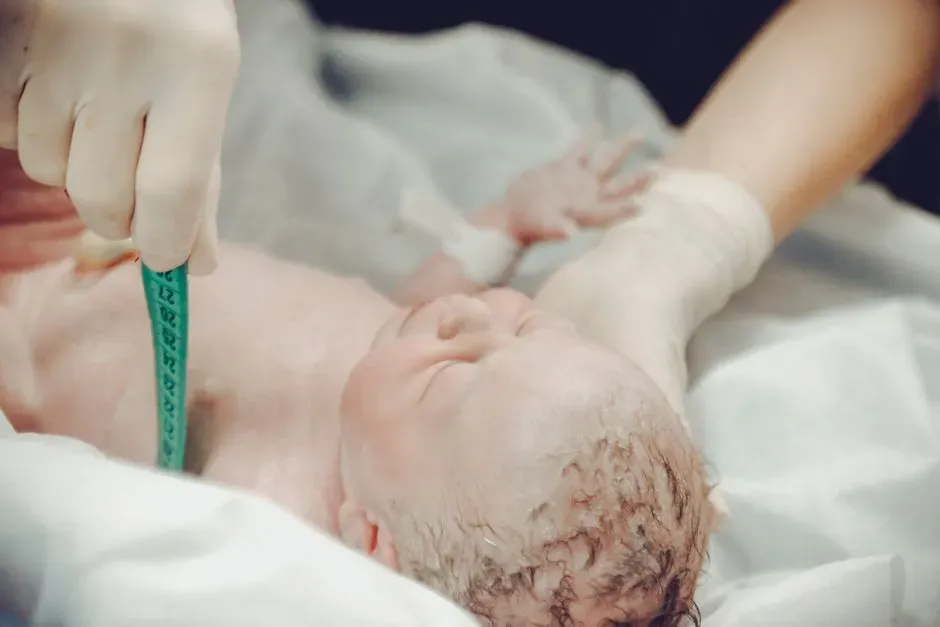
Over the last century or so, advances such as antiseptics, antibiotics, safer surgery, blood transfusions, and better monitoring have transformed childbirth in many parts of the world. Interventions like cesarean sections can bypass obstructed labor that would previously have been fatal for mother, baby, or both. Epidural anesthesia and other pain relief options radically reshape the emotional and sensory experience for many people giving birth. From one angle, it can look as if technology has finally outsmarted the old evolutionary constraints of the pelvis and skull.
But that victory is uneven and incomplete. In many regions, limited access to skilled care, safe surgery, and basic supplies keeps maternal and newborn mortality tragically high. Even where technology is available, questions remain about overuse of interventions, rising cesarean rates, and the mental health toll of traumatic birth experiences. To me, this is where the story gets uncomfortable: we have the tools to ease much of the evolutionary burden of human birth, but our social, economic, and political choices often decide who actually benefits. Evolution set up the challenge; societies decide how fair or brutal the odds remain.
Evolution’s Price Tag: Why the Risk Was “Worth It”

Looking at the dangers and difficulty of human birth, it is tempting to ask whether this path was a mistake. Yet evolution is indifferent to suffering; it cares only about survival and reproduction over long stretches of time. The fact that our species has spread to almost every environment on Earth suggests that the cost of big brains, risky births, and dependent infants was offset by enormous advantages in thinking, cooperating, and adapting. Our intelligence let us invent tools, language, agriculture, and modern medicine – all of which throw feedback loops back into how we reproduce and raise children.
In my view, the most haunting part of this story is its double edge. The same brains that made birth so hard also let us understand and reshape it: to design safer clinics, advocate for respectful care, use data to improve outcomes, and question old assumptions. Every time a baby is born – whether in a high‑tech hospital or a small village clinic – it represents a moment where millions of years of anatomical compromise meet the very latest human ingenuity. The deeper question is not whether human birth is an evolutionary battle; it is whether we are willing to use our hard‑won intelligence to make that battle kinder, safer, and more equal for everyone. Did you ever imagine that simply being born came at such a staggering evolutionary cost?