You probably think of flight as something birds were simply born to do, like it was always part of the deal. But when you look back into deep time, you find a far stranger and more dramatic story. The first bird‑like creatures were clumsy, half‑ground, half‑air animals, experimenting with feathers, glides, and awkward leaps long before anything you’d recognize as a modern bird took to the sky.
As you explore how flight evolved in ancient birds, you start to see it less as a single invention and more as a long, messy series of trials, errors, and surprising detours. Limbs turned into wings, scales became feathers, and entire bodies were reshaped just to shave off a bit of drag or gain a little lift. By the end, you might never look at a flying bird the same way again.
1. Feathers Evolved Long Before Flight Ever Did
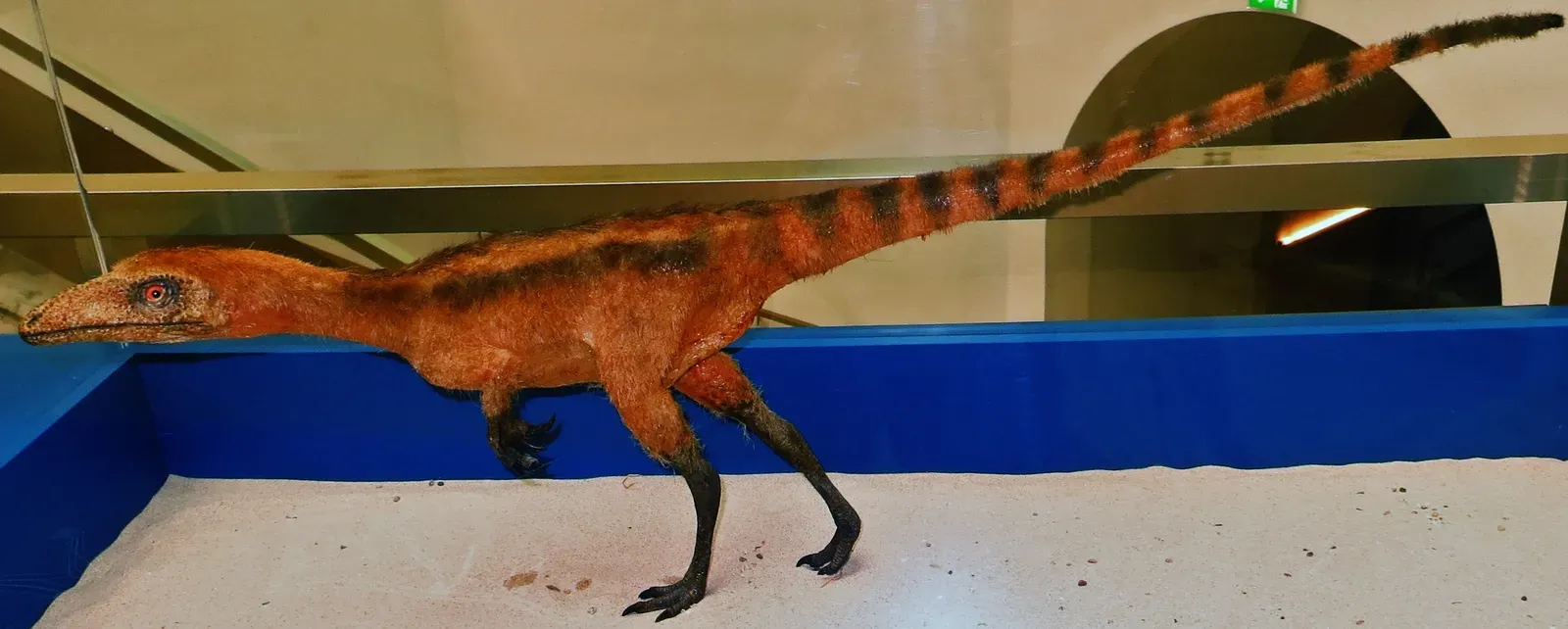
When you picture an early bird, you might imagine feathers showing up purely for soaring through the air, but you’d be a bit off. Many early feathered dinosaurs, which are close cousins of birds, had feathers even though they couldn’t truly fly. In your mind, you can picture them more like fluffy, sharp‑toothed runners than elegant fliers, using early feathers for insulation, display, or maybe even camouflage.
This means you’re looking at a classic evolutionary twist: something that starts out for one purpose and ends up perfect for another. Feathers first helped bodies control temperature and attract mates, then later became thinner, longer, and more structured, eventually turning into powerful flight surfaces. So by the time ancient birds were ready to take off, the raw material for wings was already there, waiting to be repurposed.
2. Early Birds Weren’t Great Fliers – They Were Gliders and Scramblers
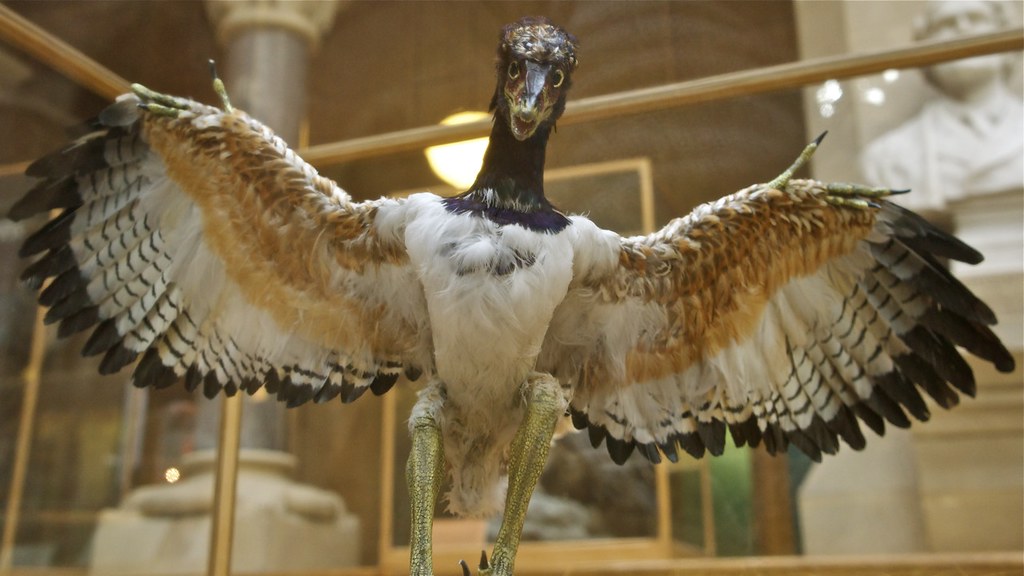
If you could step into a prehistoric forest, the first “birds” you’d see would not be zipping through the air like swallows. Instead, you’d find creatures that climbed, scrambled, and likely glided awkwardly from tree to tree. Their wings were often short, their tails long, and their muscles not yet built for powerful, flapping flight. You’d probably compare them more to flying squirrels or gliding lizards than to your favorite songbird.
Flight for these animals was less about sustained, graceful movement and more about quick escapes and shortcuts. Imagine scurrying up a trunk, launching yourself off a branch, and gliding just far enough to avoid a predator or reach the next perch. That in‑between lifestyle gave evolution time to slowly tune bones, feathers, and muscles until gliding changed into real, powered flight.
3. Your “First Bird” Icon, Archaeopteryx, Was Only One Experiment
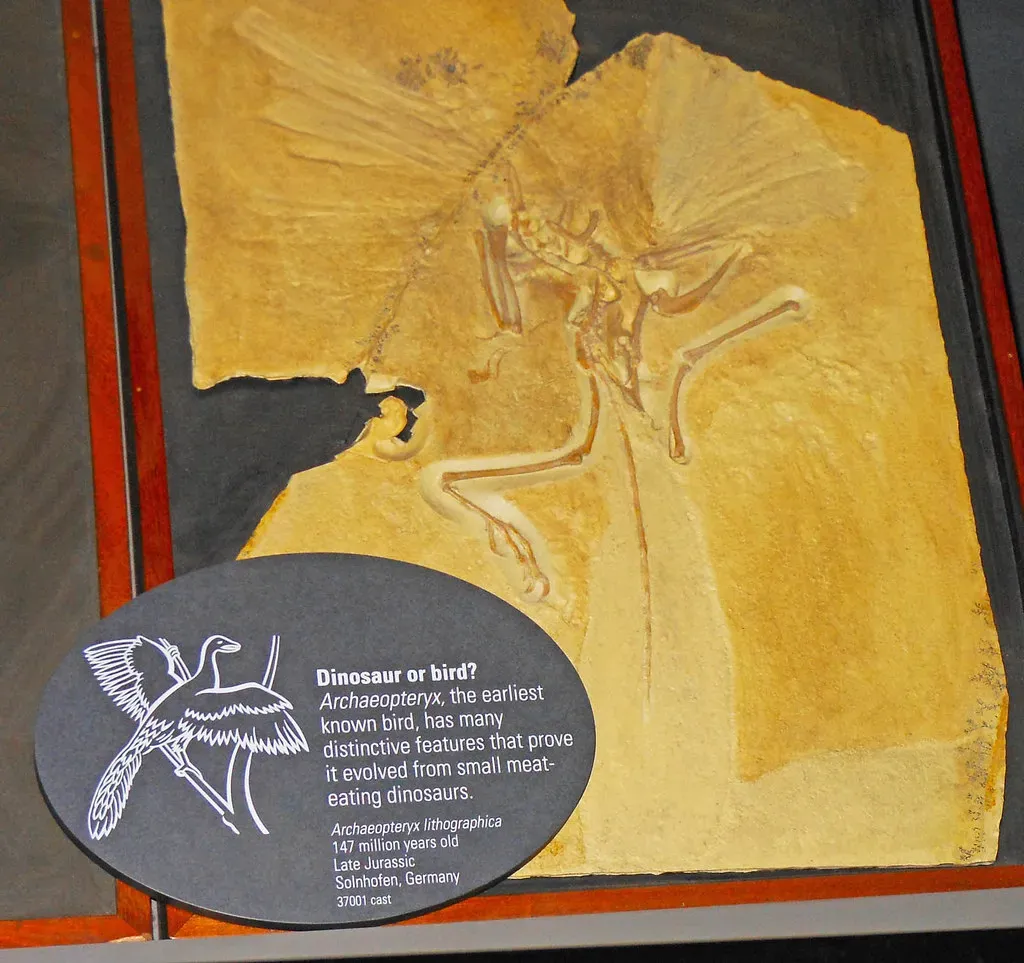
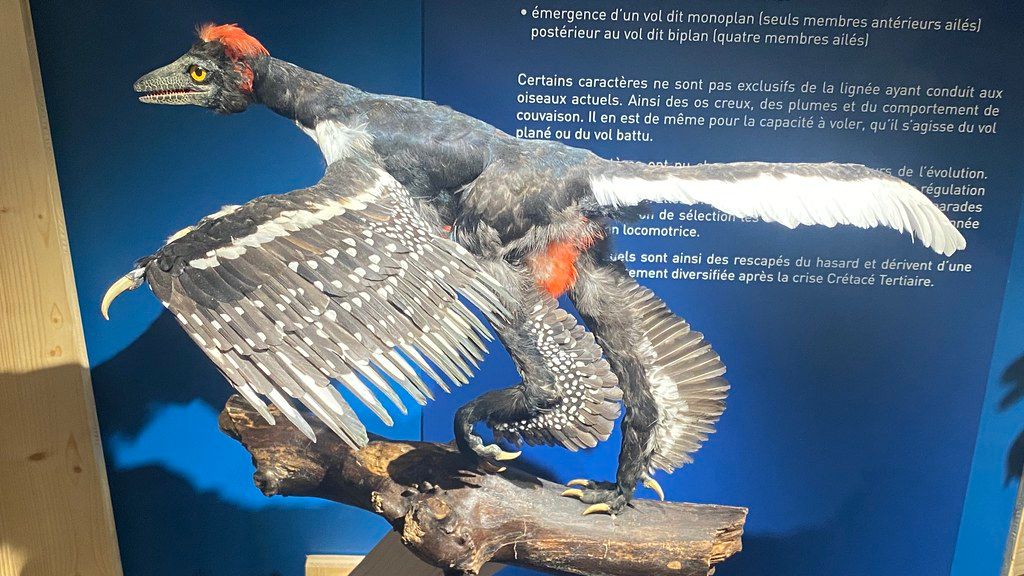
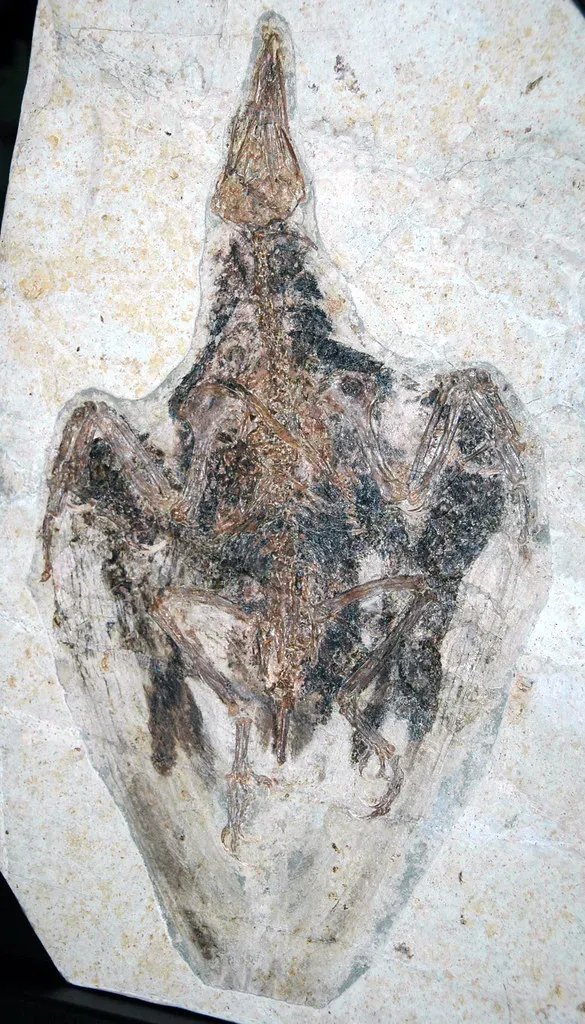
You’ve probably heard of Archaeopteryx as the classic “first bird,” but you might be surprised to know it was just one branch on a much bigger evolutionary tree. When you look at it closely, you find sharp teeth, a long bony tail, and claws on its wings – all features that feel more dinosaur than bird. So you’re not really staring at a modern bird ancestor in a neat straight line; you’re looking at one of several early attempts at making a flying dinosaur.
What makes Archaeopteryx special for you isn’t that it was the very first, but that it preserves a perfect blend of features: feathered wings like a bird, skeleton details like a small predator dinosaur. It proves to you that flight did not suddenly appear out of nowhere. Instead, it emerged step by step in animals that still carried plenty of dinosaur baggage in their bodies.
4. Some Ancient Birds Had Teeth and Long Tails
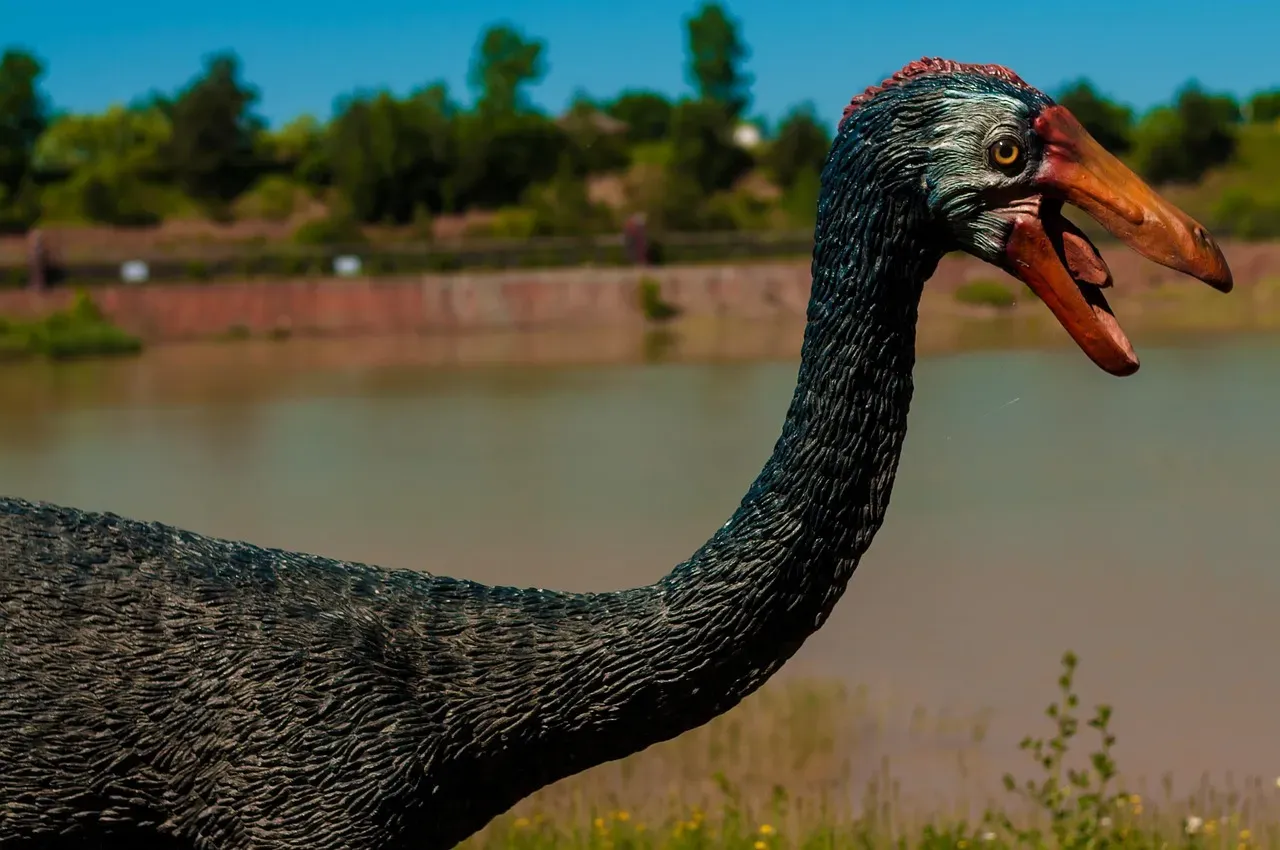
If you could hold an early bird in your hands, you might be thrown off by its mouth full of tiny, sharp teeth. Instead of a beak like you’re used to, many ancient birds carried a toothy grin and a long, bony tail stretching out behind them. You’d instantly feel how different they were from the compact, beaked, short‑tailed birds that visit your backyard today.
Those teeth and tails came with trade‑offs. Tails helped with balance and steering, but they also added drag and weight. As evolution favored more efficient fliers, you can watch those bony tails shrink and fuse, forming the short, stubby structure at the end of modern bird spines. Teeth, too, gradually disappeared, replaced by lighter beaks that were better for fast take‑offs and long flights.
5. Wings Began as Modified Arms Built for Hunting and Grabbing
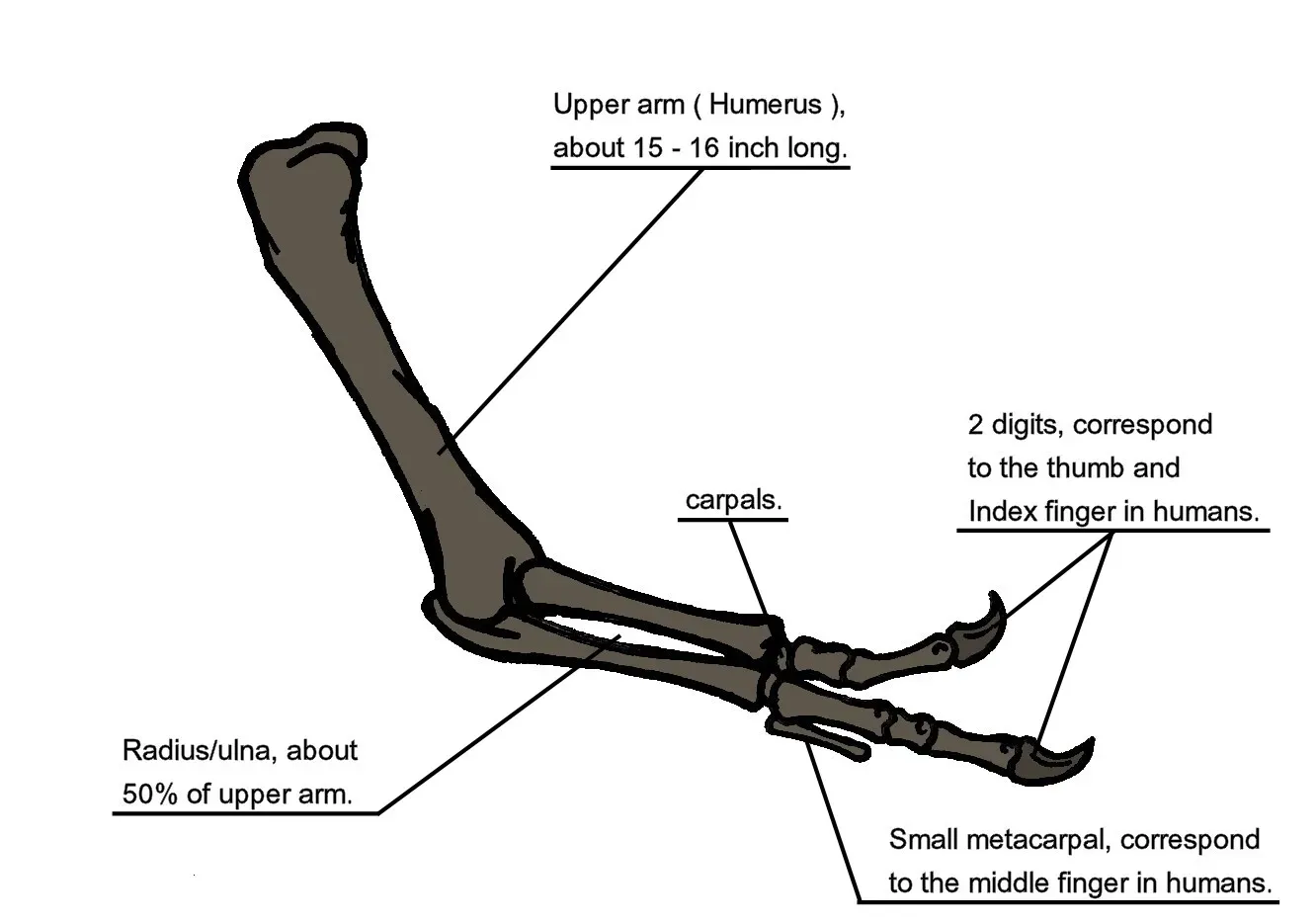
As feathers lengthened and forelimbs widened, you get a fascinating in‑between stage you can picture clearly: animals that still used their arms but were starting to push air with them. Some may have flapped to help them climb slopes or gain a tiny bit of lift while running, similar to how certain modern birds use their wings to scramble up steep surfaces. Step by step, those grabbing arms shifted into true wings designed for pushing against air instead of wrestling prey.
6. Flight Evolved Through Multiple Pathways, Not Just One Simple Route
You might be tempted to imagine one clean, simple path from ground‑dwelling dinosaur to soaring bird, but the fossil record tells you a different story. It shows you a variety of feathered animals experimenting with different body shapes and lifestyles: climbers in trees, runners on the ground, and gliders in between. Some lineages seem to head toward flight and then stall out, while others keep refining their wings and bodies.
This messy picture means you’re not looking at a straight ladder of progress but more like a tangled bush of possibilities. Flight could have gained momentum from tree‑down gliders turning their falls into controlled flights, or from ground‑up runners using wing flaps to lighten their steps. In the end, several ideas may have blended, with different groups testing different tweaks until a few finally mastered powered flight.
7. The Bird Body Became a Flying Machine from the Inside Out
When you watch a bird fly today, you might notice its wings and feathers first, but the real magic lies under the skin. Ancient birds slowly re‑engineered their skeletons, lungs, and muscles to handle the brutal demands of flight. Bones became hollow yet strong, helping you carry less weight while still resisting stress. At the same time, powerful chest muscles and a specialized breastbone evolved to anchor those muscles.
Inside, the respiratory system grew into something far more efficient than what you’re used to in mammals. Air sacs worked like a clever set of bellows, keeping fresh air flowing through the lungs almost constantly. For you, that means ancient birds were not just putting on wings; they were slowly transforming their entire internal design into a high‑performance flight engine.
8. Ancient Birds Shared the Sky with Flying Reptiles
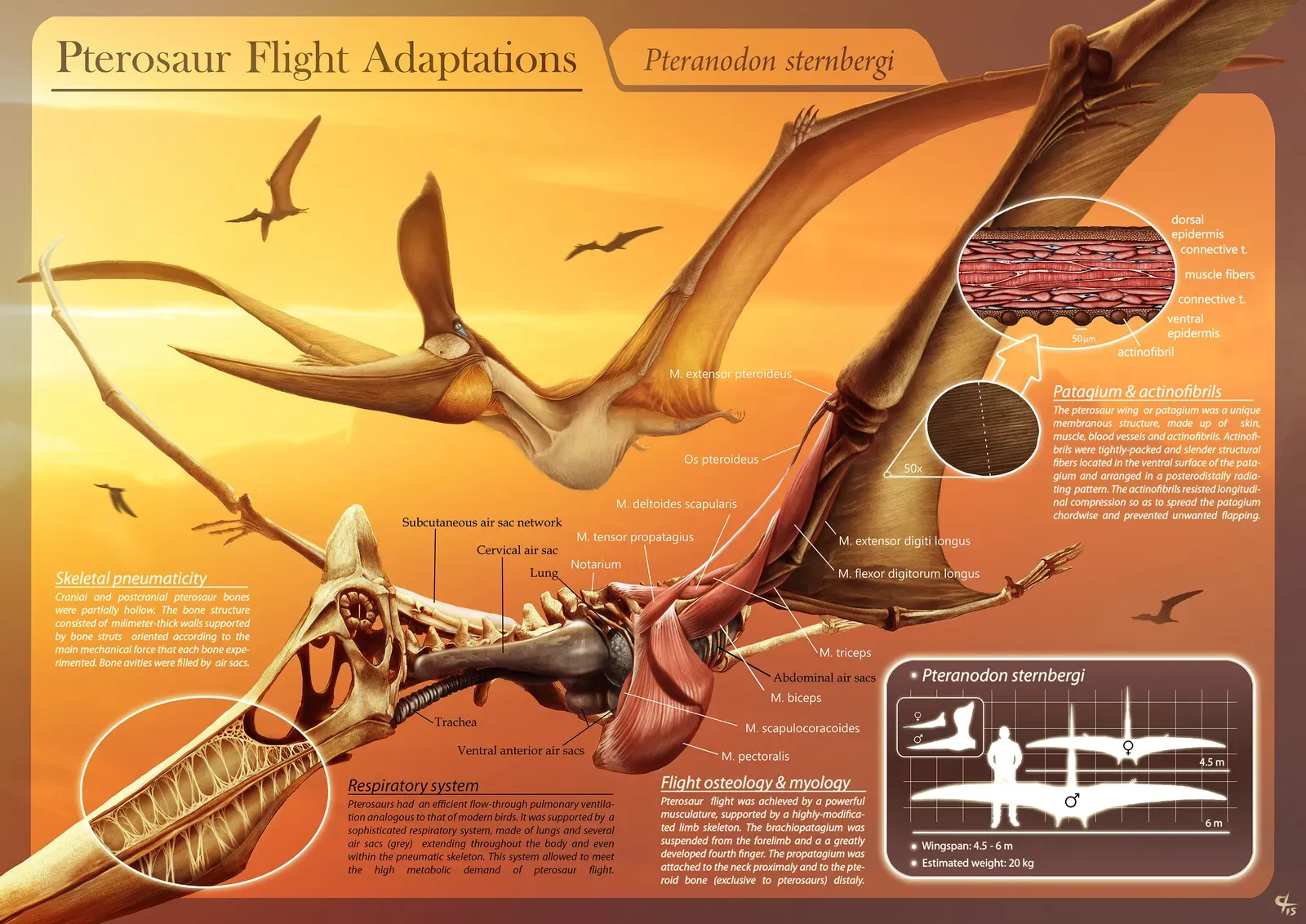
When you picture early birds taking flight, it’s easy to imagine them as pioneers in an empty sky, but that wasn’t the case. Long before birds became expert fliers, large flying reptiles called pterosaurs had already claimed the air. So when ancient birds started flapping their way upward, they were joining a sky full of competitors, not inventing aerial life from scratch. For you, that sets the scene more like a crowded marketplace than a quiet, open field.
This competition may have pushed ancient birds to specialize and innovate. You can imagine smaller birds darting through forests where large pterosaurs struggled to maneuver, or feeding in different ways to avoid direct rivalry. Over time, as environmental changes wiped out pterosaurs along with many other groups, birds were the ones left standing, ready to diversify into the new aerial niches now left wide open.
9. Some Ancient Birds Were Surprisingly Poor at Takeoff and Landing
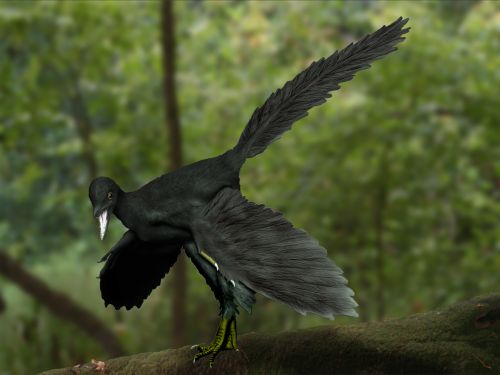
If you could watch certain early birds in action, you might be underwhelmed by their flying skills. Their wings, tails, and leg proportions sometimes made takeoff clumsy and landing risky. You’d see individuals needing to launch from heights or use running starts, rather than springing effortlessly into the air like many modern birds. They were more like early test planes than sleek, modern jets.
These awkward stages are exactly what you’d expect if you think of flight as something still under construction. Over time, natural selection favored birds that could take off faster, maneuver more precisely, and land without crashing into every branch. The clumsy early performances gradually gave way to the polished routines you watch in today’s swallows, hawks, and hummingbirds.
10. The Evolution of Flight Never Really Stopped
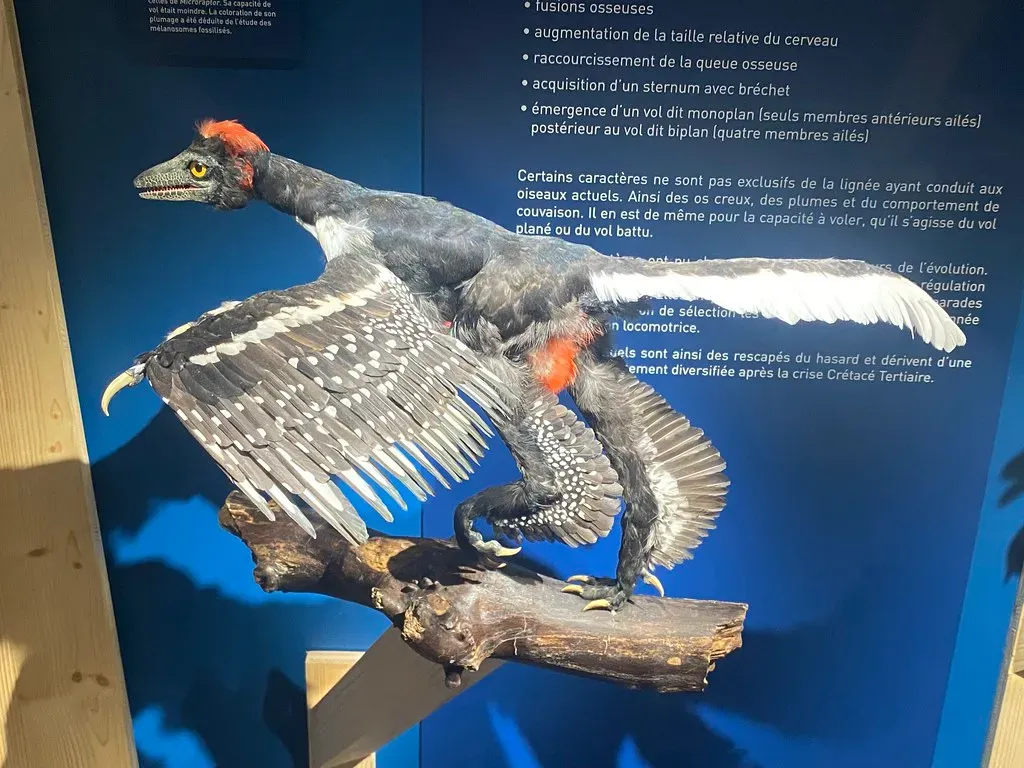
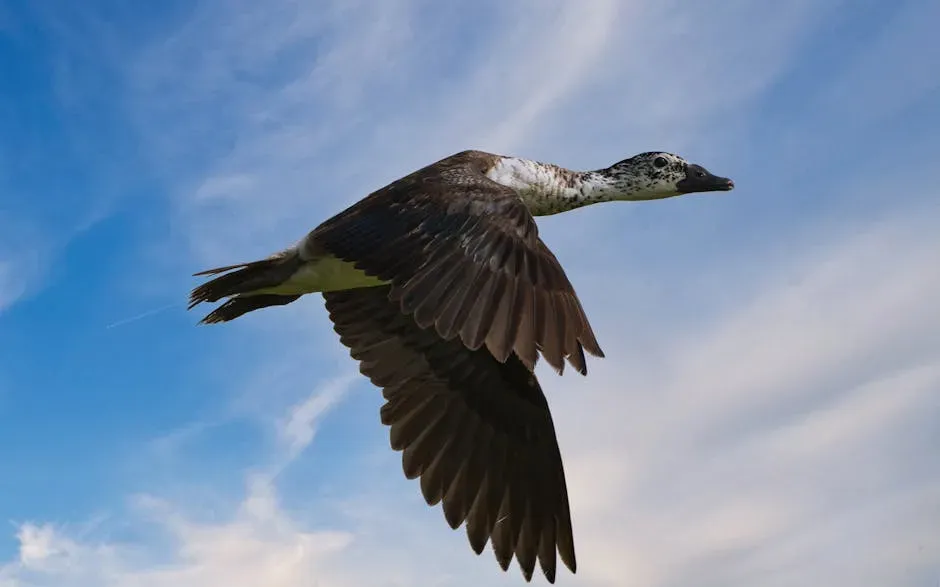
It’s tempting to imagine that once ancient birds solved flight, the story was basically over, but your world today quietly proves otherwise. Many bird groups have continued to tweak and sometimes even abandon flight. You can think of penguins turning their wings into flippers for underwater “flight,” or large, heavy birds becoming mostly or completely flightless when running or swimming suited them better. So flight is less a finished invention and more an ongoing experiment.
For you, that means the same evolutionary forces that once turned small dinosaurs into early birds are still at work now, shifting shapes and strategies wherever conditions demand it. Every time you see a swift slicing through the sky or a flightless bird striding across the ground, you’re catching just one frame from a very long movie. The evolution of flight is still being edited, even if you only notice the finished scenes.
When you pull all these threads together, you start to see ancient bird flight as one of nature’s boldest long‑term projects, not a neat little moment of sudden change. Feathers that started as insulation turned into airfoils, arms turned into wings, and clumsy glides turned into powerful, controlled flight. At the same time, teeth vanished, tails shrank, and entire bodies were hollowed and reshaped simply to move through air more efficiently.
Next time you look up and see a bird cutting across the sky, you’re really watching millions of years of trial and error compressed into a single smooth motion. Under that effortless glide is a deep history of half‑successful jumps, awkward landings, and anatomical gambles that sometimes paid off and sometimes failed. Knowing that, you might find yourself wondering what your own everyday abilities would look like if you could rewind their story just as far back. Did you ever imagine a simple wingbeat could have such a wild past behind it?